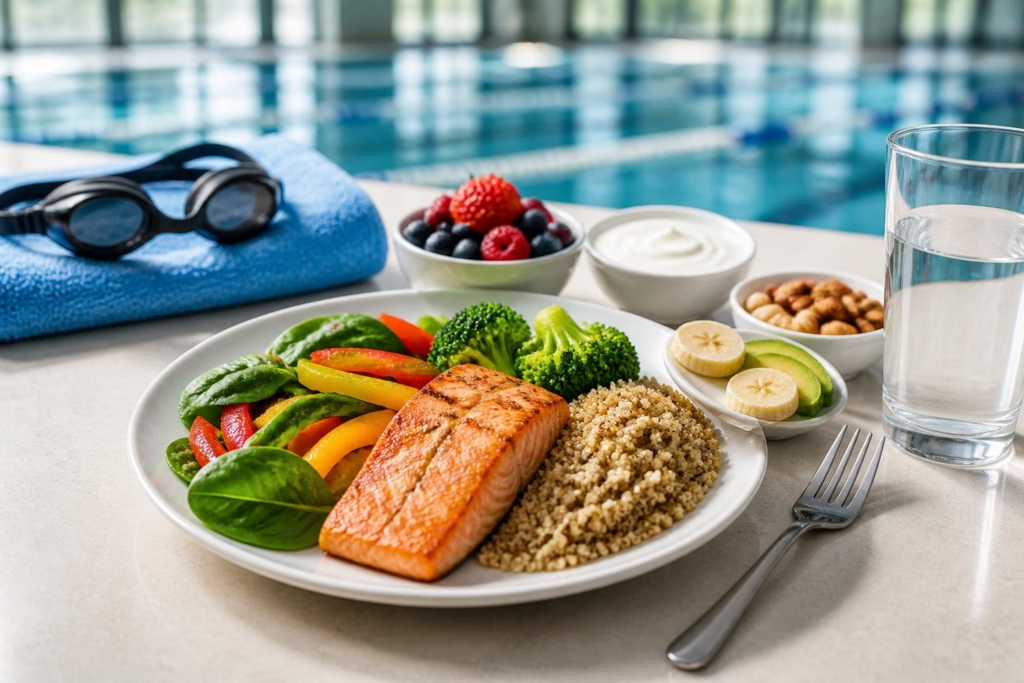
You do not need a chef, a nutritionist, or a 6,000-calorie shopping list to swim well. If you train two to five times a week at a local club, fit lengths in before work, or squeeze a session in after school, your diet needs to be simple, affordable, and repeatable. A practical diet for swimmers comes down to three things: enough complex carbohydrates to fuel your sets, enough protein spread through the day to repair muscle, and enough fluid to stop you fading in the last 20 minutes of practice.
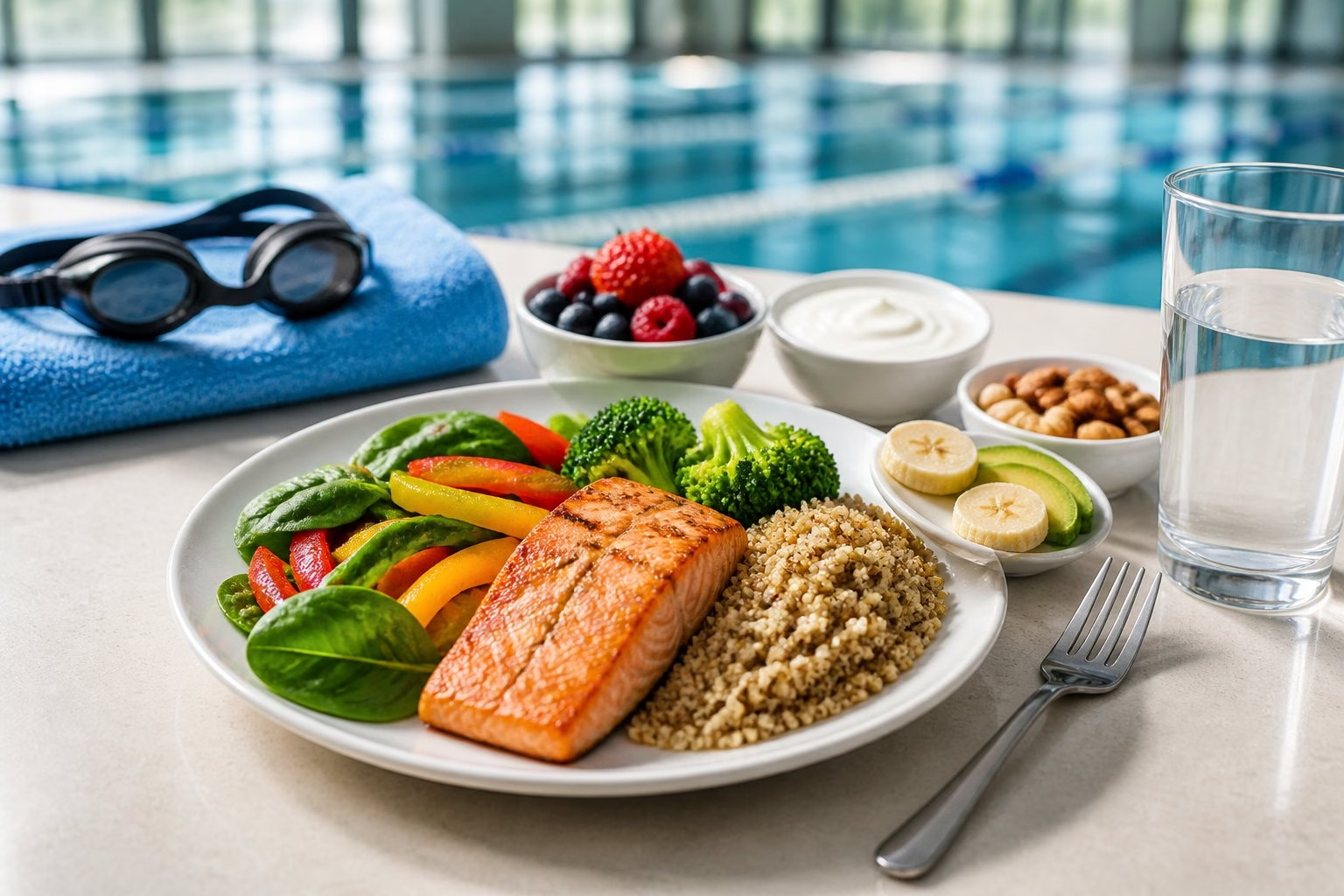
Most swimming nutrition advice online is written for full-time athletes doing double sessions and gym work six days a week. That advice is interesting, but it is not much use when you have a 9am meeting or a maths exam. What follows is the everyday version: real meals, real timings, and food you can buy in any UK supermarket.
The aim is steady energy levels, better endurance across a session, and recovery that lets you turn up again two days later feeling fresh. If you want more guidance on training sets, technique, and gear to pair with this, the rest of Swimmers World is worth a browse when you have a spare ten minutes.
Match Your Food Intake to Your Training Load
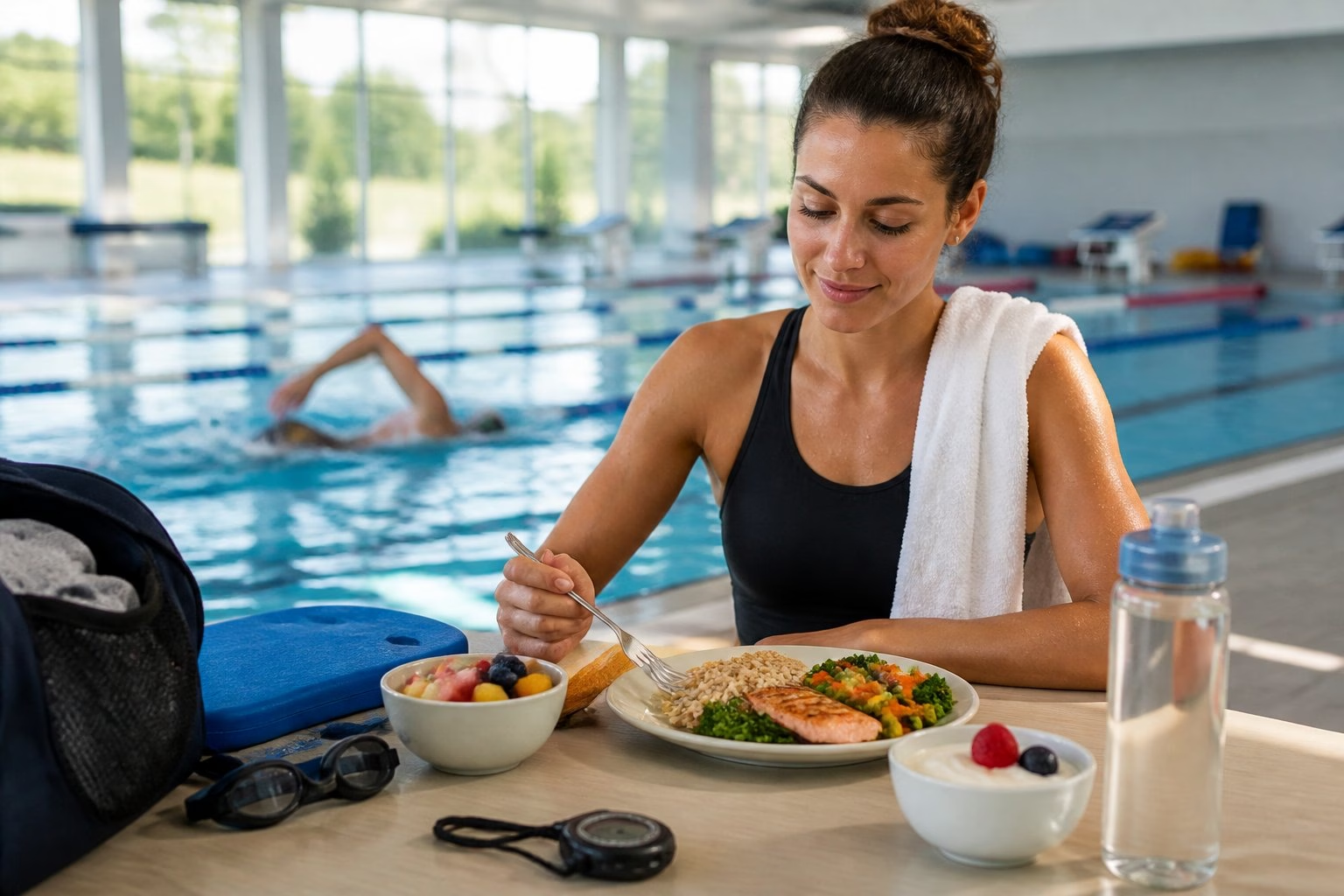
Your food intake should move up and down with your training week, not sit at one fixed number. A 45-minute technique session and a 90-minute threshold set place very different demands on your muscle glycogen, and eating the same amount for both is how swimmers end up either flat in the water or slowly gaining unwanted body fat.
Why Everyday Swimmers Need Flexible Fuel
Competitive swimmers on full-time programmes may need very high carbohydrate intakes. A diet plan for competitive swimmers can call for 6 to 12 grams of carbohydrate per kilogram of body weight a day, which is a huge amount of food.
Club and fitness swimmers rarely need anything like that. A useful habit is simply to add an extra portion of rice, pasta, potatoes or toast on your two hardest days and keep meals normal on rest days.
Recognising When You Are Under-Fuelling
Under-fuelling is more common than overeating in adult swimmers, especially those training early. Watch for these signs:
- Times drifting slower over several weeks despite consistent training
- Constant tiredness in the afternoon, not just after swimming
- Feeling cold, irritable, or getting frequent minor illnesses
- Losing power on the back half of every set
Research summarised by World Aquatics found that swimmers with energy-deficient diets got slower over a training block while teammates doing identical work improved.
Balancing Performance, Health and Body Composition
If you want to change body composition, do it slowly and in the off-season, never in the weeks before a meet. Cutting carbohydrates hard will cost you strength and endurance long before it changes how you look.
A steadier approach works better: keep protein and vegetables consistent, adjust starch portions to your session length, and let the training do the rest.
Build Meals Around Carbohydrates, Protein and Healthy Fists
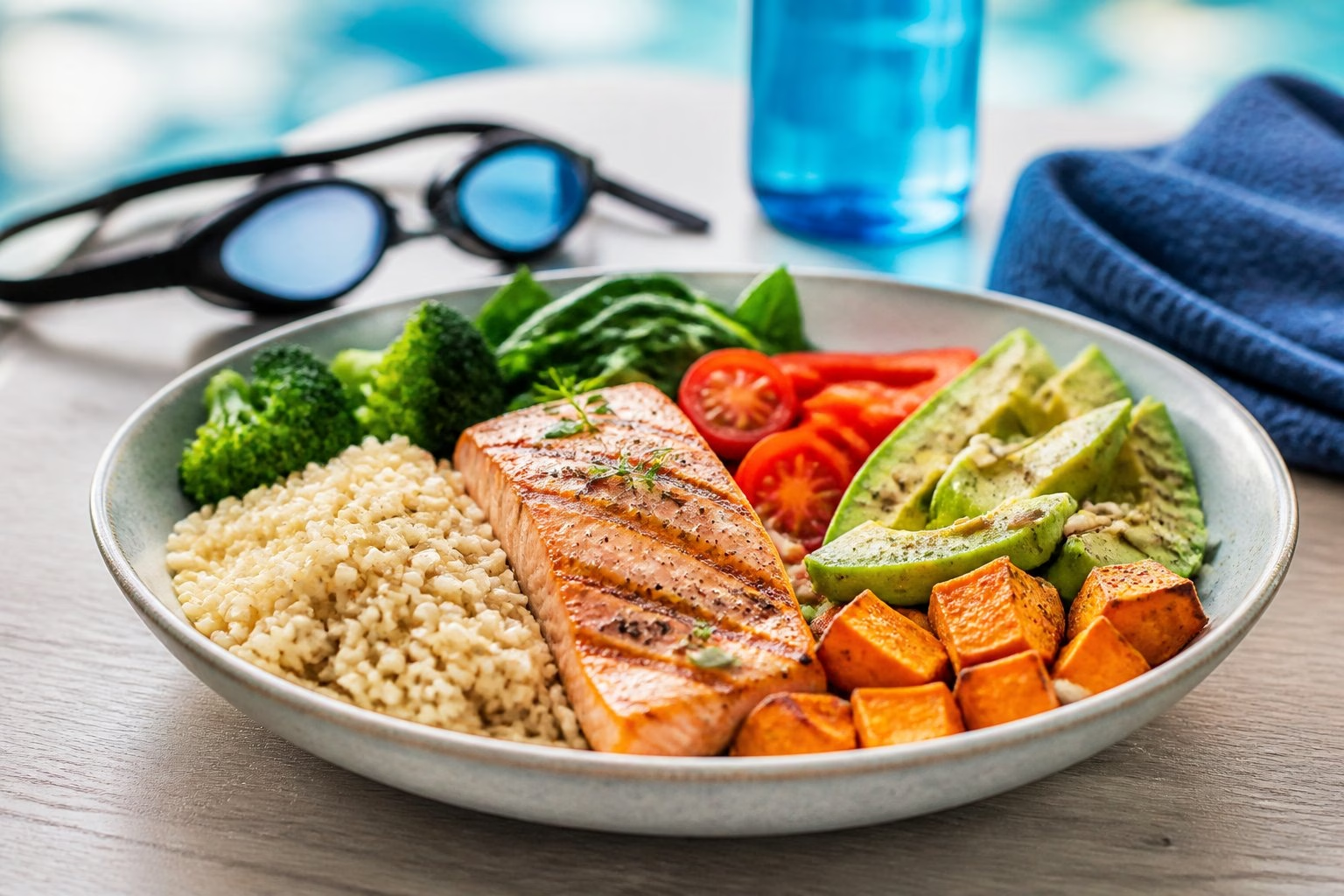
Every main meal you eat should have a starch, a protein and something colourful on the plate. That single habit covers most of what a swimmer needs without any weighing, counting or tracking apps.
Complex Carbohydrates for Pool Energy
Complex carbohydrates are your main fuel for repeats and long swims. They break down more slowly than sugar, so your energy holds up through a full session.
Cheap, easy staples include:
- Oats and oatmeal (make overnight oats the night before an early swim)
- Brown rice and pasta (batch-cook enough for three days)
- Potatoes and sweet potatoes (bake several at once)
- Whole wheat bread and whole-grain toast
- Starchy vegetables like peas and sweetcorn
Protein for Muscle Repair
Protein rebuilds the muscle you break down in the water. Aim for a palm-sized portion at each main meal rather than one big hit at dinner.
Reliable lean protein choices: chicken breast, turkey, eggs, tinned tuna, salmon, mackerel, tofu, lentils and chickpeas. Tinned fish and tinned legumes cost very little and need no cooking, which matters when you get home at 9pm.
Healthy Fats and Micronutrients for Everyday Health
Healthy fats support hormones, joints and general recovery. Avocado, almonds, walnuts, chia seeds and peanut butter all do the job, and oily fish adds omega-3 fatty acids.
Do not skip vegetables. Broccoli, spinach, kale and peas deliver the vitamins and minerals you need, and greens plus red meat or lentils help protect iron levels. Many UK swimmers train indoors year-round, so vitamin D is worth discussing with your GP over winter.
Time Food Around Morning and Evening Practices
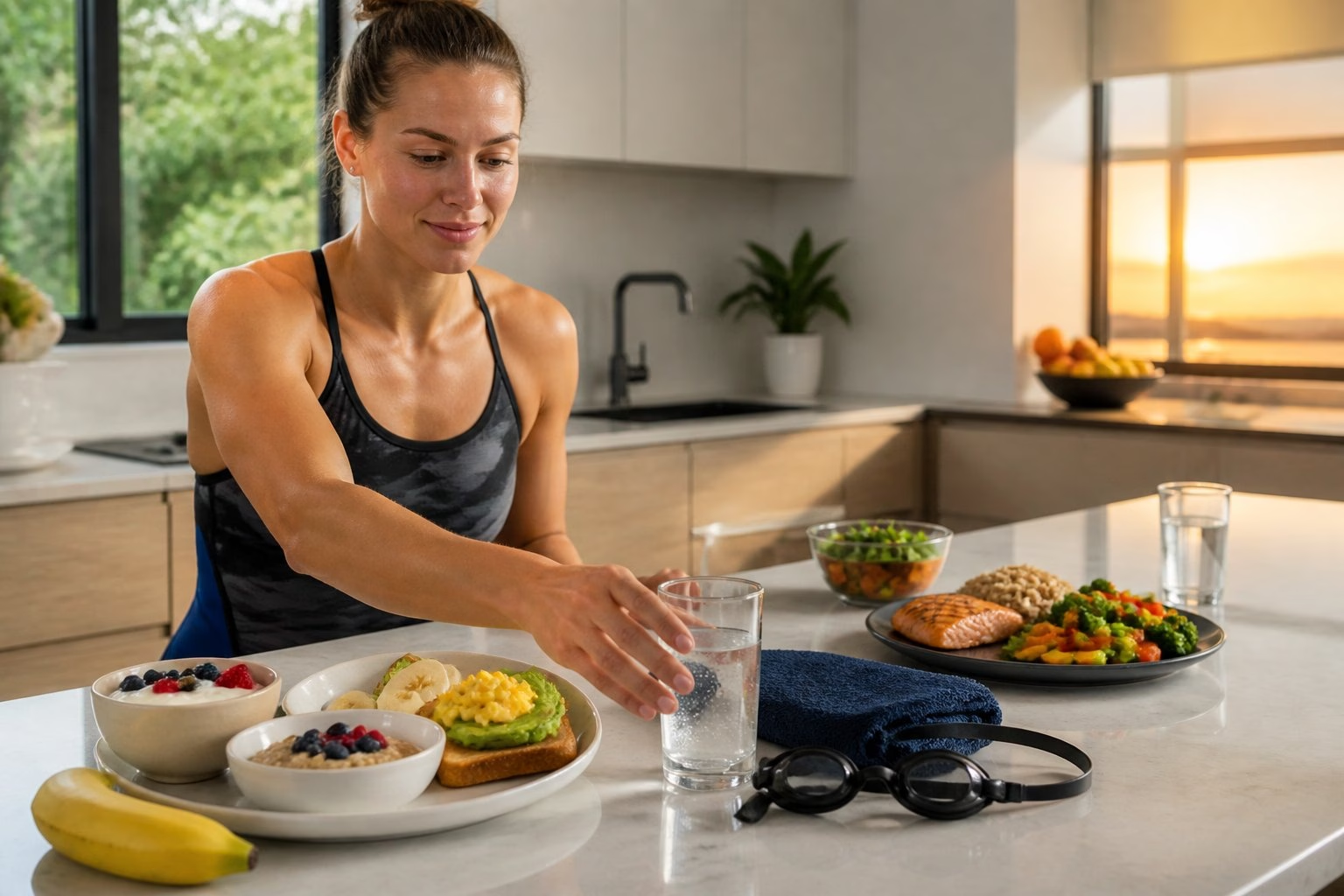
Meal timing matters less than most swimmers think, but it matters most around the session itself. The goal is simple: arrive with something in the tank, and eat properly within an hour or two of finishing.
Easy Pre-Swim Meals and Snacks
For a full pre-training meal, eat around 1.5 to 2 hours before you swim. Whole-grain toast with peanut butter, oatmeal with berries, or rice with chicken all work well.
If you only have 20 to 40 minutes, go small and low-fat:
- A banana, or an apple with a few nuts
- A granola bar or small handful of granola
- A fruit smoothie or a glass of fruit juice
- Greek yogurt with blueberries
- Dried fruits and a splash of milk
For 6am starts, many swimmers do fine on a banana and a glass of milk in the car, then eat a proper breakfast afterwards.
Fuel During Long Sessions and Meet Days
Under 60 minutes, water is usually enough. Past 75 to 90 minutes of hard work, a diluted sports drink or a few dried apricots on the pool deck keeps quality high in the final sets.
On meet days with long gaps between races, small and frequent beats one big meal. Sliced oranges, bananas, granola bars, plain pasta and a yogurt spread across the session keep you topped up without a heavy stomach.
Eating Well When Training Ends Late
Finishing at 9pm and skipping dinner is a mistake, even if you are not hungry. Have something ready before you leave: pasta with tinned tuna, or rice with eggs and frozen peas takes eight minutes.
If your appetite is low, liquid calories help. A smoothie with milk, banana, oats and peanut butter goes down easily and does the recovery job.
Hydrate Properly In and Out of the Pool
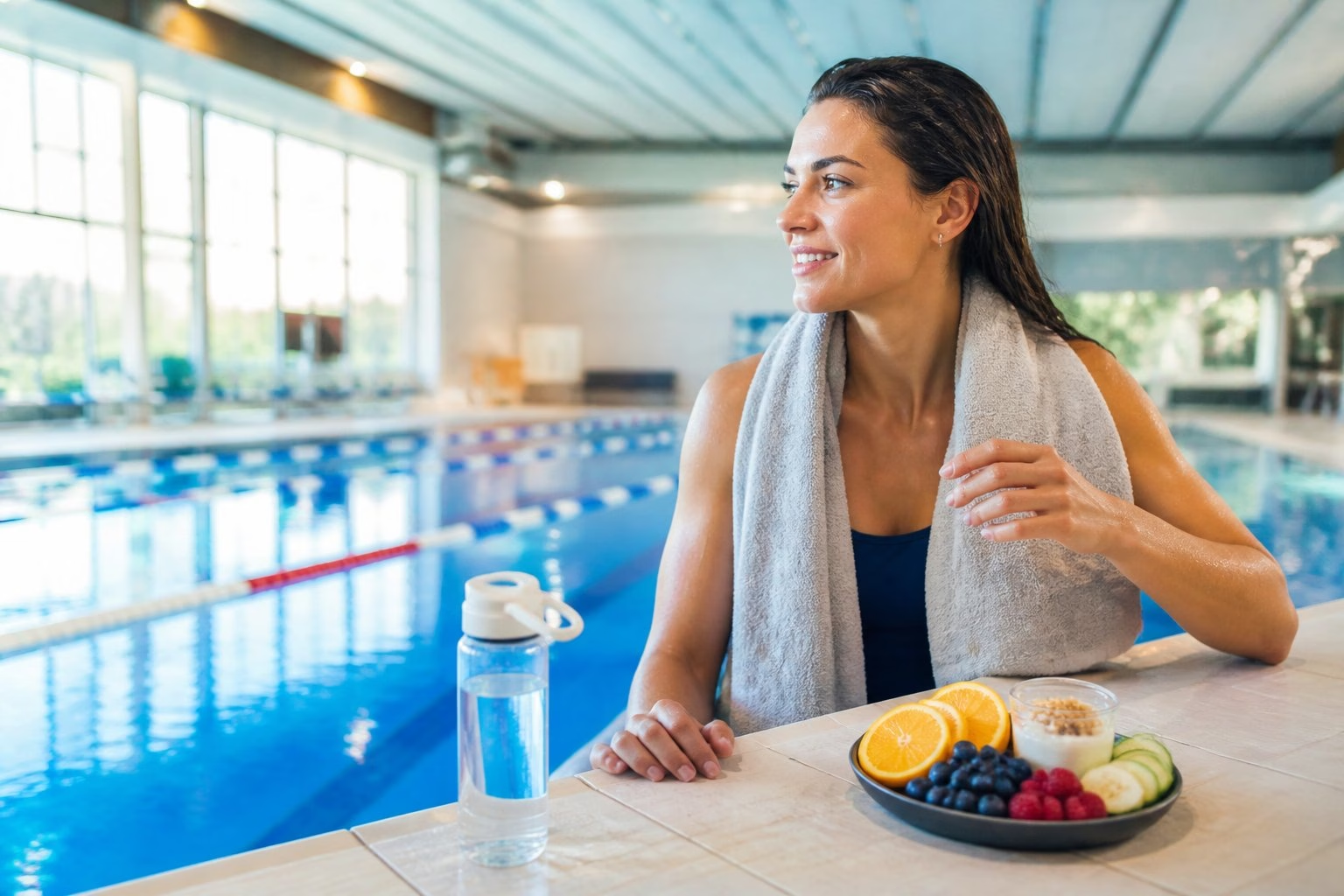
You sweat in the pool, you just cannot see it. Dehydration of even 2% of body weight can dull your pace judgement and make sets feel harder than they are.
Why Swimmers Can Still Become Dehydrated
Surrounded by water, thirst cues get blunted and sweat washes away instantly. Warm indoor pools and humid air make it worse, and evening swimmers often arrive already behind after a day of coffee and not much water.
The habit that fixes this is boring but effective: a bottle on the pool deck, and a sip every few lengths of easy swimming or between sets.
Water and Electrolytes for Different Session Lengths
| Session | What to drink |
|---|---|
| Under 45 minutes | Water only |
| 45 to 75 minutes | Water, 400 to 600ml across the session |
| 75+ minutes or hard sets | Water plus electrolytes or a diluted sports drink |
| Meet day, several hours | Water, sports drinks, plus food like bananas and oranges |
Electrolytes matter because sodium and potassium losses contribute to muscle cramps. Coconut water, oranges, bananas and fruit juice all add potassium naturally, so you do not always need a commercial product.
Practical Signs to Adjust Your Fluid Intake
Check the simple stuff. Pale straw-coloured urine, no headache after training, and no dizziness when you climb out mean you are broadly on track.
A more precise method, recommended by dietitians at MySwimPro, is weighing yourself before and after a session and replacing the fluid you lost. Do it once or twice to learn your own sweat rate, then stop weighing and just apply what you learned.
Recover Between Sessions Without Overcomplicating It
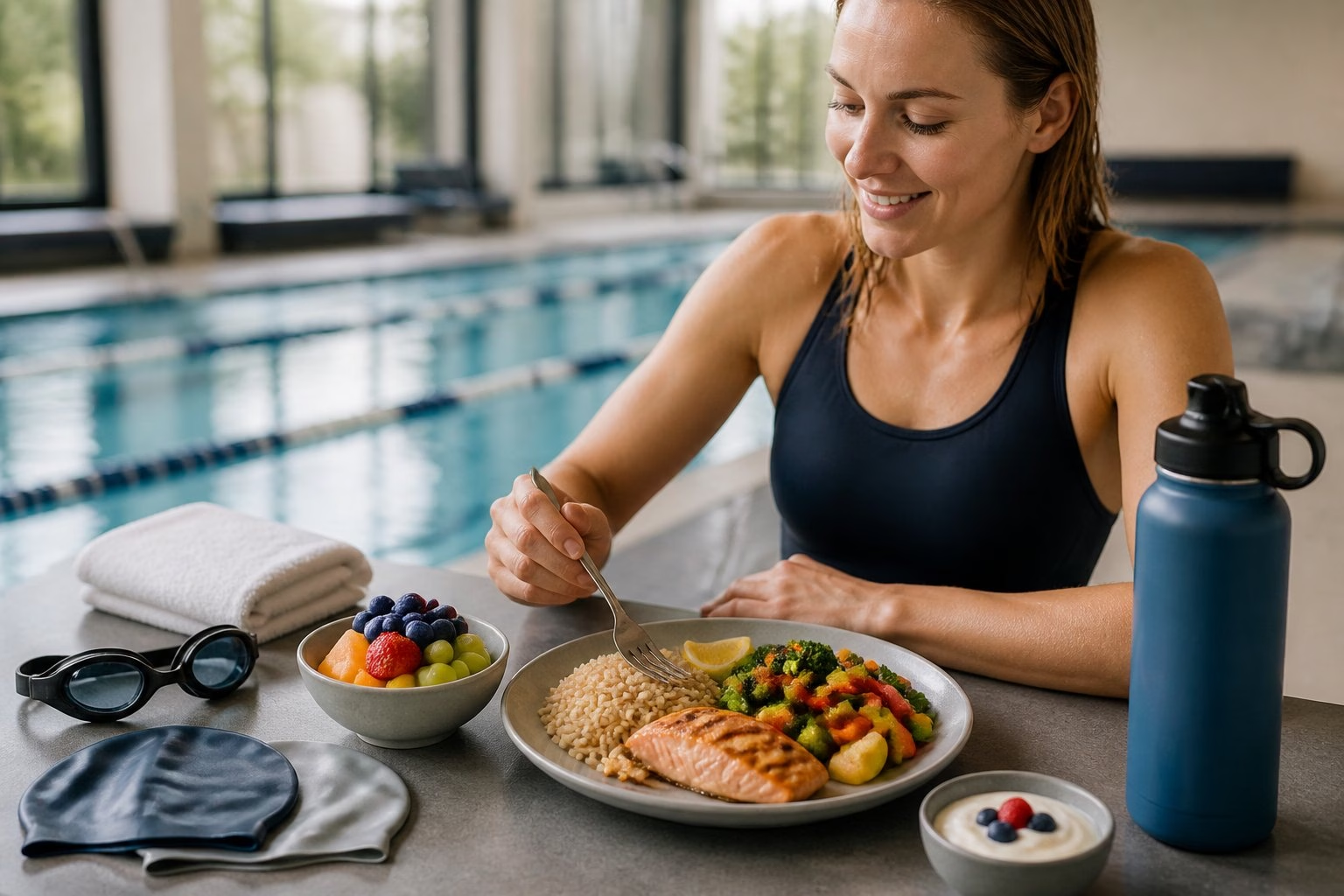
Recovery nutrition is mostly carbohydrates plus protein, eaten reasonably soon after you finish. You do not need a shelf of powders to do it well.
Replenishing Carbohydrate Stores After Swimming
Hard swimming empties muscle glycogen, and refilling it is what lets you train well again tomorrow. If your next session is more than 24 hours away, a normal meal within a couple of hours is plenty.
If you train again the same day or the next morning, be more deliberate. Aim for roughly three parts carbohydrate to one part protein, a ratio commonly recommended for post-workout recovery.
Protein-Rich Recovery Options
Quick options that actually get eaten:
- Chocolate milk (carbs and protein already mixed, and cheap)
- Greek yogurt with granola and berries
- A glass of milk with a banana
- Poached eggs on toast
- Chicken breast, salmon or tofu with quinoa and vegetables
Around 20 to 30g of protein at this meal covers muscle repair for most adult swimmers.
When Supplements May and May Not Help
Whey protein or protein powder is convenient, nothing more. It helps if you struggle to eat after a late session or you are travelling to meets, but it does not beat real food.
Skip anything promising dramatic performance gains. Fixing your fluid intake, adding a second portion of carbohydrate on heavy days, and sleeping seven to eight hours will do far more than any supplement, and cost less.
A Realistic Day of Eating Around Swim Practice
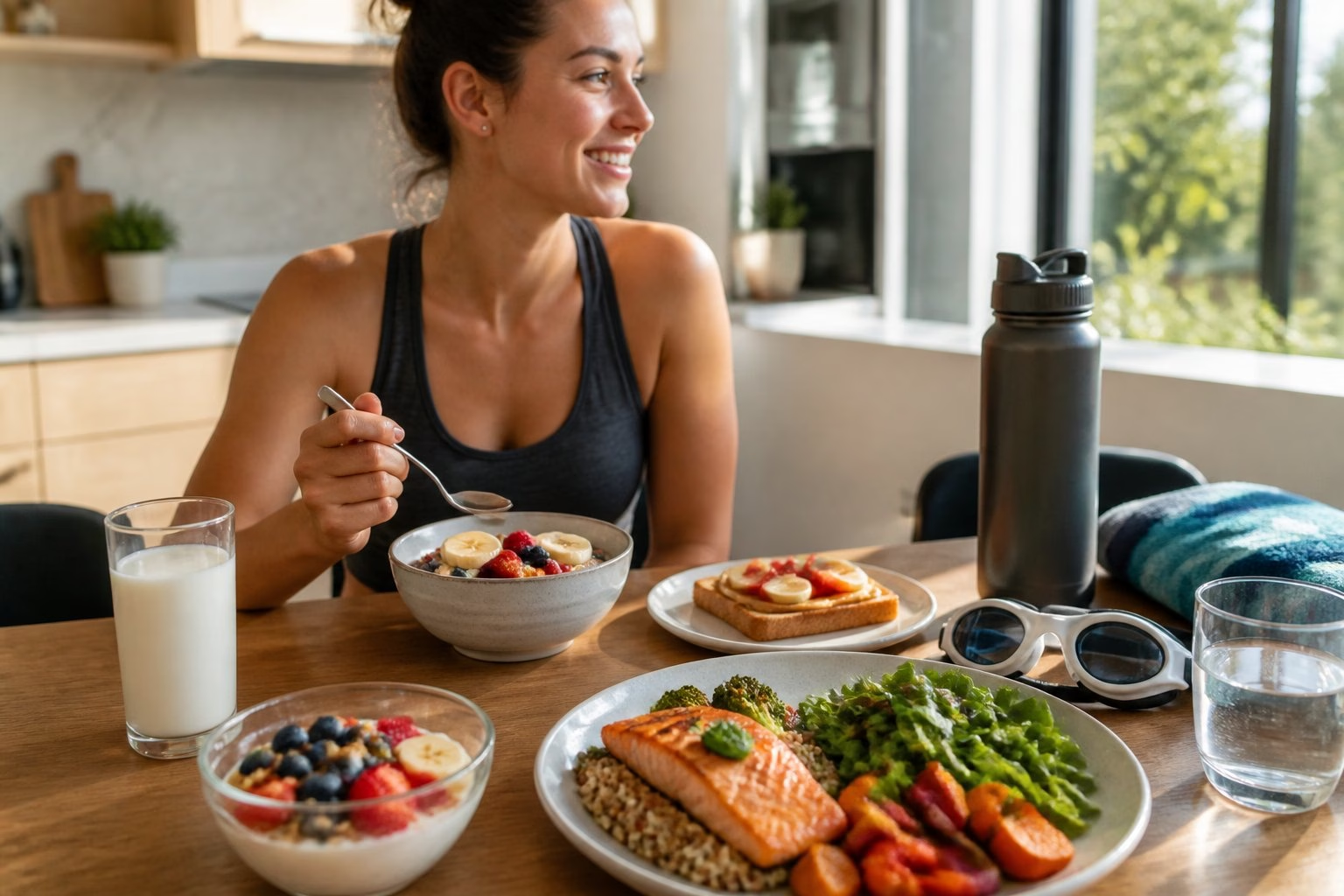
These are ordinary days built around ordinary food, sized for someone training four or five times a week alongside work or school. Adjust portions to your appetite and session length rather than following them exactly.
Sample Plan for an Early-Morning Session
| Time | Food |
|---|---|
| 5:45am | Banana and a glass of milk |
| 6:15am | Swim practice, water on deck |
| 8:00am | Oats with berries and chia seeds, plus two eggs on whole-grain toast |
| 12:30pm | Brown rice, chicken or chickpeas, spinach, avocado |
| 3:30pm | Greek yogurt with granola, or a handful of almonds and dried fruits |
| 7:00pm | Salmon or tofu, sweet potatoes, broccoli and peas |
Sample Plan for an After-Work or After-School Session
| Time | Food |
|---|---|
| 7:30am | Fruit smoothie with oats, banana and yogurt, or scrambled eggs on toast |
| 12:30pm | Pasta with tuna, sweetcorn and kale |
| 4:30pm | Whole wheat bread with peanut butter, or a granola bar |
| 6:00pm | Swim practice |
| 7:45pm | Quinoa or rice with turkey, ground beef, lentils or steak, plus vegetables |
| 9:15pm | Milk and walnuts if you are still hungry |
Budget-Friendly Prep and Shopping Swaps
Swap frozen for fresh where it makes no difference: frozen berries, spinach, peas and broccoli are cheaper and last for weeks. Tinned tuna, tinned lentils and eggs are the most cost-effective proteins in most UK shops.
Cook once, eat three times. A big pot of rice, a tray of roasted potatoes, and a batch of chicken thighs on a Sunday covers most weekday lunches with almost no daily effort.
Frequently Asked Questions
What should competitive swimmers eat in a typical day?
Three main meals built around a starch, a lean protein and vegetables, plus two or three snacks timed near training. That usually means oats or eggs at breakfast, rice or pasta with chicken, fish or lentils at lunch and dinner, and fruit, yogurt or nuts in between.
What foods should swimmers avoid before training and races?
Avoid high-fat, high-fibre and very large meals in the two hours before you swim, since they sit heavily and can cause cramping or reflux in the water. Fried food, creamy sauces, big salads and fizzy drinks are the usual culprits. Stick to familiar, low-fat carbohydrates you have tested in training.
How can swimmers plan a healthy seven-day meal plan?
Pick three breakfasts, three lunches and four dinners you genuinely like, then rotate them. Batch-cook two starches and two proteins at the weekend, buy frozen vegetables, and keep bananas, yogurt and granola bars stocked for pre-swim snacks.
What should young swimmers eat to support training and growth?
Young swimmers need food for growth as well as training, so restricting portions is rarely appropriate. Offer regular meals plus snacks after school and after practice, with milk, yogurt, eggs and whole grains featuring often to support bones and iron levels.
How can swimmers lose weight safely without reducing performance?
Change fat and portion size slightly rather than cutting carbohydrates, and only attempt it away from competition. Keep protein and vegetables steady, drop snacking on low-value foods, and accept a slow rate of change so your endurance and strength hold up.
What should female swimmers eat to meet their energy and iron needs?
Female swimmers are at higher risk of low energy availability and low iron, so eating enough overall comes first. Include iron-rich foods such as red meat, lentils, chickpeas and spinach with a source of vitamin C, and ask your GP for a blood test if fatigue persists despite good training and sleep.