swimmersworldblog

Wild Swimming Loch Ness: Access, Risks and Nearby Options

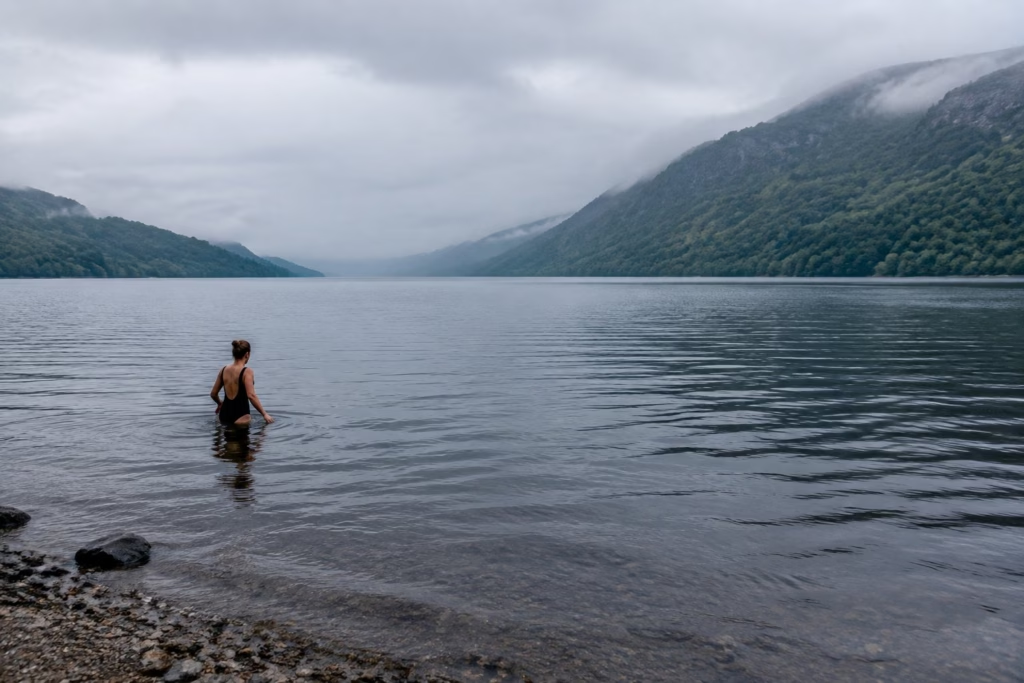
You can legally swim in Loch Ness, but the water is very cold and very deep, and it changes fast when the wind picks up. Scottish access rights cover swimming in most lochs, including this one. Near the shore you will feel a summer surface of around 12 to 13°C at best, with water closer

Wild Swimming Loch Ness: Access, Risks and Nearby Options Read More »
Swim Vest: 10 Options for Children and Adults in 2026

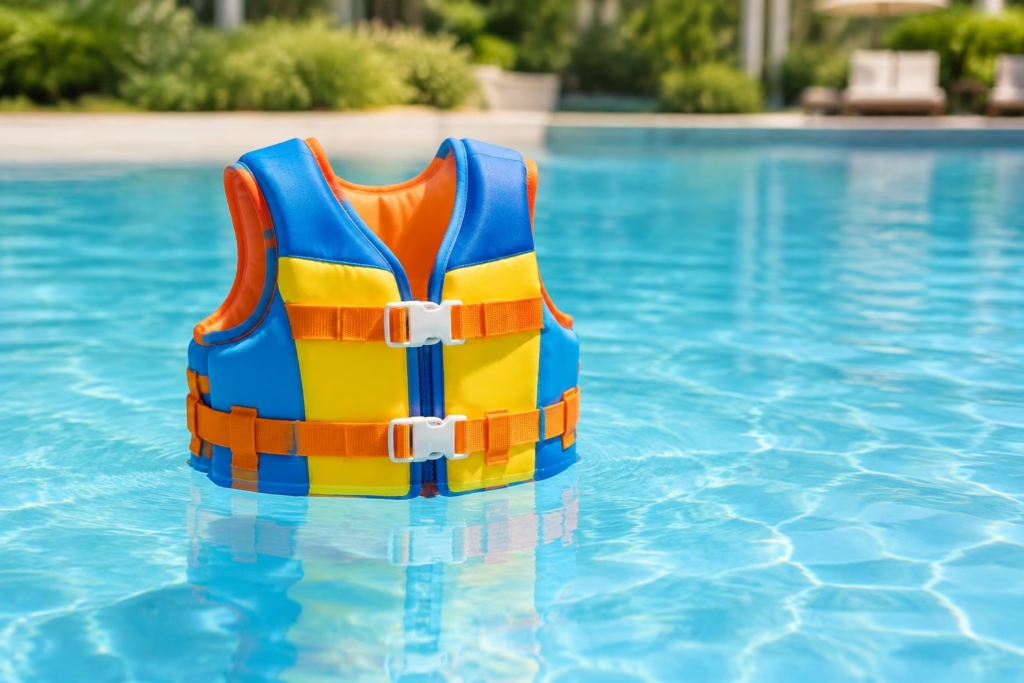
Most UK swimming teachers prefer a foam swim vest to armbands for young learners. A vest holds a child in a forward, swimming-ready position and leaves their arms free to paddle. For most children aged two to six, the Zoggs Super Star Swimsure Jacket is the best all-round choice, because its fixed foam buoyancy, zip

Swim Vest: 10 Options for Children and Adults in 2026 Read More »

Flutter Kick: Swimming Technique, Drills and Common Fixes

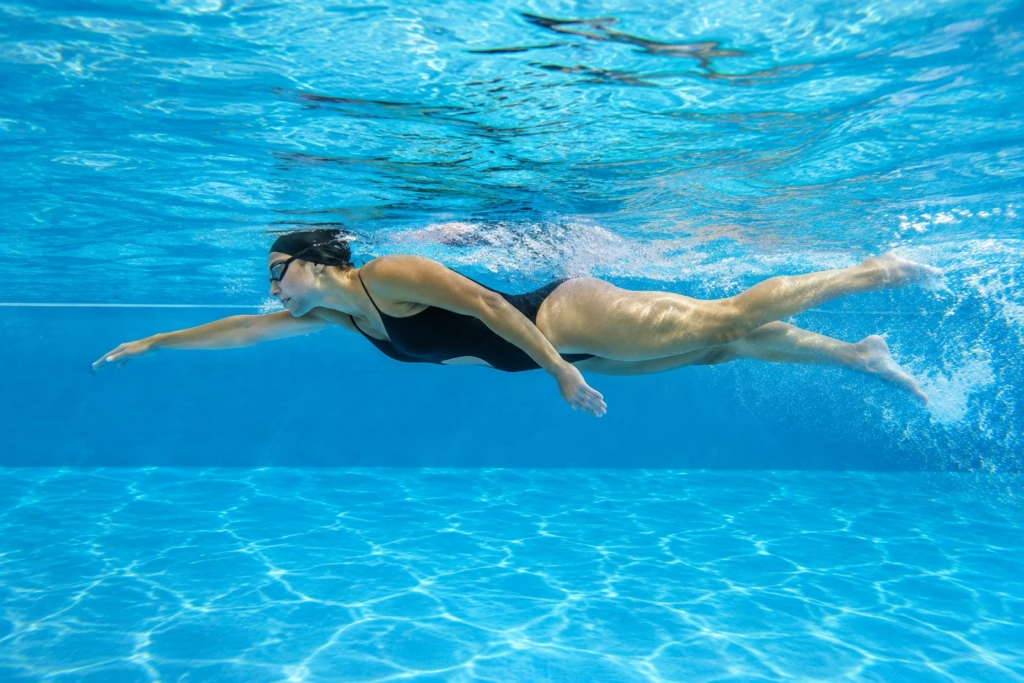
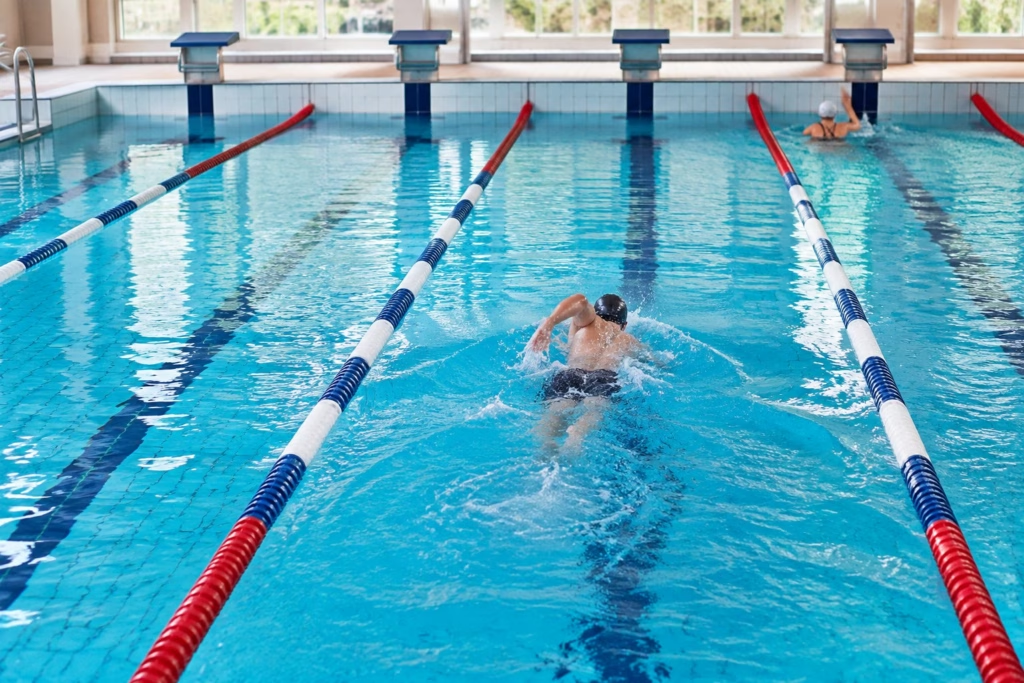
A weak kick sinks your hips, adds drag and makes your arms work twice as hard. A good one keeps you flat, steady and moving forward with less effort, whether you swim freestyle or backstroke. An efficient flutter kick is a small, fast, alternating kick that starts at your hips, keeps your legs long with

Flutter Kick: Swimming Technique, Drills and Common Fixes Read More »

Swimmers Cough: Causes, Relief and When to Get Help

If you start coughing during or after a swim, the cause is often the air above the water. Swimmers cough is usually a short-lived irritation of your throat and airways, triggered by chloramines that build up in the air above chlorinated pools, especially indoor ones with poor ventilation. Most mild episodes ease once you leave

Swimmers Cough: Causes, Relief and When to Get Help Read More »

Swimming Core Workouts: 10 Dryland and Pool Exercises

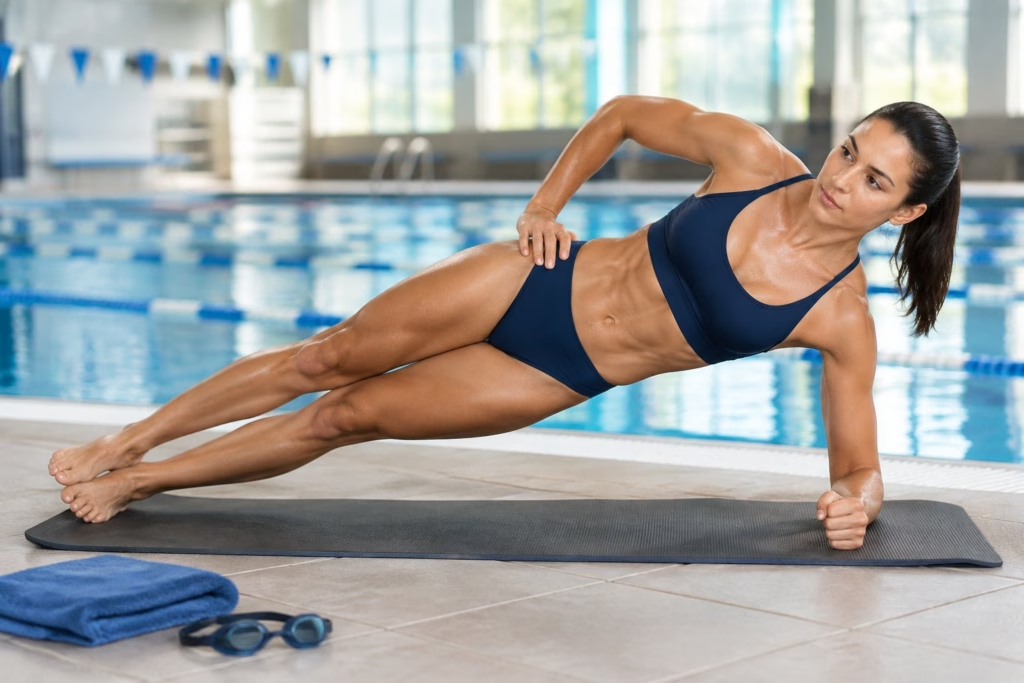
A strong core keeps your hips high, your body long and your stroke connected from fingertips to toes. When your trunk tires, your legs sink, your hips sway and every length costs you more effort. The most useful swimming core workouts pair seven dryland moves (planks, dead bugs, bird dogs, bridges, Pallof presses and hollow

Swimming Core Workouts: 10 Dryland and Pool Exercises Read More »

Swimming for Free: Pools, Lessons and Local Schemes

You can go swimming for free in the UK, but rarely by walking into any pool you like. The most reliable routes are council free-swim schemes for residents, school-holiday programmes for under-16s, and lifeguarded beaches or open water, with discounted concession memberships as your back-up. The catch is that most schemes depend on your age,

Swimming for Free: Pools, Lessons and Local Schemes Read More »

Breaststroke Swimming Technique: Kick, Pull and Timing

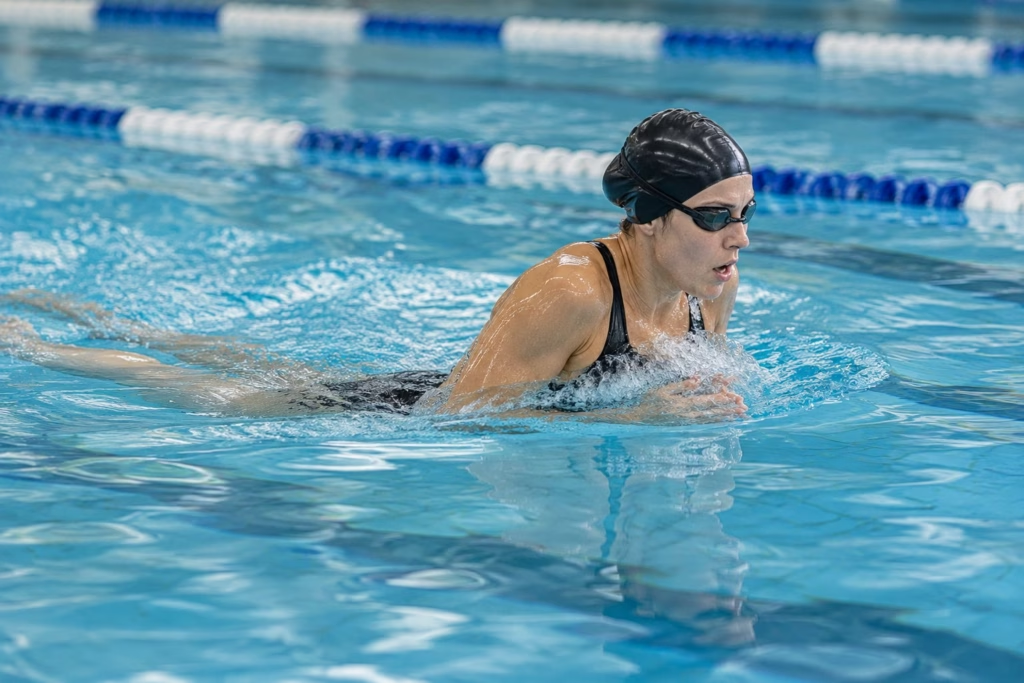
Good breaststroke comes down to one repeating rhythm: pull, breathe, kick, glide. The correct breaststroke swimming technique is a short, compact arm pull that lifts you to breathe, followed by a narrow whip kick that drives you forward into a long, streamlined glide before the next stroke starts. Get that order right and the stroke

Breaststroke Swimming Technique: Kick, Pull and Timing Read More »

Laps vs. Lengths in Swimming: Definitions and Distances

A length is one swim from one end of the pool to the other. A lap is less fixed: some swimmers mean one length, while others mean a full there-and-back of two lengths. The clearest way to track your swim is to count lengths, because one length always equals the pool’s length, while “lap” can

Laps vs. Lengths in Swimming: Definitions and Distances Read More »