Beginners and improvers

Beginners and improvers if you are just starting out, looking to improve or not sure how best to start enjoying swimming we have lots of helpful articles full of all the information you needBeginners and improvers

Swimmers Cough: Causes, Relief and When to Get Help

If you start coughing during or after a swim, the cause is often the air above the water. Swimmers cough is usually a short-lived irritation of your throat and airways, triggered by chloramines that build up in the air above chlorinated pools, especially indoor ones with poor ventilation. Most mild episodes ease once you leave

Swimmers Cough: Causes, Relief and When to Get Help Read More »
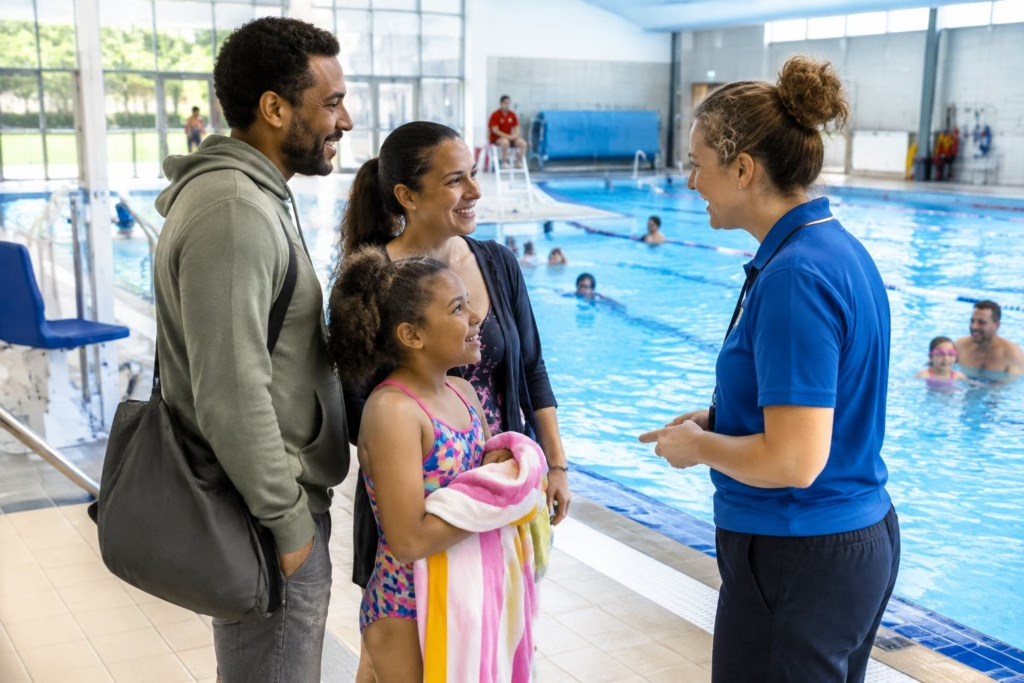
Swimming for Free: Pools, Lessons and Local Schemes

You can go swimming for free in the UK, but rarely by walking into any pool you like. The most reliable routes are council free-swim schemes for residents, school-holiday programmes for under-16s, and lifeguarded beaches or open water, with discounted concession memberships as your back-up. The catch is that most schemes depend on your age,

Swimming for Free: Pools, Lessons and Local Schemes Read More »

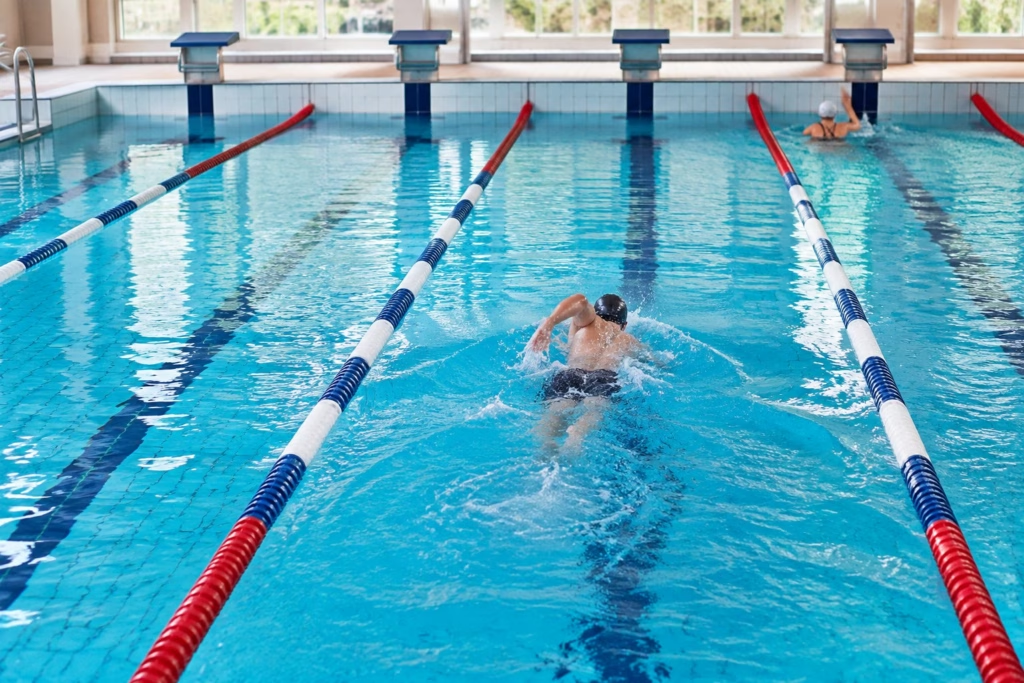
Laps vs. Lengths in Swimming: Definitions and Distances

A length is one swim from one end of the pool to the other. A lap is less fixed: some swimmers mean one length, while others mean a full there-and-back of two lengths. The clearest way to track your swim is to count lengths, because one length always equals the pool’s length, while “lap” can

Laps vs. Lengths in Swimming: Definitions and Distances Read More »

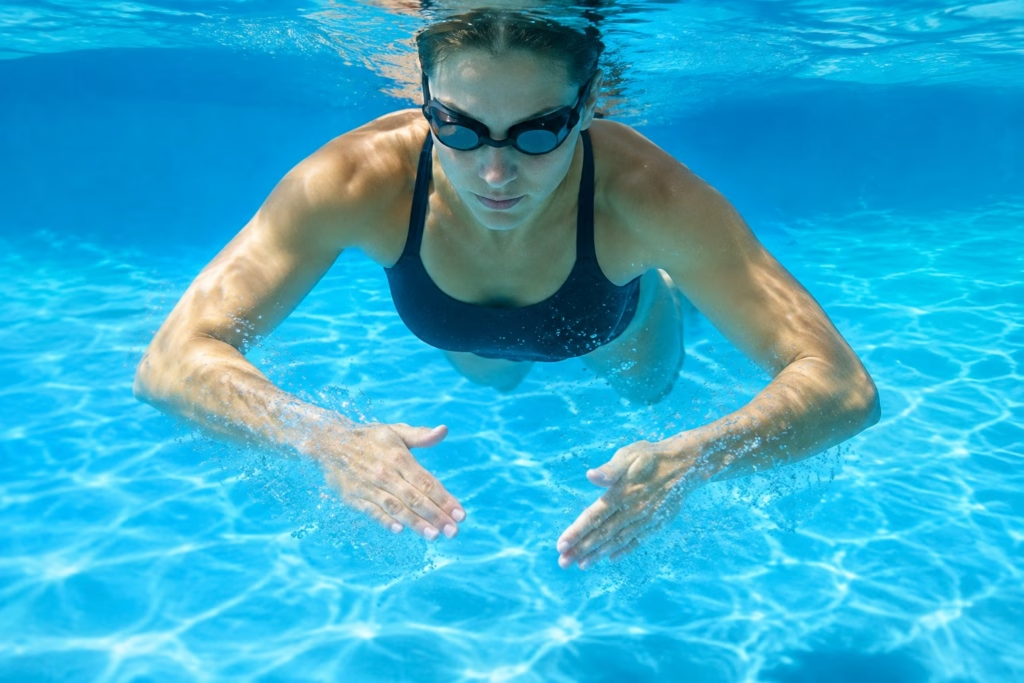
Sculling Swimming: Technique, Drills and Stroke Benefits

Sculling is the small, controlled sweep of your hands and forearms that lets you feel, hold and push against the water without taking a full stroke. Sculling in swimming teaches you to keep steady pressure on your palms and forearms, which gives you a stronger catch and better propulsion in every stroke. You won’t race

Sculling Swimming: Technique, Drills and Stroke Benefits Read More »

Swimming Drills for Beginners: A Safe Skills Progression

The safest way to learn is to master breath control and floating at the wall before you ever try a full length, because a swimmer who can exhale calmly and stand up from a float has the two skills that prevent panic. Every drill below builds on those two foundations, working from shallow-water bubble blowing

Swimming Drills for Beginners: A Safe Skills Progression Read More »