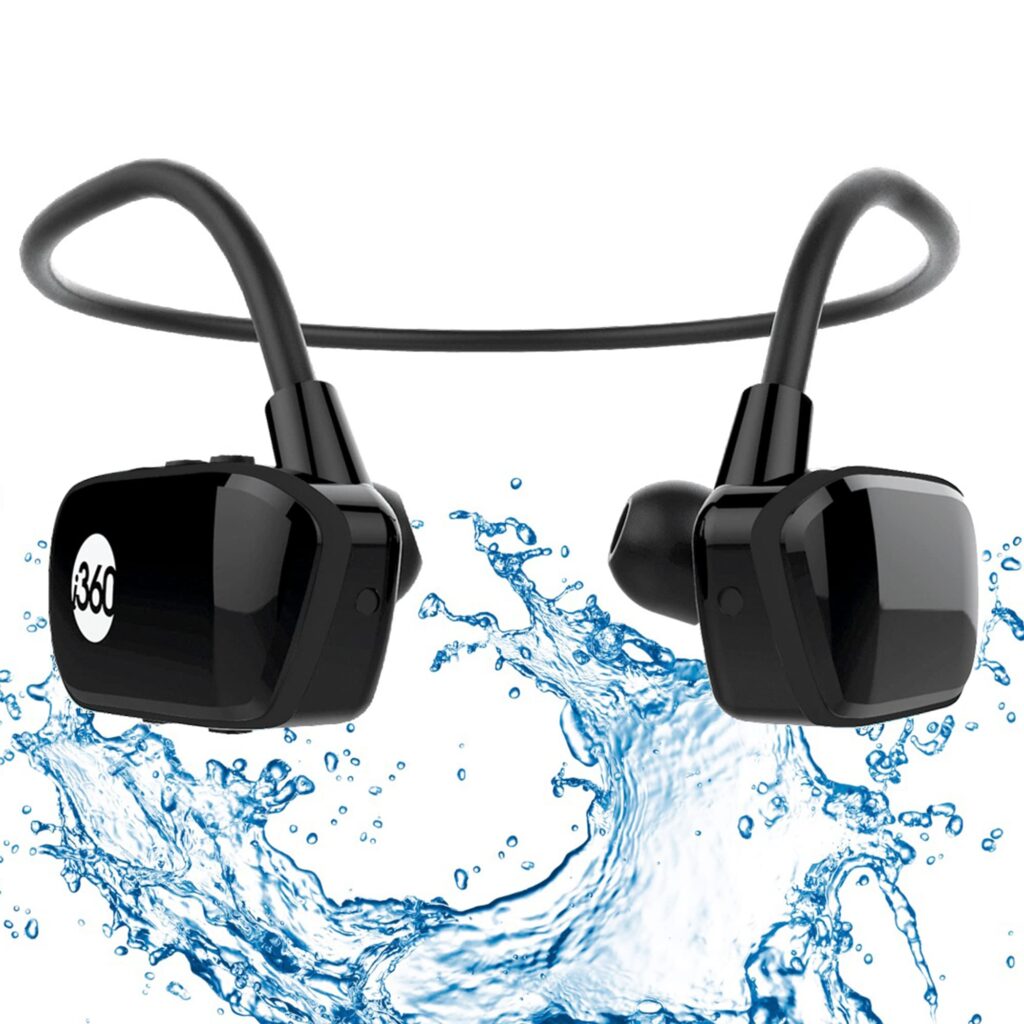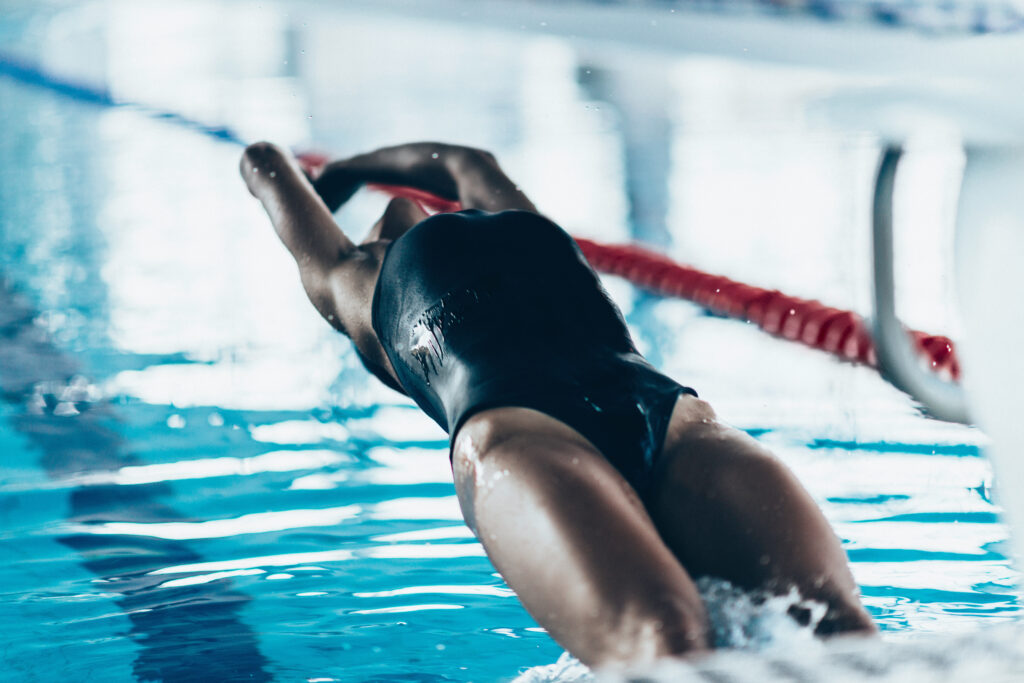

Swimming is one of the few workouts where your usual earbuds are useless. Water blocks sound, tugs at anything sitting in your ear canal, and, crucially, kills the wireless signal your phone relies on. That is why swim-specific headphones exist, and why most of them look nothing like the buds you wear on the bus.
Here is the part that catches most buyers out. Bluetooth uses 2.4GHz radio waves, and water absorbs them almost instantly, so a Bluetooth connection drops the moment your head goes under, which means any headphones you plan to swim laps in must store music on the device itself. Bluetooth is still handy for the poolside warm-up, aqua aerobics, paddleboarding, or the walk home, but for actual lengths you want MP3 mode with files loaded on board. Bone conduction designs handle this best, because they send vibrations through your cheekbones rather than pushing sound down a flooded ear canal.
When you are choosing, four things matter more than anything else: a waterproof rating of IPX8 or IP68 (IPX4 or IPX7 is not enough for submersion), how much local storage you get, real battery life in the water, and whether the band stays put under a silicone swim cap and goggle straps. Get those right and everything else is a bonus. These are the pairs worth your money in 2026.
Best overall for swimming: SHOKZ OpenSwim Pro\
Best value all-rounder: Monodeal Bone Conduction Headphones\
Best for long open-water sessions: IFECCO Swimming Headphones\
Best budget pick: ANSTEN Swimming Headphones\
Best for a secure fit under a cap: ZOVIMAX X7 MAX Bone Conduction Headphones
SHOKZ OpenSwim Pro
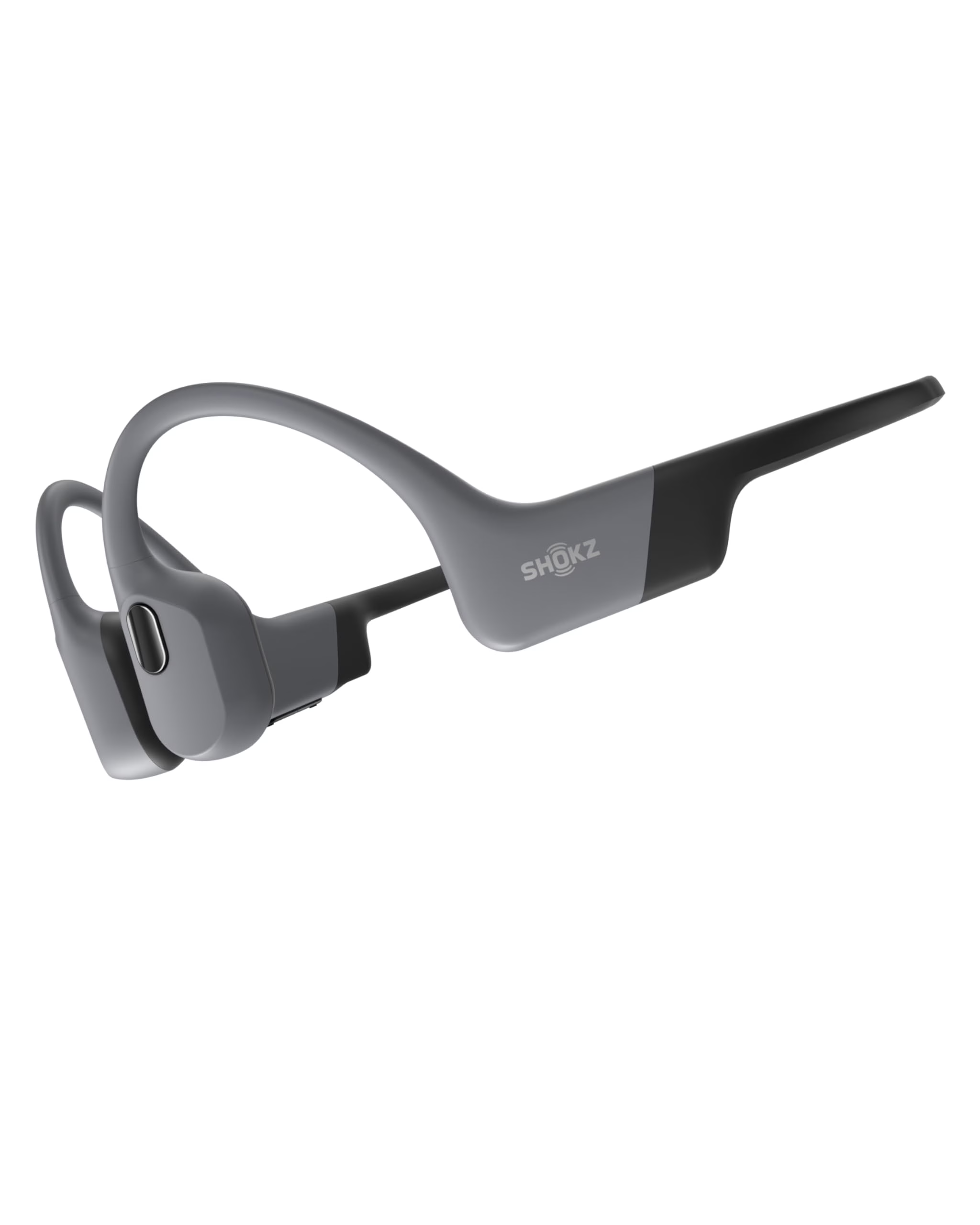
If you swim regularly and want one pair that also handles running and the gym, this is the set to buy.
Pros
- IP68 rated for 2 metres for up to 2 hours
- 32GB of onboard storage plus Bluetooth 5.4
- Around nine hours of playback per charge
Cons
- Costs noticeably more than the rest here
- Volume struggles in very noisy places
- Some people feel the vibration tickle at first
The dual-mode setup is what makes this pair so easy to live with. Load your playlists over the magnetic cable for MP3 mode in the pool, then tap the button to switch to Bluetooth for the drive home. Sound underwater is genuinely clear, with more low end than you expect from bone conduction.
Comfort is the other win. At around 27g, the titanium band slips neatly under a silicone cap and does not fight your goggle straps. Earplugs and a nose clip come in the box, and they help: plugging your ears actually makes the audio louder and richer underwater.
Reviewers consistently rate the build and the fit, and it remains the top pick for swimming headphones among testers who spend real time in the water.
Monodeal Bone Conduction Swimming Headphones
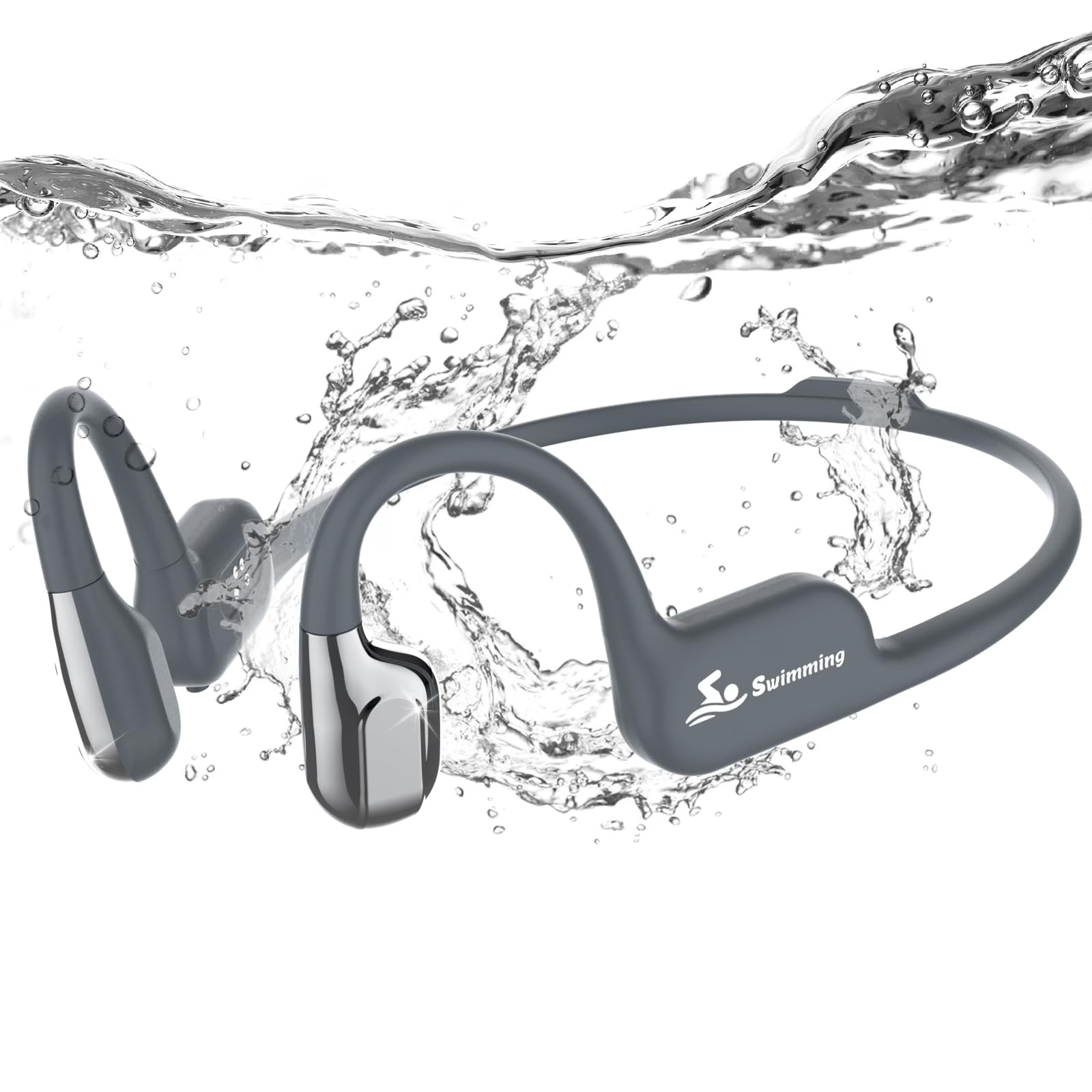
A sensible pick if you want most of the OpenSwim Pro experience for a fraction of the outlay.
Pros
- IP68 waterproofing with proper MP3 mode
- Roughly eight hours of playback, two-hour charge
- Light and stable during tumble turns
Cons
- Storage claims vary between listings
- Only a one-year warranty
- A few buyers report battery life falling short
Double-tapping the multi-function key flips between Bluetooth and MP3, which is the layout you want when your hands are wet. Stereo audio is clean for podcasts and audiobooks, and calls work well enough on land.
The band is flexible and light, so it sits comfortably beneath a cap without pinching behind the ears. Swimmers report it stays put across a full session, which is the real test.
Be realistic about expectations at this price. Reviews are largely positive, though a minority mention battery performance dipping after heavy pool use, so register the warranty when it arrives.
IFECCO Swimming Headphones with 32GB
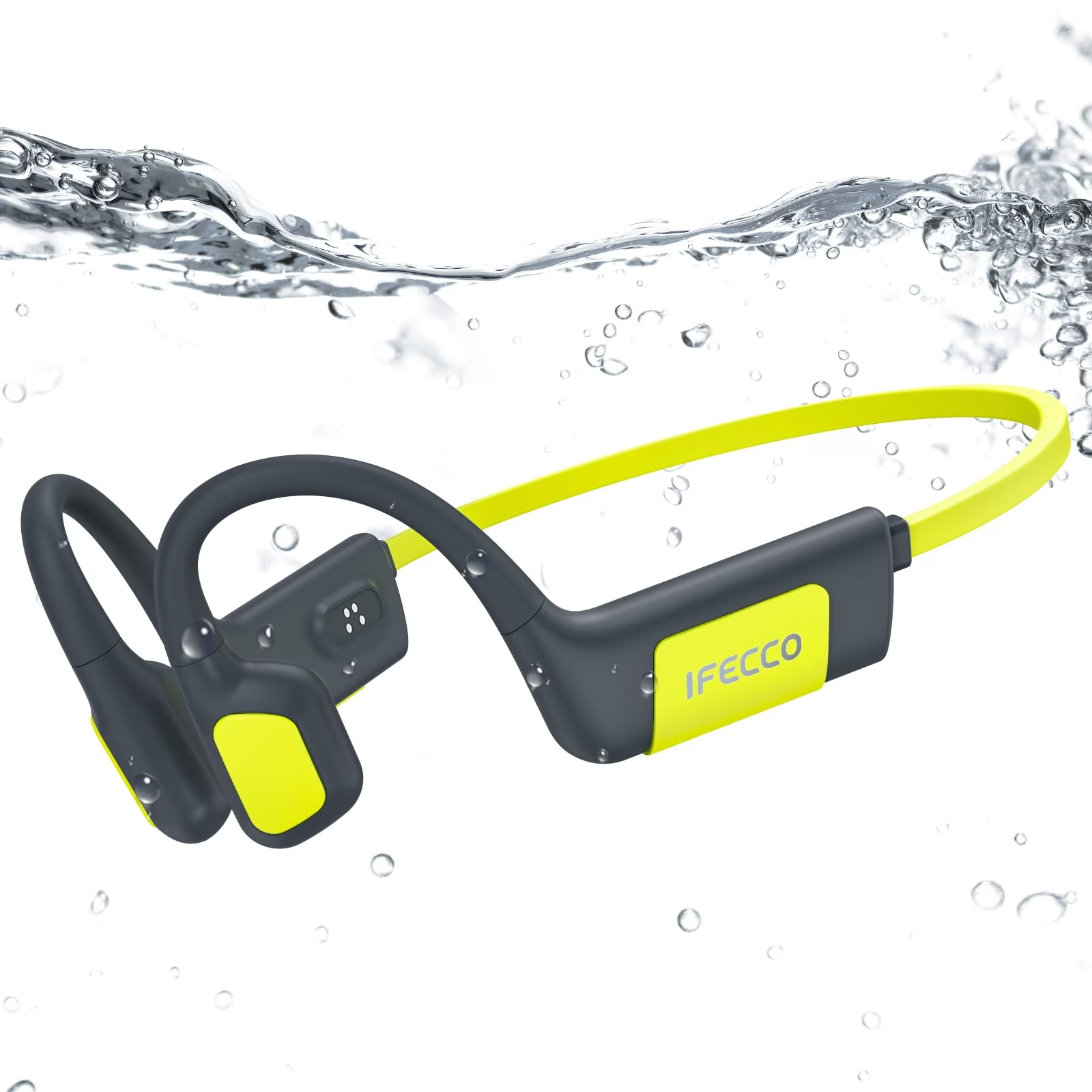
Worth a look if you are grinding out long distance sets and want plenty of music loaded up.
Pros
- 32GB of local storage for hours of tracks
- IP68 rated and works underwater
- Adjustable neck strap and earplugs included
Cons
- Fit can loosen mid-swim for some heads
- Bass is thin next to in-ear buds
- Loading files needs tidy track names
Charity swimmers and lap regulars rate this pair for exactly one reason: it kills the boredom of long sets without a phone anywhere near the water. Underwater clarity is the strong point, and the MP3 player avoids the dropout problem entirely.
Transferring music is drag-and-drop over the cable, though a couple of buyers found awkward file names caused hiccups. Rename them simply and it behaves.
The supplied strap matters more than it sounds. Without it, one arm can work loose during a push-off, and independent reviewers note the audio will not match in-ear bass depth. For pool laps, that trade is fine.
ANSTEN Swimming Headphones
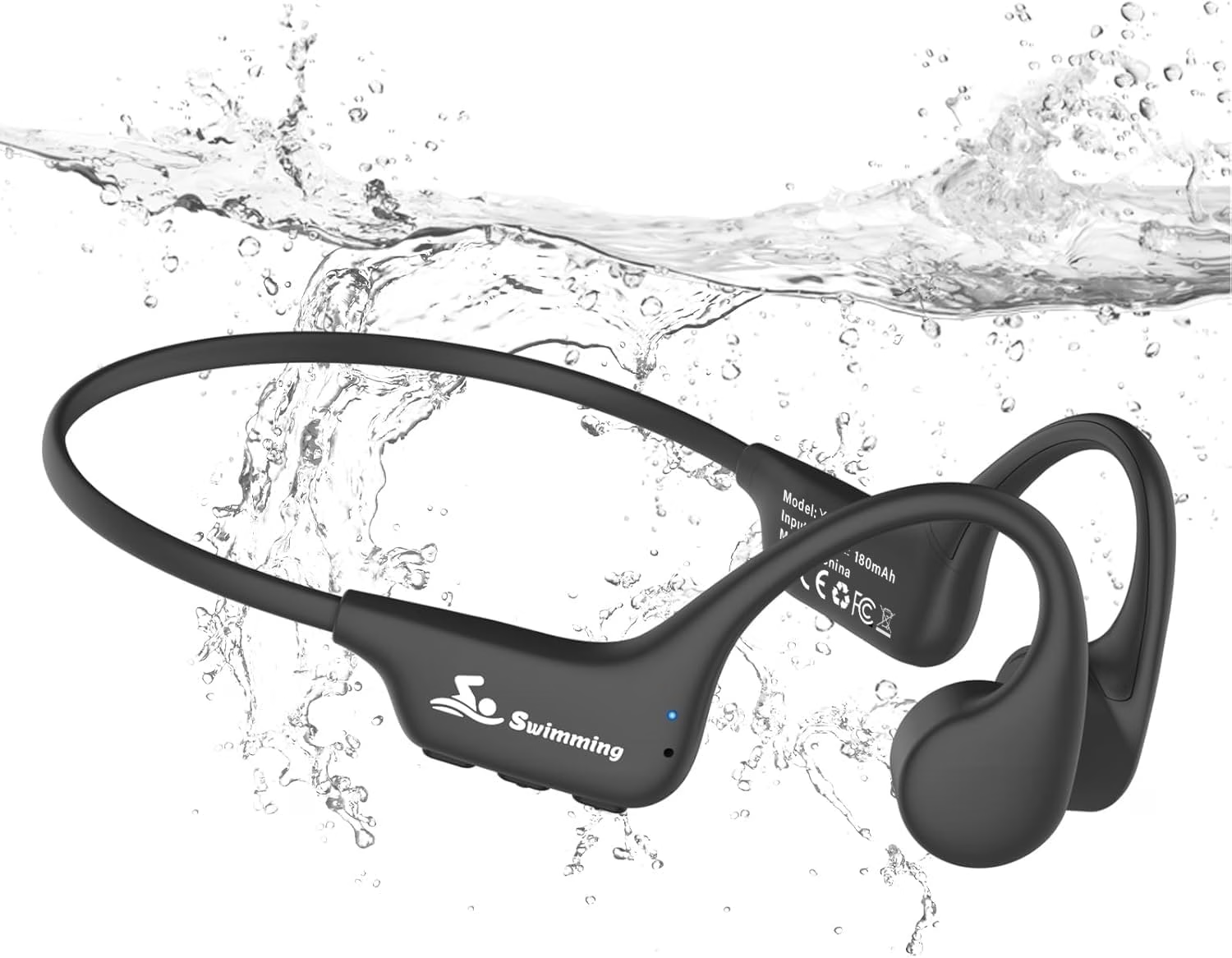
The one to try if you are testing the waters and do not want to spend much.
Pros
- IPX8 rated for full submersion
- 8GB memory holds plenty of tracks
- Two-year manufacturer warranty
Cons
- Smaller storage than rivals
- Reports of button failure after weeks
- Band runs large on smaller heads
For a first pair, this delivers the essentials. The alloy band bends without deforming, the track-skip buttons work with wet fingers, and swimmers say music comes through clearly even mid-thrash.
Around 7.5GB of the 8GB is usable once formatted, which is still a few hundred songs. Enough for months of pool sessions before you get bored.
Reliability is the sticking point. One reviewer had the power switch fail after a fortnight, so the two-year cover is more than a formality here. Treat it as good value rather than a lifetime purchase.
ZOVIMAX X7 MAX Bone Conduction Headphones
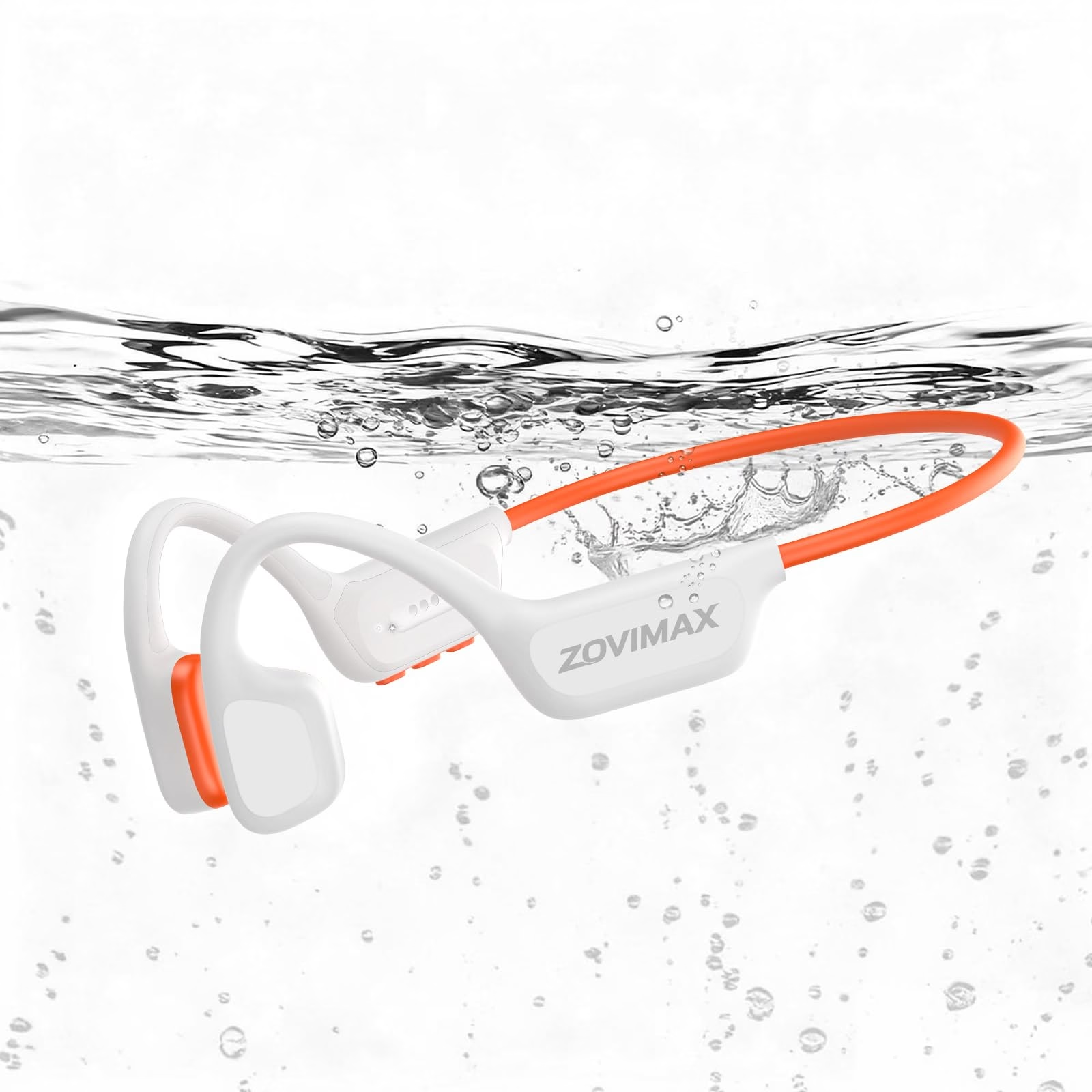
Pick these if a wandering headband has ruined swims for you before.
Pros
- IPX8 rated to 5 metres for 2.5 hours
- Adjustable cord for different head sizes
- Bluetooth 6.0 and fast magnetic charging
Cons
- Only 8GB of onboard storage
- Small number of reviews so far
- Bright colour is not for everyone
The adjustable strap is the headline feature. Cinch it once and the arms stop creeping upward when you push off the wall, which is a common annoyance with one-size bone conduction bands.
Silicone pads sit softly on the cheekbones, so an hour-long session does not leave sore spots, even with goggle straps crossing over the top. Charging is quick and magnetic, and the same cable doubles as the file transfer lead.
Storage is the compromise at 8GB. Load a focused swim playlist rather than your whole library and it is a non-issue.
Buying Guide
Waterproof rating comes first
Ignore anything below IPX8 or IP68 if you plan to submerge. IPX4 handles sweat, IPX7 survives a brief dunk, but only the top ratings are built for repeated swimming. Check the stated depth and duration too, since manufacturers test to different limits.
| Rating | What it survives | Good for swimming? |
|---|---|---|
| IPX4 | Sweat and light rain | No |
| IPX7 | 1 metre for 30 minutes | Occasional splashes only |
| IPX8 | Submersion beyond 1 metre | Yes |
| IP68 | Submersion plus dust protection | Yes, best choice |
Local storage beats Bluetooth in the pool
Radio signals fade fast in water, so wireless streaming stops working as soon as your head submerges. Look for at least 8GB of built-in memory, with 32GB giving you room for hundreds of tracks or entire audiobooks. Dual-mode sets let you swap to Bluetooth for gym sessions and runs.
Fit under a cap and goggles
Try the band with your usual kit. A neckband should sit low enough to avoid clashing with goggle straps, and a silicone cap over the top adds useful grip. Adjustable cords help if you have a smaller head or wear a lot of hair up.
Battery and charging
Most swim headphones give six to nine hours of playback, which covers weeks of typical training. Magnetic charging cables are standard because there is no port to leak. Rinse in fresh water and dry the contacts before charging.
Sound and safety
Bone conduction will never match in-ear bass, but it keeps your ears open so you can hear lifeguards and other swimmers. Adding the supplied earplugs underwater seals out splashing noise and makes the audio noticeably fuller.
Frequently Asked Questions
What are the best waterproof headphones for swimming?
The strongest all-round option is a bone conduction pair with an IP68 rating and built-in MP3 storage, since that combination works reliably underwater. The Shokz OpenSwim Pro leads the field on comfort, storage and battery life, while cheaper bone conduction sets from Monodeal and IFECCO cover the basics well.
Can Bluetooth headphones work underwater?
Not really. Bluetooth signals travel through air but are absorbed almost immediately by water, so the connection to your phone drops once you submerge. Use Bluetooth for poolside stretching, aqua aerobics or paddling on the surface, and switch to MP3 mode for laps.
Which swimming headphones are best for use in a pool?
For pool lengths, choose a lightweight bone conduction band with local storage and a slim profile that fits under a silicone cap. Sets with adjustable cords or supplied straps hold their position best during tumble turns and push-offs.
Are there headphones that can play Spotify while swimming?
Not directly, because streaming needs a live Bluetooth link that water cuts off. The workaround is to transfer your own MP3 files to the headphones’ internal memory before you swim, then use MP3 mode in the pool.
What are the best budget-friendly headphones for swimming?
The ANSTEN and Monodeal pairs both offer IPX8 or IP68 protection with onboard memory at a fraction of premium pricing. Expect slightly less refined sound and shorter warranties, but they handle regular pool sessions perfectly well.
Can swimming headphones also be used for surfing?
Yes, provided they are IPX8 or IP68 rated and fit snugly. A secure adjustable strap matters even more in surf, where waves can tug at a loose band, and MP3 mode remains the sensible choice once you are in the water.