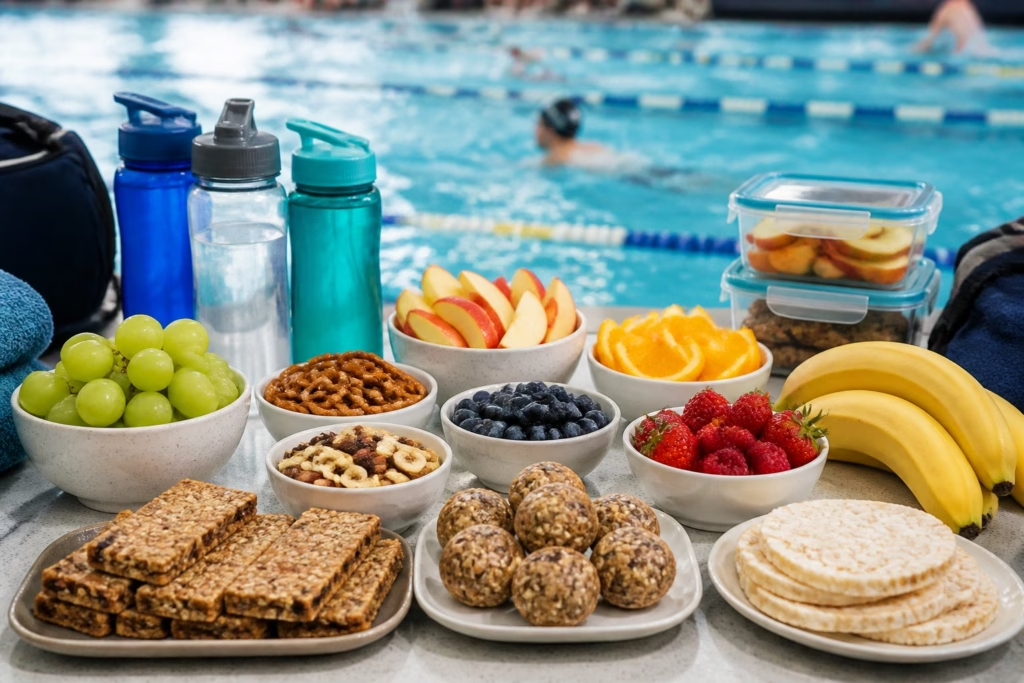
A swim meet can stretch from a 7am warm-up to a 6pm relay, and the swimmers who finish strong are almost always the ones who ate little and often all day. The best snacks for swimmers at meets are carb-led, easy to digest, and portioned so you never sit on the blocks feeling heavy or hollow.
Think of your swim bag as a rolling kitchen. Bagels, bananas, pretzels, fruit pouches and a couple of well-chosen bars will cover almost every gap between events, and a water bottle you actually refill does more for your times than any last-minute pep talk.
The simple rule to remember: the closer you are to your race, the simpler and lighter the food should be. Two hours out you can handle a proper mini-meal; twenty minutes out you want fast carbs and small sips of water.
This guide walks through what to eat and when, what to leave at home, how to stay hydrated on a warm pool deck, and how to pack a cooler that survives a full day. For more training, technique and gear guidance, have a browse through the rest of Swimmers World when you’re planning your next block of racing.
Fueling Principles for a Long Meet
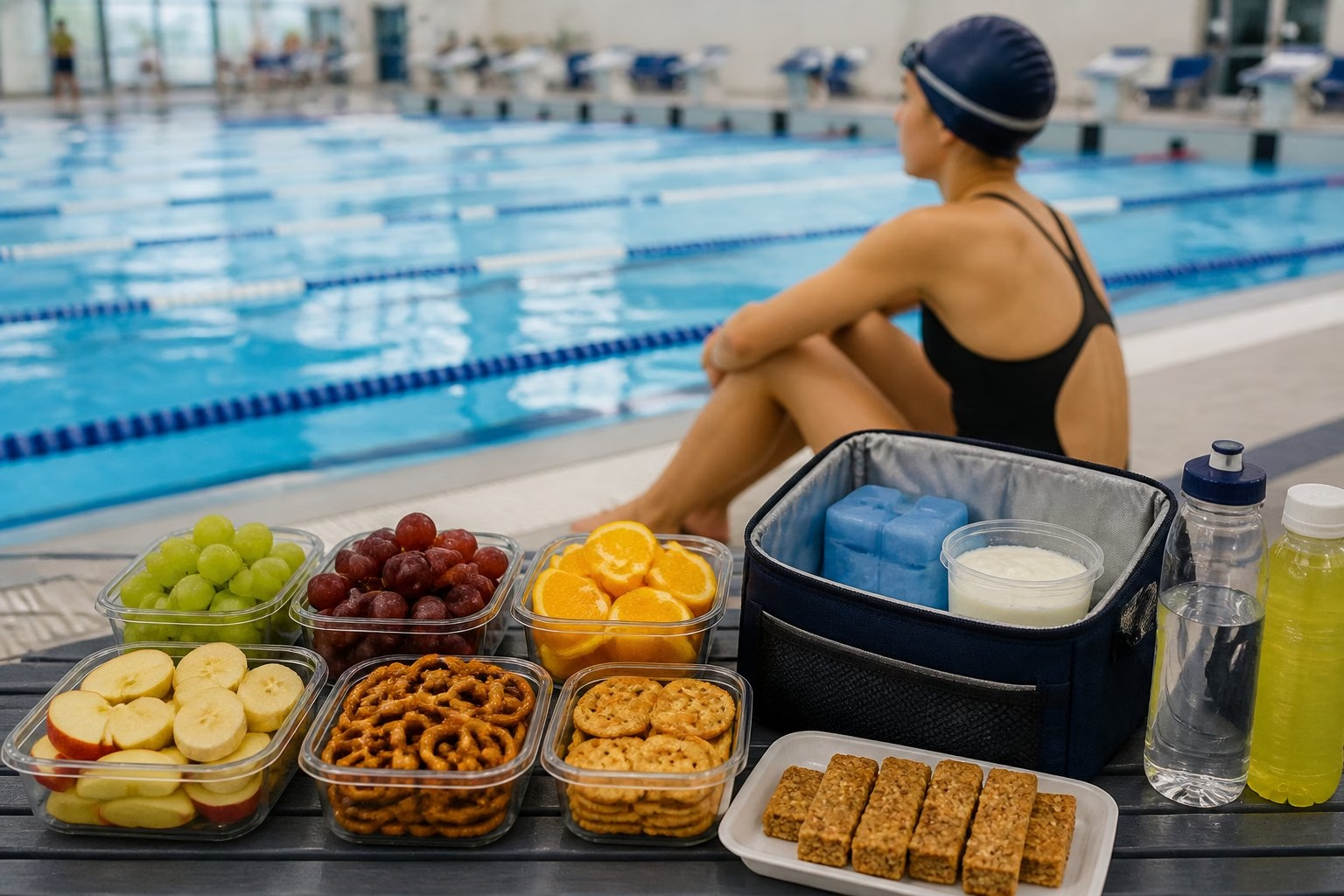
Race-day fuelling comes down to three things: carbohydrates as your main energy source, sensible timing of protein, fats and fibre, and sticking to foods your stomach already knows. Get those right and your energy levels stay steady from heat one to the final relay.
Why Carbohydrates Lead Race-Day Fuel
Swimming hard is a glycogen-hungry sport. Your muscles burn stored carbohydrate fast during a 100m sprint or an 800m freestyle, and topping up those glycogen stores between events keeps your speed from fading.
Simple carbohydrates such as glucose and fructose from fruit hit your bloodstream quickly, which is exactly what you want close to a race. Complex carbohydrates like porridge, wholemeal bread and pasta break down more slowly and are better a few hours out.
Sports nutrition guidance for swimmers is refreshingly blunt on this point: you should not fear simple sugars on meet day. As a Registered Dietitian Nutritionist and swim coach explains, natural sugars from fruit and honey give a quick, usable energy boost between short turnarounds.
How Protein, Healthy Fats, and Fibre Fit In
Protein, healthy fats and fibre all belong in a swimmer’s diet, just not in the twenty minutes before you swim. They slow digestion, which is helpful at breakfast and unhelpful behind the blocks.
Use this rough guide:
| Time before race | Carbs | Protein | Fat and fibre |
|---|---|---|---|
| 2 to 3 hours | High | Moderate | Low to moderate |
| 1 hour | High | Small amount | Low |
| 15 to 30 minutes | Simple only | Minimal | Avoid |
Use Familiar Foods and Practise Your Plan
Meet day is the worst possible time to try a new energy gel or an unfamiliar bar. Nerves already unsettle the stomach, and a new food adds a variable you cannot control.
Trial your snacks during hard training sessions first. If a banana and a handful of pretzels sit well before a tough main set, they will almost certainly sit well before a heat.
Write your plan down. A short note in your kit bag listing what to eat and when takes the guesswork out of a chaotic morning.
Substantial Snacks 1–2 Hours Before Racing
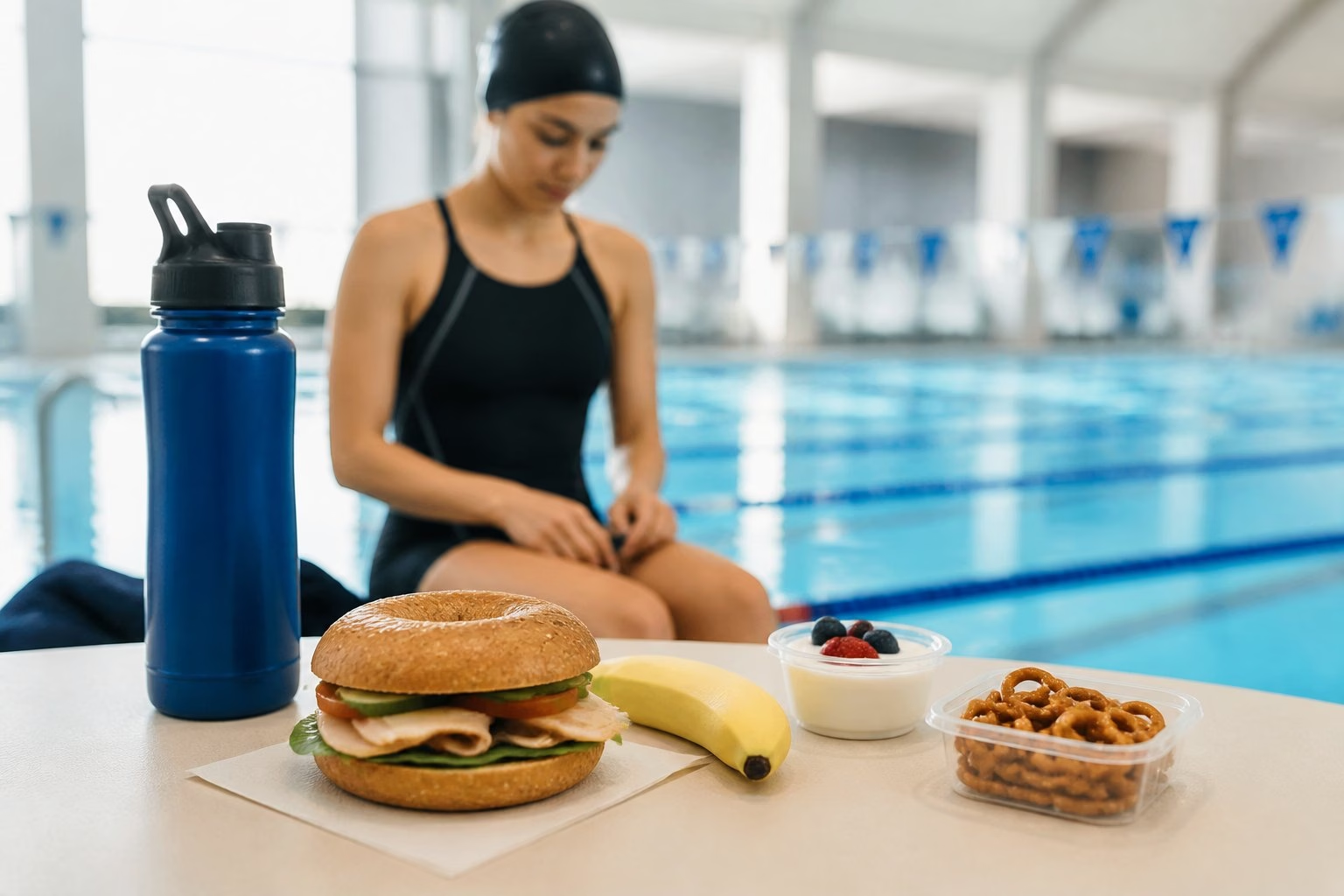
With one to two hours before you swim, you can eat something closer to a mini-meal. Aim for a carb-heavy base such as a bagel, porridge or pancakes, with a small amount of protein alongside if your stomach handles it well.
Carbohydrate-Rich Mini-Meals That Sit Well
These are the reliable options that fill you up without weighing you down:
- Bagel with jam or a thin scrape of peanut butter, easy to eat cold and travels well
- Instant oatmeal made with hot water from the venue’s snack bar
- Pancakes or waffles cut into pieces and packed in a tub
- A granola bar with grapes, giving you carbs plus a little hydration
- Fig bar with apple slices for a light, sweet combination
- A fruit smoothie, useful when nerves kill your appetite for solid food
At the one-hour mark, most swimmers do well with roughly 45 to 60 grams of carbohydrate. That is about one large bagel with jam, or a granola bar plus a banana.
Balanced Pairings for Longer Gaps Before an Event
When you have a genuine two-hour window, add a modest protein source. It keeps hunger away through warm-up and marshalling.
Good pairings include a turkey, chicken or ham sandwich on soft white bread, a chicken wrap, Greek yoghurt with granola and berries, or a peanut butter and jelly sandwich with pretzels on the side. String cheese alongside a bagel works well for swimmers who tolerate dairy.
Keep portions moderate. A half sandwich you finish beats a full one you regret on the blocks.
Fast Fuel in the Final 30 Minutes
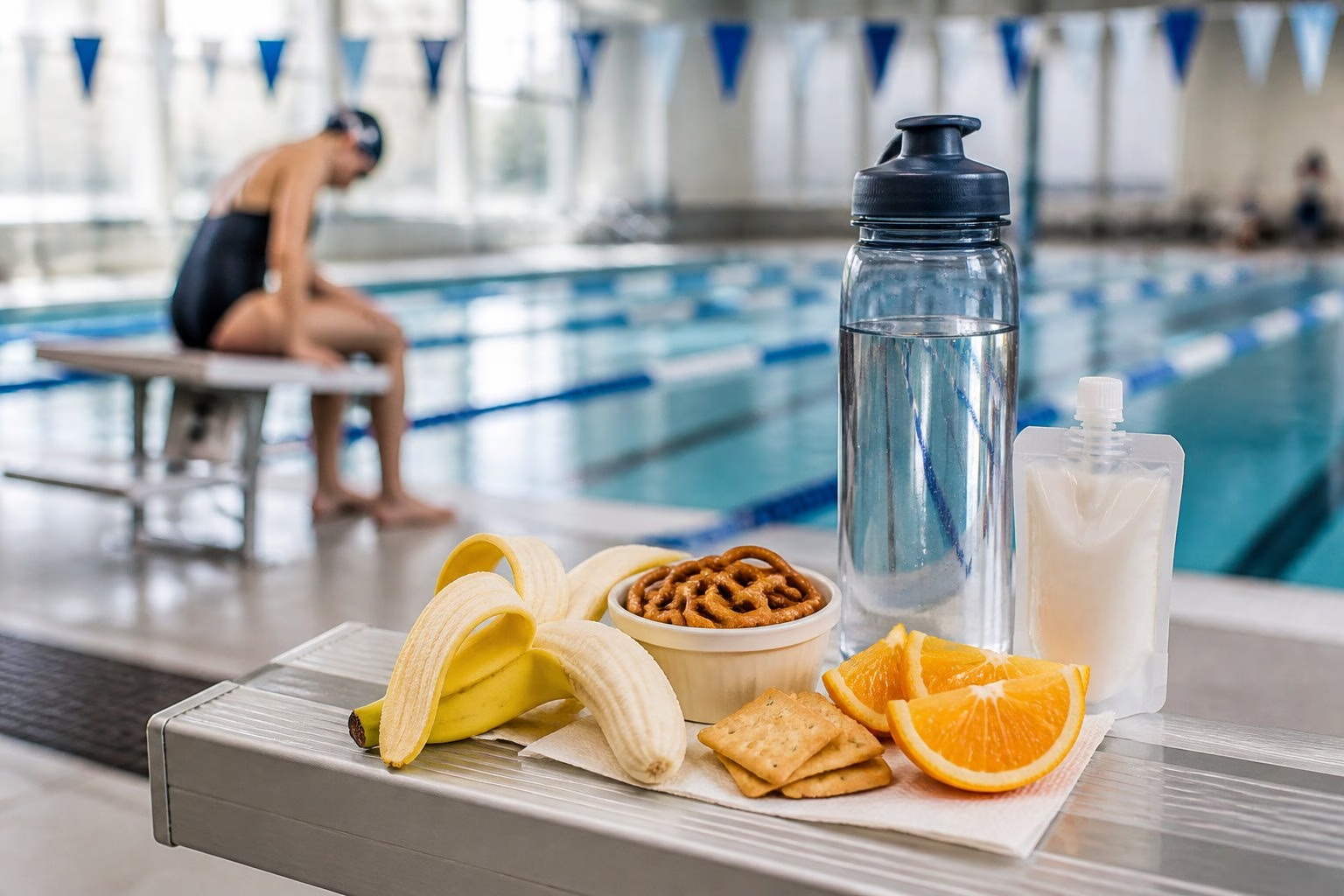
In the last half hour, you want around 10 to 15 grams of quick carbohydrate and nothing that needs digesting. Think fresh fruit, dried fruit, a few crackers, or a chew you can eat one-handed while queuing behind the blocks.
Fruit and Dried Fruit for Quick Energy
Fruit is the classic pre-race snack for good reason. Half a banana gives you fast carbs plus potassium, and it goes down easily even when nerves are high.
Other quick options that work well on a warm pool deck:
- Dates, one or two, pitted and packed in a small tub
- Raisins, half a mini box for a fast burst
- Dried apple rings, four or five pieces
- Orange slices, grapes or strawberries for a hydrating, refreshing hit
- Apple slices, though skip them if your stomach is sensitive to fibre
- Fruit cups or apple sauce pouches, ideally packed in juice rather than heavy syrup
Squeeze pouches are the unsung hero here. No mess, no cutlery, and they fit inside a parka pocket.
Portable Crackers, Chews, and Sweet Options
Salty carbs are just as useful as sweet ones, especially at a hot indoor meet. A handful of pretzels or goldfish crackers gives you carbs and a little sodium at the same time.
Also worth packing:
- Fruit snacks or sports gummies with carbs and electrolytes built in
- Honey sticks for a quick energy boost with no chewing
- Sports gels, useful for swimmers with tight back-to-back events
- A honey stinger waffle, light and easy to eat
- A handful of dried cereal straight from a zip bag
- A fig bar if you have closer to 30 minutes than 10
Sip water alongside anything dry. Small sips, not a full bottle in one go.
Between-Event Snacks for All-Day Energy
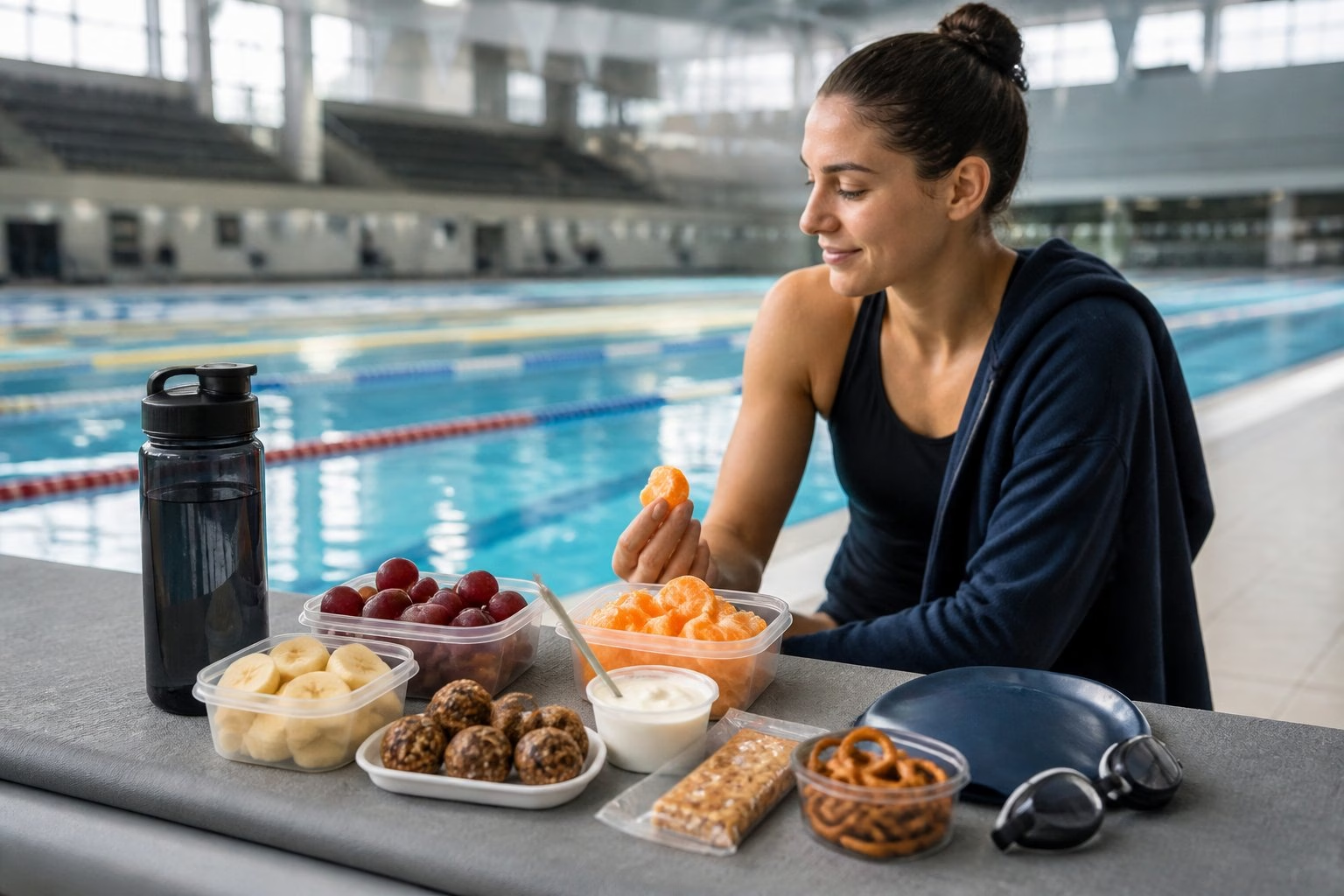
Long meets are won by swimmers who nibble steadily rather than eating one big meal and hoping. Match the size of the snack to the size of the gap, and lean on complex carbohydrates when you have a proper break.
Small Refuelling Choices for Short Turnarounds
With 20 to 45 minutes between heats, keep it light. A few pretzels, half a banana, a handful of dried fruits or a small fruit cup will top up your glycogen without sitting heavy.
Dried fruits are especially handy because they pack a lot of carbohydrate into a small space and do not need chilling. Apricots, mango and sultanas all travel well in a sealed tub.
More Filling Options for Long Breaks
Two hours between your 100m and your relay? That is your chance to eat properly.
Pita chips with hummus are a good pool-deck option, giving you carbs plus a little protein. Other choices include a small pasta salad, a sweet potato from a flask, a wrap, or Greek yoghurt with granola.
Fruit juice or a small carton of orange juice adds carbs, fluid and vitamin C at the same time. Fresh berries bring antioxidants, and dried apricots contribute iron and potassium.
Make a Homemade Energy Mix
A homemade energy mix beats most shop-bought trail mix because you control the ratio of carbs to fat. Nuts and seeds are nutritious but slow to digest, so keep them a minor part of the blend on race day.
Try this simple recipe:
- 1 cup dry cereal
- 1 cup pretzels
- ½ cup dried fruits
- A small handful of almonds or seeds
Bag it into single portions the night before. Grabbing a ready-made pouch is far easier than digging through a big tub with wet hands.
Hydration and Electrolyte Strategy
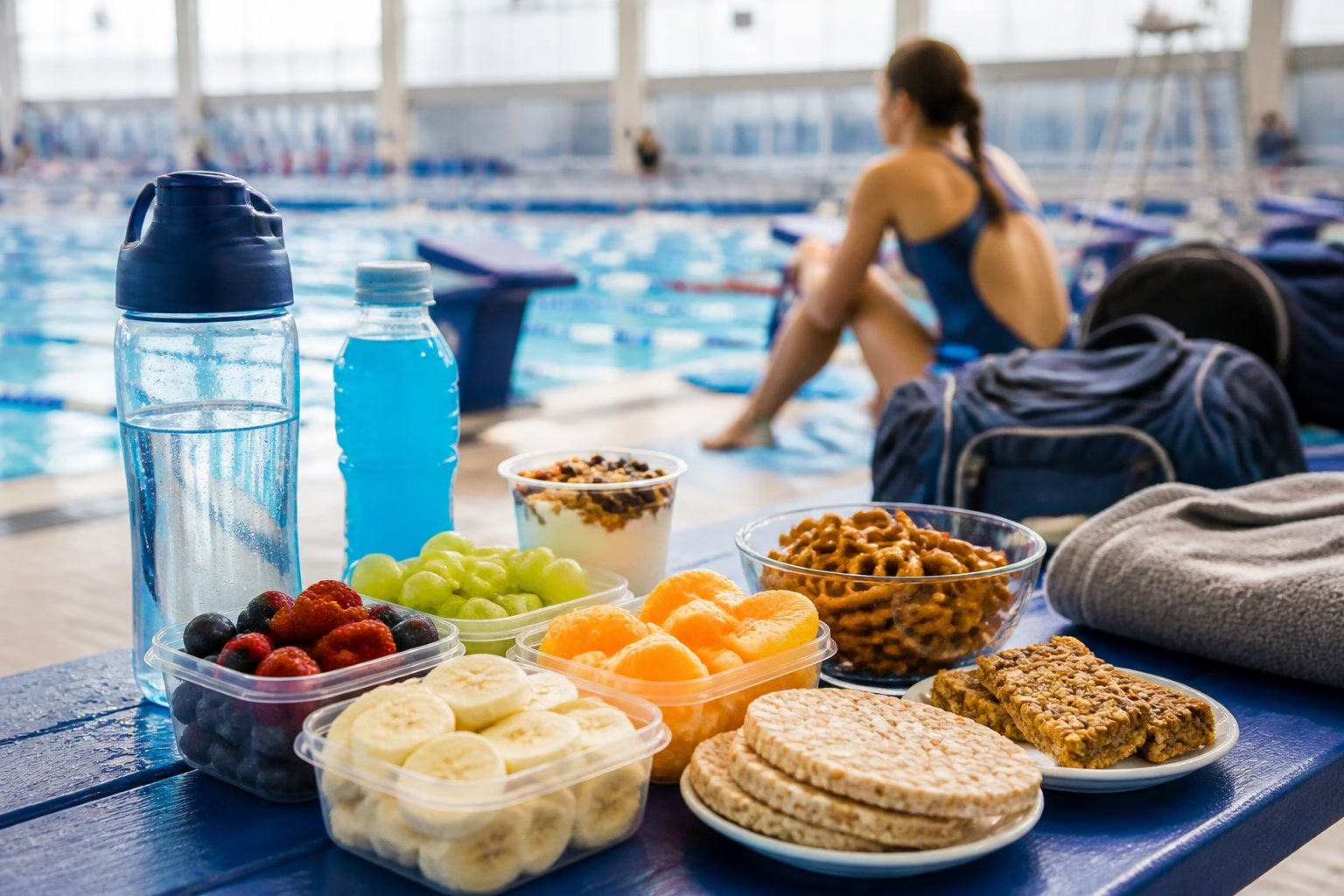
Water surrounds you all day, which is exactly why swimmers forget to drink it. Steady sipping from a marked bottle, with a sports drink used selectively, keeps performance and concentration where they should be.
Why Swimmers Can Still Become Dehydrated
You sweat in the pool, you just cannot see it. Add a warm, humid spectator hall, a parka, and hours of nervous energy, and fluid losses add up quickly.
Dehydration shows up as heavy arms, sloppy technique, headaches and a shorter fuse. Most swimmers notice it in the afternoon session, long after the cause.
Two habits fix it: bring a bottle you actually like drinking from, and check your urine colour. Pale straw is the target.
When Water Is Enough and When Sports Drinks Help
For a short morning session, water does the job. Aim for regular small sips rather than one big drink between races.
Sports drinks earn their place at long, hot, all-day meets and during heavy prelims-and-finals schedules. They deliver carbs and electrolytes together, which helps when you cannot face solid food. Coconut water is a lighter alternative with natural potassium.
Keep two bottles: one plain water, one sports drink, so you can choose based on how the day is going.
Replacing Sodium Without Overdoing It
Sodium helps you hold onto the fluid you drink. Pretzels, salted crackers, a sports drink or a dried mango dusted with chilli-salt all do the job without any special products.
There is no need for salt tablets at a typical age-group or masters meet. Salty snacks plus a sensible drink plan cover it.
Recovery, Packing, and Pool-Deck Pitfalls
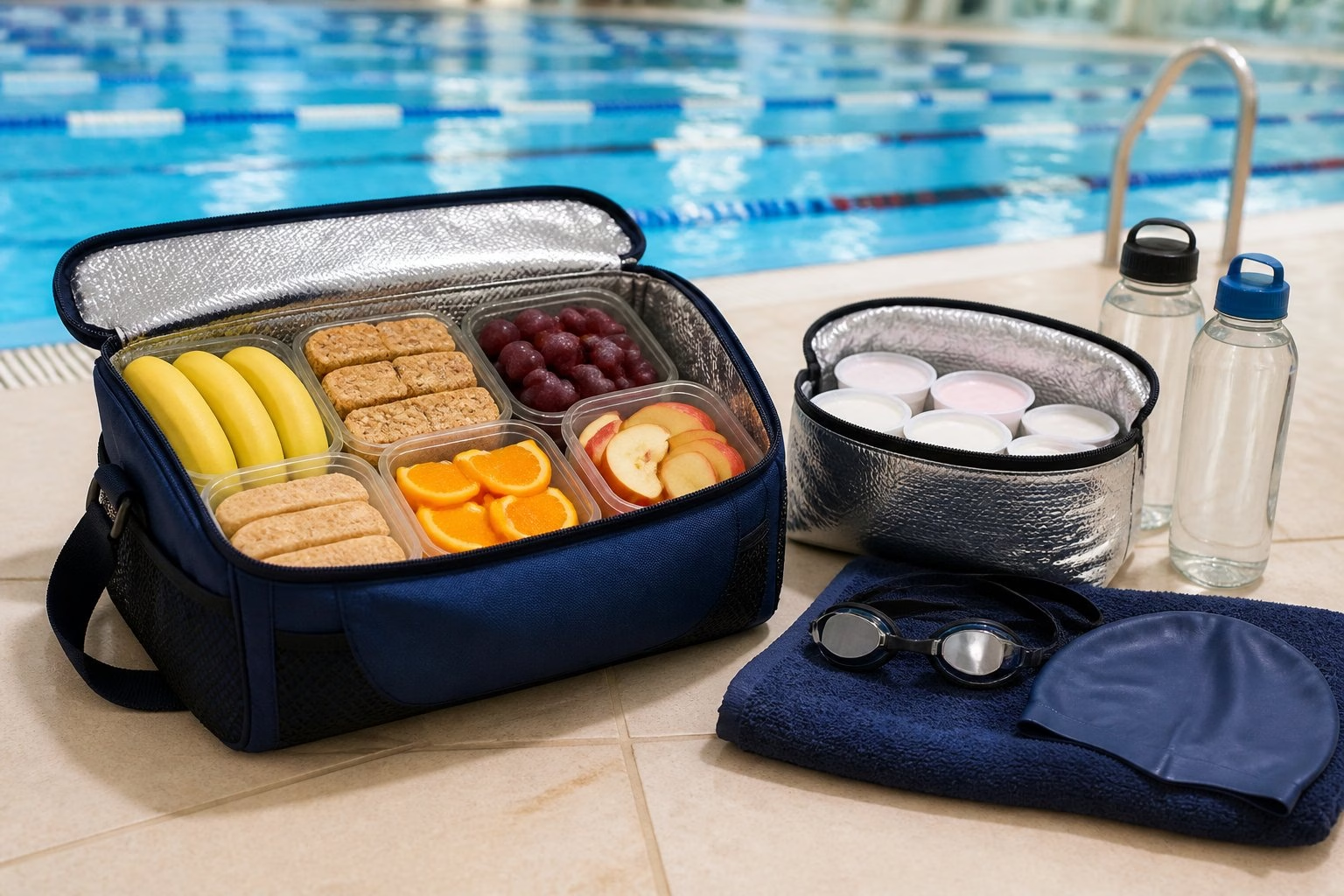
Finishing well means refuelling within the hour, avoiding foods that turn heavy on the blocks, and packing a bag that keeps everything cool and reachable. These three habits make the next meet easier too.
Post-Meet Snacks for Muscle Recovery
After your last race, aim to combine carbohydrates with protein within about 60 minutes. Carbs refill glycogen, protein supports muscle recovery.
Simple options that work in a car park:
- Chocolate milk, the classic recovery drink with a useful carb-to-protein ratio
- A turkey or ham sandwich with a piece of fruit
- Greek yoghurt with granola and berries
- A protein bar plus a banana when nothing else is available
Follow it with a proper meal later, and keep drinking. Recovery starts the moment you climb out.
What to Avoid Close to a Race
Some foods are perfectly healthy and still a bad idea an hour before you swim.
Steer clear of heavy fats such as crisps, chips, pastries and creamy sauces, which sit in the stomach and cause reflux on the blocks. Go easy on dairy if you know it makes you feel mucousy or bloated, and save heavy proteins like steak, burgers and large portions of chicken for after the session.
High-fibre foods, fizzy drinks and anything spicy also belong in the “later” pile. And never test a new product on meet day.
How to Pack a Reliable Swim Bag and Cooler
A cool box with ice packs is the single best investment for a summer meet. Pack perishables like yoghurt, sandwiches and chocolate milk in the cooler, and keep shelf-stable items in a separate bag so the lid stays shut.
A quick packing checklist:
| Cooler | Swim bag | Bottles |
|---|---|---|
| Sandwiches, wraps | Bagels, bars, pretzels | Water bottle, refillable |
| Greek yoghurt, string cheese | Dried fruit, cereal mix | Sports drink |
| Fruit cups, grapes | Fruit snacks, honey sticks | Spare bottle for the car |
Portion snacks into small bags the night before, add a few wet wipes and a bin bag, and you will spend meet day watching races instead of hunting for food.
Frequently Asked Questions
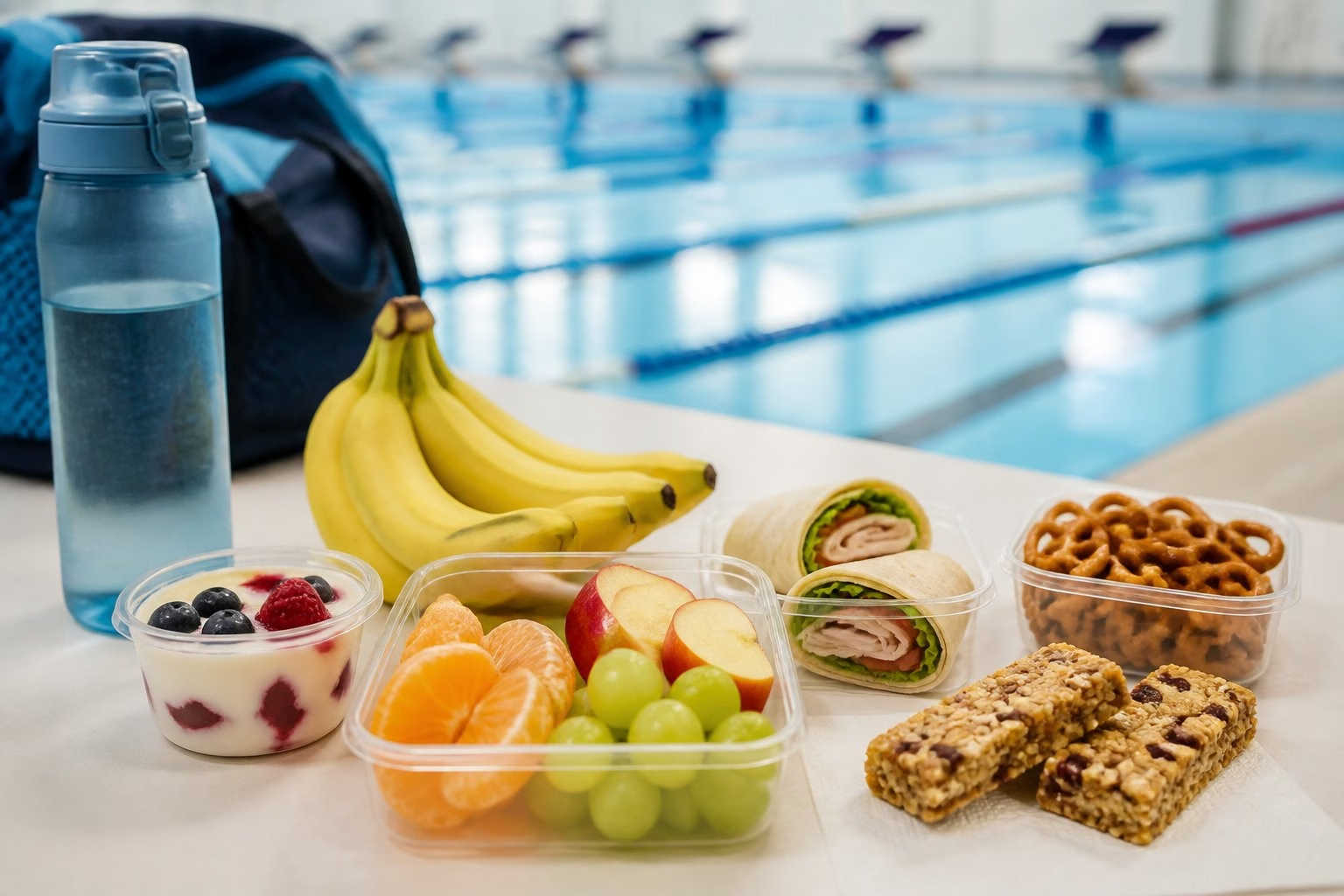
What are the best high-energy snacks to pack for a swimming meet?
Bagels, granola bars, bananas, pretzels, dried fruit, fruit pouches and honey sticks cover almost every situation. They are carbohydrate-rich, easy to digest and simple to eat with wet hands on a busy pool deck.
What should swimmers eat between races at a meet?
Match the snack to the gap. Short turnarounds suit half a banana, a handful of pretzels or a fruit pouch, while a two-hour break allows something more filling like pita chips with hummus or a small pasta salad.
What is a good snack to eat shortly before a swimming race?
In the last 30 minutes, stick to around 10 to 15 grams of simple carbohydrate. Half a banana, a couple of dates, a few goldfish crackers, sports gummies or a honey stick all work, with small sips of water alongside.
Which recovery snacks are best after a swim event?
Combine carbohydrates and protein within an hour of finishing. Chocolate milk, Greek yoghurt with granola, or a sandwich with a piece of fruit all support muscle recovery and start refilling your glycogen stores.
What healthy, easy-to-digest foods should I bring to a swim meet?
Low-fat, low-fibre carbs are your friends: white bagels, plain crackers, ripe bananas, apple sauce, instant porridge and fruit cups. Add small amounts of lean protein such as turkey or string cheese only when you have a couple of hours before racing.
How can I pack snacks that stay fresh during a long day at a swimming competition?
Use a cool box with two ice packs for anything dairy-based or containing meat, and keep dry snacks in a separate sealed bag. Portion everything into single servings the night before so the cooler stays shut and cold for longer.