Sea swimming safety depends heavily on timing, and many swimmers wonder whether high or low tide offers the safest conditions. The answer isn’t straightforward, as both high and low tides present unique risks and benefits that swimmers must understand before entering the water.

The safest time to swim in the sea is during slack tide periods, which occur in the hour before or after both high and low tides when water movement is minimal and currents are weakest. During these slack tide periods, swimmers face reduced current strength and more predictable water conditions, though rip currents can still pose risks.
Understanding how tides affect swimming conditions involves more than simply choosing high or low tide. Factors such as wave behaviour, underwater hazards, current strength, and local geography all play crucial roles in determining safe swimming conditions. This comprehensive guide examines the safety implications of different tidal states and provides practical advice for making informed decisions about when to enter the sea.
Key Takeaways
- Slack tide periods offer the safest swimming conditions due to reduced water movement and weaker currents
- Both high and low tides present distinct safety challenges that require different precautions and awareness
- Multiple factors beyond tide height, including waves, currents, and local conditions, significantly impact swimming safety
Understanding Tides and Their Impact on Sea Swimming
Tides create predictable patterns of water movement that directly affect swimming safety through changing depths and current strength. The gravitational pull of the moon and sun causes sea levels to rise and fall approximately every 6 hours, creating distinct swimming conditions throughout each tidal cycle.
How Tides Affect Water Depth and Currents
Water depth changes dramatically between high and low tide, affecting both safety and swimming conditions. During high tide, deeper water covers rocks and hazards but creates stronger offshore currents that can pull swimmers away from shore.
Low tide exposes previously hidden rocks, reefs, and shallow areas where waves break more violently. Swimmers face increased risk of injury from submerged obstacles and dangerous shore breaks in shallow water.
Current strength varies significantly throughout the tidal cycle:
- Strongest currents occur 2-3 hours before and after high/low tide
- Peak tidal flow happens roughly 3 hours after high or low tide when currents reach maximum strength
- Water movement can reach speeds that overwhelm even experienced swimmers
The middle two hours of both incoming and outgoing tides produce the most water movement and stronger currents. These periods create hazardous conditions for recreational swimming.
Types of Tides: High, Low, Flood, and Ebb
High tide occurs when water reaches its maximum level, typically providing the deepest swimming conditions. However, high tide brings stronger currents that can pull swimmers offshore and creates more powerful water movements.
Low tide represents the minimum water level, exposing beaches and creating shallow conditions. Low tide exposes rocks and creates shallow areas where waves break more violently.
Flood tide describes the incoming tide as water levels rise from low to high tide. This creates onshore currents that can help swimmers return to shore but may also bring debris and create turbulent conditions.
Ebb tide occurs as water recedes from high to low tide. An ebbing tide will make it harder to swim back to shore as offshore currents work against swimmers attempting to return to the beach.
Changing Conditions Across a Tidal Cycle
Slack tide periods occur for 20-30 minutes between high and low tides when water movement nearly stops. These represent the safest swimming windows with minimal current activity.
Spring tides happen during new and full moons, creating higher high tides and lower low tides, intensifying water movements. These extreme tidal ranges produce the strongest and most dangerous currents.
Neap tides occur about a week after spring tides, presenting smaller tidal ranges and milder currents. Swimming conditions remain more stable during neap tide periods.
The hour before and after high or low tide is known as ‘slack’ tide, generally meaning less water movement and weaker currents. However, some locations experience stronger rip currents during these periods.
Tidal transitions create the most dangerous swimming conditions as water accelerates between high and low points. Swimmers encounter unpredictable water movement and powerful currents during these change periods.
Safety Implications of Swimming at High Tide

High tide creates distinct swimming conditions that offer both advantages and challenges for sea swimmers. The deeper water and different current patterns during high tide periods require specific safety considerations and precautions.
Benefits of High Tide Conditions
High tide provides several safety advantages for sea swimmers. The deeper water allows swimmers to avoid rocks, reefs, and other underwater hazards that become exposed during low tide conditions.
Reduced Ground Hazards
- Sharp rocks and coral formations remain safely submerged
- Fewer cuts and injuries from hidden obstacles
- Smoother entry and exit points along the shoreline
The increased water depth also creates more predictable wave patterns in many locations. Waves break further from shore, giving swimmers more space to navigate safely.
Better Access Points High tide often creates safer entry and exit areas. Beach access becomes easier as water reaches higher up the shore, reducing the distance swimmers must travel over potentially hazardous terrain.
The slack tide period following high tide offers particularly calm conditions. During this hour-long window, currents weaken significantly, making swimming conditions more manageable for most people.
Potential Hazards to Be Aware Of
High tide brings specific risks that swimmers must understand and prepare for. The increased water volume can create stronger currents in certain areas, particularly around headlands and rocky outcrops.
Current Strength Variations During the middle hours of a flooding tide, water movement reaches its peak intensity. These stronger currents can quickly carry swimmers away from their intended path or make returning to shore more difficult.
Hidden Hazard Risks High tide can conceal important safety information. Rocks, sandbars, and other underwater features that would normally be visible become hidden beneath the surface.
Rip Current Formation The build-up of water during high tide can create or strengthen rip currents. These currents may form suddenly and change position without warning, particularly in areas where the seabed shape channels water flow.
Restricted Escape Routes High tide can cut off access to beaches, especially around cliffs, headlands, and rocky areas. Swimmers may find their planned exit points underwater or inaccessible.
Advice for Safe Swimming During High Tide
Planning becomes crucial for safe high tide swimming. Check local tide tables and aim to swim during slack tide periods when water movement is minimal.
Timing Considerations
- Swim within one hour before or after high tide
- Avoid the middle two hours of flooding tide
- Monitor weather conditions alongside tide times
Pre-swim Assessment Observe the water carefully before entering. Look for signs of strong currents, unusual wave patterns, or debris moving away from shore, which may indicate rip currents.
Study your planned swimming area at low tide first. This allows you to identify underwater hazards that will be hidden during high tide conditions.
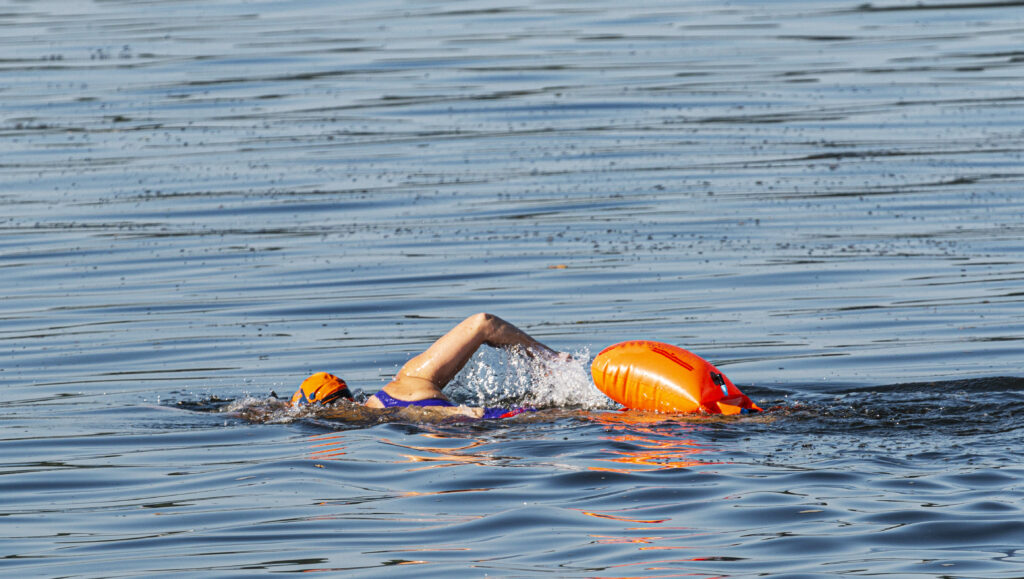
Safety Equipment Wear a brightly coloured swimming hat and consider using a tow float for visibility. These items help other water users spot you more easily in the deeper water conditions.
Exit Strategy Planning Identify multiple exit points before entering the water. Consider how tidal flow and wind direction might affect your return journey. Plan shorter swims during high tide to maintain better control over your position.
Safety Implications of Swimming at Low Tide
Low tide presents a unique set of safety conditions that differ significantly from high tide swimming. The exposed seabed creates both opportunities and hazards that swimmers must carefully consider before entering the water.
Advantages of Low Tide for Swimmers
Low tide offers several safety benefits for sea swimmers. The exposed beach areas reveal potential hazards such as rocks, sandbanks, and seaweed that would otherwise remain hidden underwater.
Swimmers can clearly see the seabed and identify safe entry and exit points. This visibility allows for better route planning and hazard avoidance.
Water movement typically becomes more predictable during low tide periods. The reduced water volume means currents are generally weaker in many coastal areas.
Beach access improves significantly during low tide conditions. Wider beaches provide more space for preparation and emergency access if needed.
The shallow water near the shore allows swimmers to maintain contact with the seabed for longer distances. This provides confidence for less experienced open water swimmers.
Rock pools and shallow areas become accessible, offering protected swimming spots in some locations. These natural barriers can shield swimmers from larger waves and stronger currents.
Unique Risks and Common Dangers
Low tide creates specific hazards that swimmers must understand and prepare for. Sharp rocks and coral become exposed, creating injury risks during entry and exit.
The increased exposure of the seabed means swimmers face greater risk of cuts from shells, rocks, and other debris.
Sandbanks and mudflats can create unstable footing. Swimmers may sink unexpectedly or struggle to maintain balance on soft surfaces.
Rip currents remain dangerous even during low tide conditions. These currents can still form and carry swimmers away from shore rapidly.
The reduced water depth means waves break closer to shore with more force. This creates dumping waves that can knock swimmers off their feet.
Marine life behaviour changes during low tide. Crabs, sea urchins, and other creatures concentrate in remaining pools, increasing contact risk.
Incoming tide hazards pose particular danger. Swimmers can become cut off from shore as water levels rise, especially near rocky outcrops or headlands.
Guidance for Low Tide Sea Swims
Swimmers should conduct thorough reconnaissance before entering low tide waters. Walk the intended swimming area to identify rocks, holes, and other hazards.
Check tide tables carefully to understand when the tide will turn. Allow sufficient time to complete the swim and return to shore before conditions change.
Wear appropriate footwear for rocky or sharp surfaces. Wetsuit boots or beach shoes protect feet during entry and exit.
Plan entry and exit routes through the safest available channels. Avoid areas with exposed rocks or unstable surfaces.
Monitor wave conditions closely as they break differently over shallow water. Avoid swimming in areas with dumping waves or strong shore break.
Swim parallel to the shore rather than heading directly out to sea. This maintains access to multiple exit points and reduces the risk of being caught by changing conditions.
Never swim alone during low tide conditions. The unique hazards require additional safety support and emergency assistance capability.
Is It Safer to Swim at High Tide or Low Tide?
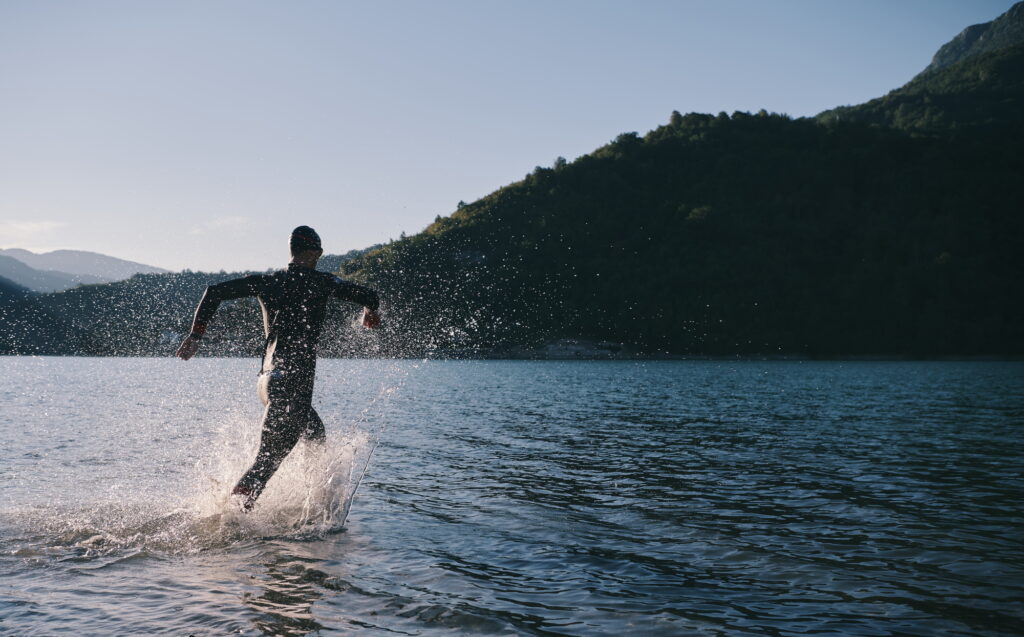
Neither high nor low tide is inherently safer for swimming. The safest time occurs during slack tides, which happen one hour before and after peak high or low tides when water movement is minimal.
Comparative Analysis of High vs Low Tide
High tide brings deeper water closer to shore, which can make entry easier for swimmers. However, it also creates stronger currents and can hide underwater hazards like rocks and reefs beneath the surface.
The deeper water during high tide reduces the risk of hitting the seabed but increases current strength. This makes it harder to swim back to shore if caught in a rip current.
Low tide exposes more of the beach and reveals potential hazards clearly. Swimmers can see rocks, seaweed, and other obstacles that might be hidden at high tide.
The main disadvantage of low tide is reduced water depth near shore. This increases the risk of injury from hitting the bottom or exposed rocks.
Spring tides create higher highs and lower lows with stronger currents every two weeks. Neap tides have smaller ranges with gentler water movement.
Factors Influencing the Safest Time to Swim
Slack tides provide the safest swimming conditions. These occur one hour before and after high or low tide when water movement is minimal.
During slack periods, currents are weakest and waves are typically calmer. This makes it easier to maintain position and swim back to shore safely.
Wave conditions matter more than tide height alone. Spilling waves on gentle slopes are safest for swimmers, whilst plunging waves on steep beaches can be dangerous regardless of tide.
Rip currents can form during any tide but are particularly dangerous during the middle two hours of rising or falling tides. These currents are strongest when the most water is moving.
Local geography affects how tides impact swimming safety. Sheltered bays may have gentler conditions than exposed coastlines during the same tide phase.
Other Influential Factors for Sea Swimming Safety
Whilst tide timing provides the foundation for safe sea swimming, several other critical factors significantly impact swimmer safety. Local conditions, weather patterns, and beach safety measures all play vital roles in determining whether it’s safe to enter the water.
Local Knowledge and Beach Topography
Understanding the specific characteristics of each swimming location is essential for safety. Beach topography affects water depth, currents, and accessibility, making some areas more hazardous than others.
Rocky coastlines present different risks compared to sandy beaches. Sharp rocks, hidden reefs, and uneven surfaces can cause injuries during entry and exit. Sandy beaches may have shifting sandbars that create unexpected depth changes.
Local swimmers and lifeguards possess invaluable knowledge about specific hazards. They understand where rip currents commonly occur and which areas to avoid. Many beaches have hidden dangers like underwater obstacles or sudden drop-offs that aren’t visible from the surface.
Key topographical risks include:
- Submerged rocks and reefs
- Sudden depth changes
- Narrow entry and exit points
- Areas prone to rip currents
Regular swimmers often know the safest routes and timing for their local area. This knowledge proves crucial because a location considered safe one day may not be the next.
Weather, Wind, and Visibility
Weather conditions dramatically affect sea swimming safety beyond just tide timing. Wind direction and strength influence wave size and water movement, creating additional hazards for swimmers.
Strong onshore winds push waves towards the beach, making entry and exit more difficult. Offshore winds can create deceptively calm conditions near shore whilst generating dangerous currents further out. Cross-shore winds often produce choppy, unpredictable water conditions.
Visibility plays a crucial role in safety assessment. Fog, rain, or poor lighting make it difficult to judge wave conditions and spot potential hazards. Reduced visibility also hampers rescue efforts if problems arise.
Weather factors affecting safety:
- Wind direction and strength
- Wave height and frequency
- Air and water temperature
- Visibility conditions
Temperature differences between air and water can cause hypothermia, even in summer months. Cold water shock presents immediate risks, particularly for inexperienced swimmers.
Lifeguard Presence and Beach Flags
Lifeguarded beaches provide professional safety oversight and emergency response capabilities. Trained lifeguards continuously monitor conditions and can provide immediate assistance when needed.
Beach flag systems communicate current safety conditions to swimmers. Red flags indicate dangerous conditions where swimming should be avoided. Yellow flags warn of moderate hazards requiring caution. Green flags signal relatively safe conditions.
Standard beach flag meanings:
- Red: Dangerous conditions – no swimming
- Yellow: Moderate hazards – swim with caution
- Green: Relatively safe conditions
- Purple: Marine life hazards present
Lifeguards can provide specific advice about local conditions and safe swimming areas. They understand how tides, weather, and topography combine to create varying risk levels throughout the day.
Unguarded beaches require swimmers to make their own safety assessments. This places greater responsibility on individuals to understand conditions and make informed decisions about entering the water.
Best Practices for Safe Sea Swimming
Safe sea swimming requires proper preparation, the right equipment, and knowledge of emergency procedures. Understanding tidal patterns and swimming with proper safety gear can prevent dangerous situations.
Preparing for Your Swim and Checking Tidal Times
Swimmers should check local tide times before entering the water. The safest time to swim is during slack tide, which occurs one hour before or after high or low tide when currents are weakest.
Essential Pre-Swim Checks:
- Check weather conditions and forecasts
- Verify tide times for your location
- Assess wave height and intervals
- Look for warning signs or flags
Local knowledge is absolutely essential for safe sea swimming. Even experienced swimmers cannot determine beach safety simply by looking at the water.
Hidden rocks, sudden depth changes, and local current patterns require insider knowledge. Contact local swimming groups or lifeguards for area-specific advice.
Water temperature varies significantly by season. Summer offers warmer conditions, whilst winter swimming requires proper preparation and cold water safety knowledge.
Using Equipment and Swimming with a Buddy
Proper equipment enhances visibility and safety in open water. Swimmers should wear brightly coloured swim caps and consider using tow floats for visibility.
Essential Safety Equipment:
- Brightly coloured swim cap – increases visibility to boats and rescue services
- Tow float – provides buoyancy and storage for belongings
- Wetsuit – maintains body temperature in cold water
- Whistle – attracts attention in emergencies
Never swim alone in the sea. Swimming with a buddy provides immediate assistance if problems arise. Partners should stay within sight of each other throughout the swim.
Plan your entry and exit points before entering the water. Identify landmarks that remain visible from the water to maintain orientation.
What to Do in an Emergency Situation
If caught in a rip current, swimmers should not panic or try to swim directly back to shore. Instead, swim parallel to the beach until free of the current, then swim back at an angle.
Emergency Response Steps:
- Stay calm and conserve energy
- Signal for help using arm movements or whistle
- Float on back if tired to rest
- Call 999 and ask for coastguard if witnessing an emergency
Hypothermia can develop quickly in cold water. Symptoms include shivering, confusion, and loss of coordination. Exit the water immediately if these signs appear.
If someone appears to be drowning, call 999 immediately rather than attempting a rescue. Throw flotation devices if available, but avoid entering the water unless properly trained.