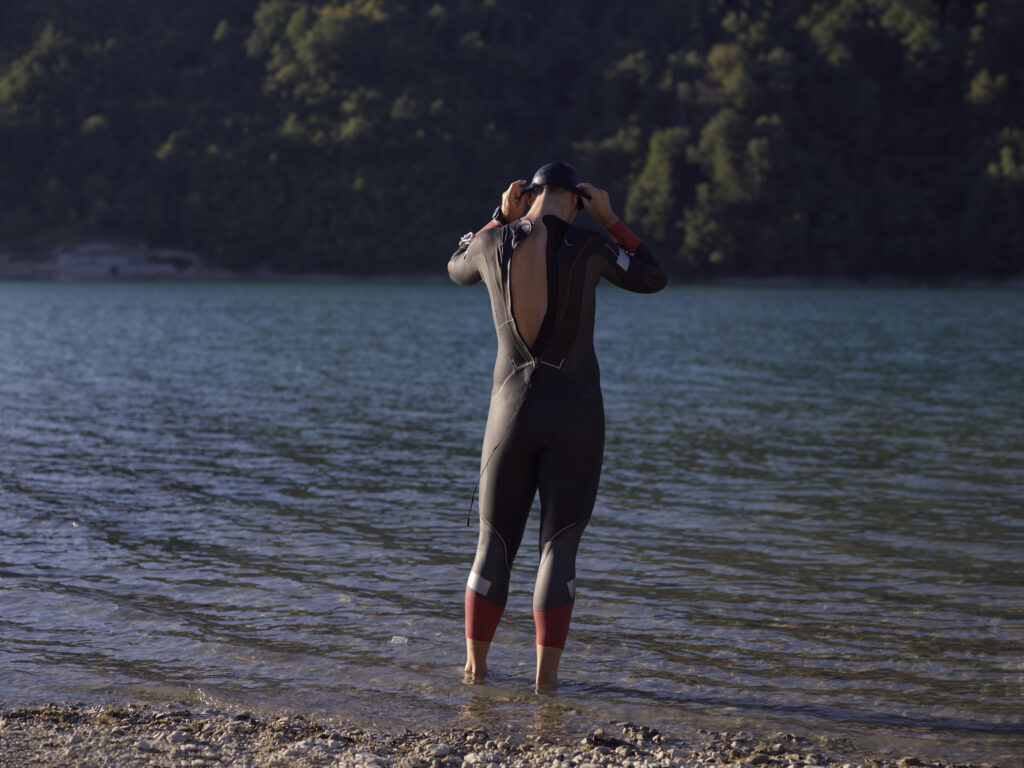

Devon’s wild swimming scene offers some of England’s most spectacular natural swimming spots, from Dartmoor’s crystal-clear moorland pools to South Devon’s hidden river gems. The county combines rugged landscapes with pristine waters, creating perfect conditions for outdoor swimming adventures throughout the year.
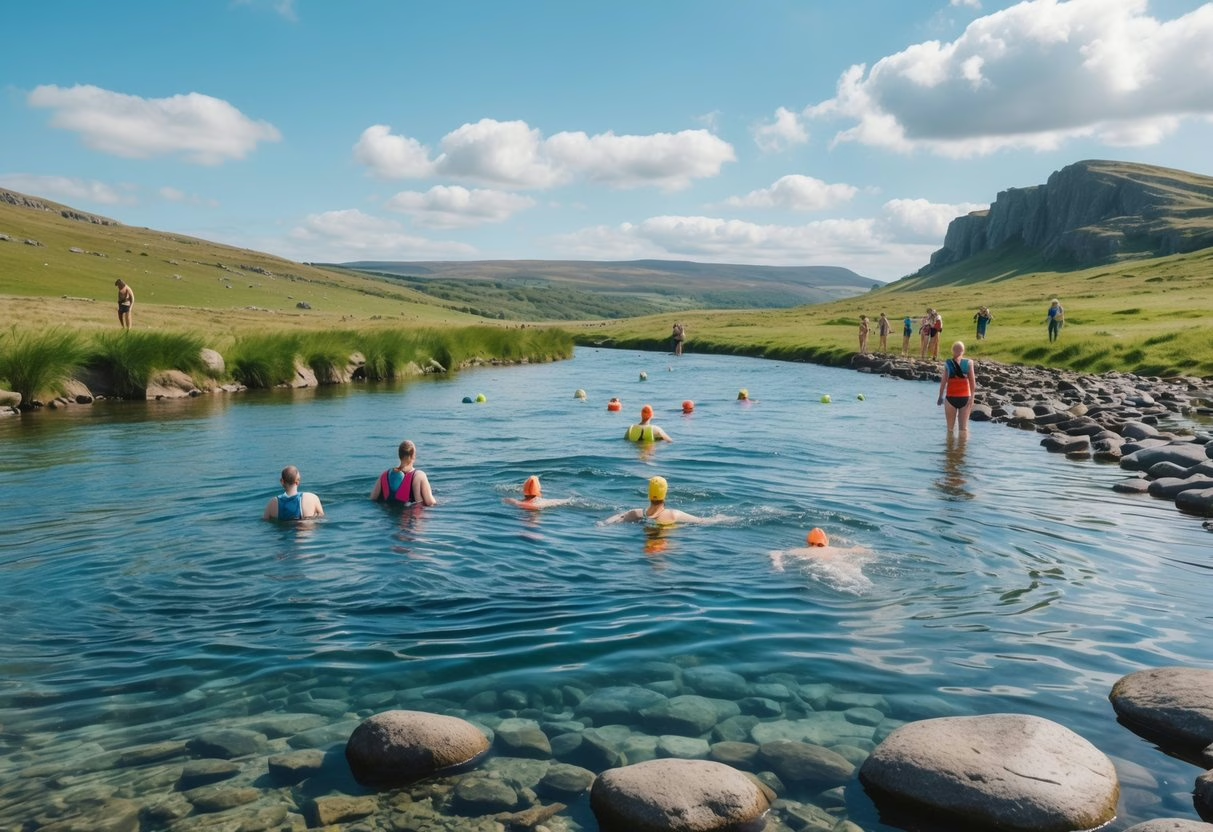
Dartmoor alone features over 20 exceptional wild swimming locations, including emerald pools surrounded by granite tors, abandoned quarries, and cascading waterfalls that form natural swimming holes. These spots range from family-friendly shallow pools to deep, secluded waters for experienced swimmers. Wild swimming in Dartmoor has become increasingly popular as more people discover these hidden treasures tucked away across the moors.
South Devon complements Dartmoor’s offerings with its own collection of swimming spots, from gentle river pools perfect for beginners to dramatic coastal locations. Whether seeking a peaceful morning dip or an adventurous swim beneath towering cliffs, the region provides options for every skill level and preference.
Why Dartmoor and South Devon Are Wild Swimming Hotspots
Dartmoor’s ancient landscape creates perfect conditions for wild swimming with crystal-clear rivers flowing from moorland springs. The region’s unique geography combines with rich wildlife to make Devon one of Britain’s top destinations for outdoor swimming.
Natural Beauty and Unique Geography
Dartmoor’s rugged tors and open moorland create a dramatic backdrop for wild swimming adventures. The granite landscape has shaped countless pools and cascades over millions of years.
Rivers flow down from Dartmoor’s high ground towards the coast, forming deep pools and gentle swimming spots. The River Dart cuts through valleys, creating popular locations like Spitchwick along the River Dart.
Key geographical features include:
- Ancient granite tors providing natural diving platforms
- Spring-fed rivers with consistent water flow
- Sheltered valleys protecting swimmers from moorland winds
- Rock formations creating natural pools and jacuzzis
South Devon’s coastline adds variety with tidal pools and secluded coves. The English Riviera offers warmer coastal waters during summer months.
Crystal-clear waters shine emerald green in afternoon sunshine at spots like Sharrah Pool. Rock walls and natural cascades give these locations their wild character.
Wildlife and Flora
Devon’s rivers support thriving ecosystems that make wild swimming more enjoyable. Trout swim in the deeper pools alongside other native fish species.
Dippers dart between rocks hunting for insects, while grey wagtails feed along the water’s edge. Kingfishers flash blue along quieter stretches of river.
Dragonflies patrol the water surface during warmer months. Common species include southern hawkers and broad-bodied chasers in brilliant blues and greens.
Wildlife commonly spotted:
- Brown trout in clear pools
- Dippers diving underwater
- Grey wagtails along riverbanks
- Kingfishers on overhanging branches
Ancient oak woodlands line many river valleys. Ferns grow from rock crevices, whilst mosses carpet boulders in the spray zones.
Heather blooms purple across the higher moors in late summer. Gorse provides year-round yellow flowers even in winter months.
Seasonal Highlights
Spring brings snowmelt from Dartmoor’s heights, filling rivers with fresh, cold water. Wild garlic carpets the valley floors in white flowers during April and May.
Summer offers the warmest water temperatures for comfortable swimming. Long daylight hours extend swimming time into early evening.
Summer advantages:
- Water temperatures reach 15-18°C
- Extended daylight until 9pm
- Stable weather patterns
- Peak wildlife activity
Autumn transforms the landscape with golden bracken and red rowan berries. Rivers run clearer as summer vegetation dies back.
Winter swimming appeals to hardy souls seeking the ultimate cold-water experience. Dartmoor offers spots for seasoned cold-water dippers throughout the year.
South Devon’s coastal locations remain milder in winter than inland Dartmoor sites. The English Riviera provides the warmest year-round swimming conditions in the region.
Essentials for Safe and Enjoyable Wild Swimming
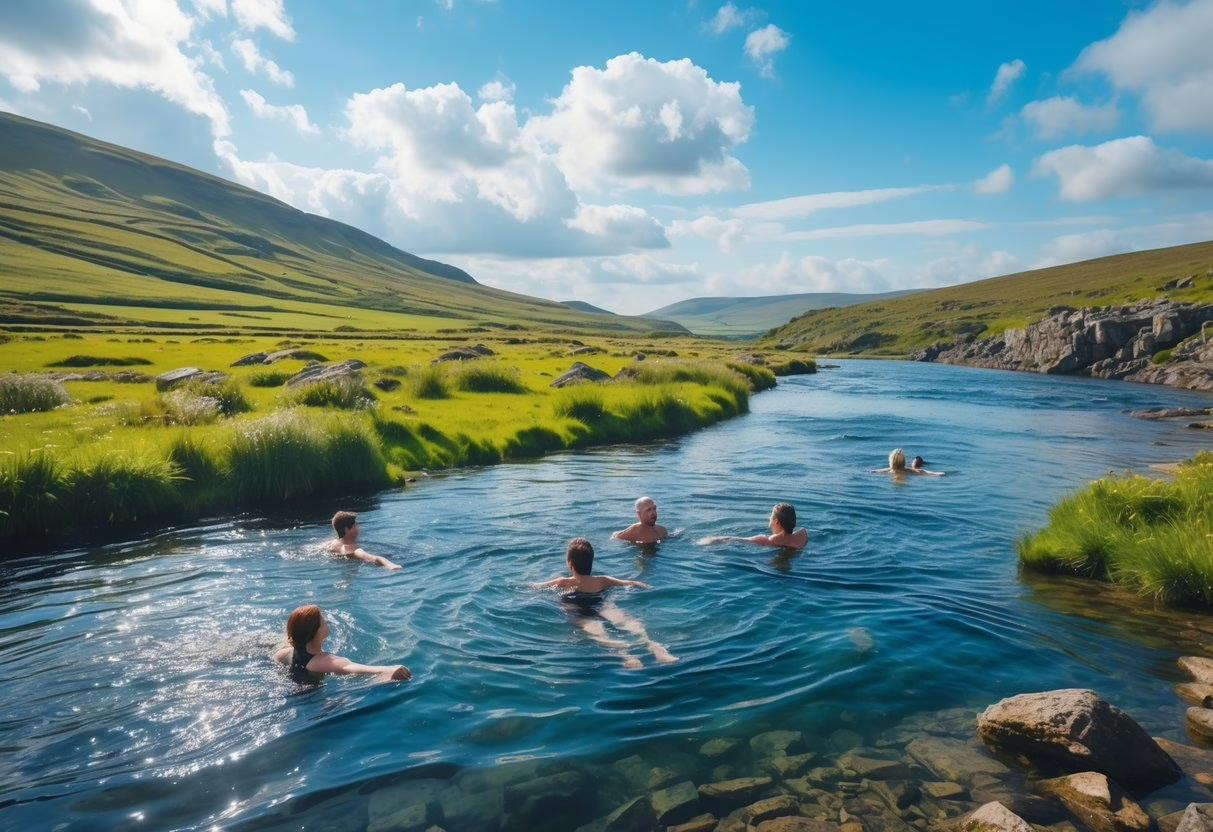
Successful wild swimming requires proper preparation, safety awareness, and respect for the natural environment. Key considerations include understanding water conditions, carrying appropriate gear, checking weather patterns, and following responsible recreation practices.
Safety Guidelines and Legal Considerations
Water Assessment forms the foundation of safe wild swimming. Swimmers should check water depth, current strength, and entry/exit points before entering. Fast-flowing rivers like the Dart can have dangerous currents even in seemingly calm sections.
Temperature Shock Prevention requires gradual entry techniques. Cold water shock affects breathing and muscle function within the first few minutes of immersion.
Never Swim Alone remains the golden rule. A swimming partner can provide assistance during emergencies and help with navigation in unfamiliar waters.
Legal Access varies across Dartmoor locations. National Trust properties often permit swimming in designated areas, but private land requires landowner permission. Public rights of way provide legal access to many river sections.
Emergency Preparedness includes carrying a whistle, mobile phone in waterproof case, and knowing the nearest vehicle access point. Share your planned route and return time with someone reliable.
What to Bring for Wild Swimming
Essential Safety Kit:
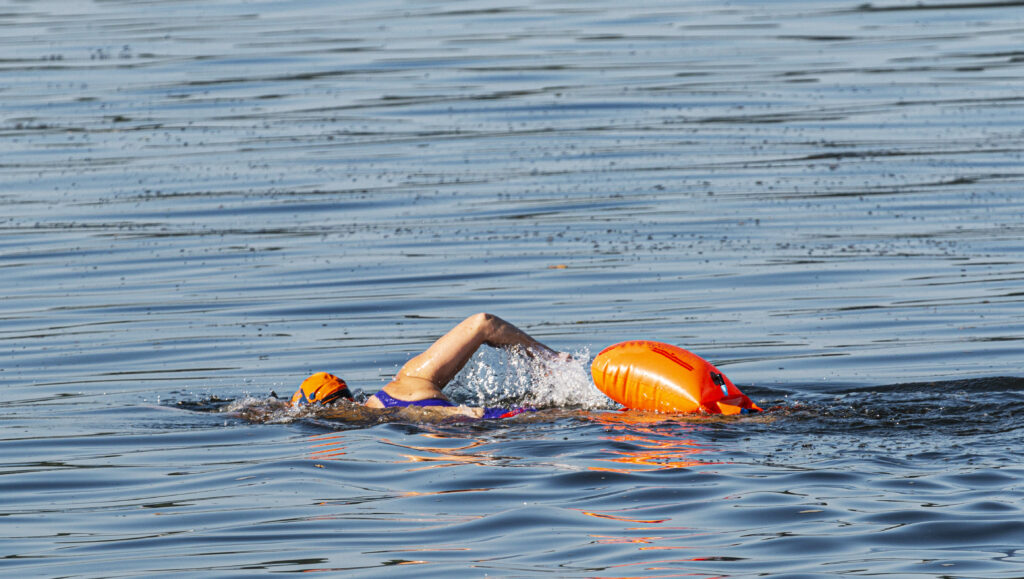
- Brightly coloured swimming hat
- Whistle for emergencies
- Waterproof phone case
- First aid supplies
- Emergency contact details
Thermal Protection Equipment:
- Wetsuit or neoprene clothing for extended swims
- Neoprene boots for rocky riverbeds
- Warm clothing for after swimming
- Waterproof changing mat
Navigation and Comfort Items:
- Waterproof map or GPS device
- Towel and spare clothes
- Hot drink in insulated flask
- Energy snacks
- Dry bag for valuables
Water Quality Testing equipment helps assess safety, particularly after heavy rainfall when bacteria levels may rise in rivers and streams.
Weather and Seasonal Factors
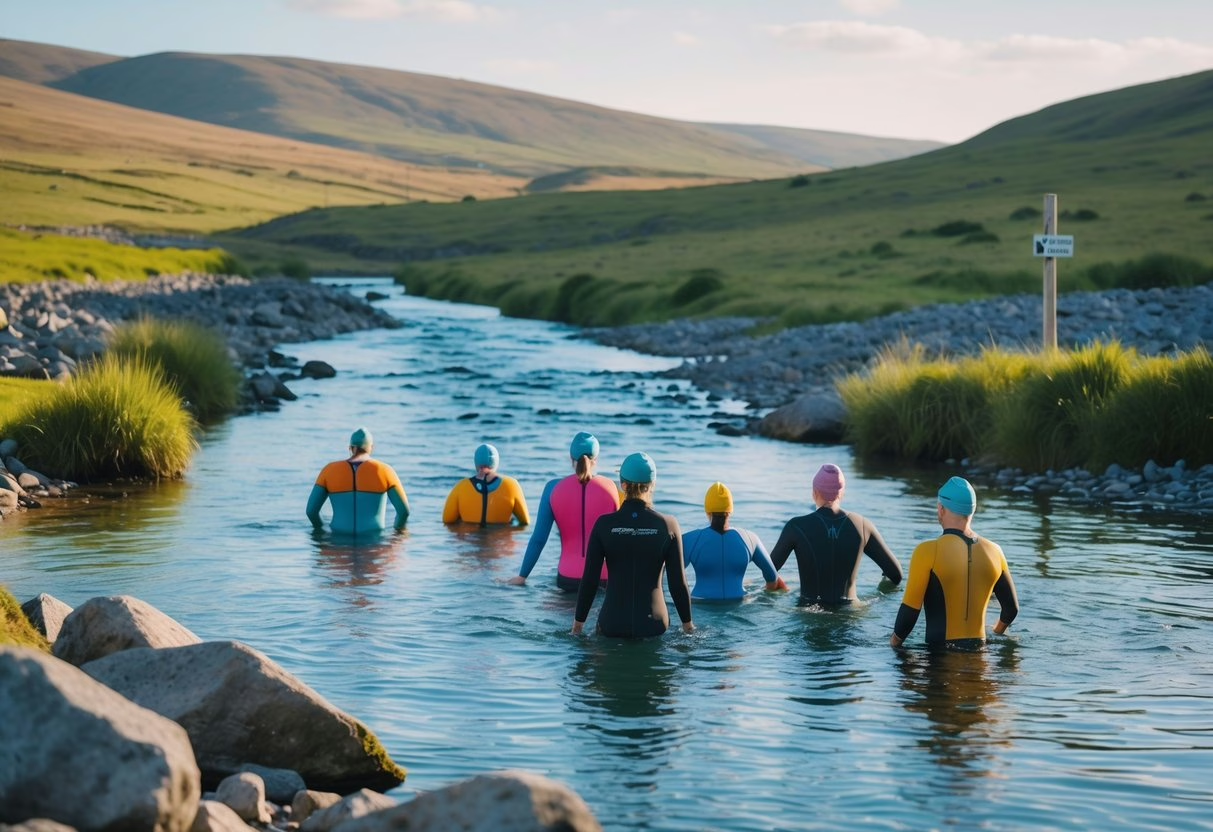
Seasonal Water Temperatures vary dramatically on Dartmoor. Summer temperatures reach 15-18°C in rivers, whilst winter temperatures drop to 2-6°C, requiring wetsuits for safe swimming.
Rainfall Impact affects water levels and quality significantly. Heavy rain creates dangerous conditions with increased flow rates and reduced visibility. Wait 24-48 hours after heavy rainfall before swimming.
Weather Window Selection requires checking forecasts for wind, temperature, and precipitation. Morning swims often offer calmer conditions and clearer water.
Daylight Hours limit swimming opportunities during winter months. Plan arrival and departure times to ensure adequate natural light for safe navigation.
Seasonal Hazards include spring snowmelt creating higher water levels, summer algae blooms in still water, and autumn leaf debris affecting water quality.
Respecting Nature and Responsible Recreation
Leave No Trace Principles apply strictly to wild swimming locations. Pack out all rubbish, avoid using soap or shampoo in natural waters, and stick to established paths where possible.
Wildlife Protection requires maintaining distance from nesting birds, avoiding spawning areas during fish breeding seasons, and minimising disturbance to riverbank vegetation.
Parking Considerations affect local communities significantly. Use designated car parks rather than verges, and avoid blocking farm gates or emergency vehicle access.
Group Size Management helps reduce environmental impact. Large groups create erosion, noise, and overcrowding issues at popular spots like Sharrah Pool.
Water Quality Preservation means avoiding contamination through proper hygiene practices and respecting water treatment areas upstream of towns and villages.
Top Wild Swimming Locations in Dartmoor
Dartmoor offers exceptional wild swimming experiences across its diverse waterways, from the crystal-clear pools at Sharrah Pool to the popular family spots along the River Dart. The moor’s granite-carved rivers create natural swimming holes surrounded by ancient woodlands and dramatic tors.
Spitchwick Common and Sharrah Pool
Spitchwick Common provides one of Dartmoor’s most accessible wild swimming experiences. The area features multiple pools along the River Dart with easy parking and gentle access points.
Key Features:
- Depth: Varies from shallow paddling areas to deeper swimming sections
- Facilities: Car park and nearby toilets
- Best for: Families and beginners
The common attracts many visitors during summer months. Early morning visits offer quieter conditions and better wildlife spotting opportunities.
Sharrah Pool requires a longer 4.2-mile return walk but rewards swimmers with exceptional water quality. The pool spans larger than an Olympic swimming pool with crystal-clear water that glows emerald green in afternoon sunlight.
Rock walls and natural cascades create a dramatic setting. The well-maintained path makes the journey manageable for most fitness levels.
Swimming conditions remain excellent throughout the warmer months. The pool’s depth allows for proper swimming rather than just paddling.
River Dart Highlights
The River Dart creates numerous swimming opportunities as it winds through Dartmoor’s valleys. Different sections offer varying experiences from gentle family spots to more secluded pools.
Popular River Dart locations include:
| Location | Walk Length | Difficulty | Best For |
|---|---|---|---|
| New Bridge | 0.2 miles | Easy | Families |
| Bellever Forest | 0.5 miles | Easy | Children |
| Buckfastleigh | 1 mile | Moderate | Adults |
The most popular wild swimming spot features a picnic area with parking and public toilets at New Bridge. The river creates natural pools perfect for swimming and paddling.
Bellever Forest offers another family-friendly option. The East Dart River runs alongside the forest with shallow areas ideal for children.
Water temperatures remain cool throughout summer. The granite riverbed provides excellent water clarity in most conditions.
Holne and Holne Woods
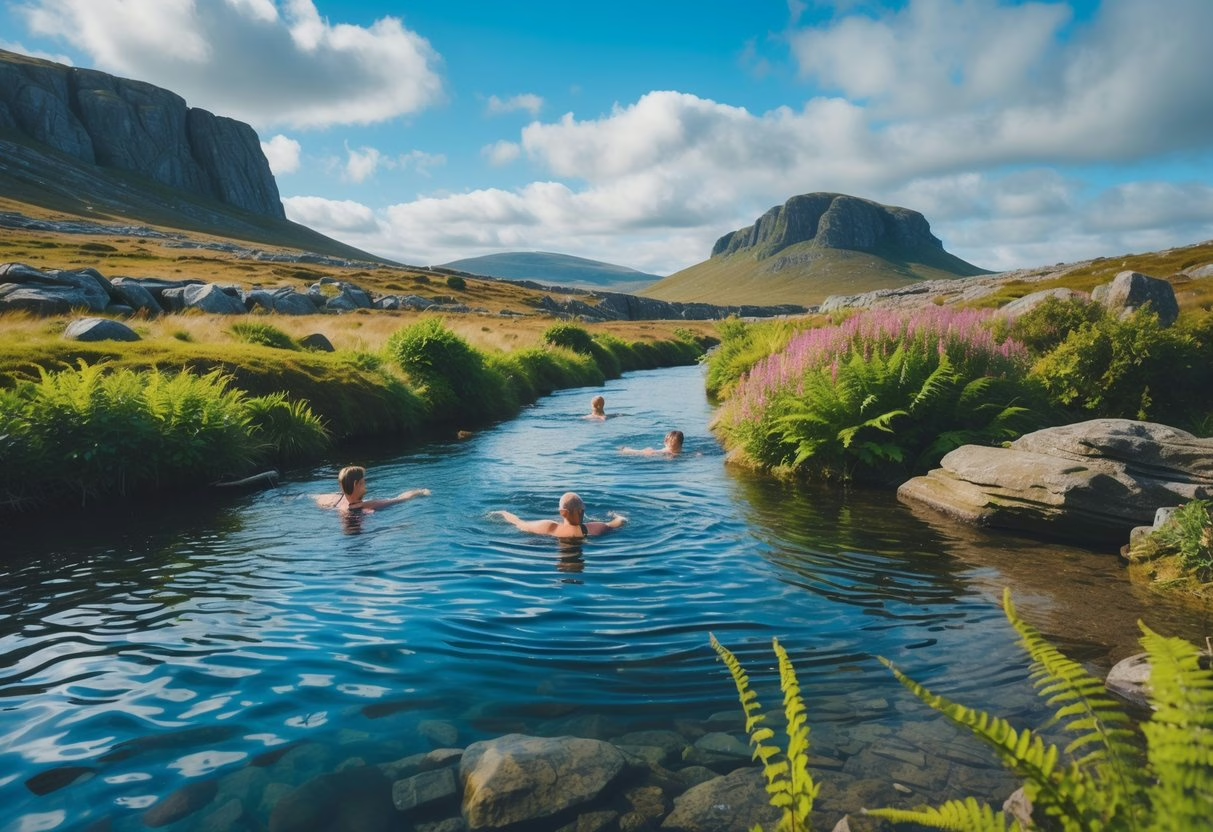
Holne Woods contains some of Dartmoor’s most atmospheric swimming locations. Dense woodland surrounds the River Dart as it carves through this ancient valley.
The area offers multiple access points along the river. Visitors can choose from shallow pools for paddling or deeper sections for swimming.
What makes Holne special:
- Woodland setting with mature oak and beech trees
- Varied depths suitable for different swimming abilities
- Natural rock platforms for sunbathing and picnicking
The woods provide excellent shelter on windy days. Tree cover creates a microclimate that feels warmer than exposed moorland locations.
Car parking requires careful consideration as spaces are limited. The narrow Devon lanes leading to Holne can become congested during peak times.
Swimming conditions work best during drier periods when water levels stabilise. Heavy rain can cause the river to become murky and fast-flowing.
Teign Gorge and Fingle Bridge
The River Teign creates spectacular swimming opportunities as it flows through the dramatic Teign Gorge. Fingle Bridge marks the most famous access point to this section.
Castle Drogo National Trust property sits above the gorge. The castle provides context for the area’s history whilst the river offers refreshing swimming below.
The gorge features several distinct pools connected by shallow rapids. Salmon Leaps creates one of the most impressive natural features where the river cascades over granite steps.
Swimming here requires confidence in moving water. The current can be stronger than other Dartmoor locations, particularly after rainfall.
Access considerations:
- Park at Fingle Bridge car park (National Trust)
- Follow footpath signs down to the river
- Check water levels before entering
The wooded valley sides provide shelter and create a unique atmosphere. Ancient oak woodlands support diverse wildlife including otters and kingfishers.
Water quality remains excellent due to the moorland catchment. The granite riverbed filters the water naturally as it flows downstream.
Exploring South Devon’s Wild Swimming Gems
South Devon’s coastline offers exceptional wild swimming opportunities from the River Avon’s tidal waters to Salcombe’s sheltered coves. These locations combine easy access with stunning natural beauty and safe swimming conditions.
River Avon from Aveton Gifford to Bantham
The River Avon provides one of South Devon’s most scenic wild swimming routes. The river flows from Aveton Gifford through peaceful countryside before reaching the sea at Bantham.
Swimming locations along the route:
- Upper reaches near Aveton Gifford: Shallow pools perfect for beginners
- Mid-section: Deeper waters with gentle currents
- Bantham beach: Where river meets sea with excellent facilities
The tidal nature means swimming conditions change throughout the day. High tide offers deeper water and easier entry points. Low tide reveals sandy beaches and shallow lagoons ideal for families.
Bantham’s famous sandbar creates calm swimming areas even when the sea is rough. The beach has public toilets, car parking, and the Pilchard Inn nearby for refreshments.
Water quality remains excellent due to the rural catchment area. The river supports wildlife including kingfishers and otters, making swims particularly rewarding for nature enthusiasts.
Sugary Cove and Dartmouth Castle
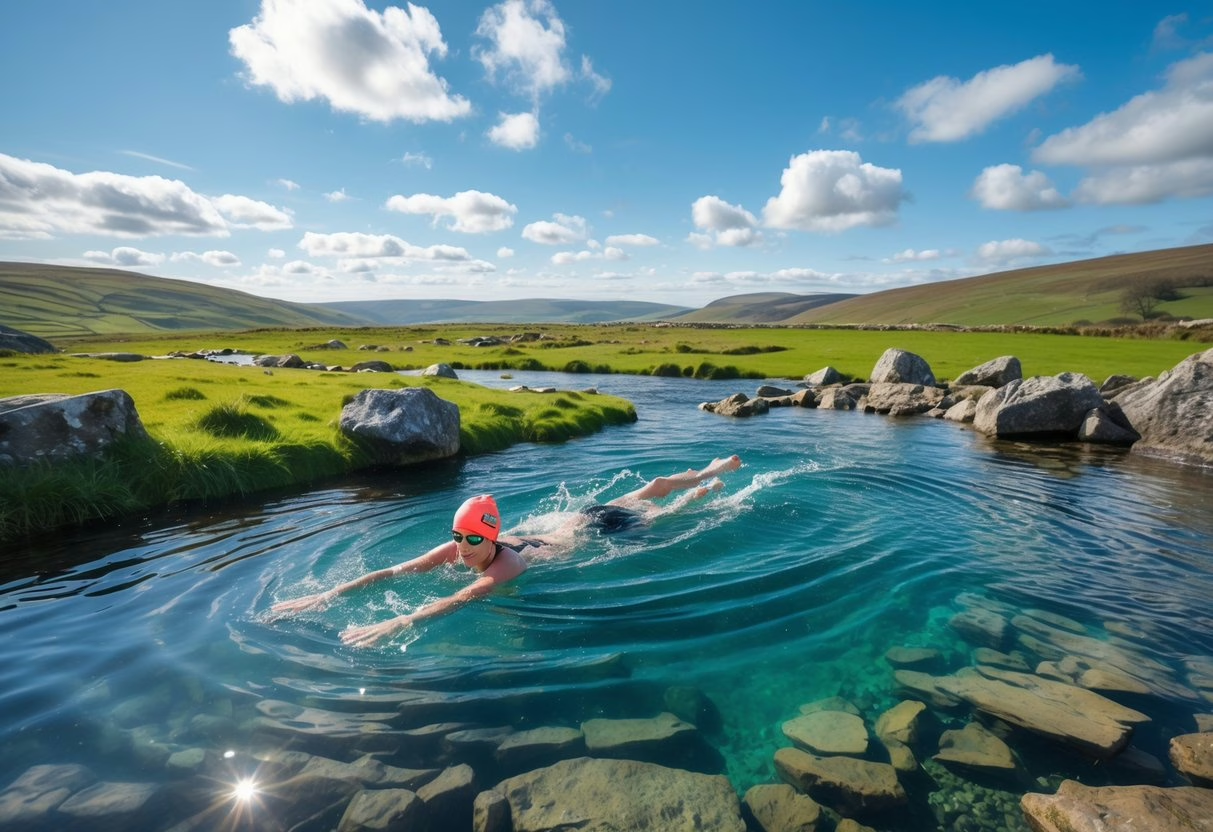
Sugary Cove near Dartmouth offers one of South Devon’s most secluded swimming experiences. This hidden gem sits around the corner from the historic Dartmouth Castle.
The sheltered cove provides calm waters protected from prevailing winds. Crystal-clear water and a small pebble beach create perfect conditions for peaceful swimming.
Access details:
- Distance: 1-mile walk from Dartmouth town centre
- Terrain: Coastal footpath with some steep sections
- Facilities: Open grass area 50 metres above the beach
The medieval Dartmouth Castle adds historical interest to any swimming trip. Built in the 14th century, it guards the mouth of the River Dart and offers stunning views across the estuary.
Swimming here feels private and intimate compared to busier beaches. The surrounding cliffs provide natural windbreaks, whilst the deep water allows confident swimmers to explore further from shore.
Early morning visits often mean having the entire cove to yourself. The walk from Dartmouth passes through beautiful countryside with glimpses of the castle appearing through the trees.
Paignton and Broadsands Beaches
The English Riviera around Paignton offers excellent wild swimming with better facilities than remote locations. Broadsands Beach provides the perfect base for exploring quieter swimming spots along this stretch of coast.
Broadsands features clean sand and generally calm waters. The Blue Flag beach has lifeguards during summer months, making it ideal for families new to wild swimming.
Nearby swimming highlights:
- Elberry Cove: Crystal-clear waters away from crowds
- Churston Cove: Rocky pools perfect for snorkelling
- Fishcombe Cove: Sheltered spot accessible via coastal path
Elberry Cove particularly stands out for wild swimming enthusiasts. The small beach requires a clifftop walk from Broadsands but rewards visitors with pristine conditions.
Agatha Christie famously called Elberry Cove her favourite sunbathing spot. The remains of Lord Churston’s Victorian bathhouse still visible add historical intrigue to swimming sessions.
Water temperatures around Paignton stay warmer than exposed coastlines due to the sheltered bay. This makes year-round swimming more comfortable for regular wild swimmers.
Salcombe and its Coves
Salcombe’s estuary system creates some of South Devon’s finest wild swimming conditions. The network of creeks, beaches, and coves offers options for every ability level and preference.
Popular swimming locations:
- Mill Bay: Sandy beach with calm waters
- Sunny Cove: Sheltered spot perfect for families
- Soar Mill Cove: Dramatic bay with turquoise waters
- South Sands: Easy access with ferry connections
The estuary’s tidal nature means exploring different areas at various tide states. High tide allows swimming in upper reaches and smaller creeks. Low tide reveals sandy beaches perfect for easy entry and exit.
Soar Mill Cove stands out for adventurous swimmers. The steep coastal path leads to a spectacular bay with golden sand and stunning blue water.
Salcombe town provides excellent facilities including gear shops, cafés, and accommodation. The ferry service connects different swimming spots without requiring long coastal walks.
Water sports companies offer guided wild swimming tours for those wanting local knowledge. These often include hidden spots only accessible by kayak or small boat.
Other Notable Rivers, Pools, and Scenic Spots
Beyond the well-known swimming locations, Dartmoor and South Devon harbour dozens of lesser-explored rivers and pools that offer exceptional wild swimming experiences. These spots range from easily accessible family-friendly locations to hidden gems requiring short hikes across moorland terrain.
River Plym and Cadover Bridge
The River Plym creates some of the most accessible and family-friendly swimming spots in the region. Cadover Bridge stands out as a wild swimming destination that locals frequently recommend as their first choice.
Multiple car parks sit within walking distance of the swimming areas. The grassy banks provide safe spaces for children to play whilst adults swim in the clear pools.
Wild ponies graze freely in this area during summer months. Visitors should secure food and belongings, as these animals often investigate picnics and bags left unattended.
The river features several deep pools suitable for confident swimmers. Shallow areas near the banks work well for families with young children or those new to wild swimming.
River Tavy and Double Waters
The River Tavy flows through dramatic moorland scenery before joining other waterways. Double Waters marks the confluence where two rivers meet, creating varied swimming conditions in a single location.
Deep pools form where the currents slow down after the junction. These areas provide excellent swimming for experienced wild swimmers who enjoy deeper water.
The surrounding landscape offers spectacular views across open moorland. Rocky outcrops provide natural diving platforms for confident swimmers, though beginners should enter from the gentler bank areas.
Access requires a moderate walk across moorland paths. The effort rewards visitors with relative seclusion compared to roadside locations.
Staverton and Still Pool
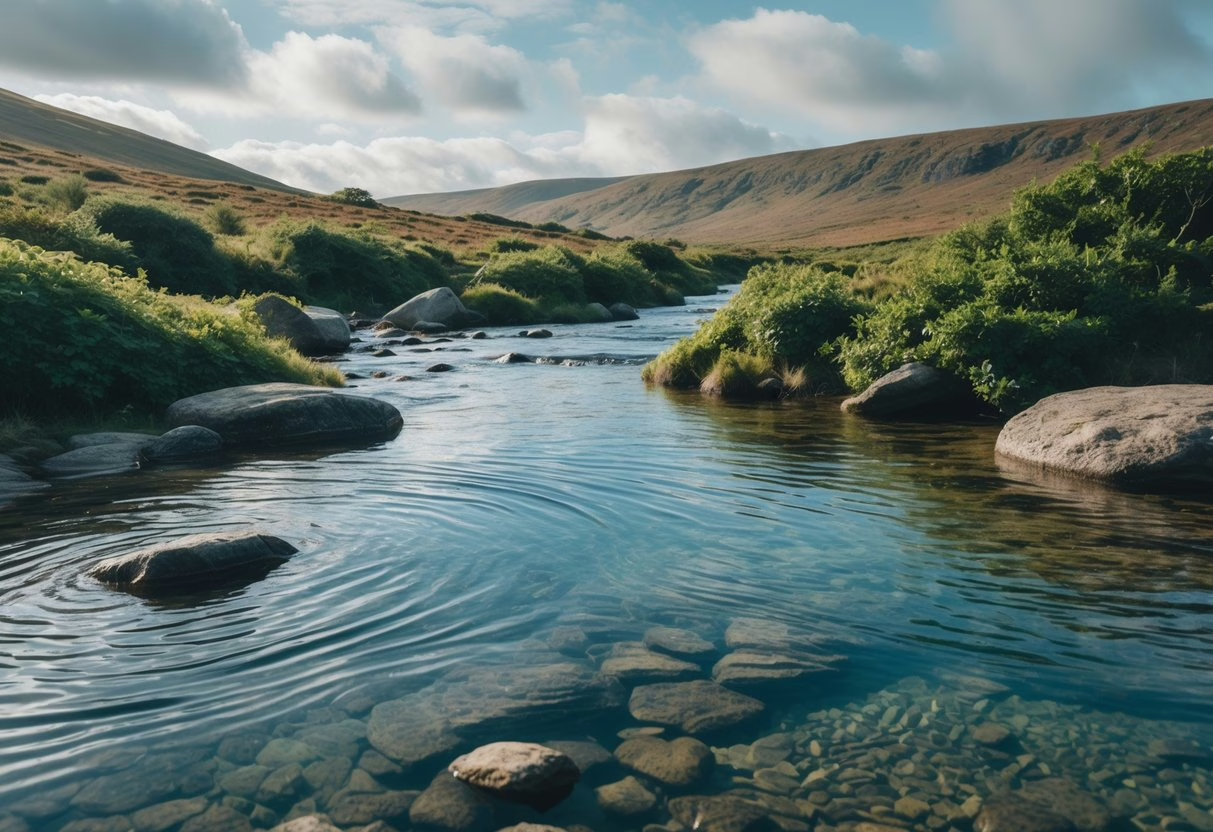
Staverton area contains several remarkable swimming locations along its waterways. Still Pool lives up to its name with calm, reflective waters that remain relatively undisturbed by currents.
The pool sits surrounded by ancient woodland that creates a sheltered environment. Trees provide natural windbreaks and dappled shade during hot summer days.
Water temperatures remain cool throughout the year due to the woodland canopy and consistent spring-fed flow. The clear water allows swimmers to see the rocky bottom easily.
Long Pool extends further downstream, offering a different swimming experience with more space for longer swims. Both locations require careful entry due to steep banks in some areas.
Hidden Quarry Pools and Waterfalls
Abandoned quarries across Dartmoor have filled with clear spring water over decades. These man-made pools now offer unique swimming experiences in dramatic stone-walled settings.
Haytor Quarry represents one of the most accessible options for quarry swimming. The disused quarry provides shelter from Dartmoor winds whilst offering easy access from car parks.
Several locations feature natural jacuzzi effects where water flows over rocks into deeper pools. These create gentle massage-like sensations for swimmers positioned correctly in the current.
Some remote pools include makeshift rope swings installed by previous visitors. Swimmers should inspect these carefully before use, as weather and time can weaken rope fibres and anchor points.
Waterfall pools require more effort to reach but provide spectacular settings. The combination of falling water and deep plunge pools creates memorable wild swimming experiences for those willing to hike to reach them.
Wild Swimming Experiences and Tips
Making the most of wild swimming requires proper planning and understanding what makes these experiences special. Group swims and picnics enhance the adventure, whilst connecting with local communities opens doors to new discoveries.
Planning Picnics and Group Swims
Combining wild swimming with picnics transforms a simple dip into a memorable day out. Popular swimming spots across Devon offer perfect settings for group gatherings.
Waterproof bags keep food and belongings dry during river crossings. Pack lightweight, non-perishable items that won’t spoil in warm weather.
Essential picnic items for swimmers:
- Thermos flasks for hot drinks after cold water
- Energy-rich snacks like nuts and dried fruit
- Waterproof blankets for wet grass
- Plenty of fresh water for drinking
Groups should designate meeting points and emergency contacts. Mobile signal varies across Dartmoor, so offline maps prove invaluable.
Choose locations with ample space for spreading out. Family-friendly spots like Shilley Pool accommodate larger groups whilst maintaining the peaceful atmosphere.
Connecting with Local Clubs and Events
Wild swimming communities across Devon welcome newcomers with guided swims and safety advice. Local clubs organise regular meetups at established swimming spots throughout the year.
Facebook groups and community boards advertise upcoming events. Many clubs focus on specific areas, offering detailed knowledge of hidden gems and seasonal conditions.
Benefits of joining swimming groups:
- Safety through numbers
- Local expertise and route finding
- Equipment sharing and advice
- Social connections with like-minded people
Beginners gain confidence swimming with experienced members. Veterans share stories about water temperatures, access routes, and wildlife spotting.
Some groups organise seasonal challenges or charity swims. These events often include post-swim gatherings at local pubs, extending the community experience beyond the water.
What Makes Wild Swimming Special
Wild swimming offers a direct connection with nature that indoor pools cannot match. The unpredictability of natural water creates unique sensory experiences each time.
Cold water triggers endorphin release, creating natural highs that many swimmers become addicted to. Regular cold water exposure may improve circulation and boost immune systems.
Unique aspects of natural swimming:
- Varying water temperatures and currents
- Wildlife encounters and bird watching
- Seasonal changes in surroundings
- Complete silence away from traffic
Each location tells its own story. Ancient quarries hold industrial history, whilst moorland pools connect swimmers to prehistoric landscapes.
The physical challenge varies dramatically between locations. Shallow rock pools suit gentle floating, whilst deeper spots like Crazywell Pool allow proper swimming strokes.
Weather adds another dimension entirely. Misty morning swims feel mystical, whilst sunny afternoon dips sparkle with reflected light through crystal-clear water.
Frequently Asked Questions
Wild swimmers often ask about the best locations across Dartmoor and South Devon, from crystal-clear river pools to coastal spots. Safety considerations and family-friendly options are also common concerns for those exploring these waters.
What are the top wild swimming spots in Dartmoor?
Sharrah Pool stands out as one of Dartmoor’s premier wild swimming destinations, offering crystal-clear water that shines emerald green in afternoon sunshine. The pool is larger than an Olympic swimming pool and provides ample space for long leisurely swims.
Tavy Cleave offers a gorgeous cascade pool set under dramatic tors, though it’s better suited for wild dipping than serious swimming due to its shallow depth. The scenery represents quintessential Dartmoor at its finest.
Foggintor Quarry provides a unique swimming experience with its desolate beauty and mirror-like reflections on calm days. The water is extremely deep with both warm and cold pockets.
Crazywell Pool sits high on the moors, steeped in myth and legend. Despite its mysterious reputation, it’s perfect for swimming long lengths and is bigger than an Olympic pool.
Where in South Devon can one find the best sea swimming locations?
Cadover Bridge near Yelverton has long been a wild swimming destination for South Devon locals. It’s typically the first location mentioned when discussing wild swimming in the area.
South Devon’s coastline offers numerous coves and beaches suitable for sea swimming. Popular spots include sheltered bays that provide protection from strong currents and waves.
Many coastal locations feature a mix of sandy beaches and rocky pools. These areas allow swimmers to choose between different water depths and swimming conditions.
How can I ensure safety while swimming in Dartmoor’s rivers and lakes?
Wild swimming spots have no safety measures in place, so swimmers must know their own limits. Always tell someone your location and expected return time before setting off.
Water temperatures remain cold throughout the year, even in summer. Enter the water gradually to avoid cold water shock, particularly if you’re not accustomed to cold water swimming.
Never swim if water has become discoloured, as this can indicate flooding and dangerous currents. Check weather conditions and recent rainfall before visiting any location.
Be especially cautious around quarry swimming, as old machinery and unexpected hazards may lurk beneath the surface. Some areas near military firing ranges require checking activity schedules before visiting.
Are there any recommended cold water swimming areas in South Devon?
Dartmoor’s river pools and lakes naturally provide cold water swimming experiences throughout the year. The granite landscape keeps water temperatures consistently cool, even during warmer months.
Tuckers Pool offers one of the most challenging cold water experiences, with temperatures comparable to glacial pools. This location requires significant cold water swimming experience and proper preparation.
Many of Dartmoor’s river systems, including tributaries of the River Dart, provide excellent cold water swimming opportunities. These locations offer varying depths and flow rates for different experience levels.
What facilities are available at Sharrah Pool for swimmers?
Sharrah Pool is accessed via a 4.2-mile return walk on a well-maintained but not flat path. The location requires a moderate level of fitness due to the walking distance involved.
No facilities exist at the pool itself, as it’s a completely natural wild swimming location. Swimmers must bring all necessary equipment and supplies with them.
Accessing the water is relatively easy compared to other Dartmoor locations. The pool offers plenty of space for multiple swimmers and rock platforms for resting.
Can you list popular wild swimming locations accessible to families in Devon?
Black Rock Falls, also known as Witch’s Pool, provides an excellent family-friendly option due to its shallow water and gravel bottom. The location doesn’t require negotiating slippery rocks to enter the water.
Shilley Pool is particularly fabulous for children, featuring a natural waterslide that provides entertainment for kids and their pets. The pool remains small and shallow, making supervision easier.
Cullever Steps offers a gorgeous swimming hole with clear water and small cascades, though care is needed with slippery rocks when entering. The location provides room for proper swimming despite not being overly deep.
Hembury Woods provides multiple water access points along a wooded river section. Families can find quieter spots away from other visitors whilst enjoying the peaceful woodland setting.