
The Lizard Peninsula in South Cornwall offers some of Britain’s most spectacular coastal scenery and beaches. Located at the country’s most southerly mainland point, this rugged stretch of coastline features everything from expansive sandy shores to hidden coves with crystal-clear turquoise waters.
The peninsula boasts over 40 beaches within a relatively small area, ranging from family-friendly sandy stretches to dramatic rocky coves perfect for exploration. Many of these coastal gems remain relatively uncrowded compared to Cornwall’s busier tourist spots, making them ideal for those seeking a more peaceful beach experience.
From the picturesque fishing village of Coverack to the stunning white sands of Housel Bay near Lizard village, visitors will discover diverse landscapes shaped by centuries of Atlantic weather. The peninsula’s unique geology and position create distinctive beach environments, each offering different opportunities for swimming, walking, wildlife watching, and simply enjoying Cornwall’s natural beauty.
Overview of the Lizard Peninsula and Its Coastline
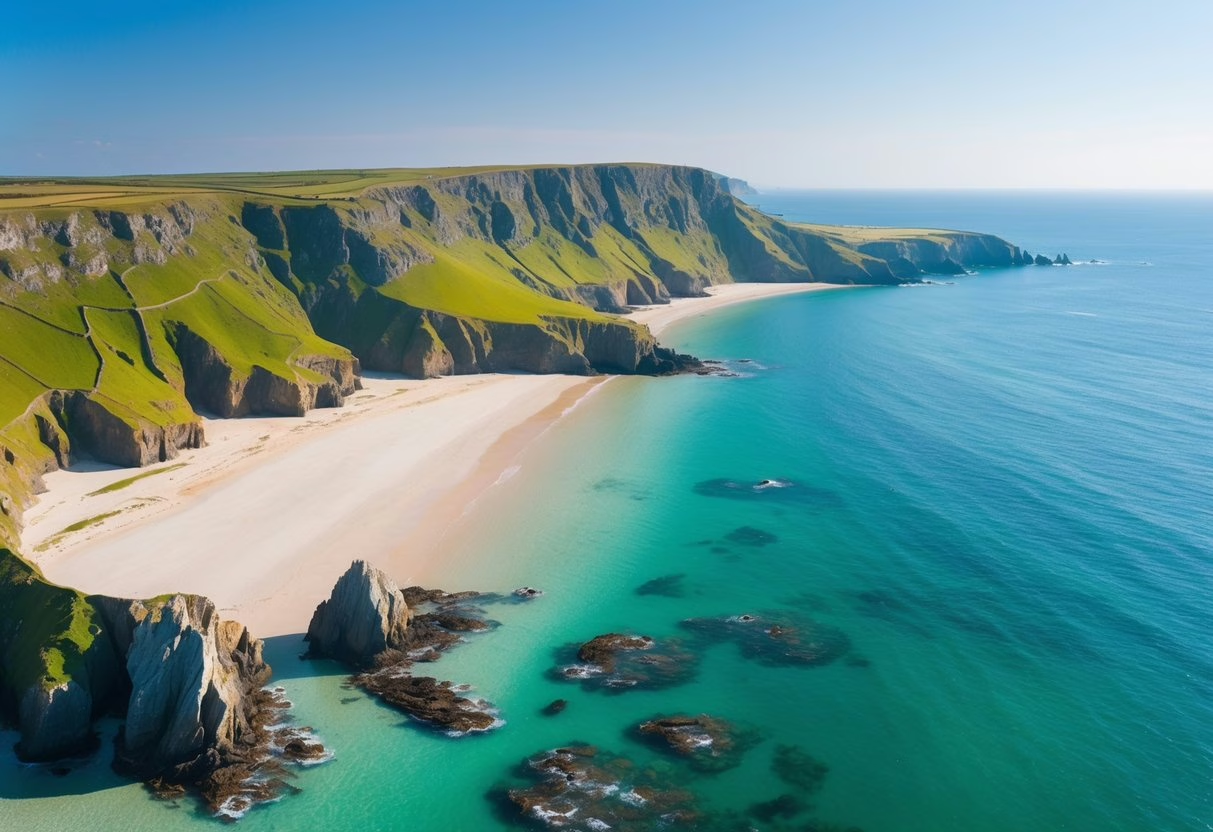
The Lizard Peninsula forms Britain’s most southerly mainland point, featuring unique serpentine rock formations and diverse coastal landscapes. This distinctive area of Cornwall offers exceptional geological features and varied beach environments shaped by its exposed Atlantic position.
Geographical Location and Significance
The Lizard Peninsula sits on the southern coast of Cornwall, England, representing Britain’s most southerly mainland point. The peninsula extends southward from the towns of Helston and Falmouth, covering approximately 16.62 square kilometres.
Located roughly 30 miles from Land’s End, the peninsula terminates at Lizard Point. This strategic position makes it the furthest south point in mainland UK.
The area holds significant conservation value. A substantial portion of the peninsula is designated as a national nature reserve due to its coastal grasslands and heaths. The region also contains three Sites of Special Scientific Interest.
This protected status reflects the peninsula’s importance for wildlife conservation. The designation helps preserve rare plants and birds that thrive in this unique coastal environment.
Distinctive Features of the Coastline
The Lizard Peninsula showcases unusual serpentine rock formations that create a distinctive coastal landscape. These rare geological features distinguish the area from other parts of Cornwall’s coastline.
The coastline presents remarkable diversity within a compact area. Visitors find everything from dramatic coves with turquoise waters to expansive sandy shores. Small pebble-dashed coves sit alongside golden-sand beaches shouldered by towering cliffs.
Key Coastal Features:
- Serpentine rock formations and caves
- Small fishing harbours dotting the coastline
- Windswept headlands offering dramatic views
- Hidden coves accessible via coastal paths
The eastern coast features fishing villages at Porthallow and Porthoustock, each with small beaches. Porthkerris offers a large pebble beach on the same stretch of coast.
Unlike other Cornish areas, the peninsula doesn’t feature many sweeping sandy beaches. Instead, it offers intimate coves and specialised coastal environments that support rare flora.
Climate and Best Time to Visit
The Lizard Peninsula experiences a maritime climate typical of Cornwall’s exposed coastal areas. Its southerly position and Atlantic exposure create specific weather patterns that influence beach conditions throughout the year.
The peninsula’s exposed location means it faces prevailing Atlantic winds and weather systems. This position affects both sea conditions and the types of coastal vegetation that can survive in the area.
Seasonal Considerations:
- Spring: Ideal for observing rare plants and birds
- Summer: Peak season for beach activities and coastal walking
- Autumn: Fewer crowds, dramatic storm watching opportunities
- Winter: Rougher seas but spectacular coastal scenery
The area serves as a haven for exceptional plants and flowers that bloom at different times throughout the year. Many rare species have adapted to the peninsula’s unique serpentine soils and coastal conditions.
Weather patterns can change quickly due to the exposed Atlantic position. Visitors should prepare for variable conditions regardless of season, particularly when exploring the more remote coastal areas and beaches.
Top Sandy Beaches in the Lizard South Cornwall
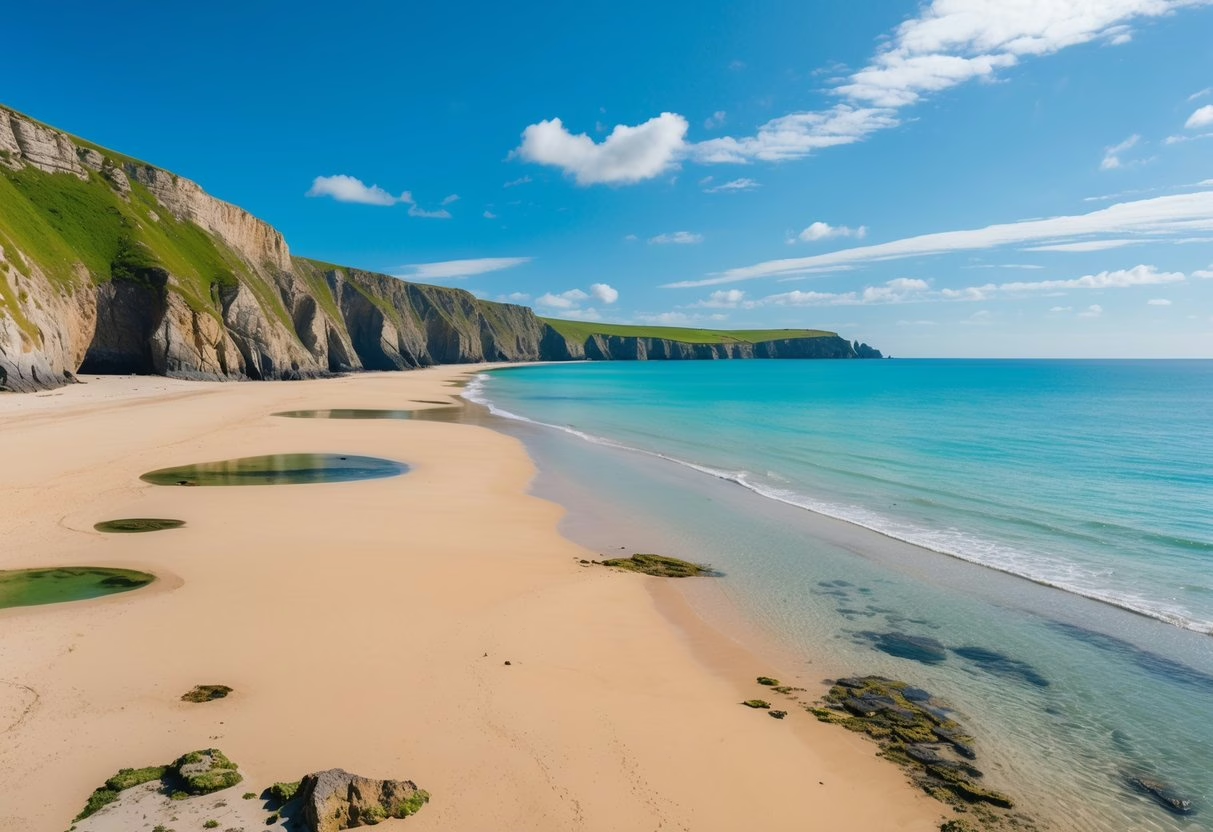
The Lizard Peninsula features several exceptional sandy beaches that offer different experiences for visitors. Kennack Sands provides excellent facilities and family-friendly amenities, whilst Godrevy Cove offers peaceful seclusion accessible only by coastal path, and Porthallow combines a charming fishing village atmosphere with a pleasant beach setting.
Kennack Sands: Facilities and Attractions
Kennack Sands stands out as one of the most popular beaches on the Lizard Peninsula with its expansive golden sand and reliable facilities. The beach divides into two distinct sections separated by rocky outcrops during high tide.
Key facilities include:
- Car park with reasonable daily rates
- Public toilets and seasonal refreshment kiosk
- Lifeguard patrol during summer months
- Dog-friendly areas year-round
The eastern section provides calmer waters ideal for families with young children. Rock pools form naturally between the two beaches, creating excellent opportunities for exploring marine life.
Kennack Sands attracts surfers when conditions are right, particularly during autumn and winter swells. The beach faces south-east, offering some shelter from prevailing westerly winds.
Local geological features include serpentine rock formations that create the distinctive landscape. Visitors can access the South West Coast Path directly from the beach for extended walking opportunities.
Godrevy Cove: Tranquillity and Natural Beauty
Godrevy Cove offers a large sandy beach accessible only via the coast path, ensuring a peaceful experience away from crowds. The remote location requires a moderate walk but rewards visitors with pristine conditions.
The cove features fine golden sand that extends significantly at low tide. Crystal-clear waters provide excellent swimming conditions during calmer weather, though visitors should exercise caution as no lifeguards patrol this remote location.
What makes Godrevy Cove special:
- Complete seclusion from road access
- Unspoilt natural environment
- Dramatic cliff scenery surrounding the beach
- Excellent photography opportunities
Wildlife spotting opportunities abound, with seals frequently visible offshore and various seabirds nesting in the surrounding cliffs. The beach remains relatively sheltered despite its exposed coastal position.
Visitors must plan carefully as no facilities exist at Godrevy Cove. Bringing adequate supplies, checking tide times, and informing others of walking plans ensures a safe visit to this hidden gem.
Porthallow: Village and Beach Highlights
Porthallow combines the charm of a traditional Cornish fishing village with a pleasant small beach nestled within a protected cove. The TR12 7LT postcode area encompasses this picturesque coastal settlement.
The beach consists primarily of sand with some shingle areas, particularly near the harbour wall. At low tide, additional sand becomes exposed, creating more space for beach activities and exploration.
Village amenities enhance the beach experience:
| Facility | Details |
|---|---|
| The Five Pilchards pub | Traditional coastal pub with sea views |
| Limited parking | Small car park fills quickly in summer |
| Boat launching | Working harbour for local fishing boats |
| Coast path access | Direct connection to longer walking routes |
The sheltered position makes Porthallow particularly suitable for families seeking calmer conditions. Local fishing boats add authentic character to the setting, creating an atmosphere distinctly different from more commercial beach destinations.
Swimming conditions remain generally safe within the cove, though visitors should remain aware of boat traffic during busy periods.
Picturesque Villages and Coastal Spots
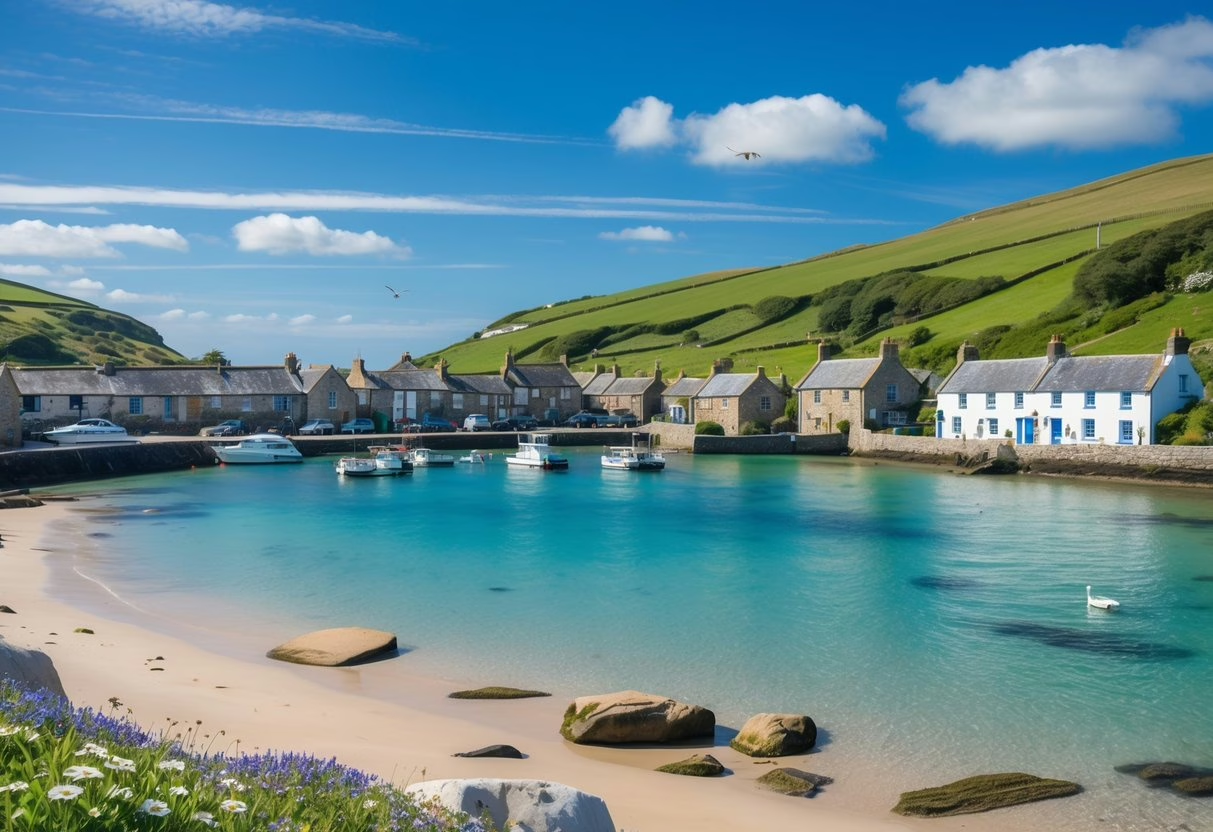
The Lizard Peninsula features charming fishing villages that have retained their authentic character whilst offering stunning coastal access. These settlements provide perfect bases for exploring dramatic clifftop walks and discovering hidden beaches.
Coverack: Harbour and Beach
Coverack sits as a picturesque fishing village on the eastern coast of the Lizard Peninsula. The village centres around a small working harbour that still welcomes fishing boats today.
The settlement offers visitors a traditional Cornish experience with its stone cottages and narrow lanes. Local pubs and cafés provide refreshments whilst maintaining the village’s authentic atmosphere.
The beach at Coverack provides a mix of sand and shingle. Families often choose this spot for its sheltered position and calm waters during favourable conditions.
Key Features:
- Working fishing harbour
- Traditional stone architecture
- Family-friendly beach
- Local dining options
The village serves as an excellent starting point for coastal walks. Paths lead both north towards Porthallow and south towards the more remote sections of the peninsula.
Cadgwith: Fishing Heritage and Secluded Coves
Cadgwith represents one of Cornwall’s most authentic fishing villages, with origins dating back to mediaeval times. The settlement began as fish cellars nestled in a sheltered coastal valley.
The village maintains its working character with boats still launched from the shingle beach. Visitors can observe traditional fishing methods that have continued for centuries.
Village Highlights:
- Thatched cottages with traditional architecture
- Active fishing fleet
- Shingle cove with excellent shelter
- Historic fish cellars
The location between Lizard Point and Coverack provides easy access to coastal walking routes. The South West Coast Path passes directly through the village.
Local establishments serve fresh seafood and traditional fare. The community maintains strong connections to its maritime heritage through ongoing fishing activities.
Lizard Point: Dramatic Views and Walking Routes
Lizard Point marks Britain’s most southerly mainland location. The headland offers spectacular clifftop scenery and serves as a focal point for the entire peninsula.
The lighthouse stands as a prominent landmark visible from miles away. Visitors can explore the surrounding area through well-maintained footpaths that provide access to viewpoints.
Housel Bay lies nearby, offering a small beach within walking distance of the point itself. The bay provides a contrast to the dramatic clifftop environment.
Walking opportunities include:
- South West Coast Path sections
- Headland circular routes
- Access to hidden coves
- Lighthouse area exploration
The point experiences changeable weather conditions due to its exposed position. Visitors should prepare appropriately for coastal walking in this environment.
Gift shops and refreshment facilities serve the many visitors who come to experience mainland Britain’s southernmost point.
Nature and Conservation Areas
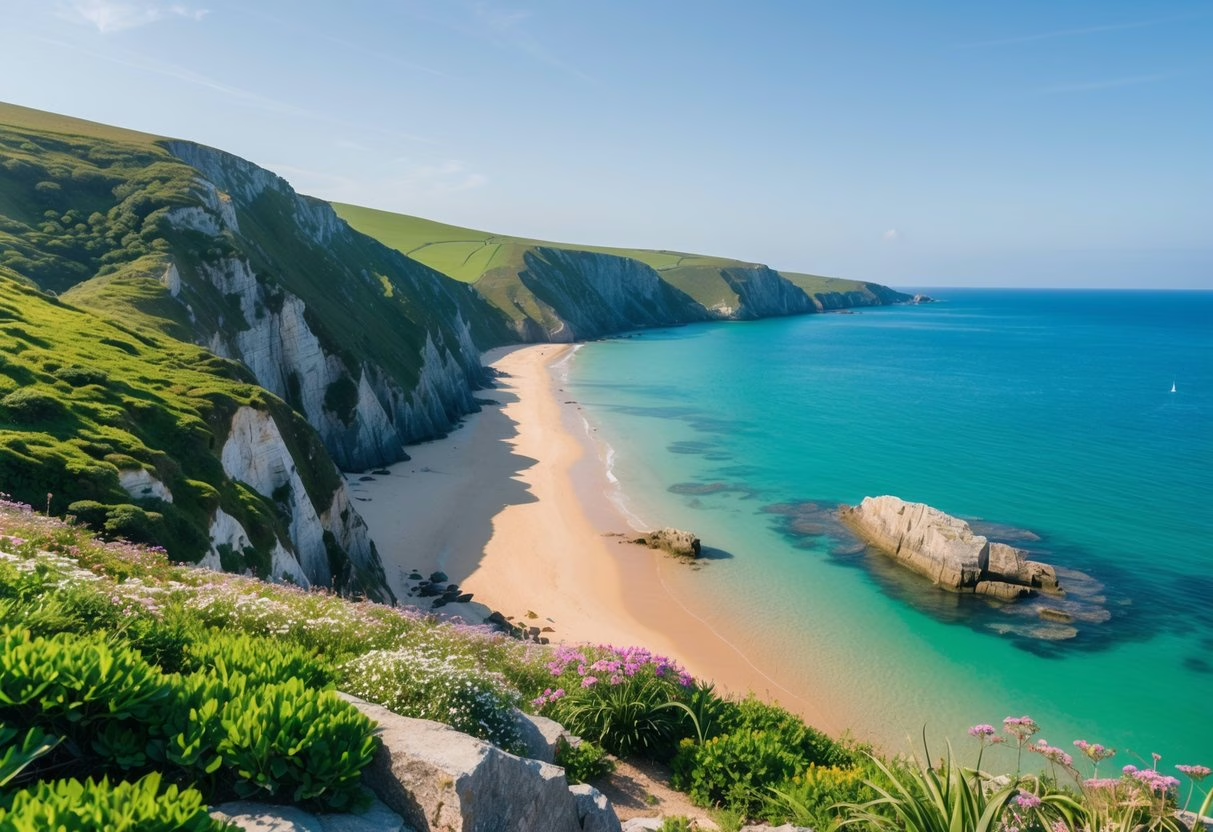
The Lizard Peninsula hosts one of England’s most significant nature reserves alongside diverse wildlife habitats. Conservation efforts protect rare species and unique coastal ecosystems throughout the region.
Local Nature Reserves
The Lizard becomes one of the largest National Nature Reserves in the south-west, covering over 2,400 hectares. The expanded reserve includes areas managed by The National Trust and Cornwall Wildlife Trust.
The peninsula’s unique geology creates exceptional biodiversity. Base-rich igneous and acid metamorphic cliffs support unusual plant communities rarely found elsewhere in Britain.
Key Protected Areas:
- National Nature Reserve (2,400+ hectares)
- Special Area of Conservation
- Cornwall National Landscape designation
Heathlands and coastline represent the most remarkable habitats on The Lizard. Coastal habitats remain largely undisturbed due to their natural protection from human activities.
The reserve stretches across multiple locations. It connects previously separate conservation areas into one cohesive protected zone.
Wildlife Watching Opportunities
The Lizard Peninsula ranks as one of the best locations in the country for wildlife. Visitors can observe rare plants, invertebrates, and unique habitats throughout the area.
Prime Wildlife Viewing Locations:
- Coastal cliff paths
- Heathland areas
- Valley marshes
- Rocky shorelines
The southern location combined with complex geology creates ideal conditions for species diversity. Many plant communities here show exceptional species richness compared to other British coastal regions.
Photography enthusiasts find abundant opportunities to capture unique flora and fauna. The area’s rich biodiversity attracts nature enthusiasts seeking rare species and stunning coastal wildlife.
Seasonal variations offer different viewing experiences. Spring and summer months provide optimal conditions for observing flowering plants and active wildlife.
Access, Parking, and Transport Connections
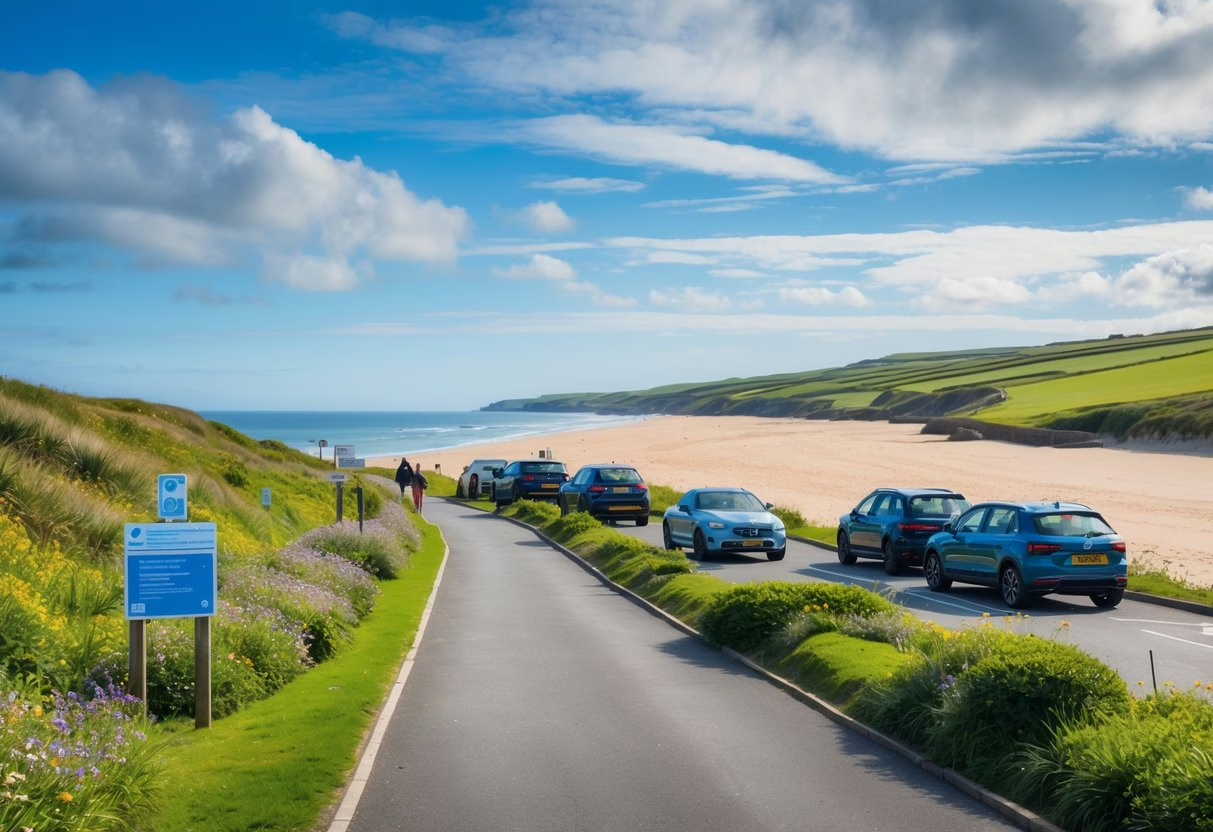
The Lizard Peninsula connects to mainland Cornwall via two main A-roads, with most beaches offering dedicated car parks within walking distance. The South West Coast Path provides excellent hiking access between coastal locations.
Major Routes: A394, A3083, and Local Roads
The A394 serves as the primary route from Helston towards the western side of the peninsula. This road connects directly from Redruth and other major Cornish towns.
The A3083 provides the main access southward through the peninsula’s centre. It runs from Helston down to Lizard village, passing near many popular beaches.
Local roads branch off these main routes to reach individual beaches. The B3293 connects eastern coastal areas like Porthallow and Porthoustock. Minor roads lead to more remote locations.
Road conditions can be narrow with passing places. Summer traffic increases significantly, particularly on weekends. Early morning arrivals help avoid congestion.
Journey times from Helston range from 10-25 minutes depending on the destination beach.
Car Parks Near Popular Beaches
Most Lizard beaches have dedicated parking areas very close to beach access. Popular locations include:
- Kynance Cove: Large National Trust car park with toilet facilities
- Porthcurno: Multiple car park options within 200 metres
- Mullion Cove: Village car park adjacent to harbour
- Church Cove: Small car park directly above the beach
Parking fees apply at most locations during peak season. National Trust members receive free parking at Trust-owned sites.
Some beaches offer blue badge holder spaces with easier access routes. Remote beaches may only have roadside parking or small informal areas.
Capacity fills quickly during summer months and school holidays between 10am-2pm.
Walking and the South West Coast Path
The South West Coast Path runs continuously around the Lizard Peninsula’s coastline. It connects all major beaches and provides stunning cliff-top walking.
Path sections vary from easy coastal walks to more challenging terrain. The route between Lizard Point and Kynance Cove offers relatively gentle walking suitable for families.
Access points exist at most beach car parks, allowing visitors to join the path easily. Clear waymarking helps navigation along the entire route.
Some beaches require scrambles down narrow cliff paths, making them suitable only for agile walkers. These remote locations offer rewarding experiences for capable hikers.
Walking times between beaches typically range from 30 minutes to 2 hours depending on distance and terrain difficulty.
Essential Tips for Beach Visitors
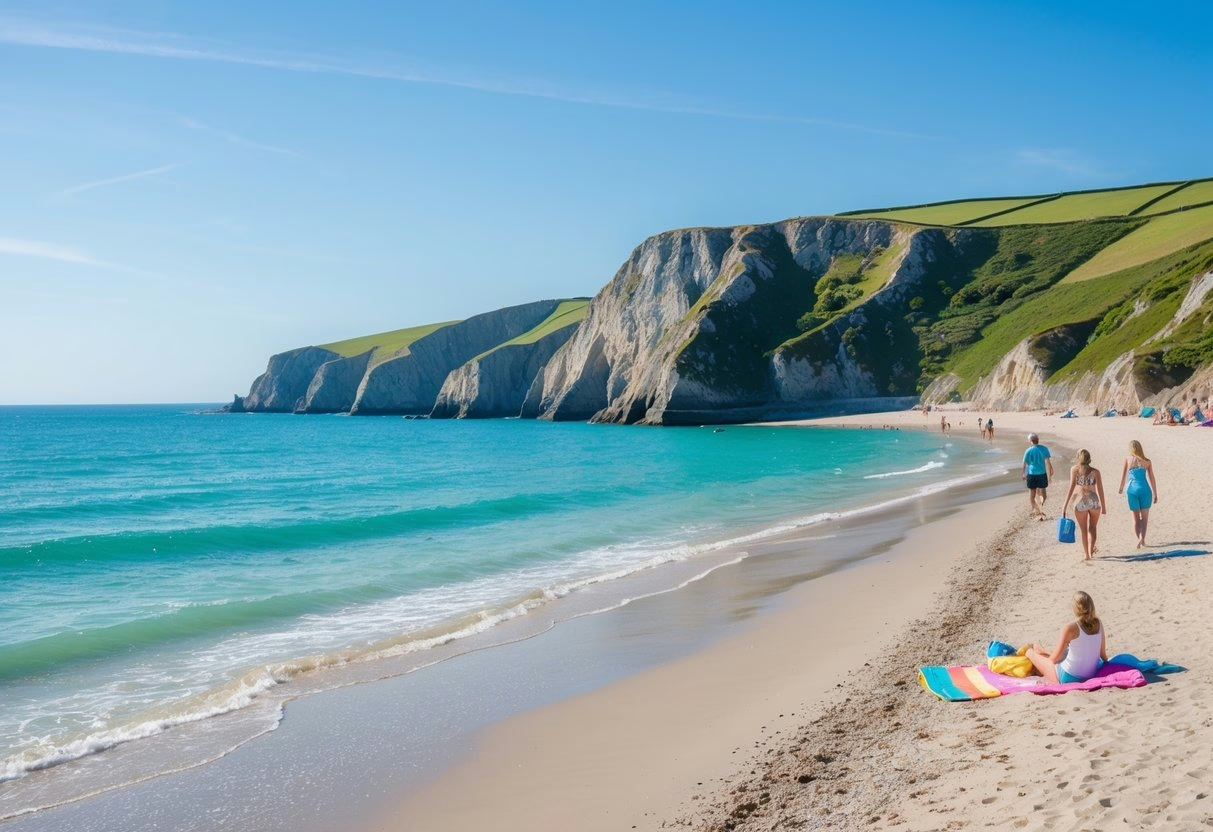
Most Lizard Peninsula beaches have lifeguard patrols during summer months and offer varying levels of accessibility, whilst dog restrictions typically apply during peak hours from July to August.
Safety and Lifeguard Services
Kennack Sands has lifeguard patrols operating daily between 10am-6pm until 28 September 2025. This makes it one of the safer options for families with children.
Many other beaches on the peninsula lack lifeguard services entirely. Visitors should exercise particular caution at remote locations where access can be tricky with narrow cliff paths.
Strong underwater currents occur at several beaches, even in seemingly calm conditions. Swimming ability and local tide awareness become essential for safe water activities.
Emergency services can take longer to reach isolated coastal areas. Visitors should inform someone of their planned location and expected return time when exploring remote beaches.
Dog-Friendly Areas and Restrictions
Dogs face restrictions at Kennack Sands between 10am-6pm during July and August only. Outside these times, dogs can enjoy full beach access throughout the year.
Most other beaches on the Lizard Peninsula welcome dogs year-round without seasonal restrictions. This makes the area particularly attractive for dog owners seeking coastal walks.
Remote beaches typically have no formal dog restrictions due to their wild nature. However, owners must keep dogs under close control near cliff edges and nesting seabird areas.
Beach car parks may charge additional fees for vehicles carrying dogs. Visitors should check local signage for specific regulations and pricing structures.
Facilities and Accessibility
Kennack Sands offers the best accessibility with a gently sloped path from the main car park plus ramps onto the sandy beach. WCs and cafés operate next to the beach area.
Most remote beaches require steep, uneven paths that challenge mobility-impaired visitors. These locations typically lack facilities such as toilets, cafés, or parking areas.
| Beach Type | Car Park Distance | Path Difficulty | Facilities Available |
|---|---|---|---|
| Kennack Sands | Adjacent | Easy slope | WCs, café, ramps |
| Remote beaches | Limited/distant | Steep & uneven | None |
| Village beaches | Close proximity | Moderate | Basic facilities |
Parking fills quickly during summer months, particularly at popular locations with good facilities. Arriving before 10am increases chances of securing spaces near beach access points.
Frequently Asked Questions
The Lizard Peninsula offers exceptional beaches ranging from family-friendly sandy shores to remote cliff-side coves perfect for adventure seekers. Visitors frequently ask about the best beaches, facilities available, and transport options to reach these coastal gems.
What are the top-rated beaches to visit near The Lizard peninsula?
Kynance Cove stands as the most famous beach on the peninsula. Its white sand and turquoise waters create stunning scenery that attracts visitors from across Britain.
Poldhu Cove ranks highly for its expansive sandy beach and excellent facilities. The beach offers easy access and remains popular with families throughout the year.
Mullion Cove provides dramatic cliff scenery with its small sandy beach. The wild and remote beaches on the Lizard offer breathtaking views of the Atlantic Ocean.
Church Cove near Gunwalloe features a historic church right on the beach. This unique combination of heritage and natural beauty makes it particularly special.
Which family-friendly beaches are recommended around South Cornwall?
Poldhu Cove offers the best facilities for families visiting the area. The beach provides ample parking, toilets, and nearby cafés for convenient day trips.
Kennack Sands features twin beaches with golden sand perfect for children. The sheltered location protects families from strong Atlantic winds.
Coverack presents a charming fishing village with a small pebble beach. Children enjoy exploring the harbour and watching fishing boats return with their catch.
Porthallow provides another family-friendly option with its small sandy beach. The gentle slope makes it ideal for young children to paddle safely.
Are there any hidden gems or secluded beaches in The Lizard area?
Dollar Cove remains one of the most secluded spots on the peninsula. Access requires a challenging cliff path walk, but rewards visitors with complete isolation.
Cadgwith Cove offers a traditional fishing village atmosphere with fewer crowds. The small pebble beach provides an authentic Cornish coastal experience.
Housel Bay sits tucked away near Lizard Point itself. This small cove offers dramatic cliff scenery without the crowds of more famous locations.
The secret beaches in Lizard Peninsula include several unmarked coves accessible only by foot. These require local knowledge and careful navigation to reach safely.
Can you provide a guide to the beaches accessible by public transport in South Cornwall?
Bus services connect Helston to several key beaches on the Lizard Peninsula. The regular service runs throughout the summer months to popular destinations.
Poldhu Cove enjoys the best public transport links with direct bus connections. Visitors can reach the beach without needing a car during peak season.
Mullion Cove connects to the bus network via the village of Mullion. A short walk from the bus stop leads directly to the coastal path.
Many remote beaches require walking from the nearest bus stop. The Lizard Peninsula beaches often involve hiking along coastal paths to reach the shore.
What facilities are available at Poldhu Cove and other nearby beaches?
Poldhu Cove provides comprehensive facilities including car parks, public toilets, and nearby cafés. The beach also offers lifeguard services during summer months.
The Poldhu Beach Café serves food and drinks throughout the day. Visitors can purchase beach equipment and refreshments without leaving the immediate area.
Mullion Cove features limited facilities with a small car park and seasonal café. The harbour provides shelter and adds character to the beach experience.
Most remote beaches on the peninsula lack facilities entirely. The wild beaches require preparation with visitors bringing their own supplies and equipment.
Which beaches around The Lizard are best for water sports and activities?
Poldhu Cove attracts surfers with its consistent Atlantic swells and sandy bottom. The beach hosts surf schools that offer lessons for beginners throughout summer.
Praa Sands, just north of the Lizard Peninsula, provides excellent surfing conditions. The long sandy beach creates ideal waves for both beginners and experienced surfers.
Kennack Sands offers rock pooling opportunities during low tide. Children particularly enjoy exploring the marine life trapped in tidal pools.
The eastern coast beaches like Porthallow provide calmer conditions for kayaking. These fishing village beaches offer protection from Atlantic storms and strong currents.