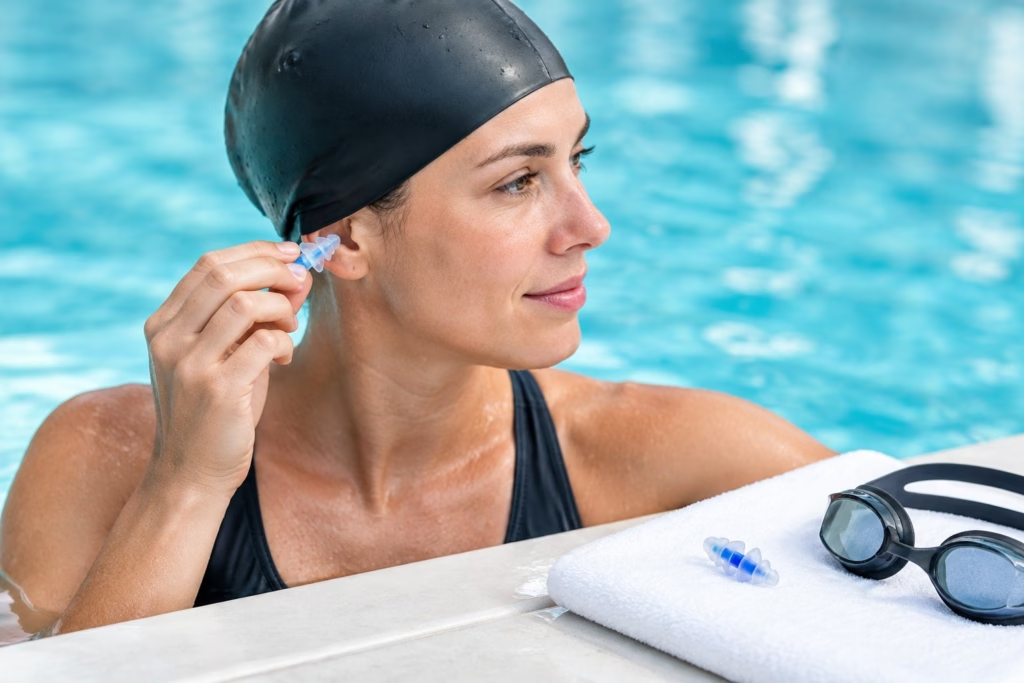
If you swim several times a week and keep getting that itchy, blocked, sore feeling afterwards, a well-sealing pair of earplugs is the cheapest fix you can make. Swimmer’s ear (otitis externa) happens when water sits in the outer ear canal, softens the skin and lets bacteria take hold. Keeping the canal dry is the whole game.
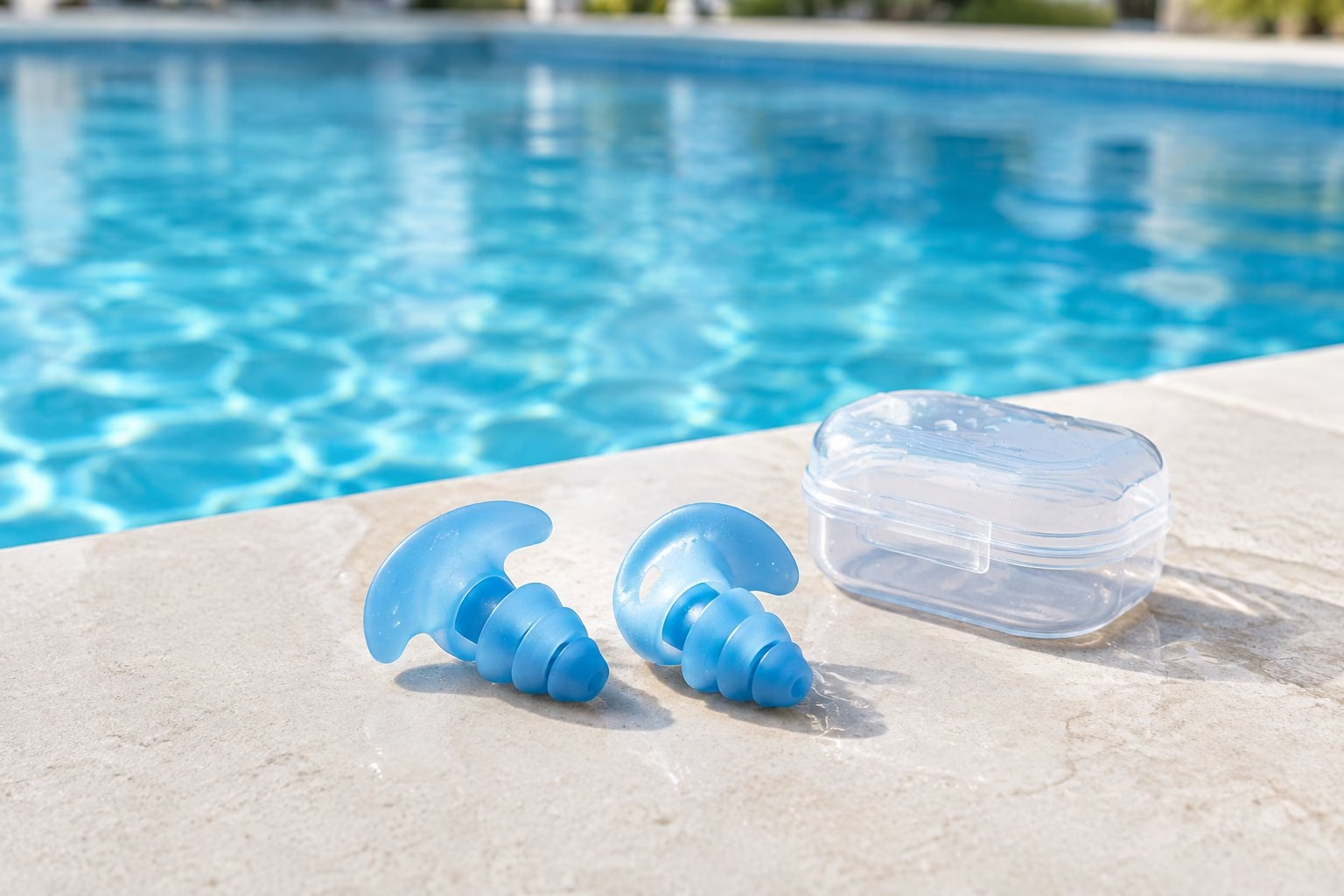
For most adult swimmers who train regularly, the Bollsen Watersafe+ is the ear plug to buy first: it uses a soft, size-matched seal that stays put through tumble turns, and it comes from a brand built around repeated daily wear. If you swim once a fortnight, a £4 pair of mouldable silicone plugs will do the same job for a fraction of the price.
One thing worth saying up front, since it applies to almost every plug here: no earplug is a treatment. Plugs stop water getting in, which stops the problem starting. If your ear already hurts, is discharging, or your hearing has dropped, that needs a pharmacist or GP, not a shopping decision.
Have a browse through the picks below, then check the rest of our swim accessories if you’re refreshing your kit bag for the new season.
Quick picks:
- Best overall: Bollsen Watersafe+, for frequent pool and open-water swimmers
- Best budget: Nabaiji malleable plugs at £3.99 from Decathlon
- Best for open water: SurfEars, if you need to hear your group
- Best for chronic problems: SnugsAqua Protect custom-moulded plugs
1) Bollsen Watersafe+ Swimming Earplugs
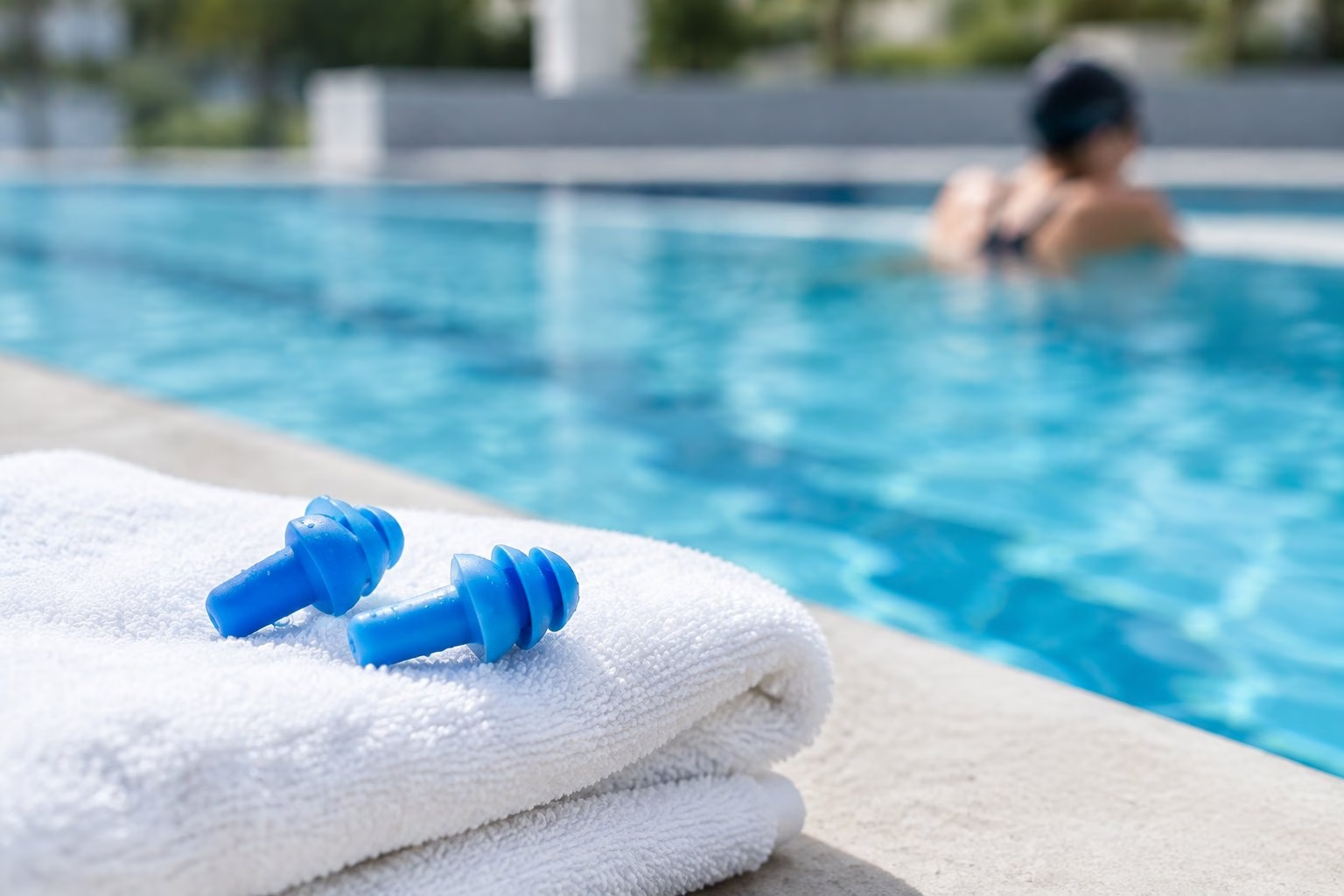
Sized ear tips are what set the Bollsen apart. Rather than one universal plug squeezed into every canal, you pick a size that matches yours, and the seal improves noticeably as a result.
They sit at £26.95 on Amazon UK, which puts them well above the supermarket options. For someone swimming three or four sessions a week, that cost spreads out fast.
The soft tip material means you can wear them for a full hour-long session without the ache you get from firm flanged plugs. They also work well underneath a silicone cap, which helps hold everything in place during starts.
Best for: lap swimmers and triathletes who want a plug they can wear every session.
2) Mack’s AquaBlock Earplugs
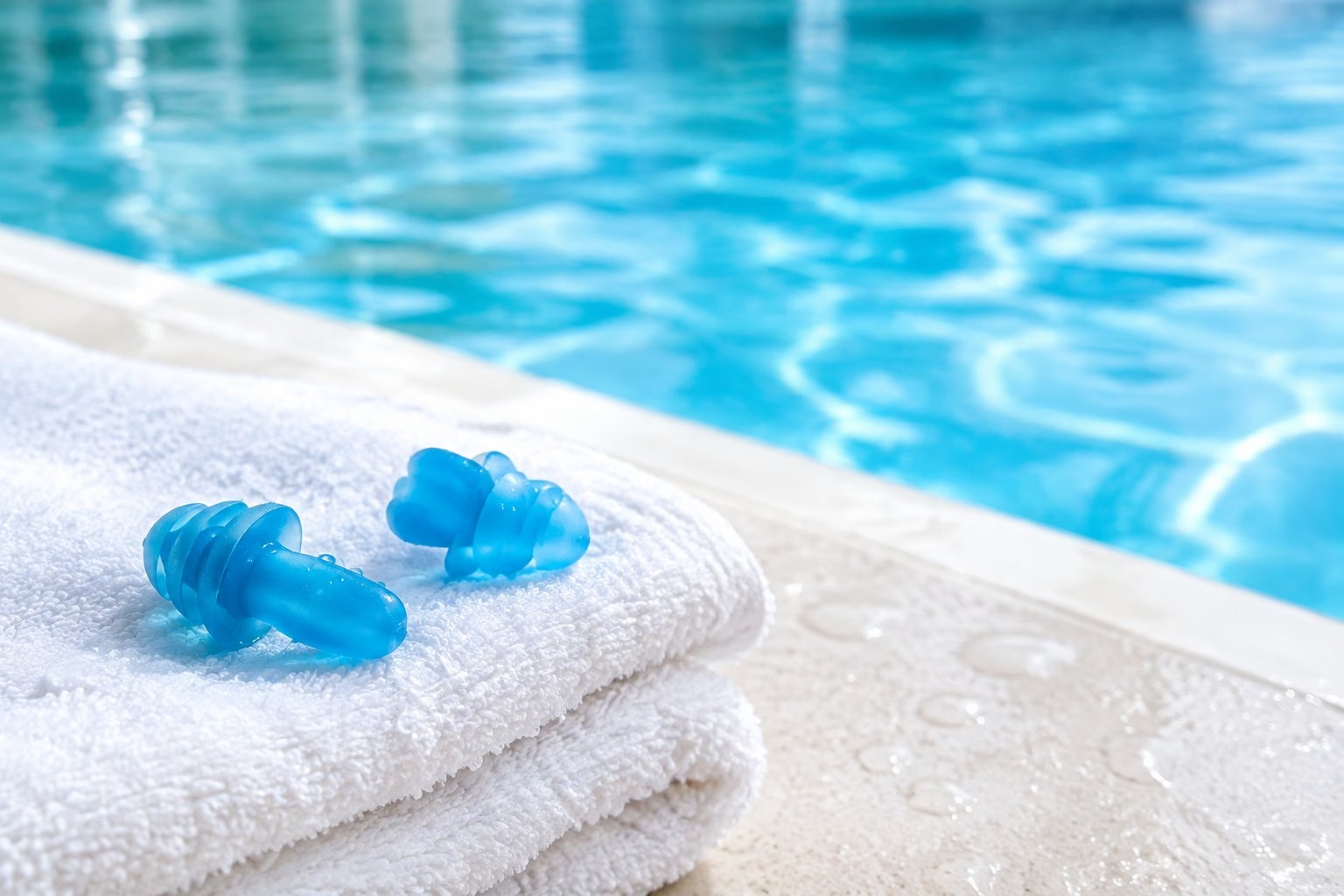
At around £5.99, Mack’s AquaBlock delivers a proper flanged seal for very little money. The three-layer flange design grips the canal wall at multiple points, which is why these hold position better than most single-flange plugs.
A short stem sticks out from the body of the plug. That small detail matters more than it sounds, because it gives you something to pull on, and it stops the plug creeping too deep.
They’re pre-moulded silicone, washable, and come with a hard carry case. They carry a one-year warranty.
The flanged shape is a little firm for small canals, so sizing down to a children’s version is worth considering if you find them pinchy.
3) SurfEars Swimming Earplugs
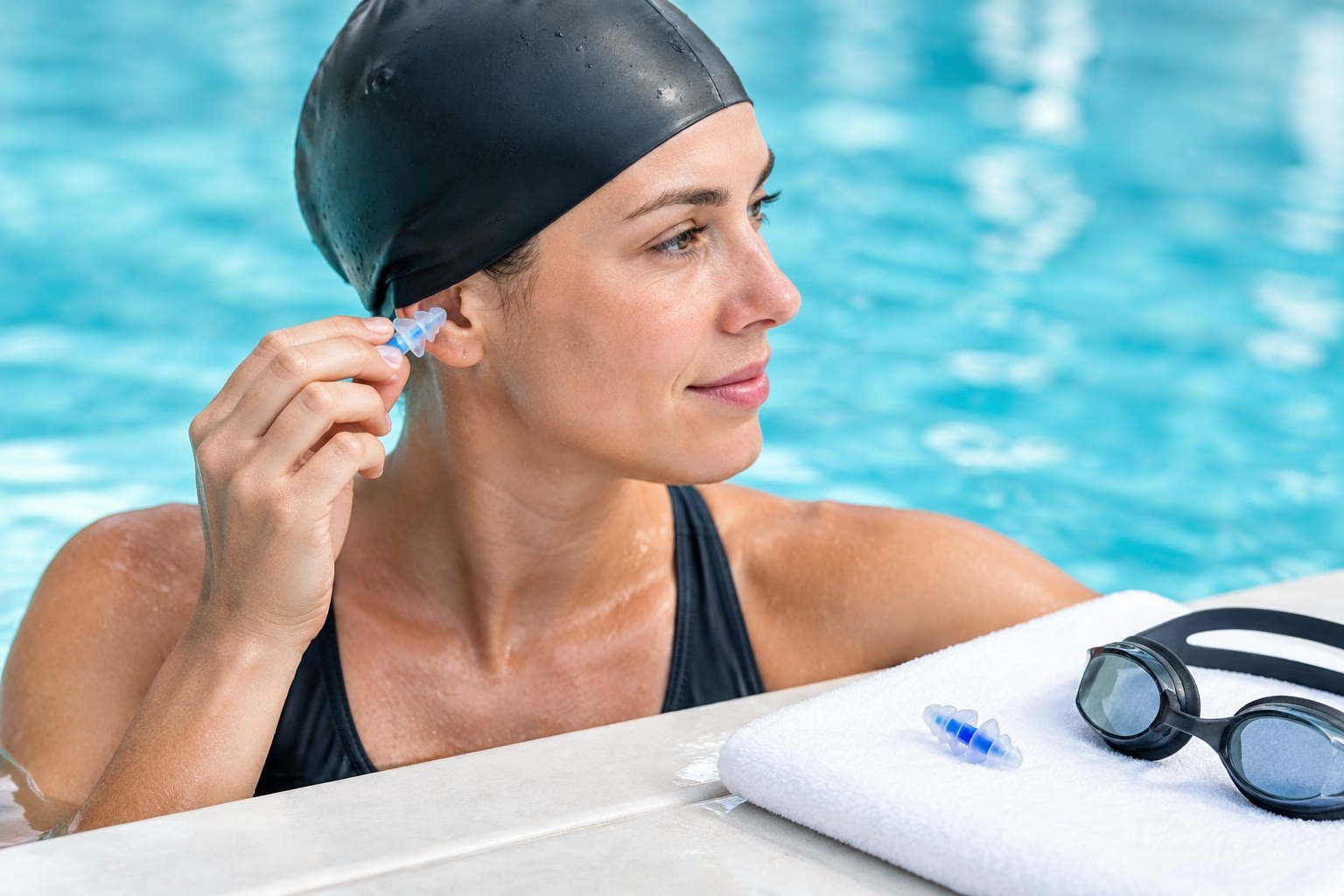
Hearing is the whole point of these. SurfEars build their swimming plugs around a membrane that blocks water while letting sound pass, so you can still hear a safety boat, a kayaker, or a training partner shouting across the lake.
That makes them the sensible choice for open-water sessions, where losing situational awareness is a genuine risk rather than an inconvenience.
They cost around £54.95, which is the highest price in this list. The payoff is that you’re not swapping ear protection for safety.
If you’re heading out into lakes or the sea, pair them with the rest of your open water swimming safety kit.
4) Speedo Biofuse Earplugs
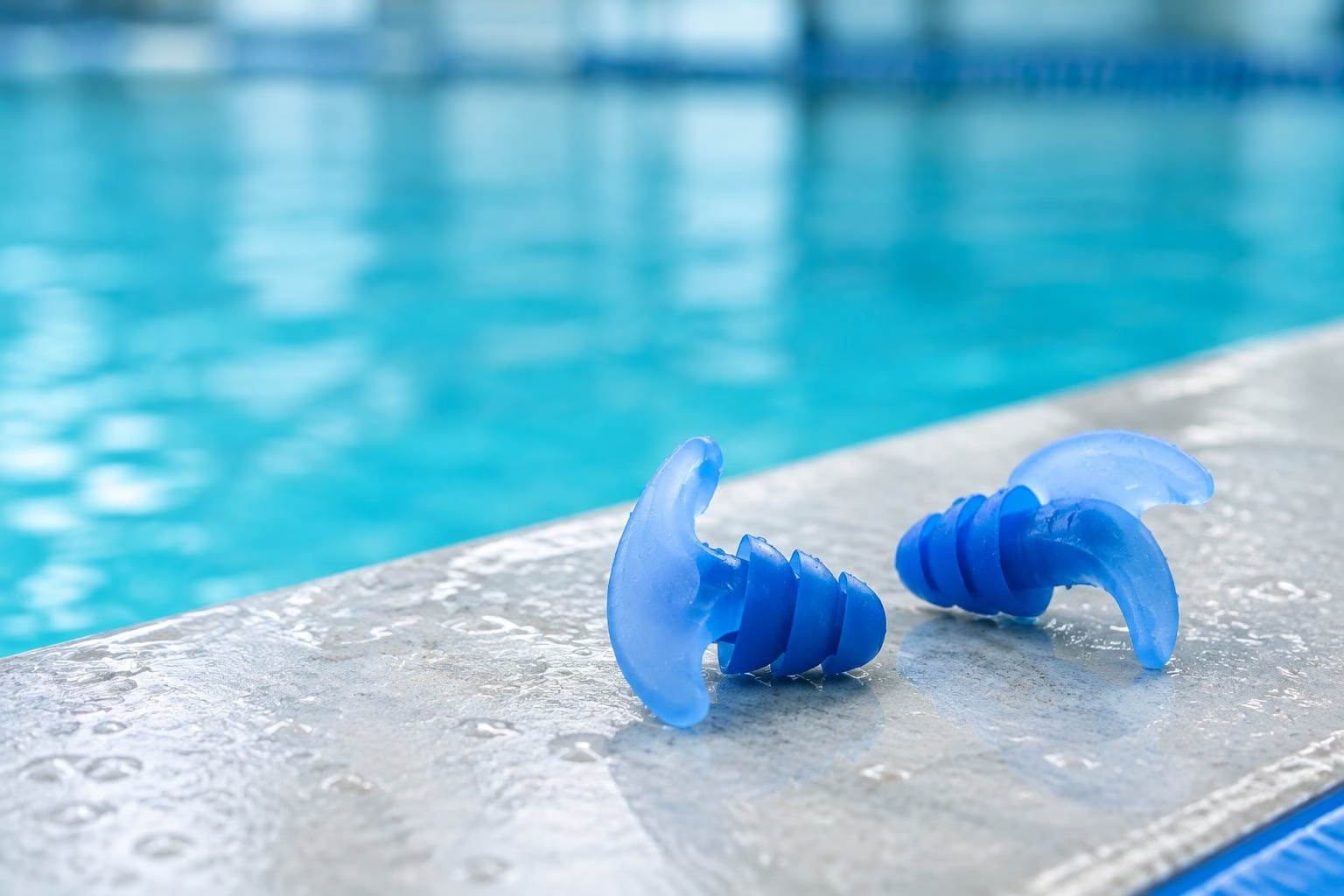
Comfort is where the Biofuse earns its place. Speedo’s soft-gel construction flexes with the shape of your canal, so long sets don’t leave you with that dull pressure ache.
They’re £6.99 at Decathlon UK, which makes them easy to buy two pairs of and keep one in the car.
The trade-off with softer plugs is that they need a firmer push to seat properly. Get the seal right and they stay in fine; rush it and you’ll feel water trickling in on your third length.
They’re a good match for club swimmers doing regular technique sessions and swimming drills where you’re stopping and starting at the wall.
5) Nabaiji Malleable Earplugs
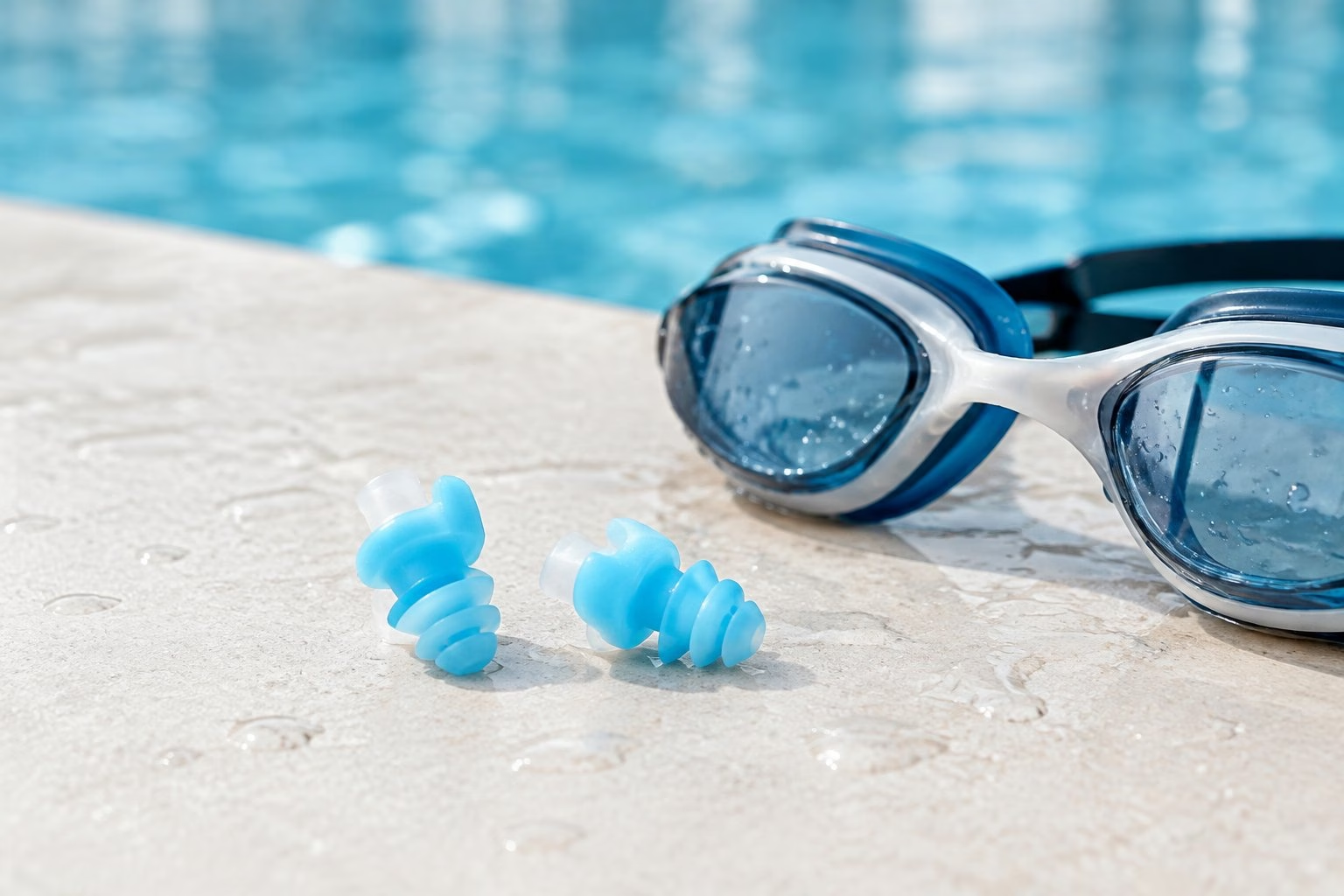
Nothing here beats these on price. At £3.99 from Decathlon, the Nabaiji mouldable plugs cost less than a pool entry in most UK leisure centres.
Mouldable silicone works differently to flanged plugs. You warm the putty between your fingers, then press it over the opening of the ear canal so it forms a cap. It doesn’t go inside the canal at all.
That surface seal is excellent at blocking water and very forgiving on odd-shaped ears. The catch is that the putty picks up hair, fluff and pool grit, so you get fewer uses out of each pair.
Buy a multipack and treat them as semi-disposable.
6) Zoggs Aqua Plugz Hypo-Allergenic Earplugs
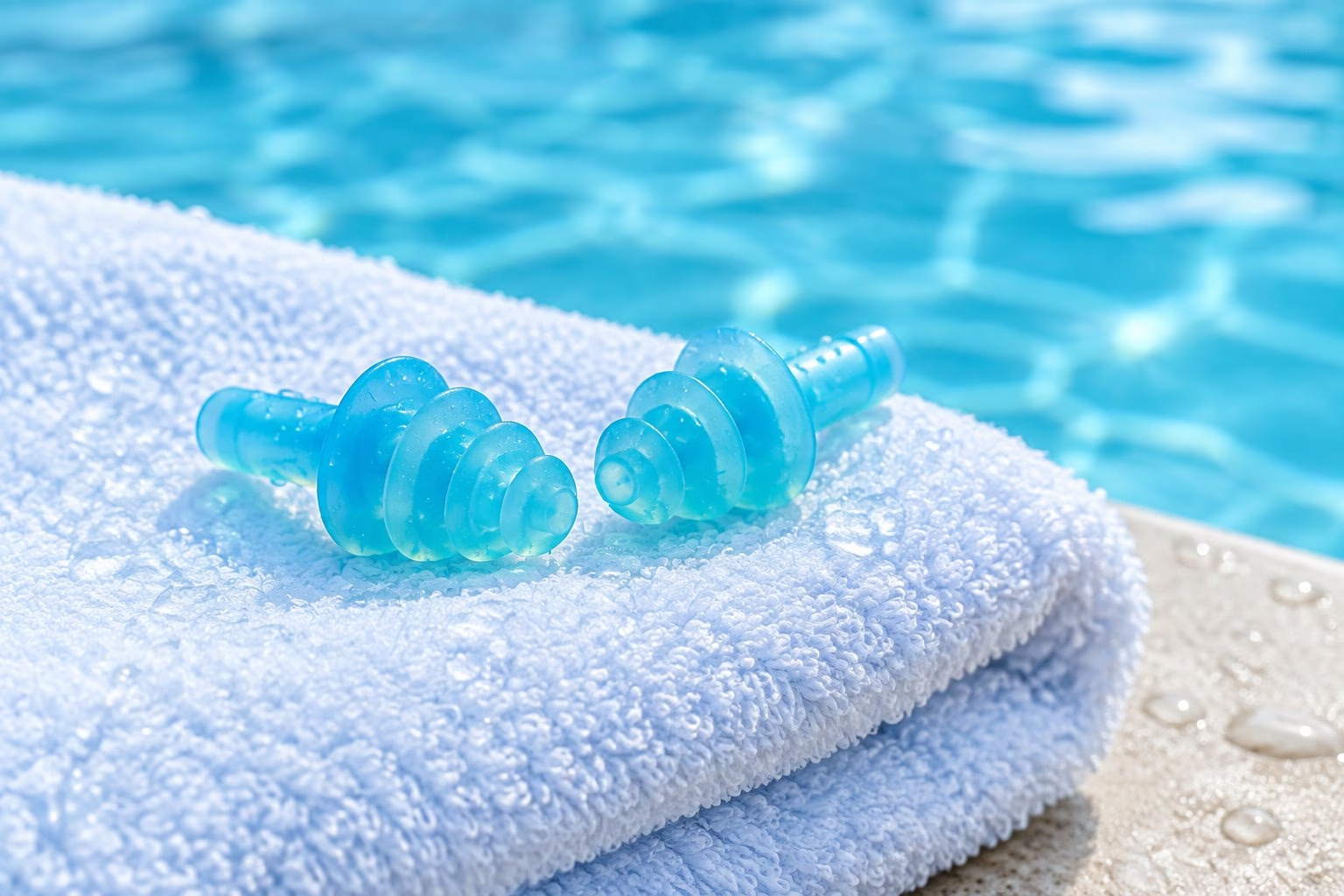
Sensitive ears are the reason to look at these. The hypoallergenic silicone suits swimmers who react to cheaper plug materials with itching or redness after a session.
Zoggs make them tough enough for rougher water sports as well as pool lengths, and they’re fully reusable. A sturdy storage case comes in the box, which does more for their lifespan than it sounds.
They’re sold in two sizes, so check your fit before ordering rather than assuming the standard adult version works.
Rinse them properly and a pair lasts a full season of twice-weekly swimming.
7) TYR Silicone Molded Ear Plugs
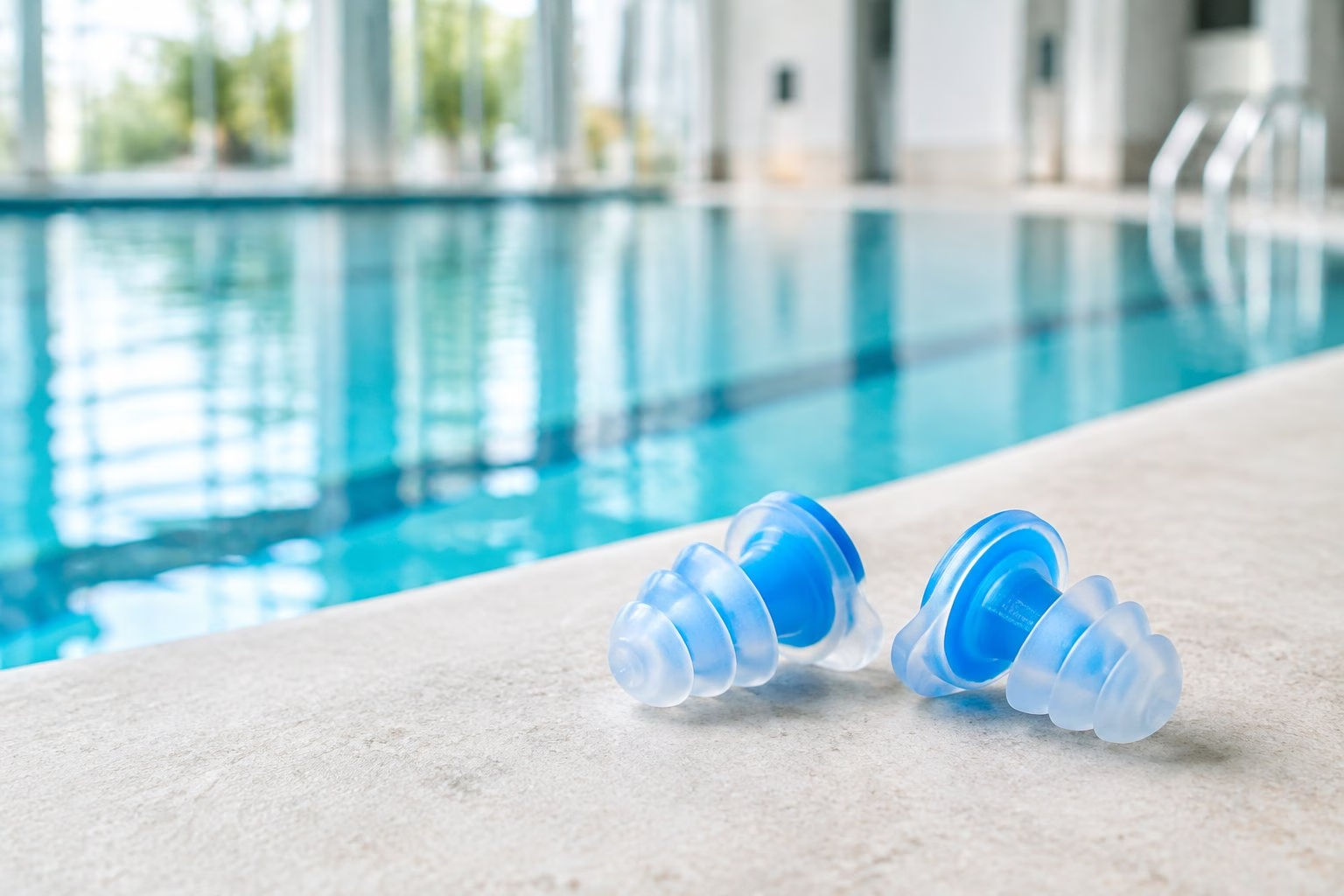
TYR shape these plugs specifically for left and right ears. That asymmetry is what gives them their seal, since a human ear canal isn’t a straight tube, and a plug moulded to follow the curve sits more securely than a symmetrical one.
They’re made from 100% medical-grade silicone and weigh very little, so you stop noticing them after a couple of lengths.
A hollow section inside the plug body cuts down on the muffled, underwater-voice effect. You’ll still hear a coach on poolside, just quieter.
Sand and grit don’t cling to them, which is handy for beach swims, and they rinse clean in seconds. They’re too large for most children.
8) Mack’s Pillow Soft Silicone Earplugs
Mack’s Pillow Soft plugs are the budget mouldable option that most pharmacists recommend. Made from medical-grade silicone, each ball flattens over the ear canal entrance to form a watertight cap.
They’re the same style as the Nabaiji plugs but sold in larger multipacks, so the per-use cost drops further.
Because they sit outside the canal, they’re a reasonable choice if flanged plugs make your ears sore. They’re also widely stocked in UK high-street chemists, which beats waiting on delivery when a session is booked for tomorrow morning.
Each pair survives a handful of swims before the silicone stops sticking cleanly.
9) AudioNova Universal Swim Ear Plugs
Buoyancy is the standout feature here. The AudioNova Universal floats if it falls out mid-swim, which means fishing it off the bottom of the lane rather than losing it altogether.
Boots Hearingcare, who stock them, describe a nazure filter that preserves situational awareness while the plug keeps water out of the ear canal. The body is ergonomically sculpted for long wear.
For swimmers who want a filtered plug without the SurfEars price tag, this sits in a useful middle ground.
You can buy them in store, which gives you the chance to check the fit in person before committing.
10) SnugsAqua Protect Custom-Fitted Waterproof Ear Plugs
Custom moulding is the answer when nothing off the shelf seals properly. SnugsAqua Protect plugs are made from an impression of your own ear canal, so the fit follows every bend and ridge unique to you.
The company positions them for preventing ear infections and surfer’s ear by limiting the canal’s exposure to cold, chlorinated or contaminated water.
They’re the most expensive route by a distance, and you need an impression taken before ordering. For someone who has had repeat bouts of otitis externa, or who swims outdoors through a British winter, that outlay stops being extravagant.
Expect a wait while they’re manufactured.
How to Choose Ear Plugs for Swimmer’s Ear
Match the plug design to how often you swim and how much you need to hear. A once-a-month swimmer doesn’t need £55 plugs; a masters squad member training five times a week does need something that survives daily use.
| Earplug | Design | Approx. price | Reusable | Hear while wearing |
|---|---|---|---|---|
| Bollsen Watersafe+ | Sized soft tip | £26.95 | Yes | Reduced |
| Mack’s AquaBlock | Triple flange | £5.99 | Yes | Reduced |
| SurfEars | Filtered membrane | £54.95 | Yes | Yes |
| Speedo Biofuse | Soft gel moulded | £6.99 | Yes | Reduced |
| Nabaiji malleable | Mouldable putty | £3.99 | Limited | Muffled |
| Zoggs Aqua Plugz | Moulded silicone | Budget | Yes | Reduced |
| TYR Silicone Molded | Ear-specific moulded | Budget | Yes | Partial |
| Mack’s Pillow Soft | Mouldable putty | Budget | Limited | Muffled |
| AudioNova Universal | Filtered, buoyant | Mid | Yes | Yes |
| SnugsAqua Protect | Custom moulded | Premium | Yes | Reduced |
Which earplug design gives the most dependable water seal?
Custom-moulded plugs seal best, because they copy the exact shape of your canal and leave no gaps. Nothing generic matches that.
Among off-the-shelf options, mouldable silicone putty tends to beat flanged plugs for raw water exclusion, since it caps the entrance rather than wedging inside. Flanged plugs win on reusability and on staying put during dives and turns.
If your swimming involves a lot of pushing off walls, a flanged or sized-tip plug is the safer bet. For gentle lane swimming, putty is hard to beat at the price.
How should swimming earplugs fit without causing discomfort?
A correct fit feels snug and slightly pressurised, with no pain and no sensation of the plug being forced. You should feel the sound dampen the moment it seats.
Never push a plug deep into the canal. The plug should seal at or just inside the entrance; anything further risks pressing on the eardrum or getting stuck.
If one ear takes a smaller plug than the other, buy a sized set and mix them. Ear canals aren’t symmetrical, and plenty of swimmers need different sizes on each side.
Are filtered earplugs worth choosing for pool or open-water swimming?
Filtered plugs earn their price in open water and pay off less in a lane pool. Being able to hear a kayaker, a whistle or a swim buddy changes how safe a lake session feels.
In an indoor pool, the main benefit is hearing your coach without pulling a plug out every 200 metres. That’s convenience, and standard plugs cost a fifth as much.
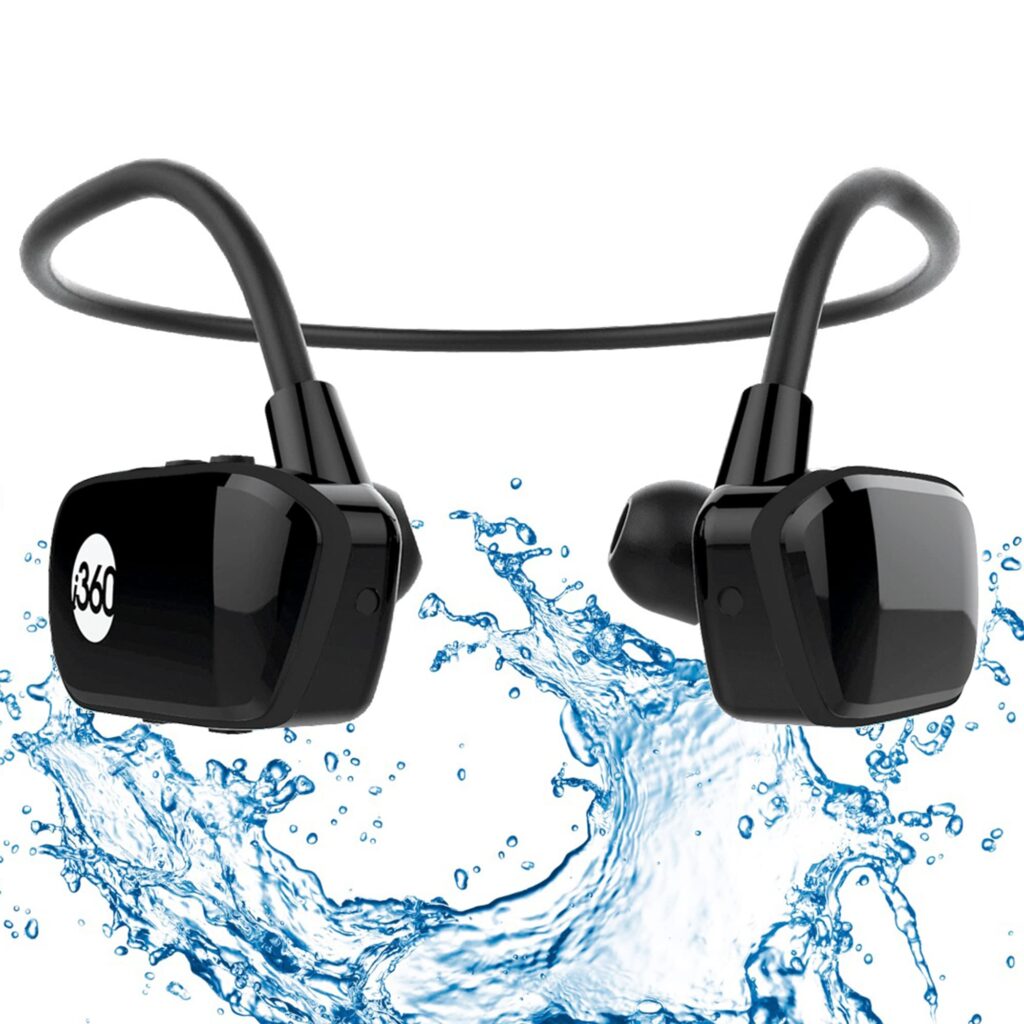
Swimmers who use waterproof bluetooth headphones often find bone-conduction audio sounds clearer with the ears plugged, so the filtered option becomes less appealing there.
How do you clean and store reusable swimming earplugs?
Rinse them under clean running water straight after every swim to flush off chlorine or salt, then let them air dry fully before they go anywhere near a case. Trapping damp silicone in a sealed box breeds exactly the bacteria you’re trying to avoid.
Use mild soap and water for a deeper clean. Alcohol-based cleaners and harsh chemicals degrade silicone, a point Boots Hearingcare makes in its maintenance guidance.
Store them in a clean, dry case between sessions and check the flanges for splits or stiffening each month.
When should a regular swimmer consider custom-fitted earplugs?
Get custom plugs if you’ve had otitis externa more than once in a year, or if standard plugs keep leaking or falling out. Unusually narrow, wide or curved canals are the usual culprit.
Cold-water and winter sea swimmers have a second reason: repeated cold exposure drives exostosis, the bony growth known as surfer’s ear, and a proper seal reduces that exposure.
An audiologist takes the impression, so book that before ordering anything.
Frequently Asked Questions
Do ear plugs work for swimmer’s ear?
Yes, for prevention. Ear plugs keep water out of the outer ear canal, which removes the warm, damp conditions bacteria need to multiply. They do nothing to treat an infection that has already started, so an existing bout needs drops or medical advice.
What are the best earplugs for adults who swim regularly?
For most adults training several times a week, the Bollsen Watersafe+ offers the best balance of seal, comfort and durability at £26.95. Budget-conscious regulars do well with Mack’s AquaBlock at around £5.99, which carries a one-year warranty and a hard case.
Are mouldable silicone earplugs better than flanged swimming earplugs?
Mouldable putty seals more completely for most ears, because it caps the canal entrance and conforms to any shape. Flanged plugs last far longer and stay in place better during dives and tumble turns, so heavy trainers often prefer them despite the slightly less perfect seal.
Can I wear swimming earplugs if I already have swimmer’s ear?
Don’t swim with an active infection, and don’t insert plugs into a sore or discharging ear. Plugs trap moisture and can push debris deeper, making things worse. Wait until a pharmacist or GP confirms the ear has cleared.
How often should I replace reusable swimming earplugs?
Well-maintained silicone plugs last several months to a few years depending on how hard you use them, per Boots Hearingcare. Replace them sooner if the flanges split, the surface turns tacky or stiff, or the seal stops holding. Mouldable putty plugs last only a handful of swims each.
When should I seek medical advice for swimmer’s ear symptoms?
See a pharmacist or GP if you have ear pain, discharge, swelling, or hearing loss that lasts more than a couple of days. Get seen urgently if you develop a fever, severe pain, or swelling spreading around the ear, and avoid putting anything in the ear until you’ve been examined.