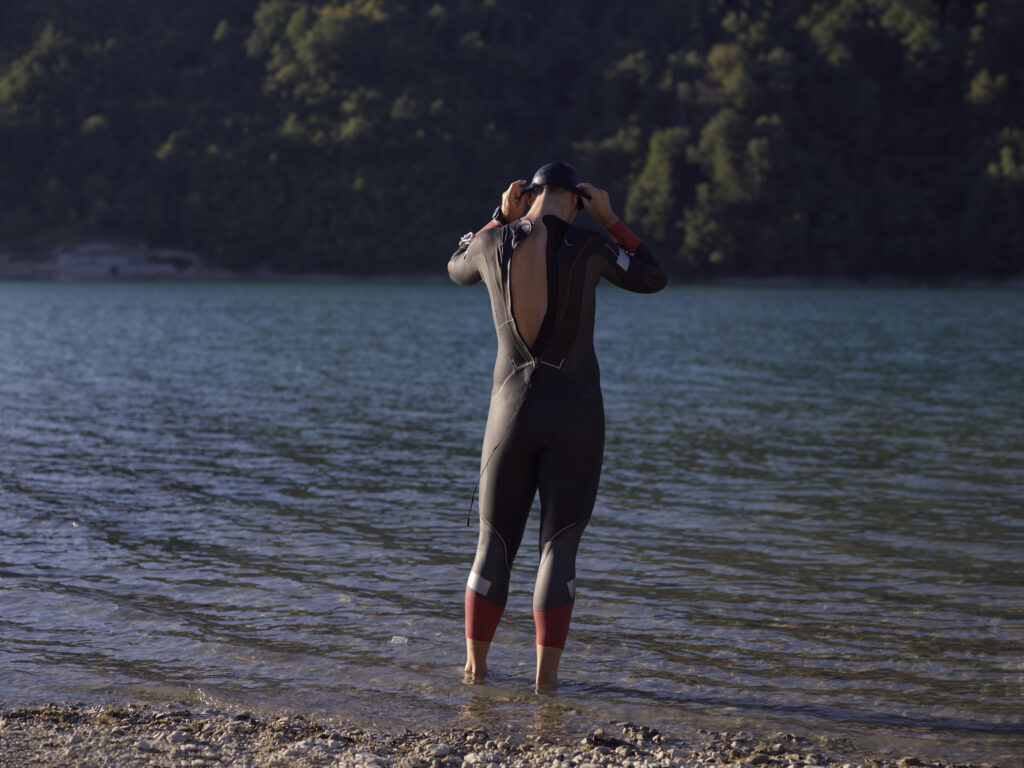

Many adults struggle with a deep-seated fear of deep water, feeling anxious or panicked when they cannot touch the bottom of a pool or body of water. This fear, known as thalassophobia, affects countless individuals who may have missed swimming lessons as children or experienced a frightening water-related incident. The key to overcoming fear of deep water lies in gradual exposure combined with learning proper breathing techniques and essential water safety skills.
Understanding why this fear develops helps create a pathway to conquering it. Fear of deep water often stems from feeling vulnerable and losing control, particularly when one cannot see the bottom or touch solid ground. The good news is that this fear can be systematically addressed through proven psychological approaches and practical water skills training.
Professional guidance combined with specific techniques can transform even the most water-anxious individuals into confident swimmers. From understanding buoyancy principles to mastering relaxation methods, there are concrete steps that lead to long-term success in deep water environments.
Understanding Fear Of Deep Water
Fear of water stems from specific triggers, the anxiety of unknown depths, and certain personality traits that make some people more vulnerable to aquatic phobias. These factors often work together to create intense anxiety around deep water situations.
Common Causes And Triggers
Previous bad water experiences rank as the leading cause of deep water fear. Near-drowning incidents, even minor ones, can leave lasting psychological impacts that trigger anxiety years later.
Inherited phobias play a significant role in developing water fears. Children often adopt their parents’ anxieties about water through observation and learned behaviour patterns.
Negative swimming lessons can create lasting trauma. Poor instruction methods, being pushed too quickly, or feeling unsafe during lessons frequently leads to water phobia development.
Media portrayals contribute to deep water anxiety. Films depicting shark attacks, drowning scenes, or water disasters can implant fears in people’s minds, even without personal experience.
Comments from others about water dangers can plant seeds of fear. Well-meaning warnings about deep water risks sometimes create disproportionate anxiety levels in susceptible individuals.
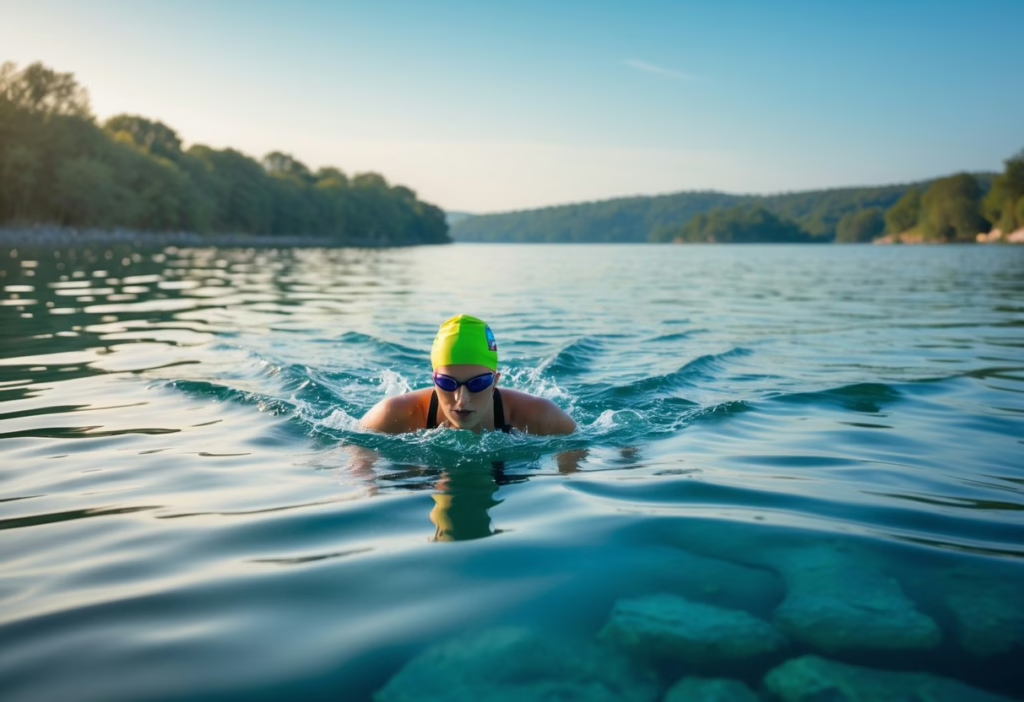
Fear Of The Unknown And Unseen
The inability to see what lies beneath deep water creates intense anxiety for many people. This fear centres on the complete lack of visual control over the underwater environment.
The vastness of deep water triggers feelings of helplessness. People fear losing control in an environment where they cannot touch the bottom or see boundaries.
Concerns about underwater creatures amplify deep water fears. The possibility of encountering fish, plants, or other marine life creates additional layers of anxiety for many individuals.
Unpredictable water conditions worry those with deep water phobia. Currents, temperature changes, and wave patterns feel threatening when people cannot assess the full situation visually.
The fear often intensifies because deep water represents a complete loss of familiar ground reference points that provide security in daily life.
Personality Traits Linked To Water Fears
High anxiety personalities show greater susceptibility to developing fear of water. People who worry frequently about various life situations often extend these concerns to aquatic environments.
Control-oriented individuals struggle more with deep water situations. Those who prefer predictable, manageable environments find the fluid, changing nature of water particularly challenging.
Perfectionist tendencies can worsen water fears. People who need to master skills completely before feeling comfortable may avoid deep water rather than gradually building confidence.
Highly sensitive people often experience stronger physical reactions to water-related stress. Their nervous systems respond more intensely to the sensory aspects of deep water environments.
Past trauma survivors may develop secondary water fears. Even unrelated traumatic experiences can increase overall anxiety levels, making deep water situations feel more threatening.
Psychological Approaches To Overcoming Deep Water Fear
The mind plays a central role in fear of water, making psychological strategies essential for recovery. These approaches focus on changing thought patterns, reducing avoidance behaviours, and creating new positive associations with deep water.
The Role Of Avoidance And Exposure
Avoidance behaviours strengthen fear of water by preventing people from learning that deep water situations can be safe. Each time someone avoids a pool’s deep end or declines swimming activities, the fear grows stronger.
Gradual exposure therapy breaks this cycle by slowly introducing deeper water experiences. This process starts with visualization exercises where people imagine themselves near deep water whilst remaining calm.
The exposure ladder works in small steps:
- Week 1-2: Visualise standing beside a deep pool
- Week 3-4: Sit poolside with feet dangling in shallow water
- Week 5-6: Stand in chest-deep water holding the pool edge
- Week 7-8: Float in deep water using flotation aids
Relaxation techniques like deep breathing support each exposure step. These techniques prevent panic responses and help maintain control during challenging moments.
Addressing Overactive Imagination
Fear of water often involves imagining worst-case scenarios that rarely occur in reality. People might picture drowning, unseen dangers beneath the surface, or losing control completely.
Cognitive restructuring challenges these thoughts by examining evidence. Most swimming pools have lifeguards, clear water visibility, and controlled depths. Deep water in supervised environments poses minimal actual risk to competent swimmers.
Common fearful thoughts and realistic alternatives:
| Fearful Thought | Realistic Alternative |
|---|---|
| “I’ll sink immediately” | “My body naturally floats with proper technique” |
| “Something dangerous lurks below” | “Pool water is clear and regularly maintained” |
| “I’ll panic and drown” | “I can return to shallow water anytime” |
Mindfulness techniques help people stay present rather than imagining disasters. These practices focus attention on current sensations rather than future fears.
Building Positive Water Associations
Creating new positive memories gradually replaces negative associations with deep water. This process requires intentional experiences that generate confidence and enjoyment.
Success comes through celebrating small achievements. Each time someone treads water for thirty seconds or swims across a pool, they build evidence of their capabilities.
Visualisation exercises outside water sessions reinforce positive associations. People can imagine the freedom of swimming confidently, the refreshing feeling of cool water, or the satisfaction of conquering their fear.
Social support accelerates this process. Swimming with encouraging friends or family members creates positive shared experiences. Professional instructors provide expert guidance whilst maintaining a supportive atmosphere.
Regular practice sessions, even brief ones, maintain momentum. Consistency matters more than duration when building new neural pathways associated with water confidence.
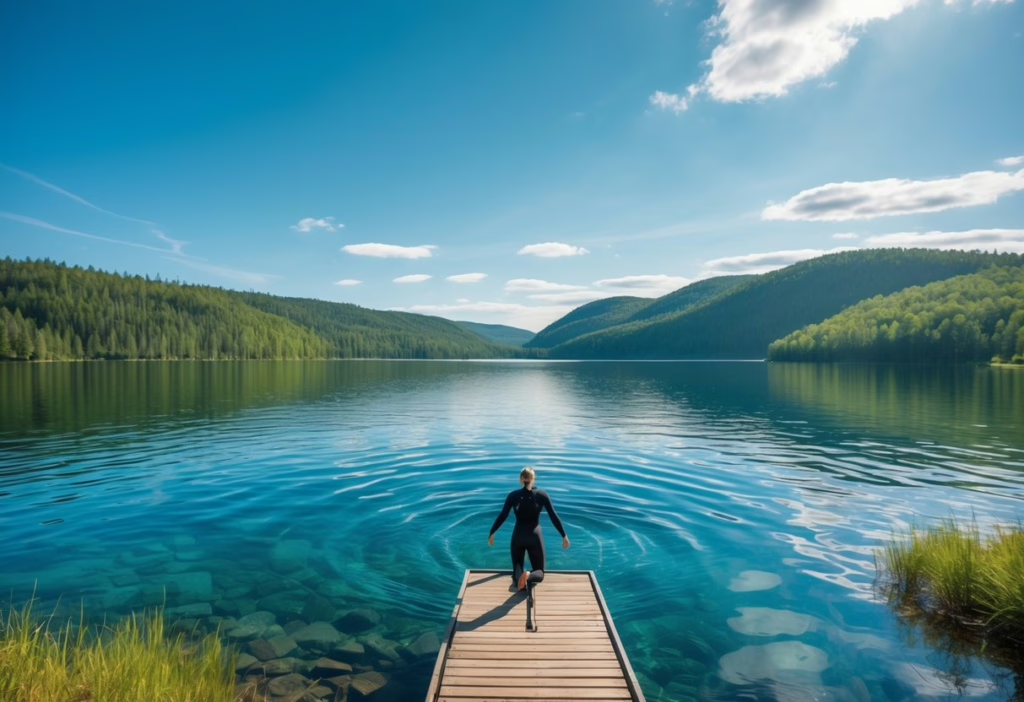
Learning Essential Water Skills
Mastering basic water skills forms the foundation for overcoming deep water anxiety. These fundamental techniques include building comfort in shallow areas, controlling breathing patterns, and practising proper floating positions.
Building Confidence In The Shallow End
The shallow end provides the perfect training ground for developing water confidence. Swimmers can start in shallow water where they maintain complete control whilst building essential skills.
Key Shallow Water Activities:
- Walking across the pool width
- Bobbing up and down with feet touching the bottom
- Practising arm movements whilst standing
- Submerging the face for short periods
Standing in chest-deep water allows beginners to feel secure whilst experiencing buoyancy. They can practise kicking movements whilst holding the pool edge for support.
The ability to stand up immediately reduces anxiety significantly. This safety net helps swimmers focus on technique rather than fear.
Gradual progression from waist-deep to chest-deep water builds natural confidence. Each successful session in shallow water strengthens the swimmer’s belief in their abilities.
Breathing And Relaxation Techniques
Proper breathing control prevents panic and maintains composure in water. Deep, rhythmic breathing activates the body’s natural relaxation response and reduces heart rate.
Essential Breathing Exercises:
- Box breathing: Inhale for 4 counts, hold for 4, exhale for 4, hold for 4
- Bubble breathing: Gentle exhalation underwater creating small bubbles
- Rhythmic breathing: Coordinating breath with simple movements
Swimmers should practise exhaling slowly through the nose when submerged. This technique prevents water from entering the nasal passages whilst maintaining calm.
Relaxation starts with loosening tense muscles. Swimmers can practise shoulder rolls and gentle neck stretches before entering the water.
Mental preparation includes visualising successful swimming movements. This positive imagery builds confidence before physical practice begins.
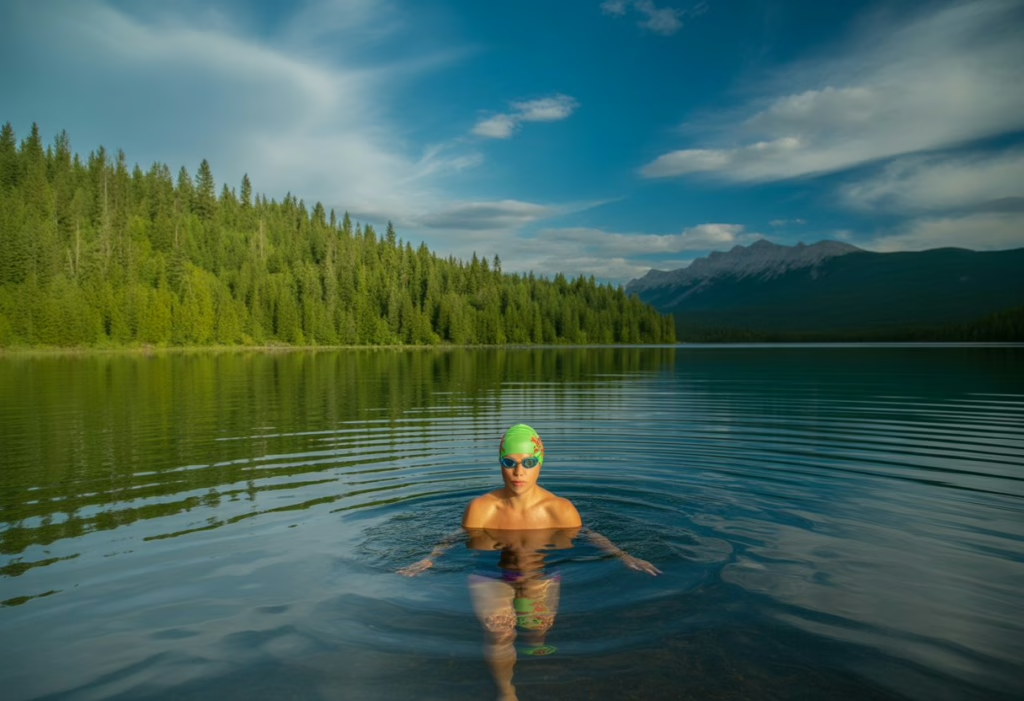
Gradual Immersion And Floating
Floating skills provide the foundation for all swimming techniques. These abilities give swimmers confidence that they can stay afloat without constant effort.
Progressive Floating Steps:
- Back float with support: Hold pool edge whilst leaning backwards
- Assisted back float: Partner provides gentle head support
- Independent back float: Arms extended, body relaxed
- Front float: Face down with controlled breathing
The key to successful floating lies in body positioning and relaxation. Tense muscles create density that makes floating more difficult.
Swimmers should focus on keeping their head in a neutral position during back floats. Lifting the head causes the hips and legs to sink.
Front floating requires comfortable face submersion. Beginners can start by floating with a kickboard for additional support.
Learning to float builds the foundation for treading water and basic swimming strokes. These skills directly translate to confidence in deeper water.
The Benefits Of Swim Lessons With Qualified Instructors
Professional swim lessons offer structured learning environments where certified instructors can address specific fears whilst teaching proper techniques. The right programme and personalised pacing create the foundation for overcoming deep water anxiety safely.
Choosing The Right Swim Programme
Adult swim programmes designed for water-fearful learners differ significantly from standard lessons. Certified instructors who specialise in aquaphobia understand the psychological aspects of water fear.
Key Programme Features:
- Small class sizes or one-to-one instruction
- Shallow water start locations
- Fear-specific teaching methods
- Safety equipment readily available
Many programmes begin in water that’s waist-deep or shallower. This allows nervous swimmers to maintain control whilst learning basic skills.
Instructors trained in anxiety management use gradual exposure techniques. They introduce deeper water only when swimmers demonstrate comfort at each level.
Progressing At Your Own Pace
Professional swimming lessons allow individuals to advance gradually without pressure or time constraints. Each person’s timeline varies based on their comfort level and past experiences.
Typical Progression Stages:
- Water entry and standing
- Floating with instructor support
- Basic breathing techniques
- Assisted movement in shallow water
- Independent shallow water skills
- Gradual depth increases
Instructors monitor stress levels and adjust lessons accordingly. Some swimmers need weeks to feel comfortable submerging their face. Others progress to deeper water within sessions.
The instructor’s expertise lies in recognising readiness signs. They won’t push swimmers beyond their comfort zone too quickly, which could worsen water fears.
Practical Tips To Reduce Anxiety Around Deep Water
Taking control of fear requires both mental preparation and practical techniques that can be used in the moment. These strategies focus on building confidence through proper safety measures and managing anxiety when it arises.
Preparation And Safety Measures
Proper preparation forms the foundation for overcoming fear of water. Starting in controlled environments helps build confidence gradually.
Swimming Skills Development Learning basic swimming techniques provides essential confidence. Even float skills can reduce panic in deeper water. Practice in shallow areas first before progressing to deeper sections.
Safety Equipment Usage
- Life jackets or flotation devices
- Pool noodles for support
- Emergency whistles when swimming outdoors
- Swimming with a buddy system
Gradual Water Exposure Overcoming fear requires gradual exposure to deeper water. Start by standing in waist-deep water. Progress to chest-deep areas only when comfortable.
Environmental Assessment Check water conditions before entering. Look for lifeguards, clear visibility, and calm conditions. Avoid rough waters or unfamiliar locations initially.
Physical Fitness Improving overall fitness enhances water confidence. Strong swimmers feel more secure in deeper areas. Regular exercise also reduces general anxiety levels.
Coping Strategies During Stressful Moments
When anxiety strikes in deep water, specific techniques can restore calm and control quickly.
Breathing Techniques Deep, slow breathing counteracts panic responses. Count to four whilst inhaling, hold for four, then exhale for four. This pattern slows heart rate and reduces anxiety.
Grounding Methods Focus on physical sensations to stay present. Feel water temperature, notice sounds, or concentrate on body position. This prevents mind from spiralling into fear.
Positive Self-Talk Replace fearful thoughts with factual statements. Instead of “I’ll drown,” think “I can float and swim to safety.” Challenging irrational beliefs reduces anxiety intensity.
Emergency Positioning Learn the survival float position: lie back, spread arms and legs, breathe normally. This conserves energy whilst maintaining buoyancy. Practice this technique in shallow water first.
Exit Strategy Planning Always identify the closest exit point before entering deeper water. Knowing escape routes reduces anxiety and provides mental security.
Long-Term Progress And Maintaining Confidence
Building lasting confidence in deep water requires recognising every achievement and setting achievable targets that maintain motivation. Success comes from acknowledging progress and creating realistic expectations for continued growth.
Celebrating Small Victories
Every step forward in overcoming the fear of deep water deserves recognition. Small victories build the foundation for lasting confidence.
People should acknowledge when they first put their face underwater for five seconds. This moment marks real progress, even if it seems minor.
Swimming one length without stopping represents another significant milestone. The achievement proves their growing ability and control in water.
Key victories to celebrate:
- First time treading water for 30 seconds
- Swimming to the deep end of a pool
- Floating calmly without panic
- Entering water without hesitation
Each success creates positive memories that replace fearful associations. The brain begins linking water with achievement rather than anxiety.
Friends and family can help by recognising these moments. Their encouragement reinforces the progress being made.
Taking photos or keeping a swimming journal helps track improvement. Visual proof shows how far someone has come from their starting point.
Setting Realistic Water Goals
Achievable goals prevent disappointment and maintain steady progress in swimming development. Building confidence in water requires patience and realistic expectations.
Goals should focus on time rather than distance initially. Swimming for two minutes continuously matters more than covering a specific distance.
Realistic monthly goals:
| Month | Swimming Goal | Confidence Target |
|---|---|---|
| 1 | Float for 1 minute | Enter pool without anxiety |
| 2 | Swim 25 metres | Feel comfortable in chest-deep water |
| 3 | Tread water for 2 minutes | Move to deeper sections confidently |
People progress at different speeds. Some might achieve these goals faster, whilst others need more time.
Breaking larger objectives into weekly targets makes progress feel manageable. This approach prevents overwhelming feelings that can trigger setbacks.
Goals should include both technical skills and emotional comfort. Learning proper breathing technique whilst also feeling relaxed creates complete progress.
Regular assessment helps adjust targets based on actual progress. Flexibility prevents frustration when development doesn’t match initial expectations.
Frequently Asked Questions
People facing deep water fears often have similar questions about treatment methods and practical techniques. Professional help, gradual exposure, and specific breathing methods can all play important roles in recovery.
What are effective strategies for managing aquaphobia?
Several proven methods help people manage their fear of water. Building swimming skills in shallow water provides a foundation of confidence before moving to deeper areas.
Flotation devices offer extra security during early practice sessions. They allow swimmers to focus on technique without worrying about staying afloat.
Practising calm, slow breathing helps control panic responses. Deep water anxiety often starts when breathing becomes rapid and shallow.
Mental preparation through visualisation can reduce fear before entering water. People imagine themselves swimming confidently in deep water whilst using relaxation techniques.
Can professional swimming lessons help in overcoming a fear of deep water?
Professional swimming instructors provide structured programmes that remove planning stress from students. They understand how to progress safely from shallow to deep water skills.
Instructors teach essential water safety skills like treading water and controlled breathing. These abilities build confidence in deep water situations.
Swimming teachers offer positive reinforcement and celebrate small victories. They understand that everyone learns at different speeds and adjust their approach accordingly.
Professional lessons ensure proper technique development in controlled environments. This foundation makes the transition to deeper water less frightening.
How does one gradually acclimate to being in deep water?
Gradual exposure whilst maintaining control is the key to overcoming deep water fears. Each challenge should be approached in small steps.
The process typically begins with standing in shallow pool areas. Next comes swimming in shallow water with flotation aids for security.
After gaining confidence, swimmers progress to unassisted swimming in shallow areas. The next step involves moving gradually towards the deeper end of the pool.
Each success builds confidence for the next challenge. Testing swimming skills in water where one can still touch bottom provides a safety net during skill development.
What role does psychological therapy play in addressing deep water fears?
Cognitive behavioural therapy (CBT) effectively addresses water phobias by helping people reframe negative thought patterns. It teaches effective responses to anxiety triggers.
Professional therapy becomes important when fears interfere with daily activities. Some people need expert help despite making self-led efforts.
CBT helps identify the roots of thalassophobia, whether from past trauma or unknown depths anxiety. Understanding fear origins allows targeted treatment approaches.
Therapists provide tools for managing panic responses and anxiety symptoms. They create personalised treatment plans based on individual fear triggers.
Are there specific breathing techniques that can reduce anxiety in deep water?
Controlled breathing techniques help manage panic in deep water situations. Deep, slow breaths counter the shallow, rapid breathing that triggers anxiety.
Practising breathing exercises before entering water prepares the nervous system. This mental preparation reduces the likelihood of panic responses.
Rhythmic breathing patterns during swimming help maintain calmness. Swimmers should focus on exhaling fully underwater and inhaling steadily above surface.
Mindfulness breathing combined with relaxation techniques provides anxiety control. These methods work both in and out of water environments.
How can exposure therapy be applied to confront and conquer fear of deep water?
Exposure therapy involves systematic, gradual contact with feared situations. Starting in comfortable shallow water and progressing slowly prevents overwhelming anxiety.
The therapy begins with brief exposure periods in controlled environments. Swimming pools offer ideal settings because depth and conditions remain predictable.
Each successful exposure builds tolerance for deeper water challenges. Therapists ensure people feel secure before advancing to more challenging depths.
Professional supervision during exposure therapy provides safety and encouragement. Trained therapists recognise when to advance or slow the progression based on individual responses.