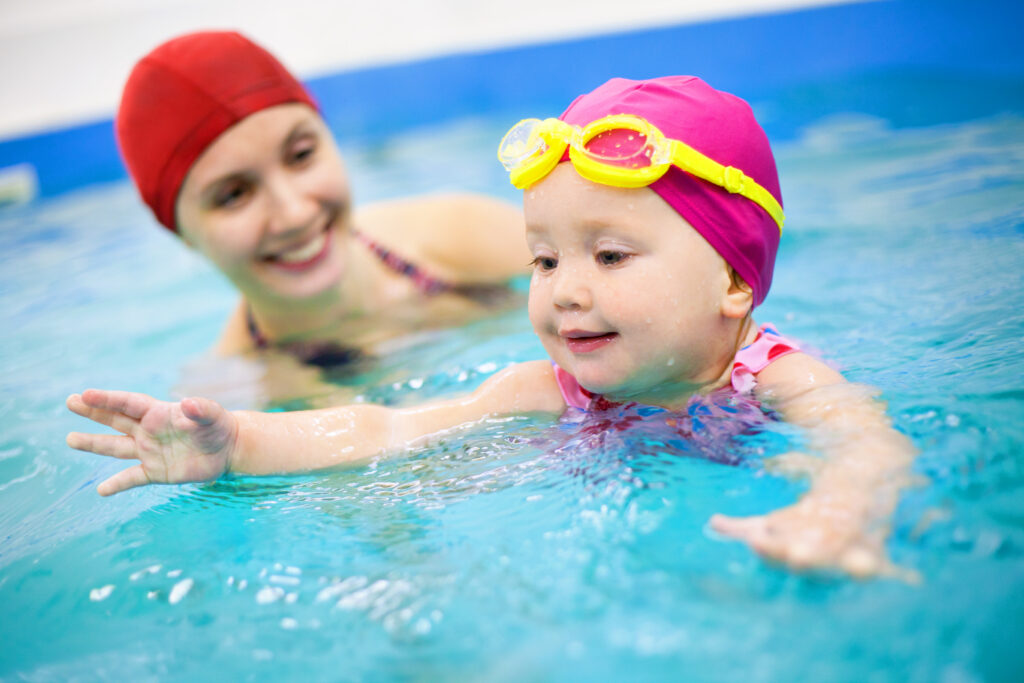

Stress affects nearly everyone, but finding effective ways to manage it can feel overwhelming. Swimming offers a unique combination of physical activity and mental calm that few other exercises can match. Swimming reduces stress by releasing endorphins, lowering stress hormones, and creating a rhythmic, meditative experience that naturally promotes mindfulness.
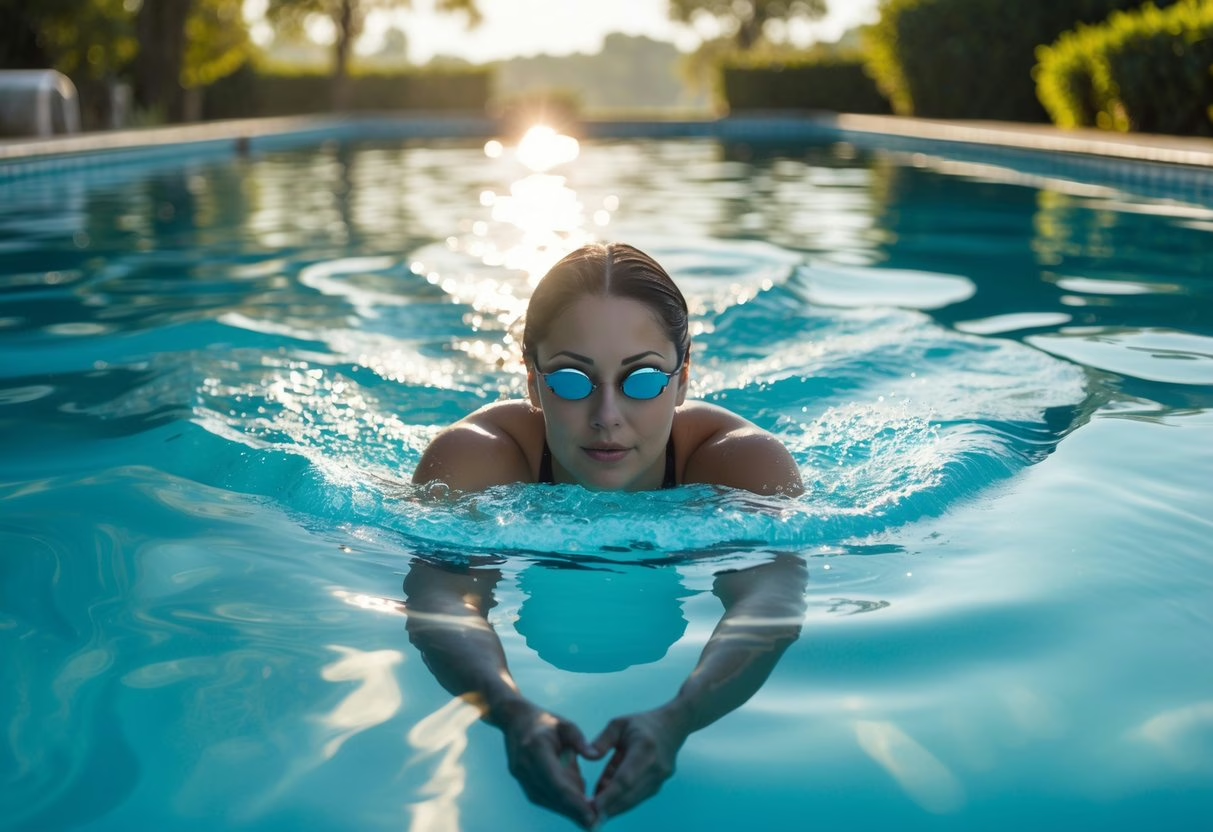
The water itself plays a key role in this process. When someone swims, the repetitive movements and controlled breathing patterns create a focused state similar to meditation. Swimming triggers the release of endorphins, which are natural mood elevators that help reduce anxiety and improve overall wellbeing.
Research shows that swimming has helped reduce symptoms of anxiety or depression for 1.4 million adults in Britain. The combination of physical movement, water immersion, and breath awareness makes swimming particularly effective for both stress relief and mindfulness practice. This gentle yet powerful form of exercise offers benefits that extend well beyond physical fitness.
Key Takeaways
- Swimming combines physical exercise with natural stress relief through endorphin release and lowered stress hormones
- The rhythmic movements and controlled breathing in swimming create a meditative state that promotes mindfulness
- Regular swimming improves mental health by reducing anxiety, enhancing mood, and building emotional resilience
Why Swimming Excels at Stress Relief and Mindfulness
Water creates a natural environment that calms the nervous system whilst swimming triggers powerful mood-enhancing chemicals in the brain. The combination of physical movement, rhythmic breathing, and sensory immersion makes swimming particularly effective for reducing anxiety and promoting mental clarity.
Unique Calming Effects of Water
Water immersion provides immediate stress relief through its physical properties. The buoyancy supports the body and creates a feeling of weightlessness that reduces tension in muscles and joints. This sensation helps the nervous system enter a calmer state, making it easier to let go of physical stress.
The temperature and pressure of water against the skin also contributes to relaxation. Being submerged muffles external noise and distractions, creating a quiet space that encourages focus on the present moment. The repetitive sound of water and breathing becomes a natural focal point for mindfulness practice.
The meditative effect of repetitive swimming movements helps swimmers enter a state of flow where worries fade into the background. This combination of sensory experiences makes swimming uniquely positioned amongst physical activities for promoting mental well-being. The water acts as both a physical support and a psychological barrier from daily stressors.
The Science of Endorphins and Neurochemicals
Swimming triggers the release of endorphins, which are the body’s natural mood-lifting chemicals. These hormones help reduce stress and create feelings of positivity and well-being during and after exercise. The effect is similar to other forms of exercise but enhanced by being in water.
Water immersion increases serotonin levels, a neurochemical that regulates mood and promotes calmness. At the same time, swimming actively lowers cortisol, the hormone responsible for the body’s stress response. This dual action of increasing positive chemicals whilst decreasing stress hormones creates powerful mental health benefits.
Research shows that swimming has helped reduce symptoms of anxiety or depression for 1.4 million adults in Britain. Even brief sessions provide benefits, with studies indicating that a 20-minute swim can boost brain function. Regular swimming supports long-term improvements in mood, self-esteem, and overall mental health.
Swimming Versus Other Mindfulness Exercises
Swimming offers advantages that many land-based mindfulness practices cannot replicate. The water provides immediate sensory feedback that keeps attention anchored to the present moment. Unlike sitting meditation, swimming combines movement with mindfulness, which suits people who find stillness challenging.
Yoga and tai chi share similarities with swimming through their focus on breath and flowing movement. However, swimming’s buoyancy creates a sensory experience that reduces physical stress on joints whilst promoting relaxation. The water acts as a natural guide for rhythmic breathing patterns.
Running and cycling provide cardiovascular benefits but lack the calming effects of water immersion. Swimming demands focused breathing coordination, which naturally encourages mindful awareness. The low-impact nature makes it accessible to more people, including those with injuries or joint problems. The combination of full-body exercise, breath work, and water immersion creates a comprehensive approach to both physical health and mental well-being that few other activities can match.
The Mindful Qualities of Swimming Movements
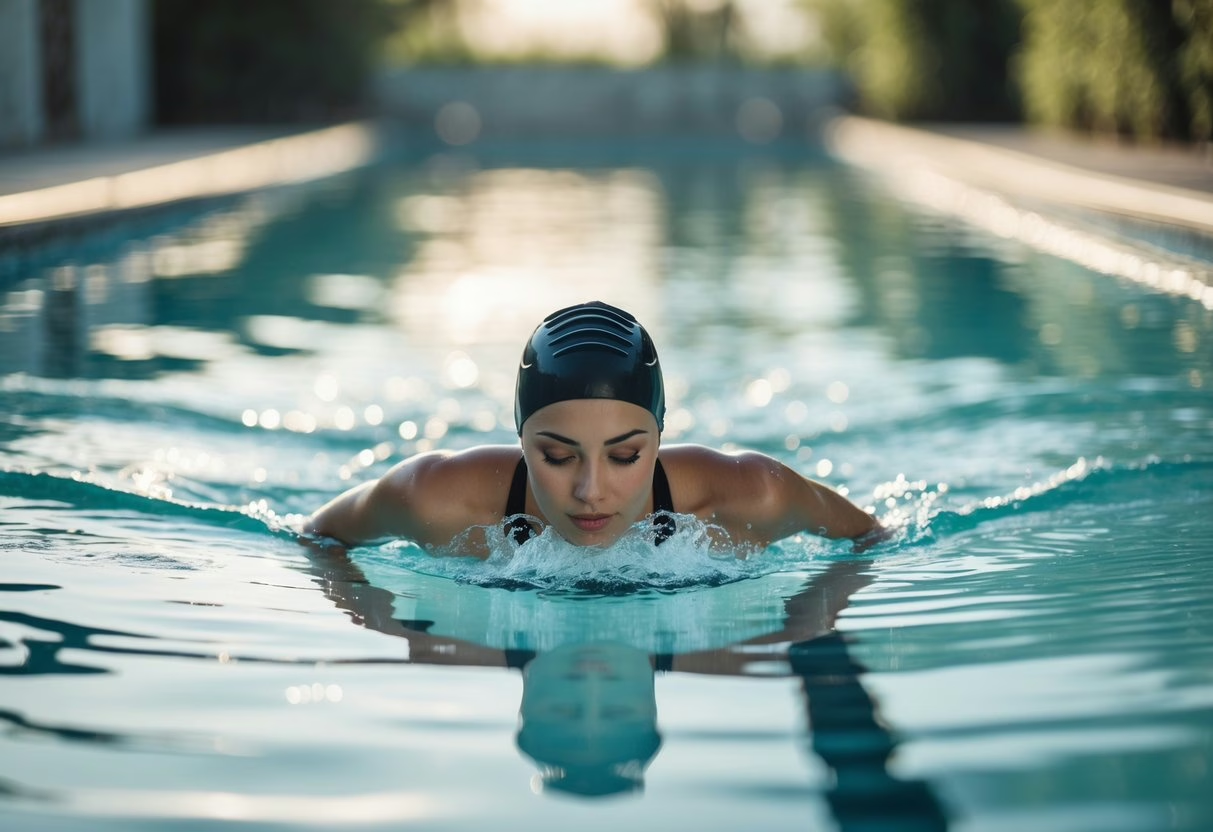
Swimming transforms physical exercise into a moving meditation through its unique combination of rhythmic strokes, controlled breathing patterns, and complete sensory immersion. The water environment naturally encourages mindful movement whilst the body’s coordinated actions promote mental clarity and nervous system regulation.
Meditative Rhythmic Motion
The repetitive nature of swimming strokes creates a foundation for mindfulness practice. Each arm pull, leg kick, and body rotation follows a predictable pattern that allows the mind to settle into a meditative state.
Swimming’s rhythmic movements help swimmers enter what experts call “flow state.” This occurs when body movement becomes automatic and the brain no longer needs to actively control each motion. The consistent tempo acts like a physical mantra that quiets mental chatter.
Key rhythmic elements include:
- Stroke cycles that repeat at regular intervals
- Alternating arm movements in freestyle and backstroke
- Symmetrical motions in breaststroke and butterfly
- Leg kicks that maintain steady propulsion
The predictable nature of these patterns helps practitioners focus their attention inward rather than on external distractions.
Breathwork and Controlled Breathing
Swimming demands deliberate breath control that naturally supports mindfulness techniques. Unlike land-based exercise where breathing happens freely, swimmers must coordinate each inhale and exhale with their stroke pattern.
This forced attention to breath creates an immediate connection to the present moment. Deep breathing whilst swimming activates the parasympathetic nervous system, which counteracts stress responses. Swimmers learn to take full inhales above water and release controlled exhales underwater.
Breathing drills in swimming teach focus and calm under pressure. The practice builds awareness of how oxygen flows through the body. Each breath becomes intentional rather than automatic, which is a core principle of moving meditation.
This controlled breathing pattern also helps regulate the autonomic nervous system, shifting the body from a stressed state to a relaxed one.
Sensory Immersion and Flow State
Water provides a unique sensory environment that enhances mindful movement. The feeling of buoyancy, water temperature, and pressure against the skin creates what researchers call a “sensory cocoon” that promotes mental wellness.
The buoyancy of water reduces physical stress on joints whilst creating a liberating feeling. This weightless sensation helps swimmers let go of tension stored in muscles and mind. The sound of water moving around the body blocks out external noise, further supporting concentration.
When swimmers fully engage with these sensations, they enter a flow state where thoughts about daily worries fade away. The body moves instinctively through the water. Mental clarity emerges as the mind releases its grip on problems and focuses solely on the present swimming experience.
Mind-Body Connection in the Water
Swimming requires constant communication between brain and body. Every stroke demands coordination of arms, legs, core, and breath working together as one system.
This integrated body movement strengthens the mind-body connection essential for effective mindfulness practice. Swimmers become aware of how each muscle engages, how their body position affects speed, and how tension in one area impacts overall performance.
Mindful swimming practitioners report feeling more attuned to their physical sensations. They notice subtle changes in muscle engagement and can adjust technique based on internal feedback. This heightened body awareness extends beyond the pool, helping people recognise stress signals earlier in daily life.
The practice builds emotional resilience by teaching swimmers to stay present even when tired or uncomfortable. They learn to observe challenging sensations without judgment, a skill that transfers to managing stress on land.
Mental Health Advantages of Swimming
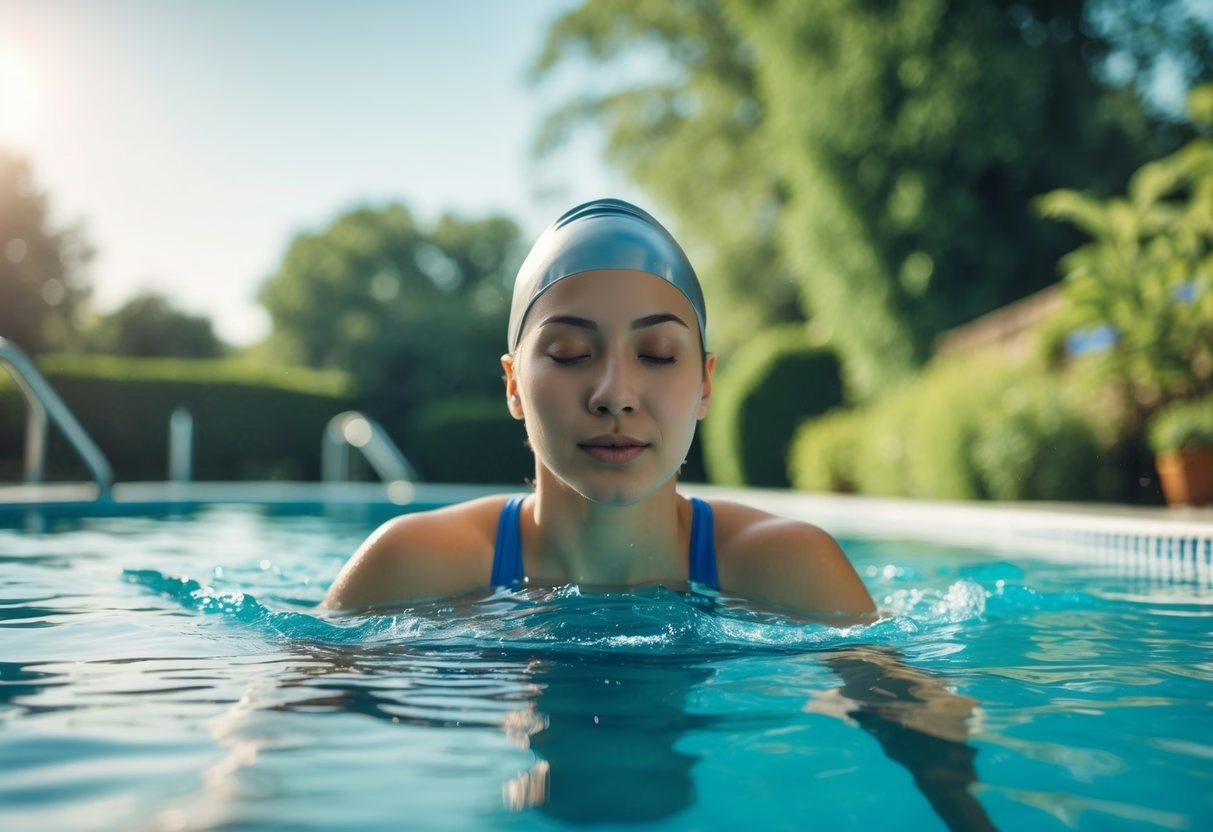
Swimming produces endorphins that improve mood while lowering cortisol levels in the body. The activity also increases blood flow to the brain, which supports better emotional regulation and cognitive function.
Reducing Symptoms of Anxiety and Depression
Swimming has helped reduce symptoms of anxiety or depression for 1.4 million adults in Britain. The rhythmic movements and controlled breathing patterns activate the body’s relaxation response, which calms the nervous system during times of stress.
Water’s buoyancy provides gentle resistance that allows swimmers to move without joint strain. This creates a safe environment for those managing mental health conditions like PTSD or chronic anxiety. The repetitive nature of strokes gives the mind a focal point, which prevents anxious thoughts from taking over.
Studies show that light aquatic aerobics has positive effects on mood and anxiety symptoms. Regular swimming sessions decrease the intensity and frequency of depressive episodes. The water’s temperature and pressure against the skin also trigger sensory responses that ground swimmers in the present moment.
Boosting Mood and Emotional Stability
Physical activity in water triggers the release of endorphins, which are natural chemicals that create feelings of happiness and wellbeing. These hormones work quickly to lift mood and provide relief from daily stressors. Swimming also reduces cortisol, the hormone responsible for feelings of tension and worry.
The structured routine of swimming laps establishes predictability and control, which supports emotional stability. Swimmers often report feeling calmer and more balanced after time in the pool. Swimming improves mood and increases self-esteem whilst lowering the risk of depression.
The combination of physical exertion and meditative focus creates a unique mental state. This dual benefit gives swimmers both a confidence boost and improved emotional well-being that extends beyond the pool.
Enhancing Emotional Resilience and Regulation
Regular swim exercise strengthens the brain’s ability to manage emotions and respond to challenges. The practice of controlling breathing whilst moving through water teaches swimmers how to stay composed under pressure. These skills transfer directly to daily situations that require emotional regulation.
Swimming improves sleep quality, which plays a vital role in mental wellness and brain health. Better rest allows the mind to process emotions more effectively and maintain stable moods throughout the day.
The repetitive strokes and breathing patterns create a form of active meditation. This builds emotional resilience by training the brain to stay focused despite distractions. Swimmers develop stronger coping mechanisms that help them handle stress, setbacks, and difficult emotions with greater ease.
Types of Swimming and Their Mindfulness Benefits
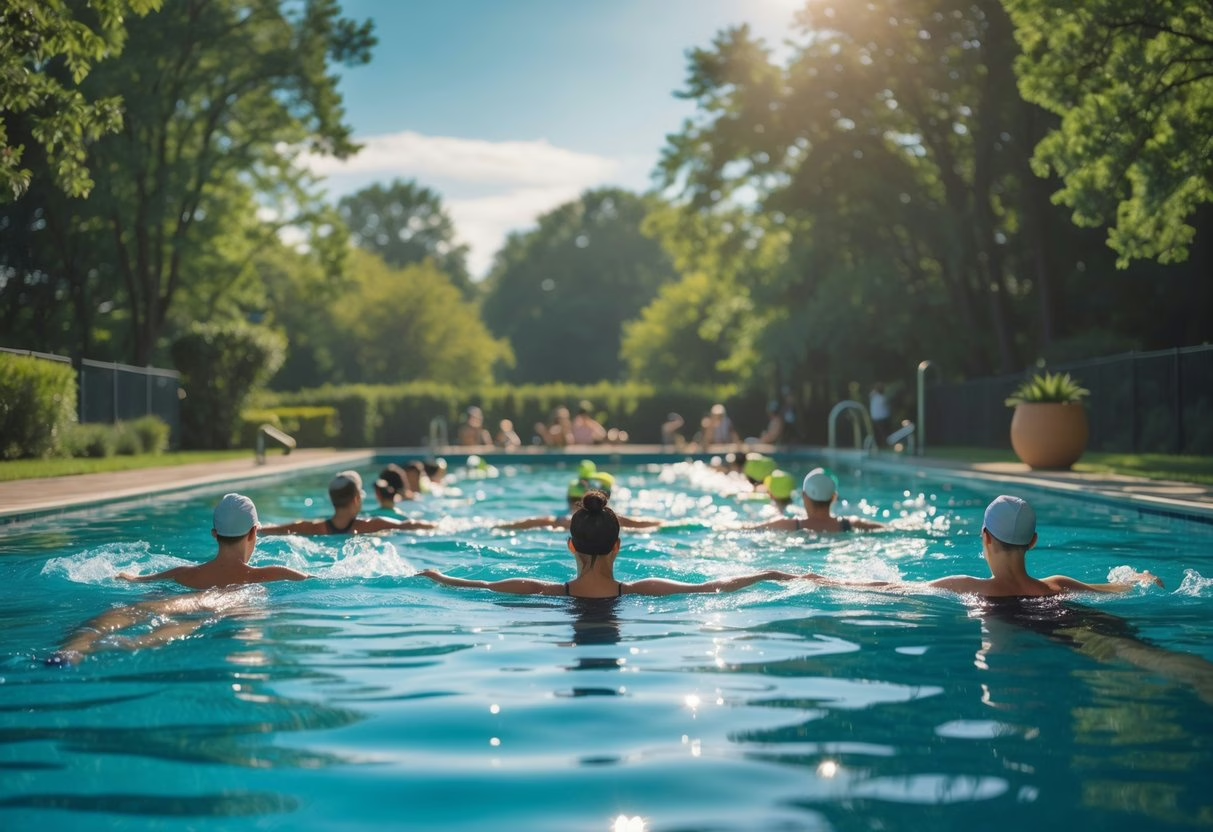
Different swimming styles and environments offer unique pathways to mindfulness and stress reduction. The type of stroke used, the setting chosen, and whether one swims alone or with others all influence the meditative quality of the experience.
Comparing Different Swimming Strokes
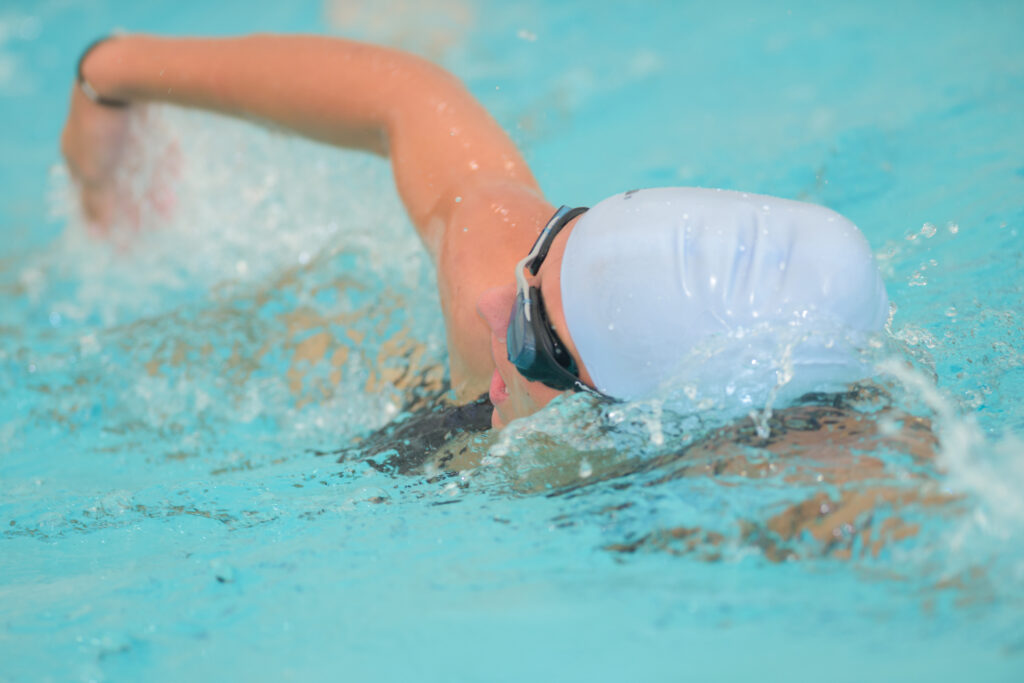
Each swimming stroke creates a distinct rhythm that affects mindfulness practice. Freestyle requires a steady breathing pattern that helps swimmers focus on the present moment. The repetitive arm movements and regular breath cycles create a natural meditation rhythm.
Breaststroke allows swimmers to keep their head above water more easily. This stroke provides constant visual feedback and a slower pace. The symmetrical movements help build body awareness and coordination.
Backstroke offers a unique perspective as swimmers face upwards. This position encourages deeper breathing and opens the chest. The stroke promotes relaxation whilst maintaining steady movement through the water.
Swimming strokes that flow smoothly and rhythmically are essential to mindfulness practice. Each stroke type demands attention to form and breathing, which naturally draws focus away from daily stressors.
Outdoor Swimming and Nature Connection
Wild swimming in lakes, rivers, and seas adds an extra dimension to mindfulness practice. The connection with natural environments enhances the stress-relieving effects of water immersion. Cold water outdoor swimming stimulates the nervous system differently than heated swimming pools.
The concept of blue mind describes the meditative state people experience near water. Natural settings provide sensory variety through changing temperatures, currents, and surroundings. This biophilia, or innate human connection to nature, deepens the mindfulness experience.
Outdoor swimming requires greater awareness of environmental conditions. Swimmers must pay attention to weather, water quality, and safety factors. This heightened awareness naturally promotes present-moment focus and mental clarity.
Group Swimming and Social Well-being
Swimming laps alongside others in community pools creates shared experiences. Group swimming provides social support whilst maintaining individual meditative practice. The presence of other swimmers can motivate consistent practice habits.
Organised swimming sessions build community connections. These social bonds contribute to emotional resilience and reduced stress levels. Swimmers often report feeling part of something larger than themselves.
The balance between solitary focus and social presence makes group swimming unique. Each person follows their own rhythm whilst sharing the same space. This combination supports both personal mindfulness practice and the mental health benefits of community belonging.
Practical Approaches to Mindful Swimming
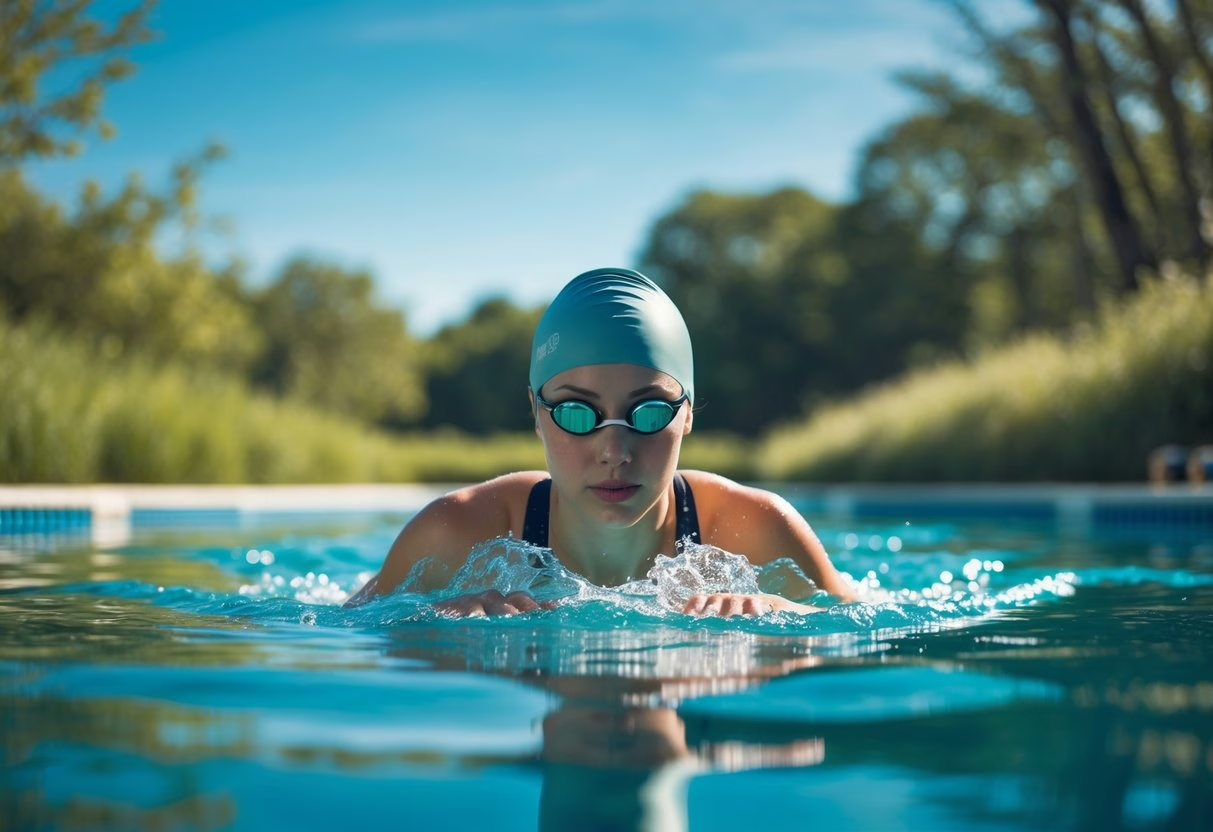
Starting a mindful swimming practice requires focusing on breath control and rhythmic movements while building confidence through structured lessons or group activities. These techniques help swimmers of all levels reduce stress and stay present in the water.
Getting Started with Mindful Swimming
Beginners should focus on their breathing pattern as the foundation of mindful swimming practice. Each movement in the water should connect to an inhale or exhale, creating a natural rhythm that calms the mind.
New swimmers can start by simply floating and observing their breath without any specific stroke technique. This builds comfort in the water whilst establishing the mind-body connection essential for mindfulness. As confidence grows, swimmers can add basic movements powered by their breath rather than forcing their body through the water.
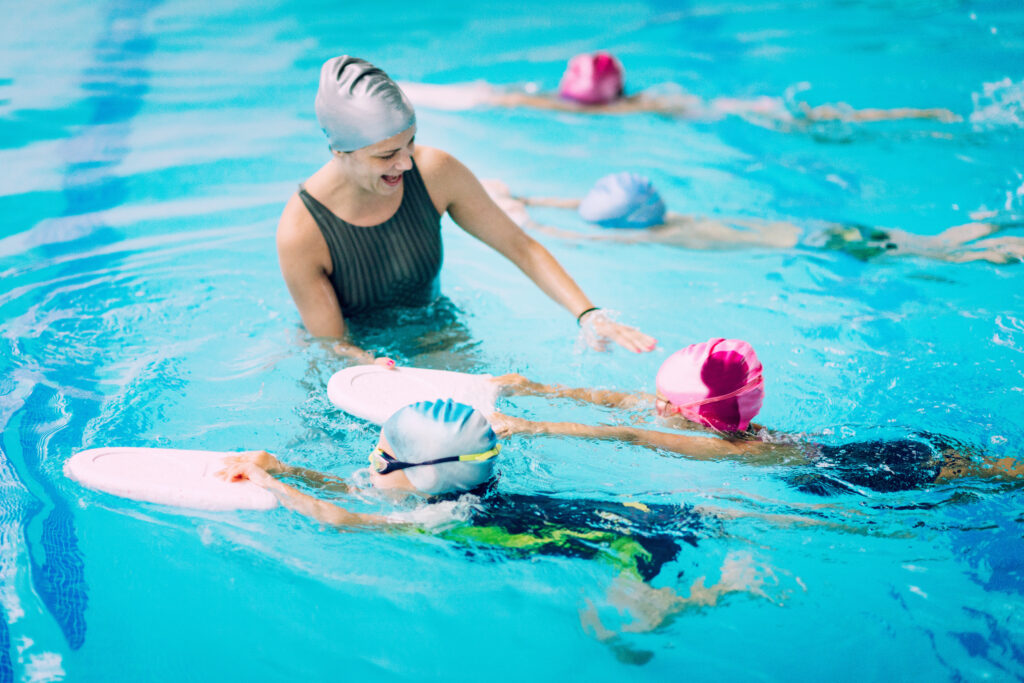
Swim England offers qualified instructors who can teach proper breathing techniques alongside stroke development. Swimming lessons provide structured guidance that helps people overcome fears or limiting beliefs about their abilities. Working with an instructor creates a sense of accomplishment early on, which boosts motivation to continue the practice.
The goal is reaching a state where the body moves instinctively whilst the mind focuses entirely on breath and sensation. This takes patience and regular practice in a comfortable environment.
Techniques to Enhance Mindfulness in the Pool
Swimmers should find their rhythm by matching strokes to their breathing pattern, as rhythmic swimming enhances mindfulness. Counting breaths or swimming to an internal song tempo helps maintain this flow state.
Key mindfulness techniques include:
- Breath awareness: Notice each inhale above water and exhale below the surface
- Body scanning: Pay attention to how each muscle feels as it moves through water
- Sensory focus: Concentrate on water temperature, pressure, and sound
- Letting go: Allow thoughts to float away without judgement
The solitary nature of swimming makes it ideal for strengthening focus and mindful practice. Even in a crowded pool, the water creates a cocoon of sensation that encourages present-moment awareness. Swimmers should avoid following the black line mindlessly and instead stay connected to their internal experience.
Water Aerobics and Swimming Lessons for Mental Health
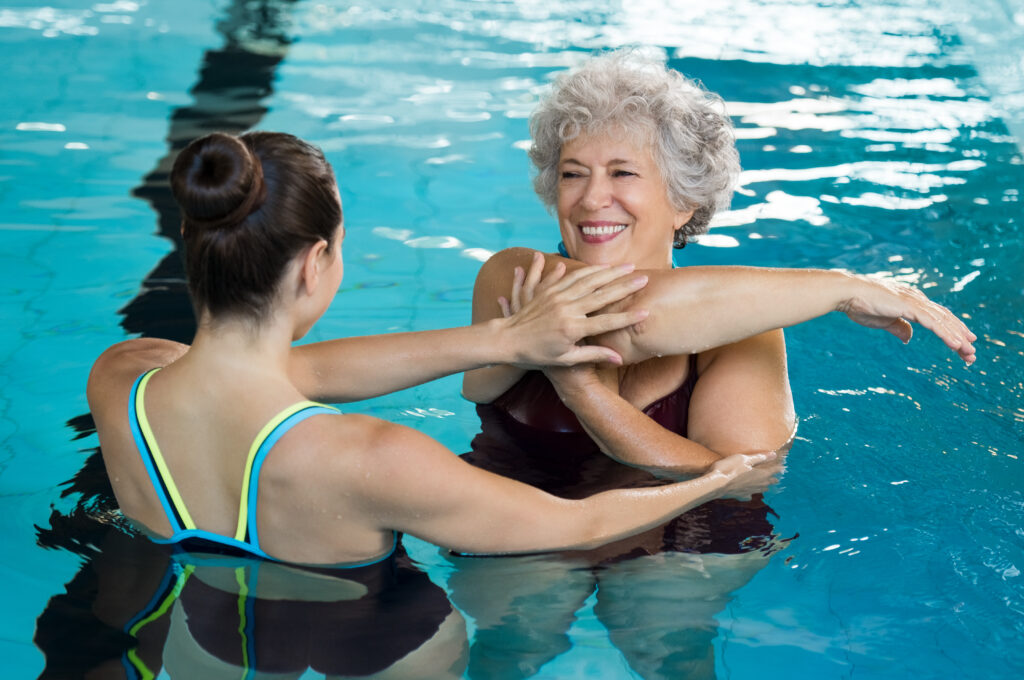
Water aerobics classes offer a social approach to mindful movement whilst providing structured routines. The buoyancy of water reduces impact on joints, making it accessible for people with physical limitations or those new to exercise.
Group lessons create accountability and motivation that helps maintain a regular practice. The shared experience builds confidence whilst the instructor guides participants through breathing exercises and movements. Many people find the combination of social support and individual focus in the water particularly effective for stress relief.
Both swimming lessons and water aerobics provide clear goals and measurable progress. This sense of accomplishment reinforces the practice and encourages long-term commitment. The confidence boost from mastering new skills or completing a class carries over into daily life, extending the mental health benefits beyond pool time.
Expanding the Benefits: Social Connection and Community
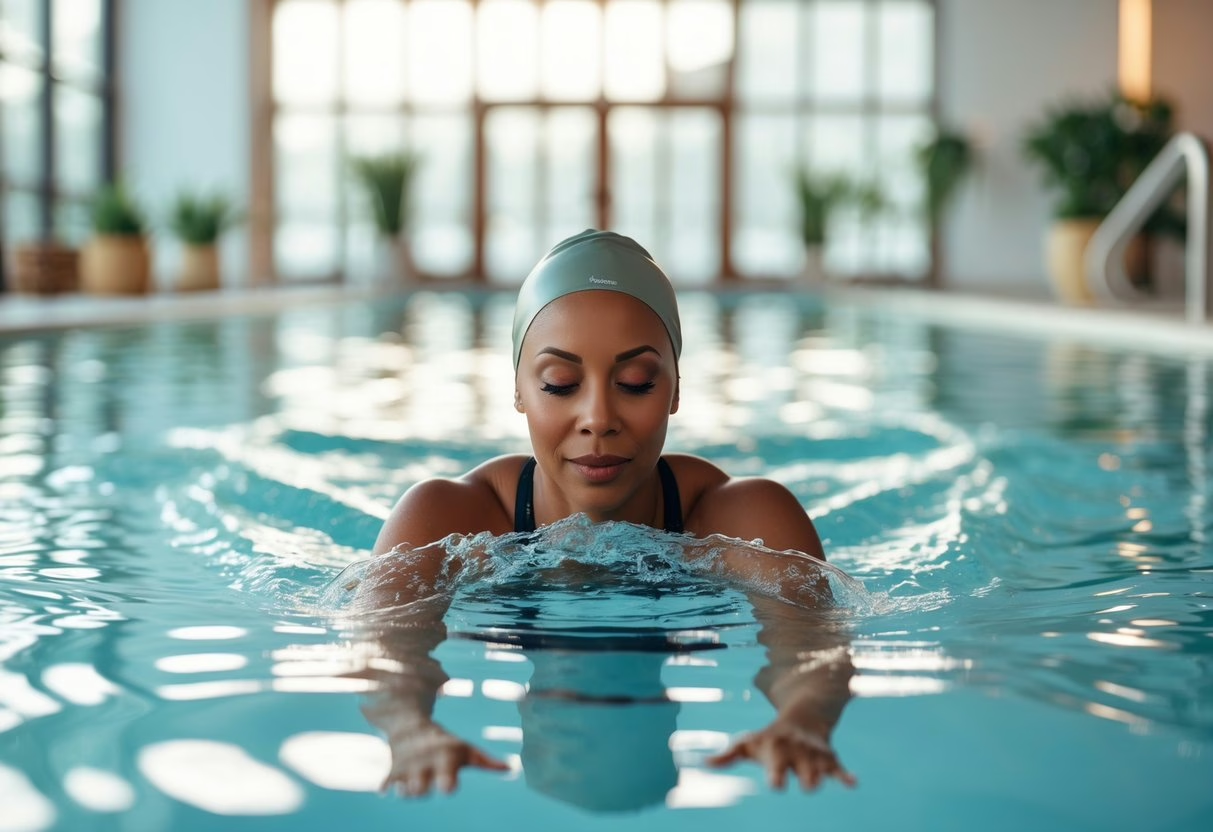
Swimming provides more than individual stress relief—it creates opportunities for meaningful social bonds and community participation. Group activities in the water foster emotional support systems whilst regular interaction with fellow swimmers reduces feelings of isolation.
Social Interaction During Swimming
Swimming pools and open water venues naturally bring people together. Swimmers often see the same faces during regular sessions, which creates opportunities for casual conversations and friendly exchanges.
Social connection through swimming helps reduce feelings of loneliness. Even brief interactions before or after a swim can lift someone’s mood. Many swimmers form friendships simply by sharing lane space or chatting in the changing rooms.
The welcoming nature of swimming communities makes socialising easier for people who might struggle with other group activities. Water-based environments often feel less intimidating than traditional social settings.
Building Emotional Support Networks
Swimming groups naturally develop into support networks. Members share similar goals and challenges, which creates common ground for deeper connections.
Regular attendance at swim sessions builds familiarity and trust amongst participants. These relationships often extend beyond the pool, with swimmers checking on each other during absences or celebrating personal milestones together.
Swimmers gain access to people who understand their struggles and achievements. Whether someone is recovering from injury, managing anxiety, or working towards fitness goals, the swimming community offers encouragement. Paralympic swimmers particularly benefit from inclusive swimming environments where adaptive techniques and individual progress are celebrated.
Community and Group Swimming Activities
Masters swimming groups, aqua aerobics classes, and swim clubs provide structured opportunities for group swimming activities. These organised sessions combine exercise with regular social contact.
Swim clubs often arrange social events outside the pool, such as coffee meetups or group meals. These activities strengthen bonds between members and create a sense of belonging.
Popular group swimming options include:
- Masters swimming clubs for adult swimmers of all abilities
- Open water swimming groups
- Aqua fitness classes
- Charity swim events
- Lane swimming sessions with regular attendees
Community swimming programmes welcome diverse participants regardless of age, ability, or background. This inclusivity creates rich social environments where people from different walks of life connect through their shared love of swimming.