
Finding sea swimming clubs and groups in your area is easier than many people think, with numerous resources and platforms available to connect you with local swimming communities. The best way to locate sea swimming groups near you is through dedicated websites like the Outdoor Swimming Society’s comprehensive UK wild swimming groups directory, social media platforms, and swimming organisation databases that list clubs by location and activity type.
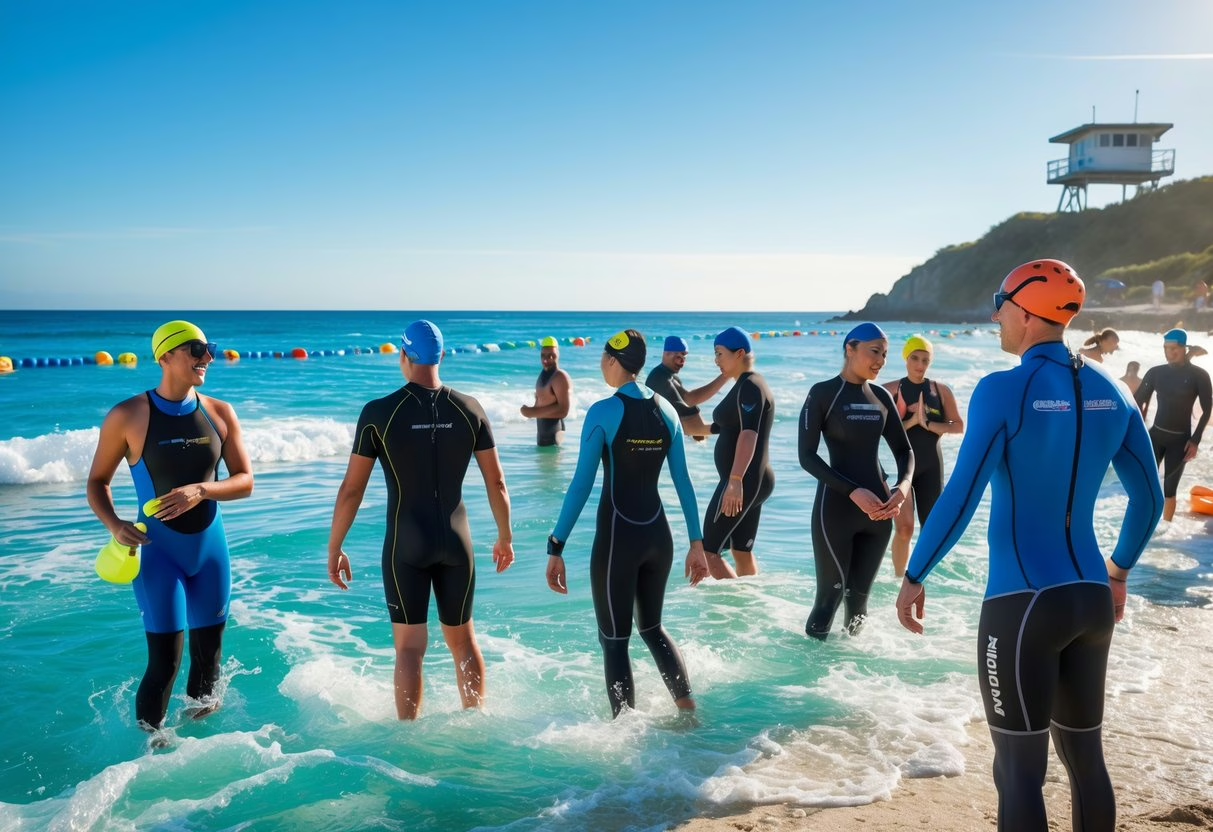
Sea swimming has grown tremendously in popularity across the UK, leading to the formation of hundreds of local groups that welcome swimmers of all abilities. These communities range from informal weekly meet-ups to more structured clubs with regular training sessions and social events. Many groups operate year-round, offering everything from gentle dips to challenging open water swims.
Whether someone is completely new to sea swimming or an experienced open water swimmer looking for company, understanding the different types of groups available and knowing where to search can make all the difference. The key lies in knowing which platforms to use, what questions to ask, and how to find a group that matches individual needs and swimming goals.
Why Join a Sea Swimming Club or Group?
Sea swimming clubs and groups offer swimmers significant advantages over swimming alone. Members gain access to shared knowledge, safety support, and social connections that enhance their overall swimming experience.
Benefits of Group Sea Swimming
Safety in numbers represents the most critical advantage of group sea swimming. Swimming with others provides immediate assistance during emergencies and helps swimmers navigate challenging conditions.
Group members can share local knowledge about tides, currents, and weather patterns. Experienced swimmers often know the safest entry and exit points at different beaches.
Motivation increases when swimmers join regular group sessions. Meeting others creates accountability and encourages consistent participation in sea swimming activities.
Cost sharing becomes possible for group activities. Members can split expenses for safety equipment, transportation to distant beaches, or professional instruction sessions.
Equipment access expands through group membership. Many clubs provide shared safety gear, including tow floats, wetsuits, and emergency equipment that individual swimmers might not afford.
Community and Social Connections
Sea swimming clubs create lasting friendships amongst people who share similar interests. The community for swimmers helps connect swimmers and builds relationships beyond the water.
Regular meetups provide structure for social interaction. Many groups organise post-swim refreshments, creating opportunities for members to chat and build connections.
Shared experiences bond group members together. Conquering challenging swims or braving cold water creates memorable moments that strengthen friendships.
Support networks develop naturally within swimming communities. Members often help each other with swimming goals, equipment advice, and encouragement during difficult periods.
Event participation becomes more enjoyable with group support. Members can train together for open water competitions or charity swims.
Access to Coaching and Mentoring
Experienced swimmers within groups freely share technique advice and safety knowledge with newer members. This informal mentoring accelerates learning for beginners.
Stroke improvement happens naturally through observation and feedback from other swimmers. Group members can watch better swimmers and receive constructive suggestions.
Confidence building occurs gradually through guided exposure to different conditions. Experienced swimmers help newcomers progress safely from calm days to more challenging waters.
Local expertise gets passed down through group knowledge. Long-time members understand seasonal patterns, marine life behaviour, and optimal swimming locations.
Skill development accelerates when swimmers train together regularly. Groups often focus on specific techniques during sessions, helping all members improve their abilities.
How to Search for Sea Swimming Clubs and Groups Nearby
Finding local sea swimming groups requires using multiple search methods and platforms. Online directories, community networks, and specialised open water resources offer the best routes to discover nearby coastal swimming communities.
Using Online Club Finders and Maps
Swim England’s club finder provides the most comprehensive database for locating swimming groups across England. The platform allows swimmers to filter results by discipline, including open water swimming and masters swimming.
Users can search by postcode and select their ability level. The system categorises swimmers as newcomers, improvers, or competitors. This helps match individuals with appropriate groups.
The Poolfinder directory also lists English swimming clubs and open water groups. Enter your postcode to find nearby coastal swimming opportunities.
Many clubs use Google Maps to mark their regular swimming locations. Search terms like “sea swimming group [your area]” or “cold water swimming [your town]” often reveal local groups with mapped meeting points.
Local Community Boards and Social Media
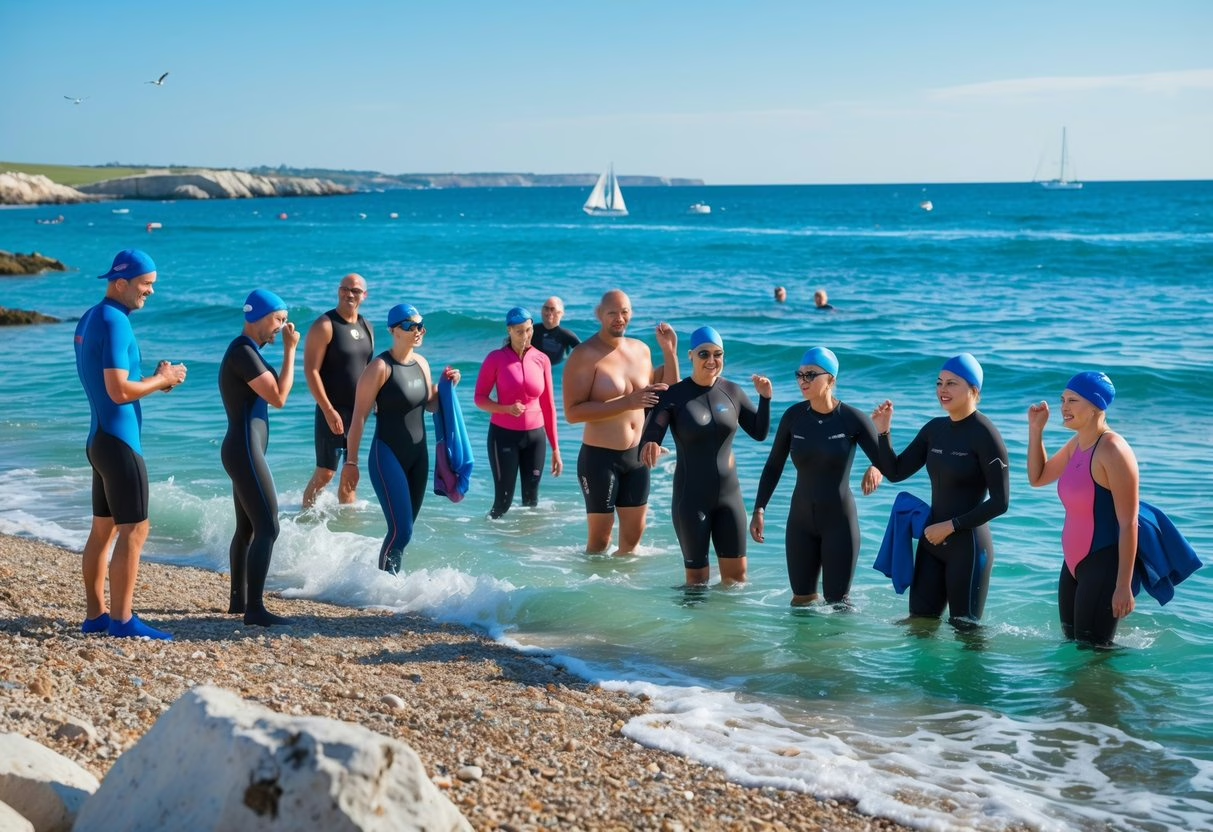
Facebook groups provide active communities for sea swimmers in most coastal areas. Search for “[your town] sea swimming” or “wild swimming [your county]” to find local groups.
Community centres and coastal cafés often display notices for swimming groups. These physical boards frequently advertise weekend swimming sessions and beginner-friendly groups.
Libraries and sports centres maintain information about local clubs. Staff can often provide contact details for swimming groups that use nearby beaches or coastal areas.
Local swimming pools sometimes have notice boards with information about outdoor swimming groups. Pool staff may know regular swimmers who participate in sea swimming activities.
Open Water Club Directories
The Outdoor Swimming Society maintains a UK list of wild swimming groups across Britain. This directory covers sea swimming communities and coastal groups.
Swim England’s open water club finder specifically targets open water swimming clubs. These clubs often organise sea swimming sessions and competitive events.
Regional swimming associations maintain their own directories. Swim England North West offers localised club searches for their area.
Specialist groups like The Bluetits Chill Swimmers create communities around cold water swimming. They maintain location-based groups for sea swimming enthusiasts across the UK.
Many open water clubs list their activities on TimeOutdoors swimming club directory. This platform offers free listings and trial session information.
Key Resources and Platforms for Finding Sea Swimming Groups
Several established platforms and organisations provide comprehensive databases for locating sea swimming groups across the UK. These range from official governing bodies to community-driven networks that connect swimmers nationwide.
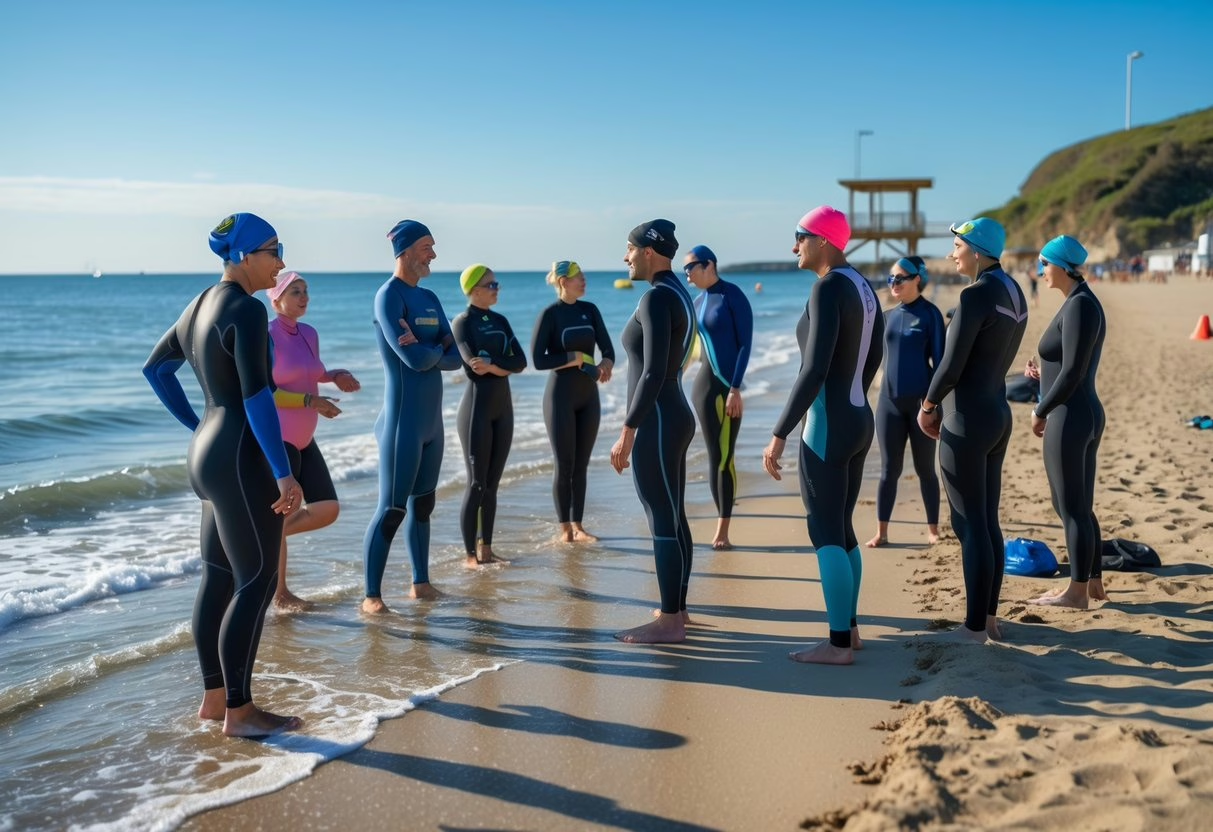
Swim England and Regional Club Tools
Swim England offers a comprehensive club finder that helps swimmers locate official clubs in their area. The platform covers various aquatic disciplines including open water swimming and sea swimming clubs.
Their database includes contact details for club administrators. It also shows meeting times and locations for registered groups.
The open water club directory specifically targets outdoor swimming enthusiasts. Users can search by postcode or region to find nearby options.
Many clubs listed through Swim England maintain proper insurance coverage. They often provide structured training sessions with qualified coaches.
Regional swimming associations also maintain their own directories. These typically include smaller community groups that may not appear on national platforms.
Outdoor Swimming Society Listings
The Outdoor Swimming Society maintains extensive listings of wild swim groups across the UK. Their database includes informal groups that meet regularly at beaches, lakes, and rivers.
Each listing provides contact information and typical meeting times. Many groups use Facebook for coordination and updates about swimming conditions.
The organisation emphasises that these groups are informal and voluntary. Members must take responsibility for their own safety and risk assessment.
Groups listed include everything from casual weekend dippers to regular year-round swimmers. Some focus specifically on sea swimming whilst others cover various outdoor water locations.
The society’s listings often include groups not found on other platforms. This makes it particularly valuable for finding local community-led initiatives.
Meetup and Local Swimming Networks
Meetup platforms host numerous swimming groups that organise regular sea swimming sessions. These tend to be more casual than formal club structures.
Local swimming networks often operate through Facebook groups or WhatsApp chats. These provide real-time updates about swimming conditions and impromptu meetups.
Many coastal areas have dedicated sea swimming Facebook groups. Members share information about tides, water temperature, and safety conditions.
Community notice boards at swimming pools, gyms, and coastal cafés often advertise local groups. These traditional methods remain effective for discovering neighbourhood swimming communities.
Some groups use specialist apps like SeaPeople to coordinate activities. These platforms allow swimmers to discover groups through location-based searching.
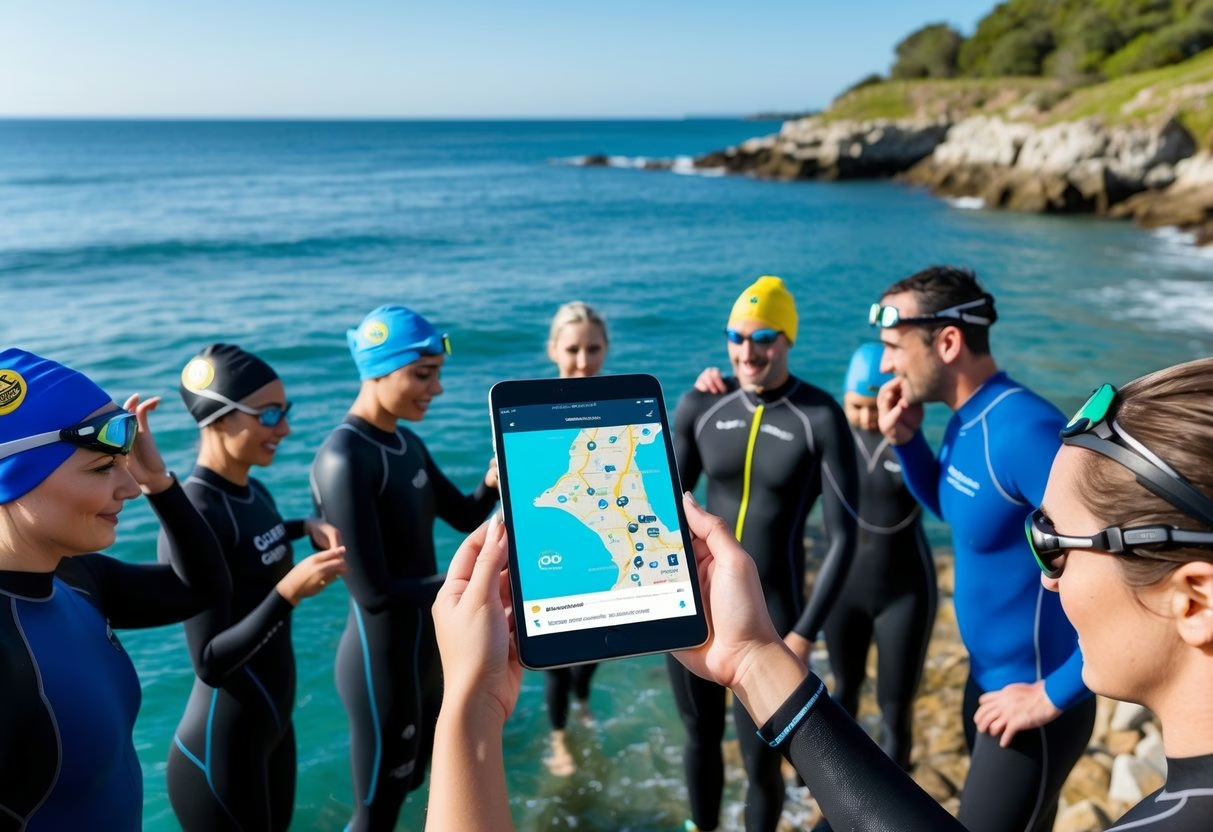
Types of Sea Swimming Clubs and What to Expect
Sea swimming clubs vary widely in their focus and structure, from casual community groups that welcome beginners to competitive organisations training for open water events. Each type offers different swimming experiences, training levels, and social atmospheres.
Open Water and Wild Swimming Clubs
Open water clubs focus on swimming in natural environments like seas, lakes, and rivers. These groups typically welcome swimmers of all abilities and emphasise safety and enjoyment over competition.
Wild swimming groups are informal and voluntary organisations that depend on responsible behaviour from members. They rely on swimmers to make sensible choices about swim spots and support local communities in keeping areas clean and safe.
These clubs often organise regular meetups at different coastal locations. Members explore various beaches and swimming spots throughout the year. Safety briefings are common before swims.
What to expect:
- Mixed ability levels welcomed
- Regular safety discussions
- Exploration of different locations
- Emphasis on environmental responsibility
Most groups operate on an ad-hoc basis with swims arranged through social media platforms. Groups like Cornwall Wild Swimming organise informal meetups where swimmers can discover new spots whilst building friendships with like-minded people.
Cold Water and Community-Focused Groups
Cold water swimming groups have grown rapidly in popularity, focusing on year-round swimming regardless of temperature. These clubs prioritise mental health benefits and strong community bonds over performance.
The Bluetits provide an inclusive, free-to-join social swim community that welcomes complete beginners to cold water swimming. Even newcomers can enjoy the benefits of cold water swimming and community support.
These groups often meet at the same location regularly, creating strong friendships among members. Many swimmers report significant mental health improvements from regular cold water exposure and social connection.
Key features include:
- Year-round swimming schedules
- Strong focus on mental wellbeing
- Regular meetup times and locations
- Supportive atmosphere for beginners
Community-focused clubs typically have experienced swimmers who mentor newcomers. They teach proper cold water entry techniques and help build confidence gradually.
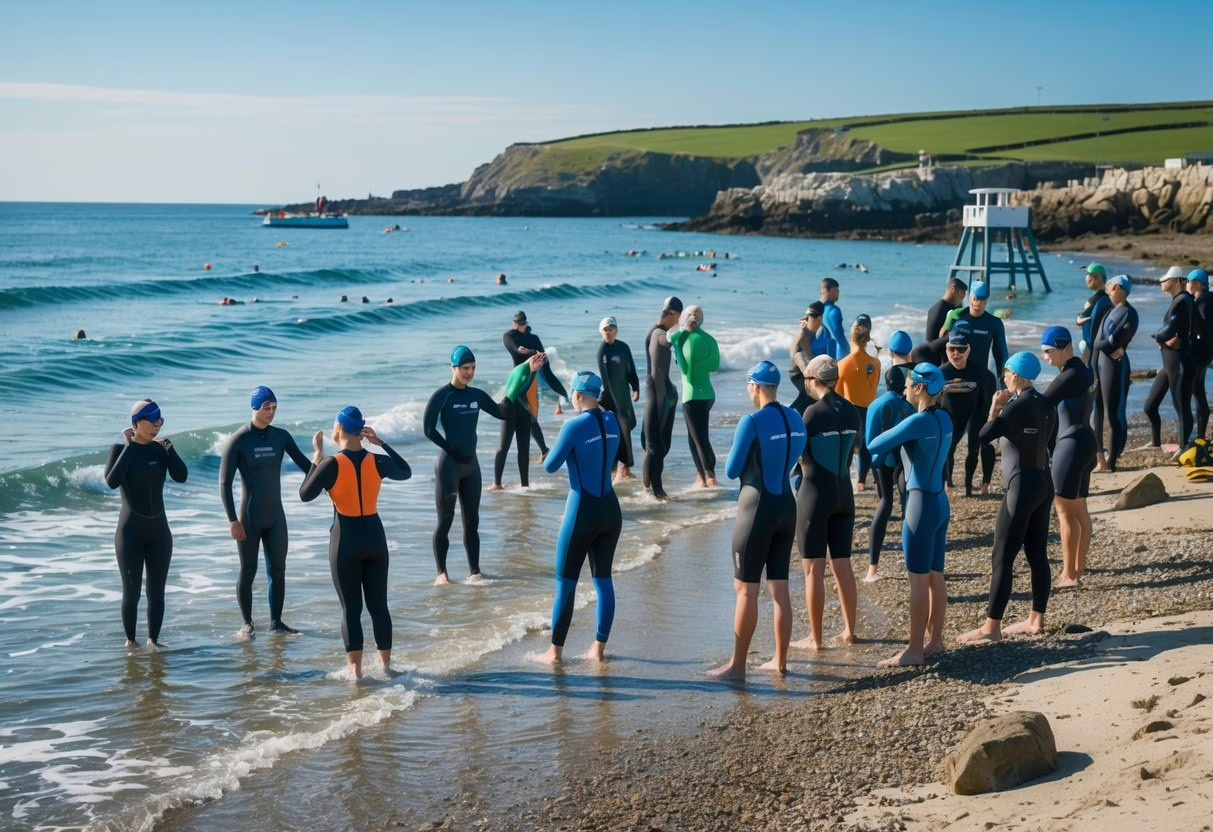
Event and Competition-Based Clubs
Competition-focused clubs train swimmers for open water events, races, and challenges. These organisations offer structured training programmes and coaching for swimmers wanting to improve their technique and endurance.
Brighton Swimming Club is the country’s oldest continuously running swimming club, founded in 1860. The sea swimming section has operated daily except during World War II when beaches were restricted.
These clubs typically require higher swimming ability levels and commitment to training schedules. Members often participate in local and national open water competitions throughout the swimming season.
Training typically includes:
- Structured coaching sessions
- Technique improvement focus
- Distance and endurance building
- Race preparation programmes
Competition clubs often have membership fees to cover coaching costs and equipment. They may require swimmers to demonstrate basic competency before joining training groups.
Membership, Inclusivity and Accessibility
Sea swimming clubs vary widely in their membership requirements and costs, whilst many prioritise creating welcoming environments for swimmers of all abilities and backgrounds. Most clubs actively work to remove barriers that prevent people from participating in open water swimming.
Joining Requirements and Costs
Most sea swimming clubs require basic swimming competence before allowing members to join group sessions. The minimum standard typically involves swimming 200-400 metres confidently in a pool.
Annual membership fees range from £20-80 for most clubs. Some groups charge additional fees for coached sessions or equipment hire.
Common joining requirements include:
- Completed health questionnaire
- Swimming ability assessment
- Safety briefing attendance
- Wetsuit or cold water tolerance test
Many clubs offer trial sessions for £5-10. This allows potential members to experience the group dynamic before committing to full membership.
Some clubs require basic first aid certification for regular participants. Others provide safety training as part of the membership package.
Accessibility for All Swimmers
Swimming clubs increasingly focus on creating inclusive environments that welcome swimmers from diverse backgrounds and abilities. Swim England has published guidance to help clubs become more accessible through their comprehensive inclusion resources.
Many sea swimming groups accommodate swimmers with disabilities by providing additional safety support and modified entry methods. Some clubs partner with disability-specific organisations like Sea Lion Swimming Club to share expertise.
Accessibility features often include:
- Wheelchair-accessible changing facilities
- Buddy system for less confident swimmers
- Modified swimming distances
- Additional safety kayak support
- Clear communication about sea conditions
Clubs also work to address cultural and economic barriers to participation. Some offer equipment loans, reduced fees, or female-only sessions to encourage wider participation in swimming activities.
Youth and Family-Friendly Groups
Family-oriented sea swimming clubs welcome children from age 8-12, depending on swimming ability and water conditions. Junior sessions typically feature shorter distances and warmer weather requirements.
Most clubs require children under 16 to swim with a parent or guardian. Family membership discounts commonly reduce costs by 20-30% compared to individual memberships.
Youth programmes typically include:
- Beach safety education
- Progressive distance building
- Fun swimming challenges
- Environmental awareness activities
Many groups organise family-friendly events during school holidays. These sessions focus on enjoyment rather than endurance, making swimming accessible to nervous or inexperienced young swimmers.
Some clubs offer specific training for parents accompanying children. This ensures adults can provide appropriate support during sea swimming sessions whilst maintaining safety standards.
Additional Water Sports and Cross-Training Opportunities
Sea swimmers can expand their training through complementary water sports that build different muscle groups and improve overall aquatic fitness. Rowing clubs often operate from coastal locations where swimming groups train, creating natural partnerships for cross-training.
Combining Swimming with Rowing
Rowing provides excellent cross-training benefits for sea swimmers. The sport strengthens the back, shoulders, and core muscles that swimming relies upon.
Many coastal rowing clubs welcome swimmers as members. These clubs often share facilities with swimming groups at harbours and beaches.
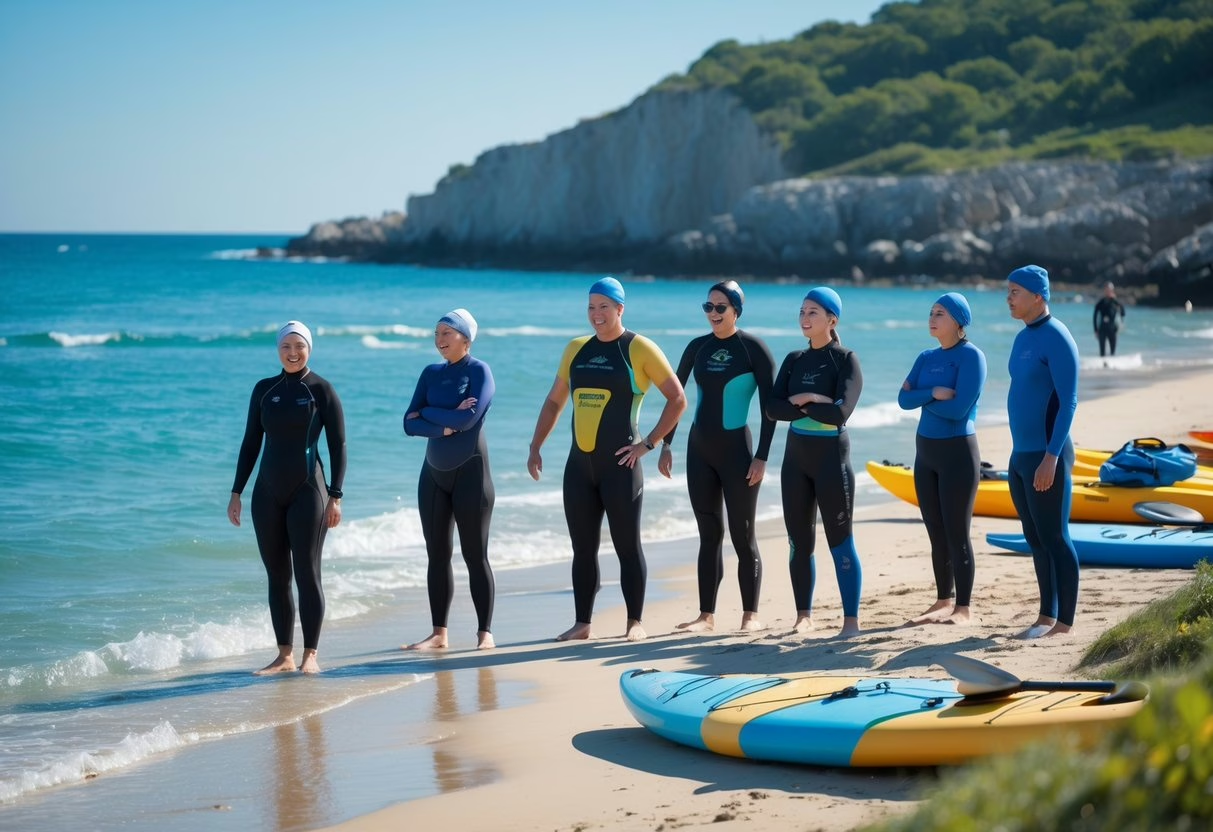
Key benefits of combining rowing with swimming:
- Upper body strength – Rowing builds pulling power that improves swimming stroke efficiency • Core stability – Balance requirements in rowing boats strengthen abdominal muscles used in swimming • Cardiovascular fitness – Rowing provides intense cardio training that complements swimming endurance
Coastal rowing takes place in similar conditions to sea swimming. Rowers develop skills in reading waves, tides, and weather patterns.
Some clubs offer “try rowing” sessions for swimmers. These sessions typically cost £10-20 and include basic instruction and equipment.
Other Nearby Aquatic Activities
Water sports clubs often operate multiple activities from single locations. Many offer sailing, kayaking, and paddleboarding alongside swimming opportunities.
Popular complementary activities include:
- Kayaking – Builds shoulder strength and teaches ocean safety skills • Stand-up paddleboarding – Improves balance and core strength • Sailing – Develops weather reading skills useful for sea swimming
Sea Scouts groups combine multiple water activities. These programmes include sailing, kayaking, canoeing, and powerboating training.
Many swimming clubs organise multi-sport events. These might include swimming races followed by kayak or rowing competitions.
Cross-training reduces injury risk by varying movement patterns. It also maintains fitness during rough weather when sea swimming becomes unsafe.
Frequently Asked Questions
New swimmers often wonder about the best ways to locate groups and ensure they match their abilities. Safety considerations and online resources also rank among the most common concerns for those starting their sea swimming journey.
What are the best methods for locating local sea swimming clubs?
The most effective approach involves checking with local swimming pools, which often serve as hubs for open water enthusiasts. Pool staff frequently know about affiliated groups or upcoming events in the area.
Outdoor gear shops and sporting goods stores provide another valuable resource. These locations often display flyers or maintain bulletin boards with information about local sea swimming meetups.
Community centres and libraries typically feature physical notice boards with club announcements. Many established groups post regular updates about their activities and meeting times at these locations.
Can social media platforms be utilised to discover nearby ocean swim groups?
Facebook groups dedicated to local swimming communities offer excellent starting points for finding nearby clubs. Many groups share event details, safety updates, and welcome new members openly.
Instagram hashtags like #seaswimming combined with location tags help identify active groups in specific areas. Swimmers often post photos and tag their regular swimming spots and group members.
Twitter searches using location-specific terms alongside “sea swimming” or “open water” frequently reveal local clubs and their activities. Many groups maintain active social media presence for safety coordination.
What tips can you offer for connecting with fellow sea swimmers in my area?
Visiting popular sea swimming locations during peak times increases chances of meeting regular swimmers. Early morning and weekend sessions typically attract the most dedicated community members.
Asking at local cafes near popular swimming spots often yields helpful information. Staff members frequently know about regular swimming groups and their schedules.
Joining online forums dedicated to open water swimming provides access to regional discussions and meetup announcements. These platforms allow swimmers to connect before meeting in person.
Are there dedicated websites or forums for finding regional sea swimming communities?
Swim England’s club finder helps locate swimming clubs across different disciplines, including open water groups. The platform allows searches by location and activity type.
The Outdoor Swimming Society maintains comprehensive listings of specialist swim groups and organisations throughout the UK. Their directory includes contact details and group descriptions.
TimeOutdoors provides free listings of swimming clubs and groups across the UK. Users can search by location and read descriptions before making contact.
How do I ensure the sea swimming club I find suits my skill level?
Most established groups welcome swimmers of all abilities and organise sessions accordingly. Many clubs offer beginner-friendly sessions alongside more challenging swims for experienced swimmers.
Attending a trial session before committing helps determine if the group’s pace and approach match individual needs. Most clubs encourage potential members to observe or participate in a session first.
Speaking directly with group organisers about experience levels ensures proper placement within appropriate swimming groups. Leaders typically assess abilities during initial sessions and provide guidance accordingly.
What safety precautions should I consider before joining a sea swimming group?
Established groups prioritise safety through shared knowledge about local conditions, tides, and water temperatures. Members typically receive guidance on reading weather patterns and understanding coastal hazards.
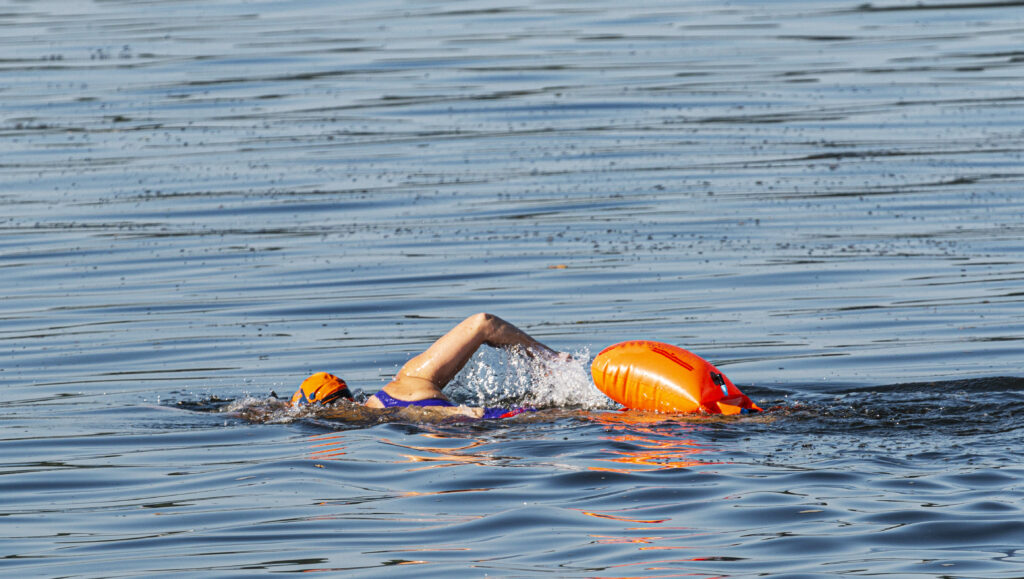
Proper equipment becomes essential, including bright swimming caps, tow floats, and appropriate thermal protection. Experienced group members often provide recommendations for reliable gear suppliers.
Groups maintain safety protocols including buddy systems, designated lookouts, and emergency procedures. New members receive briefings on group safety rules and communication signals before entering the water.