
Open water swimming has gained remarkable popularity as people discover its powerful effects on mental wellbeing and overall health. Unlike traditional pool swimming, taking the plunge into natural bodies of water offers unique therapeutic benefits that extend far beyond physical exercise.
Research shows that open water swimming improves wellbeing and positive mood states whilst reducing symptoms of depression, anxiety, tension, and fatigue. The combination of cold water exposure, natural environments, and mindful movement creates a potent formula for mental health support that many swimmers describe as transformative.
From boosting immunity through cold water exposure to fostering social connections within swimming communities, outdoor swimming presents an accessible and low-cost approach to enhancing both physical and psychological wellbeing. Whether one chooses coastal waters, lakes, or rivers, each environment offers distinct advantages for those seeking natural ways to support their mental health journey.
How Open Water Swimming Supports Mental Health
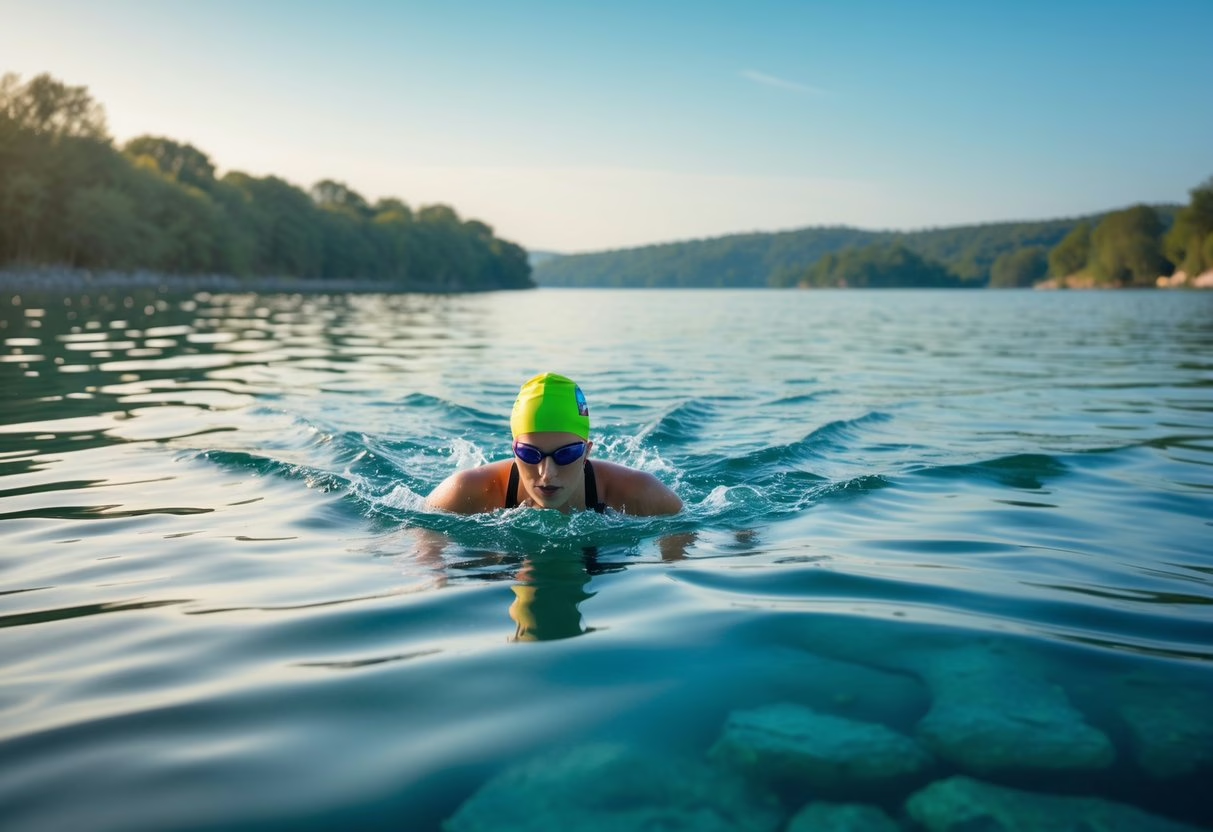
Research shows that open water swimming improves wellbeing and positive mood states whilst reducing symptoms of depression and anxiety. The combination of physical exercise, cold water exposure, and natural environments creates multiple pathways for mental health benefits.
Reduction of Stress and Anxiety
Open water swimming activates the body’s natural stress response systems in controlled doses. Cold water immersion triggers the release of stress hormones like cortisol and adrenaline in small amounts.
This controlled stress helps build resilience over time. Regular swimmers develop better stress management skills that carry over into daily life.
Studies indicate that aquatic exercise significantly improves mental health symptoms, with particular benefits for anxiety reduction. The rhythmic nature of swimming creates a meditative state that calms racing thoughts.
Key anxiety-reducing factors include:
- Deep, controlled breathing patterns
- Repetitive, rhythmic movements
- Focus on technique rather than worries
- Immersion in natural surroundings
The cooling effect of water also helps regulate the nervous system. Many swimmers report feeling calmer and more centred after sessions in natural water bodies.
Boost in Mood Through Endorphin Release
Swimming triggers the release of endorphins, the body’s natural mood-lifting chemicals. Cold water exposure amplifies this effect by stimulating additional neurochemical responses.
The physical challenge of swimming in open water creates a sense of achievement. This accomplishment releases dopamine, which enhances feelings of satisfaction and motivation.
Research demonstrates that open water swimming reduces negative mood states including tension, anger, and fatigue. The combination of exercise and nature exposure provides a powerful mood boost.
Mood-enhancing benefits include:
- Increased endorphin production
- Enhanced dopamine release
- Reduced cortisol levels
- Improved sleep quality
The social aspect of group swimming also contributes to mood improvement. Many swimmers form strong community bonds that provide ongoing emotional support.
Improvement in Overall Mental Wellbeing
Open water swimming provides a complete mental health package that extends beyond temporary mood changes. Regular participation builds long-term resilience and emotional stability.
The activity combines several evidence-based mental health interventions. These include exercise, mindfulness, nature connection, and social interaction in one accessible activity.
Studies show reductions in depression and anxiety symptoms compared to control groups who don’t swim outdoors. The effects appear to be cumulative, building with regular practice.
Wellbeing improvements include:
- Better emotional regulation
- Increased self-confidence
- Enhanced body awareness
- Stronger sense of connection to nature
The mindful presence required for safe open water swimming also develops concentration skills. Swimmers must stay alert to conditions, which naturally cultivates present-moment awareness that reduces rumination and worry patterns.
Wellbeing Benefits of Swimming Outdoors
Swimming outdoors in natural waters creates unique psychological benefits through deep connections with nature, increased personal control, and focused attention on the present moment. These experiences combine to enhance overall wellbeing in ways that indoor swimming cannot match.
Connection with Blue Spaces and Nature
Natural water environments provide powerful wellbeing benefits that distinguish wild swimming from pool-based activities. Blue spaces like lakes, rivers, and the sea offer sensory experiences that promote mental restoration and emotional balance.
Open water swimming improves wellbeing and positive mood states whilst reducing negative emotions. The natural environment creates a therapeutic setting that supports mental health through direct contact with water and surrounding landscapes.
Swimming in rivers and lakes connects people to natural cycles and seasonal changes. Water temperature variations, changing light conditions, and wildlife encounters create rich sensory experiences that engage multiple senses simultaneously.
The sea provides particularly intense blue space benefits through its vastness and rhythmic wave patterns. Coastal swimming environments often include additional natural elements like salt air and tidal movements that enhance the therapeutic experience.
Research shows that blue spaces involve embodiment, mindful presence, and community connections that sustain mental health benefits over time.
Enhanced Sense of Autonomy and Competence
Swimming outdoors develops personal agency through navigation of natural challenges and independent decision-making. Wild swimming requires swimmers to assess conditions, plan routes, and adapt to changing environmental factors.
Natural waters present variable conditions that build confidence and problem-solving skills. Swimmers learn to read water conditions, understand weather patterns, and make safety judgements independently.
Key autonomy benefits include:
- Personal choice over swimming locations and duration
- Development of water safety skills and environmental awareness
- Independence from facility schedules and crowded spaces
- Building physical resilience through temperature adaptation
The unpredictable nature of outdoor swimming creates opportunities for personal growth and mastery. Each swimming session presents unique challenges that develop competence and self-reliance.
Open water swimming is accessible and requires little specialist equipment, making it an empowering activity that people can pursue independently without significant barriers.
Heightened Present-Moment Awareness
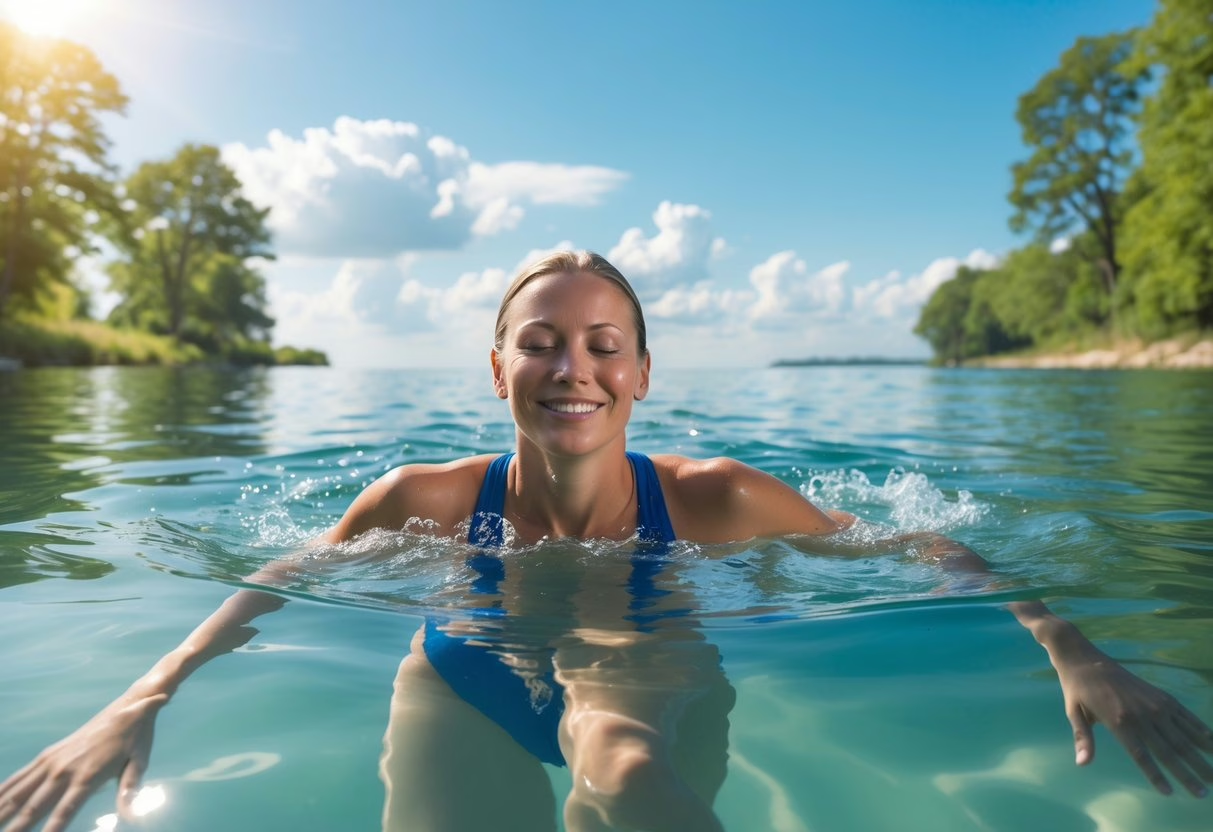
Natural water environments demand focused attention that promotes mindfulness and present-moment awareness. Cold water, current changes, and natural surroundings require swimmers to concentrate fully on immediate sensations and environmental conditions.
The sensory intensity of outdoor swimming naturally draws attention away from daily worries and mental distractions. Water temperature, wave patterns, and physical sensations create an immersive experience that grounds swimmers in the present moment.
Swimming in the sea or rivers engages the body’s stress response systems in controlled ways that promote resilience. Cold water exposure triggers physiological responses that can improve mood regulation and stress tolerance.
Present-moment awareness benefits:
- Reduced rumination and worry patterns
- Enhanced sensory engagement and body awareness
- Natural meditation through rhythmic movement
- Improved emotional regulation through environmental focus
Studies show stronger improvements in mood and wellbeing following each outdoor swimming session compared to indoor alternatives. The combination of physical activity, natural environment, and mindful attention creates powerful wellbeing outcomes that extend beyond the swimming experience itself.
Physical Health and Immunity Advantages
Swimming in cold natural waters triggers specific bodily responses that strengthen immune function and build physical resilience. These adaptations help the body defend against illness whilst improving overall health markers.
Strengthening the Immune System
Cold water exposure during open water swimming activates the body’s immune response in measurable ways. The sudden temperature change stimulates white blood cell production. These cells are essential for fighting infections and diseases.
Regular cold water swimmers show boosted immune system function through reduced hormone overproduction that typically impairs immunity. This makes the body more resistant to common infections.
Key immune benefits include:
- Higher white blood cell count
- Improved infection resistance
- Reduced inflammatory responses
- Enhanced recovery from illness
The shock of cold water also increases noradrenaline levels. This hormone boost helps regulate immune cell activity. Swimmers who regularly enter cold water often report fewer colds and seasonal illnesses.
Studies show that people who swim in cold water year-round have stronger immune markers than those who avoid cold exposure. The body adapts by becoming more efficient at temperature regulation and stress response.
Cold Water Swimming and Physical Resilience
Cold water and open water swim training makes body systems more efficient and effective. This improves the body’s defensive response to cellular damage.
The cardiovascular system adapts to cold water through improved circulation. Blood vessels become more responsive to temperature changes. Heart rate variability improves with regular cold exposure.
Physical adaptations include:
- Enhanced circulation patterns
- Improved cardiovascular efficiency
- Better stress hormone regulation
- Increased metabolic flexibility
Cold water swimming potentially reduces risks of serious health conditions. These include certain cancers, neurological disorders, and chronic respiratory diseases. The body’s improved defensive mechanisms help protect against cellular damage.
Regular swimmers develop better pain tolerance and stress management. The nervous system adapts to handle physical challenges more effectively. This resilience extends beyond swimming into daily life situations.
Community, Sociability, and Self-Esteem
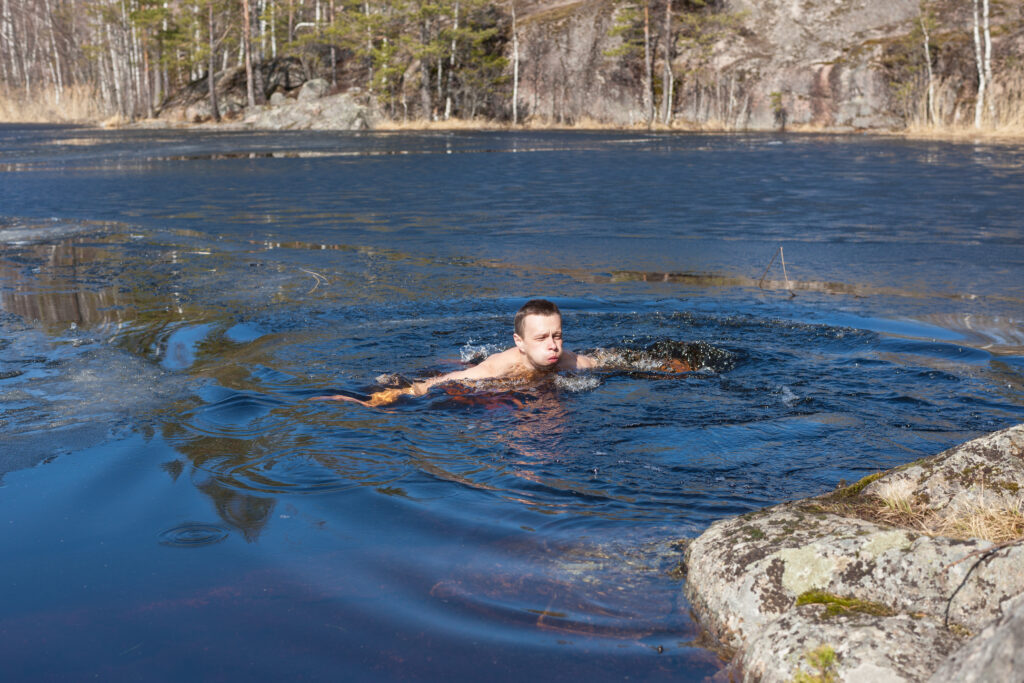
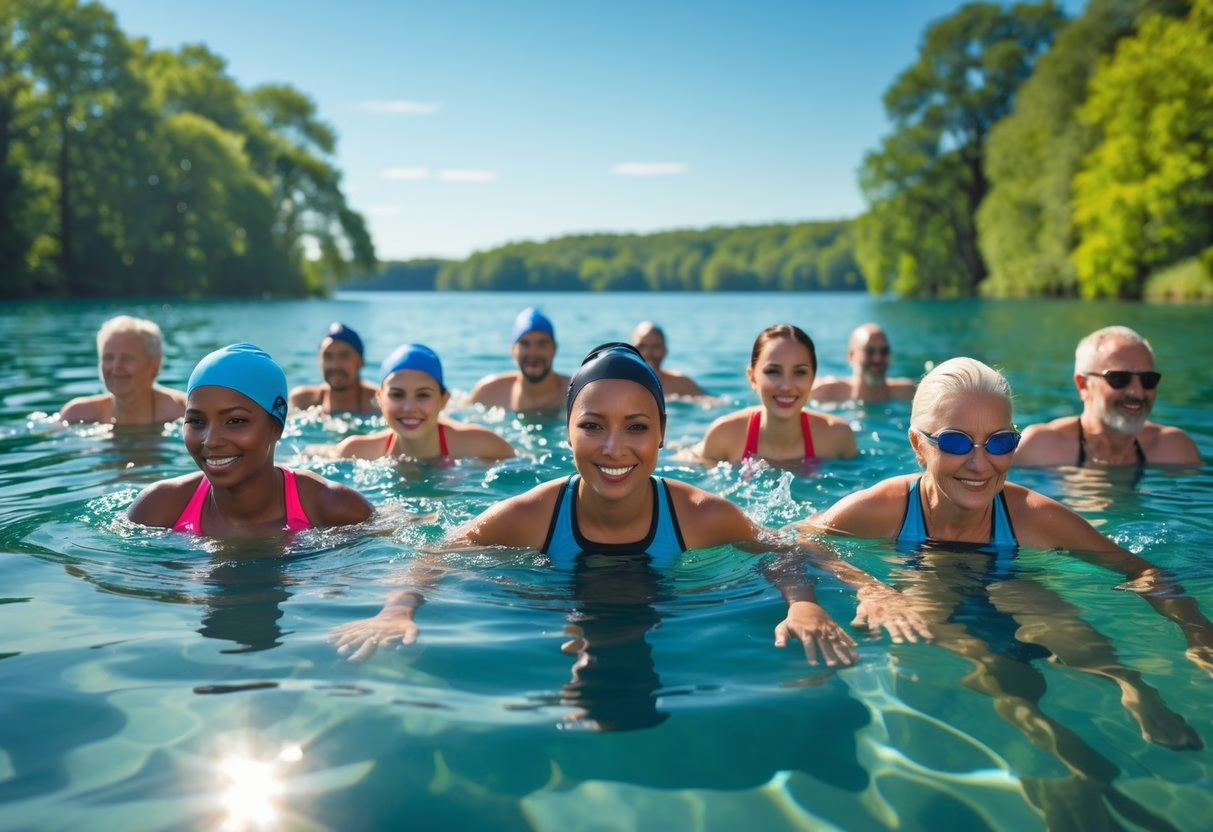
Open-water swimming creates strong bonds between swimmers who share challenging experiences in natural environments. Many swimmers report increased confidence from conquering fears and achieving personal goals in outdoor water settings.
Building Community Through Shared Experiences
Open-water swimming naturally brings people together through shared challenges and experiences. Swimmers often form tight-knit groups that support each other through cold water sessions and difficult conditions.
The sport attracts diverse groups of people who might not otherwise meet. Age, fitness level, and background become less important when everyone faces the same cold water together.
Key social benefits include:
- Regular group swims that build friendships
- Mentoring relationships between experienced and new swimmers
- Supportive communities that encourage safety and progression
- Shared knowledge about local swimming spots and conditions
Many swimmers describe feeling part of something special. The social wellbeing aspects of open-water swimming create opportunities for togetherness as like-minded swimmers become friends.
Swimming groups often extend beyond the water. Members meet for warm drinks after swims, organise social events, and provide emotional support during difficult times.
Boosting Self-Confidence and Achievement
Open-water swimming presents mental and physical challenges that build confidence when overcome. Each swim in natural water requires courage and determination.
Swimmers frequently report feeling proud after completing swims in challenging conditions. Cold water, waves, or longer distances become personal achievements that boost self-esteem.
The sport helps people push beyond perceived limitations. Many swimmers discover they can handle much colder water or swim further than they initially believed possible.
Confidence-building elements include:
- Overcoming fear of cold water and natural environments
- Setting and achieving distance or temperature goals
- Learning new skills like navigation and safety techniques
- Building physical and mental resilience
Research shows that being active improves mood and increases self-esteem. Open-water swimming amplifies these benefits through its unique challenges and sense of adventure.
Regular swimmers often report feeling more capable in other areas of life. The mental strength developed in cold water transfers to everyday situations and challenges.
Considerations for Safe Open Water Swimming
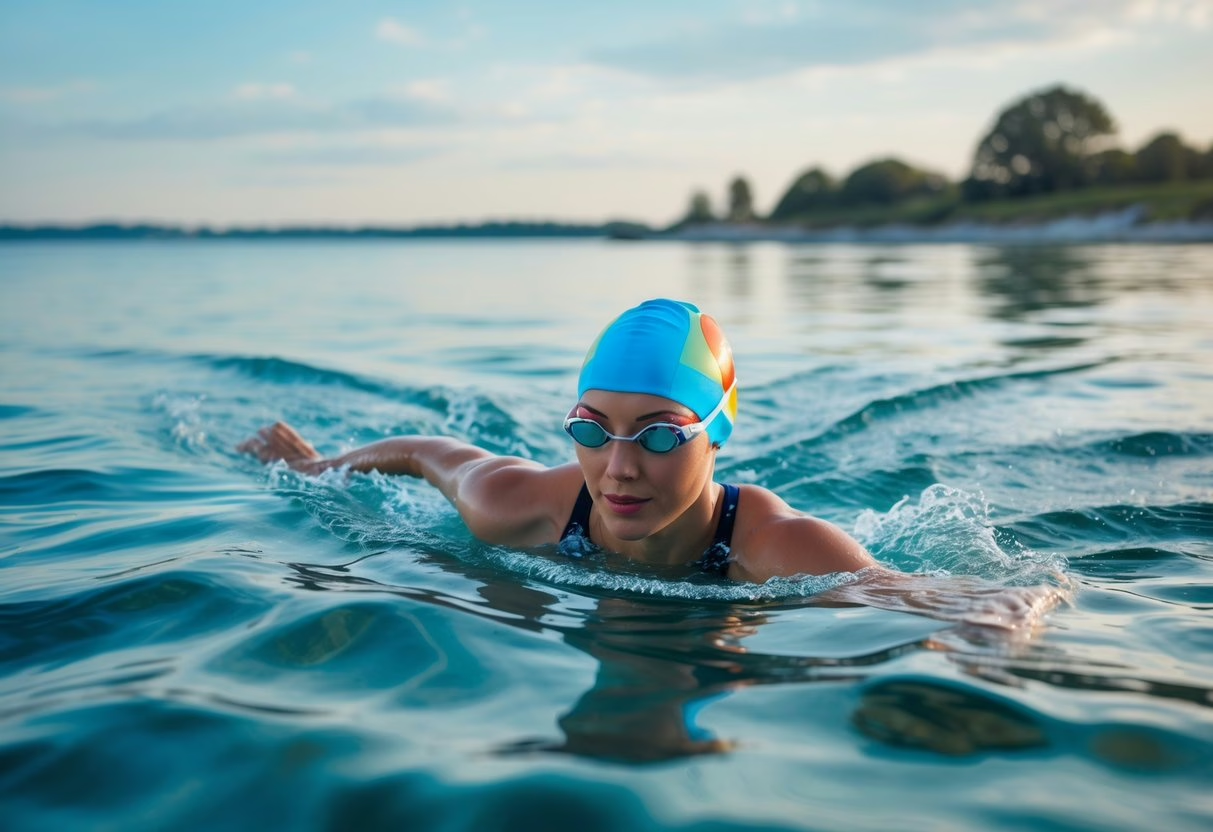
Safe open water swimming requires understanding personal boundaries and having the right equipment. Proper preparation and realistic assessment of swimming ability help prevent dangerous situations in natural water environments.
Recognising and Managing Personal Limits
Swimmers must honestly assess their abilities before entering open water. Cold water can reduce swimming performance by up to 50% compared to heated pools.
Physical readiness indicators:
- Swimming 400 metres continuously in a pool
- Treading water for 10 minutes without difficulty
- Previous experience with cold water exposure
New swimmers should stay within 25 metres of shore initially. Swimming with experienced partners provides safety backup and guidance.
Warning signs to exit immediately:
- Numbness in hands or feet
- Difficulty breathing or hyperventilation
- Confusion or disorientation
- Uncontrollable shivering
Water temperature below 15°C requires gradual acclimatisation over several sessions. Swimmers should limit initial cold water exposure to 2-3 minutes.
Preparation and Essential Equipment
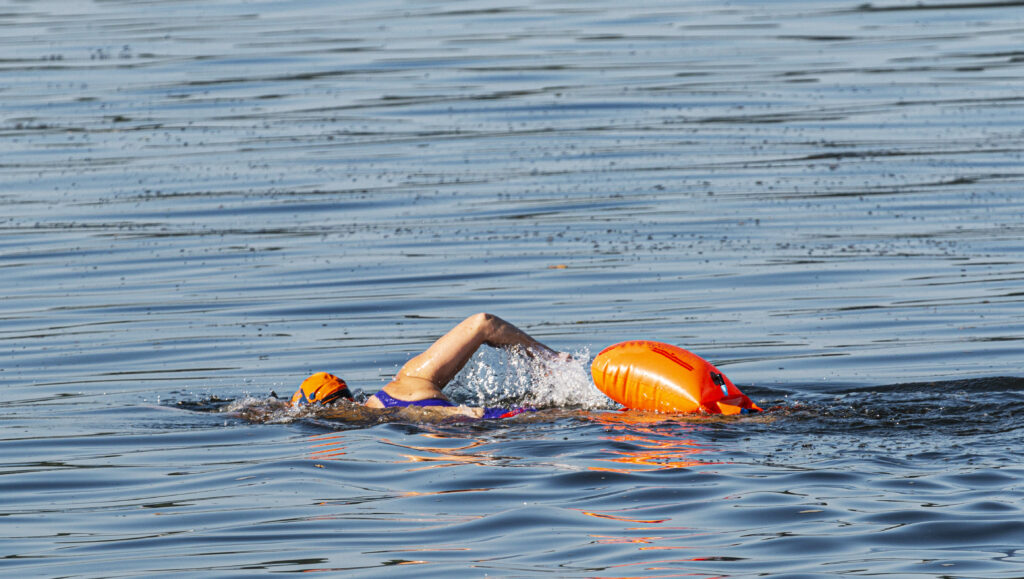
Essential safety equipment protects swimmers from hypothermia and visibility issues. A brightly coloured swim cap helps other water users spot swimmers easily.
Core equipment list:
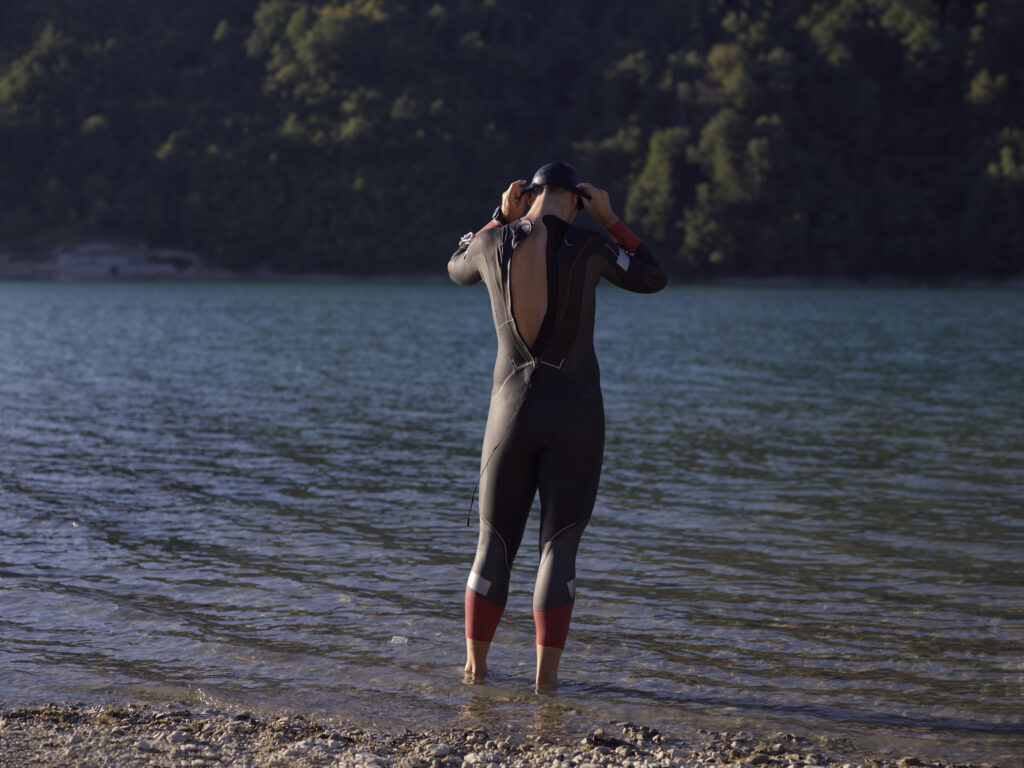
- Wetsuit for water below 18°C
- Bright swim cap (orange or pink work best)
- Goggles suitable for open water conditions
- Emergency whistle attached to swimwear
The top recommendations for safer open water swimming emphasise proper preparation saves lives.
Pre-swim preparation includes checking weather conditions and water temperature. Strong winds create dangerous currents even in familiar locations.
Entry and exit points should be identified before swimming begins. Rocky or muddy areas can become slippery and dangerous when wet.
Swimming buddy systems provide immediate assistance if problems occur. Solo swimming significantly increases risks in emergency situations.
Exploring Different Open Water Environments
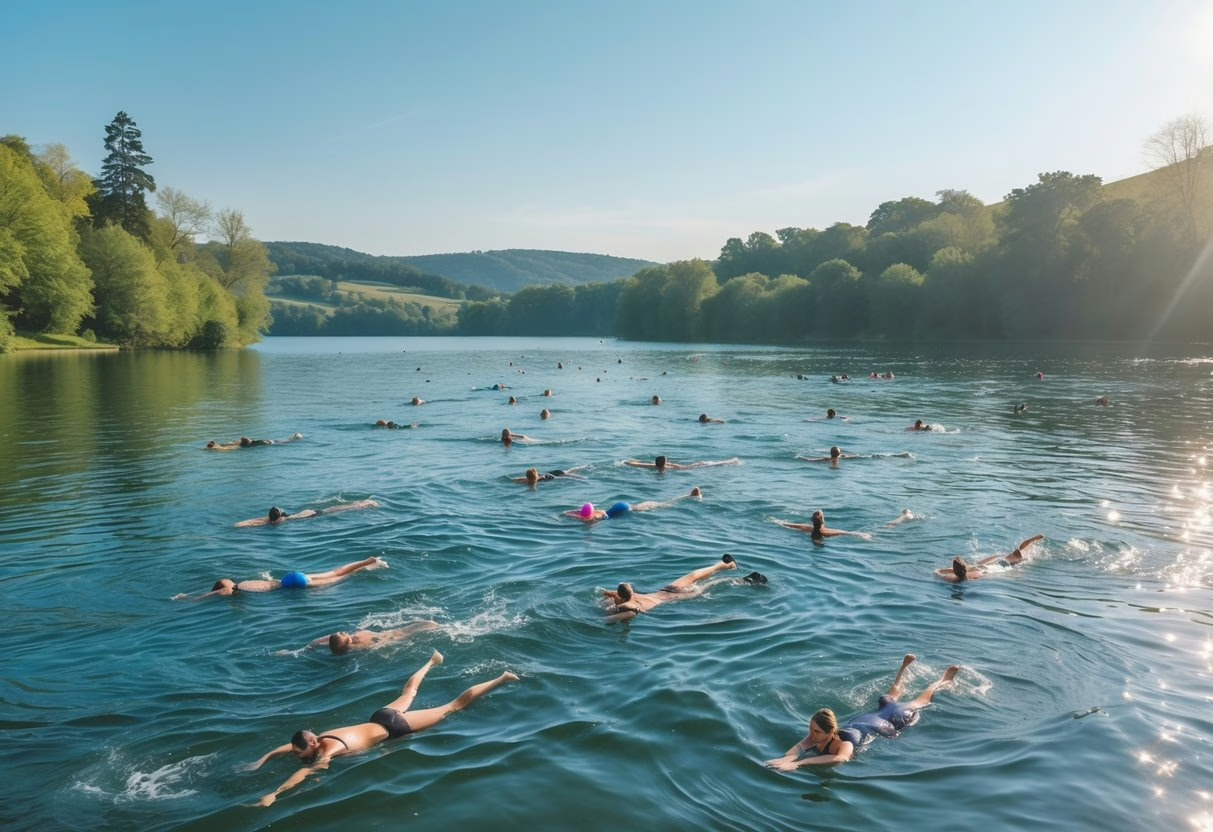
Different water environments offer unique benefits for mental wellbeing and physical health. Lakes and rivers provide calm, fresh water experiences whilst coastal waters deliver mineral-rich therapeutic properties.
Benefits of Swimming in Lakes and Rivers
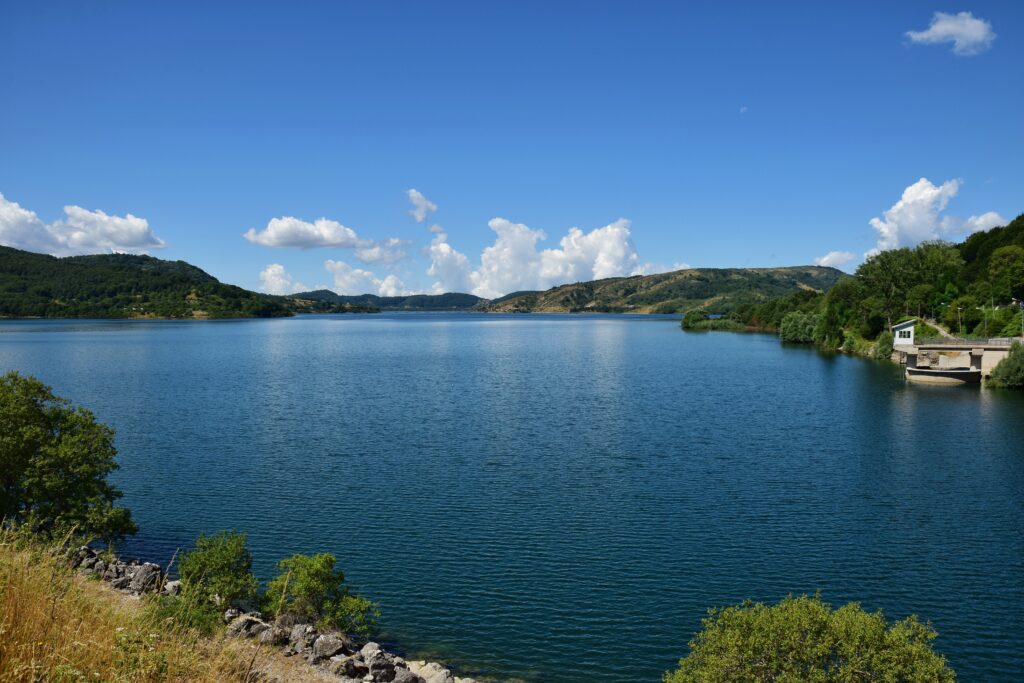
Lakes offer some of the most peaceful swimming experiences in nature. The still water creates a calm environment that helps reduce stress and anxiety levels.
Temperature Benefits:
- Cooler water temperatures boost circulation
- Cold exposure releases endorphins naturally
- Regular swimming builds cold tolerance over time
Rivers provide a different experience with gentle currents and flowing water. The movement creates a natural massage effect on the body whilst swimming.
Fresh water environments typically have fewer minerals than seawater. This makes them gentler on sensitive skin and eyes during longer swimming sessions.
Mental Health Advantages: Many swimmers find swimming in nature improves wellbeing and positive mood. Lakes and rivers often sit in quiet locations away from busy areas.
The natural surroundings include trees, wildlife, and clean air. These elements work together to create a therapeutic blue space experience.
Wild swimming in fresh water requires less equipment than pool swimming. Swimmers need only basic gear to enjoy these natural environments safely.
Healing Aspects of the Sea and Coastal Waters
Seawater contains high levels of minerals including magnesium, potassium, and sodium. These minerals absorb through the skin during swimming sessions.
Mineral Benefits:
- Magnesium helps relax muscles and reduce tension
- Salt water can improve skin conditions
- Natural minerals support better sleep patterns
Research shows that sea swimming improves wellbeing and mood whilst reducing anger. The combination of minerals and wave movement creates unique therapeutic effects.
Coastal environments offer additional sensory benefits. The sound of waves provides natural white noise that calms the mind.
Wave Therapy: The natural rhythm of waves creates a meditative swimming experience. Swimmers must focus on timing and breathing, which promotes mindfulness.
Tidal movements provide varying water depths and conditions. This variety keeps swimming sessions interesting and challenging.
Salt water also provides natural buoyancy that makes swimming easier. People with joint problems often find coastal swimming more comfortable than other activities.
The sea offers year-round swimming opportunities in many locations. Regular coastal swimming builds physical resilience and mental strength over time.
Frequently Asked Questions
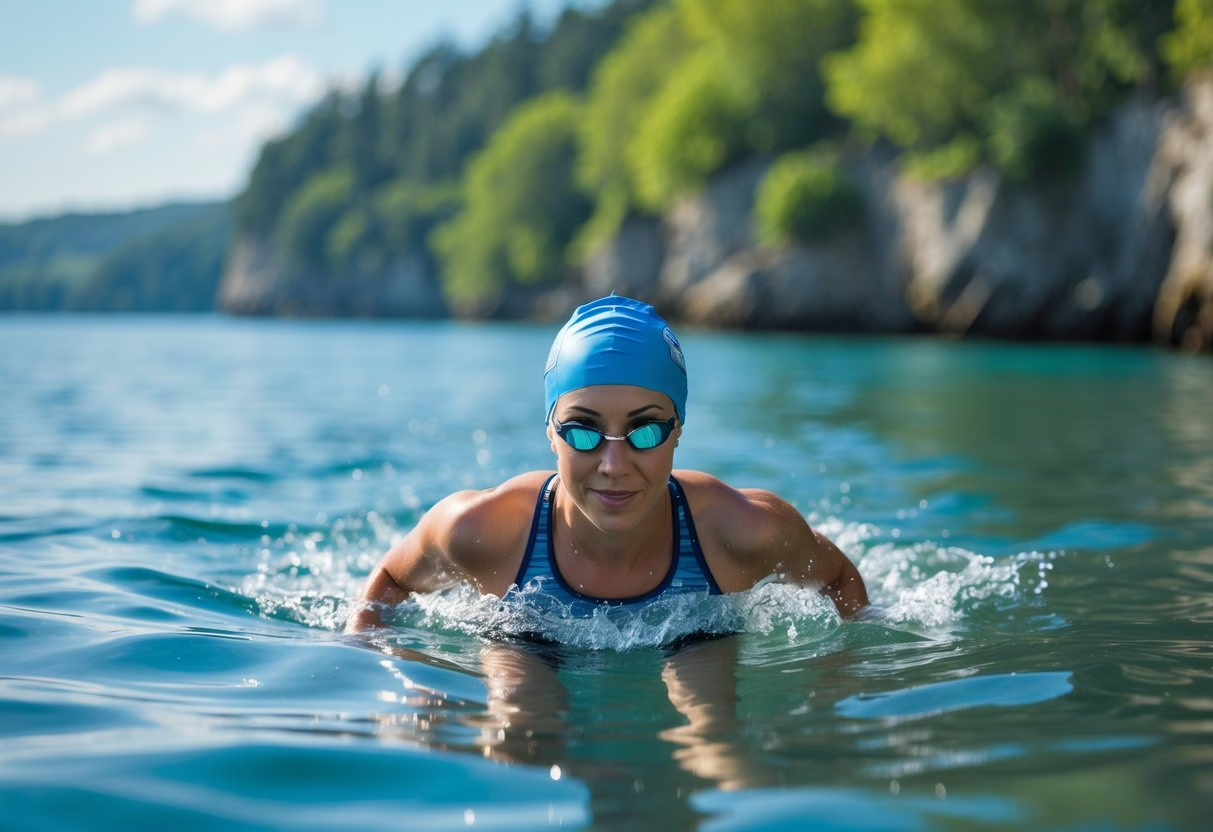
Open water swimming delivers specific mental health benefits through hormone release, stress reduction, and connection with nature. The practice combines physical activity with mindfulness whilst cold water exposure triggers unique physiological responses that enhance mood and mental clarity.
How does open water swimming contribute to improved mental health?
Open water swimming improves wellbeing and positive mood states through multiple mechanisms. The activity releases endorphins and serotonin, which are natural mood-boosting chemicals in the brain.
Regular swimmers experience reduced symptoms of depression and anxiety. Swimming in natural waters helps reduce stress, anxiety, and depression according to research findings.
The combination of physical exercise and natural environment exposure creates a powerful therapeutic effect. Many participants report lasting improvements in their overall mental health and emotional stability.
What are the psychological benefits of engaging in regular open water swimming?
Open water swimming reduces negative mood states such as tension, anger, fatigue and promotes positive emotional experiences. Swimmers develop increased resilience and improved emotional regulation over time.
The activity builds confidence and self-efficacy through overcoming challenges. Each swim session provides a sense of achievement that transfers to other areas of life.
Social connections often form naturally amongst open water swimming communities. These relationships provide additional psychological support and reduce feelings of isolation.
Can open water swimming be a form of mindfulness or meditation in motion?
Open water swimming naturally encourages present-moment awareness. Swimmers must focus on breathing patterns, stroke rhythm, and environmental conditions, which creates a meditative state.
The repetitive nature of swimming strokes promotes mindful movement. Water temperature, currents, and surrounding sounds demand full attention, eliminating mental distractions.
Many swimmers describe entering a flow state during longer swims. This meditative quality helps quiet racing thoughts and provides mental clarity that extends beyond the swimming session.
In what ways does open water swimming impact stress and anxiety levels?
Swimming releases feel-good hormones and may help with stress response. The physical activity helps metabolise stress hormones like cortisol and adrenaline.
Cold water exposure activates the body’s natural stress adaptation systems. Regular exposure builds tolerance and improves the body’s ability to manage stress in daily life.
The rhythmic breathing required for swimming activates the parasympathetic nervous system. This triggers the body’s relaxation response and reduces anxiety symptoms.
How does the practice of cold water immersion in open water swimming affect mood and mental clarity?
Cold water immersion triggers the release of noradrenaline, a hormone that enhances focus and alertness. This creates improved mental clarity that can last for hours after swimming.
The shock of cold water activates brown fat tissue, which produces heat and releases mood-enhancing chemicals. Regular cold exposure builds resilience to physical and mental stressors.
Many swimmers report increased energy levels and improved cognitive function following cold water swims. The practice appears to enhance both immediate alertness and long-term mental performance.
What role does the natural environment play in the therapeutic effects of open water swimming?
Open-water swimming shows significantly higher positive well-being than open-air pool swims, highlighting the importance of natural settings. Blue spaces provide unique sensory experiences that enhance therapeutic benefits.
Natural water environments offer constantly changing conditions that engage multiple senses. The sounds, sights, and sensations of lakes, rivers, or seas create rich therapeutic experiences.
Connection with nature reduces mental fatigue and promotes psychological restoration. The natural environment provides a sense of escape from urban stressors and technological demands.