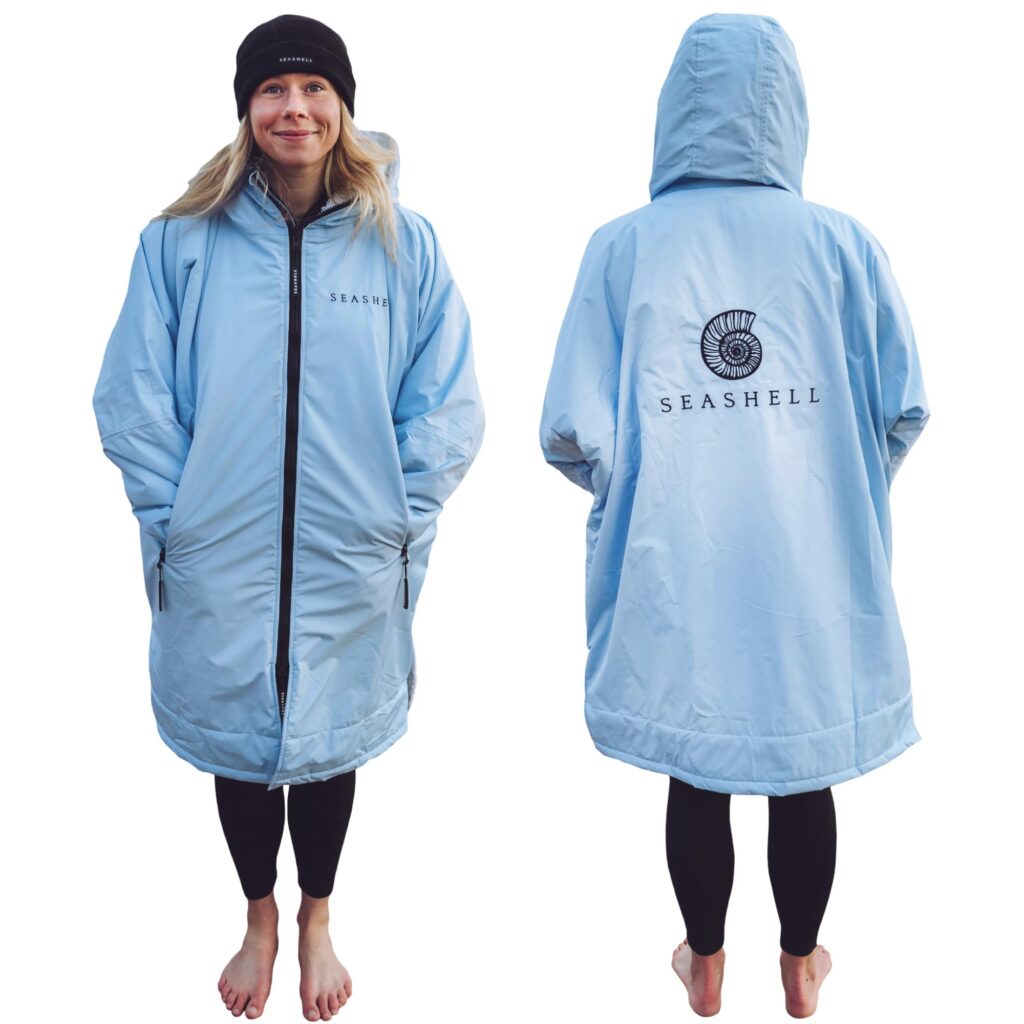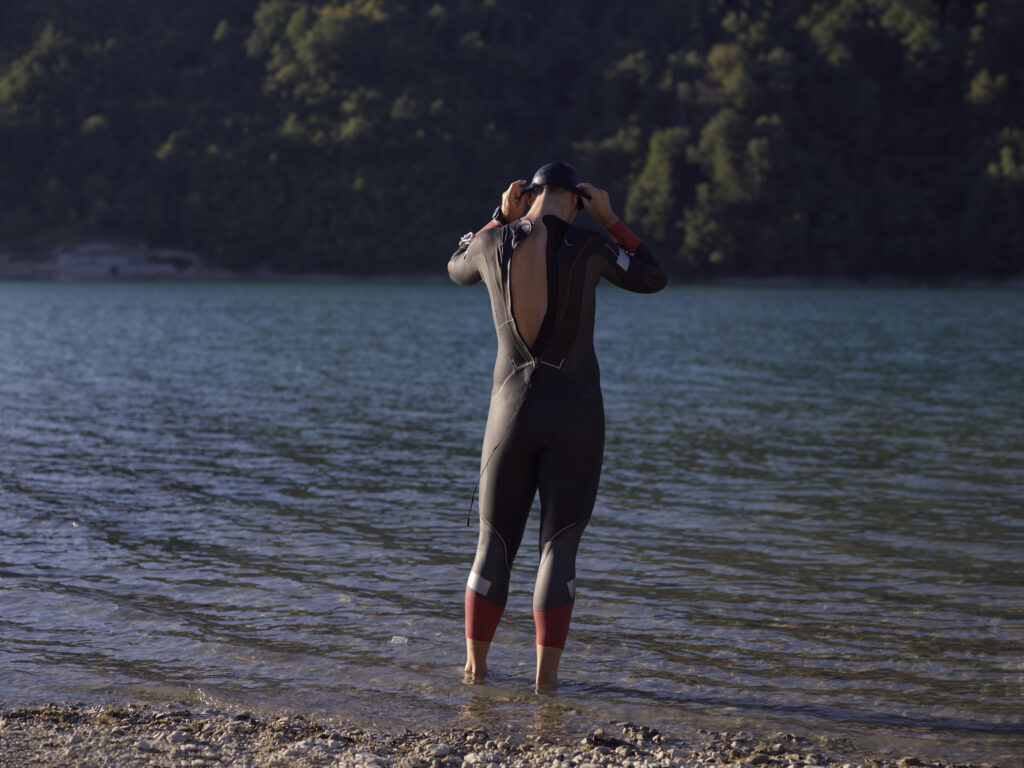
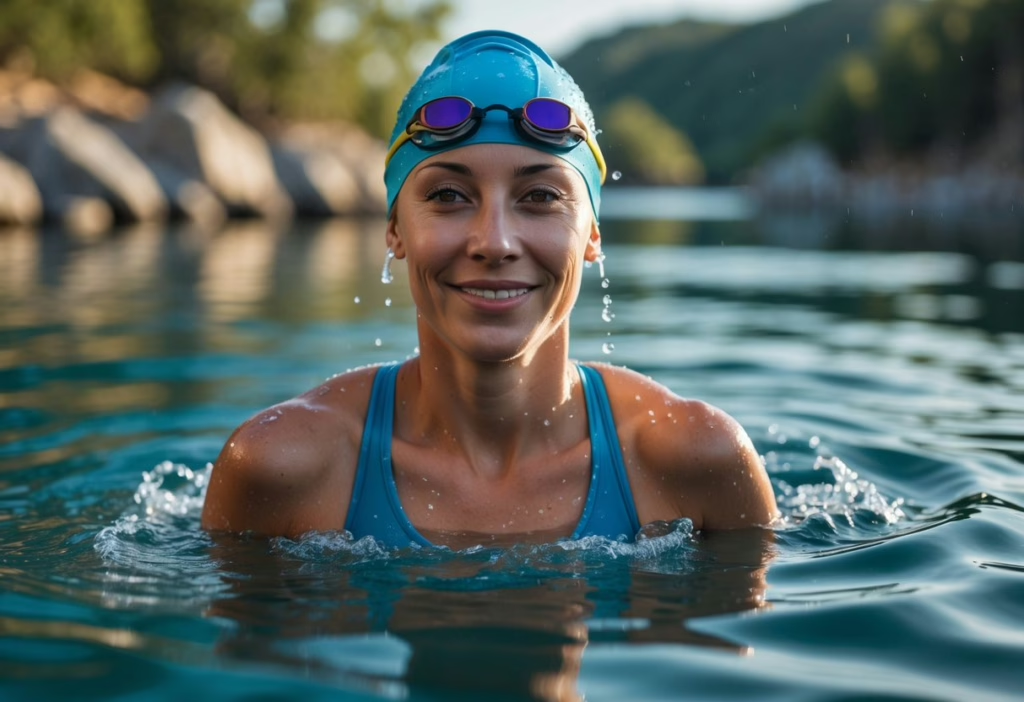
Cold water swimming has gained attention for its potential effects on the body, particularly regarding blood flow and cardiovascular function. Regular cold water swimming can improve circulation by causing your blood vessels to constrict and then dilate, which strengthens your cardiovascular system and helps move blood more efficiently throughout your body. When you enter cold water, your body immediately responds by working harder to maintain core temperature, which affects how blood moves through your system.
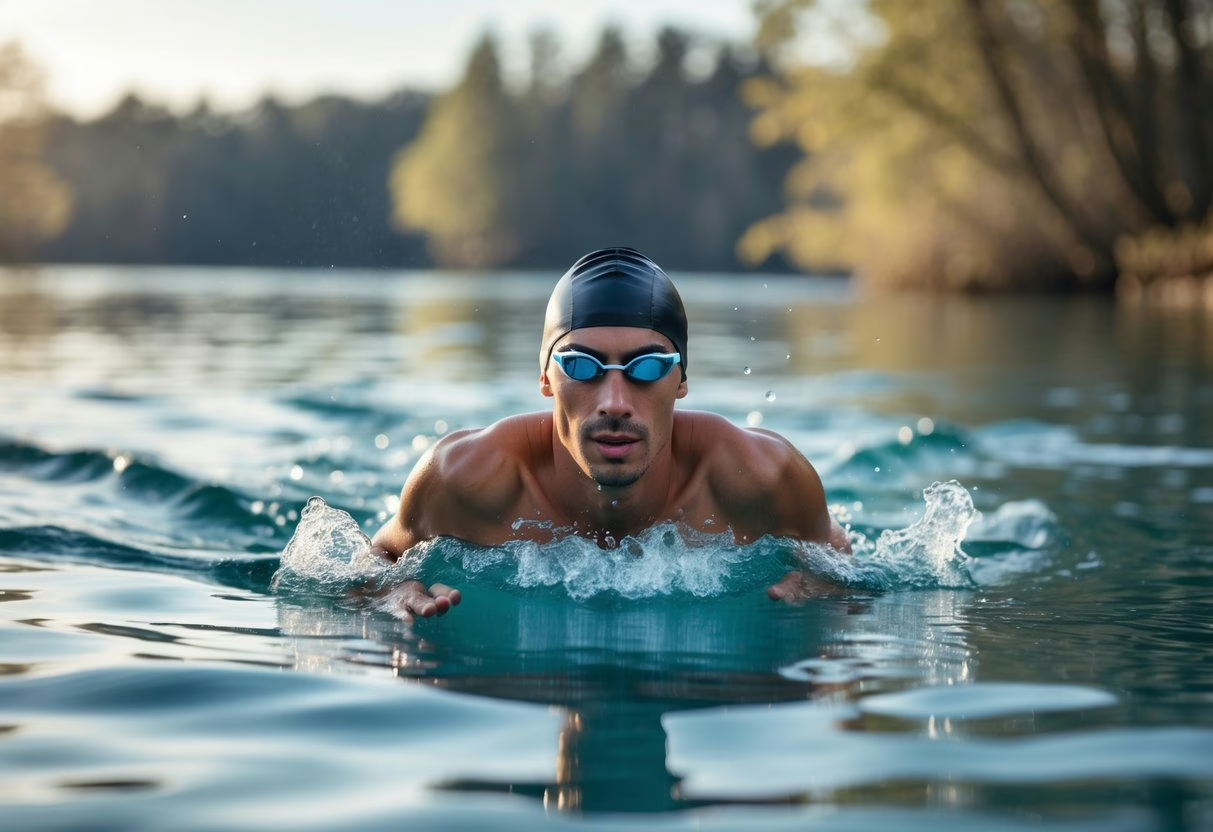
The practice involves more than just improved circulation. Cold water swimming can improve blood pressure and fat levels in the blood when done regularly by people in good general health. Your heart rate increases as your body adapts to the temperature change, creating a workout effect for your cardiovascular system.
Understanding both the benefits and risks is essential before you start. The immediate shock of cold water creates significant physiological changes that affect your heart, breathing, and blood vessels. This article explores how cold water swimming impacts circulation, what happens in your body during exposure, the science behind the cardiovascular effects, and practical guidance for safely incorporating this activity into your routine.
How Cold Water Swimming Affects Circulation
When you enter cold water, your body triggers immediate changes in blood flow to protect your core temperature. These responses involve your blood vessels narrowing and widening in specific patterns that can strengthen your circulatory system over time.
Immediate Vascular Responses
Your body reacts within seconds of cold water immersion. Your blood vessels constrict rapidly to reduce heat loss from your skin. This process redirects blood away from your extremities towards your vital organs.
Your heart rate increases as your cardiovascular system works harder to maintain core temperature. Blood pressure rises during this initial phase as your vessels narrow. Your breathing may become rapid during your first experiences with cold exposure.
The shock response typically lasts for one to three minutes. After this period, your body begins to adapt if you remain in the water. Your circulation changes continue as your body works to move blood around to keep your core warm.
Long-Term Adaptations to Circulatory Health
Regular cold water swimming creates lasting changes in how your circulatory system functions. Cold water immersion may reduce body fat and improve insulin sensitivity, which supports overall cardiovascular health.
Your blood vessels become more efficient at responding to temperature changes. This adaptation means improved circulation throughout your body with consistent practice. The repeated cycle of constriction and dilation acts as a workout for your vascular system.
Studies suggest that cold water exposure may help reduce insulin resistance. This effect could provide protective benefits against metabolic diseases. However, you should note that research continues on these long-term health outcomes.
Vasoconstriction and Vasodilation Explained
Vasoconstriction occurs when smooth muscle in your blood vessel walls contracts. This narrows the vessels and reduces blood flow to your skin and limbs. Your body uses this mechanism to preserve heat in your core during cold water exposure.
Vasodilation is the opposite process where blood vessels widen. This happens during rewarming after you exit the water. The acral parts of your body like hands and feet contain special vessels that regulate this process.
Your ability to rewarm varies based on individual physiology. Some people’s circulation adapts more quickly to cold water swimming than others. Always swim with a buddy when doing outdoor swimming to ensure safety during these vascular changes.
Physiological and Cardiovascular Benefits
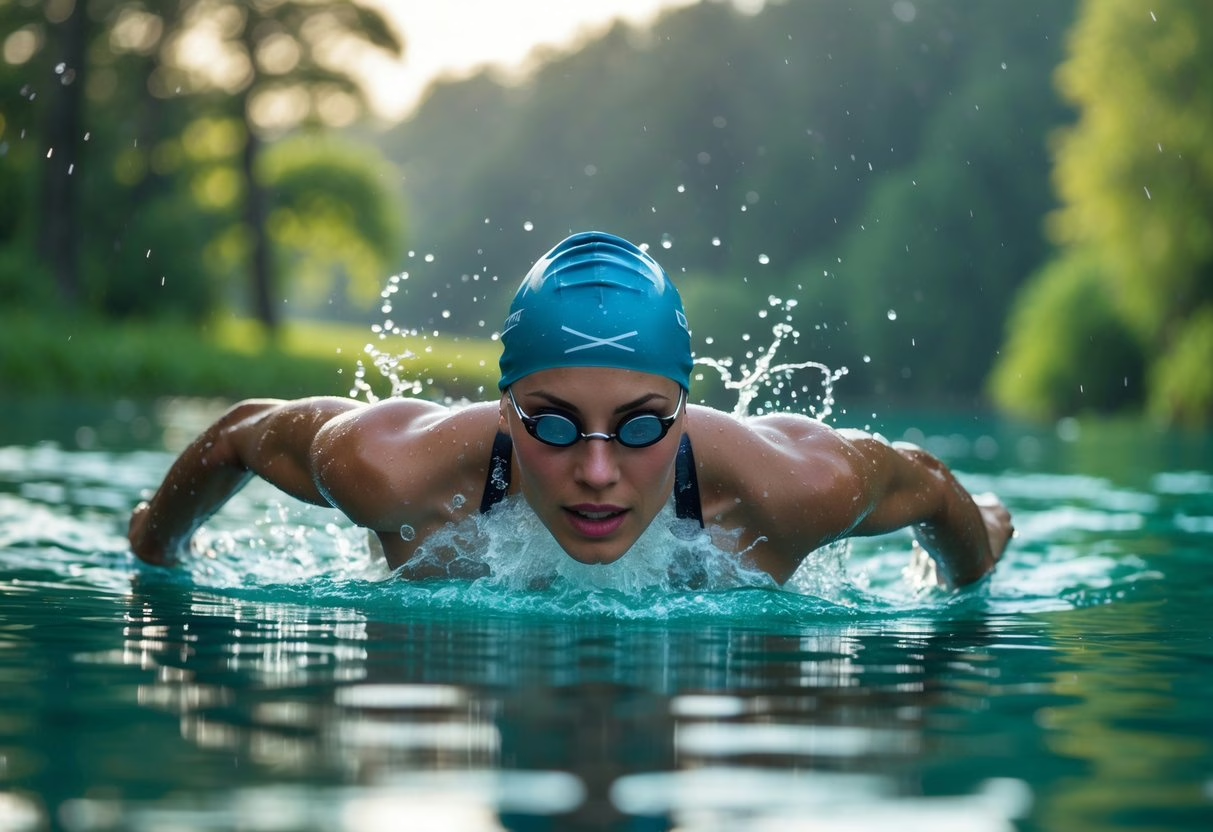
Cold water swimming triggers specific physiological responses that strengthen your cardiovascular system. Your heart adapts to the cold stress through improved efficiency, whilst your blood vessels become more resilient through repeated exposure.
Heart Health Improvements
When you enter cold water, your heart works harder to maintain body temperature. This controlled cardiovascular stress acts as a form of training for your heart muscle. Your heart rate initially increases during immersion, then adapts over time with regular practice.
Research shows that cold water swimmers develop stronger cardiac output. Your heart becomes more efficient at pumping blood throughout your body. This adaptation occurs because cold exposure forces your cardiovascular system to work against the vasoconstriction of peripheral blood vessels.
The repeated stress of cold immersion creates a conditioning effect similar to exercise training. Your heart muscle strengthens whilst maintaining its ability to respond quickly to temperature changes.
Blood Pressure Regulation
Cold water immersion affects your blood pressure through vasoconstriction, the narrowing of blood vessels. When you first enter cold water, your blood vessels constrict to preserve core body temperature. This causes a temporary rise in blood pressure.
However, regular cold water exposure may help regulate blood pressure over time. Your blood vessels become more responsive and adaptable through repeated cold exposure. This vascular conditioning improves your circulation system’s ability to regulate blood flow.
Long-term cold water swimmers often show better blood pressure control compared to non-swimmers. The cardiovascular adaptations help your body manage the stress response more efficiently.
Reduced Risk of Cardiovascular Disease
Studies suggest cold water immersion may reduce certain cardiovascular risk factors amongst experienced swimmers. Cold exposure appears to improve insulin sensitivity and reduce insulin resistance. These metabolic improvements can protect against obesity and related cardiovascular complications.
Cold water swimming may help reduce body fat and transform adipose tissue. Lower body fat percentages contribute to decreased cardiovascular disease risk. The combination of improved metabolic function and enhanced vascular health provides protective effects.
Regular swimmers often demonstrate better overall cardiovascular health markers. However, more research is needed to establish definitive causal relationships between cold water swimming and disease prevention.
Potential Risks and Safety Considerations
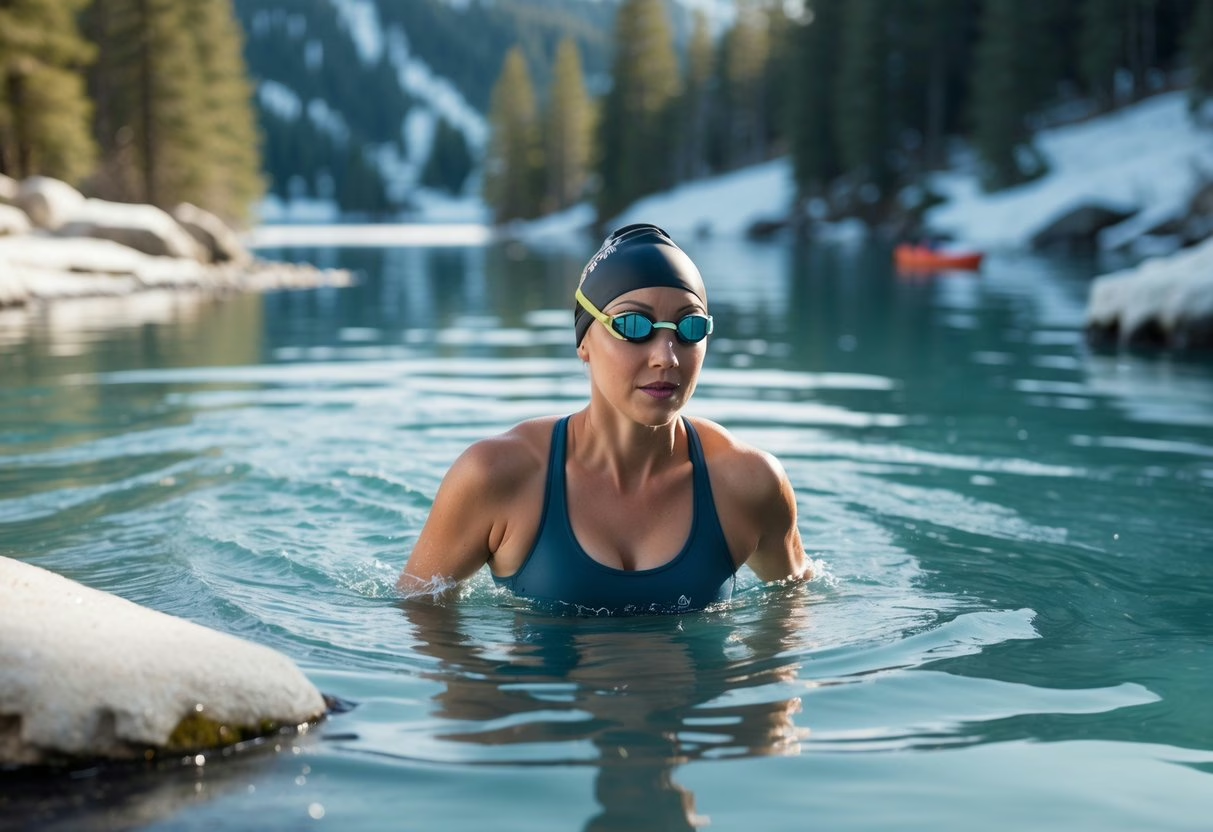
Cold water swimming presents serious physiological challenges that require careful understanding and preparation. The most critical dangers occur within the first few minutes of immersion and can affect your breathing, heart rhythm, and core body temperature.
Cold Water Shock and Cold Shock Response
Cold water shock occurs within the first few minutes after you enter cold water. This response is triggered by a rapid drop in your skin temperature.
Your body reacts with an involuntary gasp followed by hyperventilation. You may take in as many as two to three litres of air per minute. This dramatic increase in breathing rate makes it difficult to hold your breath or control your breathing.
Cold shock also causes the release of stress hormones and sudden increases in blood pressure. The cold shock response increases your risk of drowning, particularly if you gasp whilst your head is underwater. These harmful changes to breathing and circulation represent the most dangerous phase of cold-water immersion.
Arrhythmia and Heart Rhythm Disorders
Cold exposure places significant stress on your cardiovascular system. Your heart has to work harder to maintain blood flow whilst blood vessels constrict in response to the cold.
This sudden cardiovascular strain can trigger abnormal heart rhythms. If you have a heart condition, you should discuss risks with your doctor before starting cold water swimming. People with underlying heart problems, high blood pressure, or diabetes face elevated risks.
The combination of cold shock response and increased cardiac workload creates conditions that may lead to serious arrhythmias. Even healthy individuals can experience irregular heartbeats during the initial immersion phase.
Hypothermia and Exposure Risks
Hypothermia develops when your core body temperature drops below 35°C. Your body loses heat much faster in water than in air, making prolonged cold-water immersion particularly dangerous.
Your body first attempts to maintain temperature through vasoconstriction. When this proves insufficient, shivering begins at a core temperature around 36.2°C. If you continue swimming, your core temperature will continue to fall.
Early hypothermia symptoms include intense shivering, loss of coordination, and confusion. Severe hypothermia impairs your judgement and physical ability to exit the water safely. The time you can safely spend in cold water depends on water temperature, your body composition, and your level of cold adaptation.
The Role of the Sympathetic Nervous System and Hormonal Effects
When you plunge into cold water, your body activates the sympathetic nervous system and releases specific hormones that directly affect your circulation and overall physical state. These chemical messengers trigger immediate changes in blood flow and vessel behaviour whilst also influencing your mental well-being.
Adrenaline and Norepinephrine Release
Your body responds to cold water immersion by releasing adrenaline and norepinephrine through activation of the sympathetic nervous system. These hormones cause your blood vessels to constrict in a process called vasoconstriction, which redirects blood away from your skin and extremities towards your vital organs.
The release of norepinephrine increases during cold adaptation, according to research on how the sympathoadrenal system responds to cold. This hormone stimulates heat production in brown fat tissue and skeletal muscle. Your heart rate increases and your metabolism speeds up to generate more body heat.
Studies examining cardiovascular autonomic function during cold exposure show these responses become more efficient with repeated exposure. Your circulation adapts to handle the stress more effectively over time.
Endorphins and Dopamine for Wellbeing
Cold water swimming triggers the release of endorphins and dopamine, which improve your mental well-being beyond the physical circulatory benefits. These natural chemicals create feelings of euphoria and alertness after you leave the water.
The short-term stress from cold-water immersion may prime your nervous system with better coping mechanisms. This hormonal response can enhance your mood and reduce symptoms of depression and anxiety. Regular cold water swimmers often report improved mental clarity and increased energy levels that last for hours after swimming.
Additional Health Benefits Beyond Circulation
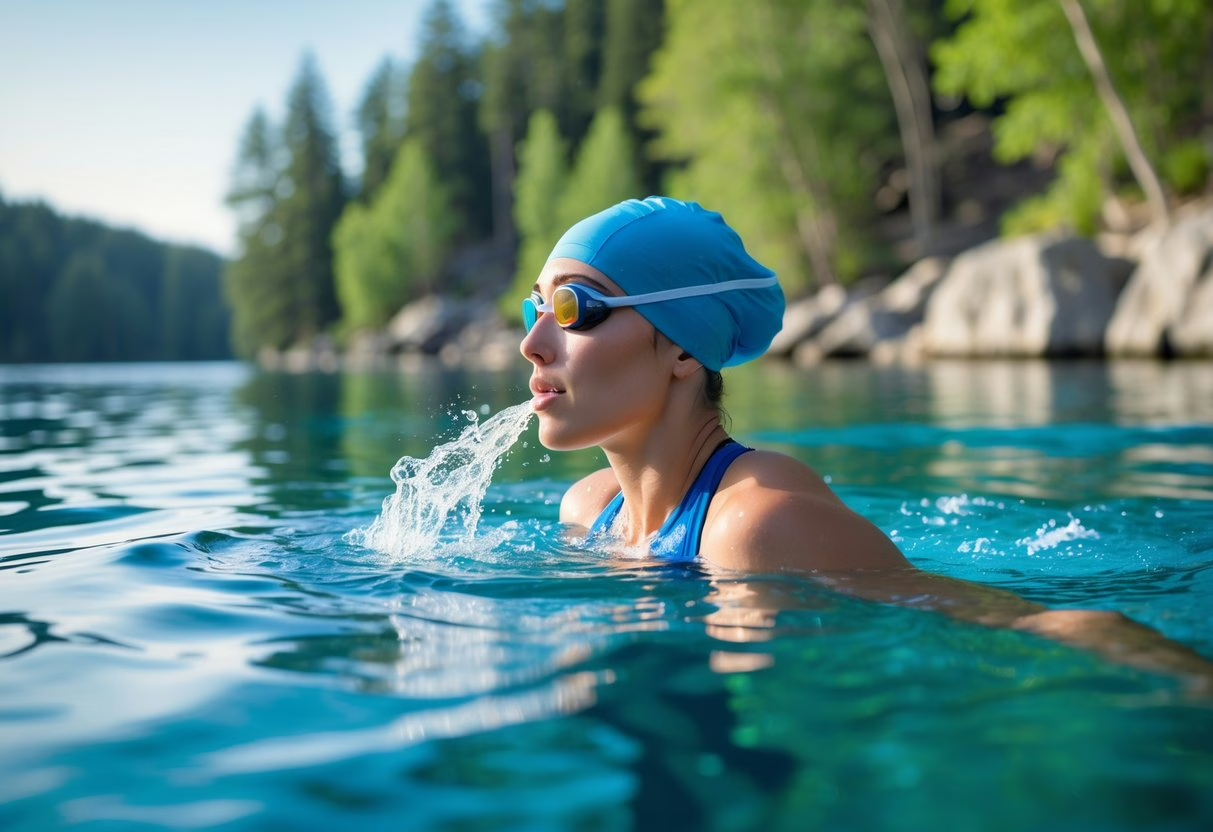
Cold water swimming triggers immune responses through white blood cell production, reduces post-exercise inflammation and soreness, and activates thermogenesis to support metabolic health and weight maintenance.
Boosting the Immune System
When you swim in cold water regularly, your body responds by producing more white blood cells. These cells are essential for fighting off infections and keeping you healthy. Research shows that cold water exposure can boost immunity by stimulating adaptive immune responses.
The shock of cold water activates your sympathetic nervous system. This triggers a cascade of physiological changes that strengthen your immune defences over time. Your body becomes better at responding to stressors and pathogens.
However, you should start gradually if you’re new to cold water swimming. Sudden exposure can initially stress your immune system rather than strengthen it. Build up your tolerance slowly to gain the protective benefits without overwhelming your body.
Reducing Inflammation and Muscle Soreness
Cold water swimming significantly reduces inflammation throughout your body. The cold temperature causes your blood vessels to constrict, which helps reduce swelling in muscles and joints. When you warm up afterwards, fresh blood flows back into these areas, flushing out inflammatory markers.
Athletes often use cold water immersion to speed up recovery after intense training. The practice alleviates muscle soreness and decreases markers of muscle damage like creatine kinase. You’ll likely notice less stiffness and discomfort in the days following a challenging workout.
Cold exposure also suppresses pro-inflammatory cytokines whilst enhancing anti-inflammatory responses. This dual action makes it particularly effective for managing exercise-induced inflammation. You may find that regular cold water swimming helps you recover faster between training sessions.
Weight Management and Metabolism
Cold water swimming activates brown adipose tissue in your body. This specialised fat generates heat through thermogenesis, burning calories in the process. When you’re exposed to cold water, your metabolism increases as your body works to maintain its core temperature.
The thermogenic effect of cold water swimming supports weight management by increasing your overall energy expenditure. Whilst it’s not a dramatic calorie burner on its own, regular cold water exposure can contribute to weight maintenance when combined with a balanced diet and exercise routine.
Your body also becomes more efficient at oxidising fat when regularly exposed to cold water. This metabolic adaptation helps with long-term weight control rather than rapid weight loss. Cold water swimming should be viewed as one component of a healthy lifestyle rather than a standalone solution for weight management.
Mental Health and Social Aspects
Cold water swimming triggers the release of endorphins and dopamine that elevate mood and reduce stress. Beyond these immediate chemical responses, regular practice builds mental resilience whilst connecting you with nature and like-minded swimmers.
Alleviating Depression and Anxiety
Cold water immersion creates an immediate physiological response that reduces anxiety and provides stress relief. When you enter cold water, your body releases endorphins and dopamine, which are natural chemicals that improve mood and create feelings of wellbeing.
Research indicates that cold water swimming can successfully treat major depressive disorder. Studies show that regular swimmers experience improved energy levels and decreased feelings of stress and fatigue. The shock of cold water requires mental focus, which helps distract from daily worries and negative thought patterns.
Many swimmers describe experiencing a “cold water high” after their swim. This euphoric state comes from the surge of mood-boosting hormones and often lasts for several hours following immersion.
Resilience and Mental Toughness
Stepping into cold water builds mental toughness through repeated exposure to discomfort. Each swim requires you to overcome the initial shock response, which strengthens your ability to face challenging situations in daily life.
The practice teaches controlled breathing and calmness under stress. You learn to manage your body’s natural panic response, developing greater emotional regulation over time. This mental discipline transfers to other areas of life, helping you handle difficult moments with increased composure.
Regular cold water swimmers report feeling more confident in their ability to cope with adversity. The sense of accomplishment after completing a cold water swim reinforces self-belief and demonstrates your capacity to push beyond perceived limits.
Connection to Nature and the Swimming Community
Swimming in natural waters creates a direct connection to nature that promotes holistic wellness. Immersing yourself in open water environments helps you feel grounded and present, reducing mental clutter whilst fostering mindfulness.
The social aspects of cold water swimming add another layer of mental health benefits. Joining swimming groups or clubs provides safety in numbers and creates strong social connections through shared experience. These communities offer encouragement, support and lasting friendships built around a common passion.
Swimming with others enhances both safety and enjoyment. Group members look out for one another whilst celebrating individual progress, creating a supportive environment that reinforces commitment to the practice.
Practical Tips and Popular Approaches
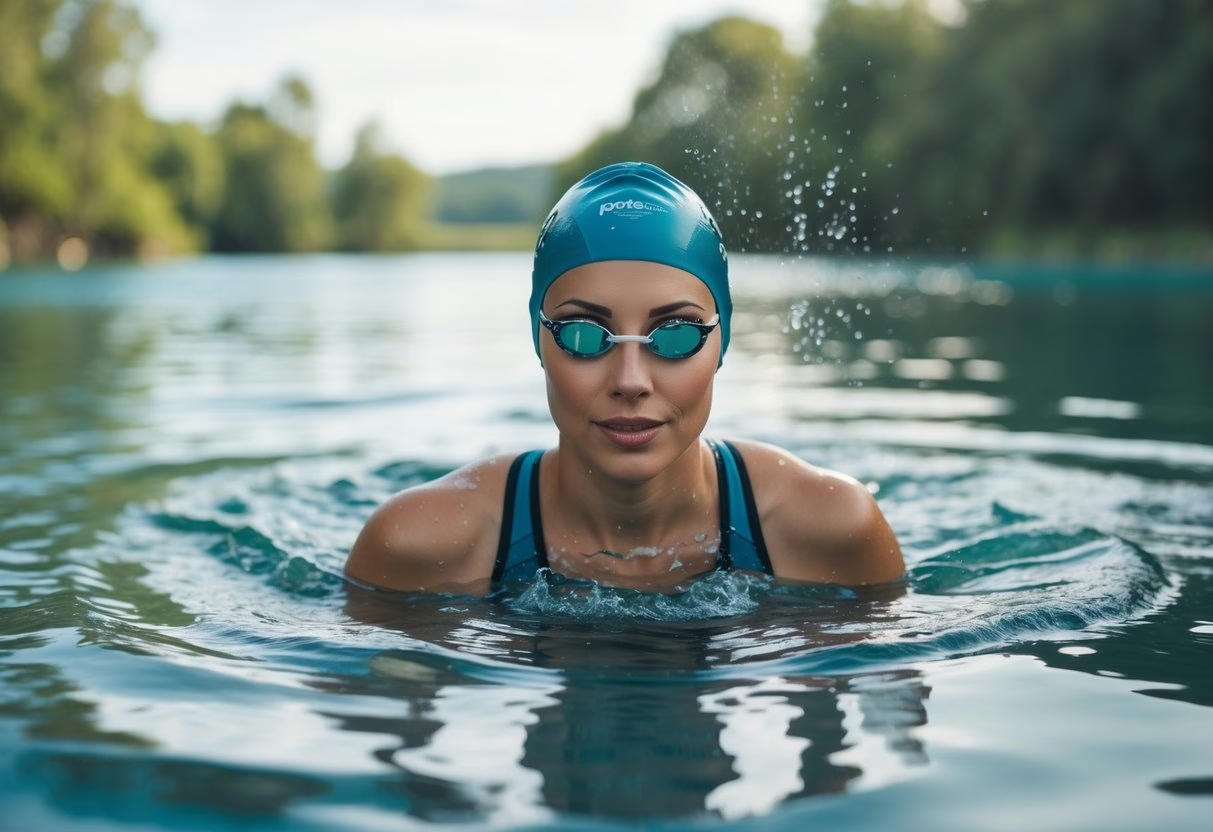
Starting cold water swimming requires proper techniques and gradual exposure to build tolerance safely. Controlled breathing methods and structured progression help your body adapt whilst minimising risks.
Safe Cold Water Dipping and Cold Showers
Cold water dipping offers an accessible entry point before attempting full swims. Start with brief cold showers at home, beginning with 30 seconds of cold water at the end of your regular shower. Gradually increase duration over several weeks as your body adapts.
Ice baths provide controlled cold exposure in a safe environment. Fill a bath with cold water and add ice to reach temperatures between 10-15°C. Limit initial sessions to 2-3 minutes whilst monitoring how you feel.
Enter the water slowly rather than plunging in suddenly. This approach helps you manage the initial shock response. Keep your hands and feet submerged, as these areas lose heat quickly and can become numb.
Always have warm clothes and towels ready before you start. Exit immediately if you experience excessive shivering, confusion, or numbness.
Breathing Techniques and the Wim Hof Method
The Wim Hof Method combines controlled breathing with cold exposure to help manage your body’s stress response. Before entering cold water, practise slow, deep breaths to calm your nervous system. This preparation helps prevent gasping when you first feel the cold.
Controlled breathing prevents dangerous responses during cold water shock. Focus on taking steady breaths through your nose rather than rapid, shallow breathing. Count your breaths to maintain rhythm and control.
When you first enter cold water, your breathing will naturally quicken. Concentrate on extending your exhales to activate your parasympathetic nervous system. This technique reduces panic and helps your circulation adjust more smoothly.
Gradual Adaptation and Outdoor Swimming Guidelines
Building tolerance takes weeks or months of consistent exposure. Start with water temperatures around 15-18°C for 30-60 seconds. Increase time by small increments each session rather than making large jumps.
Track your progress using a simple chart:
| Week | Duration | Water Temperature |
|---|---|---|
| 1-2 | 30-60 seconds | 15-18°C |
| 3-4 | 1-2 minutes | 13-15°C |
| 5-8 | 2-5 minutes | 10-13°C |
Never swim alone during outdoor sessions. Choose locations with easy exit points and calm water conditions. Avoid outdoor swimming in rough seas or strong currents until you’ve built significant experience.
Frequently Asked Questions
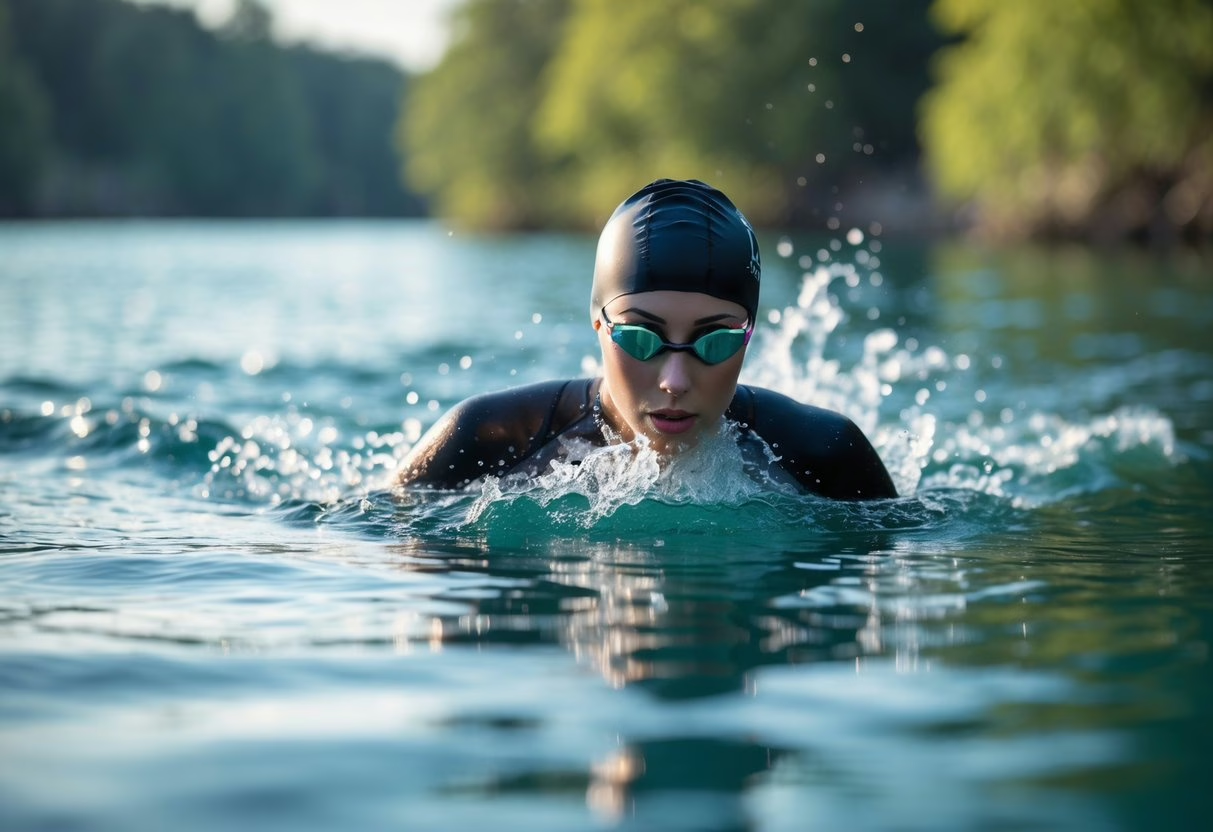
Cold water swimming triggers specific physiological responses that affect your blood vessels and heart function. Understanding these mechanisms helps you make informed decisions about starting or continuing this practice safely.
What are the health benefits of swimming in cold water for cardiovascular health?
Cold water swimming causes your blood vessels to constrict and then dilate. This process strengthens your cardiovascular system over time.
Regular cold water swimming can improve blood pressure and fat levels when practised consistently by people in good general health. Your heart becomes more efficient at pumping blood throughout your body.
The practice also increases your alertness and provides an endorphin rush. These immediate effects leave you feeling refreshed after each swim.
Can regular cold water immersion improve blood circulation?
Yes, cold water immersion stimulates blood flow and improves circulation. When you first enter cold water, your blood rushes through your body to surround your vital organs and keep them warm.
Your heart pumps blood more efficiently through all your vessels during this process. This improved circulation ensures your whole body receives the oxygen and nutrients it needs.
A daily dip increases your tolerance to cold water gradually. Your circulation continues to improve with consistent practice.
Are there any risks associated with cold water swimming for individuals with poor circulation?
Certain underlying health conditions are contraindications for cold water swimming. You should avoid cold water immersion if you have uncontrolled heart conditions or circulatory issues like Raynaud’s disease.
People with uncontrolled high blood pressure should also stay away from cold water swimming. Your first time in cold water might trigger shock responses that include rapid breathing and increased blood pressure.
Consulting a physician before beginning any cold water practice is important. Your doctor can assess whether this activity is safe for your specific health situation.
What is the scientific evidence behind the claim that cold water swimming enhances circulatory function?
Studies document that cold water exposure causes a physiological reaction in your body. Your blood vessels constrict when exposed to cold, then dilate afterwards.
This repeated constriction and dilation acts as exercise for your circulatory system. Some studies suggest cold water swimming benefits your immune system and boosts your metabolism as well.
Research shows that regular practice leads to improved cardiovascular function. However, these benefits apply primarily to individuals who are already in good general health.
How does cold water swimming affect the veins and arteries?
Cold water causes your blood vessels to constrict immediately upon entry. This response redirects blood flow towards your core to protect vital organs.
After you exit the water and warm up, your vessels dilate again. This cycle strengthens the elasticity of your veins and arteries over time.
The repeated exposure trains your cardiovascular system to become more responsive. Your blood vessels become better at regulating blood flow and temperature.
What precautions should be taken whilst swimming in cold water to maintain healthy circulation?
You must master your breathing before entering cold water. Controlled breathing helps your body regulate after the initial shock of cold water upon entry.
Start with shorter, more frequent dips to build tolerance gradually. Never swim alone—always have a buddy or swim within a supportive community.
If you have a heart condition, discuss the risks with your doctor or nurse specialist before starting. Exit the water immediately if you feel unwell, dizzy, or unusually cold during or after a swim.