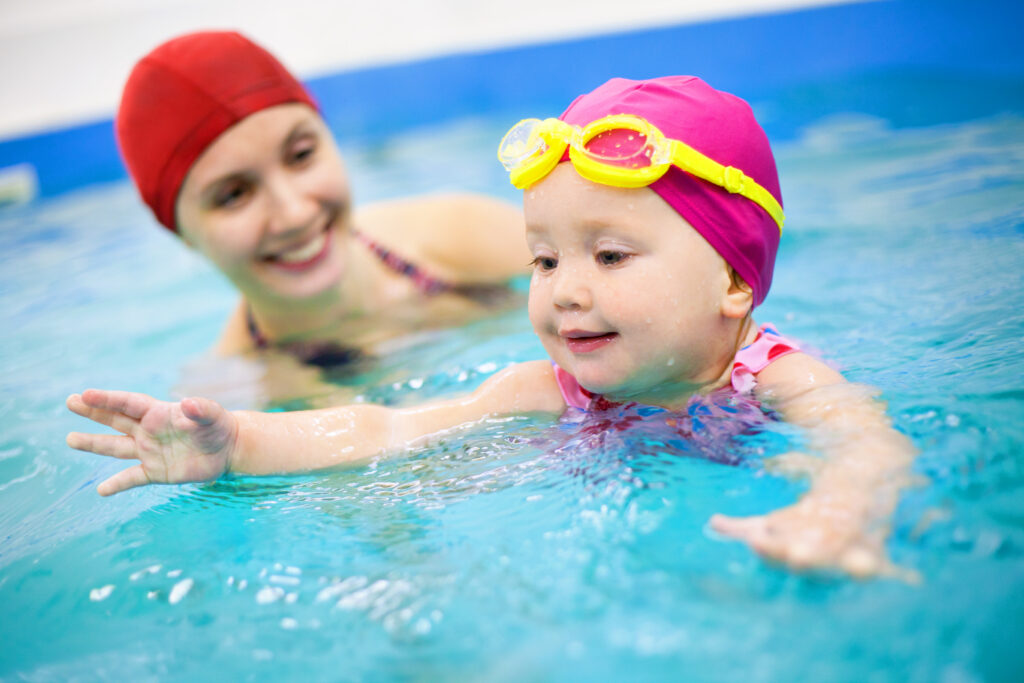

Starting a new year often brings the desire to improve your health and fitness. If you’re looking for an exercise that delivers real results without putting stress on your body, swimming deserves your attention. This low-impact workout works your entire body whilst being gentle on your joints.
Swimming combines cardiovascular training with muscle strengthening in a single activity, making it one of the most efficient exercises you can choose for your new year fitness goals. Whether you’re returning to exercise after a break or trying something completely new, the pool offers a welcoming environment for all fitness levels. You don’t need to be an expert swimmer to benefit from regular time in the water.
The benefits extend beyond physical fitness. Swimming can help reduce anxiety, improve your mood, and build lasting confidence. This guide will walk you through why swimming works as a perfect New Year’s resolution, how to get started with proper technique, and ways to stay motivated throughout the year.

Why Swimming Is the Ideal Exercise for a New Year Routine
Swimming delivers a complete workout that strengthens your entire body whilst protecting your joints from impact stress. The sport accommodates everyone from complete beginners to experienced athletes, making it one of the most accessible fitness options available.
Comprehensive Full-Body Workout
Swimming engages nearly every major muscle group in your body simultaneously. Your core, hip flexors, neck, arms, shoulders, chest, back, glutes, and legs all work together to propel you through the water.
Swimming laps freestyle can burn up to 704 calories per hour at a vigorous pace. If you prefer the butterfly stroke, you’ll burn as many as 774 calories per hour. Even at a moderate pace, you’ll burn approximately 281 calories per hour whilst treading water or doing gentle laps.
The water resistance provides natural strength training without requiring any equipment. Swimming builds cardiovascular fitness whilst simultaneously toning and strengthening muscles throughout your body. This dual benefit makes it an efficient choice when you’re limited on time.
Your respiratory system also gets a substantial workout. The hydrostatic pressure of water challenges your lungs and makes breathing more demanding than on land, which increases lung capacity and strengthens your heart muscle.
Gentle on Joints and Injury Prevention
The buoyancy of water reduces strain on your joints and muscle tissue significantly. Water supports your body weight, creating a hypogravity environment that minimises impact stress during exercise.
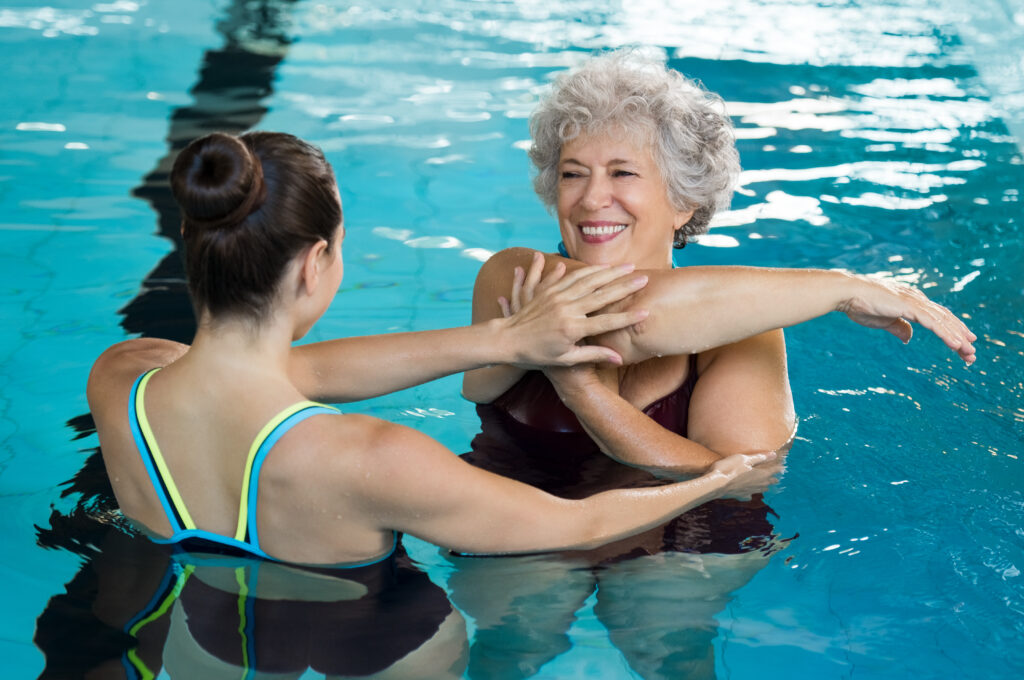
This low-impact nature makes swimming suitable for people with arthritis, multiple sclerosis, or those recovering from injuries. You can exercise vigorously without the wear and tear associated with running or high-impact sports.
The density of water provides support and reduces your risk of falling compared to land-based activities. This safety feature becomes particularly important if you’re overweight, elderly, or managing a condition that affects balance.
Swimming reduces the risk of traumatic fractures that commonly occur during high-impact exercises. The water’s resistance strengthens your muscles whilst protecting your skeletal system from the repetitive stress that damages joints over time.

Low Barrier to Entry for All Fitness Levels
You don’t need expensive equipment or memberships to start swimming. Most communities offer public pools, YMCAs, or leisure centres with affordable access.
Beginning swimmers can start with simple water walking or jogging before progressing to full laps. Many facilities offer lessons for adults who never learnt to swim or need to refresh their technique.
You can adjust the intensity easily by changing your speed, stroke, or duration. On days when you feel tired, swim at a gentle pace. When you have more energy, challenge yourself with faster laps or different strokes.
The exercise remains accessible regardless of your current fitness level or physical limitations. Water-based exercise programmes accommodate people with neurological, orthopaedic, cardiovascular, respiratory, or musculoskeletal conditions who might struggle with other forms of exercise.
Unique Health and Wellbeing Benefits of Swimming
Swimming works your entire body whilst supporting your joints in ways that land-based exercises cannot match. The water’s natural resistance builds strength, improves heart health, and creates a calming environment that benefits your mind as much as your muscles.
Cardiovascular and Respiratory Improvements
Swimming strengthens your heart and lungs through sustained aerobic activity. When you swim, your heart pumps blood more efficiently throughout your body, which reduces your resting heart rate over time.
Your breathing patterns during swimming directly improve your lung capacity. You learn to control your breath and take in more oxygen with each inhale. This training helps your respiratory system work more effectively during both exercise and rest.
Research shows that swimmers may live longer compared to sedentary individuals. Regular swimming sessions of 30 minutes can reduce your risk of chronic illnesses like heart disease and type 2 diabetes.
The rhythmic nature of strokes like breaststroke particularly benefits your cardiovascular system. Each stroke cycle requires coordinated breathing that challenges and strengthens your heart and lungs simultaneously.

Enhanced Muscle Strength and Flexibility
Water provides natural resistance that’s 12 times greater than air, making every movement a strength-building exercise. Your arms, legs, core, and back all engage during swimming, creating a balanced full-body workout.
Swimming develops lean muscle mass without the joint stress that comes from weights or running. The water supports up to 90% of your body weight, allowing you to exercise longer without fatigue or injury risk.
Different strokes target different muscle groups. Breaststroke particularly works your chest, shoulders, and inner thighs whilst improving hip flexibility. Front crawl builds shoulder strength and core stability.
Your flexibility naturally increases as you stretch through each stroke. The unique properties of water allow for a greater range of motion than many land-based activities, which helps maintain joint mobility as you age.
Supporting Mental Health and Reducing Stress
Swimming creates a meditative state through repetitive movement and controlled breathing. The rhythmic nature of your strokes helps clear your mind and reduce anxiety levels.
The water itself has calming properties that aid in relaxation. Being immersed creates a sensory experience that temporarily disconnects you from external stressors and daily worries.
Physical activity in water releases endorphins that improve your mood and mental wellbeing. Studies indicate that regular swimming helps manage symptoms of depression and anxiety whilst boosting self-esteem.
The pool environment also offers social opportunities that combat isolation. Whether you join a swimming club or simply chat with regular pool-goers, these connections support your mental health alongside the physical benefits of exercise.
Getting Started: Building Confidence and Skills in the Pool
Starting your swimming journey means learning proper techniques, understanding different strokes, and creating realistic targets that keep you motivated throughout the year.
Learning the Basics with Swimming Lessons
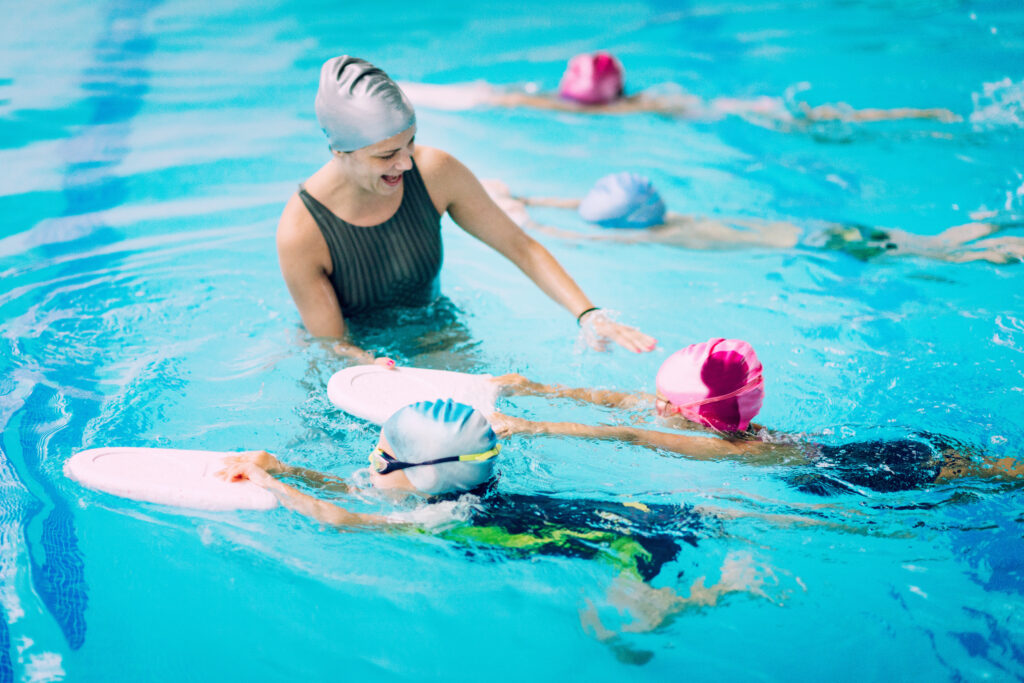
Swimming lessons give you the foundation you need to feel safe and comfortable in the water. A qualified instructor can teach you proper breathing techniques, body positioning, and water safety skills from day one.
Adult swimming programmes focus on your specific needs and concerns. You’ll learn at your own pace without the pressure of keeping up with others. Many pools offer classes designed for beginners or adults returning to swimming after years away.
Basic skills in swimming build confidence and make the entire learning process more enjoyable. Your instructor will help you understand how to float, control your breathing, and move efficiently through the water.

Key skills you’ll learn include:
- Floating on your front and back
- Controlled breathing and breath control
- Basic water treading
- Pool safety and emergency procedures
- Relaxation techniques in water
Mastering Essential Swim Strokes
Once you’re comfortable in the water, you can start learning different swimming strokes. Each stroke works different muscle groups and offers unique benefits for your fitness routine.
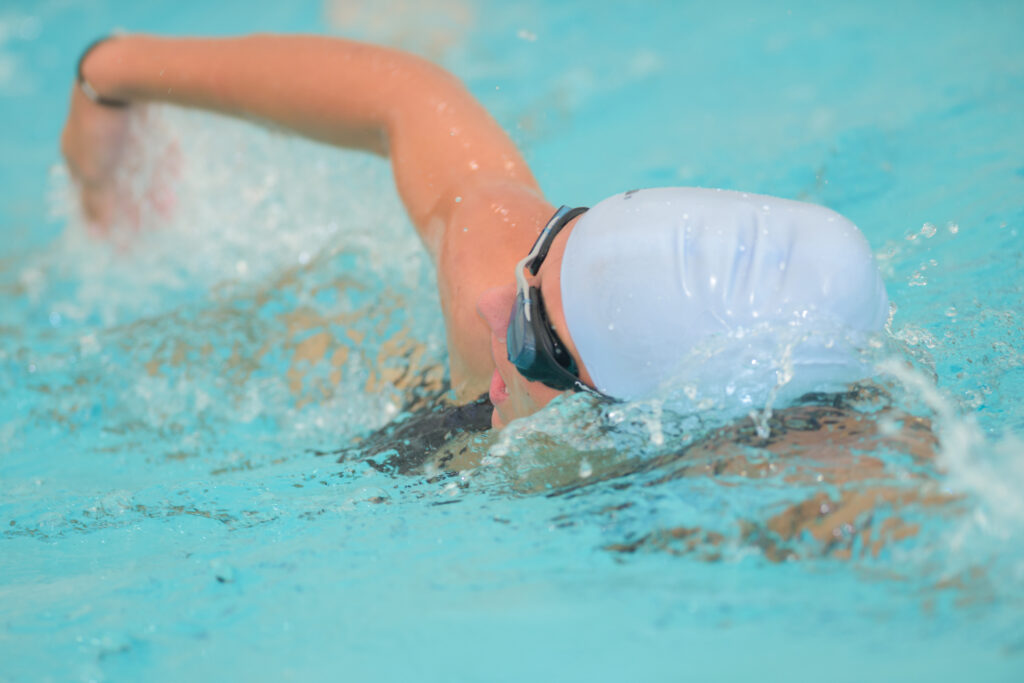
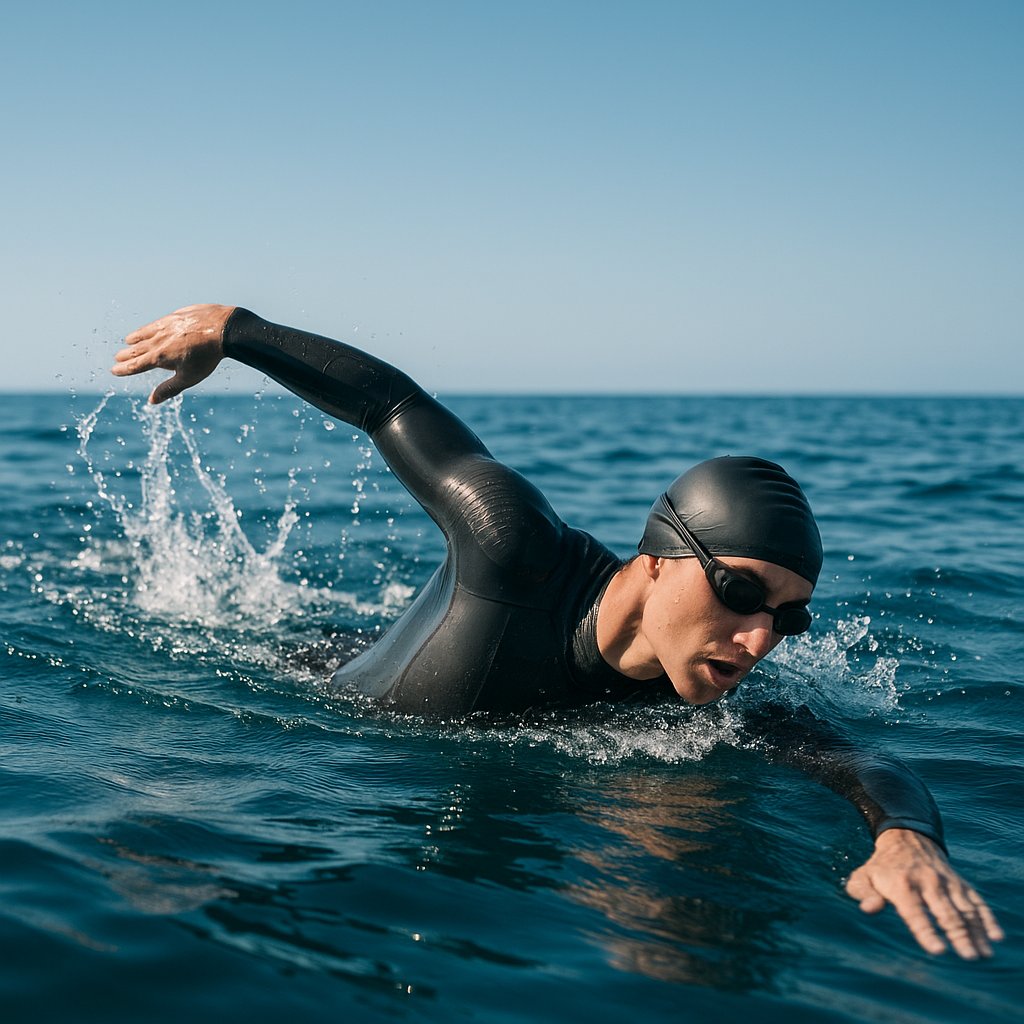
Front crawl is often the first stroke beginners learn. It’s efficient and builds cardiovascular fitness quickly. Focus on keeping your head aligned, taking long smooth strokes, and breathing rhythmically.
Backstroke provides a good alternative when your shoulders need a rest. It strengthens your back muscles and improves posture. Breaststroke offers a gentler option that’s easier on your joints whilst still providing a solid workout.
Mix different strokes to:
- Reduce muscle strain
- Keep workouts interesting
- Work various muscle groups
- Build overall swimming ability
Setting Achievable Goals for the New Year
Setting clear New Year swimming goals helps you stay motivated and track your progress. Start small rather than overwhelming yourself with ambitious targets.
Your first goal might be swimming one length of the pool without stopping. Once you achieve that, aim for two lengths, then four. Build up slowly over weeks rather than days.
Plan to swim two to three times per week for 20 to 30 minutes. Consistency matters more than intensity when you’re starting out. Celebrate small improvements like swimming an extra length or perfecting your breathing technique.
Track your progress in a simple notebook or phone app. Write down how many lengths you completed, which strokes you practised, and how you felt afterwards. This record shows how far you’ve come and keeps you accountable to your new fitness routine.
Staying Consistent and Motivated in Your Fitness Journey
Building a swimming routine requires more than initial enthusiasm. Success comes from creating habits that fit your lifestyle, measuring your improvements, and keeping each session fresh enough to maintain your interest throughout the year.
Establishing Sustainable Habits
Prioritise consistency over intensity when starting your swimming routine. You don’t need to swim every day to see results. Three 30-minute sessions per week can improve cardiovascular health and build strength without overwhelming your schedule.
Set a regular swimming schedule that works with your commitments. Morning swimmers often find it easier to stay consistent because fewer conflicts arise early in the day. Evening sessions work better if you prefer winding down after work.
Start with achievable distances and gradually increase them. If you can only manage four lengths initially, that’s your starting point. Adding one or two lengths each week creates sustainable progress without burnout.
Make your swimming gear easily accessible. Keep your swim bag packed and ready by the door. This simple step removes a common barrier that prevents people from following through on their plans.
Tracking Progress and Celebrating Milestones
Record your swimming sessions in a journal or fitness app. Note the distance covered, time spent, and how you felt during each swim. This data reveals patterns and shows improvement over weeks and months.
Key metrics to track:
- Number of lengths completed
- Total distance per session
- Time taken for specific distances
- Stroke improvements
- Energy levels post-swim
Set short-term goals alongside your longer ones. Completing your first 500 metres without stopping deserves recognition just as much as swimming a kilometre does. These smaller victories maintain motivation during the journey.
Review your progress monthly rather than daily. Swimming fitness develops gradually, and weekly comparisons can feel discouraging. Month-to-month changes reveal genuine improvements in endurance and technique.
Keeping Workouts Enjoyable and Varied
Mix different strokes throughout your sessions to engage various muscle groups. Alternating between front crawl, breaststroke, and backstroke prevents monotony whilst providing a more balanced workout.
Join a swimming club or find a swimming partner. Social accountability makes you more likely to stay consistent with your routine. Shared goals and friendly competition add enjoyment to each session.
Try interval training to break up longer swims. Sprint one length, then swim two lengths at a moderate pace. This variation makes time pass quickly and improves both speed and endurance.
Use equipment like kickboards, pull buoys, or fins occasionally. These tools target specific areas and add novelty to your routine. They also help you focus on technique improvements without the full-body demand of regular swimming.
Incorporating Swimming into a Comprehensive Fitness Routine
Adding swimming to your fitness plan works best when paired with other training methods. A balanced approach that includes strength work, varied activities, and proper rest helps you achieve better results without overtraining.
Combining Swimming and Strength Training
Swimming provides excellent cardiovascular benefits, but pairing it with strength training exercises enhances your overall performance. Focus on exercises that target muscle groups used in swimming, such as pull-ups, push-ups, and lat pulldowns for upper body power.
Key strength exercises for swimmers:
- Pull-ups: 2-3 sets of 8-12 repetitions for back and shoulders
- Planks: Hold for 30-60 seconds to build core stability
- Squats: 2-3 sets of 10-15 repetitions for leg power
Schedule your strength sessions 2-3 times weekly on days when you’re not doing intense swim workouts. This prevents muscle fatigue and allows adequate recovery time between sessions.
Resistance training builds muscular strength that translates to more powerful strokes and improved endurance in the pool. You’ll generate more force with each movement whilst reducing your risk of common swimming injuries.
Cross-Training Benefits for Year-Round Results
Cross-training with activities beyond swimming creates a well-rounded fitness routine that prevents boredom and reduces repetitive strain. Cycling and rowing work similar muscle groups whilst giving overused swimming muscles a break.
Adding different forms of exercise such as running or yoga improves your overall fitness and performance. Running builds leg strength differently than swimming, whilst yoga enhances flexibility and range of motion.
Aim for 2-3 cross-training sessions weekly alongside your regular swimming workouts. This frequency maintains variety without compromising recovery time. You can alternate between high-impact activities like running and low-impact options like cycling based on how your body feels.

Balancing Intensity and Recovery Effectively
Listen to your body’s signals during training to avoid overexertion and injury. If you feel fatigued or experience discomfort, reduce the intensity or take an extra rest day.
Gradually increase your swim workout duration and intensity over time rather than jumping into aggressive training. Start with shorter sessions and build up as your fitness improves.
Recovery considerations:
- Take at least one full rest day per week
- Alternate high-intensity and low-intensity training days
- Get adequate sleep to support muscle repair
- Stay properly hydrated before and after workouts
Track your progress using a swim log or fitness app to monitor distance, time, and how you feel during each session. This helps you identify patterns and adjust your training schedule accordingly. Recovery is just as important as the workout itself for long-term success.
Tips for Making the Most of Your Swimming Workouts
Getting proper technique right and choosing appropriate gear makes each pool session more effective. Different workout structures help you reach specific fitness goals faster.
Technique and Breathing Fundamentals
Poor technique wastes energy and limits progress in the water. Focus on keeping your body horizontal and streamlined to reduce drag. Your head position matters—looking straight down rather than forwards helps maintain proper alignment.
Breathing control separates confident swimmers from those who struggle. Exhale fully underwater through your nose or mouth, then take a quick breath when your face turns to the side. Many beginners hold their breath, which creates tension and exhaustion.
Mastering the basics helps you make the most of every swim workout. When swimming laps, maintain a steady rhythm with your breathing pattern. Front crawl typically uses a three-stroke breathing pattern, whilst breaststroke allows you to breathe with each stroke cycle. Practice makes your breathing automatic rather than something you need to think about constantly.
Choosing the Right Swim Gear
A properly fitted pair of goggles prevents water leaking into your eyes and lets you see clearly underwater. Test goggles by pressing them gently against your face—they should create suction without the strap.
Your swimsuit should fit snugly without restricting movement. Women benefit from chlorine-resistant suits designed for regular training. Men’s swimming trunks or jammers work better than board shorts for proper workouts.
A swimming cap keeps hair out of your face and reduces drag through the water. Silicone caps last longer than latex versions. Consider getting a kickboard and pull buoy as you progress—these tools help you isolate specific muscle groups during training.
Sample Workouts for Different Goals
For beginners building endurance:
- Warm up: 4 lengths easy swimming
- Main set: 8 × 2 lengths with 30 seconds rest
- Cool down: 2 lengths gentle breaststroke
For intermediate fitness:
- Warm up: 200m mixed strokes
- Main set: 5 × 100m at moderate pace, 45 seconds rest between sets
- Technique work: 4 × 50m focusing on breathing
- Cool down: 100m easy
For advanced conditioning:
- Warm up: 400m gradual build
- Main set: 10 × 100m descending (each faster than previous), 30 seconds rest
- Sprint set: 6 × 50m fast with 60 seconds recovery
- Cool down: 200m choice of stroke
Adjust these workouts based on your current fitness level and available pool time.
Frequently Asked Questions
Swimming offers proven benefits for your heart, joints, and brain whilst helping you burn calories and build muscle throughout your entire body. Most people see results with three 20 to 30 minute sessions per week.
What are the health benefits of incorporating swimming into a fitness routine?
Swimming delivers benefits for your cardiovascular system, brain function, and overall longevity. Research from the University of Texas showed that just three months of swimming makes your arteries more elastic, which reduces stiffness and protects your organs from damage.
Your brain gets more blood flow when you swim compared to land-based exercises. Studies found that even 20 minutes of swimming can boost brain function and improve reaction times.
Swimming may help you live longer too. A University of South Carolina study tracked over 40,000 men for 13 years and found swimmers had 50% lower death rates than runners or walkers.
How does swimming promote weight loss and muscle toning as part of a New Year’s exercise plan?
Swimming works multiple muscle groups at once because you push against water resistance with every movement. This resistance is higher than air, which means your muscles work harder throughout the entire workout.
You burn calories whilst building lean muscle tissue across your arms, legs, core, and back. The constant movement keeps your heart rate elevated, which helps create the calorie deficit needed for weight loss.
Water provides natural resistance training without requiring weights or equipment. Your body engages stabiliser muscles to maintain proper form in the water, which tones muscles you might miss with other exercises.
Can swimming improve cardiovascular health and how does it compare to other forms of aerobic exercise?
Swimming strengthens your heart and improves circulation more effectively than many land-based activities. The horizontal position in water helps blood flow to your brain more easily than upright exercises like walking or cycling.
Your blood vessels expand and contract with each stroke, which keeps them flexible and healthy. Swimming reduces artery stiffness more effectively than running or walking, protecting your heart and other vital organs.
The combination of aerobic activity and resistance training in one workout makes swimming particularly efficient. You get cardiovascular benefits whilst building strength, which saves time compared to doing separate cardio and strength sessions.
What are the advantages of swimming for individuals with joint issues or injuries?
Water supports your body weight, which removes stress from your joints and bones. This makes swimming ideal if you have knee problems, arthritis, or injuries that make running or long walks painful.
The buoyancy of water lets you exercise without impact whilst still getting an effective workout. You can move freely through full ranges of motion that might hurt on land.
Swimming allows you to maintain fitness during injury recovery without risking further damage. The gentle nature of water exercise means you can stay active even when other activities are off limits.
How often should one swim to see significant improvements in fitness levels?
You should aim for three swimming sessions per week, with each lasting 20 to 30 minutes. This frequency provides enough stimulus for your body to adapt whilst allowing proper recovery between workouts.
Keep moving continuously during your time in the pool rather than taking long breaks. Consistent movement maintains your heart rate in the target zone for cardiovascular benefits.
You can start seeing improvements in endurance and muscle tone within a few weeks of regular swimming. Arterial health improvements typically appear after three months of consistent training.
What beginner tips can help someone new to swimming maximise their workout routine?
Start with basic strokes and focus on proper breathing technique before worrying about speed or distance. Learning to breathe rhythmically prevents fatigue and lets you swim longer.
Consider combining swimming with strength training for balanced fitness results. Land-based exercises complement your swimming by targeting muscles differently.
You can even walk vigorously in the shallow end if you’re not ready for full swimming laps. Water provides significant resistance during walking, making it more challenging than land-based walking whilst staying gentle on your joints.
Set specific goals for your swimming routine to stay motivated beyond January. Clear objectives help you build a lasting habit rather than abandoning your resolution after a few weeks.