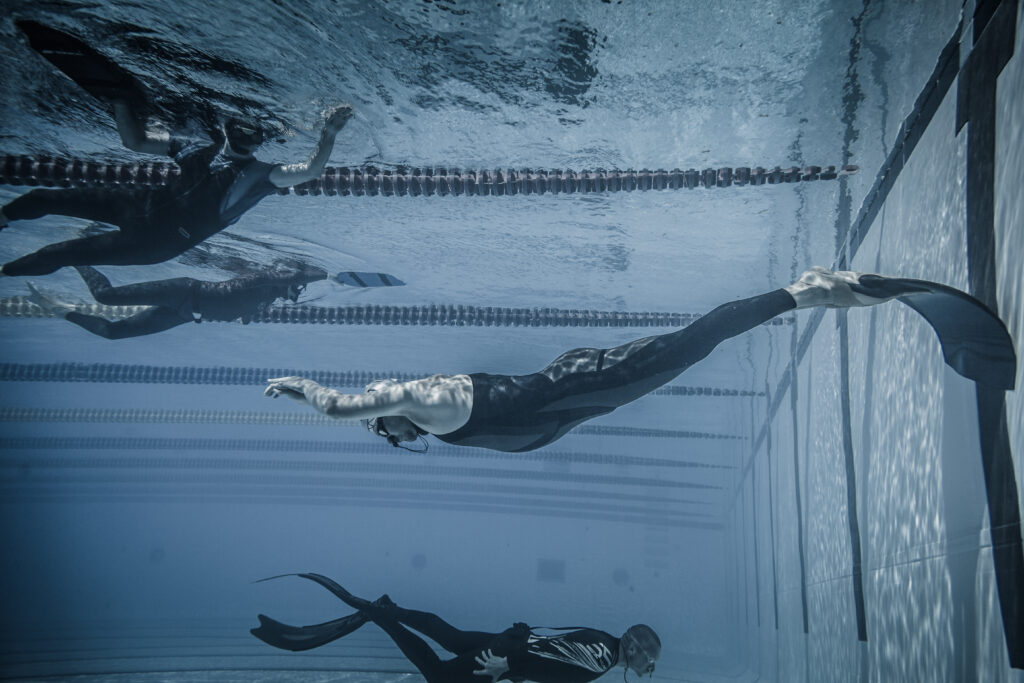
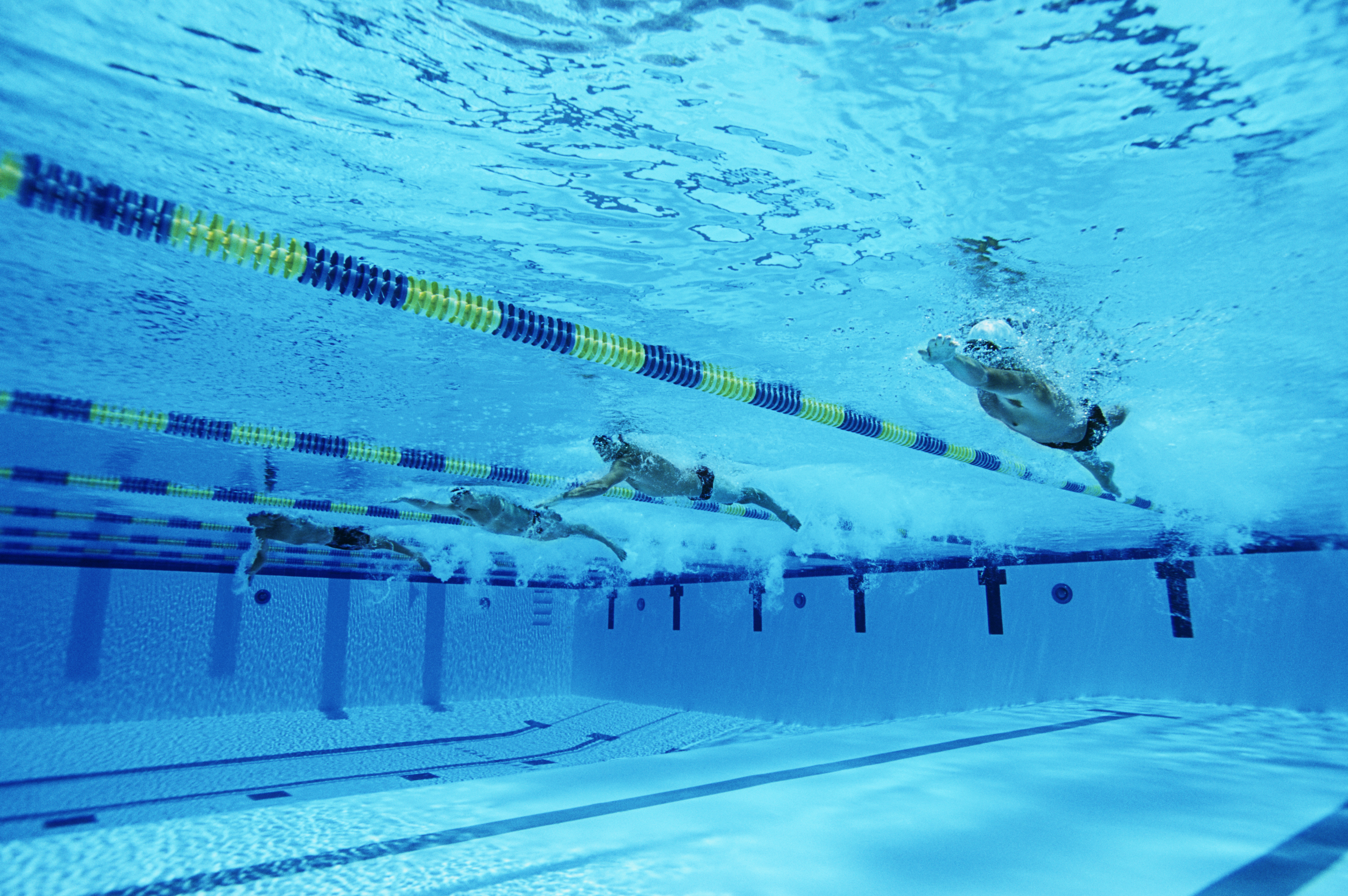
The 100m freestyle demands a unique combination of explosive speed and sustained power that separates it from other swimming events. Unlike pure sprint events that rely solely on raw speed, the 100 freestyle requires swimmers to maintain technique and pace through fatigue whilst racing against the clock. The most effective training set for improving 100m freestyle combines race-pace intervals with technical drills and recovery work, specifically focusing on 30×50 sets that alternate between kicking, drilling, and swimming at target race pace.
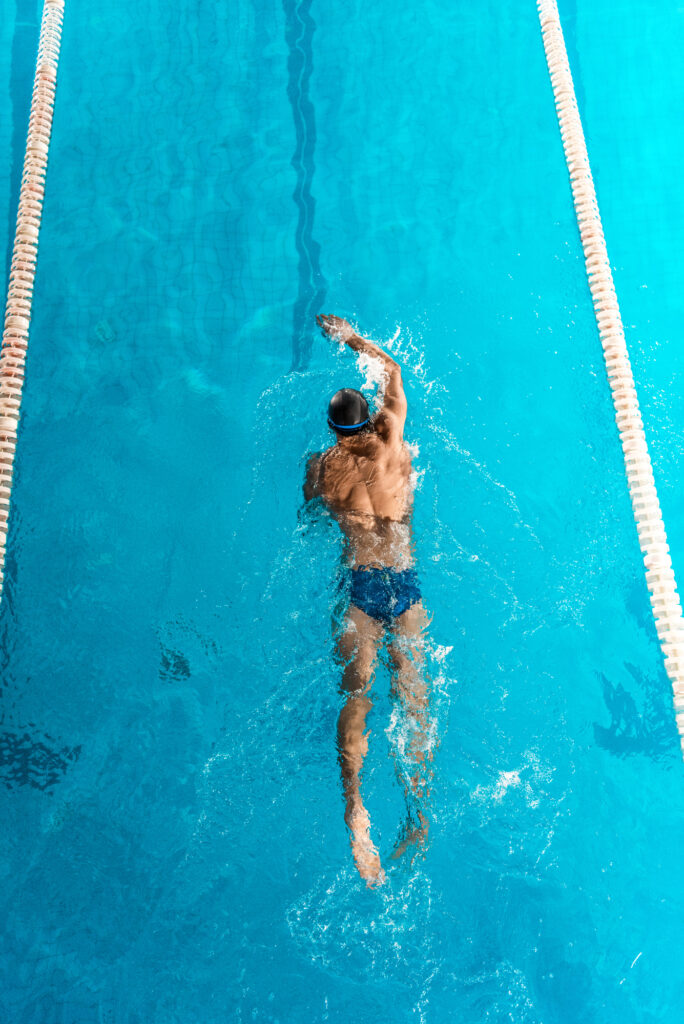
Swimmers looking to break through their personal barriers need more than just logging pool time. The best training approaches for 100m freestyle focus on developing both aerobic capacity and anaerobic power through structured sets that mirror race conditions. Elite swimmers understand that consistent race-pace training builds the muscle memory and confidence needed to execute perfect splits when it matters most.
Effective 100m freestyle training extends beyond the main sets to include proper warm-up protocols, technical refinement, and strategic recovery periods. The fastest swimmers combine high-intensity race-pace work with supporting elements like breathing pattern training and dryland conditioning. This comprehensive approach ensures swimmers can maintain form and speed throughout the entire 100m distance, particularly during the crucial final 25 metres where races are won or lost.
Key Takeaways
- The most effective 100m freestyle training combines race-pace intervals with technical drills in structured 30×50 sets
- Successful programmes balance high-intensity speed work with proper recovery and aerobic conditioning
- Race-pace training builds the muscle memory and confidence needed for optimal splits during competition
Key Principles of 100m Freestyle Training
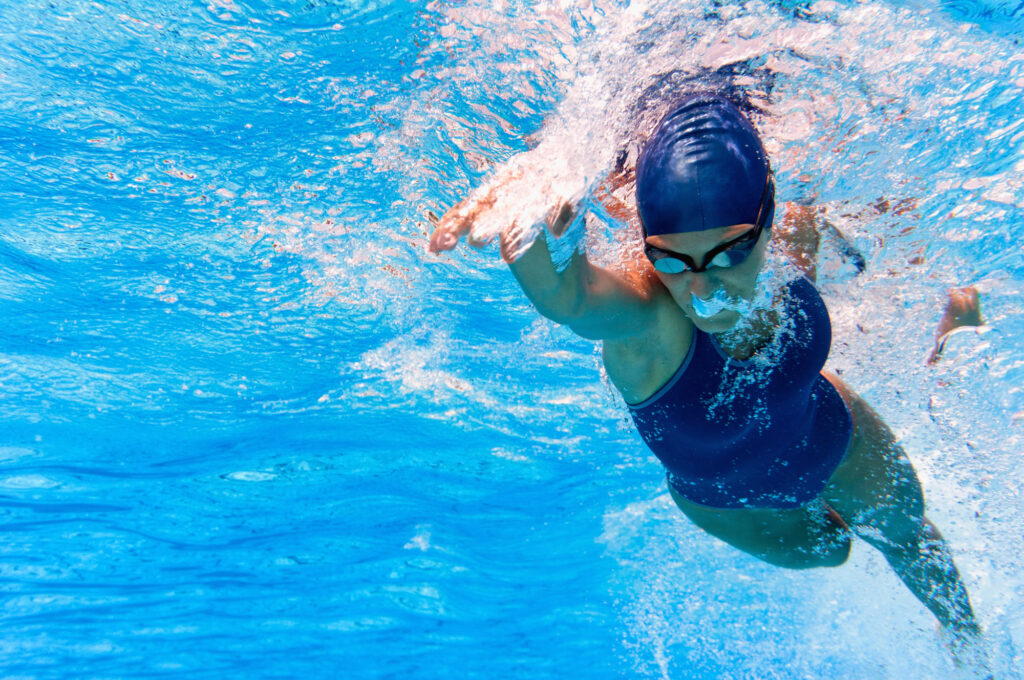
The 100m freestyle requires swimmers to master three critical elements: developing both explosive speed and sustained power, executing strategic split timing, and maintaining optimal race pace throughout the distance.
Balancing Speed and Endurance
The 100m freestyle demands a unique combination of pure speed and endurance that sets it apart from other swimming events. Swimmers must develop explosive power for the start and turns whilst maintaining stroke efficiency over the full distance.
Speed and endurance training requires specific sets that target both energy systems. Sprint work develops the anaerobic power needed for fast starts and finishes. Longer race pace sets build the aerobic capacity to maintain speed.
Training should include:
- Short sprints: 25m and 50m repeats at maximum effort
- Race pace work: 75m and 100m repeats at target race speed
- Tempo sets: Building stroke rate whilst maintaining distance per stroke
- Threshold training: Longer sets to improve lactate tolerance
The key is alternating between high-intensity sprint work and sustained race pace efforts. This combination ensures swimmers can produce maximum speed when needed whilst avoiding the dramatic slowdown that occurs with poor endurance.
Understanding Split Strategies
Effective 100m freestyle racing requires strategic pacing across both 50m splits. Breaking under 60 seconds demands front-end speed of approximately 28 seconds with feet on the wall, followed by back-end speed of 30-31 seconds for the second 50m.
Most swimmers benefit from a positive split strategy:
- First 50m: 48-52% of total race time
- Second 50m: 52-48% of total race time
This approach allows for an aggressive start whilst maintaining enough energy for a strong finish. Going out too fast leads to significant deceleration, whilst being too conservative wastes the swimmer’s fresh legs.
Training should practise different split strategies to find the optimal approach for each swimmer’s strengths and weaknesses.
Importance of Pacing
Pacing determines whether a swimmer achieves their potential or falls short due to poor energy distribution. The 100m freestyle sits in the middle ground between pure sprint and endurance events, making pacing crucial.
Mental focus strategies suggest concentrating on the first 75m, allowing the final 25m to flow naturally. This prevents overthinking during the most physically demanding portion of the race.
Effective pacing requires:
- Consistent stroke rate throughout the race
- Maintaining distance per stroke when fatigue sets in
- Knowing personal split times at various effort levels
- Practising race scenarios in training
Race pace training helps swimmers develop the feel for their target times. Regular time trials and pace work build the internal clock needed for consistent racing.
Fundamental Components of Effective Training Sets
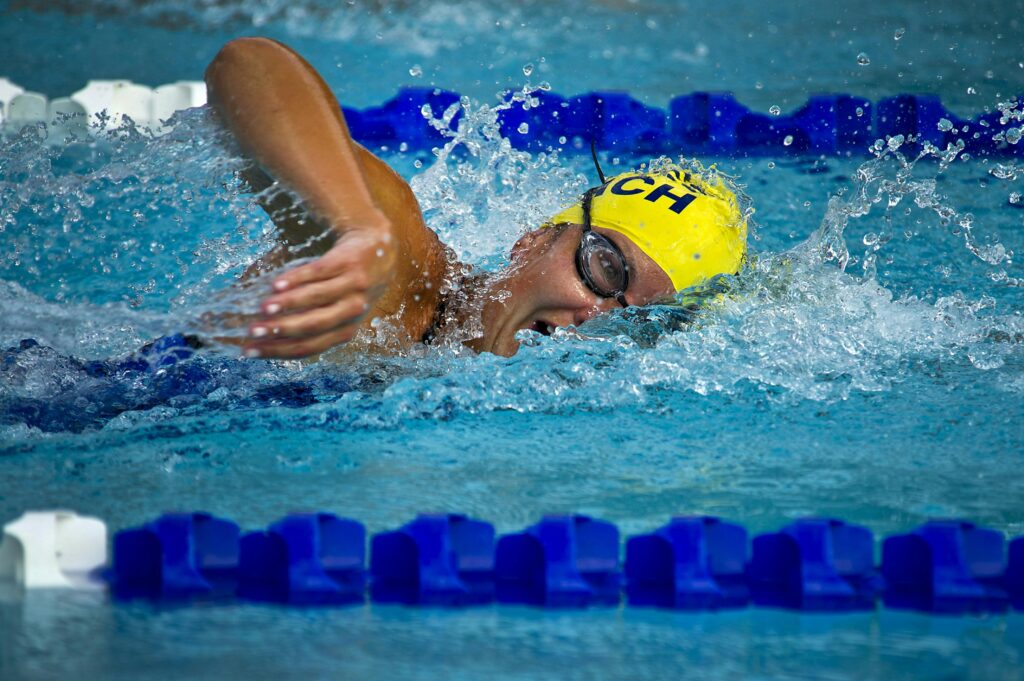
Successful 100m freestyle training requires three core elements: race-specific repetitions at competitive speeds, technical refinement through targeted drills, and balanced energy system development. These components work together to build the speed, technique, and endurance needed for peak performance.
Race Pace Repetition
Race pace repetitions form the foundation of sprint training by teaching swimmers to maintain proper speed and stroke mechanics under race conditions. These sets typically involve swimming distances of 25m to 50m at 100m freestyle race pace with adequate recovery between repetitions.
Key race pace distances include:
- 4-6 × 25m at race pace (30-45 seconds rest)
- 3-4 × 50m at race pace (60-90 seconds rest)
- 2-3 × 75m at race pace (90-120 seconds rest)
The rest intervals must be long enough to maintain quality throughout the set. Short recovery periods lead to technique breakdown and slower times.
Swimmers should focus on maintaining their stroke rate and distance per stroke during these repetitions. Race pace work trains the neuromuscular system to recruit fast-twitch muscle fibres efficiently.
These sets help swimmers develop the ability to sustain their fastest sustainable speed. They also build confidence in race strategy and pacing decisions.
Technique-Focused Drills
Technical drills address specific aspects of freestyle stroke mechanics that directly impact 100m performance. These exercises isolate individual components of the stroke to improve efficiency and reduce drag.
Essential technique drills include:
- Catch-up drill: Improves timing and stroke coordination
- Fingertip drag: Enhances high elbow recovery
- Fist swimming: Develops better catch and pull mechanics
- Single-arm freestyle: Isolates stroke technique per arm
Drill sets should incorporate 6-8 × 25m repetitions with 15-20 seconds rest between each length. Swimmers must maintain proper technique even when fatigued.
The most important components of strength training include stability, strength, and power development. These same principles apply to swimming technique work.
Technique work should progress from slow, controlled movements to race-pace execution. This ensures that improvements transfer to competitive swimming situations.
Aerobic and Anaerobic Conditioning
Energy system development requires training both aerobic and anaerobic pathways to support the demands of 100m freestyle racing. The 100m freestyle relies approximately 50% on anaerobic energy and 50% on aerobic energy.
Aerobic conditioning sets:
- 400-800m continuous swimming at moderate intensity
- 6-10 × 100m with 10-15 seconds rest
- 200m-400m build swims (increasing pace every 50m)
Anaerobic conditioning sets:
- 8-12 × 25m all-out sprints (30-45 seconds rest)
- 4-6 × 50m at 90-95% effort (60-90 seconds rest)
- Broken 100m swims (4 × 25m with 10 seconds rest)
Understanding sets, reps, and rest intervals helps coaches design programmes that target specific energy systems effectively.
The anaerobic work develops power and speed, whilst aerobic training improves recovery between high-intensity efforts. Both systems must be trained consistently for optimal 100m freestyle performance.
Designing the Optimal 100m Freestyle Training Set
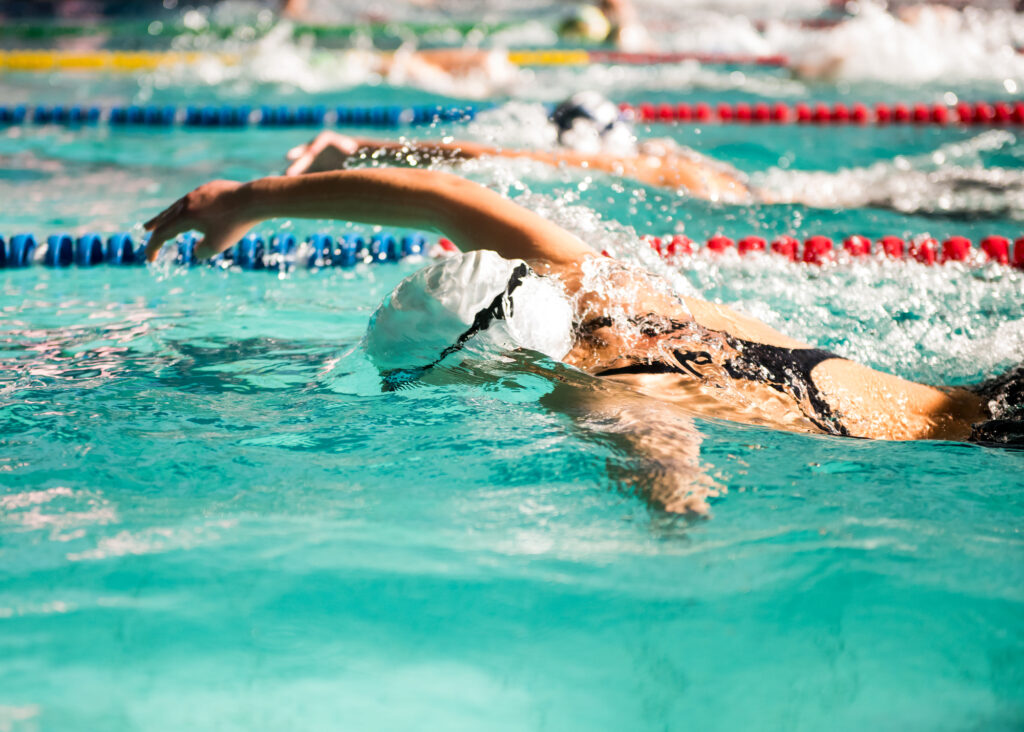
Creating an effective training set requires precise warm-up structures, targeted main sets with proper pacing, strategic recovery periods, and progressive variations that challenge swimmers whilst maintaining technical excellence.
Structuring Warm-Ups and Cool-Downs
A proper warm-up prepares the body for high-intensity efforts through progressive activation. The optimal structure begins with 800 metres of mixed swimming and kicking, building the final 25 metres of each 100-metre segment.
Pre-set preparation should include sprint-specific drills with resistance equipment to activate key muscle groups. Eight repetitions of 25-metre freestyle with a medium parachute works effectively, descending times on rounds 1-4 and repeating the pattern.
Recovery between intense efforts prevents technique breakdown. A 100-metre choice swim allows swimmers to loosen up before the main set begins.
Cool-down phases restore normal heart rate and promote recovery. Nine to ten repetitions of 50-metre easy swimming with 30-second rest intervals help clear lactate whilst maintaining stroke technique focus.
Main Set Breakdown
The main set targets race pace through structured repetition patterns. Effective 100 freestyle training combines speed work with endurance elements using 30×50 metre rounds.
Each round follows a three-part structure:
- 50m kick (strong effort, no bubbles)
- 50m drill (technique focus)
- 50m swim (at target 100m pace)
Swimmers should calculate their target pace beforehand. A 52-second 100m freestyle equals 26 seconds per 50 metres and 13 seconds per 25 metres.
The second phase reduces distance to 30×25 metres using the same three-part pattern. The swimming portion targets speeds faster than race pace, promoting neural adaptation and speed reserve.
Rest intervals of 20-30 seconds per repetition allow partial recovery whilst maintaining training stress.
Incorporating Active Recovery
Active recovery maintains blood flow between high-intensity efforts without complete rest. The 200-metre easy swim between main set phases serves this purpose effectively.
Kicking with a board provides active recovery whilst building leg strength. The “no bubbles” technique keeps feet below the surface, promoting fluid kick mechanics and reducing energy waste.
Drill work functions as both technical improvement and active recovery. Long Dog drill or closed-fist freestyle maintain movement whilst allowing heart rate reduction.
Choice of stroke during recovery periods prevents monotony. Alternating between freestyle and backstroke by 25-metre segments reduces strain on specific muscle groups whilst maintaining aerobic activity.
Pro Progressive Set Variation
Advanced swimmers benefit from progressive training approaches that increase complexity through descending distances and intervals. This variation maintains high speeds whilst challenging different energy systems.
The progression follows this pattern:
- 15×50m + 6×25m @ 60 seconds
- 12×50m + 6×25m @ 50 seconds
- 9×50m + 6×25m @ 40 seconds
- 6×50m + 6×25m @ 30 seconds
- 3×50m + 6×25m @ 20 seconds
Each round includes 100 metres easy swimming between sets. The 25-metre efforts target speeds faster than race pace on progressively shorter rest intervals.
This approach delivers 1,500 metres of race pace work compared to 750 metres in the standard set. The final round of 6×25m on 20-second intervals provides maximum speed stress whilst maintaining stroke technique.
Race Pace and Split Training for Faster Times
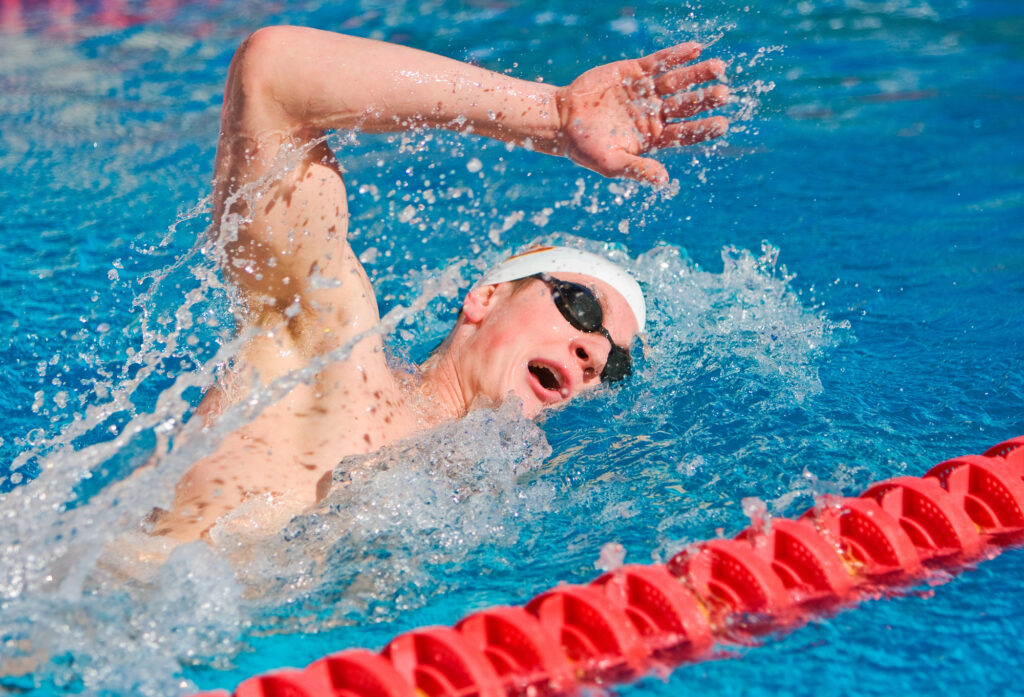
Training at race pace develops the specific energy systems and stroke mechanics needed for optimal 100 freestyle performance. Swimmers must practise holding their goal pace whilst maintaining proper technique under fatigue.
Front-End and Back-End Speed Work
The 100 freestyle requires different pacing strategies for each 50-metre segment. Swimmers typically employ either positive, negative, or even split approaches during competition.
Positive split training focuses on explosive starts and maintaining speed through the first 50 metres. This approach demands strong anaerobic power and tactical awareness of energy expenditure.
Front-end sets include:
- 8 × 25m at first 50m race pace (rest 30 seconds)
- 4 × 50m at opening pace (rest 90 seconds)
- 6 × 25m sprint start practice (rest 45 seconds)
Back-end speed work develops the ability to maintain velocity when lactate levels peak. This becomes crucial in the final 25 metres of competition.
Effective back-end training includes:
- 4 × 50m holding back-end race pace (rest 2 minutes)
- 6 × 25m from push-off at closing speed (rest 45 seconds)
- Broken 100s with 10-second rest at 75m mark
Split-Specific Swim Sets
Race pace training allows swimmers to rehearse their goal times repeatedly. This method builds confidence and trains the body to recognise proper pacing.
Target splits should match competition goals. A swimmer aiming for 50.00 seconds needs consistent 25.00-second splits for even pacing.
Primary race pace set:
- 30 × 25m on 30 seconds at race pace
- Rules: Miss twice in a row and the set ends
- Focus on stroke count consistency
- Monitor stroke rate throughout
Secondary supporting sets:
- 4 × 50m holding race pace back-end split
- 100m time trial at race pace
- 8 × 25m at 2-3 seconds faster than race pace
This structured approach helps swimmers understand their limitations. When technique breaks down, times suffer immediately.
Utilising Equipment for Race Simulation
Modern training equipment provides immediate feedback on pace and technique. Swimmers can monitor their progress and adjust training accordingly.
Pace clocks and tempo trainers help maintain consistent rhythm. Set the tempo trainer to match goal stroke rate for the 100 freestyle.
Pull buoys and paddles can simulate race conditions whilst building specific strength. Use these tools sparingly during race pace work to avoid altering stroke mechanics.
Drag suits or parachutes create additional resistance. Swimming at race pace with equipment makes racing without it feel easier and faster.
Training with proper equipment helps swimmers understand how their stroke changes under pressure. This awareness becomes vital during competition when every stroke counts.
Technical Strategies for Maximising 100m Freestyle Performance
Mastering the technical elements of starts, turns, and finishes can reduce race times by 2-3 seconds in competitive 100m freestyle events. These race components require specific training approaches that differ from stroke technique development.
Starts and Explosive Acceleration
The dive and underwater phase account for approximately 15% of total race time in 100m freestyle. Elite swimmers typically spend 12-15 metres underwater after their start.
Track Start Technique
- Weighted front foot carries 60-70% of body weight
- Rear foot provides explosive drive off the blocks
- Arms swing forward simultaneously with takeoff
Underwater Dolphin Kick Swimmers should maintain dolphin kick for 12-15 metres or until speed drops below surface swimming pace. The kick originates from the core, not just the legs.
Breakout Timing The transition to surface swimming must occur before underwater speed decreases. Most swimmers achieve optimal breakout between 12-14 metres from the wall.
Acceleration Phase The first 25 metres require gradual stroke rate increase. Swimmers should focus on maintaining smooth technique whilst building speed rather than immediate maximum effort.
Optimising Turns and Transitions
Flip turns in 100m freestyle can save 0.3-0.5 seconds per turn compared to touch turns. The approach, flip, and push-off sequence requires precise timing.
Approach Speed Swimmers should maintain stroke rate into the wall rather than gliding. The final stroke should place the hand 30-40cm from the wall.
Flip Execution
- Tuck knees tightly to chest
- Complete 180-degree rotation quickly
- Plant both feet firmly on the wall
Push-off Power The underwater push-off should generate maximum propulsion. Swimmers achieve this through:
- Streamlined position: Arms extended overhead, hands overlapped
- Explosive leg drive: Using quadriceps and glutes for power
- Optimal depth: 40-60cm below surface to avoid turbulence
Underwater Distance Similar to starts, swimmers should maintain underwater dolphin kick for 12-15 metres or until speed drops below surface pace.
Finish Technique Refinement
The final 10 metres of 100m freestyle often determine race outcomes. Proper finish technique can gain crucial hundredths of seconds.
Stroke Rate Maintenance Swimmers must resist the urge to over-reach on final strokes. Maintaining normal stroke length whilst increasing turnover produces better results than lengthening strokes.
Wall Contact The finish requires a full hand touch on the wall. Swimmers should:
- Keep the head down until wall contact
- Extend the arm fully without gliding
- Touch with fingertips, not palm
Timing Considerations The final stroke should begin when the swimmer’s hand is approximately 1.5-2 metres from the wall. This distance varies based on individual stroke length and pool depth perception.
Breathing Pattern Swimmers should avoid breathing in the final 5-7 metres to maintain optimal body position and stroke mechanics during the crucial finishing phase.
Supporting Elements: Recovery, Breathing Patterns, and Dryland Work
Proper recovery protocols, strategic breathing techniques, and targeted dryland training form the foundation for peak 100m freestyle performance. These elements work together to maximise training adaptations whilst preventing injury and maintaining consistent speed throughout the race.
Effective Recovery Protocols
Recovery between training sessions directly impacts a swimmer’s ability to maintain high-intensity work. Active recovery sessions should include easy swimming at 60-70% effort for 20-30 minutes.
Sleep quality matters most for adaptation. Swimmers need 8-9 hours of sleep nightly to support muscle repair and glycogen replenishment. Poor sleep reduces reaction time and sprint power output.
Nutrition timing affects recovery speed:
- Consume protein within 30 minutes post-training
- Include carbohydrates to restore muscle glycogen
- Maintain hydration with 150% of fluid losses
Cold water immersion at 10-15°C for 10-15 minutes reduces inflammation after high-intensity sessions. This practice helps maintain training consistency during heavy loading phases.
Massage and foam rolling target specific muscle groups used in freestyle. Focus on shoulders, lats, and hip flexors to maintain range of motion between sessions.
Breathing Strategies for 100m Events
The 100m freestyle requires careful breathing management to balance oxygen intake with stroke rhythm. Elite swimmers typically breathe every 2-3 strokes during the middle 50m of the race.
Breathing pattern progression:
- First 25m: Minimal breathing (every 4-6 strokes)
- Middle 50m: Regular pattern (every 2-3 strokes)
- Final 25m: Controlled increase as needed
Breathing exercises for swimming help develop lung capacity and oxygen efficiency. Hypoxic training sets prepare swimmers for reduced breathing frequency during races.
Bilateral breathing during training prevents muscle imbalances. However, during races, swimmers should favour their stronger breathing side to maintain optimal stroke mechanics.
The key is developing rhythm consistency. Irregular breathing patterns disrupt stroke timing and reduce propulsion efficiency throughout the race.
Dryland Exercises to Boost Speed and Power
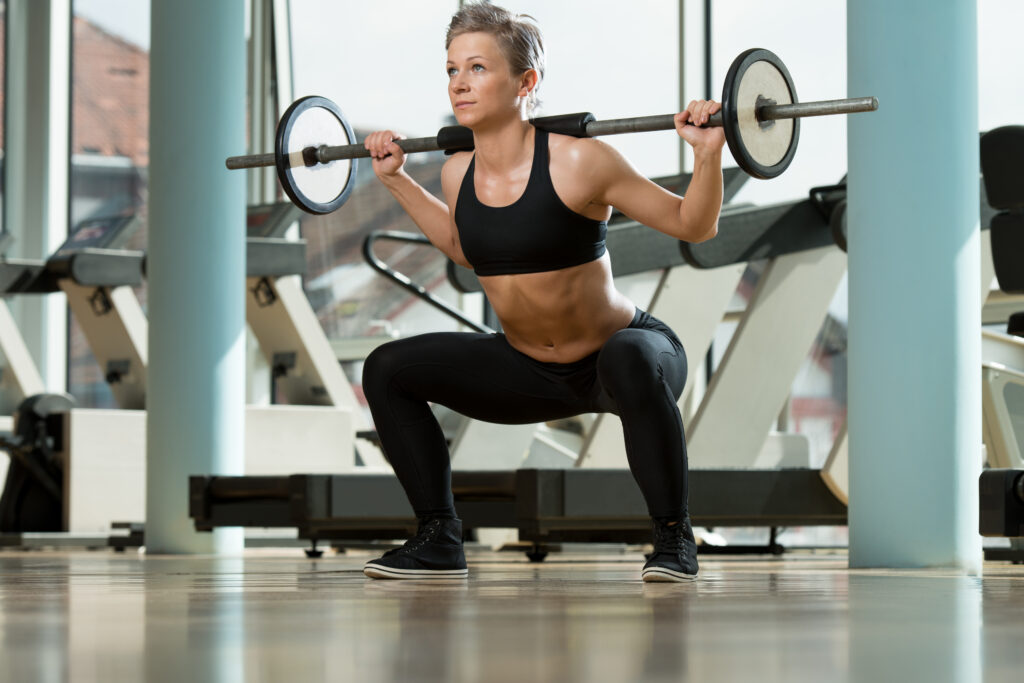
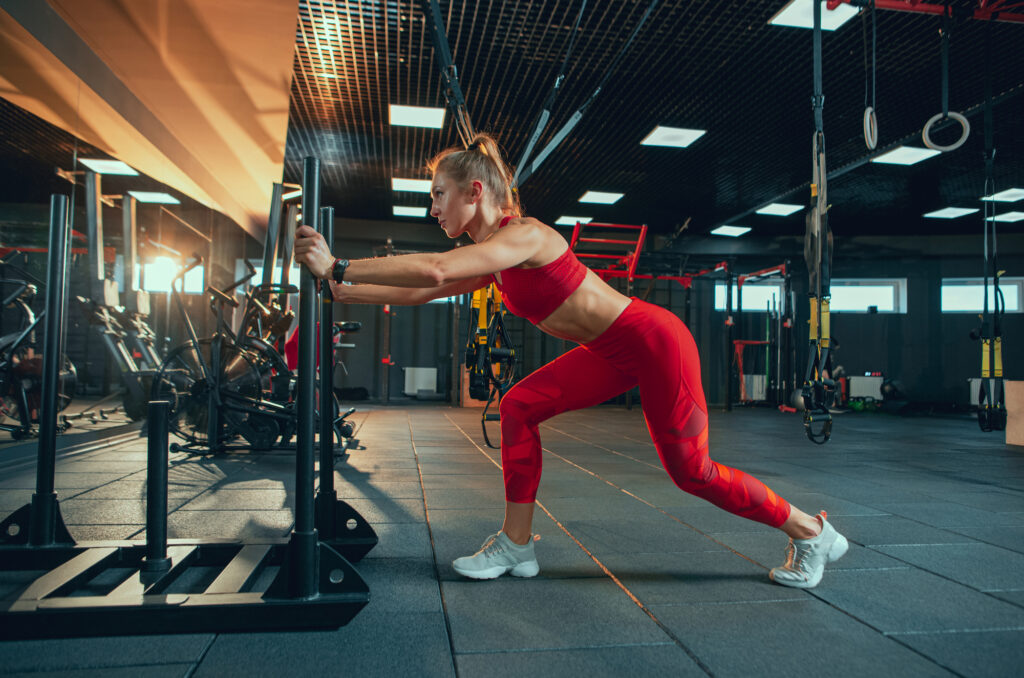
Dryland exercises to improve freestyle target the specific muscle groups and movement patterns used in sprinting. Power development focuses on explosive movements that transfer to faster swimming.
Lower body power exercises:
- Single-leg box jumps (3 sets of 6 per leg)
- Hamstring lifts for kick strength
- Ankle drivers for better propulsion
Upper body strength training:
- High elbow rows with dumbbells
- Single-arm chest press
- Pull-ups with explosive concentric phase
Core stability directly impacts body position during high-intensity swimming. Top strength and conditioning exercises include planks, supermans, and rotational movements.
Training frequency should be 2-3 sessions per week during base phases. Reduce to 1-2 sessions during competition periods to avoid fatigue whilst maintaining strength gains.
Plyometric exercises develop the explosive power needed for starts and turns. Medicine ball throws and jumping movements improve rate of force development.