
Canada offers some of the world’s most spectacular wild swimming experiences, from the crystal-clear mountain lakes of British Columbia to the surprisingly warm waters of Ontario’s Great Lakes. The country’s vast wilderness provides countless opportunities for adventurous swimmers to explore pristine natural pools, glacial lakes, and secluded swimming holes that remain largely untouched by crowds.

The best wild swimming lakes in Canada include Osoyoos Lake in British Columbia, which reaches temperatures in the low 80s Fahrenheit, Lake Erie in Ontario with its mid-70s summer waters, and Christina Lake, known as Canada’s warmest tree-lined lake. These destinations combine comfortable swimming temperatures with stunning natural beauty, making them perfect for both beginners and experienced wild swimmers.
Wild swimming in Canada requires proper preparation and knowledge of safety considerations, but the rewards are immense. From the mineral-rich waters of Saskatchewan’s Manitou Lake to the turquoise beauty of Kalamalka Lake, each swimming spot offers unique characteristics that make the Canadian wild swimming experience truly extraordinary.
Key Takeaways
- Canada’s warmest wild swimming lakes reach temperatures in the 70s and 80s Fahrenheit during summer months
- Proper safety preparation and knowledge of local conditions are essential for safe wild swimming experiences
- Responsible wild swimming practices help preserve these natural treasures for future generations
Why Wild Swimming in Canada Is Unique

Canada offers swimmers access to some of the world’s most pristine natural waters, with close to 7.8 per cent of the country’s terrain covered by fresh water and nearly two million lakes across the nation. The country’s vast wilderness provides a completely different swimming experience compared to traditional pool-based activities.
The Appeal of Natural Lakes and Rivers
Canada possesses more lakes than all other countries combined, creating unparalleled opportunities for wild swimming enthusiasts. The nation contains nearly 14 per cent of the world’s lakes with surface areas over 500 square kilometres.
British Columbia alone features an estimated 20,000 lakes, making it possible to discover new swimming locations daily. These waters range from mountain-fed alpine lakes to warmer lowland bodies of water.
Popular Swimming Environments Include:
- Crystal-clear mountain lakes
- Meandering rivers through forests
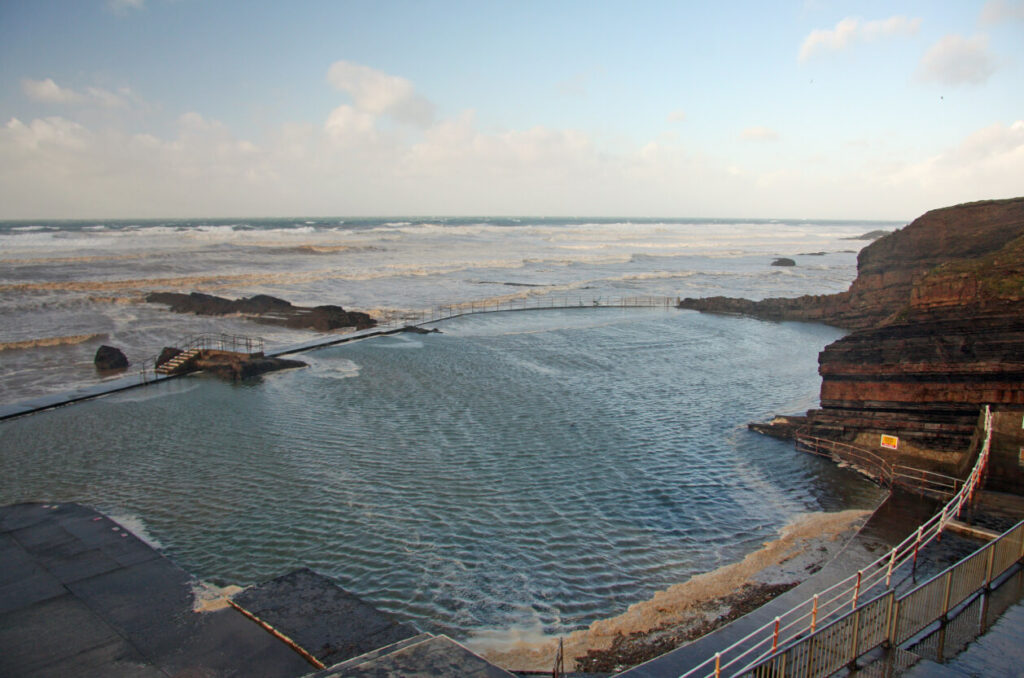
- Coastal rock pools along ocean shores
- Secluded wilderness swimming holes
Many Canadian lakes offer surprisingly comfortable water temperatures. Lakes like Huron feature warm waters along eastern shores where shallow sandy bottoms heat up quickly, with summer temperatures reaching the low 70s Fahrenheit.
Wild Swimming Versus Traditional Swimming
Traditional swimming involves chlorinated pools with controlled environments and limited natural scenery. Wild swimming in Canada connects swimmers directly with untouched wilderness and natural water systems.
To many Canadians, wild swimming is simply called “swimming” because natural water access is so abundant. This contrasts sharply with countries where finding swimmable natural waters requires significant effort.
Key Differences:
| Traditional Swimming | Wild Swimming |
|---|---|
| Chlorinated water | Natural, mineral-rich water |
| Indoor/controlled environment | Outdoor wilderness settings |
| Predictable conditions | Variable water temperatures |
| Limited scenery | Mountain, forest, or coastal views |
Canadian wild swimming locations often provide complete solitude. Swimmers can explore remote lakes surrounded by untouched forests or mountain ranges without encountering crowds.
Physical and Mental Health Benefits
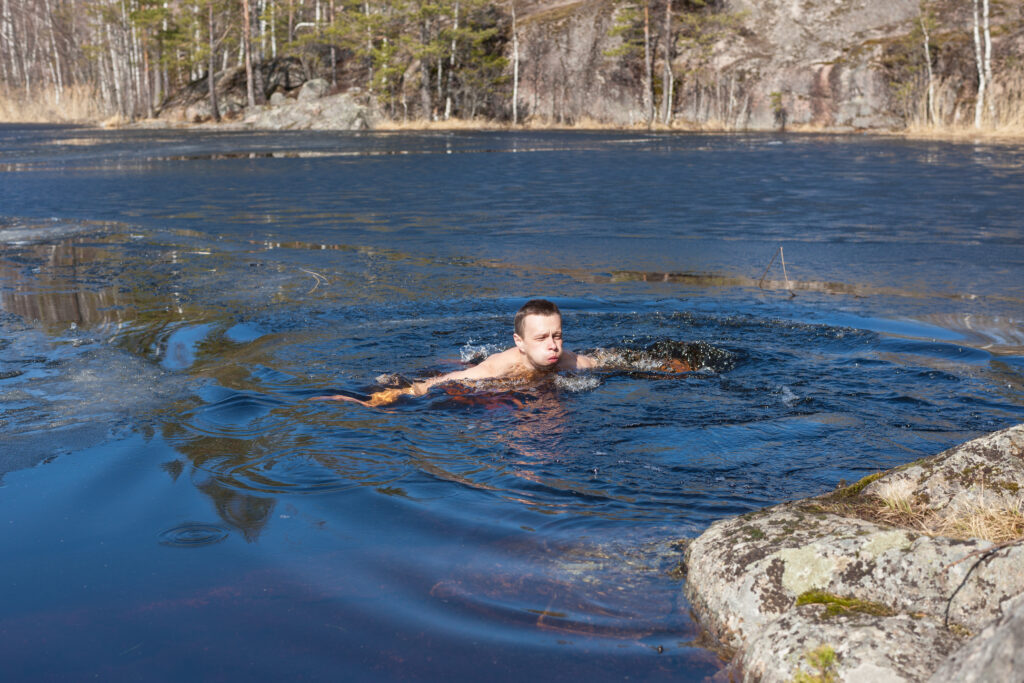
Wild swimming in Canada’s cold waters provides unique physiological benefits not found in heated pools. Cold water immersion triggers the body’s natural stress response, potentially boosting immune function and circulation.
The mental health benefits stem from combining physical activity with nature immersion. Swimming in pristine Canadian lakes offers stress relief whilst connecting individuals with untouched wilderness environments.
Primary Health Benefits:
- Improved cardiovascular fitness from cold water exposure
- Enhanced mental wellbeing through nature connection
- Reduced stress levels in peaceful natural settings
- Increased vitamin D from outdoor sun exposure
Lakes in Banff National Park offer swimming alongside other activities like fishing and rafting, creating comprehensive outdoor wellness experiences. The combination of physical exercise and natural beauty provides therapeutic benefits unavailable in traditional swimming facilities.
Essential Wild Swimming Safety and Preparation

Proper preparation and safety knowledge form the foundation of enjoyable wild swimming experiences in Canada’s lakes and rivers. Understanding water conditions, having appropriate gear, and recognising environmental hazards can prevent dangerous situations whilst maximising the benefits of open water swimming.
Understanding Local Conditions
Water temperature varies dramatically across Canadian lakes throughout the year. Most lakes remain cold even in summer, with temperatures ranging from 10-20°C. Swimmers should check local water temperatures before entering to avoid cold water shock.
Currents and underwater obstacles pose significant risks in natural water bodies. Rivers typically have stronger currents than lakes, particularly near inlets and outlets. Swimmers must assess entry and exit points carefully, ensuring they can safely return to shore.
Weather conditions change rapidly in mountainous regions. Wind can create waves and affect water temperature, whilst sudden storms make swimming dangerous. Check weather forecasts and have contingency plans for changing conditions.
Water quality fluctuates seasonally due to algae blooms, runoff, and bacterial growth. Blue-green algae can cause serious illness, appearing as scums or mats on water surfaces. Avoid swimming in discoloured water or areas with visible algae.
Recommended Gear for Open Water Swimmers
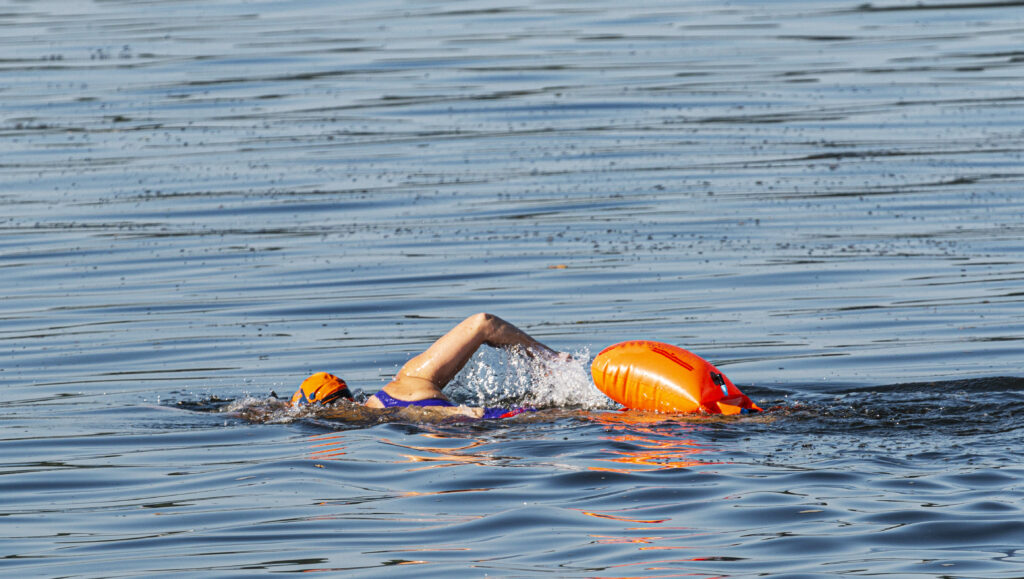
Essential safety equipment includes a brightly coloured swim cap for visibility and a tow float for emergency flotation. Inflatable tow floats attach around the waist and help boats spot swimmers in the water.
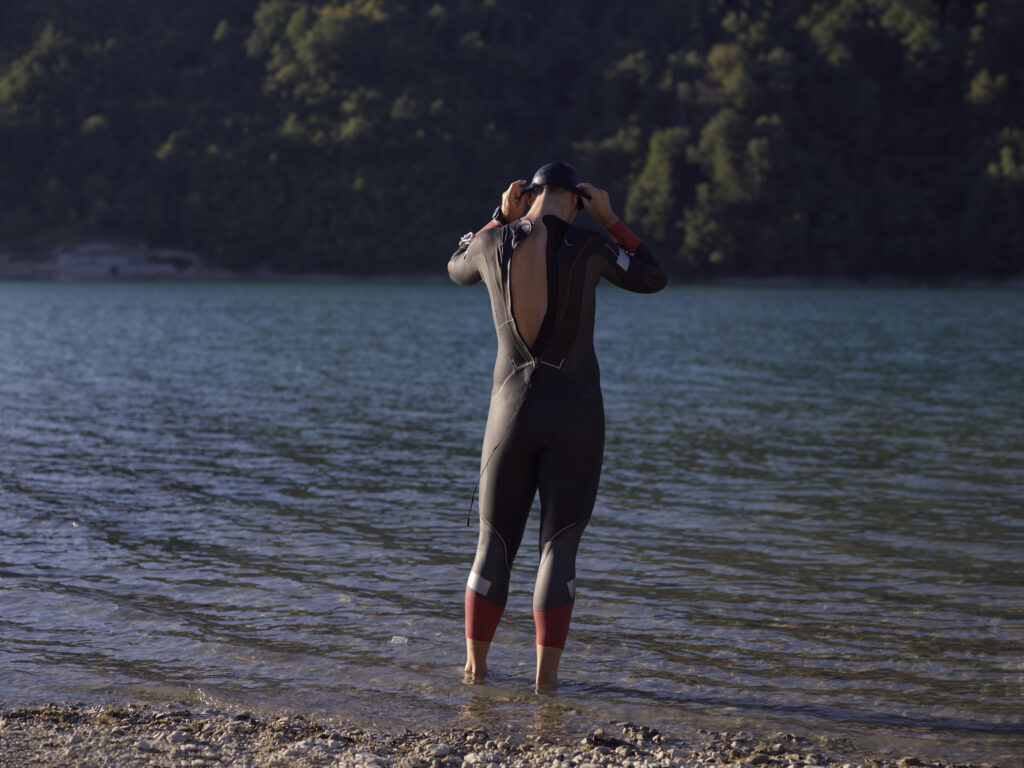
Thermal protection becomes crucial in cold Canadian waters. Wetsuits provide insulation and buoyancy, whilst neoprene boots protect feet from sharp rocks. Quality goggles prevent eye irritation from natural minerals and debris.
| Essential Gear | Purpose |
|---|---|
| Bright swim cap | Visibility to others |
| Tow float | Emergency flotation |
| Wetsuit | Thermal protection |
| Goggles | Eye protection |
| Whistle | Emergency signalling |
Post-swim warming requires immediate attention. Pack warm clothes, towels, and hot drinks in waterproof bags. Hypothermia can develop quickly, even in summer temperatures.
Wildlife and Environmental Considerations
Aquatic wildlife in Canadian lakes includes leeches, which attach to swimmers but pose minimal health risks. Simply remove them by sliding fingernails under their sucker end rather than pulling directly.
Larger wildlife such as bears frequent lakeshores, particularly during salmon runs. Store food properly and make noise when approaching water. Moose can be aggressive during mating season and may charge if surprised.
Underwater hazards include submerged logs, rocks, and old structures. Never dive into unfamiliar water, as depths can change dramatically. Test water depth gradually and watch for submerged obstacles that could cause injury.
Water-borne bacteria and parasites exist in natural water bodies. Avoid swallowing water and shower promptly after swimming. Cold water adaptation helps reduce infection risks by boosting immune system function over time.
Top Wild Swimming Lakes in British Columbia

British Columbia offers some of Canada’s most spectacular wild swimming destinations, from the warm waters of Okanagan Lake to the pristine alpine pools of Emerald Lake. These lakes provide crystal-clear waters, stunning mountain backdrops, and temperatures suitable for outdoor swimming during the warmer months.
Okanagan Lake
Okanagan Lake stands as one of BC’s premier swimming destinations, offering warm waters and excellent facilities. The lake features 30 beach areas along its shoreline, making it easily accessible for swimmers of all abilities.
Water temperatures reach 19-23°C during July, creating ideal conditions for extended swimming sessions. The lake’s size provides calm bays perfect for beginners whilst offering deeper waters for experienced swimmers.
Key Features:
- 30 designated beach areas
- Playground facilities and concession stands
- Boat rentals and water sports equipment
- Ample parking and changing facilities
The Kelowna area provides the best access points, with beaches equipped with toilets, picnic areas, and lifeguard services during peak season. Swimming is possible from May through September, with July and August offering the warmest conditions.
Emerald Lake
Emerald Lake showcases British Columbia’s mountain wilderness at its finest. Located in Yoho National Park, this alpine gem offers swimmers pristine glacial waters surrounded by towering peaks and ancient forests.
The lake’s distinctive turquoise colour comes from glacial silt, creating a unique swimming experience. Water temperatures remain cool throughout summer, typically ranging from 10-15°C, making it ideal for invigorating dips rather than lengthy swims.
Access requires a short walk from the car park, making it suitable for families. The lake’s shallow areas warm slightly during sunny afternoons, providing the best swimming conditions.
Swimming Conditions:
- Best months: July-August
- Water temperature: 10-15°C
- Depth: Varies from shallow to deep
- Access: Easy 5-minute walk
No facilities exist at the lake itself, so swimmers must bring all supplies. The surrounding trails offer excellent hiking opportunities before or after swimming sessions.
Kootenay Lake
Kootenay Lake provides exceptional wild swimming in southeastern British Columbia. This massive freshwater lake stretches over 100 kilometres, offering numerous secluded swimming spots away from crowds.
The lake’s southern sections warm considerably during summer months, reaching temperatures of 18-22°C. Protected bays provide calm waters perfect for distance swimming, whilst rocky shorelines offer excellent jumping spots for adventurous swimmers.
Crawford Bay and Kaslo offer the best access points with basic facilities. The lake’s clarity allows swimmers to see considerable depths, creating an almost oceanic swimming experience in fresh water.
Multiple provincial parks along the shoreline provide camping facilities, making multi-day swimming adventures possible. The lake rarely experiences significant wave action, ensuring safe swimming conditions throughout most weather patterns.
Lost Lake in Whistler
Lost Lake offers easily accessible wild swimming just minutes from Whistler Village. This small mountain lake provides a perfect escape from resort crowds whilst maintaining convenient access to amenities.
Summer water temperatures reach 20°C, making it one of the warmer mountain lakes in the region. The lake’s compact size means it heats quickly during sunny weather, extending the comfortable swimming season.
A well-maintained trail circles the entire lake, providing multiple entry points for swimmers. The eastern shore offers the warmest, shallowest areas, whilst the western side provides deeper water for confident swimmers.
Facilities Include:
- Picnic tables and benches
- Public toilets nearby
- Ample parking
- Walking and cycling paths
The lake remains accessible year-round, though swimming is most comfortable from June through September. Early morning visits offer the calmest conditions and fewest other lake users.
Remarkable Wild Swimming Spots Across Canada

Canada’s most spectacular wild swimming destinations span from the turquoise glacial waters of the Rocky Mountains to the warm mineral-rich lakes of British Columbia’s interior valleys. These pristine locations offer swimmers everything from challenging cold-water experiences to surprisingly comfortable temperatures during summer months.
Lake Louise and Moraine Lake in Alberta
Lake Louise sits 1,750 metres above sea level in Banff National Park, creating one of Canada’s most iconic swimming challenges. The glacial waters rarely exceed 4°C even in summer, making this a destination for experienced cold-water swimmers only.
Swimming conditions:
- Water temperature: 2-4°C year-round
- Best time: July to September
- Experience level: Advanced cold-water swimmers
The lake’s famous turquoise colour comes from rock flour suspended in the glacial melt. Swimmers must prepare for extremely cold conditions with proper thermal protection.
Moraine Lake offers equally stunning but challenging conditions. Located in the Valley of the Ten Peaks, this glacial lake presents similar temperatures to Lake Louise.
The Rocky Mountains surrounding both lakes create a dramatic backdrop. Many swimmers attempt brief dips for the experience rather than extended swimming sessions.
Safety considerations include:
- Hypothermia risk within minutes
- Limited rescue facilities
- Altitude effects on breathing
Garibaldi Lake and Spotted Lake
Garibaldi Lake requires a 9-kilometre hike through Garibaldi Provincial Park to reach its pristine waters. The effort rewards swimmers with a stunning alpine lake surrounded by snow-capped peaks and ancient forests.
Summer water temperatures reach 10-15°C, making it more accessible than many Rocky Mountain lakes. The lake sits at 1,484 metres elevation, requiring proper acclimatisation.
Swimming is typically possible from July through September when ice fully melts. The clear glacial waters offer excellent visibility for underwater exploration.
Spotted Lake near Osoyoos provides a completely different experience. This alkaline lake contains high concentrations of minerals including magnesium sulphate and calcium.
Unique features:
- Mineral-rich waters with therapeutic properties
- Distinctive spotted appearance in summer
- Cultural significance to local First Nations
The lake’s mineral content creates natural buoyancy similar to the Dead Sea. Summer evaporation concentrates the minerals, creating the famous spotted pattern.
Christina Lake and Shuswap Lake
Christina Lake claims the title of warmest tree-lined lake in Canada, with summer temperatures regularly reaching the mid-70s Fahrenheit. The lake benefits from its sunny valley location receiving over 2,000 hours of annual sunshine.
The crystal-clear waters allow visibility through more than 24 metres of depth. This exceptional clarity makes Christina Lake popular for both casual swimming and snorkelling activities.
Christina Lake Provincial Park provides excellent facilities including sandy beaches and day-use amenities. The lake’s 19-kilometre length offers numerous secluded swimming spots away from crowds.
Shuswap Lake spans four distinct arms totalling over 1,000 kilometres of shoreline across British Columbia’s interior. Summer water temperatures reach comfortable levels for extended swimming sessions.
Swimming highlights:
- Multiple warm water bays and beaches
- Houseboat-accessible remote locations
- Family-friendly gradual entries
The lake’s size creates diverse swimming environments from sheltered coves to open water challenges. Many areas feature sandy beaches with gentle slopes perfect for families.
Both lakes demonstrate how Canada’s southern interior valleys create surprisingly warm swimming conditions despite the country’s northern latitude.
Noteworthy Wild Swimming Beaches and Rivers
Canada offers exceptional wild swimming opportunities beyond traditional lakes, with pristine beaches and crystal-clear rivers providing unique aquatic experiences. These destinations combine natural beauty with accessible swimming conditions for outdoor enthusiasts.
Wreck Beach, Vancouver
Wreck Beach ranks among Vancouver’s top beaches and stands as one of Canada’s most famous clothing-optional swimming destinations. This secluded stretch of coastline sits below the University of British Columbia campus.
The beach extends over 7 kilometres along English Bay. Swimmers access the area via steep trails that wind down through dense forest. The descent takes approximately 15 minutes on well-maintained paths.
Water Conditions:
- Temperature ranges from 10-18°C seasonally
- Pacific Ocean currents provide consistent water movement
- Beach faces southwest, offering protection from northern winds
The natural setting remains largely undeveloped. Driftwood logs create natural seating areas along the shoreline. Local vendors sell refreshments during summer months, though facilities remain minimal by design.
Strong currents require confident swimming abilities. The beach attracts diverse crowds who appreciate its naturist-friendly atmosphere and stunning sunset views.
Elora Quarry, Ontario
Elora Quarry transforms a former limestone quarry into one of Ontario’s most distinctive swimming venues. The facility operates as a conservation area with managed access and amenities.
Crystal-clear water fills the quarry to depths exceeding 35 metres in some areas. Limestone walls create dramatic backdrops whilst providing natural diving platforms at various heights.
Key Features:
- Water clarity: Exceptional visibility up to 10 metres deep
- Temperature: Stays cool even in summer, ranging 15-20°C
- Facilities: Changing rooms, picnic areas, and lifeguard supervision
The quarry charges entrance fees and operates seasonal hours. Advance booking becomes essential during peak summer weekends. Swimming areas are clearly marked with safety buoys.
Cliff jumping remains popular but requires caution due to variable water levels. The site prohibits alcohol and enforces strict capacity limits to preserve the natural environment.
Chiniguchi River and Paradise Lagoon
Chiniguchi River flows through Killarney Provincial Park, creating Paradise Lagoon—a stunning natural swimming hole surrounded by Canadian Shield granite. This remote location requires hiking access but rewards visitors with pristine wilderness swimming.
The lagoon forms where the river widens into a natural pool. Smooth granite slopes provide easy water entry points. Depths vary from shallow wading areas to sections over 3 metres deep.
Access Details:
- 2-kilometre hike from nearest car park
- Trail difficulty: Moderate with rocky sections
- Best visited May through September
Water temperatures peak around 22°C in late summer. The granite bottom heats quickly in shallow areas whilst deeper sections remain refreshingly cool.
Wildlife viewing opportunities abound, with loons frequently spotted on the water. The surrounding boreal forest creates a serene atmosphere perfect for peaceful swimming sessions.
Camping permits allow extended stays, though day visitors must respect park hours and regulations.
Responsible Wild Swimming: Preservation and Community
Wild swimming in Canada’s pristine lakes requires careful consideration of environmental impact and connection with local communities. Protecting these natural swimming spots ensures future generations can enjoy them whilst respecting the delicate ecosystems that make them special.
Respecting Local Ecosystems
Canada’s lake ecosystems support diverse wildlife and plant species that require protection from human interference. Swimmers must avoid disturbing nesting areas, particularly during spring and summer breeding seasons.
Essential preservation practices include:
- Never use soap, shampoo, or sunscreen in natural waters
- Stay on designated paths to prevent erosion
- Remove all rubbish, including organic waste like fruit peels
- Avoid disturbing aquatic plants and wildlife
Temperature changes from human activity can harm sensitive fish populations. Cold mountain lakes in particular contain fragile ecosystems that take decades to recover from damage.
Swimmers should research local wildlife patterns before visiting. Some lakes serve as crucial habitat for endangered species or migratory birds that require undisturbed environments.
Swim Groups and Local Guidance
British Columbia hosts numerous wild swimming groups that provide community support and safety knowledge for open water swimming. These organisations offer valuable local expertise about water conditions and seasonal changes.
Benefits of joining swimming communities:
- Access to experienced guides familiar with specific lakes
- Safety support through group swimming
- Education about local conservation efforts
- Connection with like-minded outdoor enthusiasts
Local swimming groups often partner with conservation organisations to maintain swimming areas. They organise clean-up events and monitor water quality changes throughout the year.
Swimming clubs within BC bring together community and wellbeing whilst promoting responsible practices. Many groups form independently to explore specific regions and share knowledge about sustainable swimming approaches.
Experienced local swimmers understand seasonal hazards, water temperature patterns, and wildlife activity that newcomers might miss.