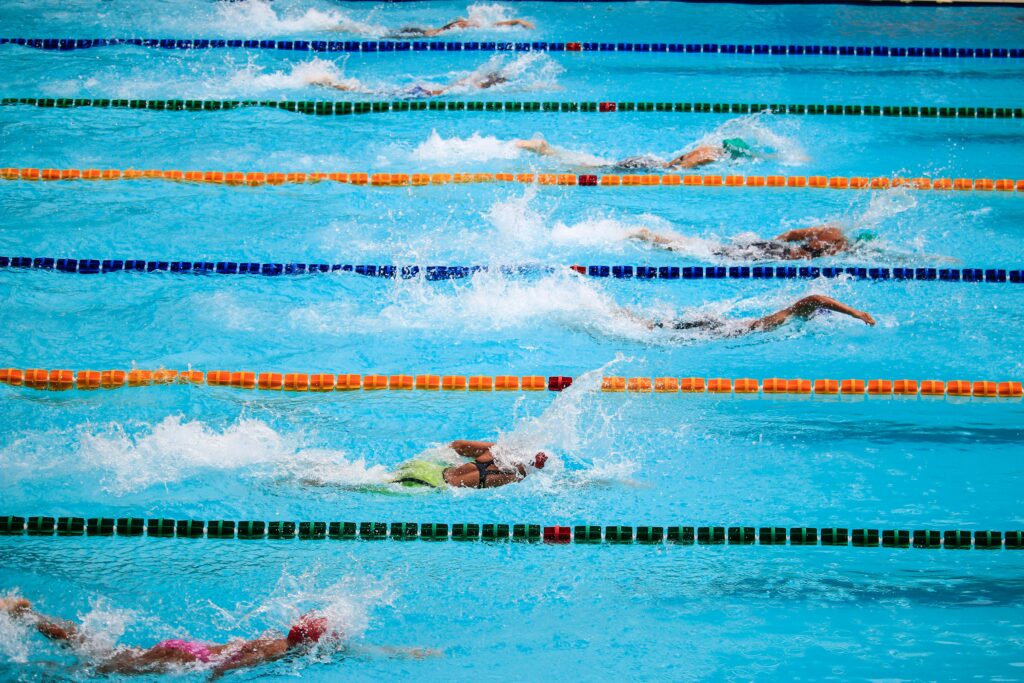
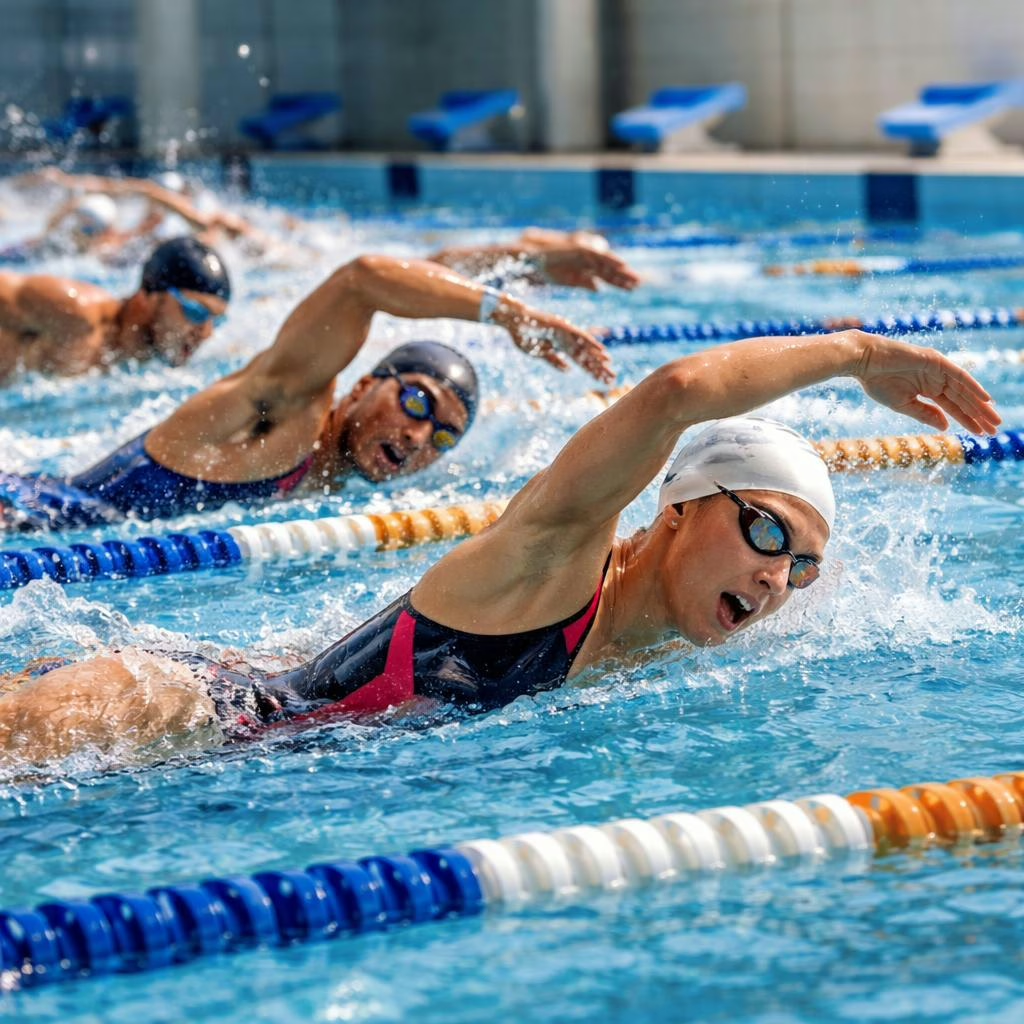
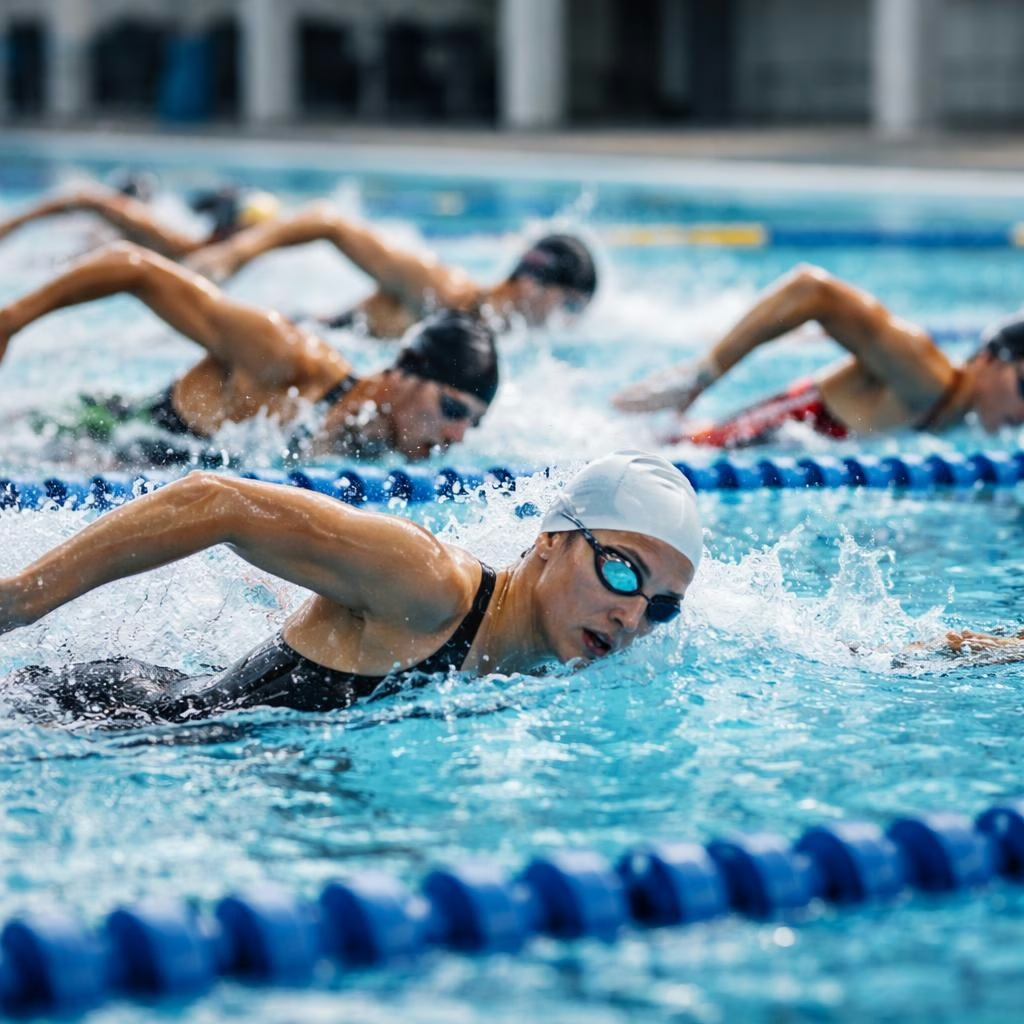
Racing in the pool demands everything from a swimmer’s body, but what happens immediately after touching the wall can make or break performance in future events. Many swimmers rush to check their times or celebrate with teammates, often overlooking one of the most critical phases of competition. Proper post-race swim down and recovery can significantly improve a swimmer’s ability to perform consistently across multiple events whilst reducing the risk of injury and fatigue.
The science behind post-race recovery reveals why elite swimmers require approximately 1,400 metres of active recovery to return their bodies to optimal levels. This process involves far more than simply clearing lactate from the muscles. The body’s nervous system, cardiovascular function, and psychological state all benefit from structured recovery protocols.
Understanding the physiological mechanisms at work helps swimmers develop effective strategies that extend beyond the pool deck. From proper nutrition timing to advanced recovery techniques, the choices made in those crucial minutes after racing can determine whether a swimmer maintains peak performance throughout lengthy competitions or experiences declining results as fatigue accumulates.
Why Post Race Swim Down Is Essential
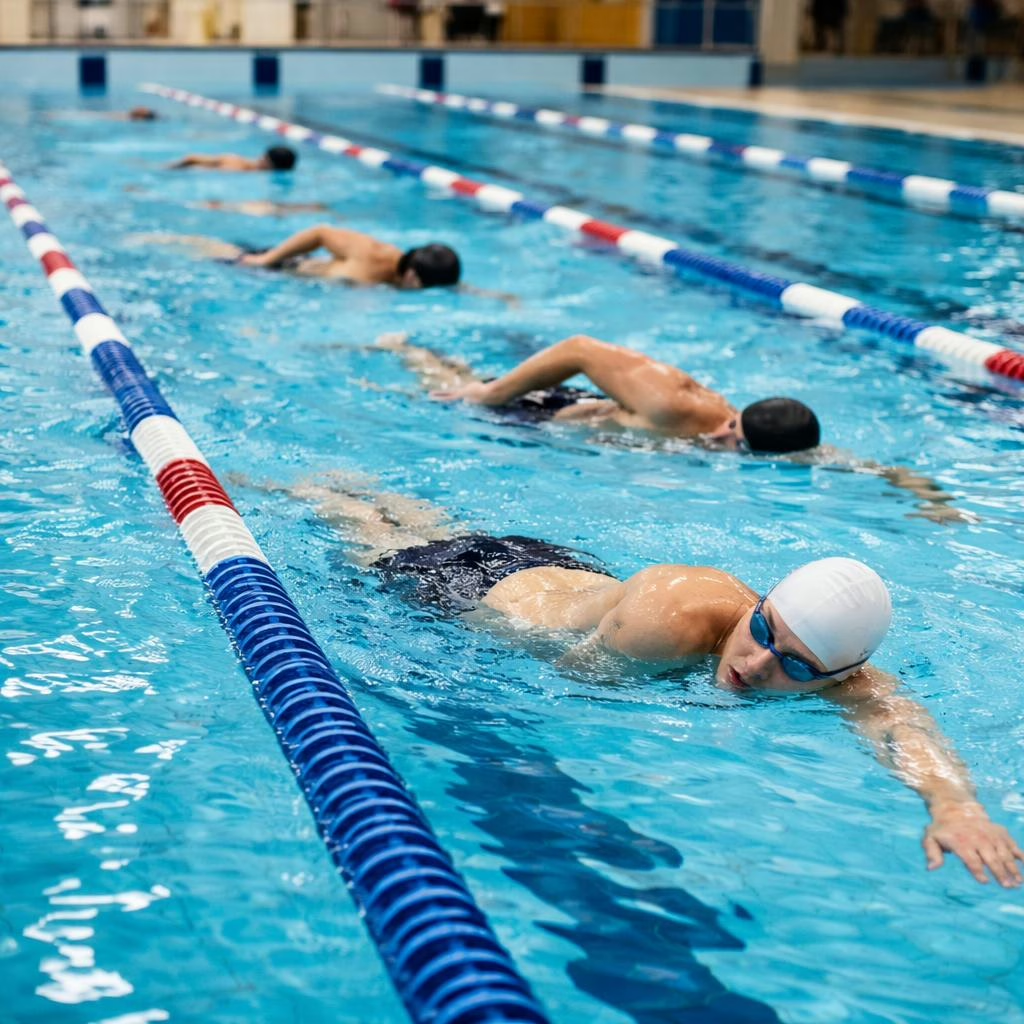
Post race swim down serves as a critical bridge between intense competition and complete rest. Active recovery helps swimmers recover faster than passive recovery whilst addressing the physiological demands placed on the body during racing.
Role in Lactic Acid Removal
Lactic acid accumulates in muscles during high-intensity swimming events. This buildup creates the burning sensation competitive swimmers experience during sprints and distance races.
Steady swimming after an intense race improves recovery speed. The gentle movement maintains blood circulation throughout the body. Enhanced circulation helps transport lactic acid away from working muscles.
Key Benefits of Active Lactic Acid Removal:
- Faster return to baseline lactate levels
- Reduced metabolic stress on muscle fibres
- Improved preparation for subsequent races
Elite swimmers typically perform 10-15 minutes of easy swimming at 50-60% effort. This intensity level promotes circulation without adding additional stress. The legs play a particularly important role during swim down since they contain large muscle groups that help circulate blood throughout the body.
Impact on Muscle Soreness and Stiffness
Muscle soreness develops when swimmers push their bodies to maximum effort during competition. The intense contractions create microscopic damage to muscle fibres.
Post race swim down reduces the severity of delayed onset muscle soreness. Light swimming maintains muscle temperature and promotes blood flow to damaged tissues. This increased circulation delivers nutrients needed for repair.
Swim Down Effects on Muscles:
- Maintains muscle flexibility
- Reduces post-exercise stiffness
- Promotes nutrient delivery to tissues
- Minimises inflammatory responses
Competitive swimmers who skip swim down often experience greater stiffness 24-48 hours after racing. The gentle movement during swim down helps muscles gradually return to their resting length. This prevents the abrupt transition from maximum effort to complete rest.
Temperature regulation also plays a role in reducing soreness. The gradual cooling allows muscles to adapt slowly rather than experiencing rapid temperature changes.
Prevention of Injury and Long-Term Damage
Swimming recovery requires no more than 5 minutes between finishing a race and beginning swim down. This timing prevents muscles from completely cooling down whilst addressing physiological stress.
Abrupt cessation of intense exercise can cause blood pooling in the extremities. This creates unnecessary stress on the cardiovascular system. Swim down maintains circulation and allows for gradual heart rate reduction.
Injury Prevention Benefits:
- Prevents blood pooling
- Maintains joint mobility
- Reduces cardiovascular stress
- Promotes tissue repair
Elite swimmers face particular risks from accumulated training stress. Multiple races during competition weekends compound these effects. Proper swim down protocols help manage this cumulative stress.
The cooling process also prevents rapid muscle shortening that can occur when swimmers move directly from racing to rest. Maintaining movement keeps muscles pliable and reduces the risk of strains during subsequent training sessions.
Physiological Benefits of Swim Down
Swimming down after a race triggers specific physiological responses that help the body return to its resting state. The process supports cardiovascular recovery, enhances muscle repair mechanisms, and improves the removal of metabolic byproducts from working muscles.
Restoration of Heart Rate and Circulatory System
Active recovery after swimming helps restore heart rate more effectively than passive recovery. When swimmers continue moving at a gentle pace, their cardiovascular system gradually transitions from high-intensity work to rest.
During intense racing, heart rate can reach 180-200 beats per minute in competitive swimmers. A proper swim down allows heart rate to decrease steadily rather than dropping suddenly. This controlled reduction prevents blood from pooling in the extremities.
The circulatory system benefits significantly from continued movement. Light swimming maintains blood flow throughout the body whilst the heart rate normalises. This process typically takes 10-15 minutes with active recovery compared to 20-30 minutes with complete rest.
Key cardiovascular benefits include:
- Gradual heart rate reduction
- Maintained blood pressure regulation
- Prevention of blood pooling
- Improved oxygen delivery to tissues
Support for Muscle Repair and Recovery
Muscle repair begins immediately after intense exercise, and swim down plays a crucial role in this process. The recovery process returns all body systems to resting levels following intensive swimming.
Active recovery increases blood flow to working muscles. This enhanced circulation delivers essential nutrients needed for repair, including amino acids from protein breakdown. The muscles can then begin rebuilding damaged fibres more efficiently.
Light swimming also helps maintain muscle temperature. Warm muscles receive better blood flow and nutrient delivery compared to muscles that cool rapidly. This sustained warmth supports the early stages of muscle repair.
The gentle movement during swim down helps muscles maintain flexibility. Stiff muscles receive less blood flow and may experience delayed recovery. Continued light activity prevents this stiffness from developing immediately after racing.
Blood Circulation and Metabolic Waste Removal
Enhanced blood circulation during swim down accelerates the removal of metabolic waste products from muscles. Lactate, hydrogen ions, and other byproducts accumulate during high-intensity swimming and must be cleared efficiently.
Using legs during swim down is particularly important because these large muscle groups help circulate blood throughout the body. The rhythmic contraction of leg muscles acts as a pump, pushing blood back towards the heart.
Active recovery increases circulation by up to 300% compared to passive rest. This dramatically improved blood flow carries waste products to the liver and kidneys for processing. The faster this clearance occurs, the sooner muscles can return to optimal function.
Metabolic waste removal timeline:
- 0-5 minutes: Peak waste product levels
- 5-15 minutes: Active clearance begins
- 15-30 minutes: Significant reduction with swim down
- 30+ minutes: Near baseline levels achieved
The combination of improved circulation and waste removal creates optimal conditions for muscle recovery and preparation for subsequent races.
Effective Post Race Recovery Techniques
Swimmers need both active and passive recovery methods to restore their bodies after intense competition. Strategic stretching, specialised tools, and targeted techniques accelerate muscle repair whilst preventing injury buildup.
Active Recovery Strategies
Active recovery keeps blood flowing through tired muscles without adding stress to the body. Easy swimming and gentle stretching for 20-30 minutes immediately after racing helps reduce muscle soreness and prevents lactic acid buildup.
Light swimming at 30-40% race pace works best for active recovery. The movement helps flush waste products from muscles whilst maintaining circulation.
Effective Active Recovery Options:
- Easy pool swimming (50-100 metres at recovery pace)
- Walking or light jogging
- Gentle cycling on a stationary bike
- Low-intensity pool walking
Foam rolling or light yoga 1-2 hours after racing helps relieve muscle tension. These activities promote blood circulation and help remove metabolic waste from working muscles.
Active recovery sessions should last 15-30 minutes maximum. Swimmers must avoid any intensity that causes additional fatigue or strain.
Passive Recovery Methods
Passive recovery involves complete rest and therapeutic treatments that require no physical effort from the swimmer. Quality sleep becomes the most important passive recovery tool available.
Rest allows muscles to repair damaged fibres and replenish energy stores. Swimmers need 8-9 hours of quality sleep after competition to support proper recovery processes.
Key Passive Recovery Techniques:
- Complete rest: No physical activity for 24-48 hours
- Elevated legs: Helps reduce swelling and improve circulation
- Compression garments: Support blood flow back to the heart
- Proper hydration: Maintains cellular function and waste removal
Contrast therapy within 2-4 hours after racing uses alternating hot and cold treatments. Ice baths followed by warm showers reduce muscle inflammation whilst promoting blood flow.
Temperature contrast should alternate between 10-15°C cold water and 37-40°C warm water. Sessions work best with 3-4 cycles of 3 minutes cold and 1 minute warm.
Stretching and Flexibility Routines
Post-race stretching maintains muscle length and prevents tightness from developing overnight. Static stretching works best when muscles are still warm from competition or cool-down swimming.
Hold each stretch for 30-60 seconds without bouncing or forcing the movement. Focus on major muscle groups used during swimming: shoulders, chest, hips, and legs.
Priority Stretching Areas for Swimmers:
| Muscle Group | Stretch Duration | Key Benefits |
|---|---|---|
| Shoulders | 45-60 seconds | Prevents impingement |
| Chest/Pectorals | 30-45 seconds | Maintains posture |
| Hip flexors | 45-60 seconds | Reduces lower back tension |
| Hamstrings | 30-45 seconds | Improves kick flexibility |
Gentle stretching immediately after cool-down swimming prevents muscles from tightening. More intensive flexibility work can happen 2-4 hours post-race when initial recovery is complete.
Dynamic stretching movements like arm circles and leg swings help maintain mobility. These movements prepare muscles for the next training session whilst supporting current recovery.
Role of Recovery Tools
Modern recovery tools speed up the healing process and reduce muscle soreness when used properly. Foam rolling helps reduce muscle knots that develop from repetitive swimming motions.
Percussion massage devices provide targeted muscle relief in specific areas. Use these tools on medium settings for 30-60 seconds per muscle group to avoid over-treatment.
Essential Recovery Tools:
- Foam rollers: Target large muscle groups and trigger points
- Massage balls: Address specific knots and tight spots
- Compression sleeves: Support circulation during rest periods
- Elevation pillows: Reduce swelling in legs and arms
Sauna sessions 4-6 hours after racing improve blood circulation and muscle relaxation. The heat helps eliminate toxins whilst promoting deeper recovery processes.
Recovery tools work best when combined with proper hydration and nutrition. Tools supplement natural recovery processes rather than replacing fundamental rest and sleep requirements.
Nutrition and Hydration for Optimal Recovery
Proper nutrition and hydration after swimming races help muscles repair faster and restore energy levels. The right balance of protein and carbohydrates within 30 minutes, combined with adequate fluid replacement, maximises recovery benefits.
Timing and Composition of Post Race Meals
The 30-minute window after swimming is optimal for consuming recovery supplements to maximise their effectiveness. This critical timeframe allows the body to absorb nutrients most efficiently.
Swimmers should consume carbohydrates as soon as possible post exercise and always within 30 minutes for optimal tissue repair and training adaptation. Waiting longer reduces the recovery benefits significantly.
Effective post-race meal options include:
- 200g low-fat yoghurt with one banana
- Half pint skimmed milk with Nesquick and one banana
- Half pint soy milk with one banana
- Dedicated recovery sachets
Preparedness remains essential. Swimmers must bring recovery food to every competition rather than waiting until after changing and travelling home.
Importance of Protein and Carbohydrates
Protein and carbohydrates form the foundation of effective post-swim recovery for rebuilding muscles and restoring energy stores. Both macronutrients work together to repair damaged tissue and replenish glycogen.
Carbohydrates restore muscle glycogen stores that become depleted during intense swimming. Without adequate carbohydrate intake, swimmers experience muscle soreness, fatigue, and reduced performance in subsequent sessions.
Quality protein sources include:
- Lean meats (chicken, turkey, beef)
- Fish (salmon, tuna, mackerel)
- Eggs and dairy products
- Plant-based options like beans
The combination of protein and carbohydrates triggers muscle protein synthesis whilst simultaneously refuelling energy stores. This dual action accelerates recovery and prepares swimmers for their next training session or race.
Hydration and Electrolyte Balance
Training and racing performance becomes impaired when swimmers are dehydrated by just 2% of their body weight. More severe dehydration of 5% body weight can reduce performance by 30%.
Swimmers lose both water and electrolytes through sweat during competition. Replacing fluids alone without considering electrolyte balance leads to incomplete recovery and potential cramping issues.
Key hydration strategies include:
- Bringing water bottles to every session
- Adding electrolyte sachets to drinks for extended sessions
- Including a small pinch of salt for swimmers prone to cramp
- Maintaining hydration throughout the day, not just during competition
Adequate hydration supports the removal of metabolic waste products and helps transport nutrients to recovering muscles. Consistent fluid intake becomes a crucial habit for competitive swimmers.
Enhancing Recovery: Additional Approaches
Beyond swim downs, swimmers can use targeted recovery methods to accelerate muscle repair and reduce fatigue. These techniques work alongside active recovery to maximise performance between races.
Massage and Physiotherapy Benefits
Professional massage therapy helps swimmers recover faster by improving blood circulation and reducing muscle tension. Sports massage increases nutrient delivery to tired muscles whilst removing waste products like lactic acid.
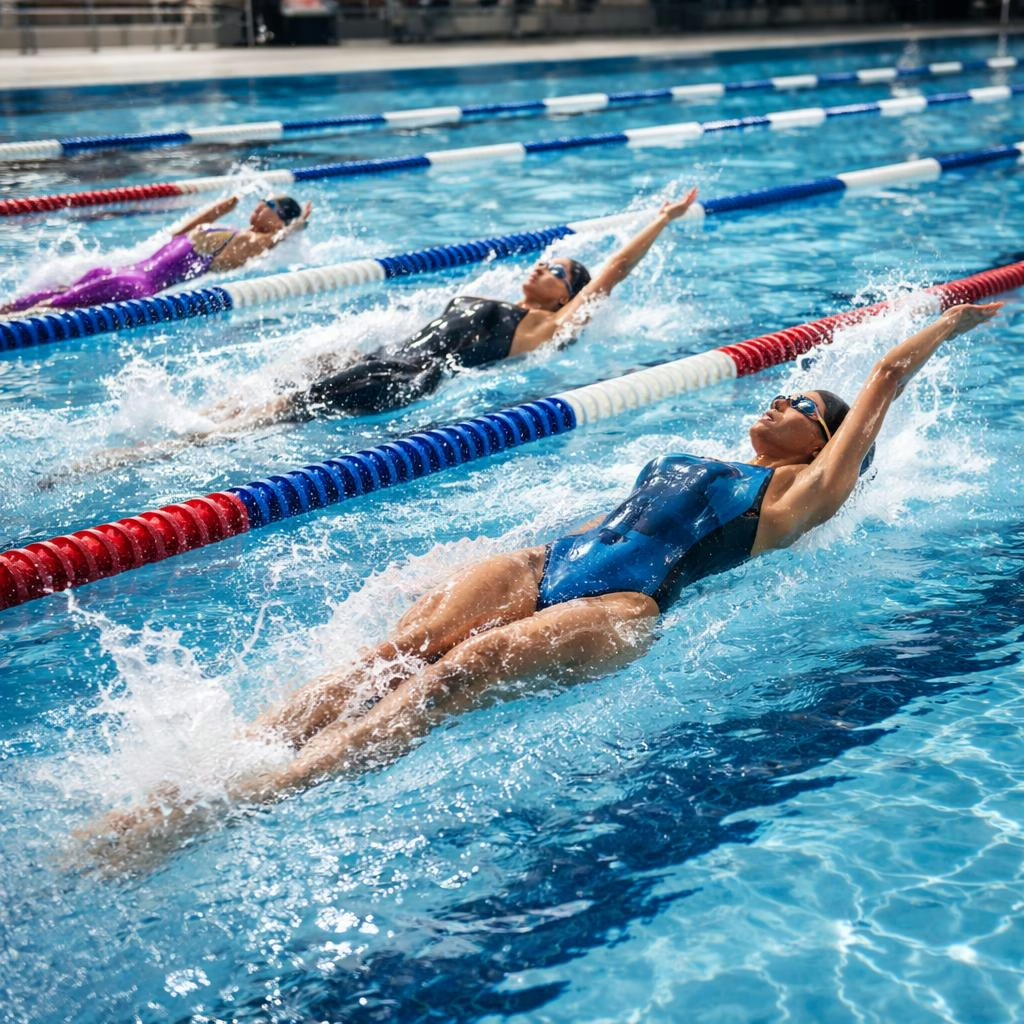
Physiotherapy offers structured recovery programmes tailored to each swimmer’s needs. Licensed physiotherapists identify muscle imbalances and provide corrective exercises that prevent injuries during multi-day competitions.
Key massage benefits include:
- Reduced muscle stiffness
- Improved flexibility
- Enhanced blood flow
- Decreased recovery time
Light massage sessions work best immediately after racing. Deep tissue work should wait until training resumes to avoid creating additional muscle stress during competition periods.
Self-massage techniques using massage balls or simple hand movements can provide benefits when professional services aren’t available. Even five minutes of gentle muscle work helps maintain circulation between races.
Utilising Foam Rolling and Ice Baths
Foam rolling breaks up muscle adhesions and improves tissue quality after intense swimming efforts. Swimmers should focus on major muscle groups including shoulders, back, and legs using gentle, controlled movements.
Effective foam rolling targets:
- Latissimus dorsi
- Quadriceps
- Hamstrings
- Calves
Ice baths reduce inflammation and muscle damage through cold water immersion. Water temperature between 10-15°C for 10-15 minutes provides optimal benefits without causing excessive stress.
The contrast between warm pool water and cold recovery baths triggers vascular responses that enhance healing. This temperature variation pumps fresh blood through muscles whilst reducing swelling.
Many swimmers alternate between ice baths and normal temperature recovery. This approach combines the benefits of cold therapy with comfortable movement patterns.
Incorporating Cold Therapy
Cold therapy applications extend beyond ice baths to include targeted cooling methods. Compression garments with cooling elements provide localised treatment for specific muscle groups.
Cryotherapy chambers offer whole-body cold exposure in controlled environments. These systems maintain precise temperatures and timing for consistent recovery benefits across multiple athletes.
Cold therapy options:
- Ice packs for 15-20 minutes
- Cold compression wraps
- Contrast showers (hot/cold)
- Cooling towels
Timing matters with cold therapy applications. Immediate post-race cooling reduces inflammation most effectively, whilst delayed application may interfere with natural adaptation processes.
Swimmers should avoid excessive cold exposure that causes shivering or discomfort. The goal involves controlled cooling that supports recovery without creating additional physiological stress during competition periods.
Long-Term Recovery Habits for Swimmers
Successful swimmers build recovery into their training routines through structured rest periods, careful monitoring of fatigue levels, and personalised strategies that match their competitive level. These habits prevent burnout and maintain peak performance across seasons.
Scheduling Rest into Training Cycles
Elite swimmers incorporate planned recovery periods throughout their training cycles to prevent overtraining syndrome. The body needs rest days or recovery workouts to perform at the highest level.
Weekly Recovery Structure:
- 1-2 complete rest days per week
- 2-3 easy training sessions at 60-70% effort
- 3-4 moderate to high-intensity sessions
Recovery weeks occur every 3-4 training weeks. During these periods, swimmers reduce training volume by 40-50% whilst maintaining technique work.
Sleep becomes the most critical recovery tool. Competitive swimmers require 8-9 hours nightly for optimal muscle repair and hormone regulation.
Active recovery sessions include light swimming, stretching, and mobility work. These sessions promote blood flow without adding significant training stress.
Monitoring Recovery and Avoiding Overtraining
Swimmers track multiple indicators to assess their recovery status and prevent overtraining. Morning heart rate variability provides early warning signs of inadequate recovery.
Key Recovery Indicators:
- Resting heart rate elevation of 5+ beats per minute
- Decreased training performance or times
- Persistent muscle soreness lasting 48+ hours
- Sleep disturbances or mood changes
Recovery tools like foam rollers, massage guns, and compression garments support muscle repair between sessions. However, sleep and nutrition remain more important than any equipment.
Swimmers log their perceived exertion and energy levels daily. Ratings consistently above 7/10 for fatigue indicate need for additional recovery time.
Blood lactate testing helps coaches determine appropriate training intensities and recovery periods between sets.
Tailoring Strategies for Elite and Competitive Swimmers
Elite swimmers require more sophisticated recovery protocols due to higher training volumes and competition frequency. Their recovery strategies often include professional support teams.
Elite Recovery Protocols:
- Daily physiotherapy or massage
- Cold water immersion (10-15°C for 10-15 minutes)
- Compression therapy sessions
- Nutritional periodisation with recovery-focused meals
Competitive swimmers at club level focus on consistent basic habits rather than advanced recovery tools. Quality sleep, proper nutrition timing, and regular stretching provide the foundation.
Elite athletes may train twice daily, requiring recovery strategies between sessions. Light swimming, contrast showers, and protein intake within 30 minutes support muscle repair.
Recovery periodisation matches training phases. During high-volume periods, swimmers increase recovery interventions. Before competitions, they reduce recovery stress to maintain readiness.
Age-group swimmers benefit from simpler approaches focusing on sleep hygiene, hydration, and gradual training progression rather than complex recovery protocols.
Frequently Asked Questions
Post-race swim downs provide measurable physiological benefits including faster lactate clearance and improved heart rate recovery. Research shows that active swimming recovery protocols remove blood lactate more effectively than passive recovery methods.
What are the benefits of cooling down after a swimming competition?
Cooling down after competition helps swimmers clear metabolic waste products from their muscles. Swimming recovery reduces muscle soreness, improves flexibility, and promotes relaxation compared to simply stopping activity.
The aquatic environment provides unique advantages for recovery. Water pressure supports blood flow back to the heart whilst reducing strain on tired muscles.
Active cool-downs prevent blood from pooling in the extremities. This maintains circulation and helps transport waste products away from working muscles more efficiently.
How does a post-race swim down aid in an athlete’s recovery?
Post-race swim downs accelerate the removal of blood lactate that builds up during intense competition. Studies demonstrate that structured recovery protocols can reduce blood lactate levels to 2.40 mmol/L compared to 4.29 mmol/L with less structured approaches.
The hydrostatic pressure of water enhances venous return to the heart. This improves the body’s ability to clear hydrogen ions and other metabolic byproducts.
Swimming maintains elevated blood flow without placing excessive stress on fatigued muscle fibres. This balanced approach supports recovery whilst avoiding additional muscle damage.
Can you describe the recommended duration and intensity of a swim down for optimal recovery?
Effective swim downs should incorporate multiple swimming paces rather than maintaining steady intensity throughout. Research indicates that diverse paces, relatively high volumes, and fixed short rest periods enhance blood lactate clearance more effectively.
Self-paced recovery approaches prove less effective than structured protocols. Swimmers benefit from following predetermined intensity guidelines rather than relying solely on perceived exertion.
The optimal swim down includes periods of moderate effort interspersed with easier swimming. This variation maximises the physiological benefits whilst preventing additional fatigue.
What specific physiological effects does a proper swim down have on a swimmer’s body?
Proper swim downs significantly reduce blood lactate concentrations in competitive swimmers. The structured approach to recovery creates measurable improvements in this key fatigue marker.
Heart rate returns to baseline levels more rapidly with active recovery protocols. The cardiovascular system benefits from continued movement that supports circulation without excessive demands.
Swimming recovery helps maintain stroke volume whilst gradually reducing cardiac output. This controlled transition prevents the abrupt cardiovascular changes that can occur with immediate cessation of activity.
Are there any long-term advantages to consistent post-race cool-down sessions for swimmers?
Consistent cool-down practices help swimmers maintain performance quality across multiple competitions. Proper recovery protocols support maintaining consistency during busy competition periods.
Regular swim downs may reduce the risk of injury by promoting proper muscle recovery patterns. This becomes particularly important during intense competition schedules.
Athletes who follow structured recovery protocols develop better awareness of their physiological responses. This knowledge supports improved training and competition preparation over time.
How can a swimmer’s performance in future races be affected by adequate post-race recovery practices?
Adequate post-race recovery directly impacts a swimmer’s readiness for subsequent events. Proper recovery protocols help swimmers competing in multiple races within the same meet maintain their performance standards.
Swimmers who clear lactate effectively between races experience less residual fatigue. This physiological advantage becomes crucial when competing multiple times within hours.
Recovery practices influence neuromuscular function for following performances. Proper cool-downs help maintain the coordination and power output necessary for competitive swimming.