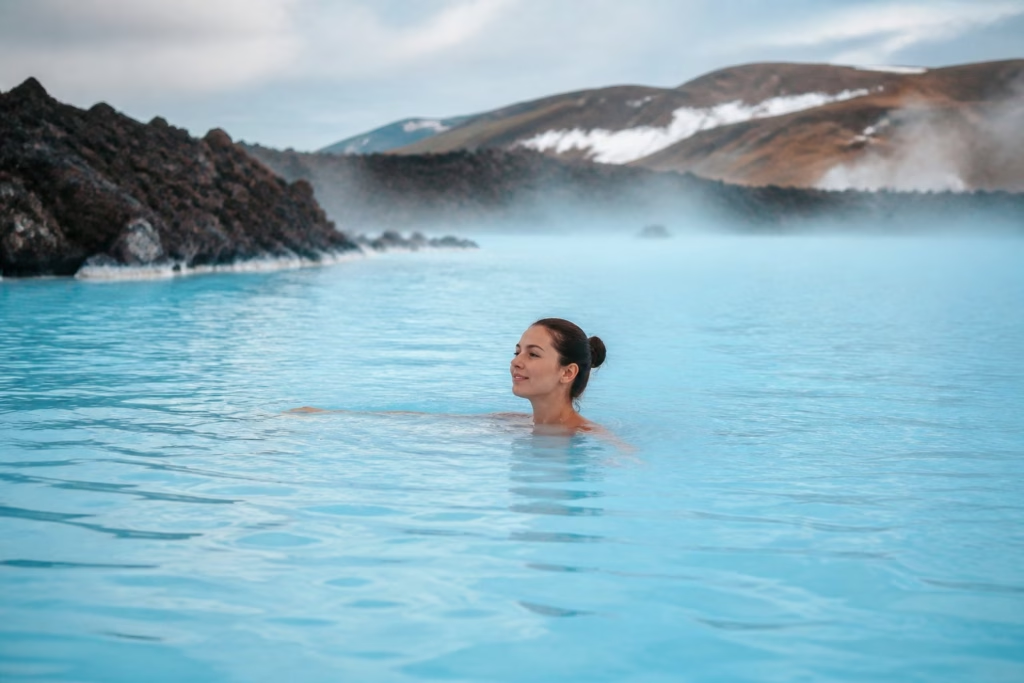
Picture yourself stepping out into freezing Icelandic air, then sinking into water that sits at a steady 37 to 39°C. Steam rolls across black lava rock, the surface glows a strange milky blue, and your shoulders drop about six inches. That is the Blue Lagoon, and it deserves a place on your list even if you normally measure a good session in lengths.
Here is the thing most swimmers get wrong before they arrive. Swimming in the Blue Lagoon Iceland is a wading and floating experience, not a lap-swimming one: the water is chest-deep or shallower across almost the whole lagoon, and the silica-rich water will wreck your hair unless you soak it in conditioner first.
Get those two facts right and everything else falls into place. You will know what ticket to buy, how to handle the changing rooms, how long to stay in before the heat catches up with you, and what to do with your swimsuit when you get back to your accommodation.
What Is the Blue Lagoon Experience Like?
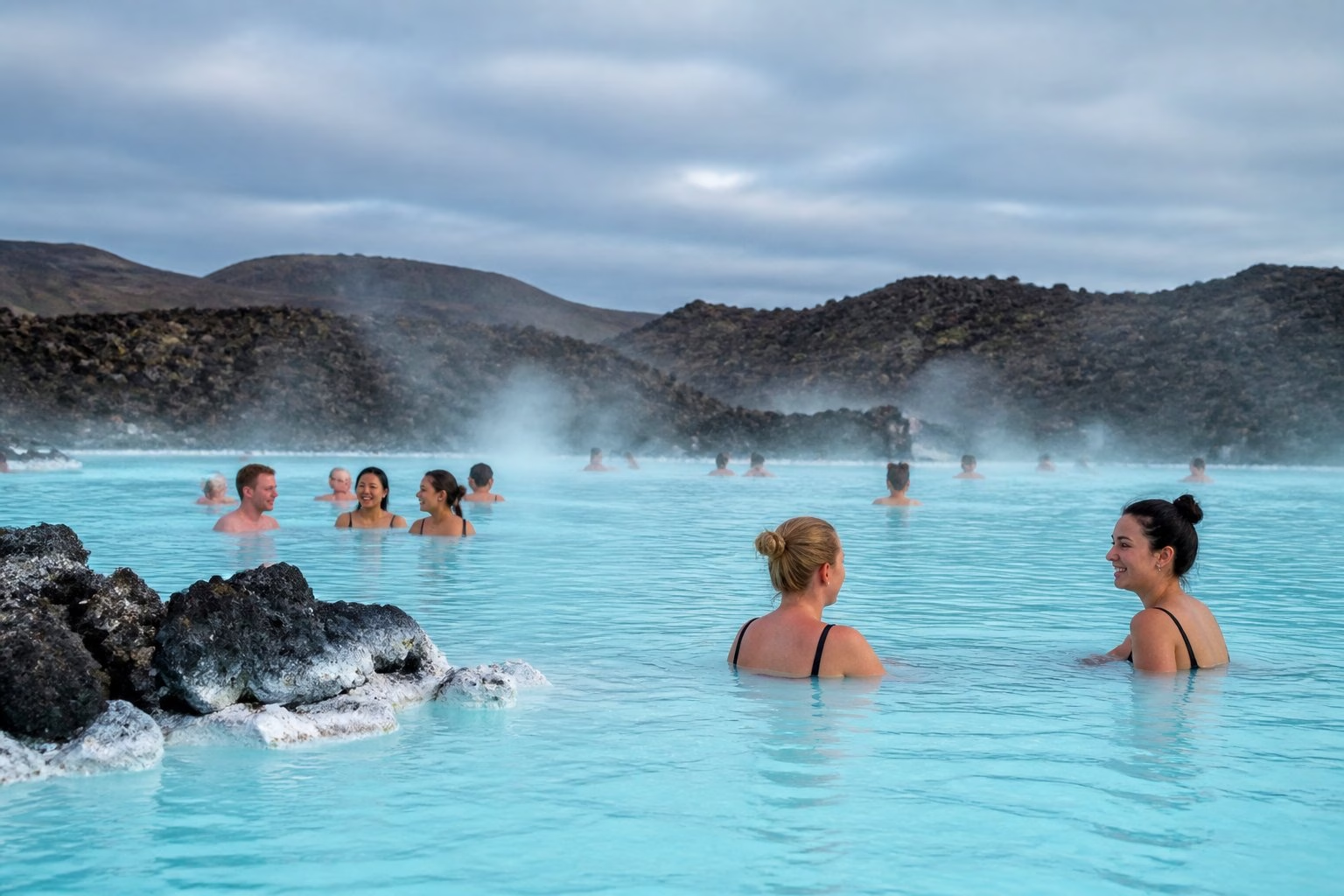
The Blue Lagoon is a large outdoor geothermal spa where you stand, wade, and float in warm mineral-rich water rather than swim. It sits in a lava field about 5 km from Grindavík on the Reykjanes Peninsula, right beside the Svartsengi geothermal power station, and the water arrives already warm from deep underground.
Is It a Place to Swim or to Soak?
You cannot swim laps here. The lagoon has no lanes, no walls to push off, and the bottom is uneven silica-covered rock in places.
What you do instead is move slowly between warmer and cooler pockets, stop at the mask bar, and float on your back with your ears under the water. Serious swimmers find the first ten minutes odd, then stop caring.
Bring your goggles only if you want them for photos. There is nothing to sight.
Water Temperature, Depth, and Visibility
The water sits between 37 and 39°C, close to body temperature and warmer than most heated pools you will have trained in. Some corners near the inflow run hotter, up to around 40°C.
Depth stays around waist to chest height for most adults, with the deepest parts reaching roughly 1.2 to 1.4 metres. You will not be out of your depth anywhere in the main lagoon.
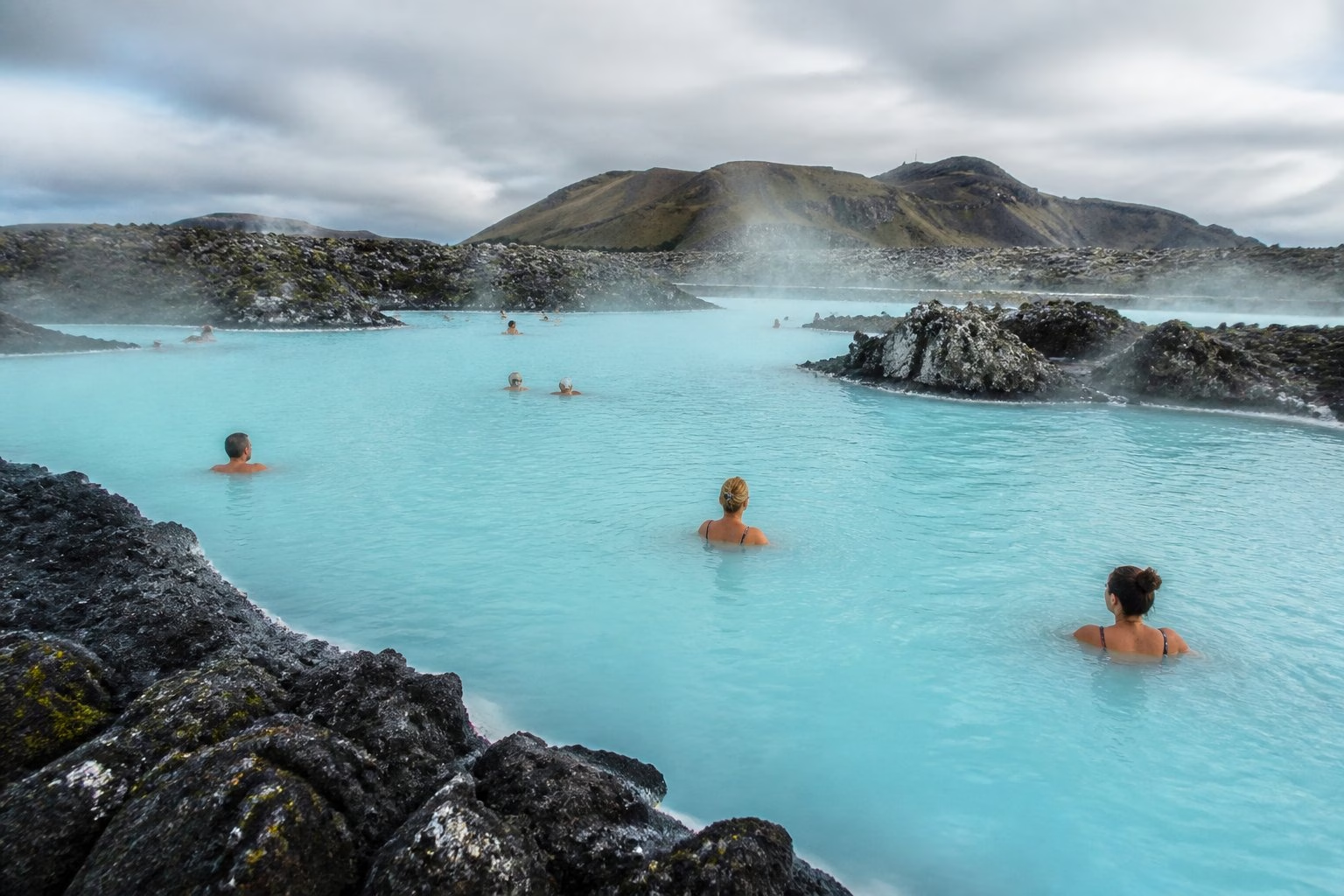
Visibility is close to zero. You cannot see your own feet once you are past your knees, so shuffle rather than stride.
Why the Water Is Milky Blue
The colour comes from the water’s mineral content. Blue Lagoon Iceland points to silica, algae, and minerals as the reason for the famous milky blue appearance, with silica reflecting sunlight to create the shade you see in photographs.
That same silica has long drawn people with psoriasis and eczema, and the site has treated skin conditions for decades. There is also a faint sulfur smell from the geothermal water, which fades within a few minutes.
How to Plan and Book Your Visit
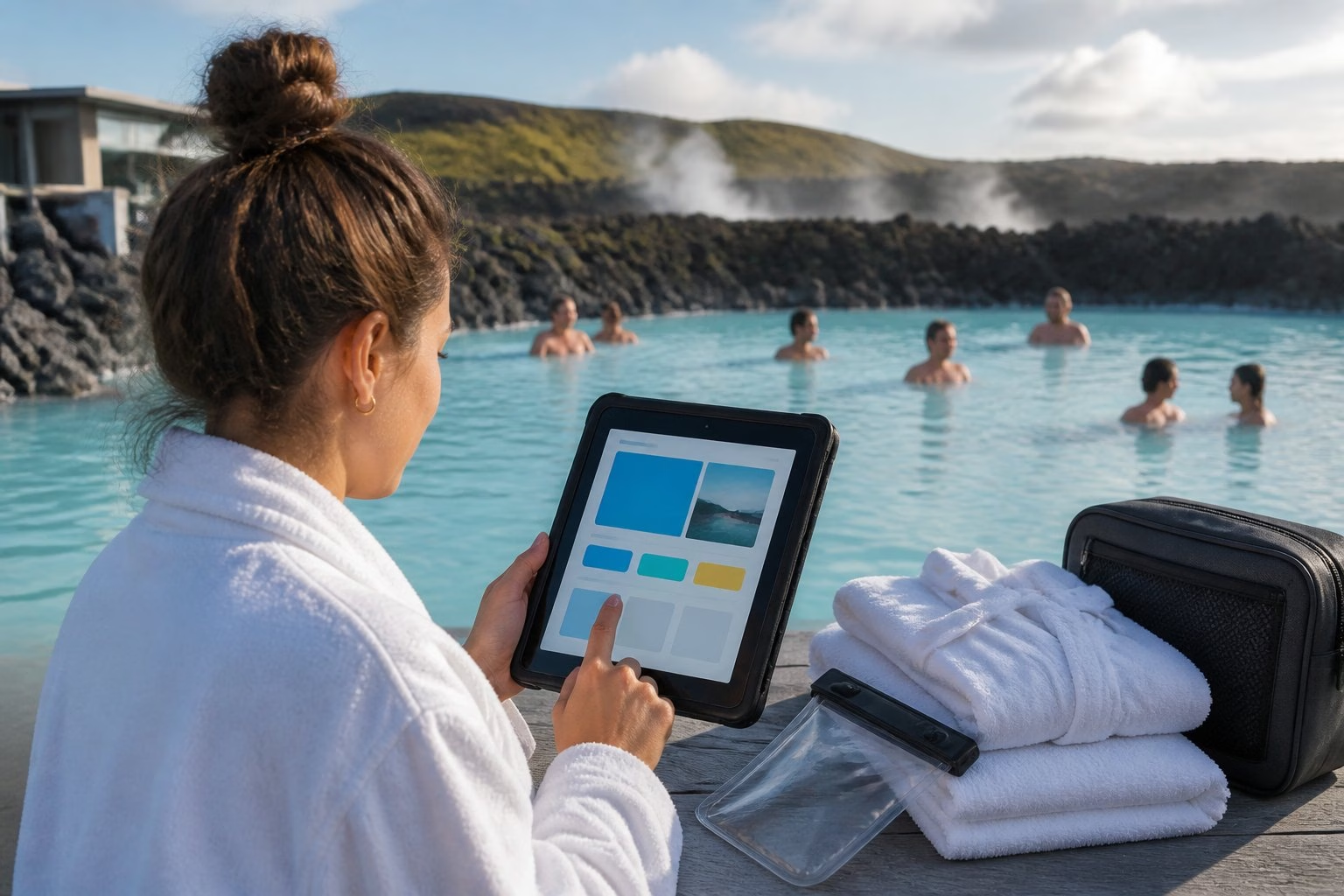
Pre-booking is compulsory, and you choose a timed entry slot rather than turning up. Prices start from ISK 11,990 for the base admission, and slots at sunrise, sunset, and the hour after airport landings sell out first.
When Should You Book Blue Lagoon Tickets?
Book at least two to four weeks ahead in summer and around a week ahead in winter. Peak slots between 10:00 and 15:00 go first because that is when coach tours arrive.
The quietest water tends to be the first slot of the day or the last two hours before closing. Summer opening runs 07:00 to 23:00 from 15 June to 20 August, with 08:00 to 22:00 hours either side of that and 08:00 to 20:00 from 1 February to 31 May, and guests are asked to leave the water 30 minutes before closing.
Late slots in winter give you a decent shot at the Blue Lagoon at night, and clear skies sometimes deliver northern lights over the steam.
Choosing Comfort, Premium, or Signature Admission
Blue Lagoon Iceland’s day-visit admission starts from ISK 11,990. The tiers differ in what is bundled, not in which water you get.
| Comfort | Premium | Signature | |
|---|---|---|---|
| Lagoon access | Yes | Yes | Yes |
| Silica mud mask | Yes | Yes | Yes |
| Towel | Yes | Yes | Yes |
| Extra masks at mask bar | No | Yes | Yes |
| Bathrobe | No | Yes | Yes |
| Slippers | No | Yes | Yes |
| Drink | 1 | 1 | 1 |
Comfort covers everything a swimmer needs. Pay up for Premium if you want the bathrobe for the walk between the lagoon and the restaurant, which is the one moment the cold really bites.
Getting There From Reykjavík or Keflavík Airport
Keflavík International Airport is about a 20-minute drive away, and Reykjavík is roughly 45 to 50 minutes. Coach transfers run from both, and Reykjavik Excursions is one of the operators serving the route.
Luggage storage on site is the reason most people schedule the lagoon on arrival day or departure day. Drop the bags, soak, then carry on with your Iceland itinerary.
Driving yourself is easy on the Reykjanes Peninsula, and the car park is free. Pair the day with the Golden Circle only when you have a full day free, since the two sit in opposite directions from the capital.
Checking Weather, Opening Status, and Volcanic Activity
The lagoon stays open in rain, wind, and snow. Sitting in the Blue Lagoon in the rain is one of the better versions of it, because your body stays warm and the water surface goes silver.
Volcanic activity on the Reykjanes Peninsula has closed the site temporarily on several occasions since 2023. Check the operator’s own status page the morning of your visit, and keep Sky Lagoon in Reykjavík as your backup.
What Happens From Check-In to the Water?
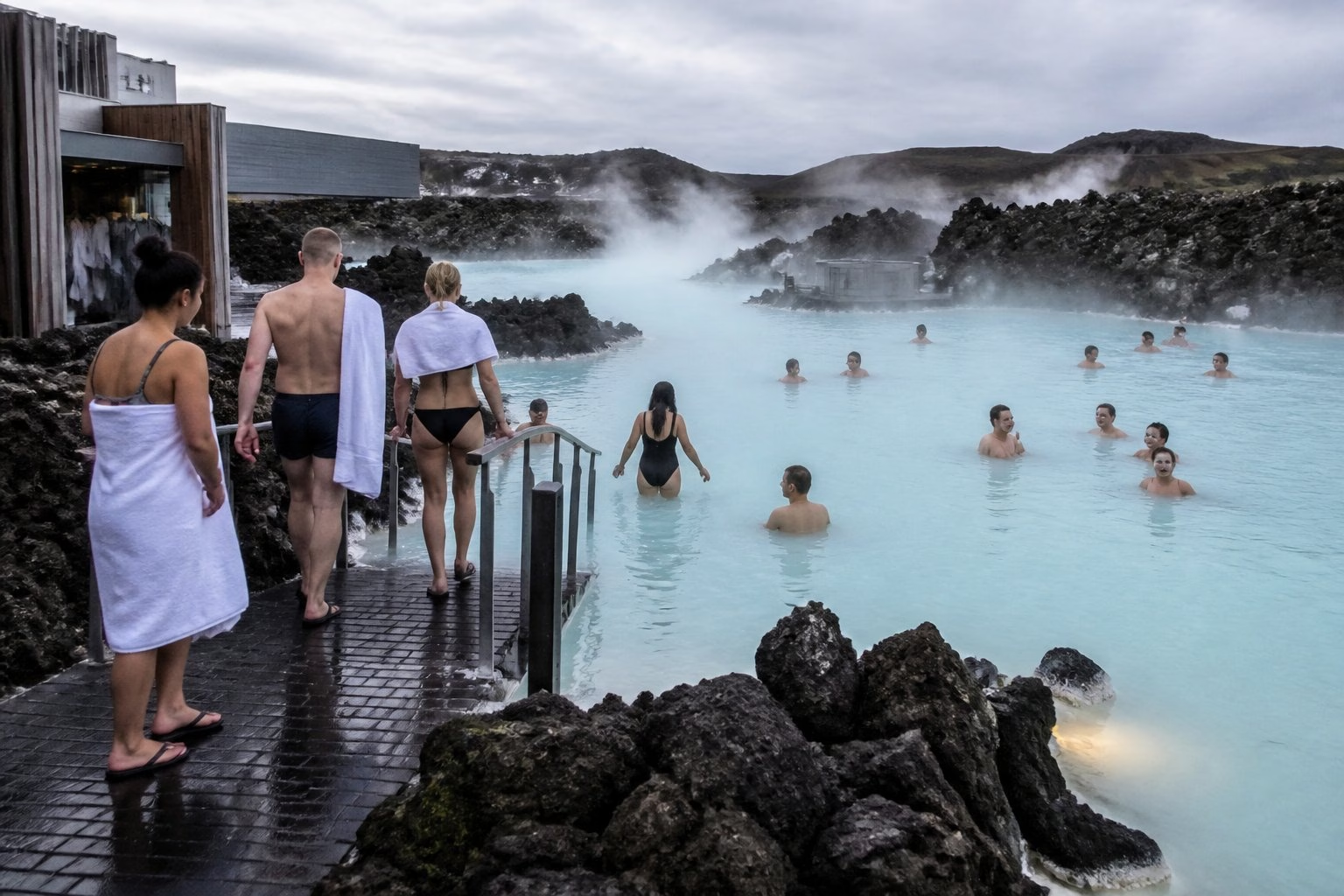
Check-in takes about five minutes and ends with an electronic wristband on your arm. From there you walk a covered path to the changing rooms, shower without swimwear, then step out into the lagoon through a set of doors or an indoor channel.
Using Your Wristband, Locker, and Towel
The wristband is your locker key, your drinks tab, and your exit pass. Press it against a free locker to lock it, then press again to reopen.
Anything you buy at the in-water bar goes on the band and you settle up at the exit gate. Your towel is handed to you at the changing room entrance, and Premium adds a bathrobe and slippers.
Waterproof phone pouches are sold on site if you want photos. Leave everything else in the locker, including jewellery, since the minerals dull silver.
What to Expect in the Changing Rooms
Changing rooms are split by gender, with private cubicles and curtained shower stalls available for anyone who prefers them. There are also gender-neutral changing facilities.
Hair dryers, mirrors, and free shower gel and conditioner are all provided. The rooms get busy on the hour when tour groups land, so arriving 10 minutes off a round hour helps.
Bring flip-flops if you dislike bare feet on wet tile. The floors are heated, so nothing is cold underfoot.
Showering and Choosing Appropriate Swimwear
Icelandic bathing culture requires a full naked shower with soap before you enter the water, and staff enforce it. This keeps chemical use in the lagoon low, so treat it as standard practice rather than an option.
Wear a swimsuit that you would not mind fading. Dark bikinis and plain trunks survive best, and light colours and anything with metal fastenings suffer most.
Wearing a t-shirt or shorts in the water is not permitted. Costumes can be hired on site if you forget yours.
Visiting With Children or Limited Water Confidence
The minimum age is two, and children aged two to eight must wear floaties provided free at the lagoon. Under-14s need an adult with them at all times.
Lifeguards patrol the lagoon, and the shallow depth means non-swimmers can stand comfortably almost everywhere. If open water still unsettles you, the strategies for overcoming a fear of deep water transfer well here, since you can keep both feet down the whole time.
Anyone who would rather stay dry can wait at the Blue Cafe or explore the surroundings while the rest of the group bathes.
How to Stay Comfortable in the Lagoon
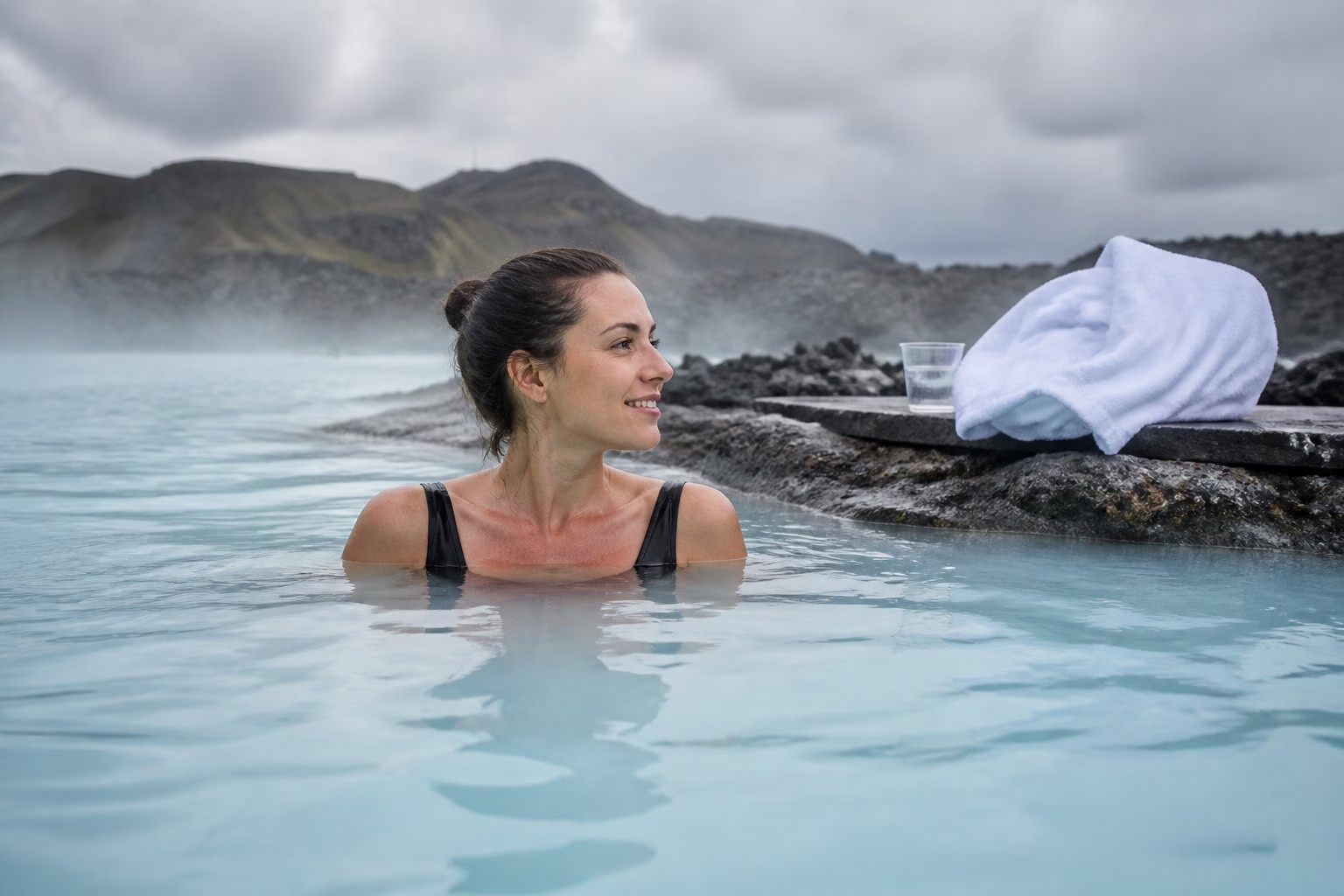
Two things ruin a Blue Lagoon visit for swimmers: silica-wrecked hair and staying in too long. Both are avoidable with five minutes of preparation and a bit of pacing.
How to Protect Your Hair From Silica
Coat your hair in the free conditioner before you shower off, and leave it in. Do not rinse it out.
Silica binds to hair and dries it into something like straw, and the effect can last for days. Blue Lagoon Iceland provides conditioner in every shower for exactly this reason and publishes hair care guidance alongside its skincare range.
The safer move is keeping your hair out of the water entirely. Tie it in a high bun, or wear a swim cap, and resist the urge to dunk your head.
Caring for Your Swimsuit and Skin Afterwards
Rinse your swimsuit in fresh water the same day, then wash it properly within 24 hours. The minerals sit in the fabric and cause stiffness and discolouration if left.
Skip fabric softener and never tumble dry it. Squeeze rather than wring, then hang it somewhere warm.
Your skin will feel slightly tight and squeaky afterwards, which is normal. A heavy moisturiser sorts it out, and the silica mud is fine to leave on your face for the whole soak.
Managing Heat, Hydration, and Time in the Water
Two hours is a comfortable maximum, and most people feel woozy after 90 minutes at 38°C. Get out every 20 to 30 minutes, even if only to stand in the cooler air for a minute.
Drink water before you go in and again during the visit. Free drinking water stations sit at the edges of the lagoon.
Alcohol is limited to three drinks per adult, and one is included with admission. Take that drink late rather than early, because warm water plus alcohol dehydrates you fast.
Where to Find Quieter and Shallower Areas
Head left from the lagoon entrance and follow the rock walls to the far edges. The crowds cluster near the mask bar, the swim-up bar, and the massage waterfall.
Shallower shelves sit along the perimeter where you can sit with your shoulders under the water. Behind the steam cave and sauna there are corners that stay near-empty even at busy times, and the sunrise slot leaves much of the lagoon to yourself.
Making the Most of a Geothermal Spa Day
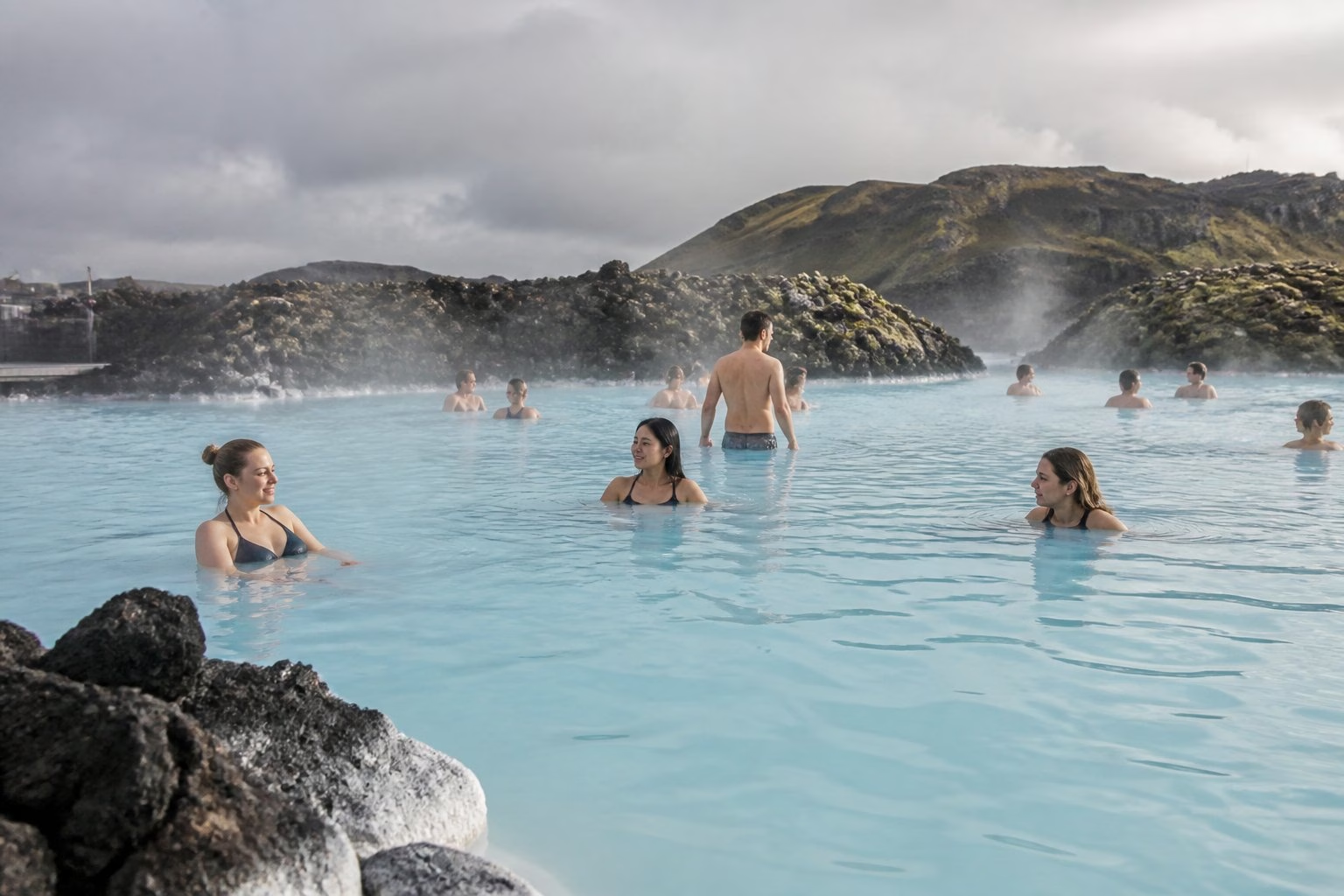
Give yourself three to four hours on site to use everything: the masks, the sauna, the steam cave, the waterfall, and a meal. Rushing a 90-minute visit wastes the parts that make it more than a warm pool.
Masks, Steam, and the Lagoon’s Relaxation Features
The silica mud mask comes with every ticket, and you collect it from the mask bar in the water. Leave it on for 10 minutes, then rinse.
Higher tiers add the algae mask and others. The dry sauna and steam cave are built into the lava rock at one end and are free to use.
Stand under the massage waterfall for 30 seconds on each shoulder. After a long-haul flight it does more for your neck than any amount of stretching.
When Are In-Water Treatments Worth Adding?
In-water treatments make sense when you are giving the lagoon a full afternoon and want a genuine spa day. The in-water massage starts from ISK 20,900 and combines massage with the geothermal seawater, and float therapy starts from ISK 20,950.
Both need booking well in advance, separately from your admission. Swimmers carrying training load will get more from a massage than from an extra hour of soaking, though the same logic behind rest and recovery for swimming performance applies whether or not you pay for the treatment.
Food, Drinks, and Dining Options
There are three main options. Lava Restaurant sits above the lagoon with a lava wall running through it, Moss Restaurant serves fine dining at the Retreat, and the Blue Cafe handles quick sandwiches and soup.
Blue Lagoon cuisine is built on fresh Icelandic ingredients, running from Icelandic classics to Michelin-starred cooking. Book Lava or Moss when you book your ticket.
The in-water bar takes your wristband and serves smoothies and beer without you leaving the water.
Upgrading to the Retreat Experience
The Retreat Spa starts from ISK 89,000 per changing room and includes a private changing suite, the Retreat Lagoon, and access to the main Blue Lagoon. The Retreat Lagoon is far quieter and connects directly to the Silica Hotel side of the site.
It is a large step up in price. Worth it for a milestone trip or if crowds genuinely spoil your enjoyment; otherwise the standard admission gets you the same water.
A Relaxing Soak Rather Than a Swim Session
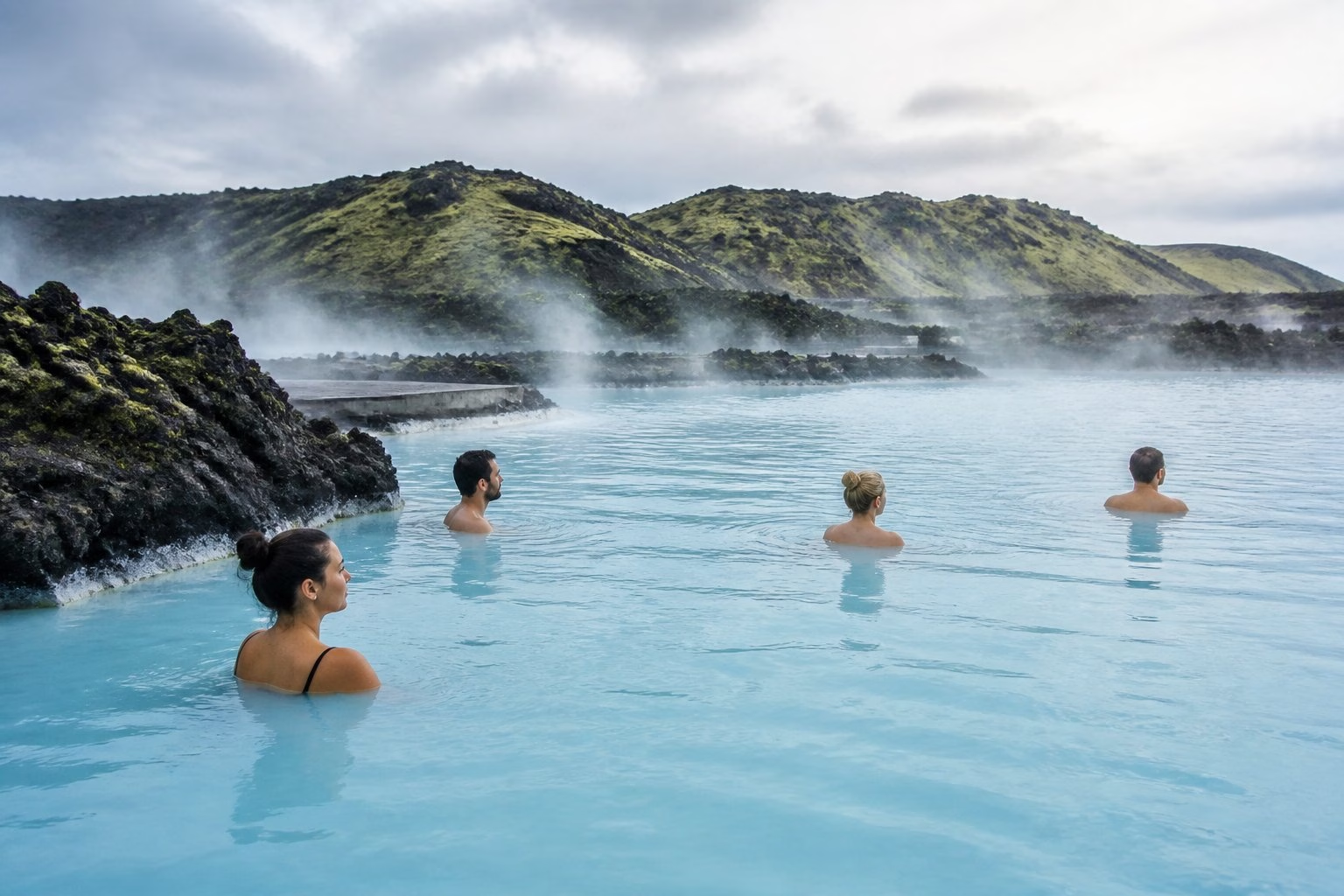
Arrive with the right expectations and visiting the Blue Lagoon becomes one of the best hours of an Iceland trip. Book your slot weeks ahead, pick an early or late entry to dodge the coaches, and treat the 37 to 39°C water as a place to float rather than train.
The practical Blue Lagoon tips worth remembering are short. Conditioner in your hair and leave it in, dark swimsuit, full shower before entry, water every 20 minutes, and a proper rinse of your costume that evening.
Comfort admission from ISK 11,990 covers the lagoon, a towel, the silica mud mask, and a drink, which is all most swimmers need. Give the site three hours, use the sauna and the waterfall, and keep Sky Lagoon in reserve if volcanic activity closes the road.
If you want more of the outdoors afterwards, Iceland’s rivers and coastline are cold enough to demand proper preparation, and the same care you would take with any cold water swimming session applies there.
Frequently Asked Questions
Is it safe to swim in the Blue Lagoon in Iceland?
Yes. Lifeguards are on duty, the water is shallow enough to stand in throughout, and the temperature is held between 37 and 39°C. Limit your time to around two hours and drink water regularly, since the heat dehydrates you faster than you expect.
How deep is the Blue Lagoon in Iceland?
The lagoon is waist to chest deep for most adults, with the deepest sections around 1.2 to 1.4 metres. There is nowhere you need to swim, and the milky water hides an uneven bottom, so walk slowly.
Do you wear a bathing suit in the Blue Lagoon?
Yes, swimwear is required in the lagoon itself, though you must shower naked with soap beforehand in the changing rooms. T-shirts and shorts are not allowed in the water, and swimsuits can be hired on site.
Why should you use conditioner before entering the Blue Lagoon?
Silica in the water binds to hair and leaves it dry and matted for days. Free conditioner is provided in every shower, and you leave it in without rinsing, ideally alongside tying your hair up to keep it clear of the water.
Can non-swimmers visit the Blue Lagoon?
Yes. The water is shallow enough that you can stand everywhere, lifeguards supervise the lagoon, and children aged two to eight are given free floaties. Anyone who would rather stay dry can wait at the Blue Cafe.
Is the Blue Lagoon in Iceland currently open?
The Blue Lagoon operates year-round, with hours of 08:00 to 22:00 from 21 August to 31 January and 08:00 to 20:00 from 1 February to 31 May. Volcanic activity on the Reykjanes Peninsula has forced temporary closures since 2023, so check the operator’s status page on the morning of your visit.