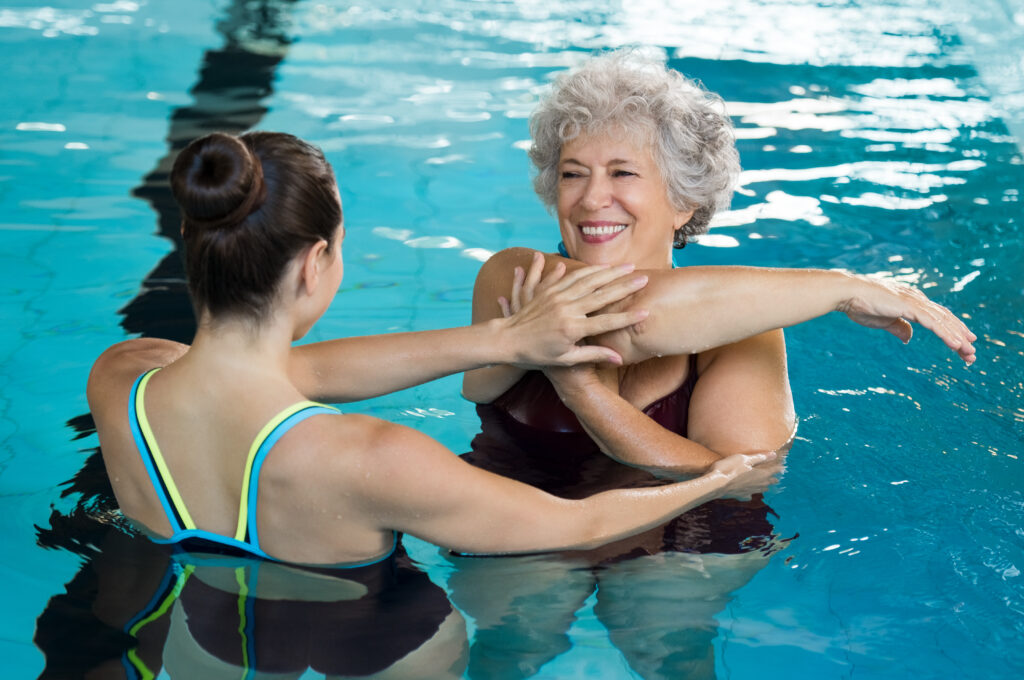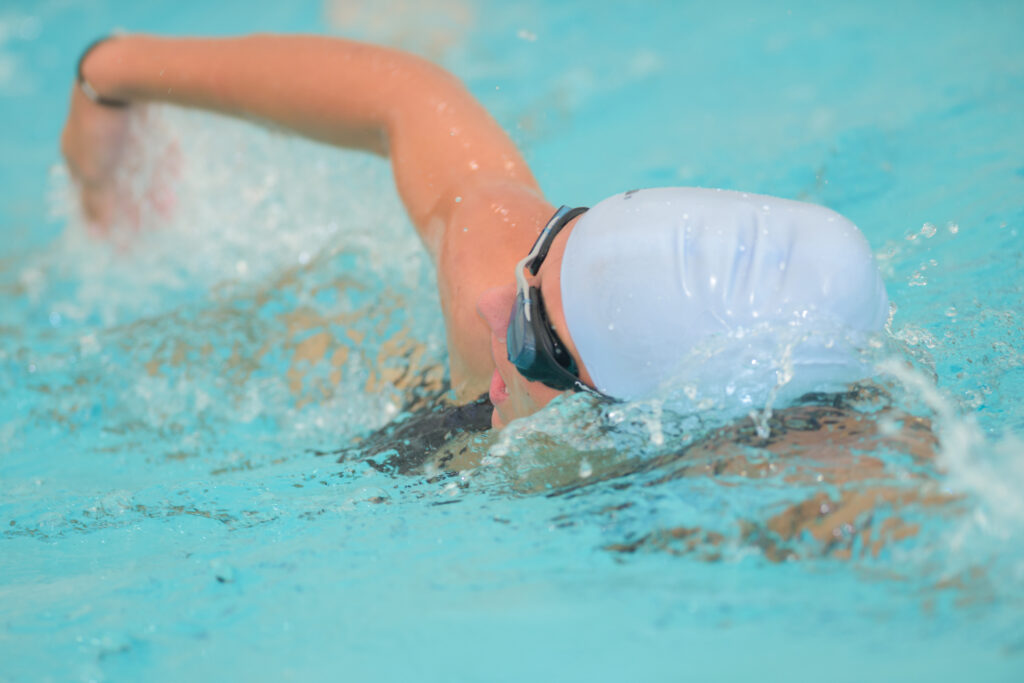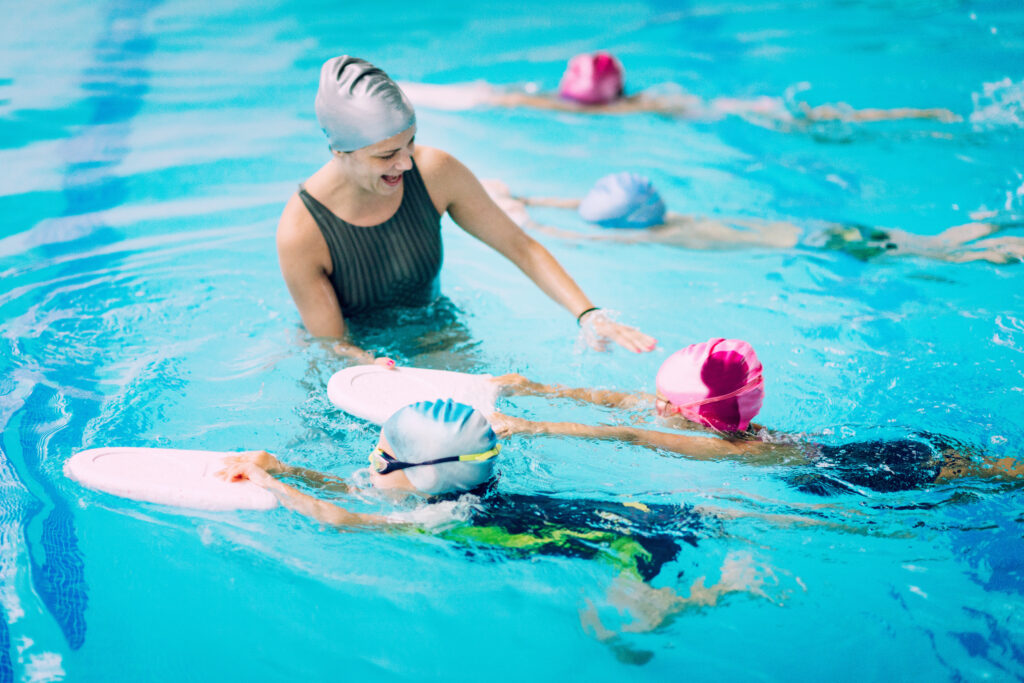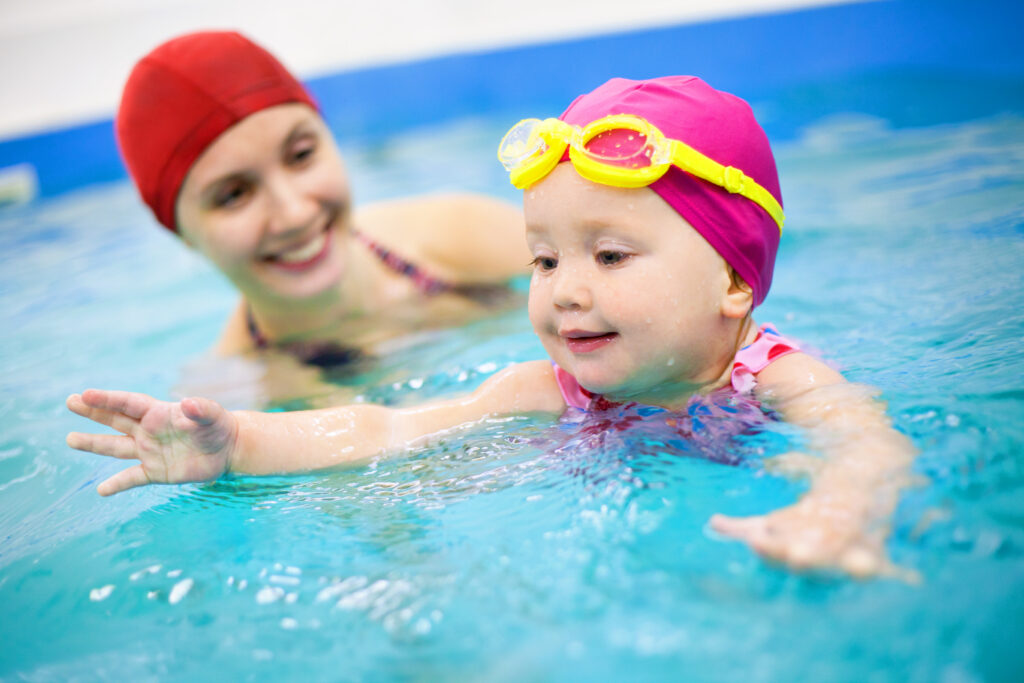
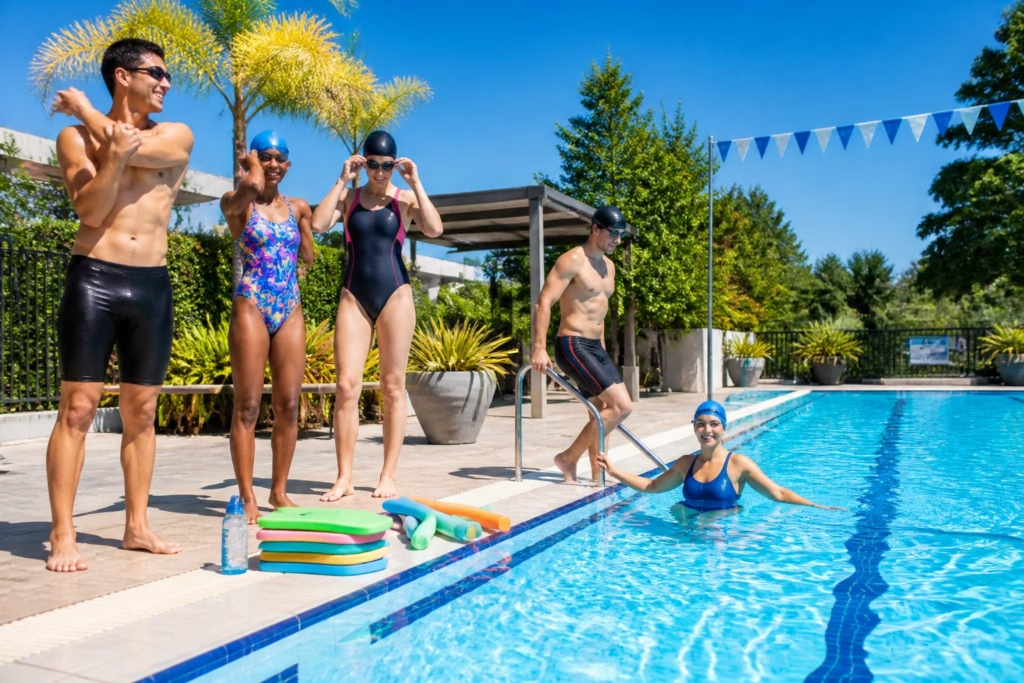
Swimming is one of the best ways to get fit without punishing your body. Unlike running on hard pavement or lifting heavy weights, swimming gives you a full-body workout that strengthens your heart, tones your muscles, and burns calories, all while being gentle on your joints. If you have been thinking about starting a new exercise routine, the pool is a brilliant place to begin.
Whether you are completely new to swimming or returning after years away, swimming for fitness gives you cardiovascular, strength, and flexibility benefits that few other exercises can match. The water supports your body weight, which means less stress on your knees, hips, and back. You can go at your own pace, rest when you need to, and still walk out of the pool feeling like you have done something genuinely good for yourself.
This guide covers everything you need to get started: why the pool suits beginners so well, how to structure your first sessions, what gear to bring, and a simple routine you can follow from week one. If you want to swim for fitness and actually enjoy the process, you are in the right place. For even more swimming workout ideas and beginner-friendly advice, explore the articles and guides across Swimmers World.
Why The Pool Works So Well For New Exercisers
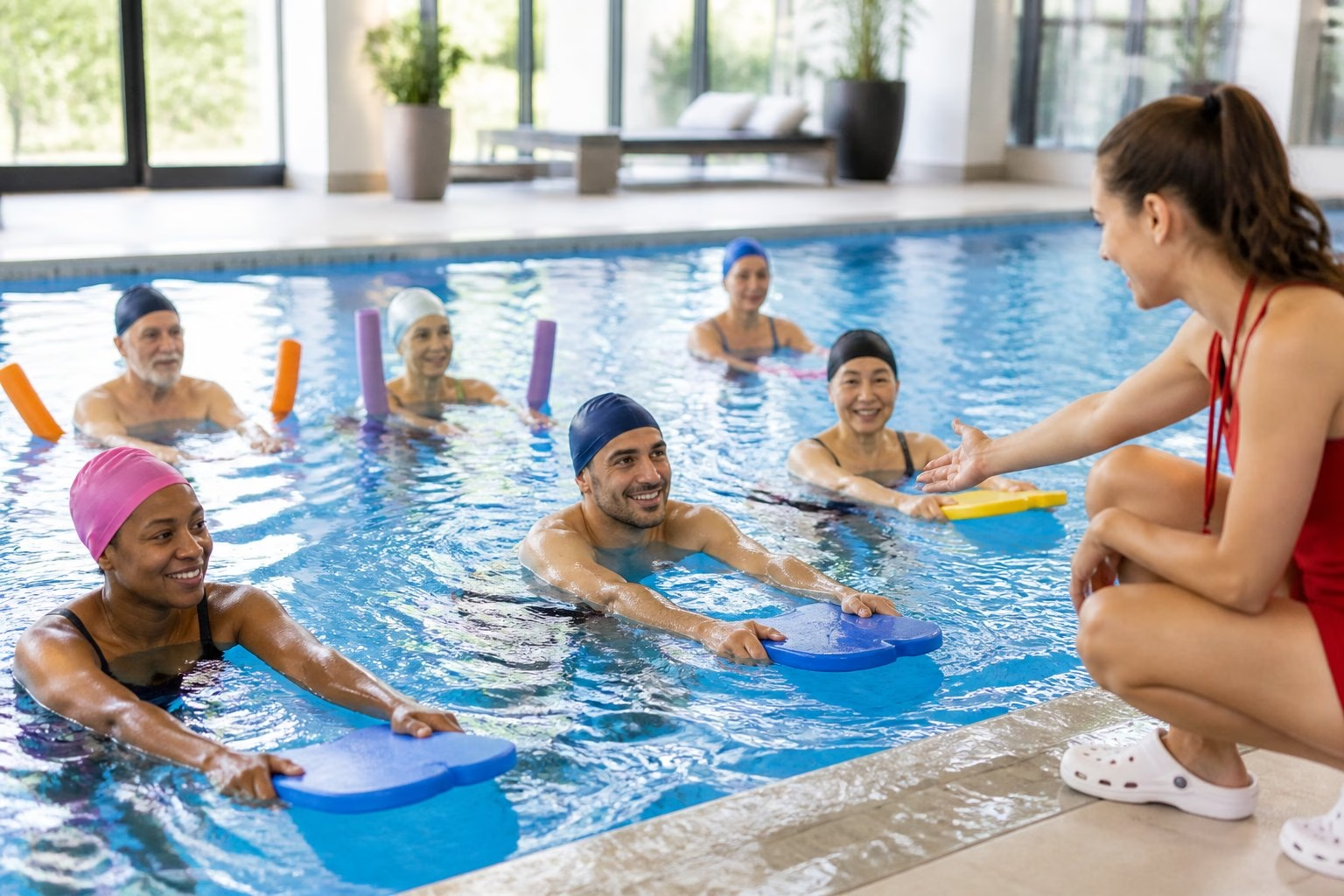
Swimming for exercise ticks boxes that most gym workouts simply cannot. The water provides natural resistance in every direction, helps regulate your body temperature, and removes the impact that makes land-based exercise tough on beginners. These qualities make it easier to build endurance steadily without the aches that often stop people in their tracks.
Cardio Gains Without Heavy Joint Impact
Water buoyancy reduces the load on your joints by up to 90 percent. That makes swimming ideal if you carry extra weight, have knee or hip concerns, or simply dislike the jarring feeling of running. Your heart rate still climbs, your lungs work harder, and you get genuine cardiovascular conditioning. According to Everyday Health, swimming is one of the best low-impact exercises for improving heart and lung health at any fitness level.
The benefits of swimming for your cardiovascular system show up quickly. After just a few weeks of regular sessions, you will likely notice that you can swim further before needing a rest and that everyday activities leave you less breathless.
How Swimming Builds Strength, Mobility, And Confidence
Every stroke you take works multiple muscle groups at once. Freestyle engages your shoulders, lats, core, and legs. Breaststroke targets your chest, inner thighs, and glutes. This full-body workout builds functional strength you can feel in daily life, from carrying shopping bags to climbing stairs.
The water also encourages a greater range of motion than most land exercises. Your arms, shoulders, and hips move through wide arcs with each stroke, gently improving flexibility over time. For many beginners, the physical progress translates directly into confidence. You start to trust your body in the water, and that sense of capability follows you out of the pool.
Why A Full-Body Approach Suits Beginners
When you swim, you do not need to plan separate sessions for upper body, lower body, and cardio. One swim session covers all three. This simplicity is a real advantage for beginners who find traditional gym programmes confusing or time-consuming.
A beginner swimming workout can be as short as 20 to 30 minutes and still deliver meaningful results. Because you are working so many muscles simultaneously, even a brief session feels productive. That efficiency helps you stay consistent, which matters far more than any single hard session ever could.
How To Start Without Feeling Overwhelmed
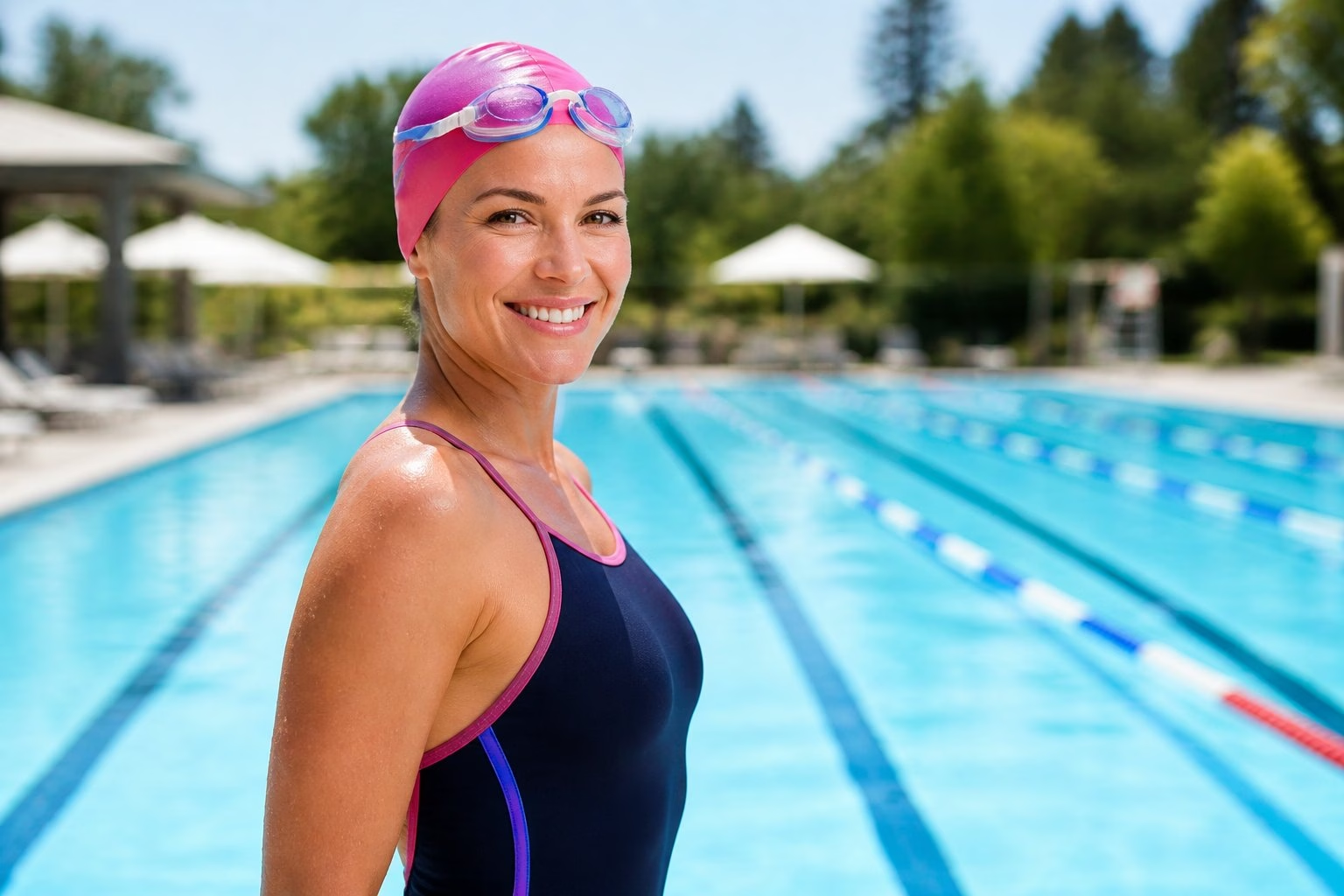
The biggest mistake beginners make is trying to do too much in the first session. You do not need to swim non-stop for 45 minutes. Sensible pacing, planned rest, and stroke variety keep your early sessions manageable and enjoyable.
How Long A First Session Should Really Be
Aim for 20 to 30 minutes of total pool time in your first few visits, including warm-up and rest. That might sound short, but it is plenty. Your body needs time to adapt to the unique demands of moving through water, and your breathing rhythm takes a few sessions to settle.
If 20 minutes feels easy, that is a good sign. Resist the urge to double it straight away. As David Lloyd’s swimming guide recommends, 30-minute swimming workouts broken into sets are the sweet spot for beginners building their base fitness.
Easy Pacing, Rest, And Effort Control
Swim at a pace where you could hold a short conversation if you stopped at the wall. If you are gasping after one length, you are pushing too hard. Slow down, focus on smooth strokes, and take 30 seconds rest at the wall whenever you need it.
A useful structure is to swim one or two lengths, rest for 20 to 30 seconds, and repeat. This interval approach lets you accumulate more total swimming time than trying to grind out continuous laps. Track your effort by feel rather than speed. You want to finish feeling pleasantly tired, not destroyed.
When To Alternate Strokes Instead Of Pushing Through Freestyle
Freestyle is efficient, but it demands a solid breathing pattern that many beginners have not developed yet. When your breathing feels strained, switch to backstroke or breaststroke for a few lengths. You will still be working hard, but the breathing demands change, giving your freestyle breathing muscles a break.
Alternating strokes also prevents overuse in any single muscle group. Try swimming two lengths of freestyle followed by one length of breaststroke or backstroke. This variety keeps your swimming laps interesting and helps you develop confidence across multiple strokes, which is far more useful long-term than grinding through freestyle alone.
Pool Basics Every Beginner Should Know
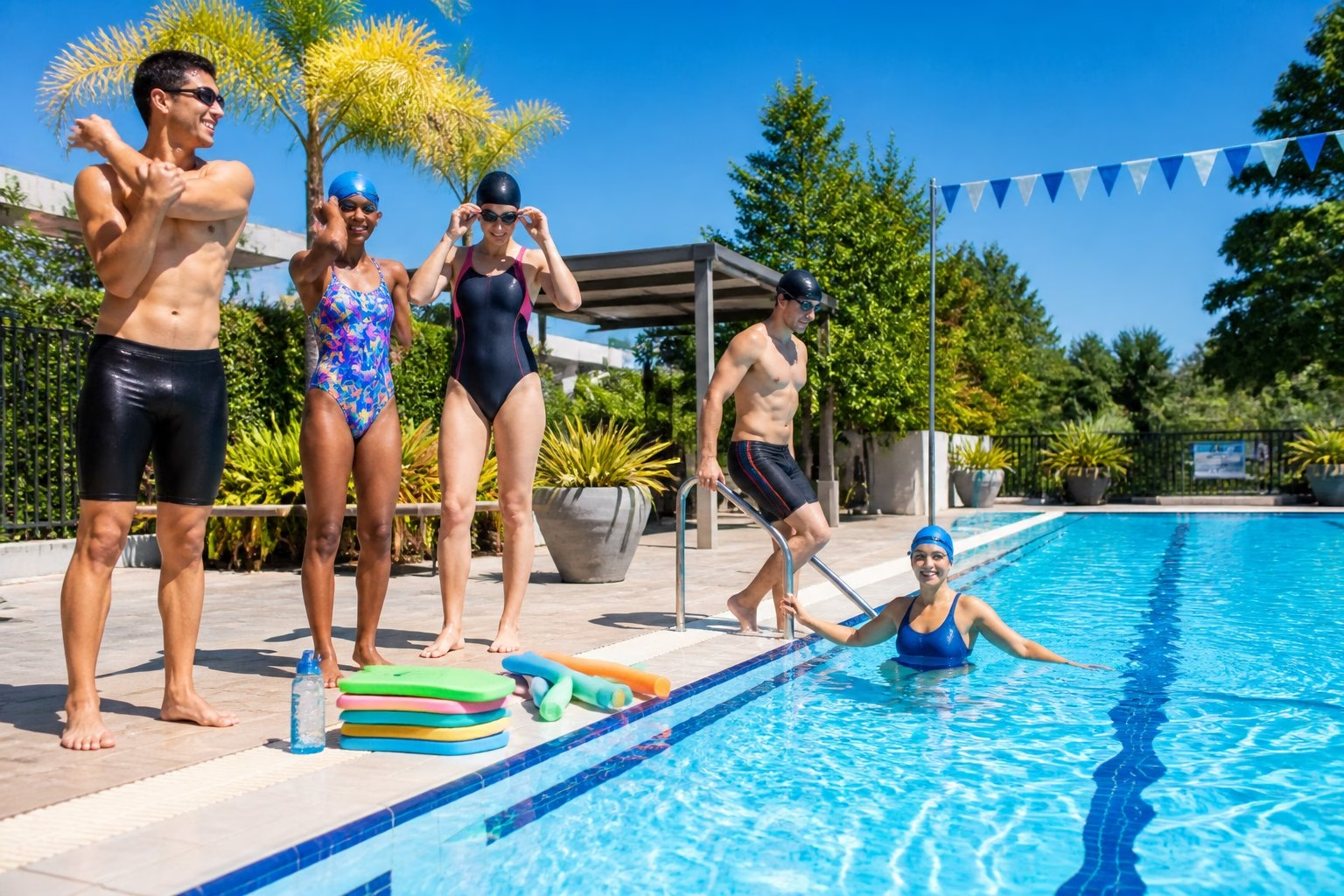
Knowing a few practical basics before your first session removes a lot of unnecessary anxiety. Pool etiquette, body position, and stroke selection are straightforward once someone explains them clearly.
Lane Etiquette And Pace Awareness
Most UK pools have lanes marked slow, medium, and fast. Start in the slow lane. There is no shame in it. Swim on the left-hand side of the lane (the UK drives on the left, and most pools follow the same convention for lane swimming). If someone faster taps your feet, pause at the next wall and let them pass.
Keep an eye on the pace clock on the poolside wall. It helps you time your rest intervals and notice when your pace improves. You do not need to obsess over times, but a quick glance at the clock keeps your session structured.
Breathing, Relaxation, And Body Position
Tense swimmers sink. The single most important thing you can do in early sessions is relax. Exhale slowly and steadily through your nose or mouth while your face is in the water. When you turn to breathe, let the air fall into your lungs rather than gasping.
Your body position should be as horizontal as possible. Look at the bottom of the pool, not forward. Keep your hips high and your core gently engaged. As noted in the Forks Over Knives swim guide, focusing on balance and body position in your early sessions pays off far more than trying to swim fast.
Simple Stroke Choices For Early Sessions
Breaststroke and backstroke are the most beginner-friendly strokes because they allow natural breathing without complex timing. Breaststroke gives you a clear view ahead, and backstroke keeps your face completely out of the water.
Freestyle is worth learning from the start, but treat it as a skill you are developing rather than your only option. Concentrate on distance per stroke: try to cover the most water with the fewest strokes possible. This forces you to reach further, glide longer, and stay relaxed. Even two or three extra inches per stroke adds up over a full swimming session.
A Simple Starter Routine You Can Actually Follow
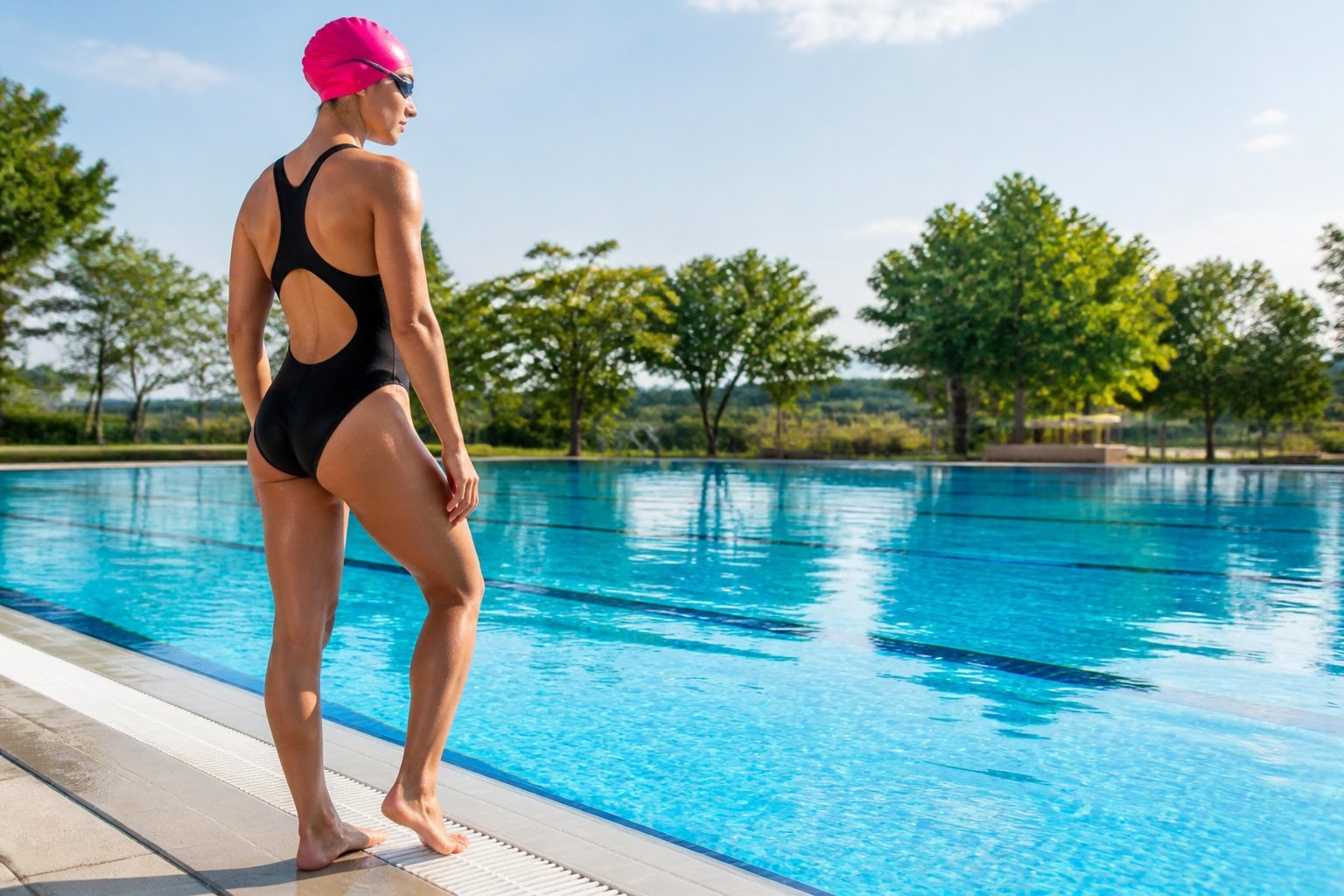
Having a plan before you get in the water makes a huge difference. These beginner swim workout ideas progress gently from week one through to week four, helping you build endurance and improve your feel for the water without burning out.
Warm-Up That Prepares You To Swim Well
Start every session with an easy 100 to 200 metres of mixed strokes. Swim gently, focusing on long, relaxed movements. This is not about effort. It is about waking up your muscles, settling your breathing, and finding your rhythm.
A good warm-up pattern:\
- 2 lengths easy breaststroke\
- 2 lengths easy backstroke\
- 2 lengths easy freestyle (or more breaststroke if freestyle breathing feels difficult)
Take 15 to 20 seconds between lengths if you need to. The goal is to feel loose and ready.
Technique Drills That Improve Feel For The Water
Drills are short, focused exercises that teach your body better movement patterns. Two excellent drills for beginners are the catch-up drill and basic kicking drills.
Catch-up drill: Swim freestyle, but keep one arm extended in front of you until the other arm “catches up” to meet it. This slows you down deliberately and forces you to focus on each stroke. Swim 2 to 4 lengths.
Kicking drills: Hold the wall or use a kickboard like the Zoggs Mini Kickboard and kick for 2 lengths. Keep your legs fairly straight and kick from the hips, not the knees. This builds leg fitness and teaches you how much propulsion your kick provides.
Main Set Options For Week 1 To Week 4
Week 1: 4 × 25m freestyle with 30 seconds rest between each. Then 4 × 25m breaststroke with 30 seconds rest. Total main set: 200m.
Week 2: 6 × 25m alternating freestyle and backstroke with 20 to 30 seconds rest. Then 2 × 50m breaststroke with 30 seconds rest. Total main set: 250m.
Week 3: 4 × 50m freestyle with 20 seconds rest. Then 4 × 25m choice of stroke with 15 seconds rest. Total main set: 300m.
Week 4: 2 × 100m freestyle with 30 seconds rest. Then 4 × 50m alternating strokes with 20 seconds rest. Total main set: 400m.
These swimming workouts for beginners fit comfortably within a 30-minute swimming workout when you include warm-up and cool-down. As your fitness grows, you can extend the distances or reduce rest times. For those who want an extra challenge by week four, try adding a short hiit swim workout element: 4 × 25m at a faster pace with 30 seconds rest between each.
Easy Cool-Down And Recovery Habits
Swim 100 to 200 metres at a very easy pace after your main set. Use backstroke or a gentle breaststroke. The goal is to bring your heart rate down gradually and flush your muscles. This is not optional. Proper swim-down helps your body recover and prepares you for your next session.
After you leave the pool, stretch your shoulders, chest, and hip flexors for a few minutes. Drink water. Eat something with protein and carbohydrates within an hour. These small habits make a real difference to how you feel the next day.
Essential Gear For Comfort, Confidence, And Progress
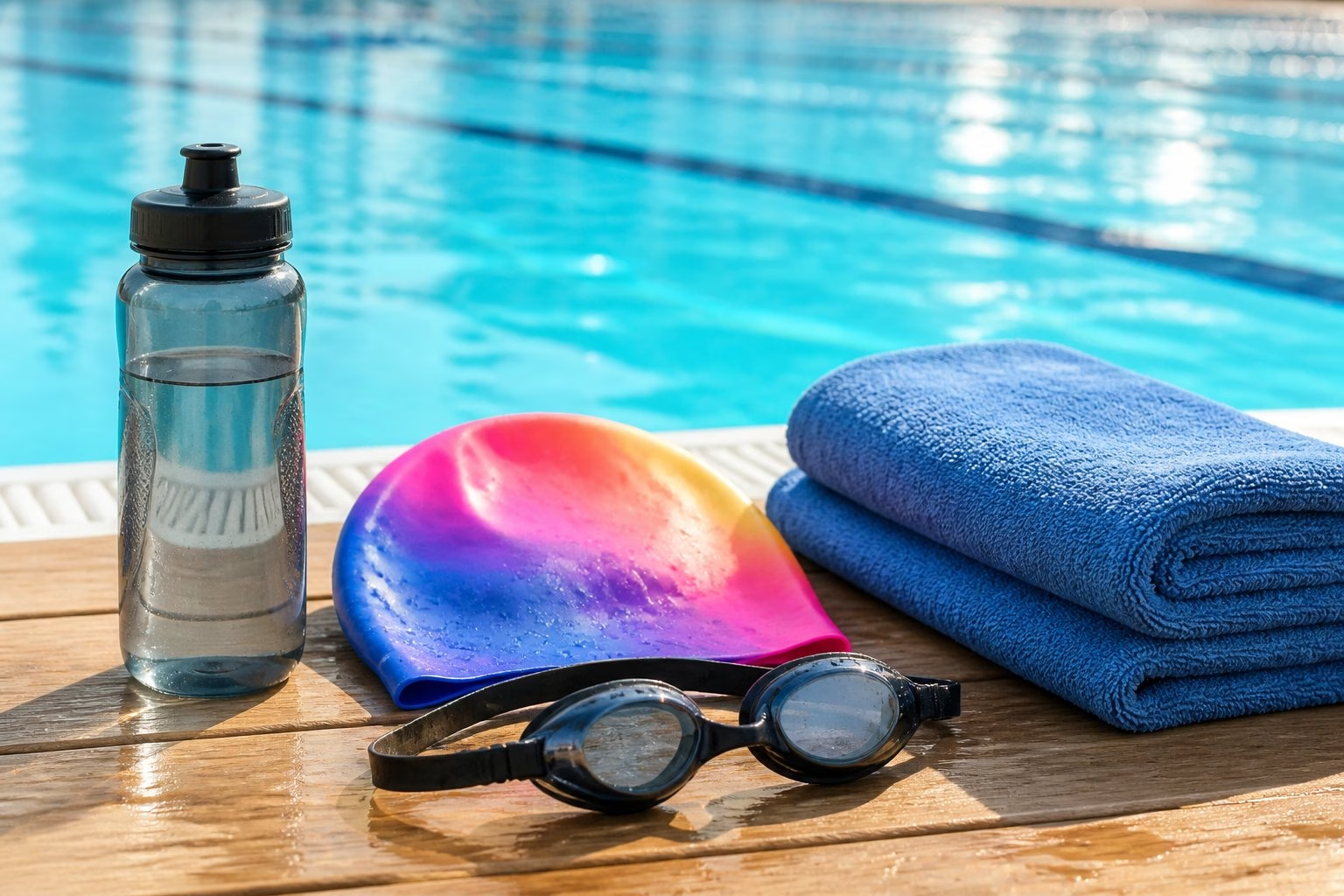
You do not need a lot of equipment to start swimming for fitness, but a few key items make the experience far more comfortable. Getting the basics right means you can focus on your swimming rather than fiddling with gear that does not fit.
What To Pack For A Beginner Pool Session
Your essentials checklist is short:
- Swim goggles: A good pair stops chlorine stinging your eyes and lets you see clearly underwater. The Speedo Biofuse 2.0 Goggles are a popular choice for beginners because of their comfortable cushioned seal and wide field of vision.
- Swim cap: A silicone swim cap keeps hair out of your face, reduces drag, and protects your hair from chlorine. Silicone caps last longer and feel smoother than latex options.
- Swimsuit: Choose something secure and comfortable that will not shift around. For men, jammers or fitted trunks work well. For women, a one-piece training swimsuit like the Speedo Endurance+ Medalist offers chlorine resistance and a snug fit that lasts.
- Towel and water bottle: A microfibre towel packs small and dries fast. Bring water to sip between sets, because you do dehydrate even in the pool.
As noted in SwimSwam’s gear guide, getting comfortable with the basics first matters more than loading up on accessories.
Which Optional Training Tools Are Worth Trying Later
Once you are swimming consistently (around four to six weeks in), a few training tools can accelerate your progress:
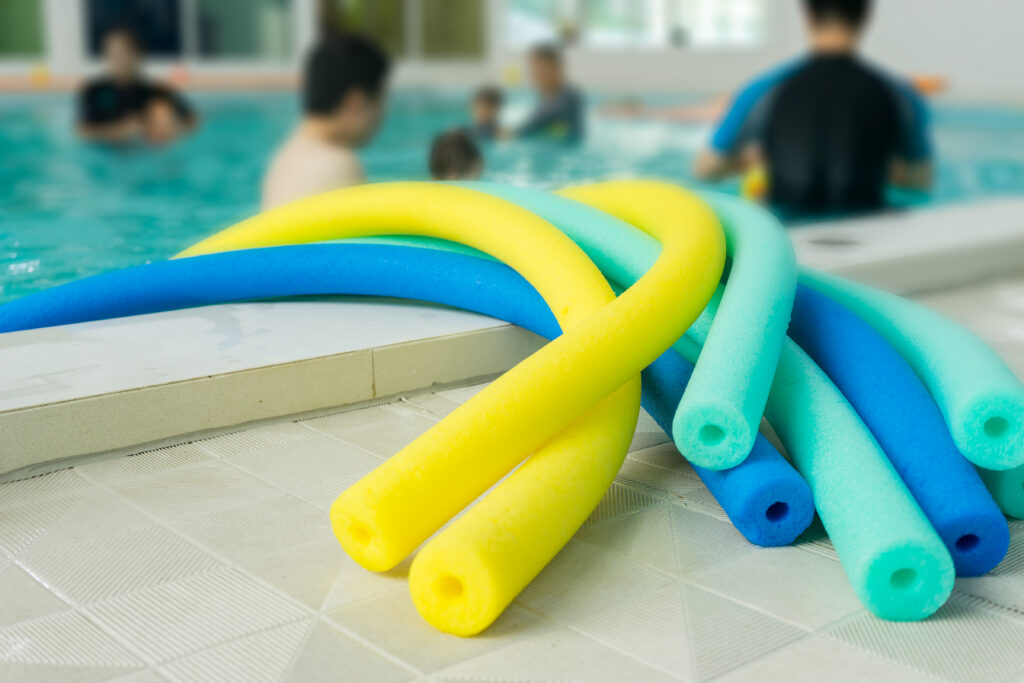
- Kickboard: Isolates your legs and builds kicking power. A standard EVA foam kickboard is inexpensive and effective.
- Pull buoy: Sits between your thighs to keep your legs afloat, allowing you to focus entirely on your arm stroke and upper body strength.
- Short-blade fins: Swimming fins like the Speedo BioFUSE Training Fins help you move through the water faster with less effort, building ankle flexibility and encouraging proper kick technique.
- Swim paddles: Best saved for later. They increase resistance on your hands and arms, which builds strength but can strain your shoulders if your technique is not solid yet.
How To Track Effort Without Obsessing Over Data
A swim watch can be helpful, but it is not essential in your first few weeks. If you do want one, something simple that tracks laps and session time is enough. Swimmers World reviews options like the Garmin Instinct E GPS Smartwatch and the Apple Watch Series 11 for swimmers who want more detailed metrics later on.
In the beginning, the pace clock on the pool wall gives you everything you need. Use it to time your rest intervals and notice natural improvements. If you swam 4 × 25m with 30 seconds rest last week and this week you only need 20 seconds, that is genuine progress. Keep a simple notebook or phone note of your sessions: total distance, how you felt, and any stroke you want to work on next time.
How To Keep Improving Week After Week
Getting started is one thing. Staying consistent and continuing to improve is where the real rewards come. The good news is that beginners improve quickly because almost everything is new to your body. Small, intentional changes each week add up to significant fitness gains over a few months.
Simple Progress Markers Beyond Speed
Speed is the most obvious measure, but it is not the most useful one for beginners. Pay attention to these markers instead:
- Distance per stroke: Count your strokes per length. If you can cover 25 metres in fewer strokes this week than last, your technique is improving.
- Total session distance: Are you swimming further in the same 30 minutes? That shows your endurance is building.
- Recovery time: If you need less rest between sets, your cardiovascular fitness is getting better.
- How you feel afterwards: Less fatigue, better mood, and quicker recovery between sessions are all signs your body is adapting.
According to Swimming Calculators, tracking structured metrics helps swimmers make measurable progress rather than just swimming random laps.
When To Add Distance, Intensity, Or Variety
Follow the 10 percent rule as a rough guide: increase your total weekly distance by no more than 10 percent at a time. If you swam 800 metres total last week, aim for around 880 metres this week.
Add intensity only after you can comfortably swim your target distance at an easy pace. Intensity does not mean sprinting. It means swimming a few sets at a slightly brisker pace, perhaps 4 × 50m at a pace where you are breathing harder but still in control.
Variety keeps your swimming training fresh. Try a new stroke, add a drill you have not done before, or swim a longer single set instead of several short ones. Mixing your swim workouts prevents plateaus and keeps you mentally engaged.
Dryland Support And Core Stability
Swimming demands a strong core, stable shoulders, and good posture. A few minutes of core exercises for swimmers after each pool session, or on rest days, makes a noticeable difference in the water.
Effective beginner exercises include:
- Plank holds: 3 × 20 to 30 seconds. Builds the trunk stability you need for a streamlined body position.
- Dead bugs: 3 × 10 each side. Teaches your core to stabilise while your arms and legs move independently, which is exactly what swimming requires.
- Shoulder Y-T-W raises: 2 × 8 of each with light weights or no weight. Strengthens the small muscles around your shoulder blades and helps prevent injury.
- Glute bridges: 3 × 12. Supports hip extension, which is crucial for an effective kick.
You do not need a gym for these. A yoga mat and ten minutes three times a week is enough to see real improvements in your swimming posture and power.
Frequently Asked Questions
How long should a beginner swim for an effective workout?
A 20 to 30 minute session is ideal when you are starting out. This includes warm-up, a main set, and a cool-down. As your fitness improves over the first few weeks, you can gradually extend sessions to 40 or 45 minutes.
What is a simple 30-minute swim session for someone just starting out?
Warm up with 4 easy lengths of mixed strokes (about 5 minutes). Swim 8 × 25m with 30 seconds rest between each, alternating freestyle and breaststroke (about 15 minutes). Cool down with 4 easy lengths of backstroke or breaststroke (about 5 minutes). Use the remaining time for gentle stretching at the poolside.
How many times a week should a beginner swim to improve fitness?
Two to three sessions per week is the sweet spot for beginners. This frequency gives your body enough stimulus to adapt while allowing proper recovery between sessions. According to Swimmer Living, consistency matters more than volume in the early weeks.
Which swim strokes are best for building fitness with less strain on the shoulders?
Breaststroke and backstroke are easier on the shoulders than freestyle and butterfly. Breaststroke uses a sweeping arm action that avoids overhead rotation, while backstroke distributes the load evenly. Both strokes still provide excellent cardiovascular and muscular benefits.
Can you lose weight through swimming alone, and how should beginners pace themselves?
Swimming can absolutely contribute to weight loss, especially when combined with a balanced diet. Beginners should pace themselves at a moderate effort, swimming at a speed where they feel challenged but can still maintain good form. Pushing too hard too early leads to burnout and makes sessions feel unpleasant.
What dry-land exercises can beginners do at home to support swimming and prevent injury?
Plank holds, dead bugs, glute bridges, and shoulder Y-T-W raises are excellent starting points. These exercises strengthen your core, hips, and shoulder stabilisers, which are the areas swimmers rely on most. Ten minutes three times a week is enough to notice improvements in your body position and stroke power within a few weeks.