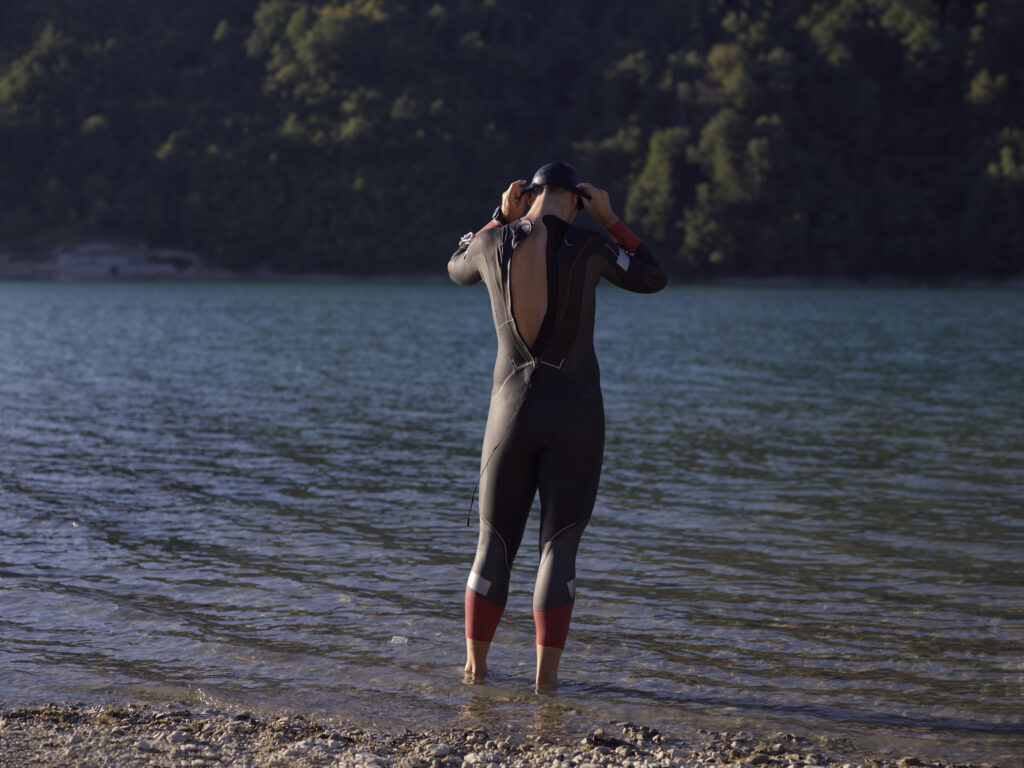
Portugal’s coastline offers some of Europe’s finest swimming destinations, with crystal-clear waters and diverse beach environments perfect for sea swimming enthusiasts. From the dramatic cliffs and turquoise waters of the Algarve to the wilder Atlantic shores of the north, the country provides excellent conditions for swimmers of all abilities.
The best beaches in Portugal for sea swimming combine calm, clear waters with safe conditions, ranging from sheltered coves with gentle waves to expansive stretches of golden sand backed by stunning scenery. These swimming spots cater to families seeking shallow, warm waters as well as experienced swimmers looking for more challenging conditions.
Whether exploring the famous resort towns of the Algarve, discovering hidden gems along the central coast, or venturing to Portugal’s Atlantic islands, swimmers will find beaches that match their preferences. The country’s varied coastline includes everything from river-mouth beaches with gentle currents to protected bays where the Mediterranean-like climate creates ideal swimming conditions throughout much of the year.
What Makes a Great Beach for Sea Swimming in Portugal?
Portugal’s coastline offers exceptional conditions for sea swimming, with crystal-clear water being the most crucial factor. Beach accessibility through well-maintained paths or wooden steps, combined with safety features like lifeguard services, creates ideal swimming environments.
Water Quality and Clarity
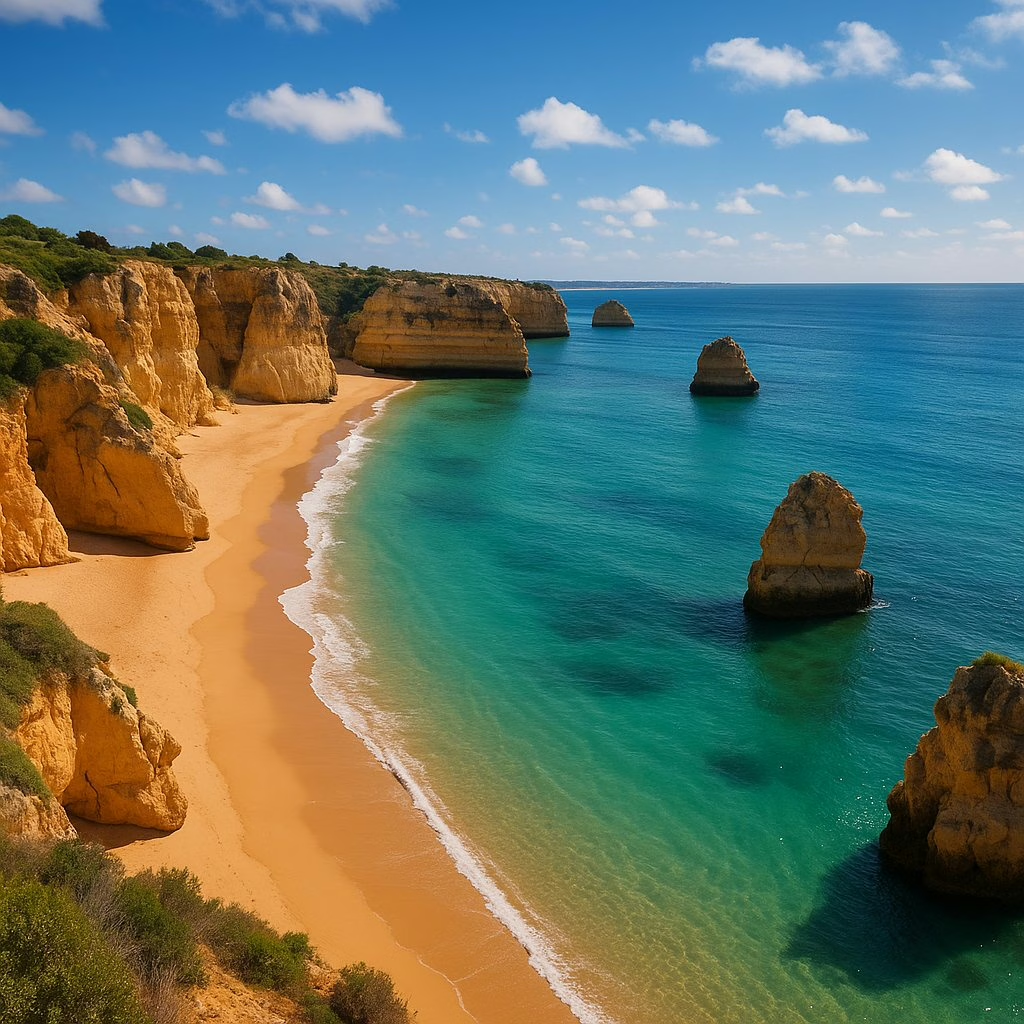
Portugal’s best swimming beaches feature exceptionally clear waters due to Atlantic currents and minimal industrial pollution along most coastal areas. The crystal-clear water at locations like Praia dos Galapinhos allows swimmers to see several metres underwater.
Water temperatures range from 16°C in winter to 22°C in summer along the mainland coast. The Algarve region maintains warmer temperatures year-round, making it ideal for extended swimming sessions.
Blue Flag certification indicates superior water quality at many Portuguese beaches. These beaches undergo regular testing for bacteria levels and pollution. Clean water reduces health risks and enhances the overall swimming experience.
Calm bays and protected coves offer the clearest conditions. Rocky limestone cliffs often shelter these areas from strong currents and wind, creating natural swimming pools with exceptional visibility.
Beach Accessibility
Well-designed access points make Portuguese beaches suitable for all swimmers. Many beaches feature wooden steps carved into limestone cliffs, providing safe descent routes to secluded swimming spots.
Family-friendly beaches typically offer:
- Paved walkways from car parks
- Ramps for wheelchair access
- Changing facilities and toilets
- Lifeguard stations during summer months
Beaches near major cities like Lisbon and Porto provide excellent public transport links. Ferry services connect mainland areas to barrier islands, expanding swimming options significantly.
Remote beaches may require longer walks through lush vegetation. These locations often reward visitors with pristine swimming conditions and fewer crowds.
Safety Considerations
Lifeguard services operate at Portugal’s most popular swimming beaches from June through September. These trained professionals monitor water conditions and assist swimmers in emergencies.
Wave conditions vary dramatically between Portugal’s west and south coasts. Atlantic-facing beaches experience larger swells, while south-facing Algarve beaches offer gentler conditions perfect for leisurely swimming.
Strong undertows can develop near towering cliffs and rocky outcrops. Swimmers should stay within designated safe zones and avoid isolated coves during rough weather.
Red flag warnings indicate dangerous swimming conditions. Yellow flags suggest caution, while green flags signal safe swimming weather.
Natural Beauty and Scenery
Portugal’s most memorable swimming spots combine golden sand with dramatic coastal landscapes. Limestone cliffs create stunning backdrops whilst providing natural windbreaks for comfortable swimming.
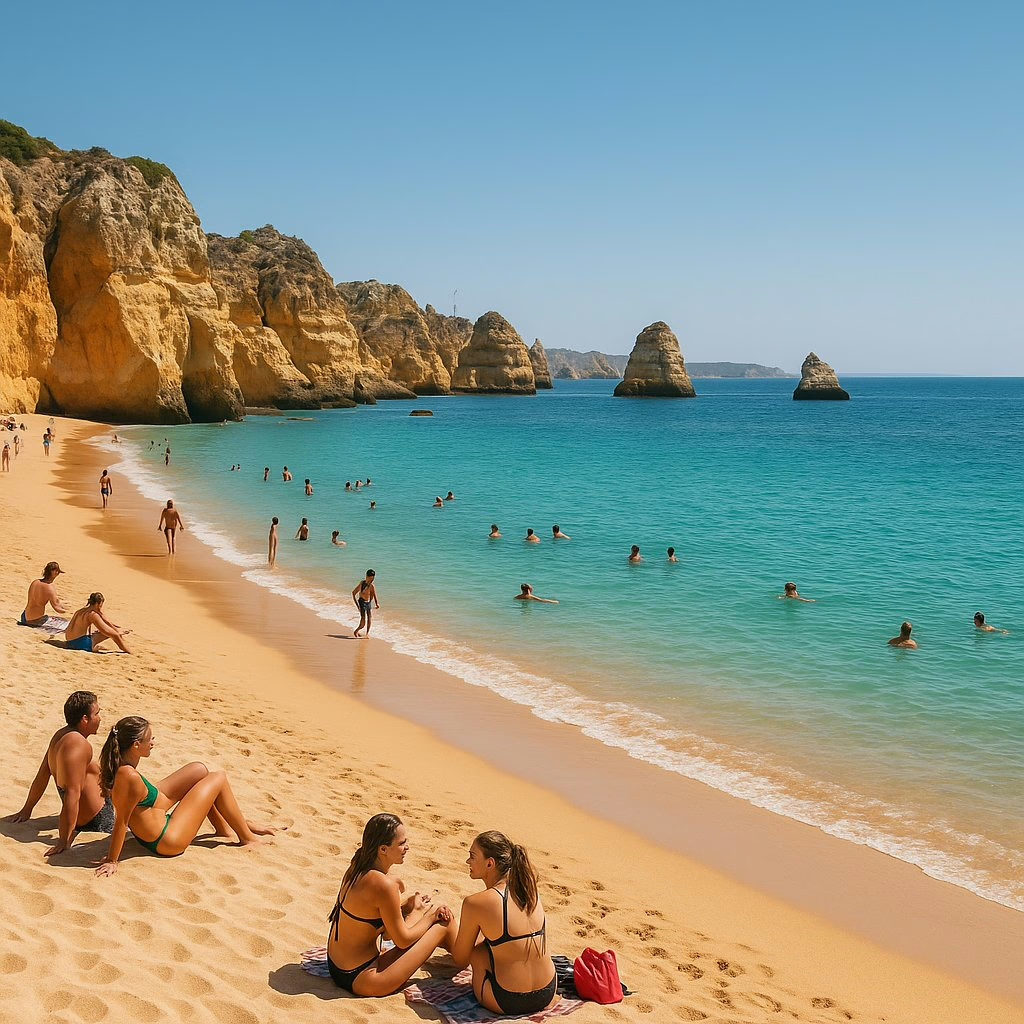
The contrast between emerald waters and ochre-coloured cliffs defines many Algarve swimming locations. These geological formations also create interesting underwater topography for exploring whilst swimming.
Lush vegetation growing along clifftops adds to the scenic appeal. Pine forests and Mediterranean plants create fragrant, shaded areas perfect for post-swim relaxation.
Hidden coves nestled between towering cliffs offer intimate swimming experiences. These secluded spots often feature the clearest water and most pristine golden sand, creating perfect natural swimming pools.
Top Beaches in the Algarve for Swimming
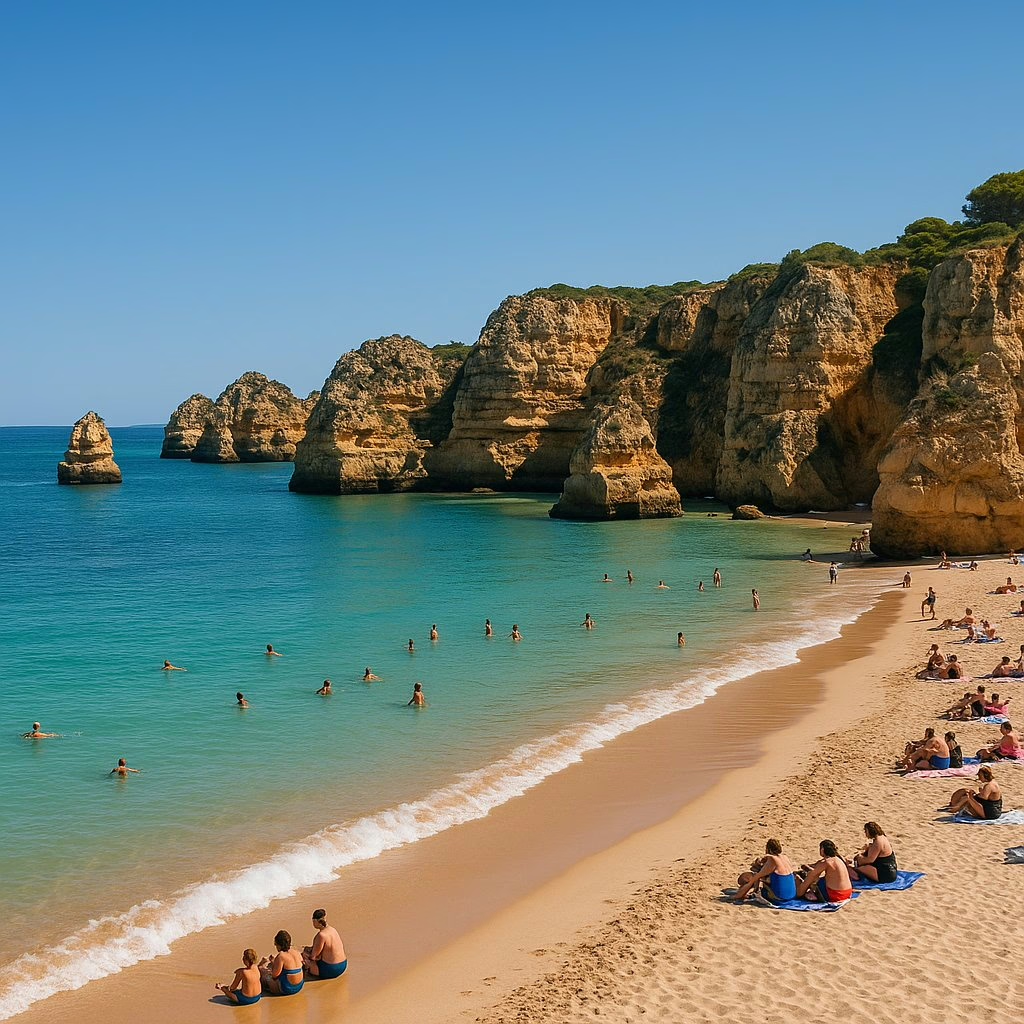
The Algarve offers exceptional swimming conditions with warm waters, protected coves, and gentle currents that make these three beaches stand out. Each location provides crystal-clear water and unique coastal features that enhance the swimming experience.
Praia do Camilo
Praia do Camilo near Lagos ranks among the western Algarve’s most spectacular swimming spots. The beach sits nestled between towering limestone cliffs that create a sheltered cove with calm, turquoise waters.
Visitors must descend wooden steps carved into the cliff face to reach the golden sand below. The protected location shields swimmers from strong Atlantic currents, making it ideal for families with children.
The dramatic limestone formations create natural windbreaks that keep the water remarkably still. Swimming conditions remain excellent even when nearby beaches experience rougher seas.
Key Swimming Features:
- Sheltered cove with minimal waves
- Warm, shallow waters near shore
- Natural protection from Atlantic swells
- Easy access to deeper water for stronger swimmers
The compact size means the beach fills quickly during summer months. Early morning visits offer the best combination of space and ideal swimming conditions.
Praia da Marinha
Praia da Marinha delivers some of the Algarve’s clearest waters for swimming, enhanced by its spectacular limestone rock formations. The beach’s position between protective cliffs creates calm swimming conditions throughout most of the year.
The water clarity makes it perfect for snorkeling, with visibility extending several metres underwater. Swimmers can explore around the famous limestone stacks that rise from the sea just offshore.
Swimming Highlights:
- Water clarity: Exceptional visibility for underwater viewing
- Depth variety: Shallow areas for beginners, deeper sections for experienced swimmers
- Marine life: Excellent snorkeling opportunities around rock formations
- Protection: Natural barriers reduce wave action significantly
The golden sand slopes gradually into the water, allowing swimmers to wade out slowly. More confident swimmers can venture towards the sea caves and rock formations that make this beach famous across Europe.
Access requires a short walk from the clifftop car park, but the pristine swimming conditions justify the effort. The beach maintains its reputation as one of Europe’s finest swimming destinations.
Praia da Falésia
Praia da Falésia near Albufeira combines expansive golden sand with excellent swimming conditions along its 6-kilometre stretch. The impressive ochre and white cliffs provide a stunning backdrop whilst offering protection from inland winds.
The beach’s length means swimmers can always find quieter sections, even during peak summer periods. Water depth increases gradually from the shore, making it suitable for swimmers of all abilities.
Swimming Advantages:
- Extensive beach length reduces overcrowding
- Gentle water entry with sandy bottom
- Consistent water temperature due to southern exposure
- Multiple access points along the coastline
The eastern sections near Vilamoura typically offer calmer conditions than areas closer to Albufeira. Lifeguards patrol the main swimming areas during summer months, providing additional safety for families.
Strong swimmers can venture further out to enjoy clearer waters, whilst the shallows remain perfect for children and less confident swimmers. The consistent sand bottom eliminates concerns about rocky areas or sudden depth changes.
Best Beach Destinations Beyond the Algarve
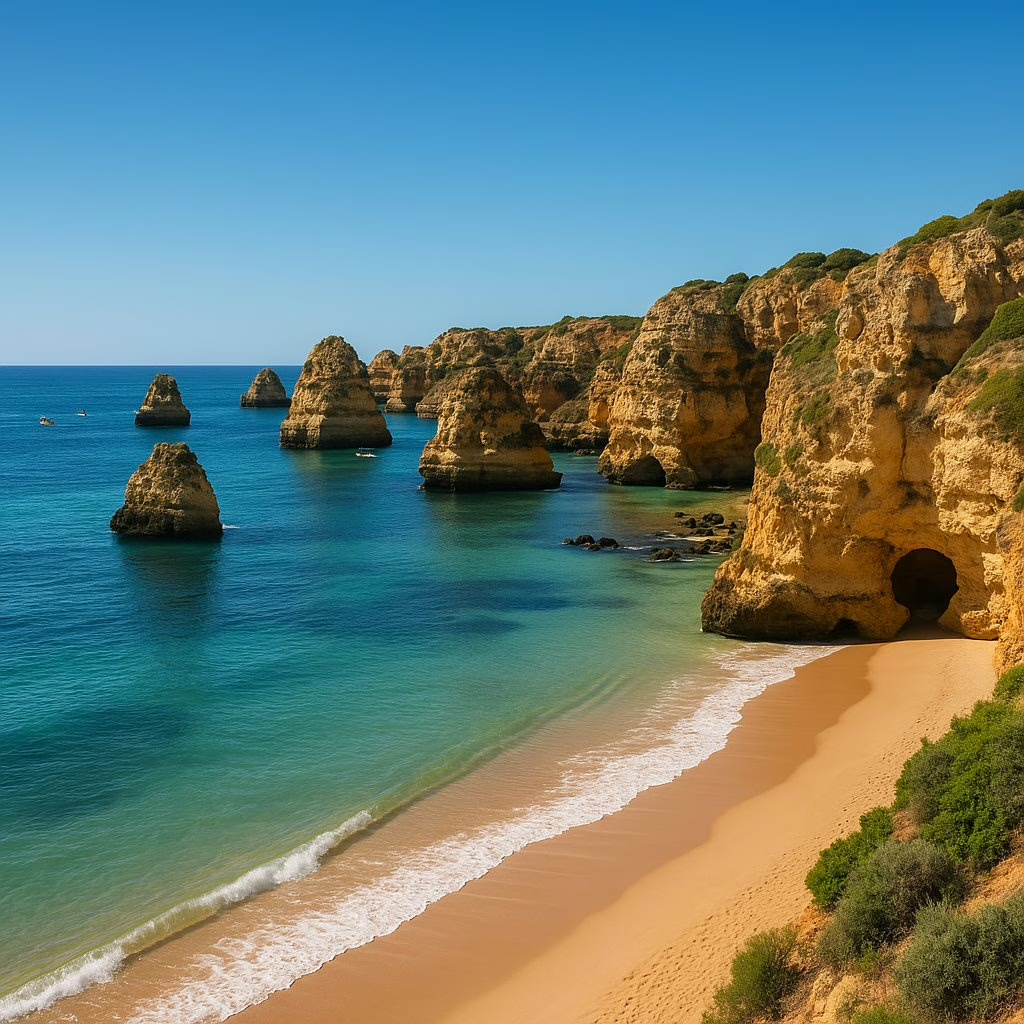
Portugal’s coastline extends far beyond the Algarve region, offering exceptional swimming beaches with towering cliffs, pristine waters, and fewer crowds. The western Algarve border and central coast provide some of the country’s most spectacular seaside destinations.
Praia de Odeceixe
Praia de Odeceixe sits at the border between the western Algarve and Alentejo regions, creating a unique coastal experience for swimmers. The beach features a river mouth that meets the Atlantic Ocean, forming natural lagoons perfect for calmer swimming conditions.
Swimming Conditions:
- Protected areas where river meets sea
- Warmer water temperatures in lagoon sections
- Lifeguard supervision during summer months
The towering cliffs surrounding this beach create shelter from strong Atlantic winds. This natural protection makes swimming more comfortable throughout the day.
Families particularly enjoy the dual water options. Children can play safely in the shallow river areas whilst stronger swimmers venture into the ocean waves.
The beach offers excellent facilities including parking, restaurants, and shower areas. Portugal’s diverse beach experiences make destinations like Odeceixe ideal for extended stays.
Costa da Caparica
Costa da Caparica stretches along 15 kilometres of golden sand just south of Lisbon, making it one of Portugal’s most accessible quality swimming beaches. The extensive coastline offers varied swimming conditions from family-friendly areas to more adventurous surf zones.
Beach Zones:
- Northern section: Calmer waters, ideal for families
- Central areas: Moderate waves, good for confident swimmers
- Southern beaches: Stronger currents, experienced swimmers only
A small train runs along the coast, allowing easy access to different swimming spots. This transport system helps visitors find their preferred water conditions without lengthy walks.
The beach benefits from consistent lifeguard coverage during summer months. Water quality remains excellent due to the Atlantic location and tidal action.
Costa da Caparica’s proximity to Portugal’s capital makes it popular with locals and tourists seeking quality sea swimming without travelling far from urban centres.
Guincho Beach
Guincho Beach near Cascais offers dramatic swimming conditions beneath spectacular towering cliffs. This Atlantic-facing beach provides crystal-clear waters and consistent waves, though swimming requires confidence due to stronger currents.
The beach’s location between mountain ranges creates unique wind patterns. Morning hours typically offer calmer conditions for swimming before afternoon breezes intensify.
Swimming Features:
- Deep, clear Atlantic waters
- Rocky areas perfect for exploring
- Consistent water movement for strong swimmers
Portugal’s rugged coastline makes Guincho particularly appealing to experienced swimmers seeking adventure. The dramatic cliff backdrop creates one of Europe’s most stunning swimming environments.
Professional lifeguards monitor the beach during peak season. However, swimmers should respect the ocean conditions and avoid entering during high wave periods.
The beach provides excellent facilities including equipment rental, restaurants, and ample parking areas carved into the clifftop landscape.
Island Escapes: Madeira and Azores
Portugal’s Atlantic islands offer distinctive swimming experiences with volcanic black sand beaches, protected lagoons, and dramatic cliff-backed coves. These destinations provide year-round swimming opportunities in unique geological settings.
Madeira’s Unique Beaches
Madeira’s coastline features a fascinating mix of imported golden sand beaches and natural volcanic formations. The island’s most beautiful beach is Praia do Porto do Seixal, where black volcanic sand meets lush cliffs and a small waterfall cascades nearby.
Golden Sand Options:
- Praia do Machico – Crescent-shaped cove with imported sand and calm waters
- Praia da Calheta – Man-made beach complex with twin sandy areas
The famous Praia da Calheta offers supervised swimming with sun lounger hire and water sports activities. Both beaches feature breakwaters that create calm swimming conditions suitable for families.
Natural Alternatives: Volcanic beaches like Prainha do Caniçal provide authentic black sand experiences at the foot of dramatic cliffs. The beach appeals to geology enthusiasts and snorkelers seeking unique underwater landscapes.
Most beaches offer basic facilities including toilets, showers, and seasonal restaurants. Parking fills quickly during peak hours, so arriving in the morning ensures better access to popular spots.
São Miguel: Volcanic Sands and Clear Waters
São Miguel’s coastline showcases the Azores’ volcanic heritage through distinctive black sand beaches and protected swimming areas. The island’s geothermal activity creates unique coastal environments not found elsewhere in Portugal.
Lagoa do Fogo represents one of the archipelago’s most pristine swimming spots. This crater lake offers crystal-clear waters surrounded by steep volcanic slopes, providing sheltered conditions ideal for peaceful swims.
Coastal beaches feature fine volcanic sand that heats up quickly in the sun. The contrast between dark sand and bright blue Atlantic waters creates striking visual appeal whilst offering excellent swimming conditions.
Natural thermal springs occasionally warm coastal waters, particularly near Furnas and other geothermal areas. These locations provide unique swimming experiences where volcanic activity enhances water temperatures naturally.
Protected bays along the southern coast offer calmer conditions compared to the exposed northern shores. Swimming is generally safe year-round due to the Azores’ mild subtropical climate and consistent water temperatures.
Hidden Gems and Less-Crowded Spots
Portugal’s barrier islands offer pristine swimming conditions away from busy mainland beaches. These natural formations in the Ria Formosa lagoon provide calm, warm waters perfect for extended swimming sessions.
Ilha de Tavira
Ilha de Tavira stands as one of Portugal’s most peaceful swimming destinations. This barrier island stretches for 11 kilometres along the coast, offering expansive sandy beaches with minimal development.
The island’s southern shore faces the Atlantic Ocean. Here, swimmers find consistently clean waters with gentle waves. The beach slopes gradually into the sea, making entry comfortable for all swimming abilities.
Access requires a short ferry ride from Tavira town. The 15-minute journey operates regularly during summer months. Most visitors concentrate near the ferry landing, leaving vast stretches of coastline nearly empty.
Swimming conditions remain excellent throughout summer:
- Water temperatures reach 20-22°C in peak season
- Minimal currents in most areas
- Lifeguard services available near main access points
The western sections of the island offer the most seclusion. Swimmers can walk 20-30 minutes from the ferry terminal to find hidden beaches with pristine waters.
Barrier Islands of Ria Formosa
The Ria Formosa system contains several uninhabited barrier islands perfect for peaceful swimming. These natural formations create a protected lagoon environment between the islands and mainland Portugal.
Ilha da Culatra offers excellent swimming conditions on both its ocean and lagoon sides. The lagoon side provides particularly calm waters, ideal for families and less confident swimmers.
Ilha da Armona features long stretches of undeveloped coastline. The island’s eastern beaches rarely see crowds, even during peak summer months. Swimming conditions remain consistently good with clear visibility underwater.
Key advantages of barrier island swimming:
- Protected lagoon areas with minimal waves
- Warmer water temperatures than open Atlantic
- Multiple beach options on single islands
These islands form part of Europe’s hidden beach destinations to avoid crowds. Ferry services operate from Olhão and Faro, with journey times under 45 minutes to most islands.
Tips for Sea Swimming in Portugal

Portugal’s Atlantic waters offer excellent swimming opportunities with proper timing and preparation. Water temperatures, safety conditions, and environmental considerations vary significantly throughout the year and across different coastal regions.
When to Visit for the Best Conditions
The ideal time to visit Portugal’s beaches depends on swimming preferences and temperature tolerance. Water temperatures reach their warmest from July through September, averaging 18-20°C along most of the coast.
Best Swimming Months:
- June-September: Peak season with water temperatures of 18-22°C
- May and October: Shoulder months with cooler water (16-18°C) but fewer crowds
- April: Early season swimming possible but water remains quite cold at 15-16°C
Southern beaches in the Algarve maintain slightly warmer temperatures than northern coastlines. The Atlantic’s western shores typically feel cooler than protected southern coves.
Early morning and late afternoon offer the most comfortable swimming conditions during summer months. Midday temperatures can make beach access uncomfortable, particularly on exposed stretches like those found at Praia da Falésia near Albufeira.
Staying Safe While Swimming
Atlantic waters present specific safety challenges that require attention and preparation. Strong currents, sudden depth changes, and powerful waves characterise many Portuguese beaches.
Always check local conditions before entering the water. Lifeguarded beaches display colour-coded flags indicating swimming safety levels. Red flags prohibit swimming entirely, whilst yellow flags require extreme caution.
Key Safety Measures:
- Swim only at lifeguarded beaches when possible
- Stay within designated swimming areas
- Be aware of sudden depth changes, particularly at beaches like Praia das Furnas where sandbars create varying depths
- Avoid swimming alone, especially at remote locations
Rip currents pose significant risks along Portugal’s western coastline. If caught in a rip current, swim parallel to shore rather than fighting directly against it. Many beaches offer surf schools that provide valuable water safety education alongside instruction.
Respecting Local Environments
Portugal’s coastal areas include numerous protected zones and sensitive ecosystems requiring careful consideration from visitors. Many beaches sit within nature reserves or conservation areas with specific guidelines.
Praia de São Jacinto near Aveiro forms part of a nature reserve where visitors must follow designated paths and avoid disturbing wildlife habitats. Similar restrictions apply to beaches within the Parque Natural da Arrábida.
Environmental Guidelines:
- Remove all litter, including cigarette butts and food packaging
- Use reef-safe sunscreen to protect marine ecosystems
- Avoid disturbing nesting birds or marine life
- Stay on marked paths when accessing beaches through dunes or cliffs
Respect local fishing communities and traditional activities. Some beaches serve as working harbours where fishing boats require access. Avoid swimming near fishing areas or interfering with nets and equipment.
Water quality varies between locations and seasons. Urban beaches near major cities may experience temporary pollution after heavy rainfall, whilst remote coastal areas typically maintain excellent water standards year-round.
Frequently Asked Questions
Portugal’s swimming beaches range from protected coves with calm waters to surf-friendly Atlantic shores. Safety conditions, family amenities, and accessibility from major cities vary significantly across different coastal regions.
Which Portuguese beaches are considered safest for sea swimming?
Praia dos Galapinhos near Lisbon offers crystal-clear waters and calm seas ideal for safe swimming. The beach sits within Parque Natural da Arrábida, providing natural protection from stronger currents.
Praia de Odeceixe features a unique riverside section where families can swim without ocean waves. The Rio Odeceixe mouth creates a protected sandy area perfect for children.
Praia da Ilha de Tavira provides sheltered swimming conditions behind the barrier island. The location blocks harsh Atlantic swells, creating gentler waters for swimmers of all abilities.
What are the top family-friendly beaches for swimming in Portugal?
Praia de Odeceixe ranks as the best family beach with both river and ocean swimming options. Small children can play safely in the calm riverside waters whilst older kids enjoy the surf.
Praia das Furnas features shallow waters perfect for tiny travellers taking their first sea dips. Sandbars create gentle wave conditions ideal for young swimmers.
Costa da Caparica attracts day-tripping families seeking clean water and soft sand. The extensive beach provides ample space for children to play safely away from crowded areas.
Can you list the best beaches near Lisbon for ocean swimming?
Praia dos Galapinhos sits less than an hour from Lisbon and offers excellent swimming in protected waters. The Arrábida Natural Park location provides stunning scenery alongside calm conditions.
Costa da Caparica serves as the most accessible beach escape from Portugal’s capital. The Setúbal Peninsula location attracts sun-seeking locals with reliable swimming conditions and easy transport links.
Cascais beaches provide convenient ocean swimming options within 30 minutes of central Lisbon. Multiple beach choices allow swimmers to find suitable conditions regardless of weather patterns.
What are the renowned beach towns in Portugal with good swimming conditions?
Lagos offers excellent swimming at multiple beaches including the famous Praia do Camilo. The Algarve town combines historic charm with easy access to sheltered coves and clear waters.
Tavira provides access to Ilha de Tavira’s golden sands and inviting waters. The charming town serves as a gateway to one of Portugal’s finest swimming beaches.
Vila Nova de Milfontes features calm river mouth swimming at Praia das Furnas. This low-key resort town offers excellent conditions for families and gentle swimming experiences.
Could you recommend the finest beaches in the Algarve for swimming activities?
Praia da Falésia stretches 6 kilometres with stunning ochre cliffs and excellent swimming conditions. The expansive beach provides space and facilities for comfortable swimming experiences.
Praia do Camilo offers shallow turquoise waters perfect for swimming in a dramatic cliff setting. The small cove requires a 200-step descent but rewards visitors with exceptional conditions.
Praia da Rocha in Portimão ranks among Europe’s top beaches for swimming and facilities. The western Algarve location combines excellent water quality with comprehensive amenities for swimmers.
Where can I find a map featuring the prime swimming beaches in Portugal?
Portugal’s tourism website provides interactive coastal maps highlighting swimming beach locations. These official resources include safety ratings, facilities information, and seasonal swimming conditions.
Google Maps offers detailed beach locations with user reviews and photographs. Swimmers can identify specific beach access points, car parking, and nearby amenities through satellite imagery.
Local tourism offices in coastal towns distribute printed maps showing regional swimming beaches. These resources often include current safety flags, lifeguard schedules, and water quality updates for informed swimming decisions.