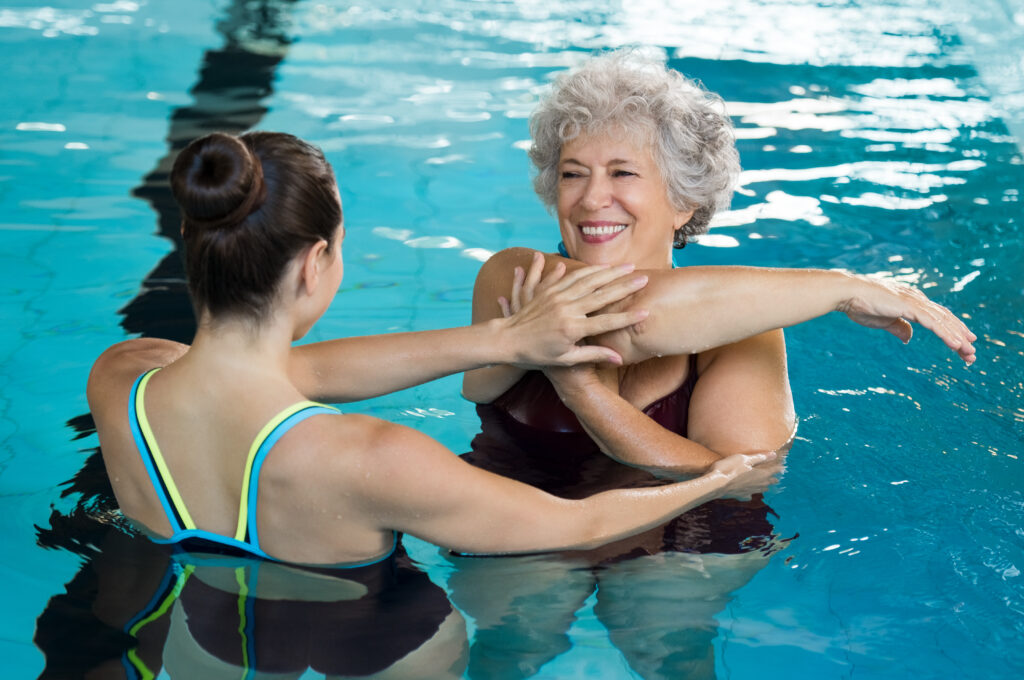

Water aerobics offers a refreshing alternative to traditional gym workouts whilst delivering impressive results for those seeking to shed excess pounds. This low-impact exercise combines the resistance of water with cardiovascular movements to create an effective fat-burning workout that’s gentle on joints and suitable for people of all fitness levels.
Water aerobics can help individuals lose weight by burning significant calories through water resistance, which is up to 800 times denser than air, making every movement more challenging and effective. The unique properties of water create an environment where participants can exercise longer without overheating, leading to extended calorie-burning sessions that support sustainable weight loss goals.
Understanding how to maximise water aerobics for weight loss involves learning specific exercises, creating structured workout routines, and combining proper nutrition with consistent training. This comprehensive approach ensures individuals can achieve their fitness objectives whilst enjoying a workout that feels more like play than traditional exercise, making it easier to maintain long-term commitment to their water aerobics weight loss journey.
How Water Aerobics Supports Weight Loss
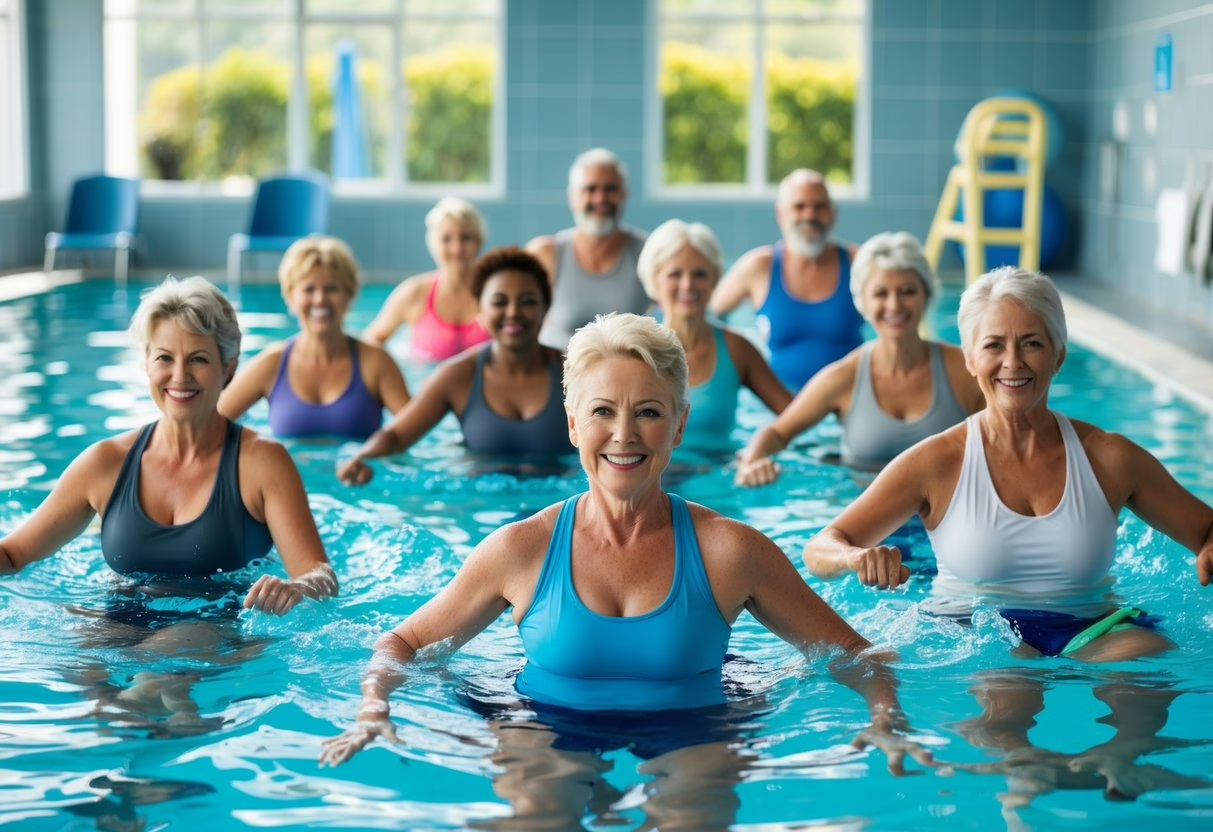
Water aerobics creates an ideal environment for burning calories through increased resistance whilst reducing joint stress. The water’s natural properties force muscles to work harder during every movement, leading to enhanced calorie expenditure compared to similar land-based activities.
How Water Aerobics Burns Calories
Water provides up to 800 times more resistance than air, making every movement require additional effort. This increased resistance means participants burn calories more effectively during pool exercises compared to standard workouts.
A typical 60-minute water aerobics session burns between 240-356 calories for a person weighing 70kg. The exact number depends on exercise intensity and individual body weight.
Factors affecting calorie burn:
- Water temperature (cooler water increases energy expenditure)
- Exercise intensity level
- Duration of physical activity
- Individual body composition
The buoyancy of water allows people to exercise longer without fatigue. This extended workout time leads to greater total calorie expenditure during each session.
Research shows that overweight individuals lost approximately 6 pounds through regular water-based exercises. The continuous movement required in pool workouts keeps the heart rate elevated throughout the session.
Full-Body Workout Benefits
Water aerobics engages multiple muscle groups simultaneously, creating an efficient full-body workout. The water’s resistance challenges both large and small muscle groups with every movement.
Primary muscle groups targeted:
- Core muscles (constant stabilisation required)
- Leg muscles (walking, jumping, kicking movements)
- Arm muscles (pushing and pulling against water resistance)
- Back and shoulder muscles (maintaining posture and movement)
Aquatic exercise forces the body to maintain balance and coordination continuously. This constant engagement burns more calories than exercises targeting isolated muscle groups.
The full-body nature of water exercises means participants develop lean muscle mass whilst losing weight. Increased muscle tissue raises the body’s metabolic rate, leading to continued calorie burning after the workout ends.
Swimming strokes and water aerobics movements require coordinated effort from upper and lower body simultaneously. This comprehensive muscle engagement maximises the effectiveness of each exercise session.
Comparing Aquatic and Land-Based Exercises
Water exercises offer unique advantages over traditional land-based physical activity for weight loss. The buoyancy reduces joint stress whilst maintaining high calorie burn rates.
| Exercise Type | Joint Impact | Calorie Burn | Muscle Engagement |
|---|---|---|---|
| Water Aerobics | Very Low | High | Full Body |
| Land Aerobics | Moderate-High | High | Full Body |
| Swimming | None | Very High | Full Body |
| Walking | Low | Moderate | Lower Body Focus |
People with joint problems or mobility issues can exercise longer in water without discomfort. This extended exercise duration often results in greater total calorie expenditure than shorter land-based sessions.
Water temperature adds an extra calorie-burning element not present in land exercises. The body expends energy maintaining core temperature when exercising in cooler water.
The psychological benefits of aquatic exercise often lead to better long-term adherence. Participants find pool workouts more enjoyable and less intimidating than gym-based alternatives, resulting in more consistent weight loss progress.
Key Benefits of Water Aerobics for Fitness
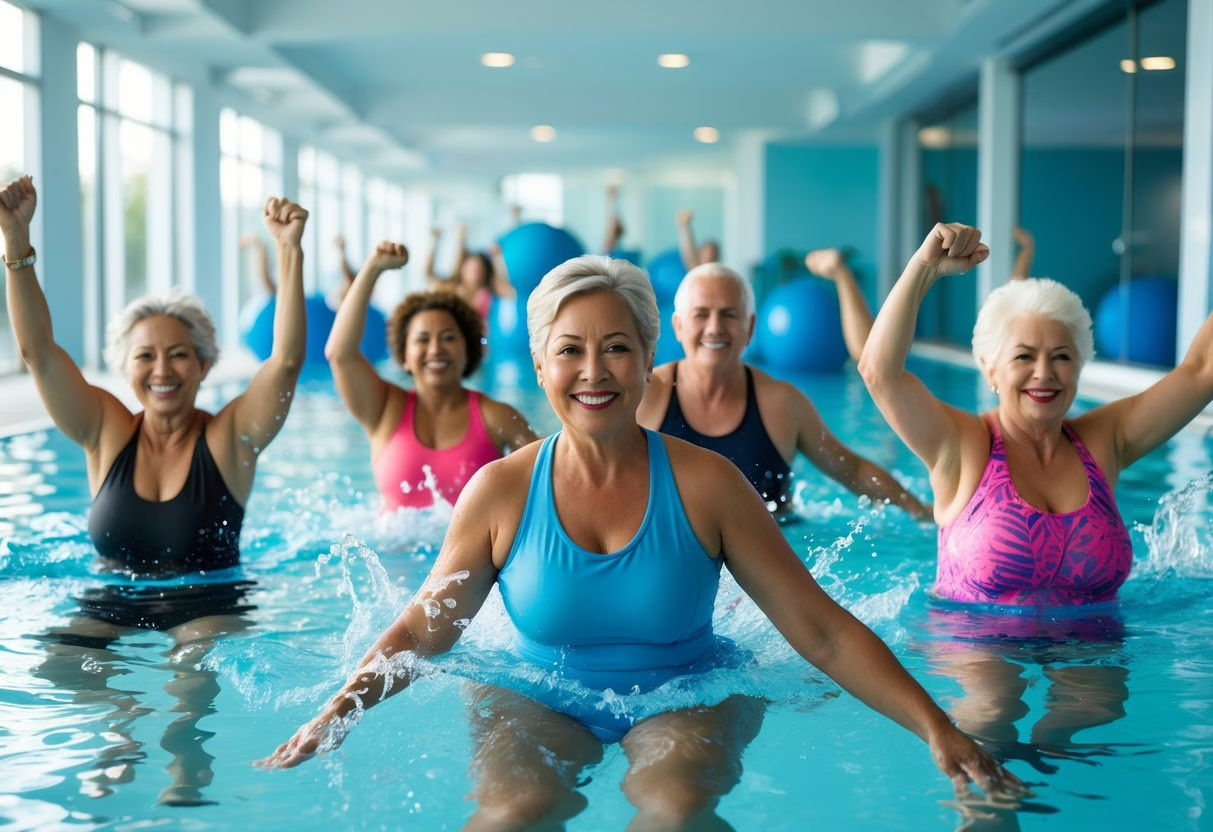
Water aerobics provides unique advantages that make it an excellent choice for people of all fitness levels. The buoyancy of water reduces stress on joints whilst providing natural resistance that strengthens muscles and improves heart health.
Low-Impact Exercise for Joint Relief
Water aerobics stands out as one of the most effective low-impact exercises for joint pain relief. The buoyancy of water supports up to 90% of body weight, dramatically reducing pressure on knees, hips, and ankles.
This makes water aerobics particularly beneficial for people with arthritis or joint problems. Participants can move freely without the jarring impact that comes with land-based exercises like running or jumping.
The hydrostatic pressure of water also helps reduce swelling around joints. This natural compression improves circulation and can provide pain relief during and after exercise sessions.
Water temperature typically ranges between 28-30°C in most pools. This warmth helps relax muscles and reduces stiffness, allowing for greater range of motion during workouts.
Many people who cannot tolerate traditional exercise due to joint issues find they can exercise comfortably in water for longer periods.
Enhancing Flexibility and Muscle Strength
Water provides 12 times more resistance than air, creating an ideal environment for muscle strengthening. Every movement in water becomes a form of resistance training that targets multiple muscle groups simultaneously.
The omnidirectional resistance means muscles work harder in all directions of movement. This builds muscle strength more effectively than many land-based exercises whilst remaining gentle on joints.
Water aerobics significantly improves flexibility through its unique properties:
- Buoyancy allows deeper stretches without strain
- Warm water relaxes muscles for better range of motion
- Hydrostatic pressure reduces muscle tension
- Reduced gravity enables movements difficult on land
Research shows that regular water aerobics participants experience notable improvements in both upper and lower body flexibility. The fluid nature of water movements helps maintain joint mobility whilst building functional strength.
Participants often find they can achieve stretches in water that would be impossible or uncomfortable on land. This enhanced flexibility carries over into daily activities and reduces injury risk.
Improving Cardiovascular Wellbeing
Water aerobics delivers excellent cardiovascular benefits whilst remaining accessible to people of varying fitness levels. The heart rate elevation from water-based cardio improves heart health and endurance.
Participants typically burn 400-500 calories per hour during water aerobics sessions. This calorie burn occurs whilst maintaining a lower perceived exertion level compared to land exercises.
The hydrostatic pressure of water acts like a natural compression garment. This pressure helps improve venous return, making the heart work more efficiently during exercise.
Key cardiovascular improvements include:
- Reduced resting heart rate
- Lower blood pressure
- Improved circulation
- Enhanced oxygen uptake
- Better endurance capacity
Water aerobics allows people with heart conditions to exercise safely under medical supervision. The cooling effect of water prevents overheating, enabling longer workout sessions that benefit cardiovascular health.
The rhythmic nature of water aerobics movements creates an ideal environment for sustained cardiovascular exercise without excessive strain on the body.
Essential Water Aerobic Exercises for Weight Loss
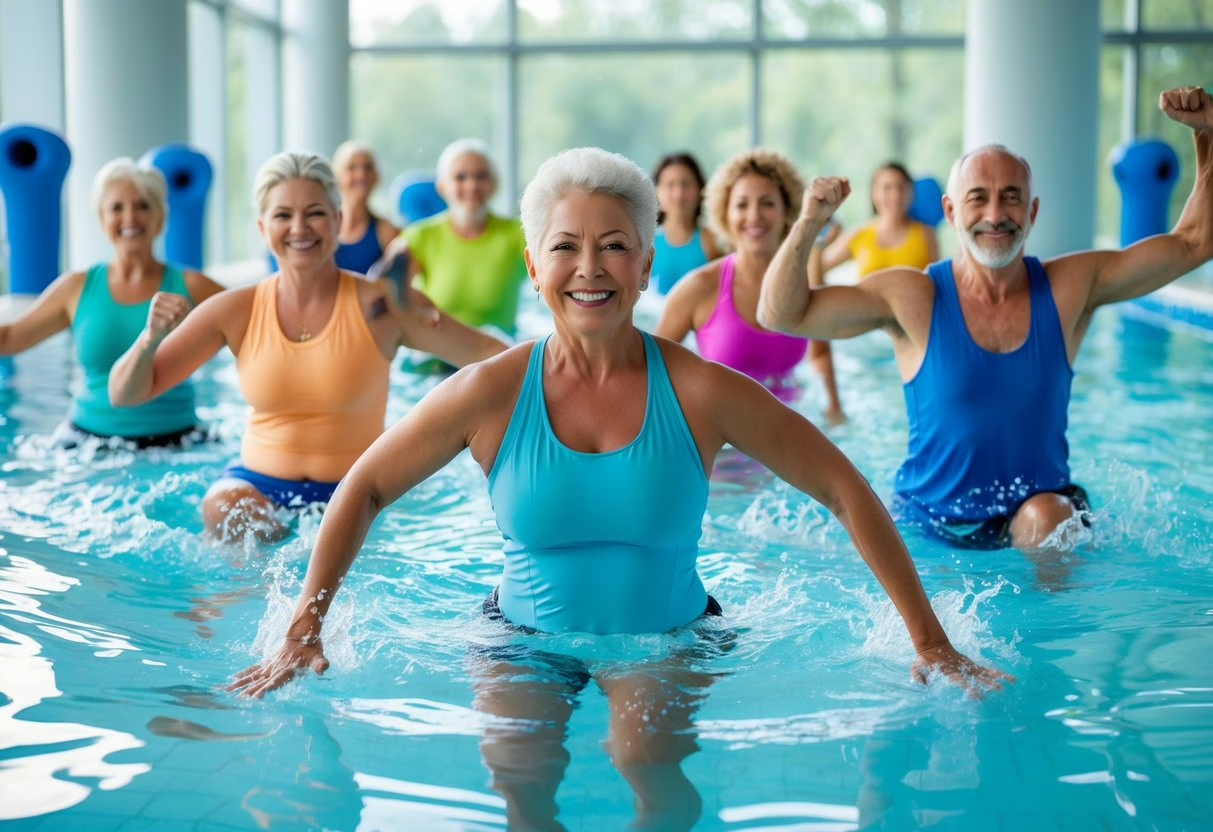
These fundamental water aerobic movements target different muscle groups whilst maximising calorie burn through water resistance. Each exercise can be modified for various fitness levels and combined to create comprehensive workout routines.
Water Walking and Running
Water walking serves as an excellent foundation for beginners entering aqua fitness. Participants should maintain an upright posture whilst moving through chest-deep water at a steady pace.
The water’s natural resistance forces muscles to work harder than traditional walking. This increases calorie expenditure significantly compared to land-based movement.
Proper water walking technique includes:
- Keeping shoulders back and core engaged
- Taking full heel-to-toe steps
- Swinging arms naturally at sides
- Maintaining steady breathing rhythm
Running in water elevates the intensity considerably. Deep water running requires participants to maintain a jogging motion whilst suspended in water using flotation belts.
Shallow water running allows feet to touch the pool bottom. This variation provides more stability for those building confidence.
Both walking and running variations can burn between 240-350 calories per hour depending on intensity and body weight. Water aerobics can burn significant calories making it effective for weight management.
Jumping Jacks and Tuck Jumps
Jumping jacks in water provide excellent cardiovascular benefits whilst reducing joint impact. The standard movement involves jumping feet apart whilst raising arms overhead, then returning to starting position.
Water resistance makes this exercise more challenging than the land version. The constant push against water engages more muscle fibres throughout the movement.
Jumping jack variations include:
- Standard jumping jacks in waist-deep water
- Cross-country skiing motion with alternating arm and leg movements
- Star jumps with wider leg positioning
Tuck jumps add explosive power training to water workouts. Participants jump vertically whilst bringing knees toward chest, then extending legs before landing.
The water’s buoyancy reduces harsh landing impact whilst maintaining muscle activation. This makes tuck jumps accessible for people with joint concerns.
Performing 15-20 repetitions of either exercise provides substantial muscle engagement. These movements particularly target leg muscles, glutes, and core stabilisers.
Kickboards and Noodle Workouts
Kickboards create effective lower body workouts when used properly. Holding the board whilst performing various kicking motions isolates leg muscles for targeted strengthening.
Essential kickboard exercises include:
- Flutter kicks whilst holding pool edge
- Bicycle pedalling motion in deeper water
- Side leg lifts for hip abductor strengthening
- Scissor kicks for inner thigh activation
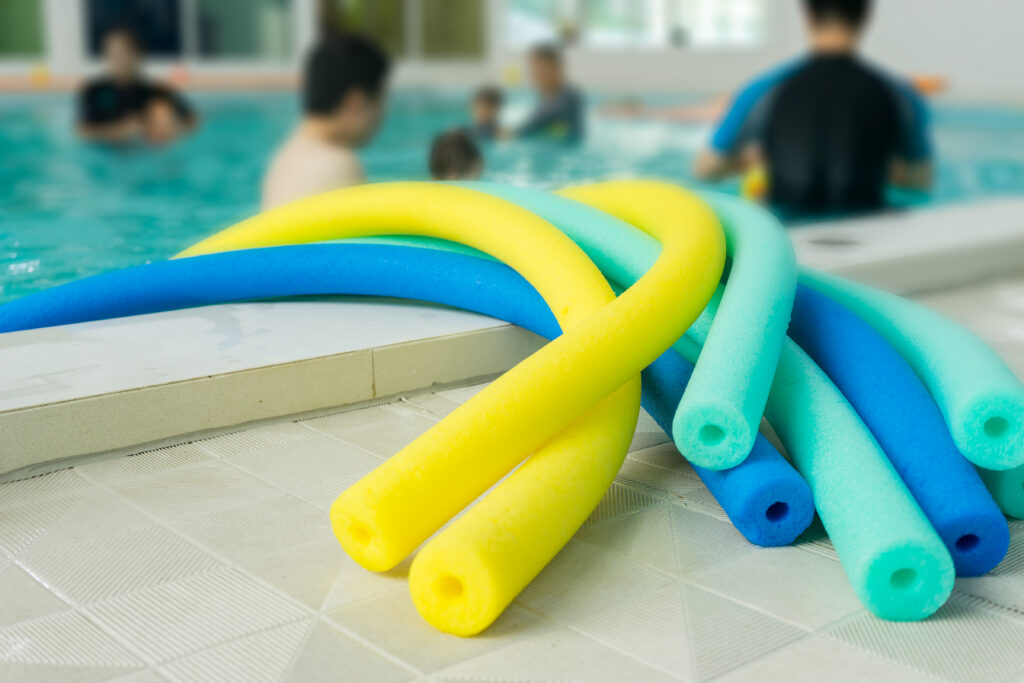
Pool noodles offer versatile resistance training opportunities. These foam cylinders can support body weight or provide additional resistance during exercises.
The noodle plank challenges core stability significantly. Participants place the noodle under their chest whilst maintaining plank position in the water.
Effective pool noodle movements:
- Noodle squats with resistance
- Arm presses against noodle buoyancy
- Leg swings using noodle for balance
- Twisting motions for oblique strengthening
Both tools allow progressive overload by adjusting movement speed and range of motion. This adaptability makes them suitable for various fitness levels.
Core and Strength-Focused Moves
Knee lift exercises target abdominal muscles effectively in water. Standing in chest-deep water, participants alternately bring knees toward chest whilst maintaining balance.
The unstable water environment forces core muscles to work continuously for stability. This constant engagement increases caloric burn beyond the primary movement.
Core-strengthening water exercises include:
- Standing knee lifts with arm opposition
- Leg raises against pool wall
- Twisting motions with arms extended
- Modified planks using pool noodles
Strength training in water utilises natural resistance rather than traditional weights. Water exercises provide resistance to challenge muscles during workouts effectively.
Upper body strength movements can incorporate water dumbbells or simply use cupped hands for resistance. Chest presses, arm curls, and shoulder raises all translate well to aquatic environments.
Lower body strength exercises focus on squats, lunges, and calf raises. The water’s support allows for deeper ranges of motion whilst reducing injury risk.
Combining these movements into circuit-style workouts maximises time efficiency and calorie burn potential.
Creating Effective Water Workout Routines
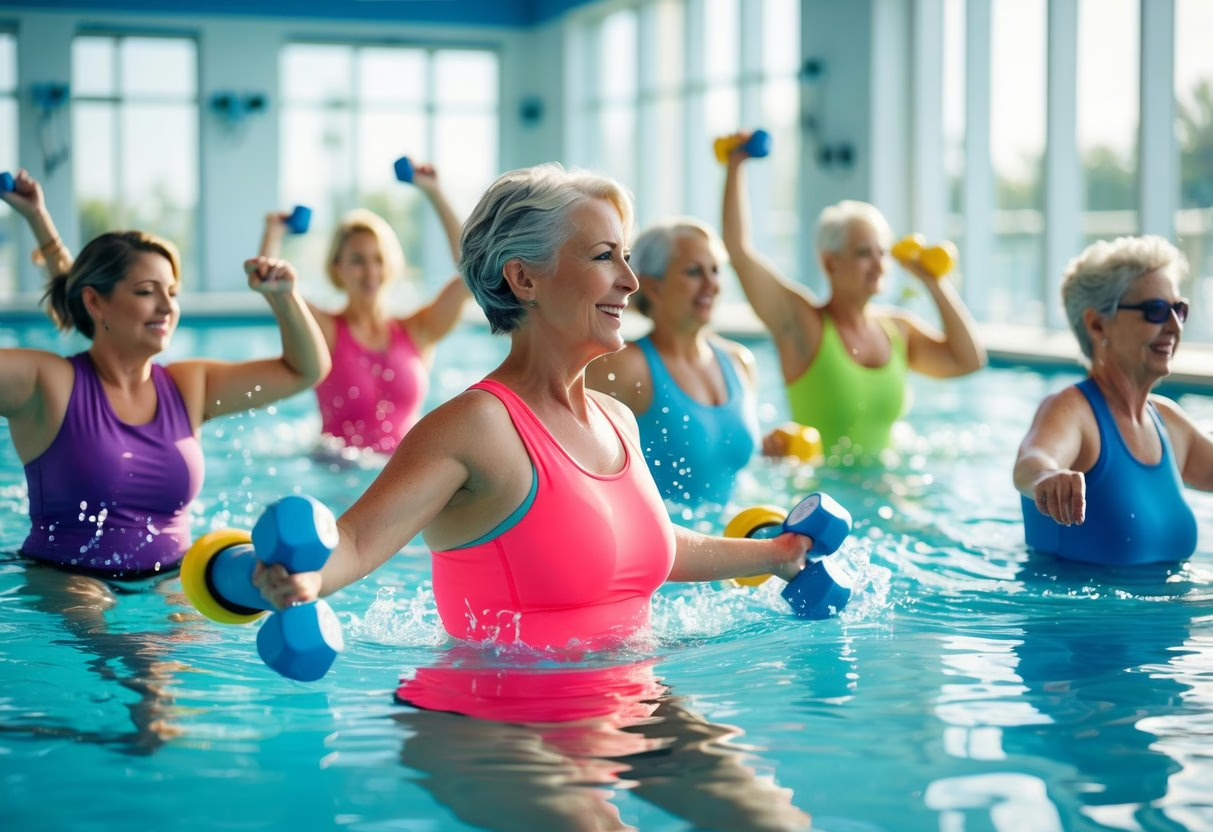
A successful water aerobics programme requires careful planning that balances different exercise types whilst considering individual fitness levels. Proper progression and safety measures ensure long-term success and injury prevention in aquatic environments.
Building a Balanced Aquatic Exercise Plan
Effective pool workouts combine three essential components: cardiovascular training, strength building, and flexibility work. Each element serves a specific purpose in achieving comprehensive fitness goals.
Cardiovascular exercises form the foundation of weight loss routines. Water walking, jogging, and jumping jacks elevate heart rate whilst burning calories. These activities should comprise 60-70% of each session.
Strength training utilises water’s natural resistance. Arm curls, leg extensions, and core rotations build muscle mass without requiring weights. Water provides approximately 12-15 times more resistance than air.
Flexibility work prevents injury and improves range of motion. Gentle stretching in warm water helps muscles relax and recover between intense intervals.
A balanced weekly schedule includes:
- 3-4 cardio-focused sessions (30-45 minutes)
- 2-3 strength training sessions (20-30 minutes)
- Daily flexibility work (5-10 minutes)
Beginners should start with 2-3 sessions weekly, gradually increasing frequency as fitness improves. Each workout should include a 5-minute warm-up and cool-down period.
Progression, Intensity, and Safety Considerations
Gradual progression prevents overexertion whilst maximising results. Participants should increase workout intensity by 10% weekly, monitoring their body’s response to increased physical activity.
Intensity levels can be adjusted through:
- Water depth: Deeper water increases resistance and difficulty
- Speed: Faster movements elevate heart rate
- Duration: Longer sessions burn more calories
- Equipment: Pool noodles and water weights add resistance
Safety requires proper preparation and awareness. Water shoes provide essential grip on slippery pool surfaces, preventing falls and injuries. Non-slip soles are particularly important during high-intensity movements.
Temperature considerations affect performance and safety. Pool water should remain between 83-88°F (28-31°C) for optimal comfort during exercise. Colder water may cause muscle cramps, whilst warmer temperatures can lead to overheating.
Essential safety guidelines include:
- Never exercising alone in water
- Maintaining proper hydration despite being in water
- Learning basic water safety skills before starting
- Consulting healthcare providers for pre-existing conditions
Participants should monitor their exertion using the talk test. They should be able to speak in short sentences during moderate exercise but struggle to maintain conversation during high-intensity intervals.
The Role of Diet and Hydration in Weight Loss
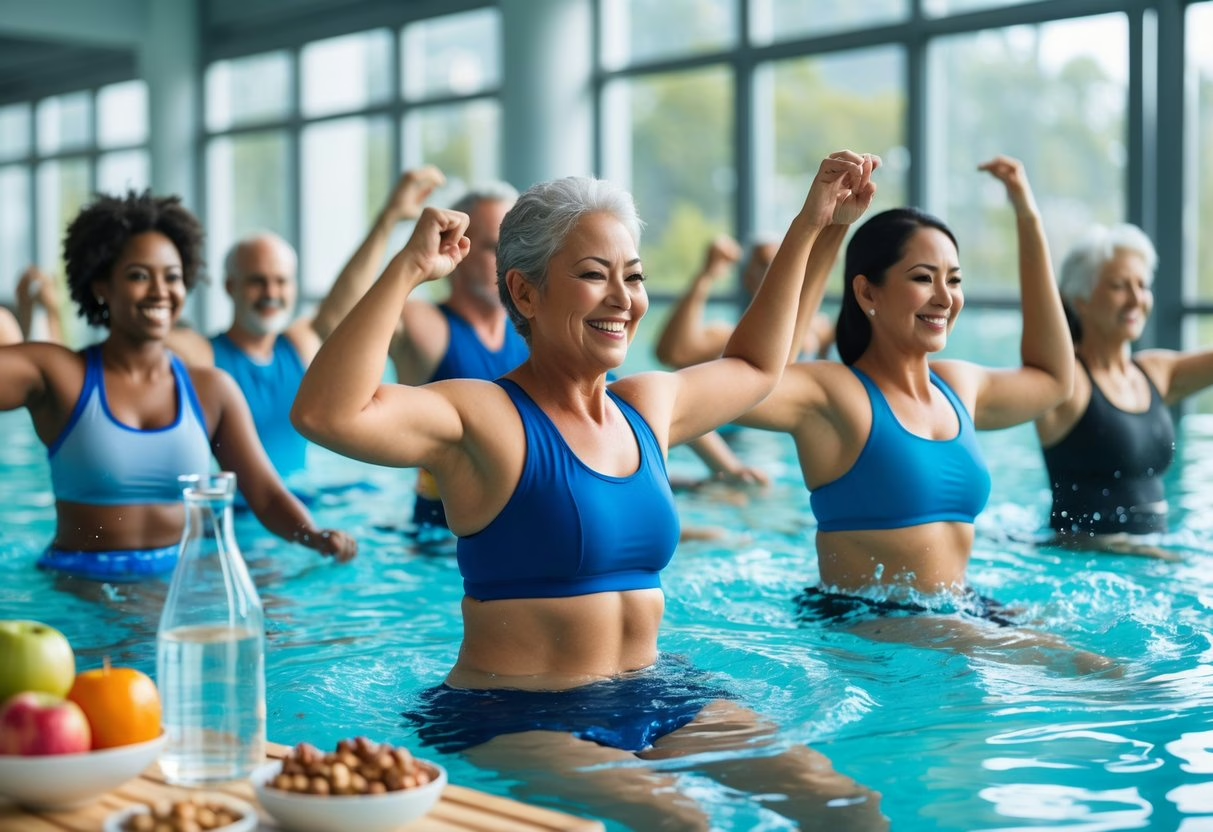
Proper nutrition and adequate fluid intake work together to maximise weight loss results from water aerobics. A balanced diet provides essential nutrients whilst supporting energy levels, and staying properly hydrated enhances metabolism and exercise performance.
Building a Healthy Diet to Support Results
A balanced diet forms the foundation for successful weight loss when combined with water aerobics. Protein intake should make up 25-30% of daily calories to maintain muscle mass during exercise.
Lean proteins include chicken breast, fish, eggs, and legumes. These foods help repair muscles after water aerobics sessions.
Healthy fats play a crucial role in hormone production and nutrient absorption. Avocados, nuts, olive oil, and fatty fish provide essential omega-3 fatty acids.
Complex carbohydrates fuel workouts effectively. Quinoa, brown rice, sweet potatoes, and oats release energy slowly throughout the day.
| Macronutrient | Daily Percentage | Best Sources |
|---|---|---|
| Protein | 25-30% | Fish, chicken, legumes |
| Healthy fats | 25-30% | Nuts, avocado, olive oil |
| Carbohydrates | 40-50% | Quinoa, oats, vegetables |
Vegetables and fruits provide fibre, vitamins, and minerals whilst keeping calorie density low. Aim for at least five portions daily to support overall health and weight management.
Managing Processed Foods and Sodium Intake
Processed foods contain high levels of sodium, sugar, and unhealthy fats that can sabotage weight loss efforts. These foods often lack essential nutrients whilst providing excess calories.
Ready meals, crisps, biscuits, and sugary drinks contribute to water retention and inflammation. This can mask progress from water aerobics workouts.
High sodium intake causes the body to retain excess water. This retention can add 2-4 pounds to the scales temporarily.
Practical strategies for reducing processed food consumption:
- Cook meals from scratch using whole ingredients
- Read nutrition labels carefully before purchasing
- Choose fresh or frozen vegetables over tinned varieties
- Replace sugary drinks with water or herbal tea
Meal preparation helps avoid convenience food temptations. Spending time on weekends preparing healthy options ensures better choices during busy weekdays.
Natural herbs and spices provide flavour without added sodium. Garlic, ginger, turmeric, and fresh herbs enhance taste whilst supporting metabolism.
Importance of Hydration During Exercise
Proper hydration plays a significant role in weight loss success and exercise performance. Water supports metabolism and helps break down fat stores more effectively.
Adequate hydration can improve lipolysis, the body’s process of breaking down fat for energy. This process becomes more efficient when cells maintain proper fluid levels.
Pre-exercise hydration requires drinking 400-600ml of water 2-3 hours before water aerobics. This ensures optimal performance from the start of the session.
During exercise, participants should consume 150-250ml of water every 15-20 minutes. Water aerobics participants often underestimate fluid losses because they don’t feel sweaty.
Post-exercise rehydration replaces fluids lost through sweating and breathing. Weigh yourself before and after exercise to determine exact fluid needs.
Water intake impacts appetite, metabolism, and exercise performance directly. Drinking water before meals can reduce calorie intake by increasing feelings of fullness.
Signs of proper hydration include:
- Light yellow urine colour
- Consistent energy levels during exercise
- Minimal headaches or fatigue
- Good skin elasticity
Tips for Long-Term Success with Water Aerobics
Successful water aerobics requires setting achievable targets and tracking progress consistently. Staying motivated through realistic goal-setting helps maintain commitment to regular exercise sessions.
Setting Realistic Fitness Goals
Water aerobics participants should establish specific, measurable targets rather than vague aspirations. A beginner might aim to complete two 30-minute sessions weekly for the first month.
Weekly Goal Examples:
- Week 1-2: Attend 2 sessions, focus on basic movements
- Week 3-4: Complete 3 sessions, add resistance exercises
- Month 2: Increase session duration to 45 minutes
Weight loss expectations should align with research findings. Water aerobics programmes lasting 10 or more weeks can reduce body weight by nearly 3 kilograms and waist circumference by 3 centimetres.
Participants over 45 and women typically see better results. Men and younger adults may need longer programmes to achieve similar outcomes.
Setting 12-week commitment periods works best. This duration allows the body to adapt and shows measurable changes in fitness levels and body composition.
Monitoring Progress and Staying Motivated
Regular measurements provide concrete evidence of improvement beyond the scales. Participants should track multiple metrics every two weeks.
Key Measurements:
- Weight: Same time of day, same clothing
- Waist circumference: Measured at navel level
- Energy levels: Rate daily energy on 1-10 scale
- Exercise duration: Minutes completed per session
Water aerobics builds stronger muscles that increase resting metabolic rate. This means the body burns more calories even when resting.
Progress photos taken monthly help visualise changes that measurements might miss. Taking photos in the same location and lighting conditions ensures accurate comparisons.
Joining water aerobics classes maintains accountability through social connections. Regular classmates notice absences and provide encouragement during challenging periods.
Celebrating small victories keeps motivation high. Completing the first month or increasing exercise intensity deserves recognition and reinforces positive habits.
Frequently Asked Questions
Water aerobics burns 120-222 calories per half-hour session depending on body weight and offers unique benefits for different age groups. Most people wonder about its effectiveness compared to traditional exercise, potential drawbacks, and where to find local classes.
How effective is water aerobics for weight loss compared to other forms of exercise?
Water aerobics can burn 120 to 160 calories per half hour for most people. The actual calorie burn varies based on body weight, with heavier individuals burning more calories during the same workout.
A person weighing 125 pounds burns approximately 120 calories per session. Someone weighing 185 pounds burns around 168 calories in the same timeframe.
The water provides natural resistance that makes movements more challenging than air-based exercise. This resistance helps build muscle whilst burning calories simultaneously.
Water aerobics proves particularly effective for obese individuals who might struggle with high-impact land exercises. The buoyancy reduces joint stress whilst maintaining workout intensity.
What physical benefits can seniors expect from participating in water aerobics?
Seniors experience significant joint relief during water aerobics sessions. The buoyancy supports body weight and reduces pressure on arthritic or painful joints.
Water aerobics offers zero impact on joints whilst providing excellent cardiovascular exercise. This makes it ideal for older adults with mobility limitations or chronic pain conditions.
The built-in water resistance strengthens muscles without requiring additional weights. Every movement becomes a strength-training exercise due to water’s natural properties.
Balance and coordination improve through regular participation. The water provides a safe environment for seniors to challenge their stability without fear of falling.
Can water aerobics provide noticeable health improvements within a two-week period?
Two weeks of consistent water aerobics can produce initial fitness improvements. Participants often notice increased energy levels and better sleep patterns within this timeframe.
Cardiovascular endurance typically shows early improvements. Heart rate recovery after exercise may become more efficient after just several sessions.
Muscle soreness decreases as the body adapts to the water resistance training. Joint stiffness often reduces due to the gentle, supportive nature of aquatic exercise.
Weight loss within two weeks depends on frequency, intensity, and dietary habits. Visible changes in muscle tone may begin appearing after consistent daily or alternate-day sessions.
What are the potential disadvantages or limitations of water aerobics?
Pool access represents the primary limitation for many people. Not everyone has convenient access to swimming facilities or can afford membership fees.
Water temperature affects workout comfort and effectiveness. Pools that are too warm or cold can limit exercise intensity and duration.
Water aerobics may not provide the same bone density benefits as weight-bearing exercises. People concerned about osteoporosis might need additional land-based activities.
Equipment requirements can add costs. Items like water weights, noodles, and webbed gloves enhance workouts but require additional investment.
Some people feel self-conscious exercising in swimwear around others. This psychological barrier prevents participation for certain individuals.
How do the results of water aerobics manifest physically, as seen in before and after scenarios?
Muscle definition improves gradually through consistent water resistance training. Arms, legs, and core muscles become more toned after several weeks of regular participation.
Posture often improves as back and core muscles strengthen. The water’s support allows people to work on alignment without strain.
Weight loss becomes visible after 4-6 weeks of combining water aerobics with proper nutrition. The rate depends on frequency, intensity, and individual metabolism.
Flexibility and range of motion typically increase within the first month. The warm water environment helps muscles relax and stretch more effectively.
Energy levels and stamina show marked improvement. Daily activities become easier as cardiovascular fitness and muscle strength develop.
Where might one find water aerobics classes in the local area?
Local leisure centres commonly offer structured water aerobics programmes. These facilities often provide beginner through advanced level classes throughout the week.
Private gyms with pools frequently include aqua fitness in their group exercise schedules. Membership typically includes access to various class formats and intensity levels.
Community centres in many areas host affordable water aerobics sessions. These programmes often cater specifically to seniors or people with mobility challenges.
Physiotherapy clinics sometimes offer therapeutic water exercise programmes. These medically-supervised sessions focus on rehabilitation and gentle fitness improvement.
Hotels with pools occasionally allow non-guests to participate in water fitness classes for a day fee. This option works well for occasional participants or travellers.