
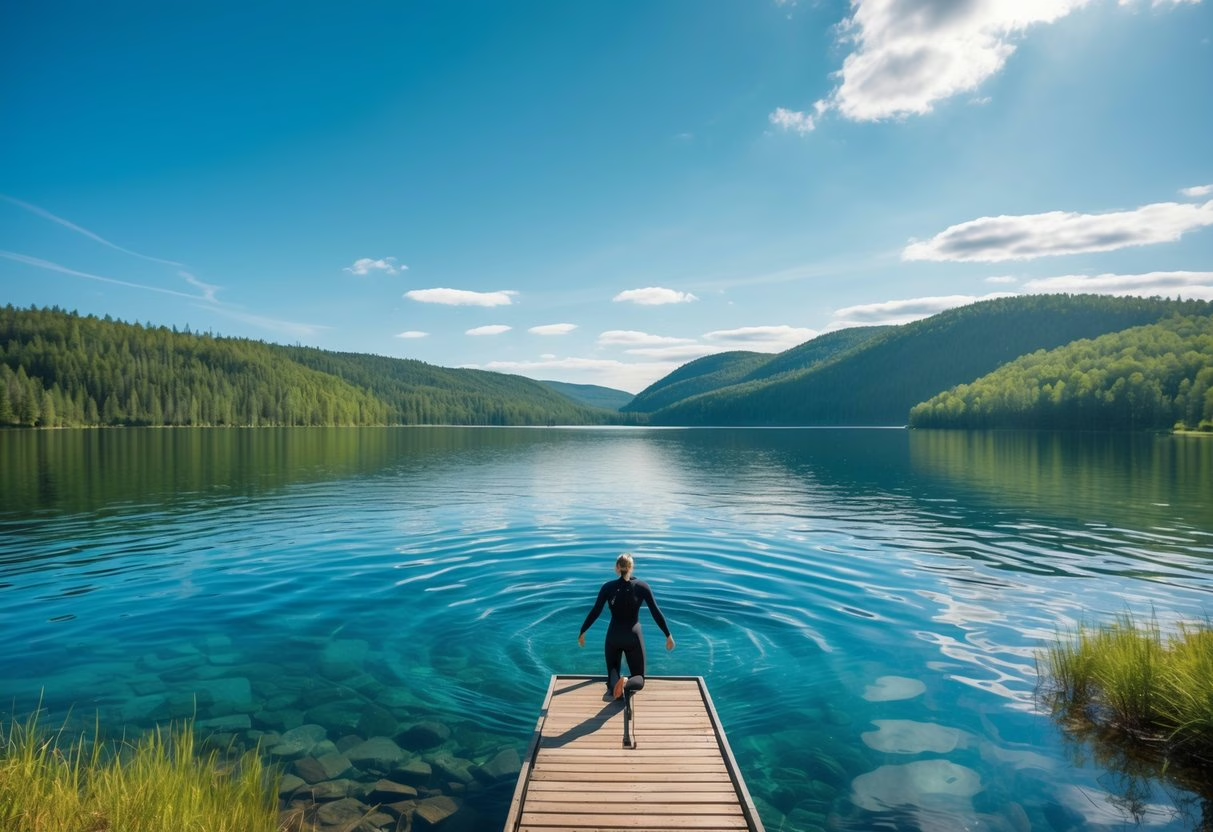
Finland boasts nearly 200,000 lakes scattered across its pristine landscape, making it one of Europe’s most spectacular destinations for wild swimming enthusiasts. These crystal-clear waters offer some of the cleanest and most refreshing swimming experiences on the continent, with many beautiful and natural bathing lakes nestled within untouched wilderness.
The Nordic country’s vast network of lakes provides endless opportunities for adventurous swimmers seeking tranquil waters away from crowded beaches. From the expansive Lake Saimaa in the south to remote arctic lakes in Lapland, Finland’s aquatic treasures remain largely undiscovered by international visitors.
Whether seeking the thrill of a midnight sun swim or the invigorating experience of cool forest lakes, Finland’s waters offer something extraordinary for every wild swimming enthusiast. The country’s unique combination of accessible locations, pristine water quality, and stunning natural surroundings creates the perfect setting for unforgettable aquatic adventures.
Why Finland Is Europe’s Hidden Gem for Wild Swimming
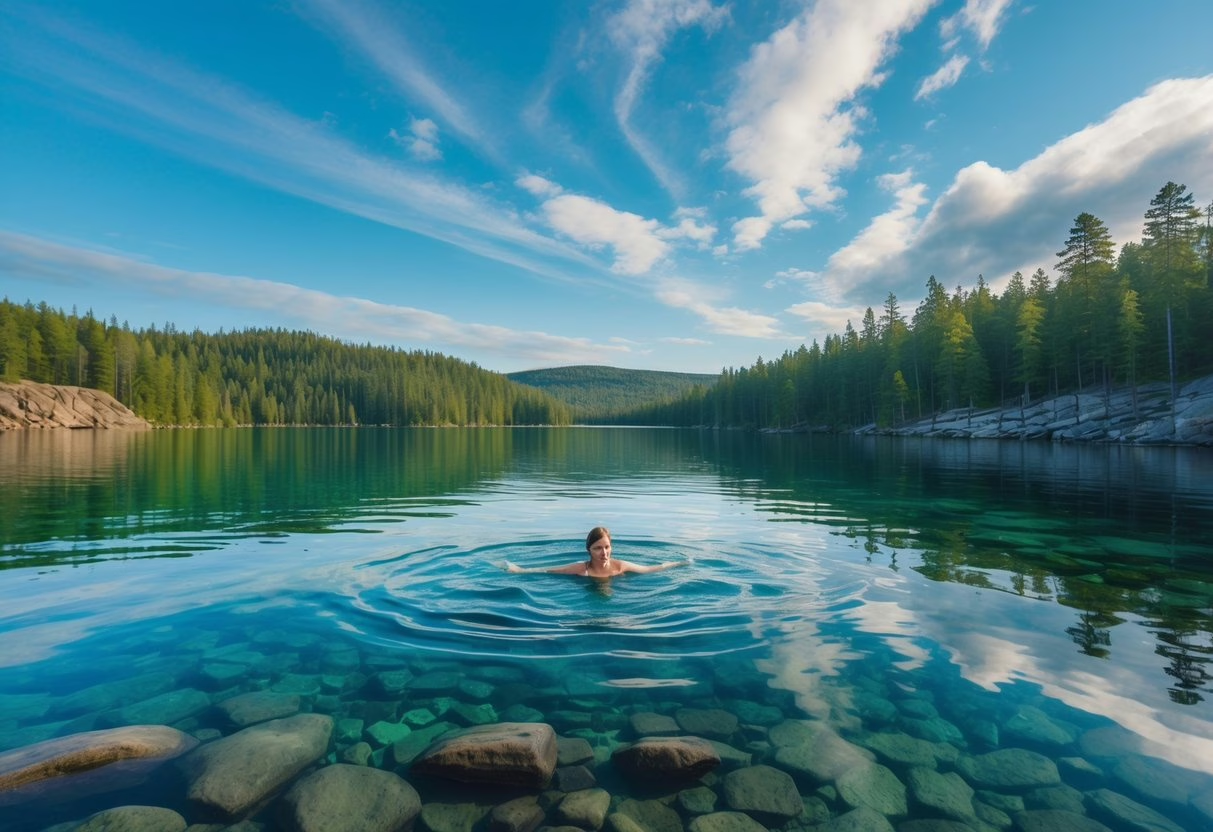
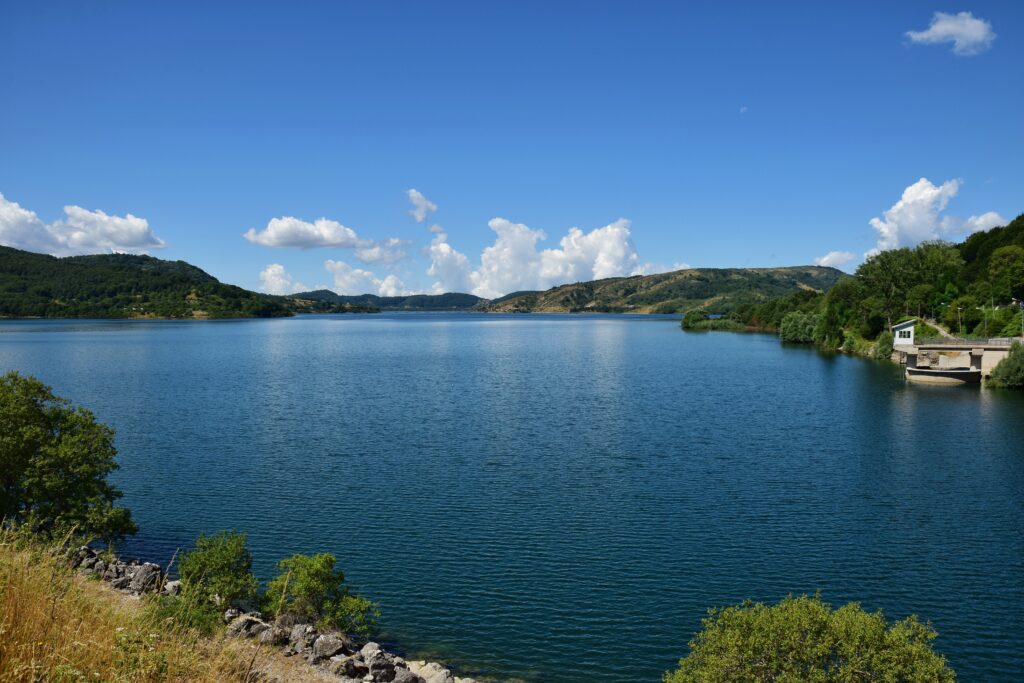
Finland offers swimmers access to nearly 200,000 pristine lakes across a landscape largely untouched by mass tourism. The country’s unique geography and clean waters create ideal conditions for wild swimming throughout much of the year.
The Land of a Thousand Lakes: An Overview
Finland has approximately 188,000 lakes scattered across its territory, making it one of Europe’s most water-rich nations. This vast network of natural swimming spots means visitors rarely encounter crowded conditions.
The nickname “Land of a Thousand Lakes” actually understates Finland’s aquatic wealth. Most lakes formed during the last Ice Age when glaciers carved deep basins into the bedrock.
Lake Saimaa stands as Finland’s largest lake and Europe’s fourth-largest freshwater body. This massive system contains over 13,700 islands and countless swimming spots.
The Finnish Lake District represents Europe’s largest lakeland area. Swimmers can explore everything from small forest ponds to expansive waters stretching across entire regions.
Unique Features of Finnish Lakes
Finnish lakes offer exceptionally clean water due to the country’s low population density and strict environmental protections. Most lakes maintain excellent water quality suitable for safe swimming.
Water clarity reaches remarkable levels in many Finnish lakes. Swimmers often report visibility extending several metres below the surface.
The lakes feature diverse characteristics:
- Forest lakes: Small, sheltered waters surrounded by pine and birch trees
- Open waters: Large expanses perfect for longer swims
- Island systems: Complex networks offering exploration opportunities
Many Finnish lakes connect through natural waterways, creating extensive swimming circuits. Wild swimmers can enjoy idyllic backdrops whilst exploring these interconnected systems.
The granite bedrock beneath most lakes creates naturally filtered water. This geological feature contributes to the exceptional clarity and purity that defines Finnish lake swimming.
Seasonal Considerations for Wild Swimming
Summer months (June-August) provide the warmest water temperatures, typically ranging from 15-20°C in larger lakes. Smaller, shallow lakes can reach 22-25°C during peak summer.
Finnish summers offer nearly 24 hours of daylight in northern regions. This extended daylight creates unique opportunities for early morning or late evening swims in peaceful conditions.
Spring and autumn swimming requires proper preparation and experience. Water temperatures drop significantly, but many hardy swimmers continue their practice year-round.
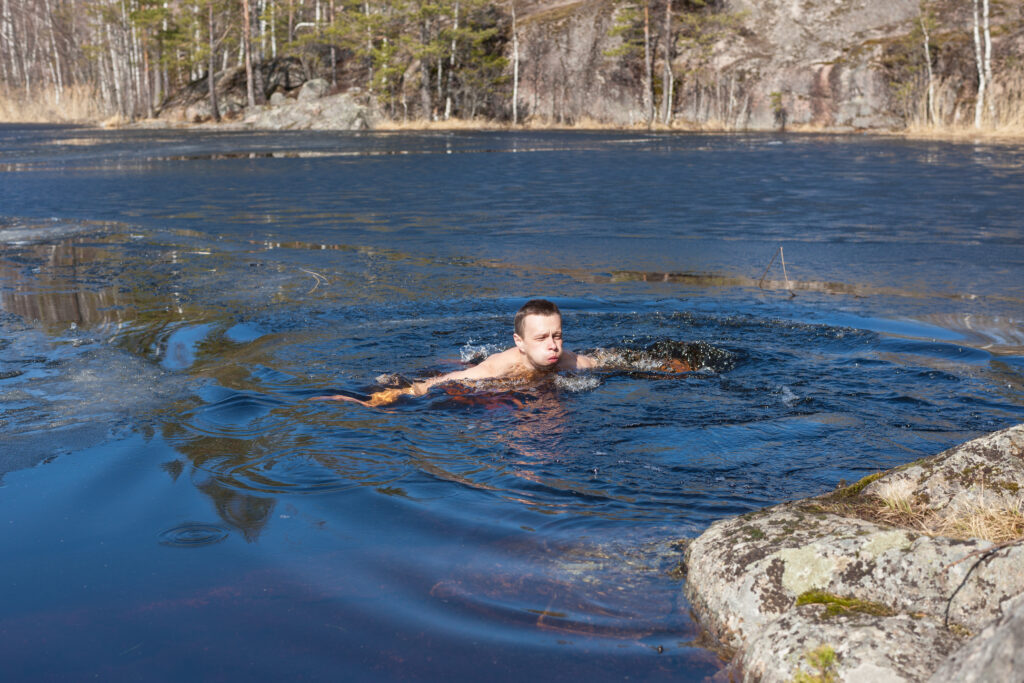
Winter swimming, known locally as avantouinti, involves cutting holes in frozen lake surfaces. This practice requires expert guidance and proper safety measures.
Weather patterns remain relatively stable during summer months. Rain occasionally affects lake levels but rarely prevents swimming activities for extended periods.
Top Lakes in Finland for Wild Swimming
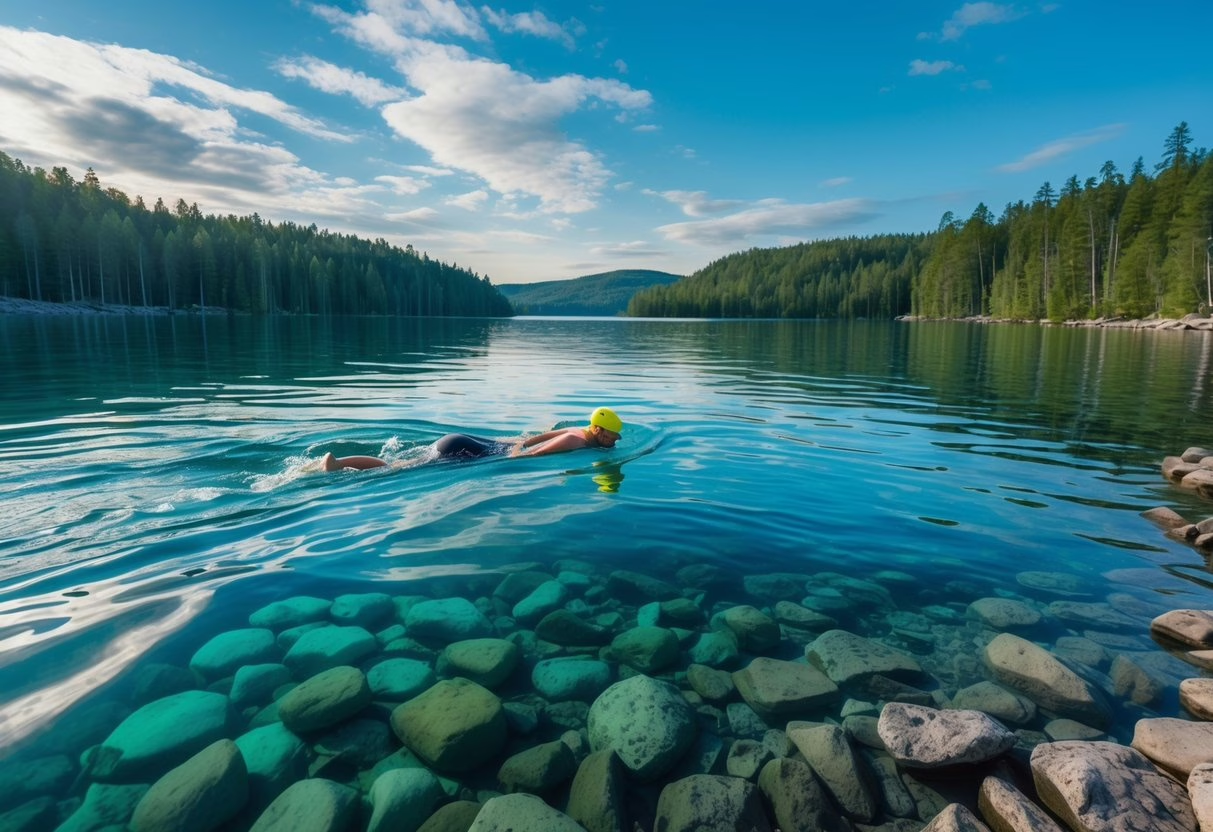
Finland’s pristine lakes offer some of Europe
Exploring Lake Saimaa: Finland’s Largest Lake
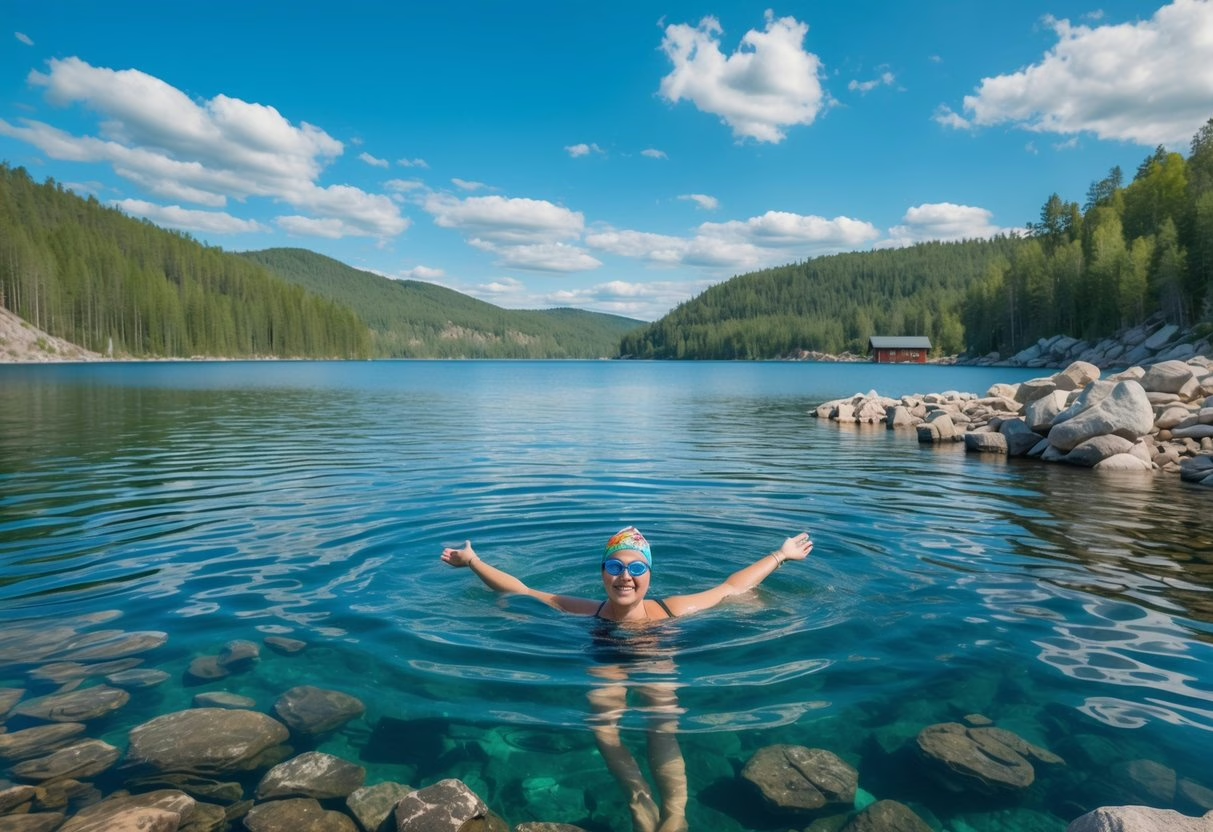
Lake Saimaa spans over 4,400 square kilometres and offers encounters with endangered Saimaa ringed seals alongside adventures across nearly 15,000 islands. The region combines pristine wilderness with authentic Finnish culture and cuisine.
Wildlife Encounters and Seal-Spotting
The Saimaa ringed seal represents one of the world’s most endangered seal species, with only around 400 individuals remaining. These unique seals exist nowhere else on Earth except in Lake Saimaa’s waters.
Visitors can spot these elusive creatures during early morning or evening hours when they surface to breathe. The best viewing months run from May through September when seals are most active.
Prime seal-spotting locations include:
- Linnansaari National Park
- Kolovesi National Park
- Remote island areas away from boat traffic
The seals prefer quiet bays and rocky shores for hauling out. Tour operators offer specialised seal-watching excursions with experienced guides who know the animals’ behaviour patterns.
Lake Saimaa’s waters also support landlocked salmon, vendace, pike, and zander. Birdwatchers can observe ospreys, white-tailed eagles, and various waterfowl species throughout the region.
Island Adventures and Hidden Bays
Lake Saimaa contains approximately 14,000 islands, creating endless opportunities for exploration and discovery. Each island offers unique landscapes, from rocky granite shores to forested hideaways.
Kayaking provides the ideal way to navigate between islands and access secluded swimming spots. The lake’s calm waters suit beginners whilst offering challenges for experienced paddlers.
Popular island activities include:
- Wild swimming in crystal-clear bays
- Camping on uninhabited islands
- Hiking forest trails
- Photography expeditions
Many islands feature natural harbours perfect for mooring boats or kayaks. Swimmers can find sheltered coves with sandy bottoms and gradual entries into the water.
The labyrinthine waterways create natural mazes between islands. The coastline stretches over 14,500 kilometres, offering more shoreline than any other lake globally.
Cultural and Culinary Experiences
Traditional Finnish lake culture thrives throughout the Saimaa region. Local communities maintain centuries-old fishing traditions whilst embracing sustainable tourism practices.
Authentic smoke saunas dot the shoreline, offering visitors the chance to experience genuine Finnish sauna culture. These wood-heated saunas provide the perfect complement to cold-water swimming.
Regional specialities feature:
- Fresh vendace – small local fish served fried or smoked
- Wild mushrooms – foraged from surrounding forests
- Local berries – cloudberries, lingonberries, and bilberries
- Traditional rye bread – baked in wood-fired ovens
Finland’s Lake Saimaa region boasts an under-the-radar food scene with restaurants focusing on locally sourced ingredients. Farm-to-table establishments serve dishes highlighting the area’s natural bounty.
Summer cottage culture remains central to Finnish lake life. Many families rent traditional wooden cottages complete with private saunas and lake access for authentic experiences.
Hidden and Lesser-Known Wild Swimming Spots
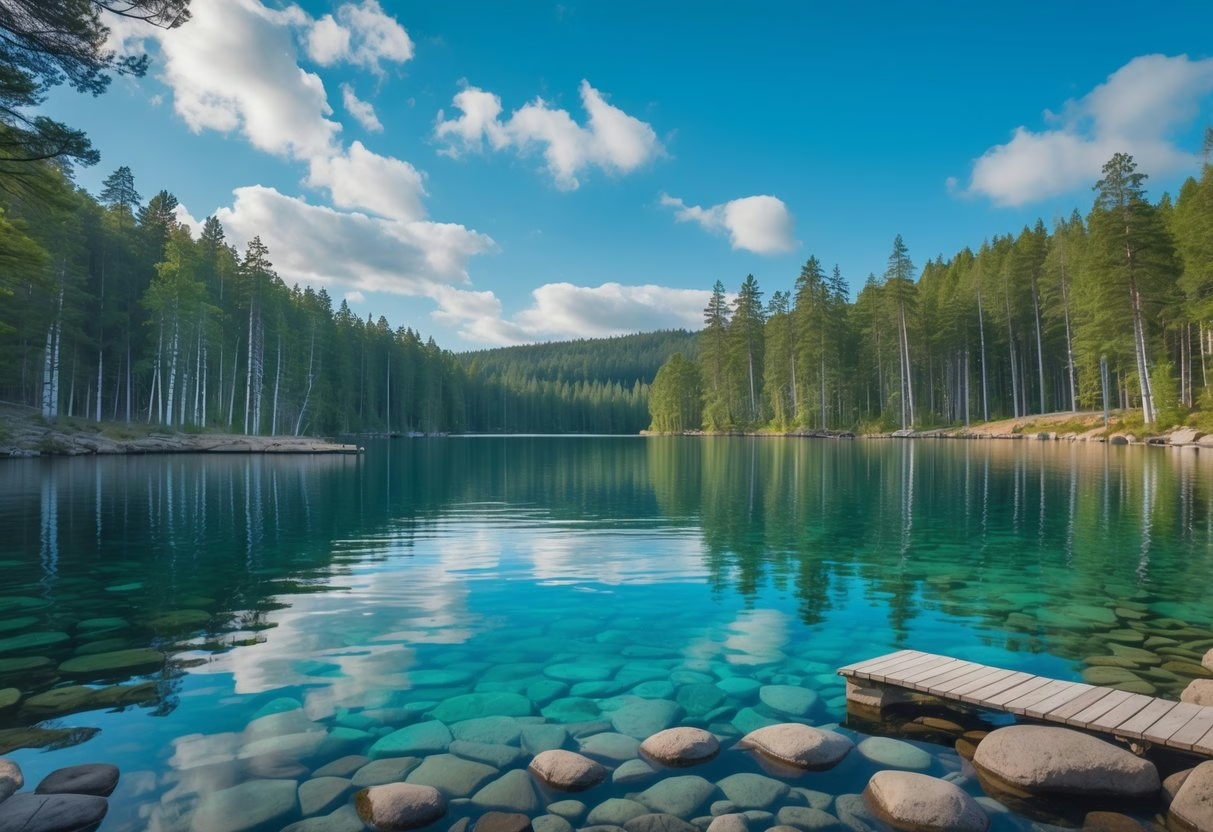
Finland’s most secluded swimming locations lie far from tourist trails, where crystal-clear waters meet untouched wilderness. These remote destinations offer complete solitude and pristine natural beauty that few visitors ever experience.
Remote Lakes in Lapland
Lapland’s vast wilderness contains hundreds of unnamed lakes perfect for wild swimming adventures. These remote waters remain ice-cold even during summer months, providing an invigorating experience surrounded by endless forests.
Lake Vikajärvi sits deep within Pallas-Yllästunturi National Park. The lake requires a 3-hour hike through ancient pine forests to reach its shores. Water temperatures rarely exceed 15°C, creating a refreshing contrast to the midnight sun.
Sammakkolampi translates to “frog pond” but offers pristine swimming conditions. Located 20 kilometres north of Ivalo, this lake remains completely undeveloped. Reindeer often graze along its sandy beaches during early morning hours.
The journey to these Lapland gems demands proper preparation. Hikers need warm clothing, navigation equipment, and emergency supplies. Mobile phone coverage disappears completely in these areas.
Serene Islands and Untouched Shores
Finland’s archipelago regions hide countless islands with perfect swimming spots. These locations require boat access but reward visitors with complete privacy and stunning scenery.
Sandö Island in the Turku archipelago offers secluded coves with smooth granite rocks. The island has no permanent residents, creating an untouched environment for swimming enthusiasts. Water clarity extends 10 metres deep.
Kuggö features natural rock pools formed by ancient glacial activity. These pools warm faster than the surrounding Baltic Sea, making swimming comfortable even in early spring. The island’s southern shore provides shelter from prevailing winds.
Rödskär lighthouse island permits wild camping alongside swimming activities. Visitors can combine overnight stays with dawn swimming sessions. The lighthouse keeper’s abandoned quarters add historical intrigue to swimming adventures.
Lake Koitere: Into the Wilderness
Lake Koitere represents Finland’s most remote swimming destination within Koitere National Park. This 17-kilometre-long lake stretches along the Russian border, creating an atmosphere of complete isolation.
The lake’s northern section offers the clearest water for swimming. Ancient pine trees line the shores, some over 400 years old. Swimming here feels like entering a prehistoric landscape.
Access requires a 5-kilometre forest hike from the nearest car park. The trail follows old logging routes through dense woodland. Bears occasionally visit the area, though sightings remain extremely rare.
Water conditions vary throughout the lake:
| Section | Temperature | Visibility | Best Time |
|---|---|---|---|
| Northern Basin | 16-18°C | 8-12m | July-August |
| Central Channel | 14-16°C | 6-8m | August |
| Southern Shallows | 18-20°C | 4-6m | July-September |
Lake Koitere requires wilderness camping permits during peak season. The park authorities limit visitor numbers to protect this fragile ecosystem.
Wildlife and Nature Around Finland’s Lakes
Finland’s lake regions provide critical habitat for unique Arctic and boreal species, from semi-domesticated reindeer gathering at water’s edge to the world’s most endangered seal. The country’s pristine waters support diverse birdlife whilst sheltering rare mammals found nowhere else on Earth.
Observing Reindeer by the Water
Reindeer frequently visit Finland’s northern lakes, particularly in Lapland during summer months. These semi-domesticated animals rely on lakeside areas for drinking water and cooling relief from insects.
Best viewing locations include:
- Lake Inari shores
- Smaller tarns above the Arctic Circle
- Remote lakes in Lapland’s wilderness areas
Visitors can spot herds of 20-50 animals during early morning or late evening hours. Reindeer approach cautiously, often sending scout animals first to test for danger.
The animals wade into shallow water to escape biting flies and mosquitoes. Their thick winter coats make them particularly vulnerable to insect harassment during warmer months.
Optimal viewing times:
- June-August: Peak activity periods
- Dawn and dusk: Most reliable sightings
- Calm weather: Animals less skittish
Rare and Endangered Species
The critically endangered Saimaa ringed seal represents Finland’s most significant conservation success story. Only about 400-420 individuals remain in Lake Saimaa’s waters.
These freshwater seals became isolated from marine populations around 9,500 years ago. They’ve evolved distinct characteristics, including lighter colouring and different breeding patterns compared to their Arctic relatives.
Conservation efforts include:
- Fishing restriction zones during pupping season
- Snowmobile bans on ice
- Artificial nest sites for breeding females
Brown bears occasionally visit remote lakeshores, particularly during berry season. Wolverines, Europe’s largest mustelid, drink from northern lakes whilst following reindeer herds.
Arctic foxes appear near tundra lakes in Lapland, though sightings remain extremely rare due to their endangered status in Finland.
Avian Life in Finland’s Lake District
Finland’s lakes attract over 100 bird species throughout the breeding season. Whooper swans, the national bird, nest on secluded islands and shallow bays.
Common waterbirds include:
- Great crested grebes
- Goldeneye ducks
- Red-throated divers
- Osprey
Golden eagles soar above larger lakes, hunting for fish and waterfowl. These magnificent raptors require vast territories, making Finland’s extensive lake systems ideal habitat.
Black-throated divers produce haunting calls across northern waters. Their distinctive wailing echoes through Lapland’s wilderness lakes during white nights of summer.
Cranes gather in large flocks during autumn migration, creating spectacular wildlife displays. Bean geese and other Arctic species use Finland’s lakes as crucial stopover points during their journeys to breeding grounds.
Planning Your Finnish Wild Swimming Adventure
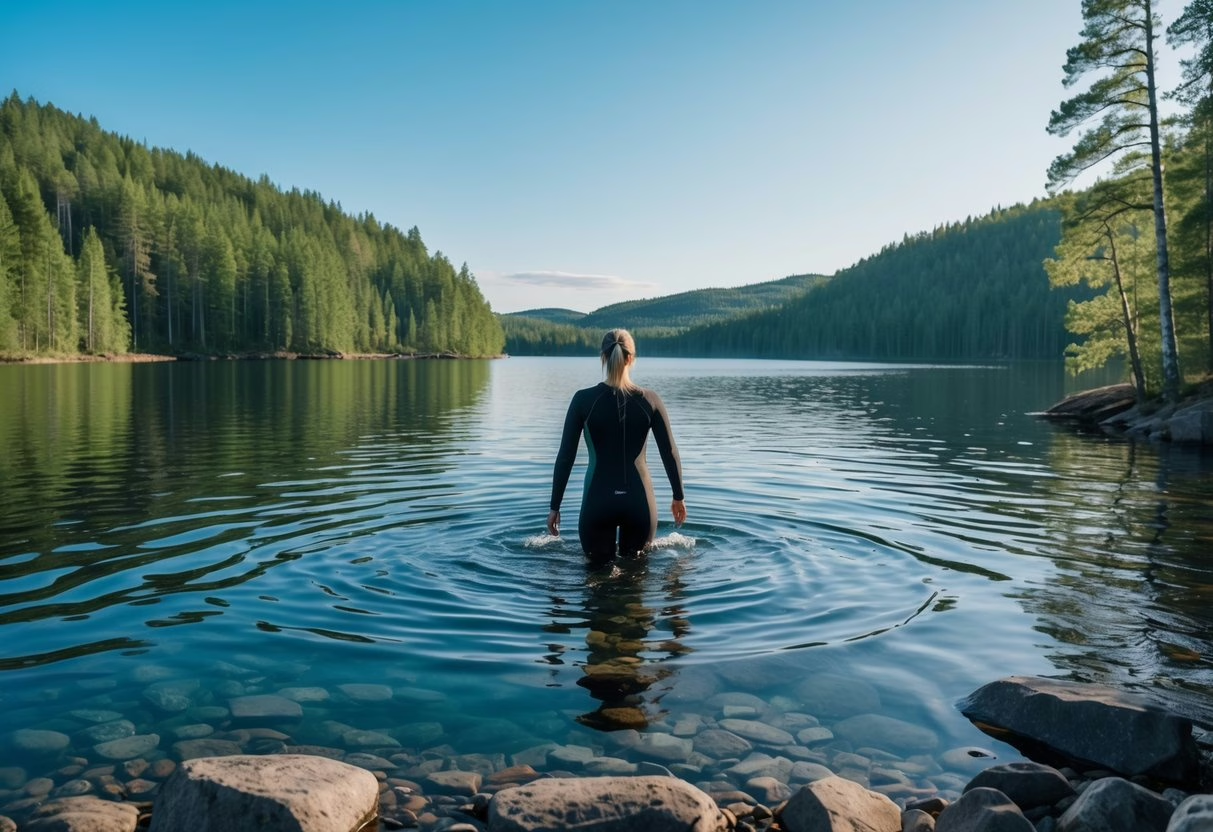
Finland’s pristine waters require proper preparation for safe and memorable wild swimming experiences. Understanding safety protocols, optimal timing, and available guided options ensures swimmers can fully enjoy the country’s exceptional aquatic environments.
Safety and Essentials for Open Water Swimming
Water temperatures in Finland vary dramatically throughout the year. Summer lakes reach 15-20°C, whilst winter temperatures drop below freezing. Swimmers must wear appropriate thermal protection for extended sessions.
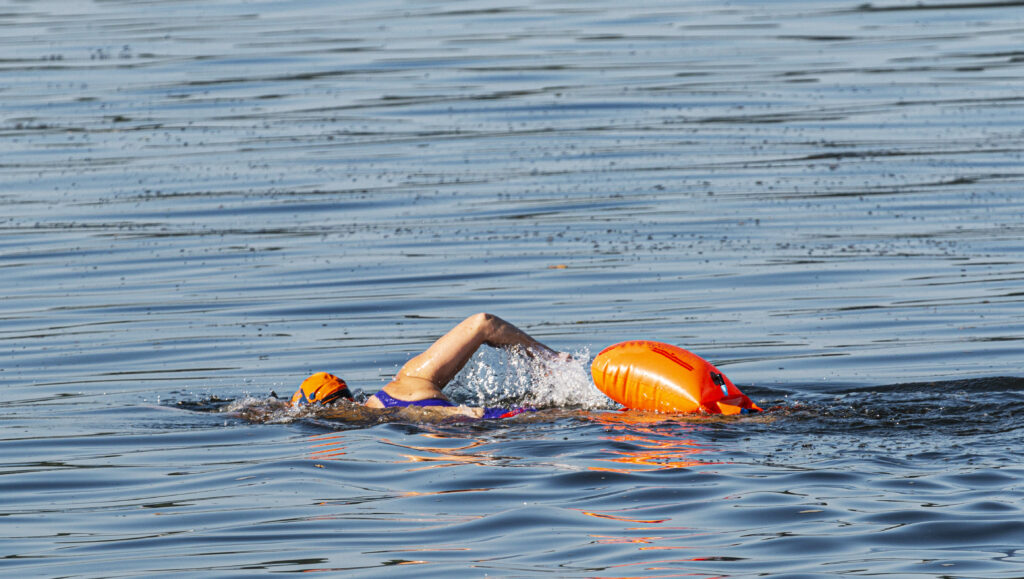
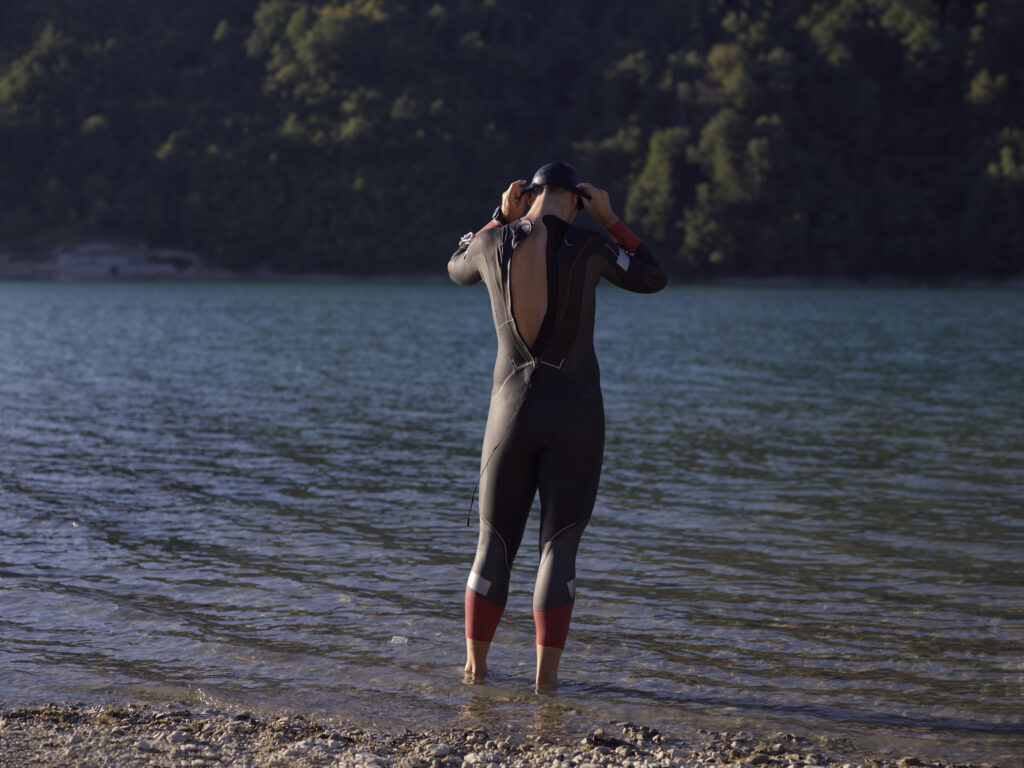
Essential kit includes a wetsuit for cooler months, bright swim cap for visibility, and safety whistle. Waterproof bags protect valuables and emergency supplies. Non-slip water shoes prevent injuries on rocky lake beds.
Never swim alone in Finland’s remote locations. Swimming with a partner provides crucial safety backup in emergencies. Check weather conditions before entering water, as storms develop quickly across large lake systems.
Local wildlife poses minimal risks, but swimmers should avoid areas with boat traffic. The 188,000 lakes across Finland offer numerous secluded spots away from motorised vessels.
Best Times and Regions to Visit
Summer months from June to August provide the warmest water temperatures and longest daylight hours. Finland’s midnight sun creates extended swimming opportunities, particularly in northern regions.
The Finnish Lake District represents Europe’s largest lake area, offering countless swimming locations. Lake Saimaa stands out as Finland’s largest lake, providing diverse swimming environments across its extensive waterways.
Northern Finland and Lapland feature pristine wilderness lakes with exceptional water clarity. These remote locations offer unparalleled natural swimming experiences away from populated areas.
Spring swimming requires careful timing as ice breaks up between April and May. Autumn extends the swimming season through September, though temperatures drop significantly after this period.
Guided Tours and Swimming Treks
Professional swimming tours eliminate planning stress whilst ensuring safety in unfamiliar locations. Guided swimming tours in Northern Finland and Lapland combine wild swimming with traditional Finnish sauna experiences.
Week-long swimming treks cover multiple lake systems, allowing swimmers to experience diverse aquatic environments. These tours include accommodation, meals, and safety equipment, making them ideal for international visitors.
Local guides possess intimate knowledge of optimal swimming spots, seasonal conditions, and safety protocols. They provide cultural context about Finland’s swimming traditions and environmental conservation practices.
Sauna integration forms a central component of guided experiences. Traditional Finnish saunas complement wild swimming sessions, creating the authentic cultural experience that defines Finnish aquatic recreation.
Frequently Asked Questions
Wild swimming enthusiasts often have specific questions about accessing Finland’s pristine lakes and understanding the facilities available at different locations. Safety regulations and seasonal timing play crucial roles in planning successful swimming adventures.
What are the top-rated lakes for wild swimming in Finnish Lakeland?
Lake Saimaa stands out as the premier destination for wild swimming in Finnish Lakeland. This massive body of water stretching across entire regions offers countless swimming spots amongst its 13,700 islands.
Lake Päijänne provides excellent swimming opportunities with crystal-clear waters. The lake’s numerous bays and inlets create sheltered swimming areas perfect for wild swimming enthusiasts.
Swimmers frequently choose smaller forest lakes for more intimate experiences. These hidden gems offer pristine water quality and peaceful surroundings away from crowds.
Can you list the facilities available at Nuuksio National Park for swimmers?
Nuuksio National Park provides basic facilities including car parks near lake access points. Visitors find marked trails leading to the main swimming lakes within the park boundaries.
The park offers toilet facilities at visitor centres and some trail access points. However, swimmers should expect minimal facilities at remote lake locations.
Designated camping areas allow overnight stays for extended swimming trips. Fire pits and basic shelters are available at certain locations throughout the park.
What is the best time of year to engage in wild swimming at Lake Tuusula?
Summer months from June to August provide the warmest water temperatures at Lake Tuusula. Water temperatures typically reach 18-22°C during peak summer months.
Late spring and early autumn offer cooler swimming experiences for hardy swimmers. May and September provide pleasant air temperatures whilst maintaining refreshing water conditions.
Winter swimming is possible but requires proper preparation and safety equipment. Ice swimming enthusiasts visit during December through March when ice formations create unique swimming holes.
Which lakes in Koli National Park are most suitable for wild swimming?
Lake Pielinen serves as the primary swimming destination within Koli National Park. This large lake offers numerous access points along its shoreline with varying depths.
Smaller forest lakes near hiking trails provide secluded swimming experiences. These lakes typically offer warmer water temperatures due to their smaller size and forest protection.
The lakes near Koli Hill provide swimming opportunities combined with spectacular scenery. Swimmers can enjoy panoramic views of the surrounding landscape from these elevated water bodies.
Are there any safety guidelines or regulations for swimming in lakes within Pallas-Yllästunturi National Park?
Swimmers must follow Leave No Trace principles throughout Pallas-Yllästunturi National Park. This includes avoiding soap use and not disturbing wildlife around lake areas.
The park requires swimmers to use designated access points where possible. Visitors should check with park authorities about any temporary restrictions during wildlife breeding seasons.
Emergency contact information should be carried at all times. Mobile phone coverage can be limited in remote areas of the park.
Swimming alone is strongly discouraged in this remote wilderness area. The park recommends swimming in groups and informing others of planned swimming locations.
How does one access the remote swimming spots in Finland’s national parks?
Most remote swimming spots require hiking along marked trails from car parks. Trail maps are available at visitor centres and show distances to various lake locations.
Four-wheel drive vehicles may be necessary for accessing certain trailheads during wet conditions. Some remote lakes require overnight camping to reach comfortably.
Public transport connections to national parks are limited outside major tourist areas. Renting a car provides the most flexible access to Finland’s beautiful and natural bathing lakes.
GPS coordinates help locate specific swimming spots marked by other wild swimming enthusiasts. Online forums and local hiking groups often share detailed access information for remote locations.