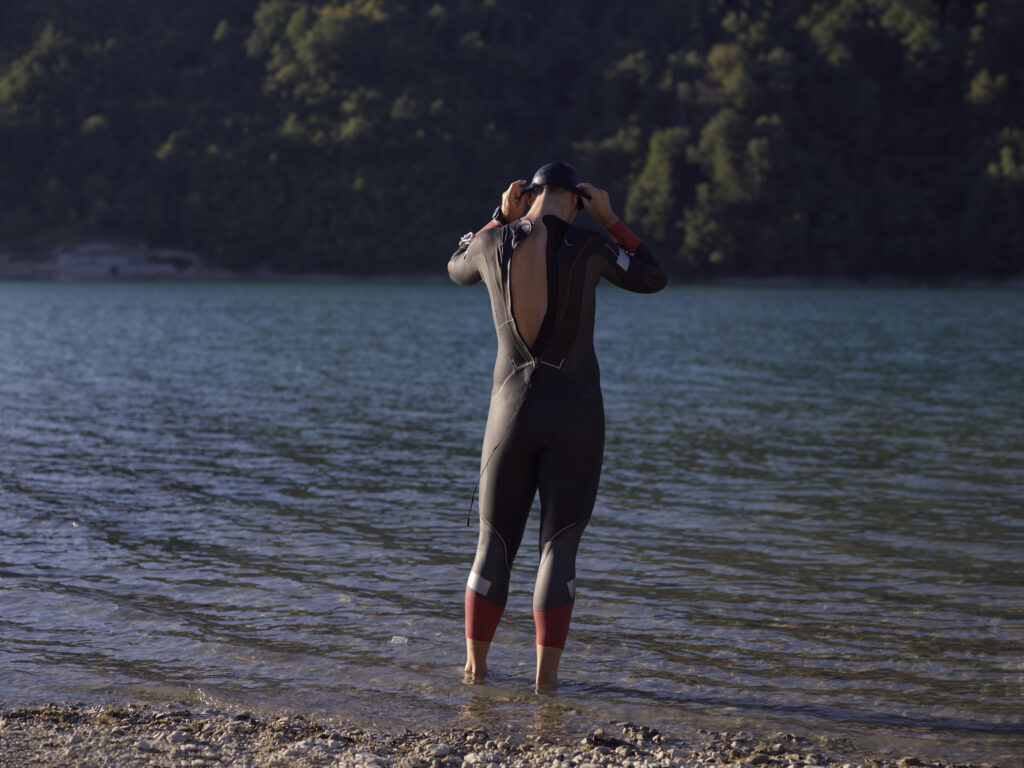
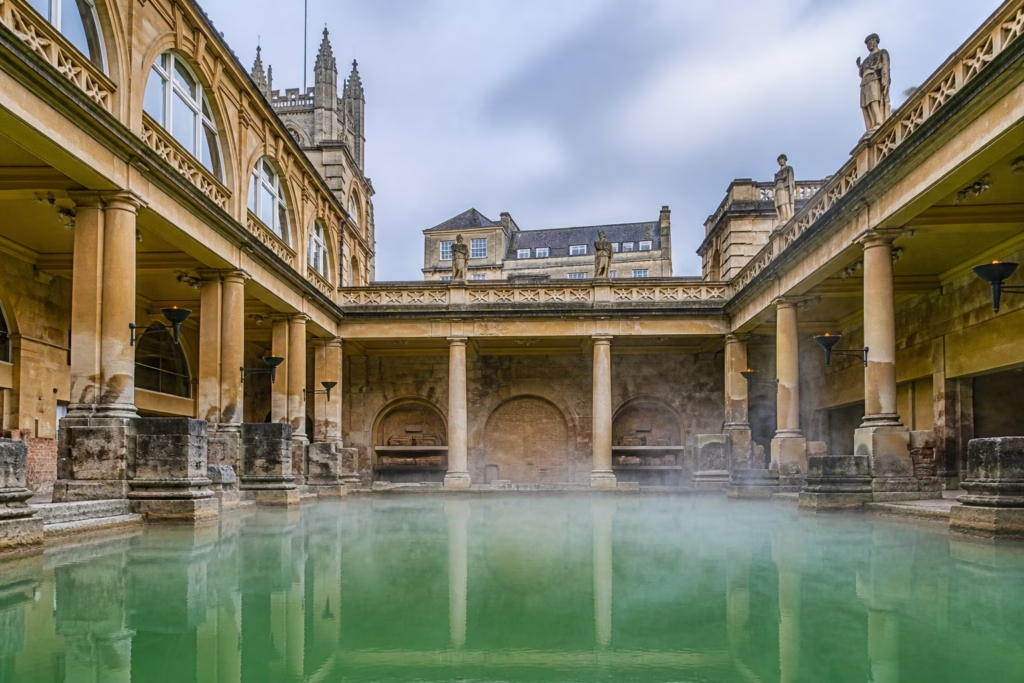
No, you cannot swim in the Roman Baths in Bath, UK. The water in the Great Bath is completely untreated, and bathing there has been banned since 1978 after a young swimmer tragically died from a brain-eating amoeba found in the thermal waters. Today, you are not even allowed to touch the water, let alone swim in it.
If you want to bathe in Bath’s famous natural thermal waters, you absolutely can, just not at the historic Roman Baths themselves. The nearby Thermae Bath Spa uses the same mineral-rich spring water, fully treated and safe, so you can enjoy a soak with views over Bath’s stunning skyline. Beyond the spa, the city offers the beautifully restored Cleveland Pools and wild swimming at Warleigh Weir, giving you plenty of ways to get into the water.
This guide covers exactly why swimming at the Roman Baths is unsafe, what you can still enjoy at the historic site, and every alternative swimming option in and around Bath. Whether you are planning a spa day, an outdoor swim, or a full heritage visit, you will find everything you need right here.
The Short Answer And Why It Is Unsafe
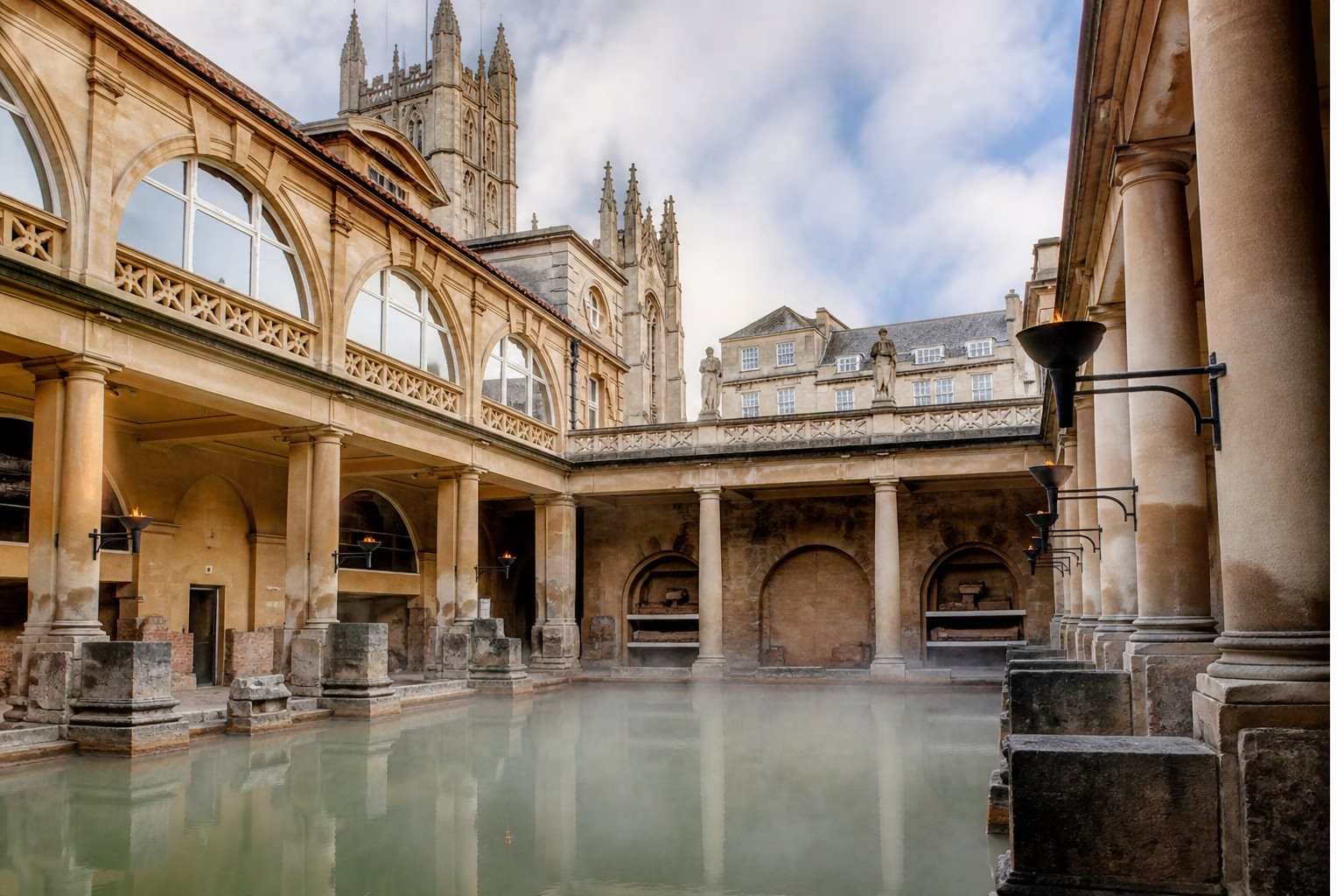
The Great Bath sits over a natural hot spring that pushes water up at around 46°C, and while that sounds inviting, the untreated thermal waters carry serious health risks. Between dangerous microorganisms, ancient lead contamination, and the stagnant conditions of the pool, the site has been closed to bathers for decades.
Why The Water Is Untreated And Unsafe To Touch
The water flowing into the Great Bath comes directly from the natural hot spring beneath the site. Unlike at a modern spa, this water receives no chemical treatment, no filtration, and no regular circulation. As the Roman Baths’ own FAQ confirms, the water is completely untreated and unsafe to drink or touch.
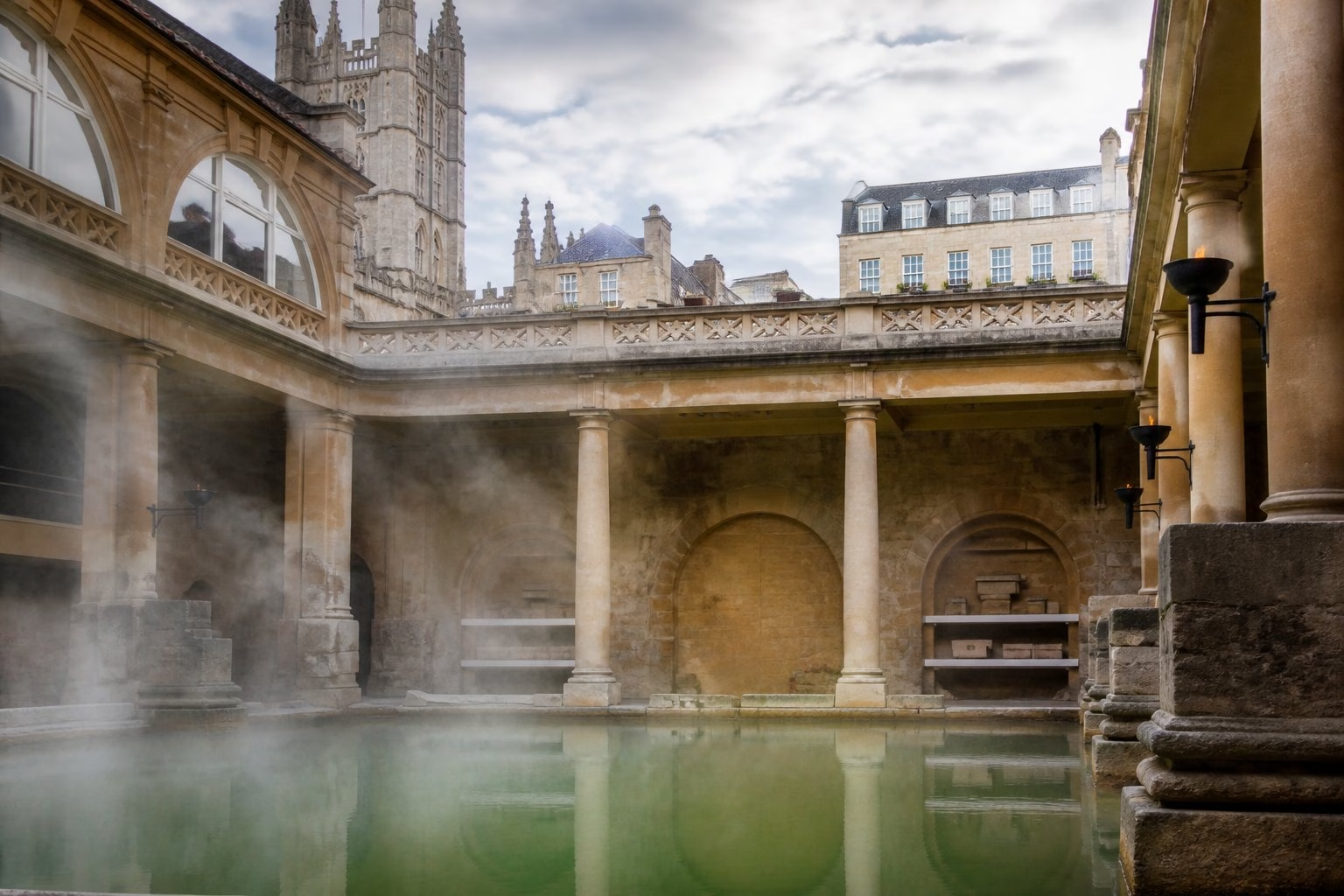
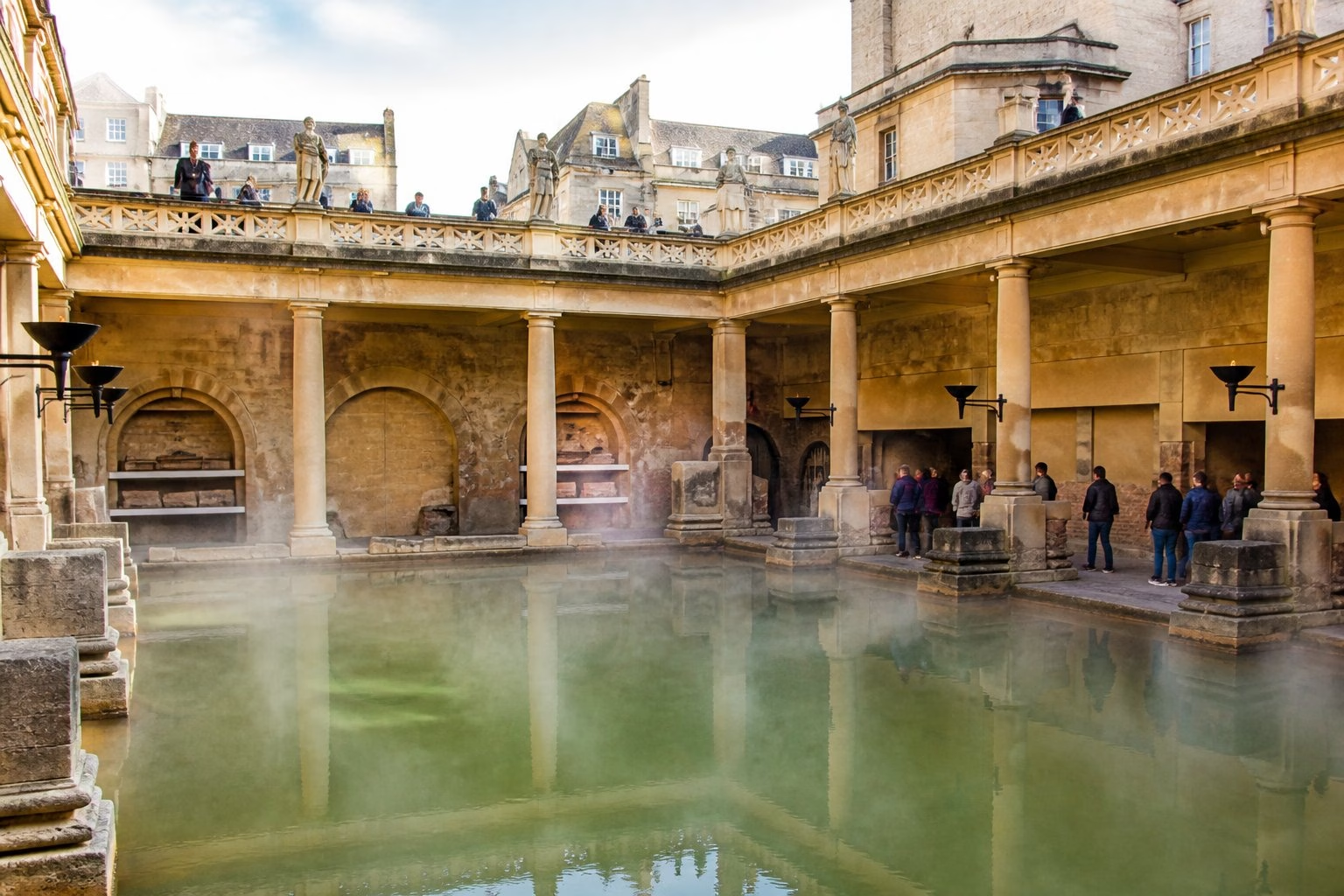
Because the pool is open to the air and receives constant warmth from the spring, it creates ideal growing conditions for algae and bacteria. That green colour you see in photographs is not a lighting trick. It is caused by tiny algae thriving in the sunlit, warm water.
Health Risks Including Dangerous Amoebas And Infection
In October 1978, a young girl swimming with the Bath Dolphins swimming club in the restored Roman Bath contracted naegleriasis and died. Testing revealed Naegleria fowleri in the water, a deadly amoeba that causes a rare but almost always fatal form of meningitis.
This single tragedy led to a permanent ban on public bathing at the site. The warm, stagnant conditions of the pool provide an environment where such pathogens can flourish. You face real danger from contact with the water, not just from swallowing it.
How Ancient Lead Pipes Add To The Problem
The Romans built their plumbing systems using lead pipes, and much of this original infrastructure still exists beneath the site. Lead contamination from these ancient pipes adds another layer of risk to the already untreated water.
Lead exposure, even at low levels, can cause serious health problems. Combined with the biological hazards, this makes the water at the Roman Baths genuinely dangerous. There is no scenario in which bathing there would be considered safe.
What You Can Still Experience At The Historic Site
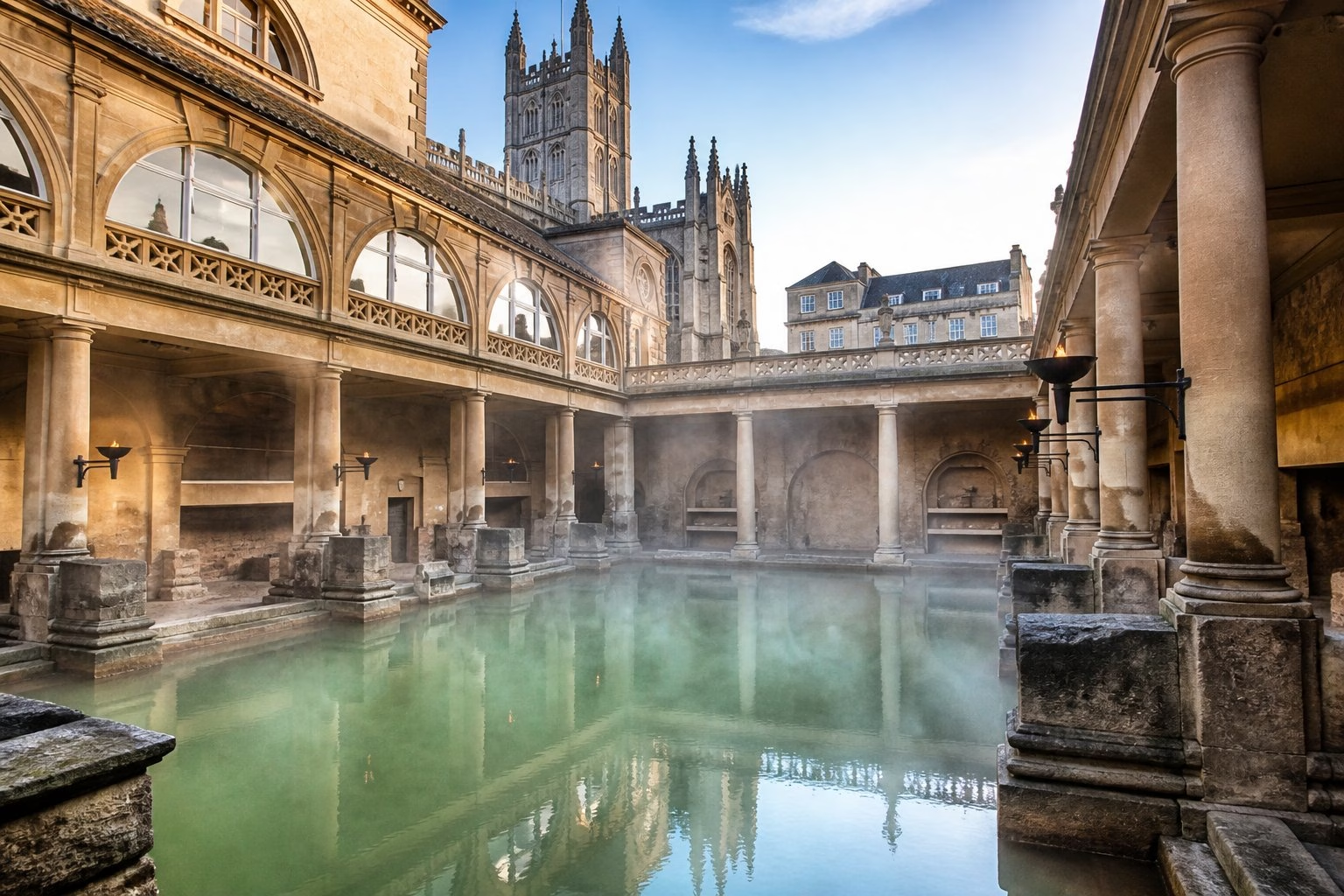
Even though you cannot enter the water, the Roman Baths remain one of the finest historic sites in Northern Europe. You can walk through beautifully preserved Roman ruins, stand beside the Sacred Spring, and explore thousands of years of history connected to Aquae Sulis, Sulis Minerva, and Roman Britain.
Seeing The Great Bath Without Entering The Water
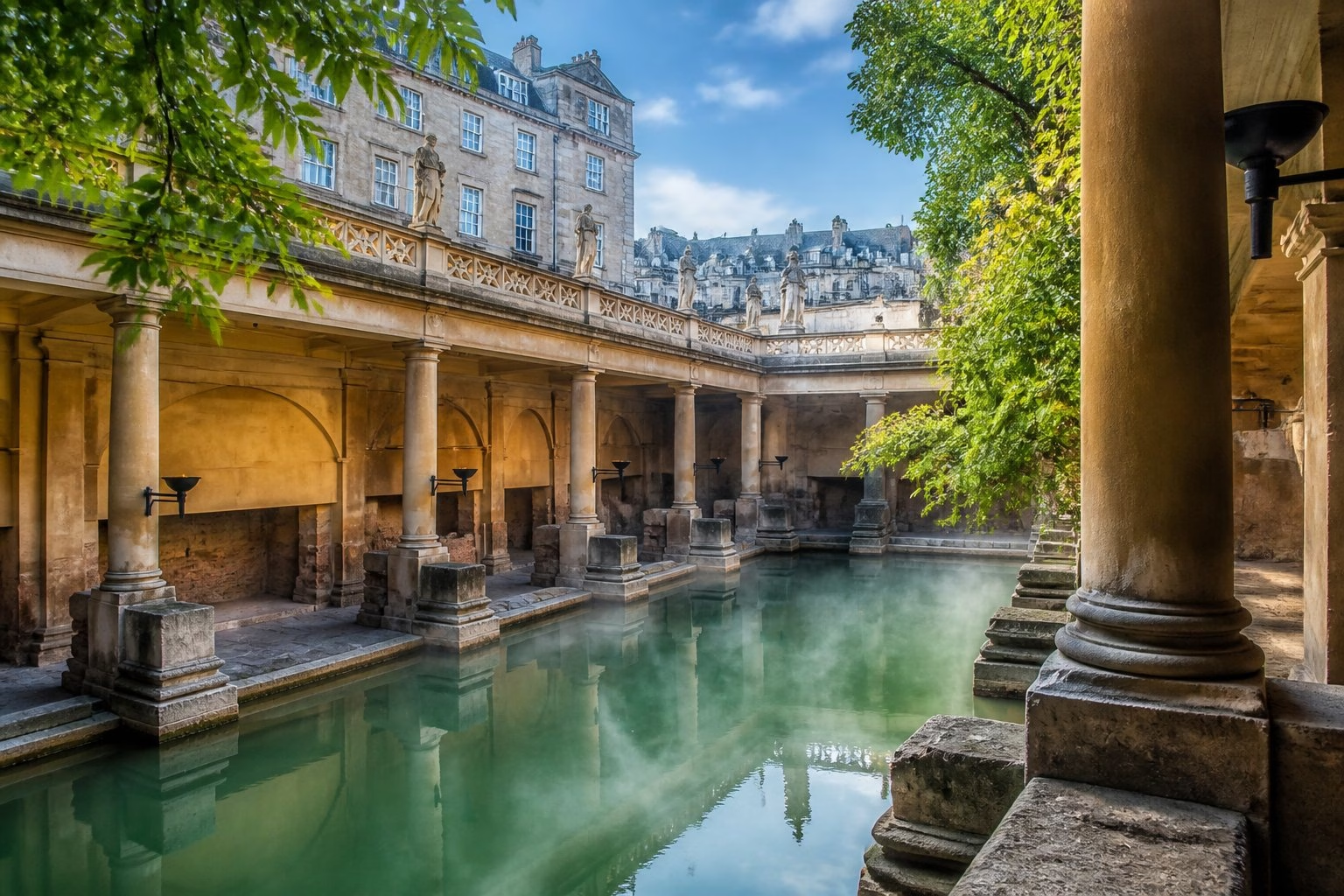
Your visit begins on the terrace above the Great Bath, where you get a sweeping view of the steaming green water below, framed by Victorian columns and Bath Abbey rising behind. As the official site walkthrough notes, what you see from the terrace is less than a quarter of the entire complex.
You then descend below modern street level to explore the Roman-era remains. The Great Bath itself is 1.6 metres deep, lined with original lead sheeting, and still fed by the hot spring. Standing beside it, you can feel the warmth and catch a faint sulphurous scent. It is remarkably atmospheric, even without stepping in.
The Sacred Spring And Roman Temple
The Sacred Spring is the heart of the site. This is where geothermally heated water rises at a rate of over a million litres per day. The Romans built a temple here between 60 and 70 AD, dedicating it to the goddess Sulis Minerva.
You can view the spring through a window and watch the water bubbling up, just as it has for thousands of years. Nearby, you will find the remains of the Roman temple, including the famous Gorgon’s Head pediment, one of the most iconic artefacts from Roman Britain.
Aquae Sulis, Sulis Minerva, And Roman Britain
The Romans named their settlement here Aquae Sulis, meaning “the waters of Sulis.” They merged the local Celtic goddess Sul with their own goddess Minerva, creating the hybrid deity Sulis Minerva who was worshipped at the site.
The museum within the complex holds an outstanding collection of Roman artefacts. You will find curse tablets thrown into the spring by ancient visitors, coins, jewellery, and sculptural fragments. These objects paint a vivid picture of daily life in Roman Britain and the spiritual importance of the thermal waters.
Bath Abbey, The Pump Room, And The Grand Pump Room Nearby
Right next door to the Roman Baths, you will find the Pump Room, a grand Georgian building that was once the social centre of Bath. You can still sample the hot spring water there, which has been treated and is safe to drink, though the mineral taste is an acquired one.
The Grand Pump Room also serves morning coffee, lunch, and afternoon tea, making it a lovely place to pause during your visit. Bath Abbey stands just steps away, its stunning fan-vaulted ceiling well worth a look. Together, these three sites form a compact cluster you can easily explore in a single morning or afternoon.
Where To Bathe In Bath’s Thermal Waters Instead
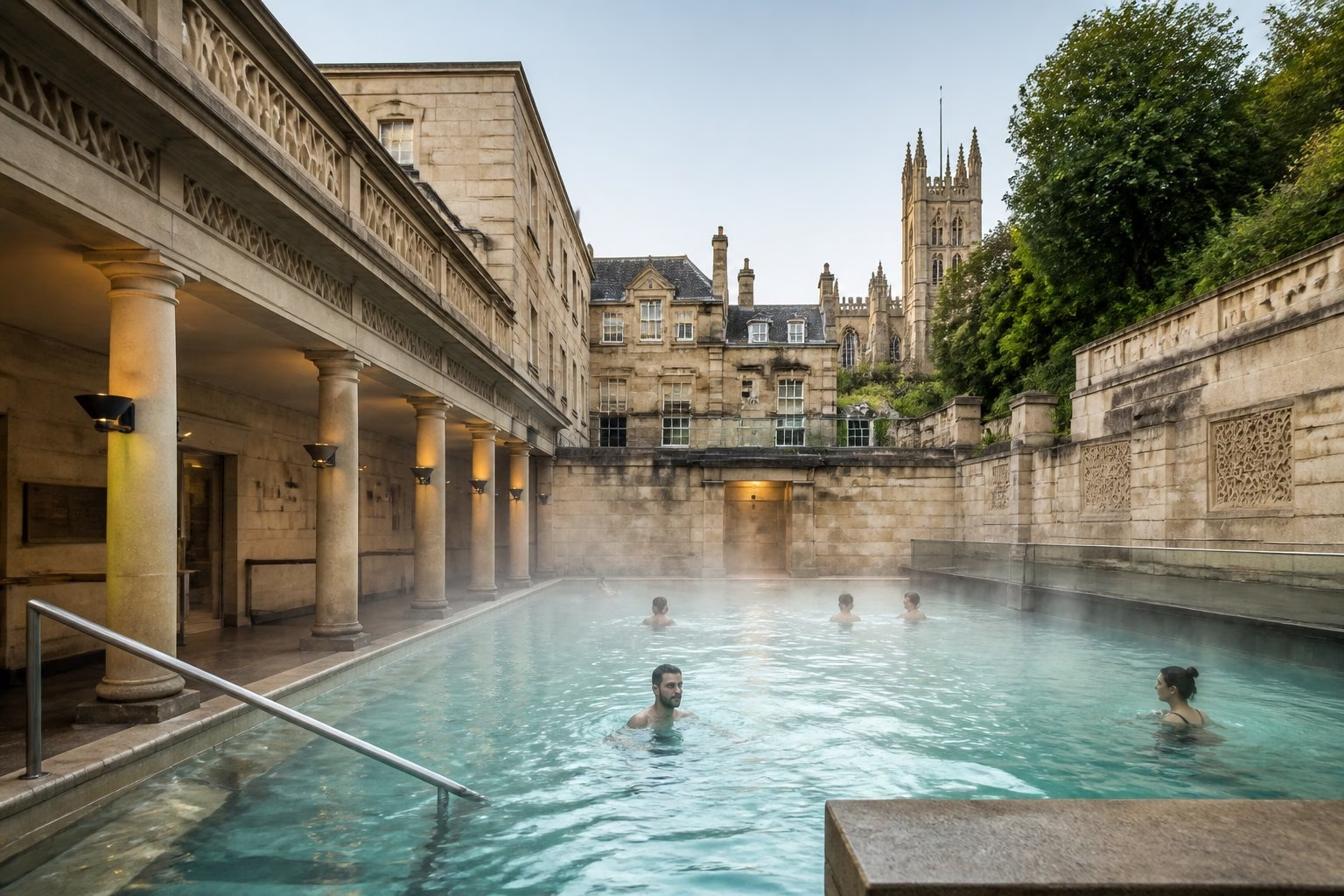
You have two places in Bath where you can actually bathe in the same natural thermal waters the Romans enjoyed. Both Thermae Bath Spa and the Spa Village at The Gainsborough draw from the city’s hot springs, but the water is fully treated and safe. Each offers a distinctly different experience.
Thermae Bath Spa For A Modern Thermal Spa Experience
Thermae Bath Spa is the most popular option and the UK’s only natural thermal spa open to the public. It sits just a few minutes’ walk from the Roman Baths. The highlight is the open-air rooftop pool, where you float in warm, mineral-rich water while looking out over Bath Abbey and the city skyline. On a chilly evening, the steam rising around you makes it feel magical.
The spa also features the Cross Bath, a smaller, more intimate pool built on a site the Celts originally revered as sacred. Standard sessions typically last two hours, though longer packages are available. As one review notes, Thermae is easily one of the best things to do in Bath.
Spa Village At The Gainsborough As The Other Thermal Option
The Spa Village at The Gainsborough is Bath’s luxury alternative. Located inside a five-star hotel, this spa offers a more exclusive and intimate setting. You do not need to be a hotel guest to book a session, though availability can be limited.
The experience here follows a thermal journey through pools of varying temperatures. It feels quieter and more refined compared to Thermae Bath Spa. If you prefer a premium, less crowded environment and do not mind paying more, this is an excellent choice.
What To Expect From Pools, Steam Rooms, And Plunge Pools
Both spas offer more than just pools. At Thermae Bath Spa, you will find a large indoor Minerva Bath, aromatic steam rooms infused with essential oils, an ice chamber, and the rooftop pool. The spa combines five historic buildings with contemporary architecture, creating a unique blend of old and new.
At The Gainsborough, plunge pools at different temperatures form the core of the experience, drawing on the Roman tradition of moving between hot and cold baths. Both venues provide towels, robes, and changing facilities. You just need to bring your swimwear and a willingness to relax.
Outdoor And Lido Swimming Near Bath

If you prefer open-air or cold-water swimming over a spa experience, Bath and its surrounding area offer some genuinely special spots. From a beautifully restored Georgian lido to a beloved stretch of river, you have excellent options beyond thermal pools.
Cleveland Pools For Historic Open-Air Swimming
Cleveland Pools is believed to be the oldest public outdoor swimming pool in Britain, dating back to the early 19th century. After being closed for nearly two decades, the pool underwent an extensive restoration and reopened to the public in 2023.
Set in a curve of the River Avon with views of the wooded hillside, the Grade II listed lido is a genuinely special place to swim. The pool is unheated, so it suits those who enjoy cooler water. It is only a short walk from the city centre, making it easy to pair with a visit to the Roman Baths or a spa session.
Wild Swimming At Warleigh Weir
Warleigh Weir is considered one of the best wild swimming spots in the UK. Located about three miles from the city centre, you reach it by a scenic walk along the Kennet and Avon Canal towpath.
The weir creates a broad, shallow area perfect for paddling and family visits, while deeper water further out suits confident swimmers. On warm summer days, the banks fill with picnickers and sunbathers. Keep in mind that wild swimming carries its own risks. There are no lifeguards, and water conditions can change. Always check conditions before you go and never swim alone.
Other Cold-Water And Open-Water Options Near The City
Beyond Cleveland Pools and Warleigh Weir, the area around Bath has several other outdoor swimming options. Farleigh and District Swimming Club operates an outdoor pool further along the Avon valley, and the river itself has stretches used by experienced cold-water swimmers year-round.
If you are new to open-water swimming, consider joining a local group for safety and guidance. The cold-water swimming community in Bath is active and welcoming, with regular meet-ups throughout the year.
How To Plan A Water-Focused Day In Bath
Bath is compact enough that you can combine heritage, spa time, and sightseeing into a single satisfying day. With a little planning, you can walk between most attractions and fit in both history and relaxation without feeling rushed.
Pairing The Roman Baths With A Spa Session
The most natural pairing is a morning visit to the Roman Baths followed by an afternoon session at Thermae Bath Spa. Start early to beat the crowds at the historic site. Allow about 90 minutes to two hours to explore properly.
After lunch, head to Thermae Bath Spa, which is literally around the corner. Book a two-hour twilight session if you can. Floating in the rooftop pool as the sun sets behind Bath Abbey is an unforgettable experience, and it gives real meaning to all the history you absorbed earlier in the day.
Adding Royal Crescent And Pulteney Bridge To Your Route
Between your morning at the Roman Baths and your spa session, take a stroll through Bath’s World Heritage streets. Pulteney Bridge is just minutes from the Roman Baths. It is one of only a handful of bridges in the world with shops built across both sides.
From there, walk uphill to the Royal Crescent, the iconic curved row of Georgian townhouses overlooking Royal Victoria Park. The walk takes about 15 minutes and passes through the Circus, another architectural landmark. These sights are free to enjoy from the outside and give you a real sense of why Bath earned its UNESCO World Heritage status.
Choosing Between Heritage, Spa Time, And Outdoor Swimming
Your perfect day depends on what matters most to you. If you love history, prioritise the Roman Baths and the Pump Room, then add a short spa session. If relaxation is the goal, book a longer spa package and keep the sightseeing light.
For active visitors, combine a quick Roman Baths tour in the morning with an afternoon swim at Cleveland Pools or a walk out to Warleigh Weir. You probably cannot do everything in one day, so pick two main activities and build your route around them.
Practical Visitor Tips Before You Go
A few practical details can make the difference between a smooth visit and a frustrating one. Booking in advance, packing the right items, and knowing about family-friendly resources will help you get the most from your trip.
Booking Advice For Popular Spa Sessions
Thermae Bath Spa gets busy, particularly on weekends and during school holidays. Book your session online at least a week in advance if you are visiting on a Saturday or Sunday. Weekday mornings tend to be quieter and more relaxed.
For the Roman Baths, £1 tickets are available for UK visitors receiving Universal Credit, Pension Credit, or ESA, covering up to four accompanying children. Standard tickets should also be booked online to guarantee your preferred time slot, especially during peak summer months.
What To Bring For Spa Visits And Open-Water Swims
For Thermae Bath Spa, bring your own swimwear. Towels and robes are provided, but flip-flops or pool shoes are useful for moving between areas. Leave valuables at your accommodation, as lockers are small.
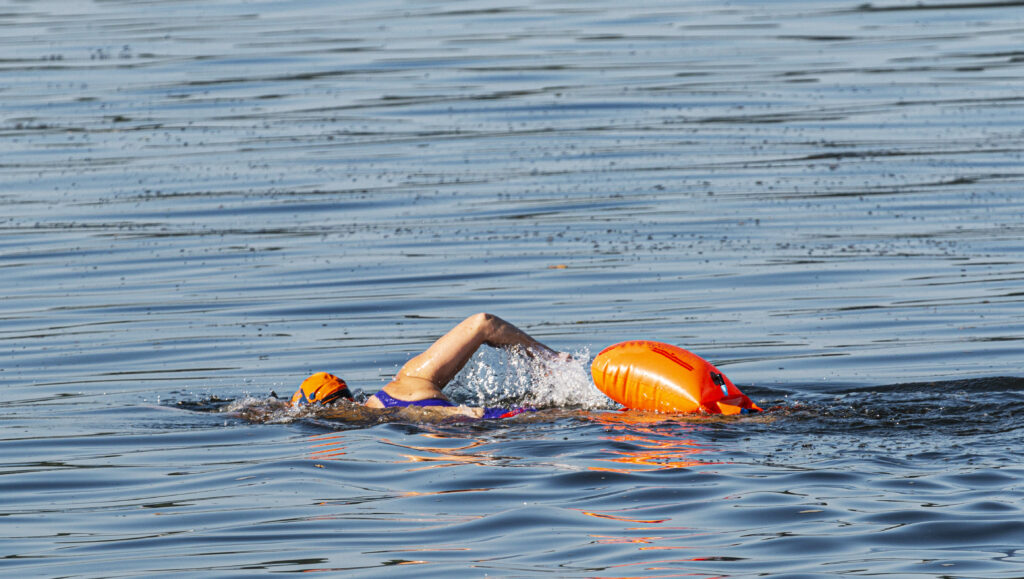
For outdoor swimming at Cleveland Pools or Warleigh Weir, pack a towel, a dry bag for your belongings, and sun protection in summer. A brightly coloured swim cap improves your visibility in open water. If you are visiting in cooler months, a changing robe makes getting dressed afterwards far more comfortable.
Learning Resources And Family Interest At The Site
The Roman Baths are genuinely engaging for children. The site offers an excellent audio guide with a version specifically designed for younger visitors. Interactive displays and touchable artefacts throughout the museum keep kids interested.
The Clore Learning Centre within the complex provides educational resources and activities for families and school groups. If you are visiting with children, allow a little extra time for them to explore the hands-on exhibits. The combination of steaming water, Roman ruins, and ancient stories tends to capture their imagination more than you might expect.
Frequently Asked Questions
Is it possible to swim in the Roman Baths in Bath today?
No, you cannot swim in or even touch the water at the Roman Baths. The water is untreated and contains dangerous pathogens, including the amoeba Naegleria fowleri. Public bathing has been banned at the site since 1978.
When did people stop bathing in the Roman Baths?
People occasionally swam in the Great Bath during much of the 20th century. Bathing was permanently closed to the public after 1978, following the death of a young swimmer who contracted a fatal amoeba-borne illness from the water.
What is the difference between visiting the Roman Baths and using Thermae Bath Spa?
The Roman Baths are a museum and heritage site where you explore ancient ruins but cannot enter the water. Thermae Bath Spa is a modern wellness facility that draws from the same hot springs but fully treats the water, making it safe for bathing. They are separate venues with separate tickets.
How much does it cost to enter the Roman Baths?
Standard adult tickets typically range from £18 to £30 depending on the time of year, with lower prices during off-peak months. Discounted £1 tickets are available for UK visitors receiving certain benefits. Check the official website for the most current pricing.
Can you visit the Roman Baths without paying for a ticket?
No, you need a ticket to enter the Roman Baths complex. You can see the Great Bath from street level through the windows and railings without paying, but access to the museum, Sacred Spring, and full site requires a purchased ticket.
How long does a typical visit to the Roman Baths take?
Most visitors spend between 90 minutes and two hours at the site. The audio guide is detailed and covers a lot of ground. If you are visiting with children or have a strong interest in Roman history, you could easily spend closer to two and a half hours exploring everything.