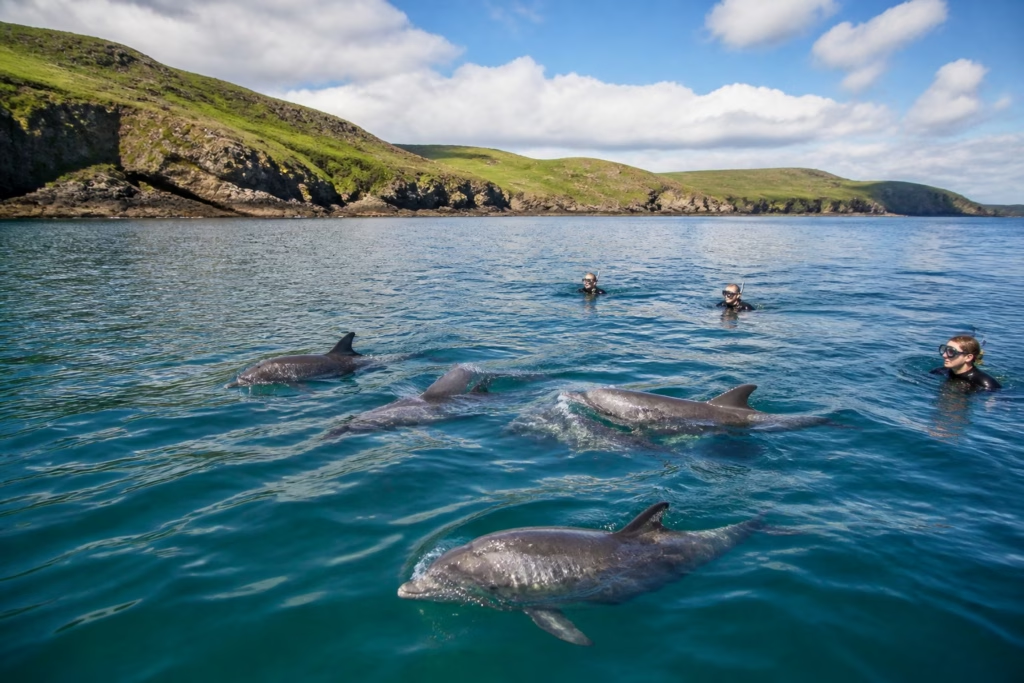
If you have ever searched “where can I swim with dolphins in the UK,” you are not alone. It is one of the most popular wildlife-related questions asked by adventure seekers across Britain. The short answer, though, may surprise you: there are no commercial swim-with-dolphins experiences in UK waters, and intentionally swimming with wild dolphins is illegal under the Wildlife and Countryside Act 1981.
That does not mean your dream of a close dolphin encounter is off the table. The UK coastline is home to thriving populations of bottlenose dolphins, common dolphins, and other cetaceans. You can see them from clifftops, beaches, piers, and responsibly run boat trips. In places like Cardigan Bay, the Moray Firth, and Cornwall, sightings are remarkably common during the warmer months.
This guide covers everything you need to know. You will learn why the law exists, where to find the best dolphin-watching spots, how to pick an ethical boat tour, and what to do if dolphins choose to swim near you while you are in the water. Whether you are planning a family holiday or a solo coastal adventure, these locations and tips will help you get as close to dolphins as you ethically and legally can.
What You Can Legally And Ethically Do In The UK
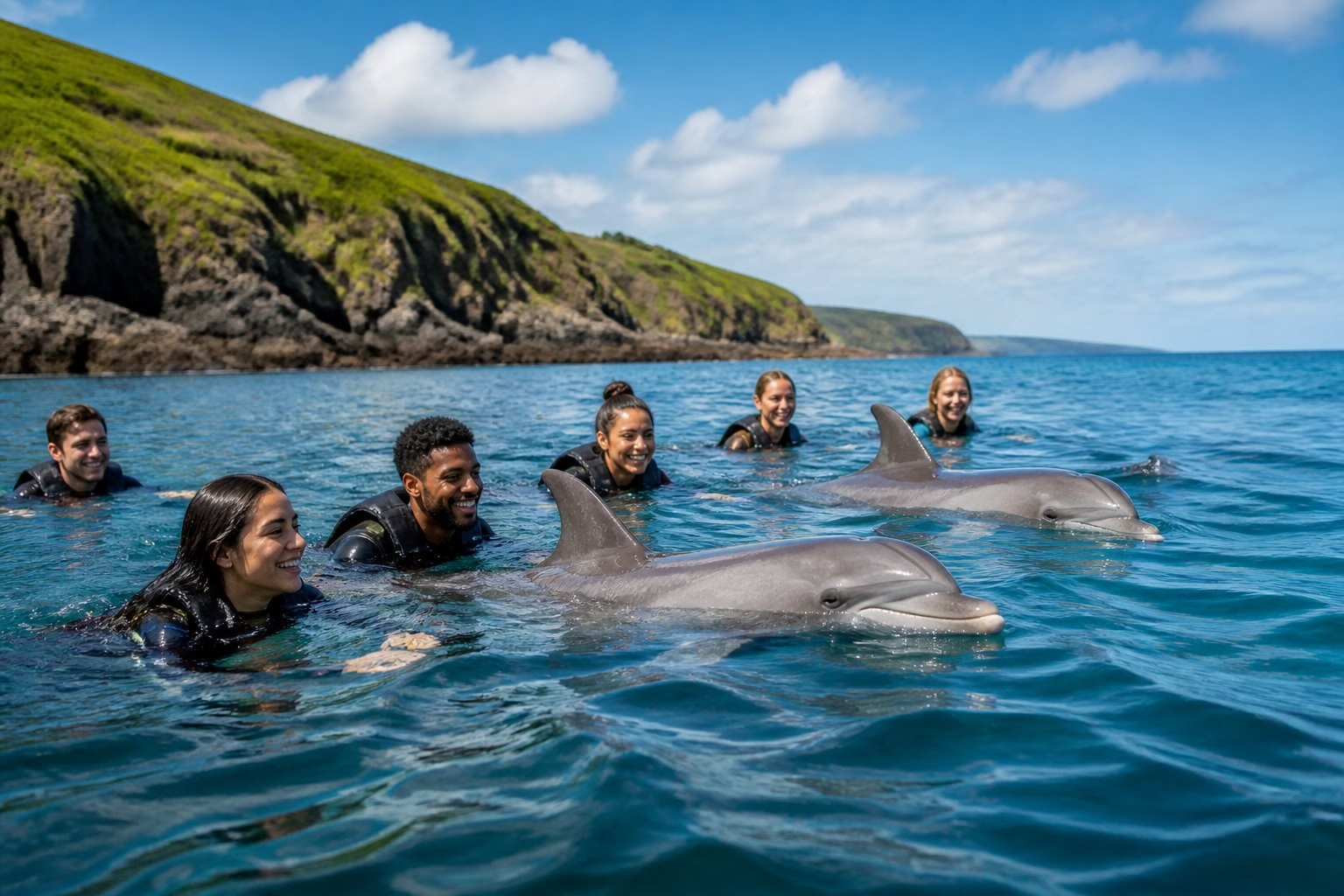
UK law treats dolphins as protected species, which shapes every encounter you can have with them. Disturbance, harassment, and intentional pursuit of wild dolphins carry real consequences for both people and the animals.
Why Wild Dolphin Swimming Is Not A UK Attraction
Unlike destinations such as the Bahamas or Hawaii, the UK does not permit commercial swim-with-dolphins programmes in open water. Wild dolphins here are fully protected under the Wildlife and Countryside Act 1981 and the Conservation of Habitats and Species Regulations. Intentionally chasing, cornering, or entering the water to interact with dolphins is classified as disturbance and can result in prosecution.
Captive dolphin facilities do not exist in the UK either. As highlighted by Born Free, captive swim-with programmes elsewhere in the world raise serious welfare concerns. The UK banned keeping cetaceans in captivity decades ago, so there is simply no facility offering this kind of experience on British soil.
Why Disturbance Rules Matter For Conservation
Every time a dolphin pod is startled by a swimmer, jet ski, or poorly managed boat, it disrupts feeding, nursing, and resting behaviour. Repeated disturbance can push dolphins away from important habitats. The UK Government introduced a marine wildlife code in 2023 to address growing issues, including drone use and close approaches by watercraft.
These rules exist because UK dolphin populations, while healthy in some areas, are not limitless. Protecting their space means you, your children, and future visitors will continue to see them.
What To Do If Dolphins Approach You Naturally
If you are swimming, kayaking, or paddleboarding and dolphins choose to come to you, you are not breaking the law. The key distinction is intent. Stay calm, avoid sudden movements, and never reach out to touch them. Do not chase them or alter your course to follow.
Let them set the pace. If they lose interest, let them go. These brief, unplanned encounters are among the most magical wildlife moments you can have in the UK.
Best Place For Dolphin Encounters In Wales
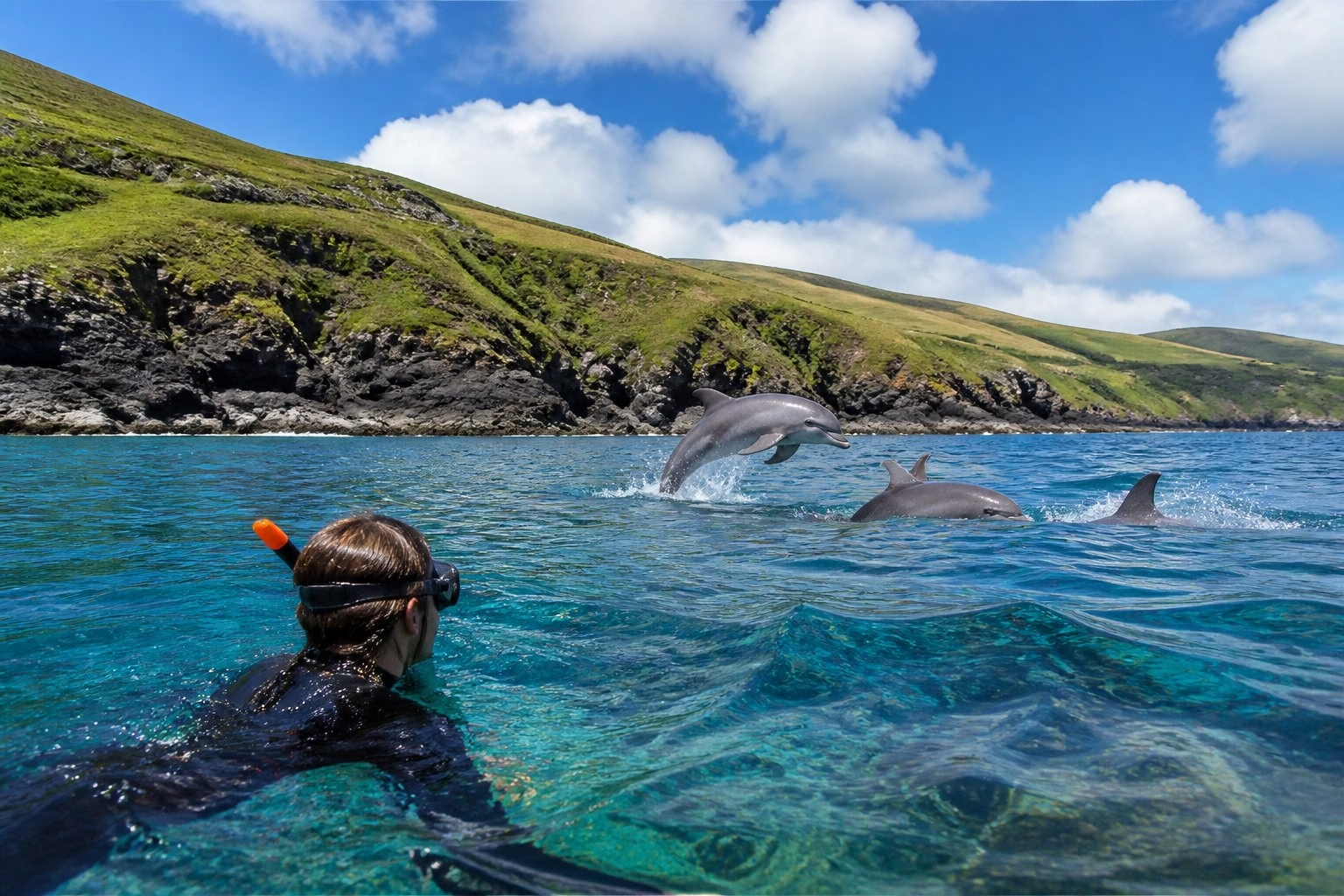
Wales offers the single best location in the UK for seeing dolphins reliably, with Cardigan Bay hosting the largest resident population of bottlenose dolphins in Europe and multiple accessible viewing points stretching along more than 60 miles of coastline.
Cardigan Bay As The Top UK Hotspot
Cardigan Bay is a designated Special Area of Conservation and is one of only two places in the UK with a resident bottlenose dolphin population, the other being the Moray Firth in Scotland. Over 300 individually identified bottlenose dolphins have been recorded in these waters. You can also spot common dolphins, harbour porpoises, and Atlantic grey seals.
The bay’s sheltered waters and rich food supply keep dolphins present all year round, though summer is peak season. During June, July, and August, sightings are described as a near-certainty by Visit Wales.
New Quay And The Cardigan Bay Marine Wildlife Centre
New Quay is the heart of Cardigan Bay dolphin watching. You can often see dolphins from the harbour wall, the pier, or the beaches without spending a penny. The Cardigan Bay Marine Wildlife Centre, run by the Wildlife Trust of South and West Wales, sits right on the waterfront. It offers free exhibitions, volunteer-led dolphin lookouts, and educational resources for families.
Several boat trip operators based in New Quay run short coastal cruises along the SAC. These trips typically last one to two hours and frequently encounter dolphins, seals, and seabirds.
Aberporth And Accessible Coastal Viewing
Aberporth is a quieter alternative just a few miles along the coast from New Quay. Its twin beaches, Dyffryn Beach and Dolwen Beach, sit in a sheltered bay that dolphins regularly visit. As noted by Wales Online, you can watch dolphins from the golden sands.
The village is small, with limited facilities, which makes it feel more like a hidden gem than a tourist hotspot. Bring binoculars and a flask of tea. Early morning and late afternoon tend to be quieter, giving you a better chance of a peaceful sighting.
Mwnt, Cardigan Island And Cemaes Head
For a wilder experience, head further north along the Ceredigion coast. Mwnt is a tiny cove backed by a steep grassy hill, and the elevated viewpoint is superb for scanning the water below. Dolphins are frequently spotted from the clifftop here, especially when the sea is calm.
Cardigan Island, visible from the coast near Gwbert, sits at the mouth of the River Teifi and attracts marine life year-round. Cemaes Head, part of the Pembrokeshire Coast National Park, offers dramatic cliff walks where you can look down on dolphins, porpoises, and grey seals. Experience Seeker lists these spots among the best for a dedicated dolphin-watching road trip.
Other Top Places To Watch Dolphins Around The UK
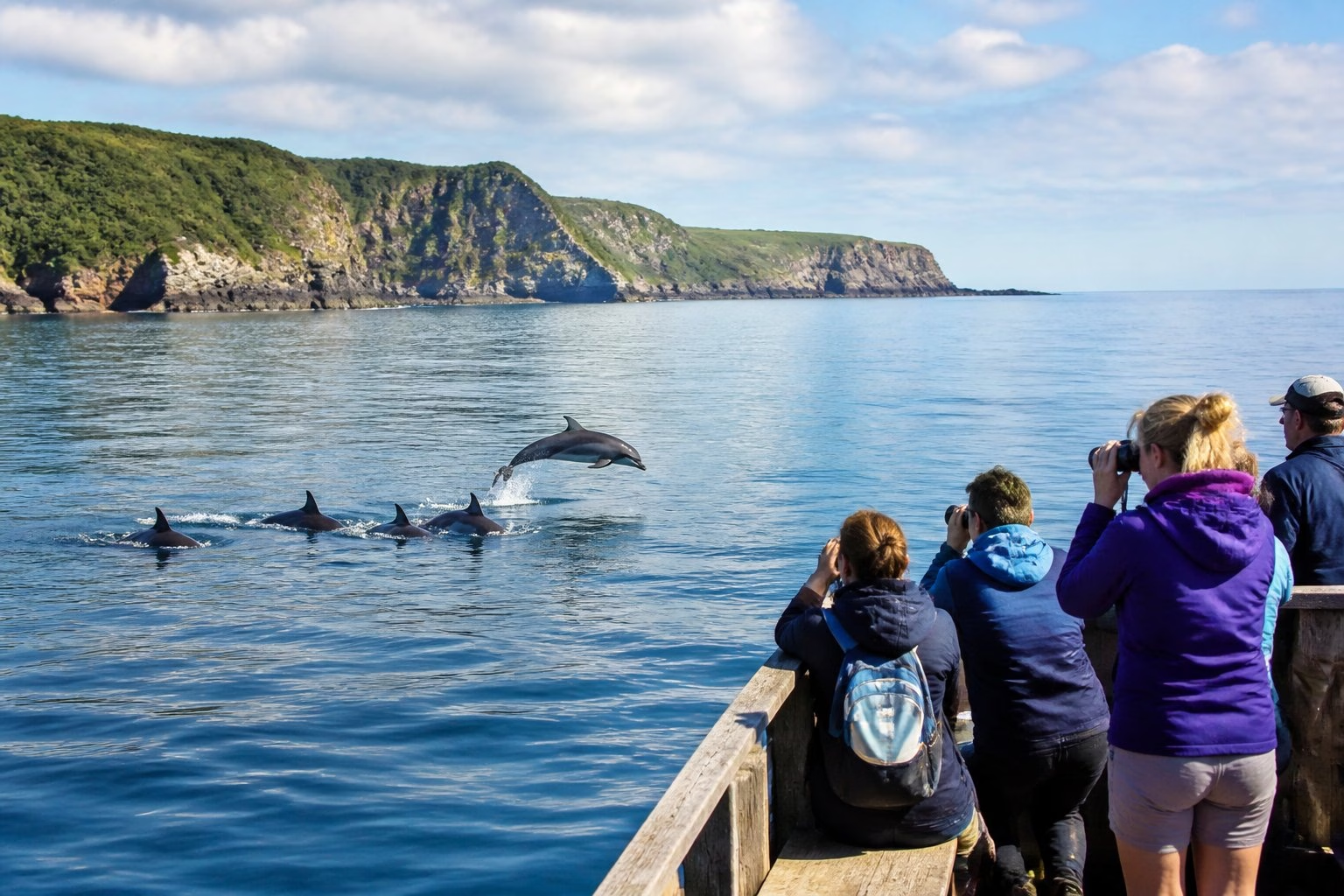
Beyond Wales, several locations across Scotland and England deliver outstanding dolphin-watching opportunities, each with its own character and the kind of things to do that make a full day out.
Moray Firth And Chanonry Point In Scotland
The Moray Firth near Inverness is home to the most northerly resident population of bottlenose dolphins in the world. Chanonry Point, a narrow spit of land jutting into the firth, is widely considered the single best shore-based dolphin-watching spot in the UK.
Dolphins here hunt salmon in the shallows, sometimes just metres from the beach. According to World Animal Protection UK, you can join dolphin-watching tours from Cromarty, Avoch, or Chanonry Point itself. Dolphin Spirit operates boat trips from Inverness lasting around two hours, with high sighting rates during summer.
Arrive at Chanonry Point about an hour after low tide on a rising tide for the best chances. Parking fills up quickly in July and August, so get there early.
Cornwall Headlands And Coastal Lookouts
Cornwall’s long, exposed coastline sits in the path of common dolphin pods that move through the Celtic Sea and western English Channel. You can spot dolphins from headlands like Gwennap Head, Pendeen Watch, and Trevose Head. The Cornwall Wildlife Trust highlights West Cornwall as particularly productive.
Several boat operators run wildlife tours from harbours including Padstow, Falmouth, and Penzance. As noted on Tripadvisor, visitors have reported seeing both Risso’s dolphins and common dolphins on trips from Cornish ports. Combine a coastal walk with a wildlife cruise for a full day of things to do.
Hebridean Wildlife Cruises And Offshore Sightings
The Hebrides and west coast of Scotland offer encounters with a wider range of species, including minke whales, orcas, and white-beaked dolphins. Multi-day wildlife cruises departing from Oban or Mull travel through deep channels where pelagic species pass regularly.
As Discover Wildlife notes, late summer is the prime window when seas are warmest and food is most abundant. These longer trips are pricier but offer the chance to see species you will rarely, if ever, encounter from shore.
How To Choose A Responsible Boat Trip
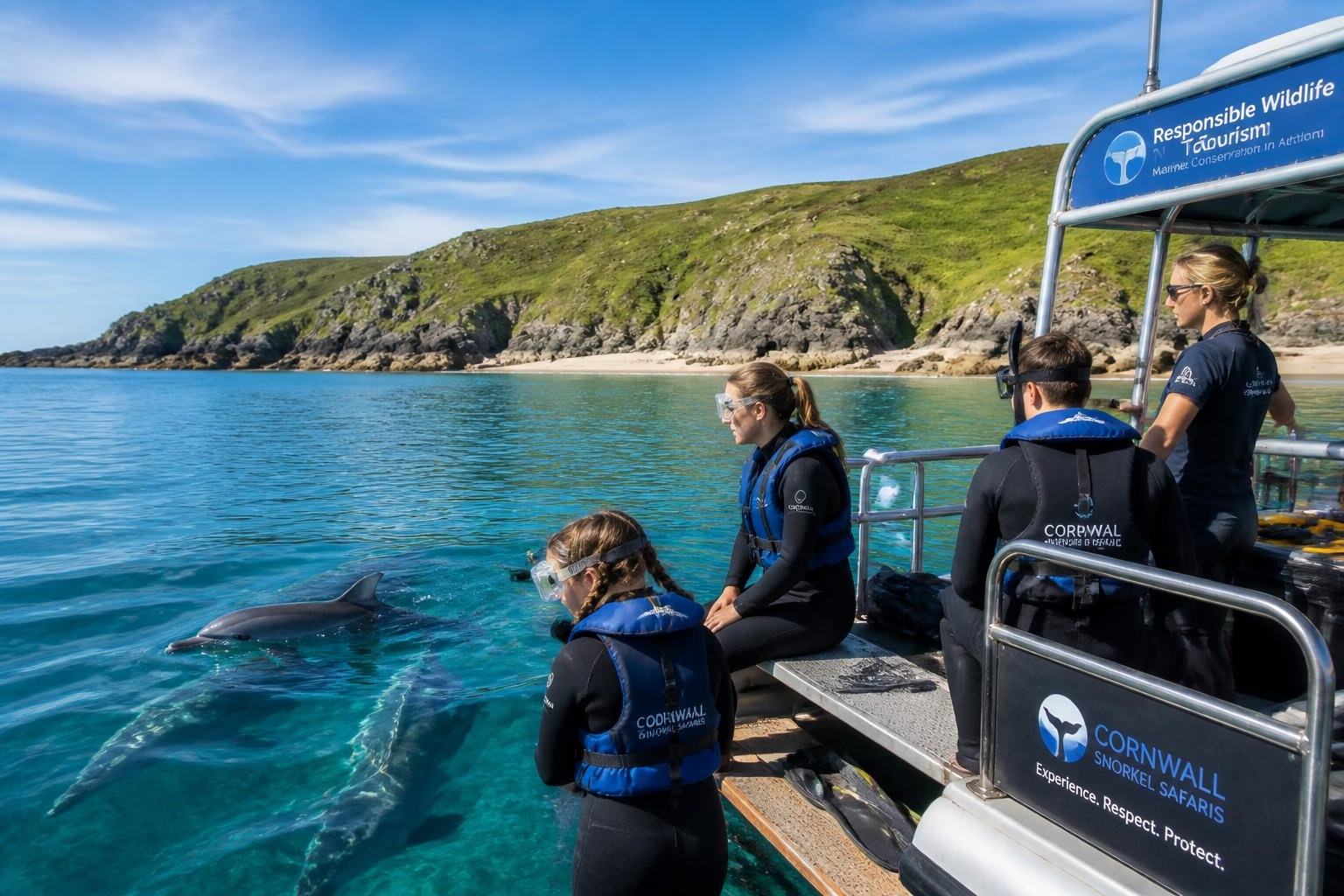
Not all wildlife boat trips are created equal. The operator you choose directly affects the welfare of the dolphins you are going to see and the quality of your experience.
What Good Wildlife Tour Operators Do
Responsible operators follow a clear set of practices. They keep a safe distance from pods, typically at least 100 metres, and let dolphins approach the vessel rather than chasing them. They cut engine speed when animals are nearby and limit the time spent with any single group.
Look for operators who are members of WiSe (Wildlife Safe) accreditation or similar schemes. Ethical tour guidance recommends choosing companies that support local conservation through data collection or donations. Good operators also brief passengers before departure, explaining what to expect and how to behave.
When A Boat-Based Experience Is Better Than Shore Watching
Shore watching is free and often productive, but boat trips can take you to areas dolphins frequent that are not visible from land. In Cardigan Bay, for example, boat operators know specific feeding grounds and tidal channels where encounters are more likely.
Boats also allow you to observe dolphin behaviour more closely, including bow-riding, where dolphins swim in the wave created by the vessel. This is entirely initiated by the dolphins themselves and is one of the most thrilling sights in British wildlife.
Red Flags To Avoid When Booking
Be cautious of any operator who guarantees dolphins or promises you will “swim with” them. No legitimate UK operator can make that claim. Avoid companies that:
- Chase dolphins at high speed
- Allow passengers to enter the water near pods
- Overcrowd the boat, reducing safety and comfort
- Lack visible accreditation or reviews from wildlife organisations
Check Tripadvisor reviews and look for feedback mentioning responsible behaviour towards wildlife. A few minutes of research can spare you a disappointing or harmful trip.
When And Where You Are Most Likely To See Them
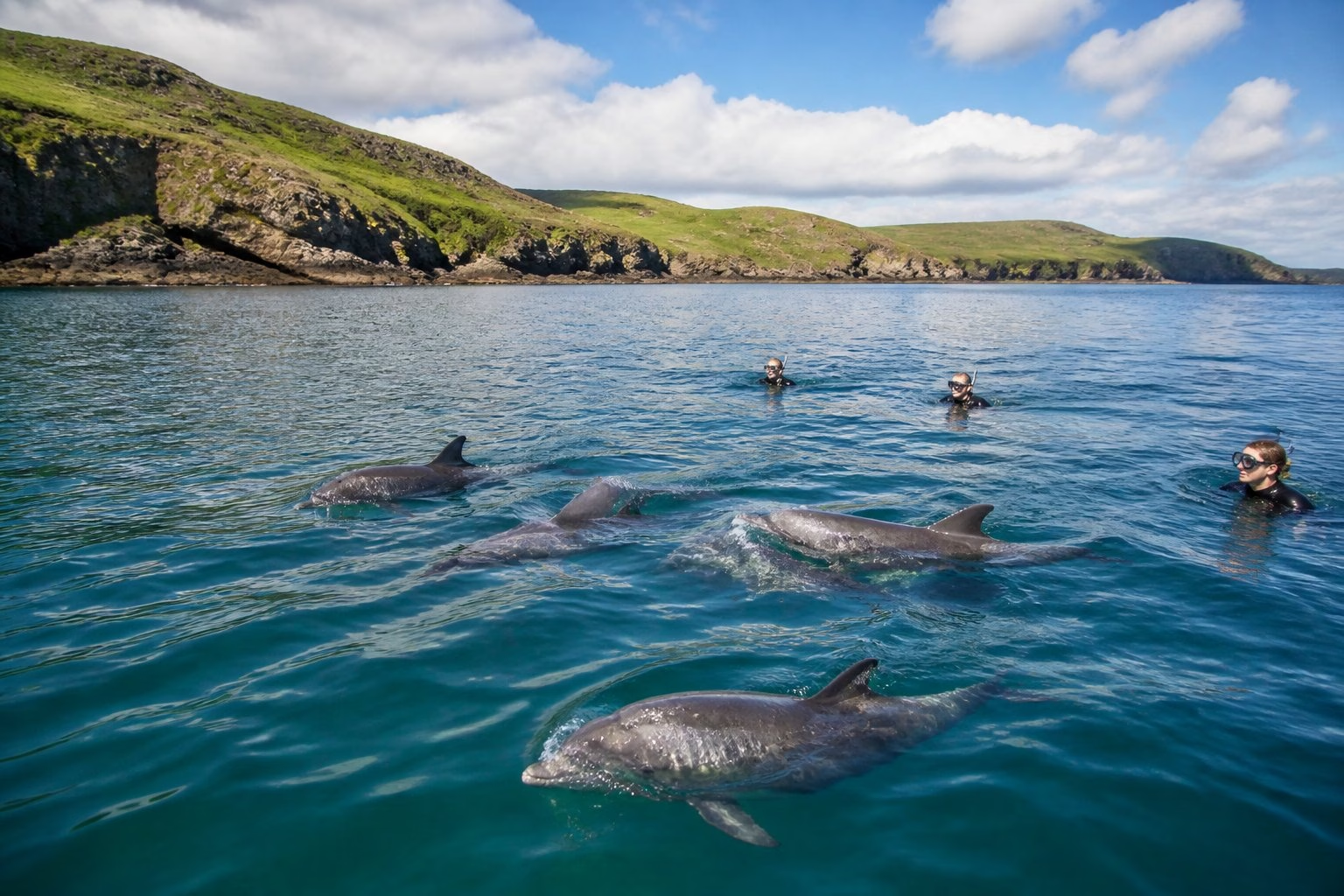
Timing, weather, and location all play a role in whether you will spot dolphins on any given day. Knowing the patterns can dramatically improve your chances.
Best Seasons For Sightings
Late spring through early autumn is the prime dolphin-watching window across the UK. June to September offers the highest frequency of sightings at most locations. As Discover Wildlife reports, late summer is when seas are warmest and food is most plentiful, drawing dolphins closer to shore.
In Cardigan Bay, resident bottlenose dolphins are present year-round, but summer brings larger pods and calves. In the Moray Firth, salmon runs from June to September pull dolphins into shallower water. Cornwall sees peaks of common dolphin activity from July onwards.
Calm Sea Conditions And Tide Considerations
Flat, calm seas make spotting dorsal fins far easier than choppy conditions. A sea state of two or below, with light winds, is ideal. Early mornings often bring the calmest water, especially in sheltered bays.
Tidal state matters too. At Chanonry Point, the incoming tide after low water pushes fish into the narrows, attracting dolphins. In Cardigan Bay, the first two hours of a rising tide often bring dolphins closer to harbour walls and beaches. Check tide tables before you set out and plan your visit around them.
Species You May Encounter In UK Waters
The most commonly seen species is the bottlenose dolphin, found resident in Cardigan Bay and the Moray Firth. Common dolphins appear in large pods, sometimes numbering hundreds, mainly off Cornwall and the south-west coast.
You may also see Risso’s dolphins, identifiable by their pale, scarred skin, particularly around the Hebrides and west Wales. White-beaked dolphins and Atlantic white-sided dolphins are spotted further offshore, mainly in Scottish waters. Harbour porpoises, while not technically dolphins, are widespread and often seen alongside dolphin pods. According to The World in My Pocket, UK waters are home to a surprisingly wide variety of cetacean species.
Practical Tips For A Safe And Memorable Trip
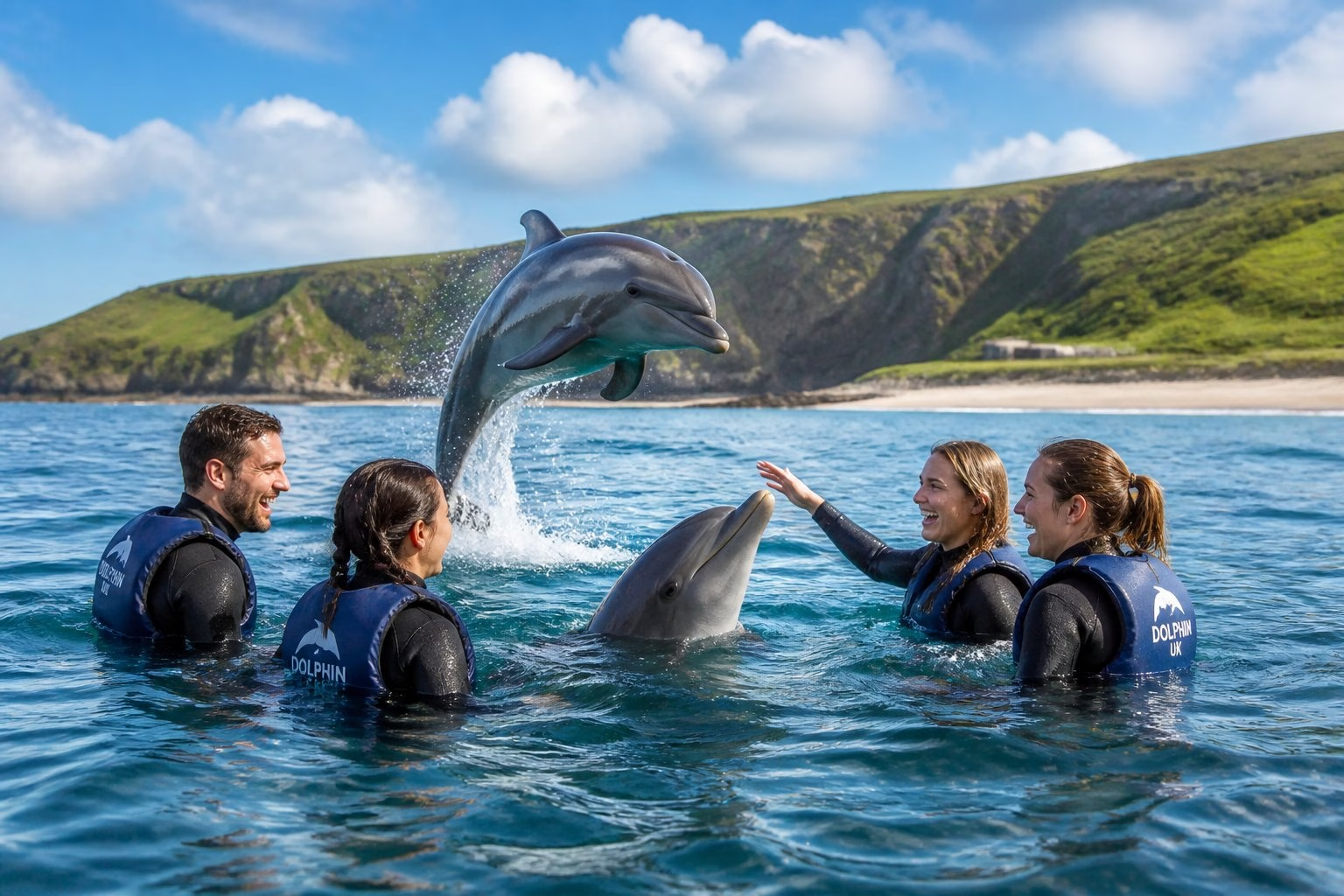
A little preparation goes a long way. The right gear, good etiquette, and a few smart additions to your itinerary will turn a good trip into an unforgettable one.
What To Bring For Shore-Based Watching
Binoculars are essential. A pair with 8x or 10x magnification will let you pick out dorsal fins at distance. Bring a waterproof jacket even in summer, as coastal weather changes fast. Sun cream, a hat, and plenty of water are equally important on clear days.
A camera with a decent zoom lens or a smartphone with a telephoto attachment will help you capture the moment. Sit quietly, scan the surface in a slow arc, and be patient. Dolphins often surface in the same area repeatedly once they are feeding.
Open Water Swimming Etiquette Near Marine Wildlife
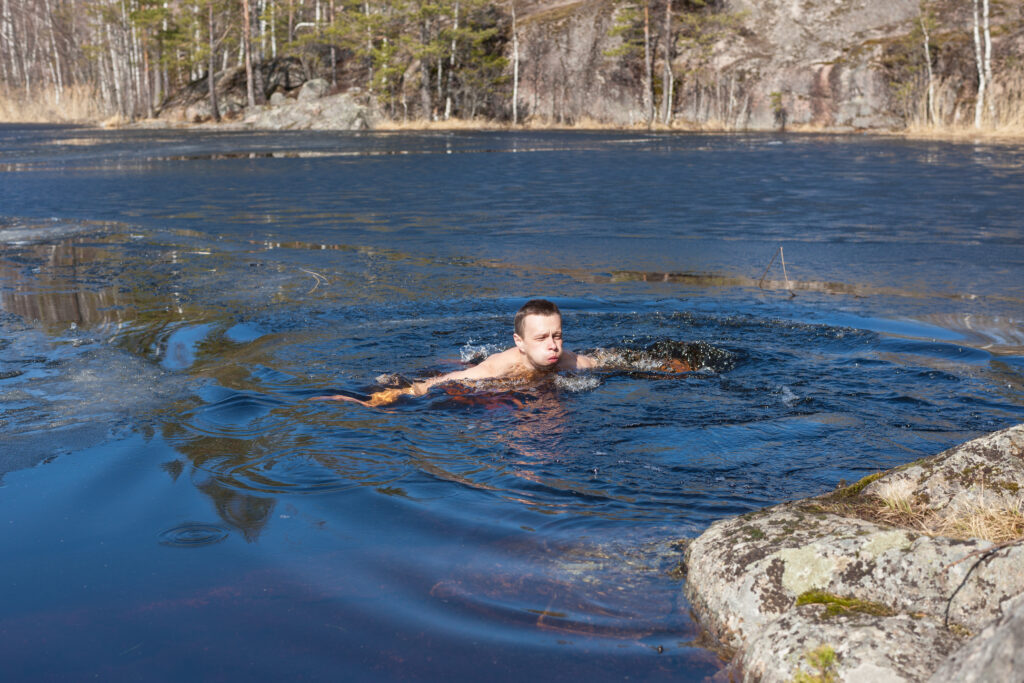
If you are an open water swimmer, you may encounter dolphins at popular coastal swim spots. The golden rule is simple: never swim towards them. Stay on your planned route. If dolphins come to you, float calmly and enjoy the moment without splashing or diving towards them.
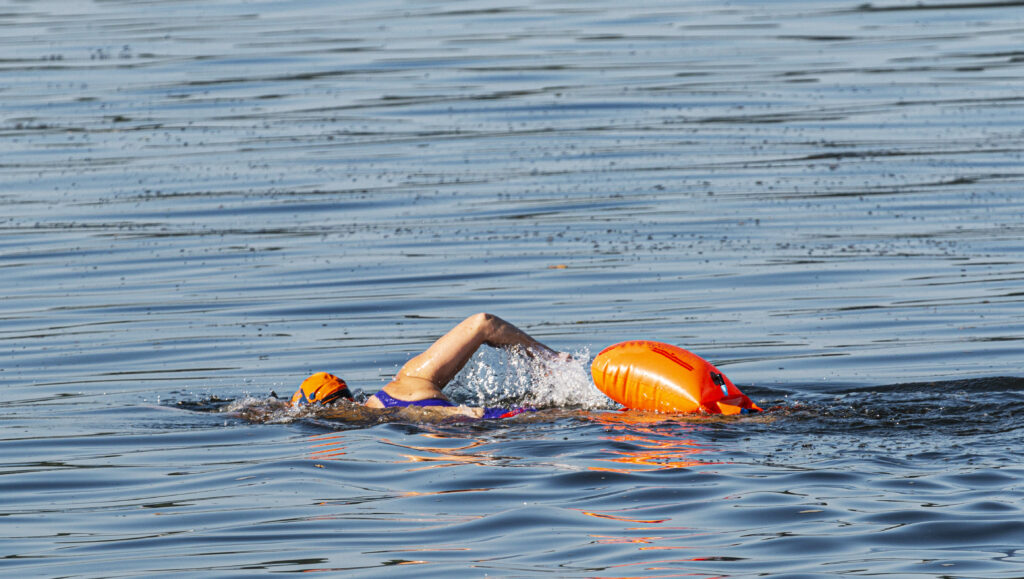
As advised by the RLSS UK, always swim with others and make sure someone on shore knows your plan. Wear a brightly coloured swim cap and tow a float for visibility. These are good safety habits regardless of wildlife encounters.
Simple Add-Ons For A Better Coastal Day Out
Pair your dolphin watching with other coastal activities to fill the day. In New Quay, grab fresh fish and chips on the harbour. At Chanonry Point, explore the nearby town of Fortrose. In Cornwall, combine a headland walk with a visit to a local surf beach.
Many dolphin-watching locations also offer seal colonies, seabird nesting sites, and rock pooling at low tide. A Wales dolphin road trip along the Ceredigion coast links several viewing spots into a single memorable day. Bring a picnic and make it an adventure.
Frequently Asked Questions
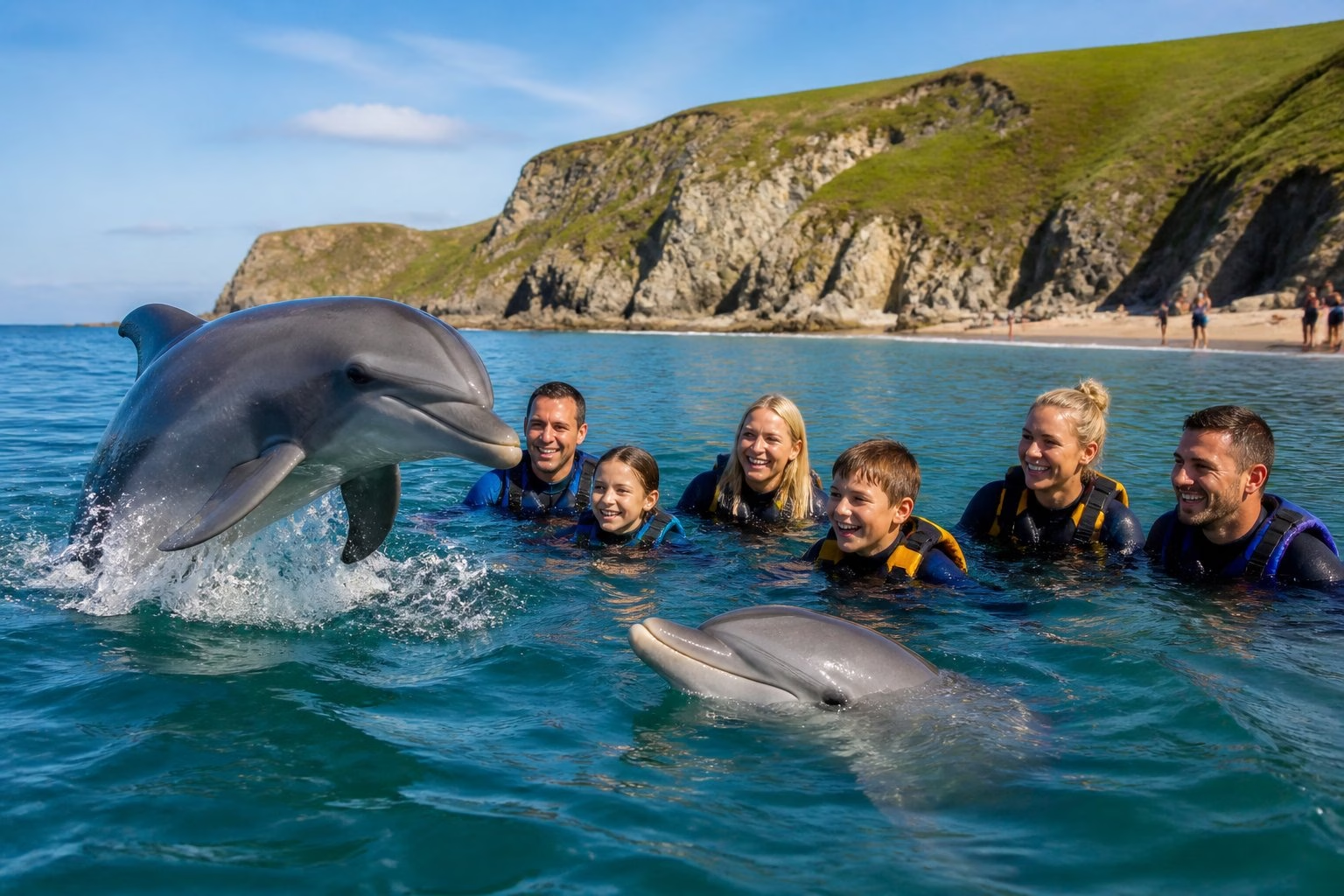
Are there any places in the UK that offer dolphin swim experiences?
No. There are no commercial swim-with-dolphins programmes in the UK, either in captivity or in the wild. The UK banned keeping cetaceans in captivity, and wild dolphin swims are prohibited under the Wildlife and Countryside Act 1981. Your best option is a responsible boat trip where dolphins may approach the vessel on their own terms.
How much does a dolphin interaction or swim experience typically cost in the UK?
Since swim-with-dolphins experiences do not exist in the UK, costs relate to wildlife boat trips. These typically range from £15 to £40 per person for a one-to-two-hour coastal cruise in Cardigan Bay or the Moray Firth. Multi-day Hebridean wildlife cruises cost significantly more, sometimes several hundred pounds, but cover a wider range of species and habitats.
Is it legal and ethical to swim with wild dolphins around the UK coast?
It is illegal to intentionally pursue or disturb wild dolphins in UK waters. If dolphins approach you while you are already swimming, that is permitted, as the key factor is intent. The UK Government’s marine wildlife code provides clear guidelines on responsible behaviour around marine mammals.
Which UK locations are best for seeing dolphins from shore or on a boat trip?
The three standout locations are Cardigan Bay in Wales, the Moray Firth in Scotland, and the coast of Cornwall. Cardigan Bay is home to the largest resident population of bottlenose dolphins in Europe, while Chanonry Point on the Moray Firth offers the most reliable shore-based sightings. Cornwall delivers common dolphin encounters, especially from boat trips.
What is the best time of year to spot dolphins in UK waters?
June through September is the peak window at most UK locations. Late summer brings the warmest seas and the most abundant food sources, drawing dolphins closer to shore. In Cardigan Bay, bottlenose dolphins are present all year, but pods are larger and more active during the summer months.
What are the best alternatives to swimming with dolphins in the UK (such as sanctuaries or observation trips)?
Responsible boat trips from New Quay, Inverness, and Padstow offer close encounters without disturbing the animals. Shore-based watching at Chanonry Point, Mwnt, and Gwennap Head is free and often just as rewarding. The Cardigan Bay Marine Wildlife Centre in New Quay provides educational displays and volunteer-led dolphin lookouts, making it an excellent family-friendly alternative.