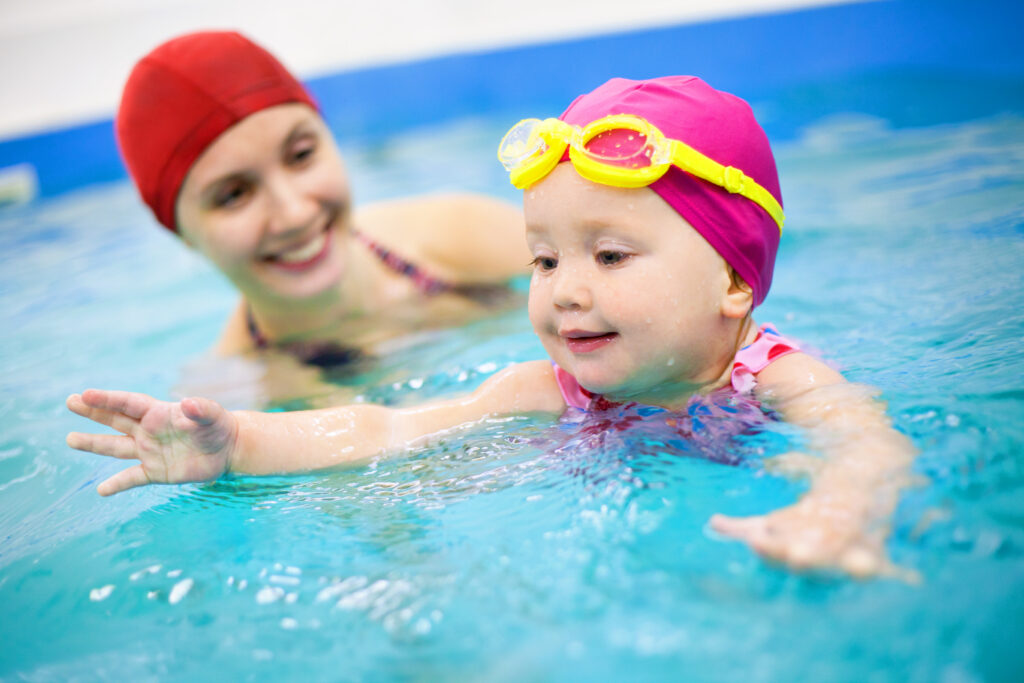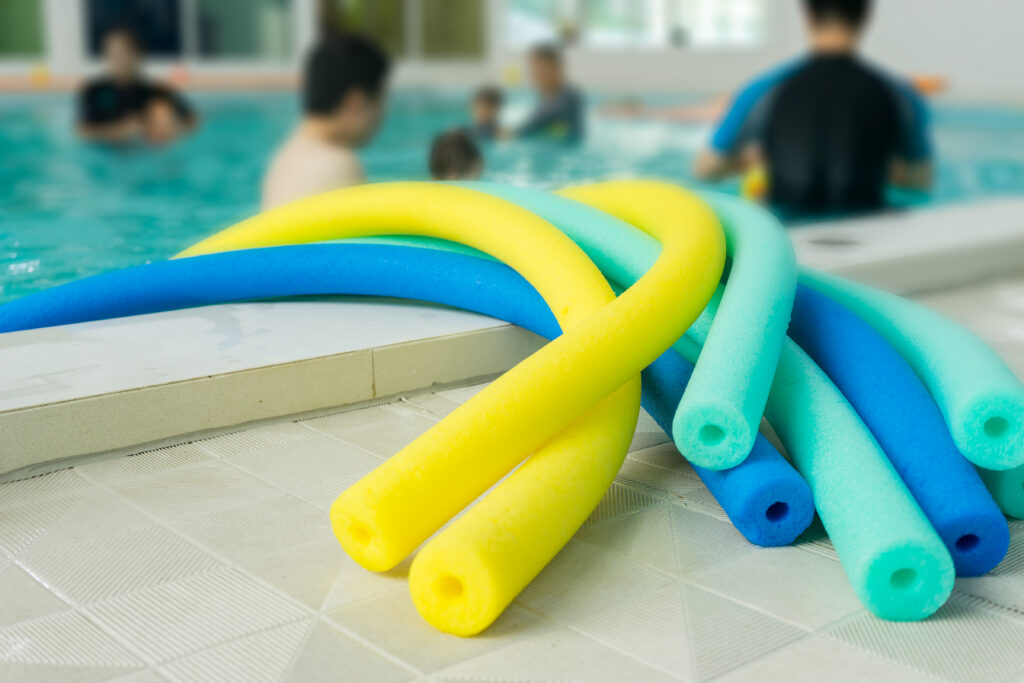

Taking your baby into a swimming pool for the first time can feel like a big step. Warm water, echoing noise, wet changing rooms and a tiny person who cannot yet hold their own head up: it is understandable if you feel unsure about when to start and what to pack.
The good news is that you do not need to wait long at all. Babies can go into a warm, clean pool from just a few weeks old, and there is no need to wait until after their first immunisations, as long as your baby is well and the water is warm enough. Most parents start with short parent-and-baby sessions, then move on to structured infant swimming lessons somewhere between six and twelve months.
What early lessons will not do is teach your baby to swim independently. That takes years. What they do give you is a calm, confident baby in the water, a set of routines you can repeat every week, and a much better idea of how to keep your child safe near water.
This guide walks you through the right time to begin, the difference between newborn reflexes and real swimming ability, how to pick a class, and the small pile of kit that actually matters.
When Babies Can Start Pool Sessions
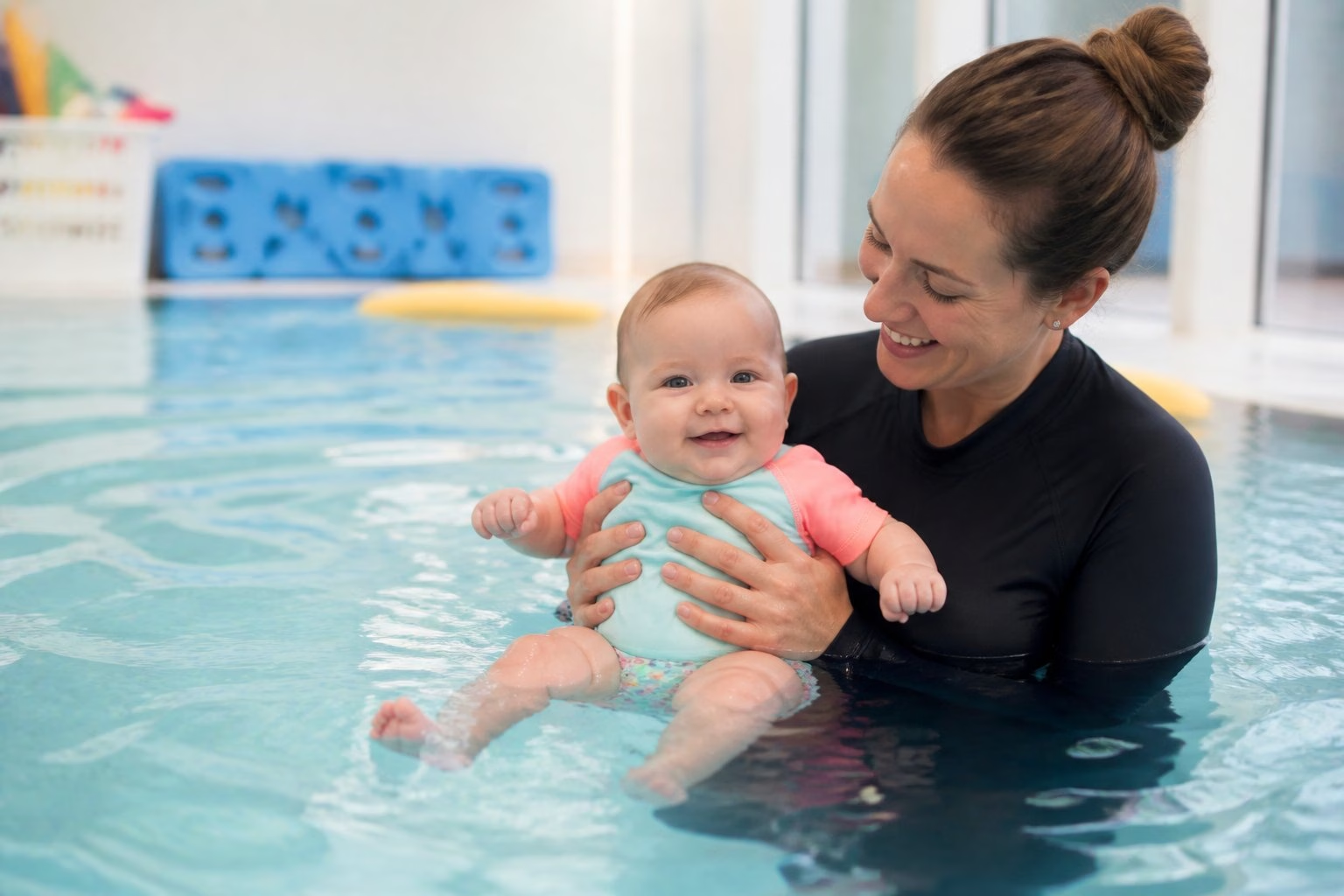
Water temperature, session length and your baby’s general health matter far more than their exact age. Baby swimming classes are grouped loosely by age and development, and a quick chat with your health visitor clears up most worries before you book.
Health, Development and Readiness
Your baby does not need any vaccinations before their first swim. Wait until they are well, feeding normally, and free from any tummy bug for at least 48 hours.
Temperature is the real limit. Babies under about three months lose heat quickly, so look for a pool heated to 32°C or warmer, and keep the first few visits to 10 minutes.
A few practical points from experience:
- Feed your baby around 45 minutes to an hour before the lesson, not right before
- Bring the session to an end at the first shiver or grizzle, even if you have only been in 8 minutes
- Warm water plus swimming often means a very hungry, very sleepy baby afterwards
Age Ranges Used by Baby and Toddler Classes
| Age | What sessions usually look like |
|---|---|
| 0-3 months | Very short, warm-water introductions; lots of holding and singing |
| 3-6 months | Splashing, gentle gliding, first floats on the back |
| 6-18 months | Structured baby swimming lessons; entries, exits, breath cues |
| 18 months-3 years | Toddler swimming with more independence and short unaided moves |
Providers such as Water Babies and Puddle Ducks run progressive baby and toddler swimming programmes from birth upwards.
When to Seek Medical Advice First
Speak to your GP or health visitor before booking if your baby was born prematurely, has a heart or lung condition, has grommets or repeated ear infections, or has severe eczema that reacts to chlorine.
Younger infants are also more vulnerable to infection, so pool hygiene and temperature sensitivity are worth checking with the venue.
What Early Lessons Can Realistically Teach
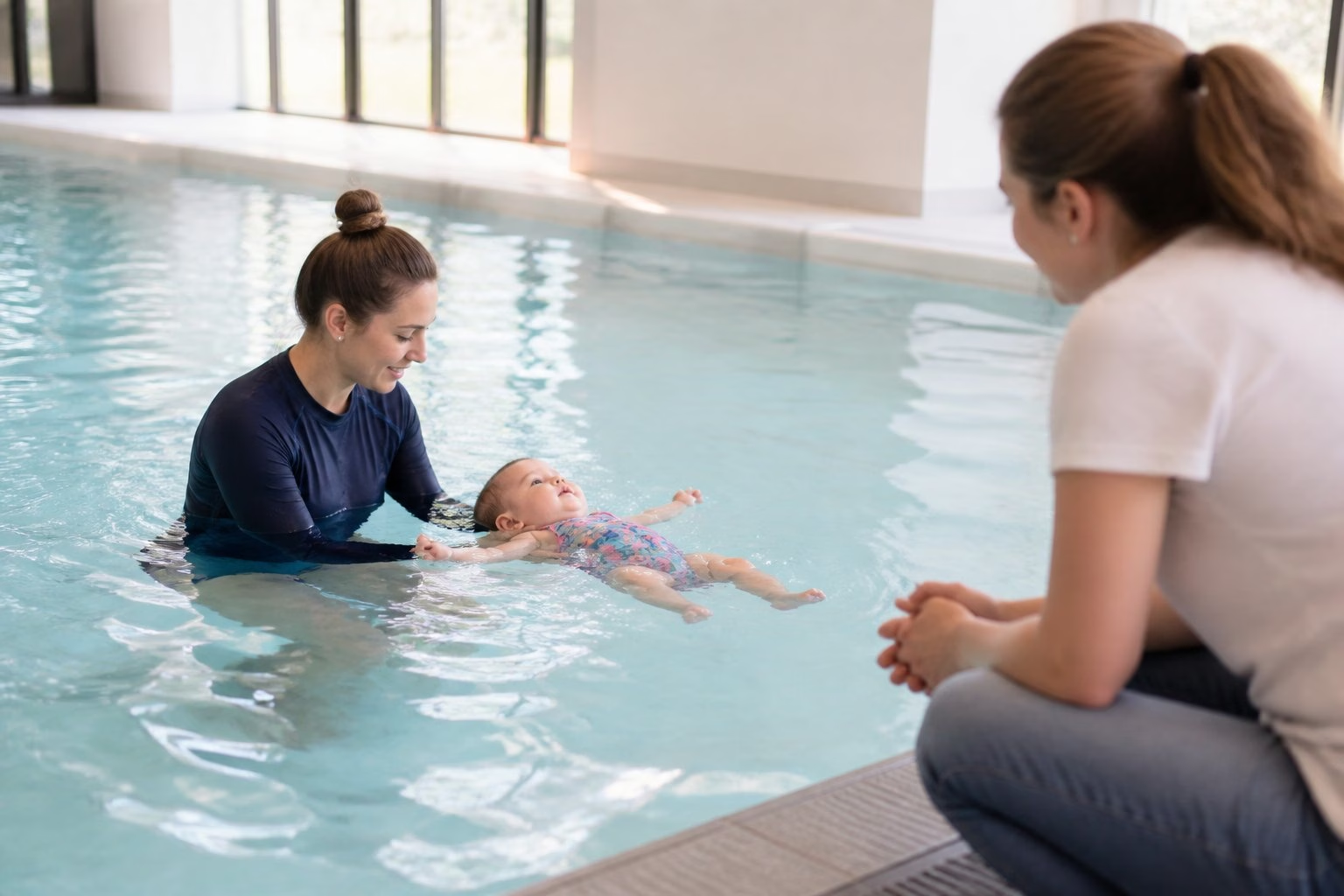
Early swimming lessons for children build comfort, balance and breath awareness through repetition and play. Formal swimming strokes come much later, usually well after the third birthday.
Water Confidence Through Play and Repetition
Songs, cued movements and predictable routines do the heavy lifting. Babies learn what comes next, so the same rhyme before a glide becomes a signal rather than a surprise.
You will notice the difference by week four or five. A baby who tensed up at the water on their face starts blinking, breathing out and carrying on.
Your role is simply to be relaxed and close. Swim England points out that you will not be expected to swim yourself during adult and child sessions, so your own swimming ability is not a barrier.
Core Aquatic Skills Before Formal Strokes
Good teachers work through a set of core aquatic skills long before any stroke work:
- Entry and exit: rolling in safely, turning back to the wall, climbing out
- Floating and buoyancy: back floats with support, then less support
- Rotation and balance: turning from front to back and finding a stable position
- Streamlining: short assisted glides through the water
- Breath control: blowing bubbles, closing the mouth on a cue word
Progressing Towards Independent Swimming
Expect a slow build. Toddler swimming lessons add short unaided swims of a metre or two, jumps to a waiting adult, and reaching for the wall.
Most children start recognisable front crawl and backstroke technique somewhere between four and six. Consistency beats intensity: one lesson a week, every week, gets you further than a burst of daily sessions followed by a three-month gap.
Newborn Reflexes and Actual Swimming Ability
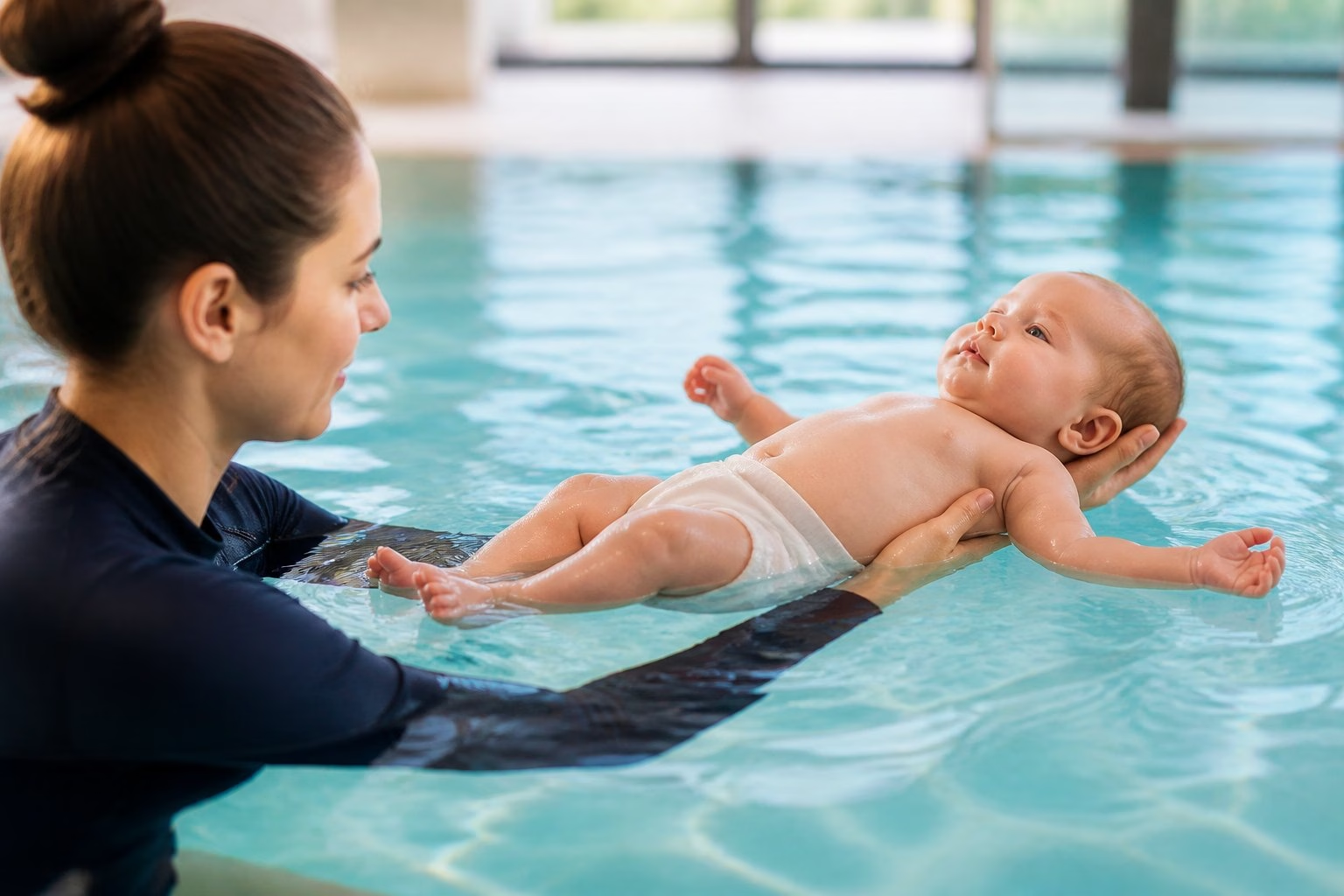
Newborns do move their arms and legs in water and can hold their breath briefly. Those responses look convincing, but they are automatic reflexes and they fade within months.
Why Reflexive Movements Are Not Swimming
Hold a young baby tummy-down in water and they will often paddle. This swimming reflex, described by BabyCentre as strongest in the first six months, is controlled by the brainstem, not by choice.
The movements are not coordinated, they do not keep the head up, and they do not move a baby anywhere useful. Infant swimming in this sense is a survival leftover, not a skill.
The Limits of Breath-Holding and Diving Responses
Submerge a baby’s face and heart rate slows while the airway closes. The bradycardic response linked to infant swimming sounds protective, and to a point it is.
Two things matter here. It weakens with age, usually fading by around six months, and it offers no protection at all if a baby ends up in water alone. No reflex makes any baby safe near water.
Building Comfort Without Forcing Submersions
Good baby swimming works with willingness rather than reflexes. Use a clear cue such as “ready, go”, pour a little water over the head, and wait for a calm reaction before trying anything more.
Repeated forced dunking usually backfires. A crying baby learns to dread the pool, and you spend the next term rebuilding trust that never needed to be broken.
Signs to stop for the day include clamped lips, arching away, blue-tinged lips or persistent crying.
Choosing a Safe and Suitable Lesson Approach
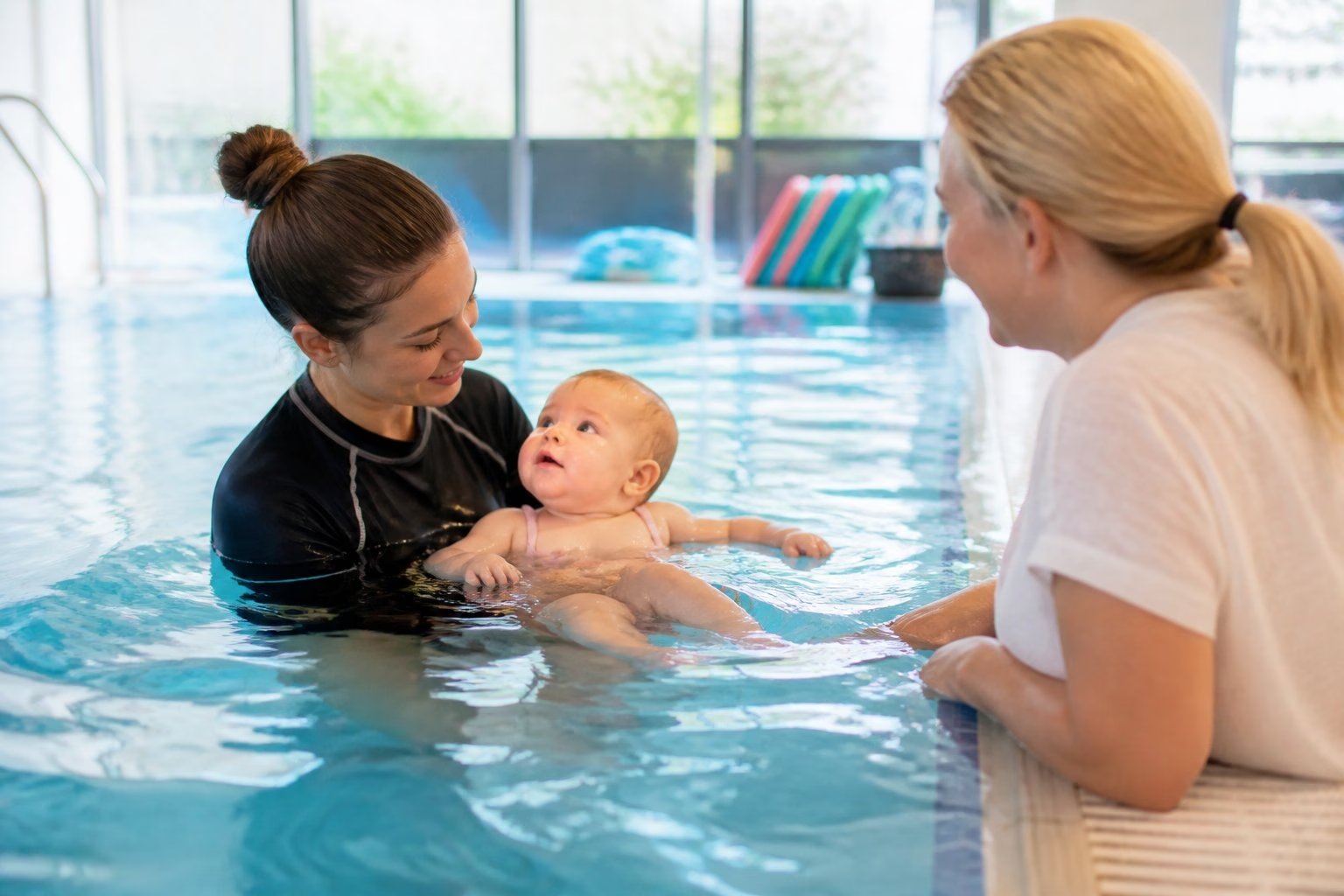
Two very different models exist: gentle parent-and-baby group classes, and one-to-one self-rescue programmes. Both have a place, and the right choice depends on your child, your budget and the water you live near.
Parent-and-Baby Group Classes
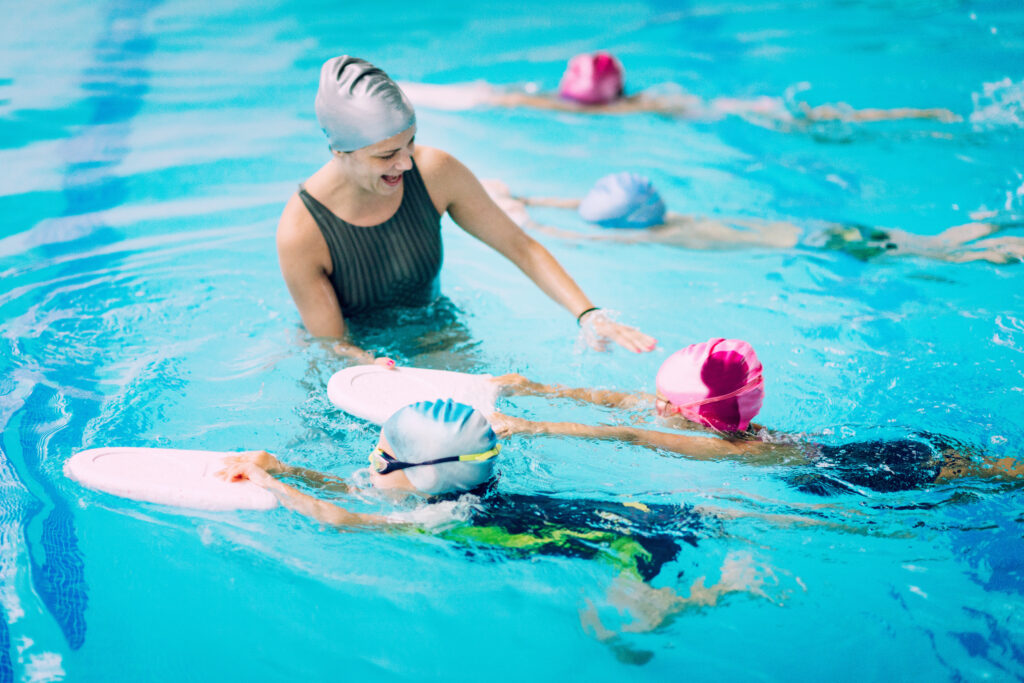
These are the standard route in the UK. You are in the water, holding your baby, following a teacher through songs, floats and short glides in a small group.
Look for warm swimming pools, small class sizes, and a qualified swimming teacher trained specifically in babies and toddlers. Sessions usually run 20 to 30 minutes and follow a termly plan.
The social side helps too. Watching another baby happily float on their back does wonders for a nervous parent.
One-to-One Self-Rescue Programmes
Infant Swimming Resource, better known as ISR, takes a different approach. ISR lessons are one-to-one, roughly 10 minutes a day over several weeks, and teach children aged 6 months to 6 years to roll onto their back and float if they fall in.
The programme is intensive, and some babies cry during early lessons. If you consider it, insist on a currently certified ISR instructor, ask to watch several full sessions first, and be honest with yourself about whether the approach suits your child.
Questions to Ask a Swim Teacher or Instructor
- What are your qualifications, and when did you last renew your paediatric first aid and safeguarding training?
- What is the water temperature, and is a lifeguard on duty?
- What is your policy on submersions and on crying?
- What is the adult-to-baby ratio?
- How do you handle nappy accidents and hygiene?
Water Safety That Continues Beyond Lessons
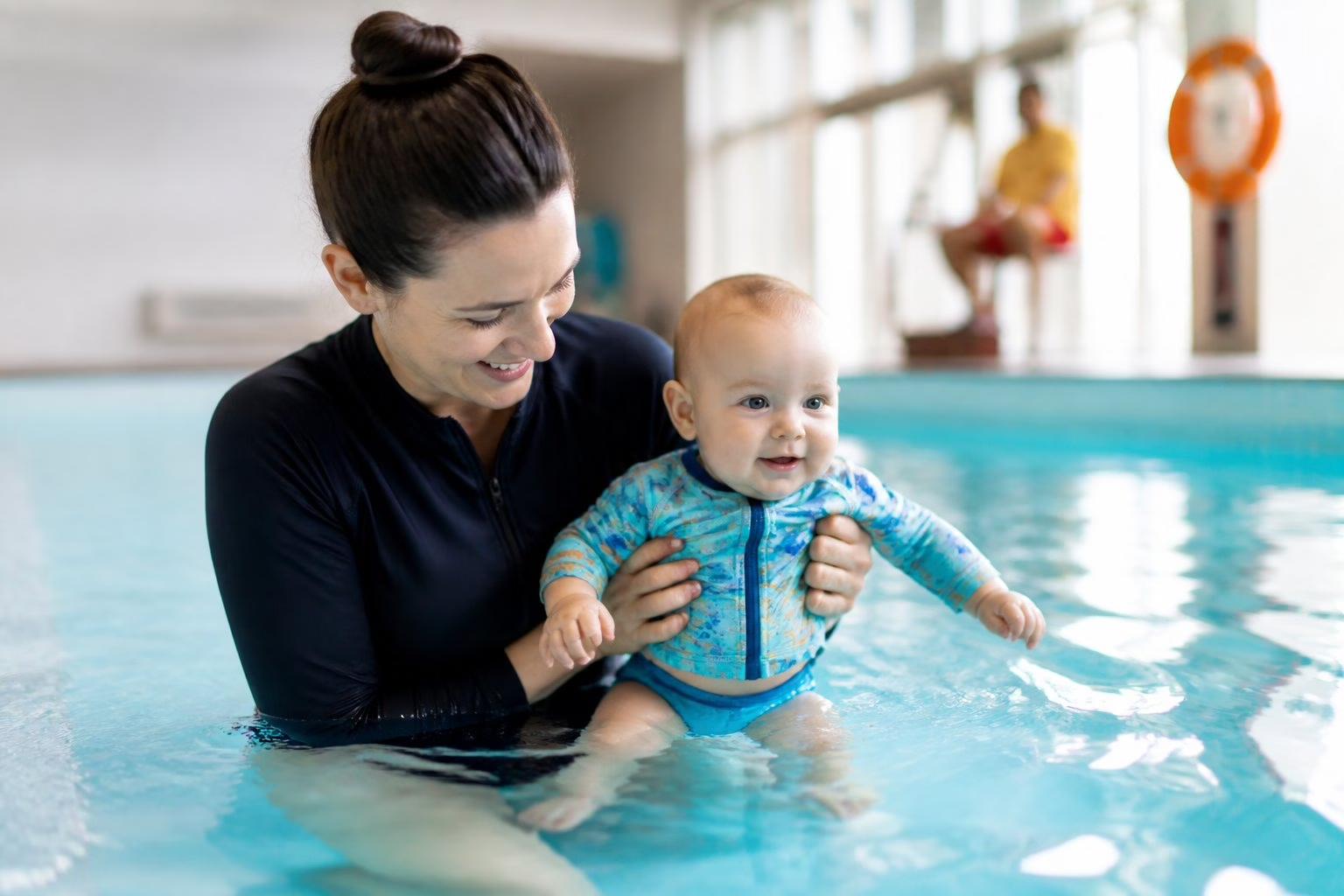
Lessons are one layer of drowning prevention, not the whole answer. What you do at home, on holiday and at the beach matters just as much for parents of young children.
Active, Close Supervision at Every Swim
For under-fives, use touch supervision: stay within arm’s reach in swimming pools, paddling pools and the bath. Drowning is quiet and fast, and it can happen in a few centimetres of water.
Put your phone away and out of reach. If several adults are around, name one “water watcher” for a set period, then hand the job over out loud.
At busy public pools, dress your child in bright colours so you can spot them instantly.
Using Layers of Protection Around Water
Each layer buys time if the one before it fails:
- Barriers: fences, gates and locked doors between your child and any water
- Empty and store: tip out paddling pools and buckets after use; cover water butts
- Bathroom habits: never leave a baby in the bath, not even for a moment
- Skills: age-appropriate lessons and repeated water safety messages
- Emergency readiness: learn infant CPR and know how to call for help
The RNLI and Swim England back the same message through the Swim Safe programme, which teaches children to swim safely in open water as they get older.
Why Swim Aids and Lessons Do Not Replace Supervision
Armbands, floatsuits and rings are convenience items, not safety devices. They slip, deflate and can tip a child face-down.
A baby who floats beautifully in class may freeze in cold, cloudy, deeper water. Skills learned in a warm teaching pool do not transfer automatically, which is why the national water safety education pathway keeps building on them for years.
Essential Gear for a Comfortable First Swim
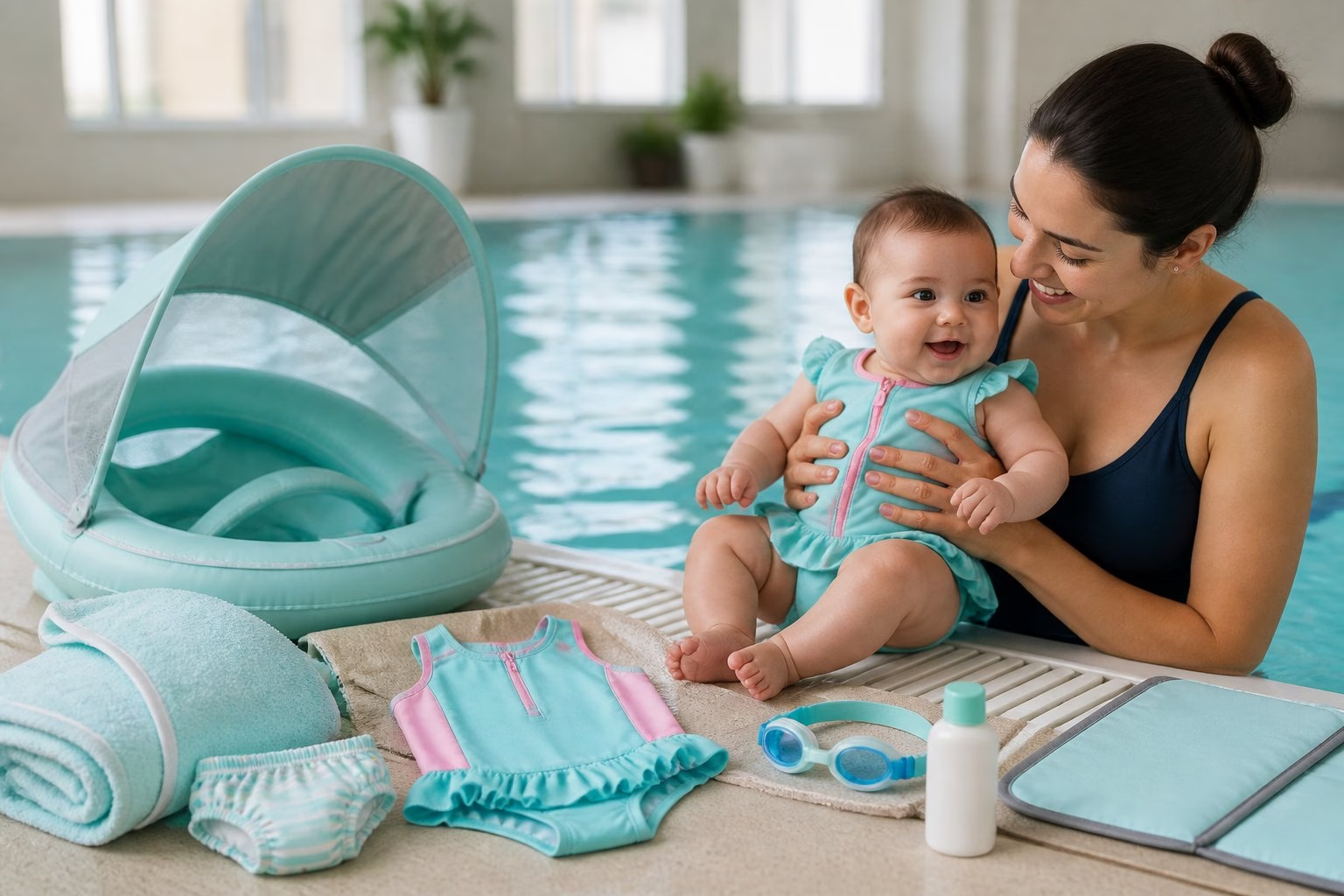
You need less than the shops suggest. For baby and toddler swimming, warmth and a leak-proof nappy solve almost every problem you will meet in your first term.
Reusable and Disposable Swim Nappies
Most UK baby swimming lessons require a double nappy system: a disposable swim nappy underneath, and a snug neoprene “happy nappy” over the top. The outer layer has firm seals at the waist and legs and is the part that stops solids escaping.
Disposables alone are fine for a paddling pool at home, but many pools will not accept them on their own. Reusables work out cheaper over a term and hold their shape better once wet, so check the fit every few weeks as your baby grows.
Get the size right. A gap you can slide two fingers into is too loose.
Infant-Sized Goggles and When They Help
Babies under about 18 months rarely need goggles. They need to see your face and read your expression, and goggles get pulled off within seconds anyway.
From around two to three years, small goggles with a soft seal and one-piece strap help toddlers open their eyes underwater. Let them wear them dry at home first.
Thermal Baby Swimsuits for Warmth
This is the item that makes the biggest difference. A thermal wetsuit or fleece-lined baby wrap holds body heat and buys you an extra 10 minutes in the water.
Baby swimwear guides generally suggest a thermal layer for babies under 12 months or any pool below 32°C. Wear it over the nappy system, not under.
Simple Poolside Essentials for Parents and Carers
- Hooded towel or towelling robe, plus a spare towel
- Changing mat and a nappy sack for the wet swim nappy
- Dry nappy, clothes laid out in order, and a hat for the walk home
- A feed or snack for straight after, plus water for you
- A dry bag and a poolside toy your baby already loves
If you want more on kit, technique and building water confidence at every age, the guides and gear reviews at Swimmers World are a friendly next stop.
Frequently Asked Questions
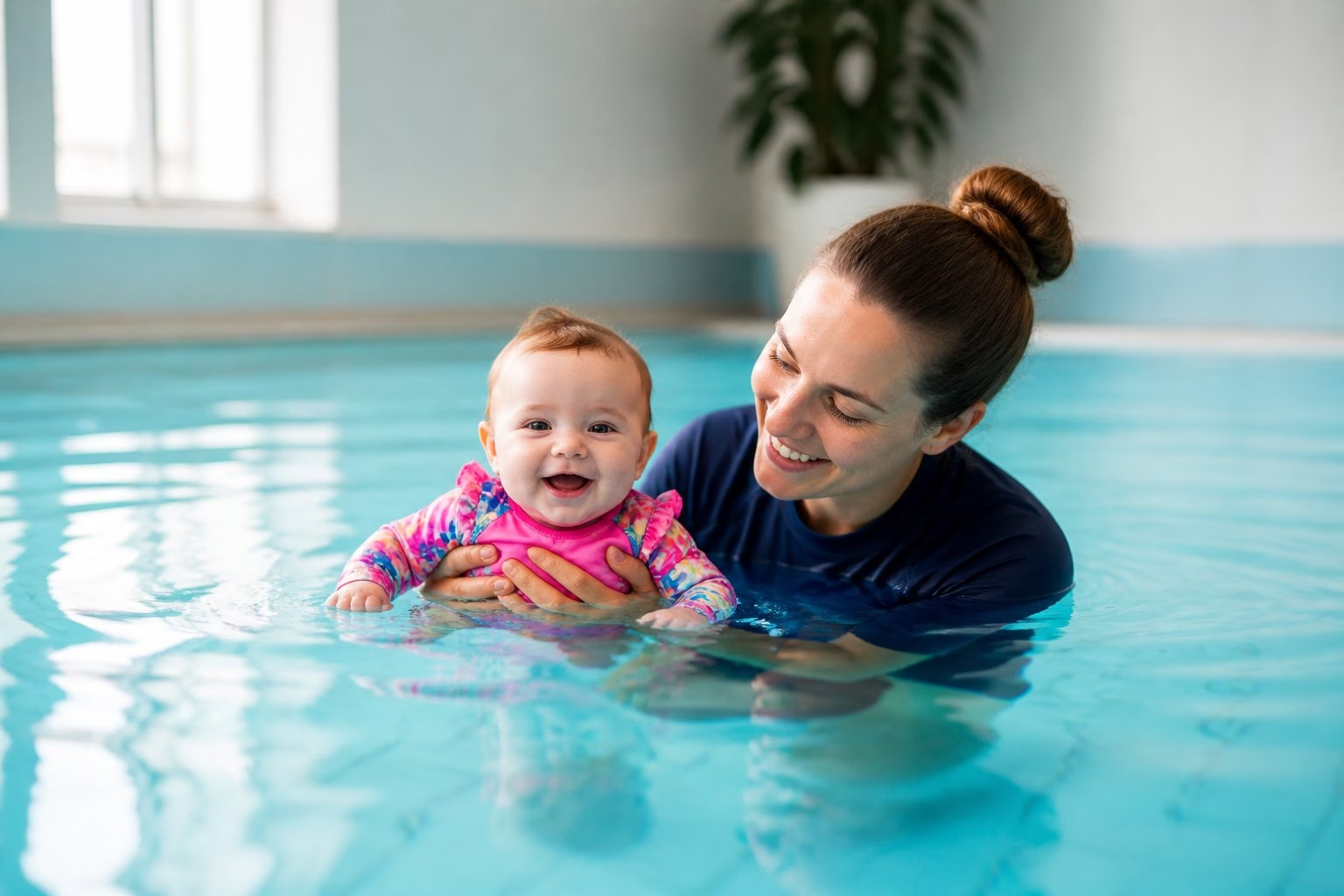
When can a baby start swimming lessons?
There is no minimum age, and you do not need to wait for immunisations. Many UK classes accept babies from a few weeks old, provided the pool is heated to at least 32°C and your baby is well.
Is it safe to take a 2-month-old baby into a swimming pool?
Yes, in a warm pool with short sessions of around 10 minutes. Young babies chill quickly, so use a thermal swimsuit, watch for shivering, and get them dressed straight away afterwards.
What age is suitable for infant swimming lessons?
Gentle parent-and-baby classes suit any age from birth. Structured infant swimming lessons with clear skill goals tend to work best from about six months, when babies have better head control and longer attention.
What should my baby wear for a swimming lesson?
A disposable swim nappy under a snug reusable neoprene nappy, plus a thermal wetsuit or swimsuit for warmth. Goggles are not needed for babies and can wait until the toddler years.
How long should a baby stay in the pool?
Start at 10 minutes for babies under three months and build gradually towards 20 to 30 minutes by around six months. Stop early if your baby shivers, has blue-tinged lips or seems unsettled.
Are infant survival swimming lessons safe?
Programmes such as ISR are delivered by certified instructors and teach children to roll and float, but the intensive style does not suit every child. Watch several full sessions first, check certification, and remember that no lesson replaces close supervision and layers of water safety.