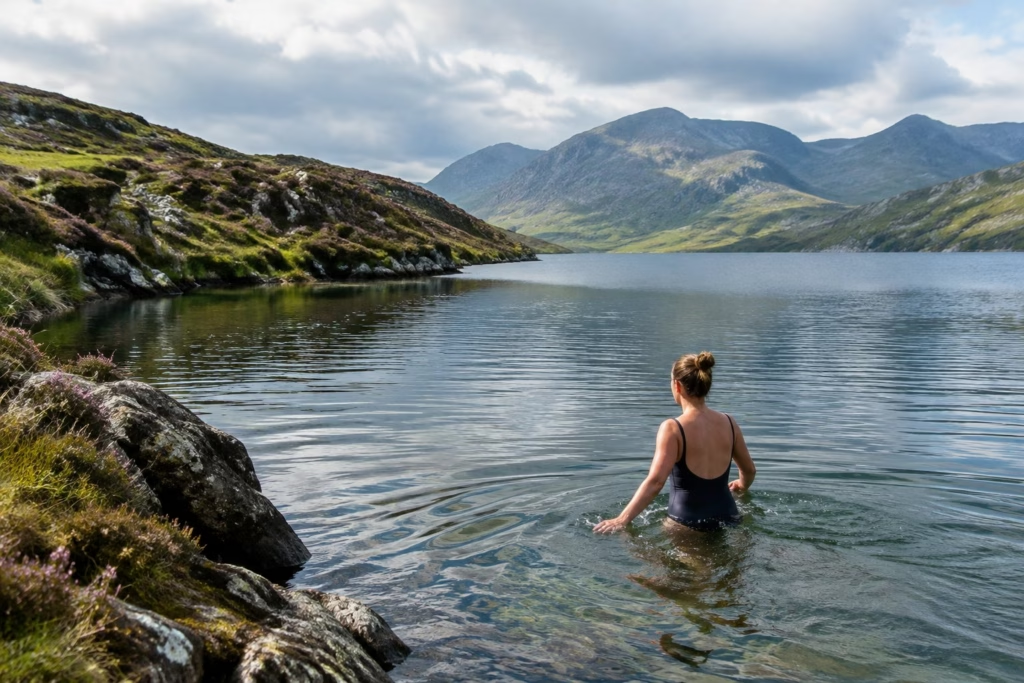
Wild swimming in North Wales means cold, clear mountain water, hidden waterfall pools and quiet coves that most visitors drive straight past. Guided swim days across Eryri, the Conwy Valley, the Llŷn Peninsula and Anglesey give you a safe, sociable way to reach the good spots without spending weeks working out access, parking and conditions for yourself.
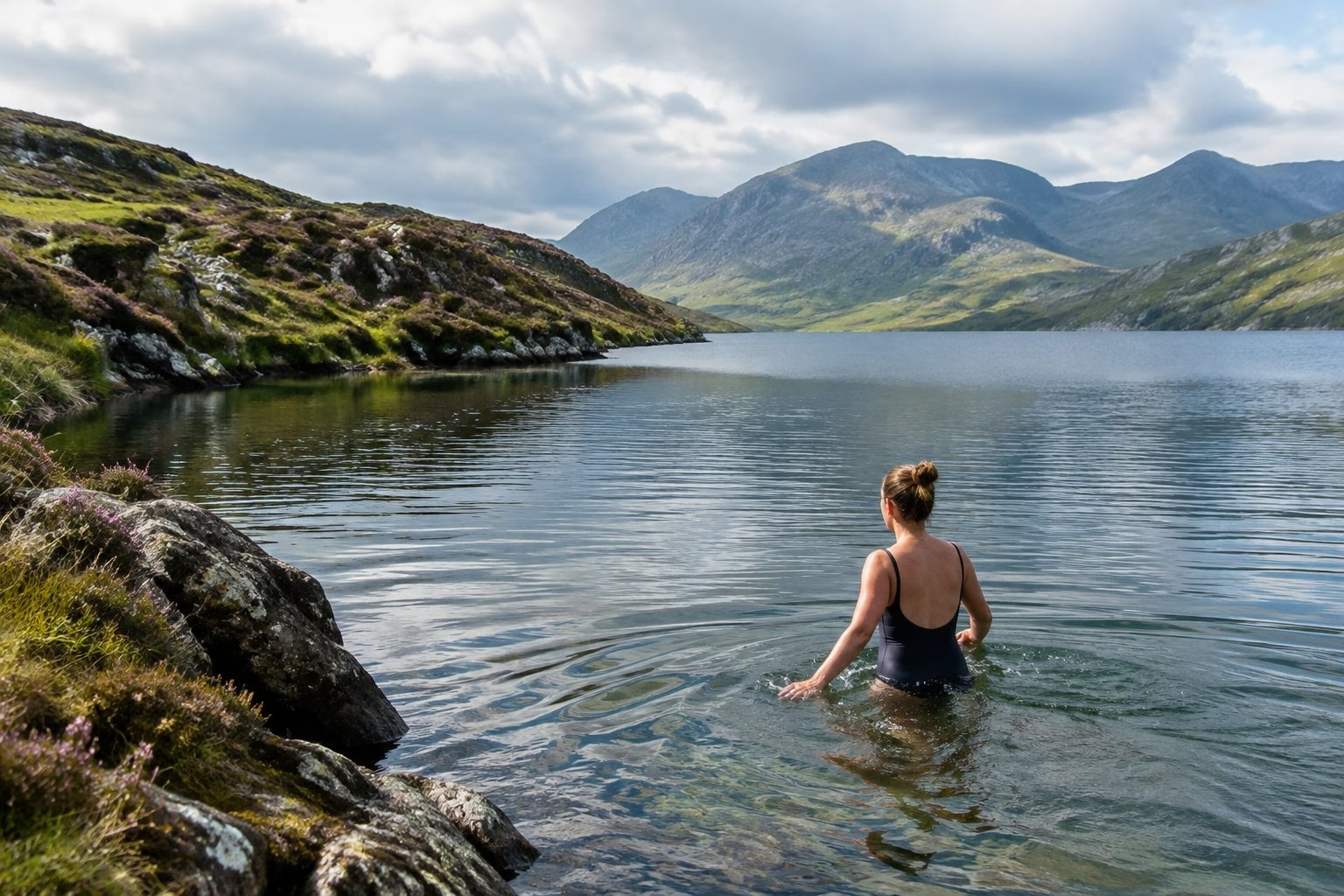
Guided swim days are the most reliable way to experience wild swimming in North Wales, because a local guide picks the right water for the day’s weather, checks entry and exit points before you get in, and stays with you while you swim. That suits first-timers, nervous dippers and confident open-water swimmers who simply want someone else to do the planning.
Days are built around what you want. A gentle lakeside dip with tea afterwards, a full day linking river pools and waterfalls, or a coastal swim timed around the tide. Groups stay small, and the pace is set by the least confident person in the water.
Everything runs across North Wales, UK, from the valleys below Yr Wyddfa to the beaches of the Llŷn and Anglesey. Kit, safety cover and local knowledge come as standard, so you can turn up with a swimsuit and a towel.
Guided Lake, River and Coastal Swim Experiences
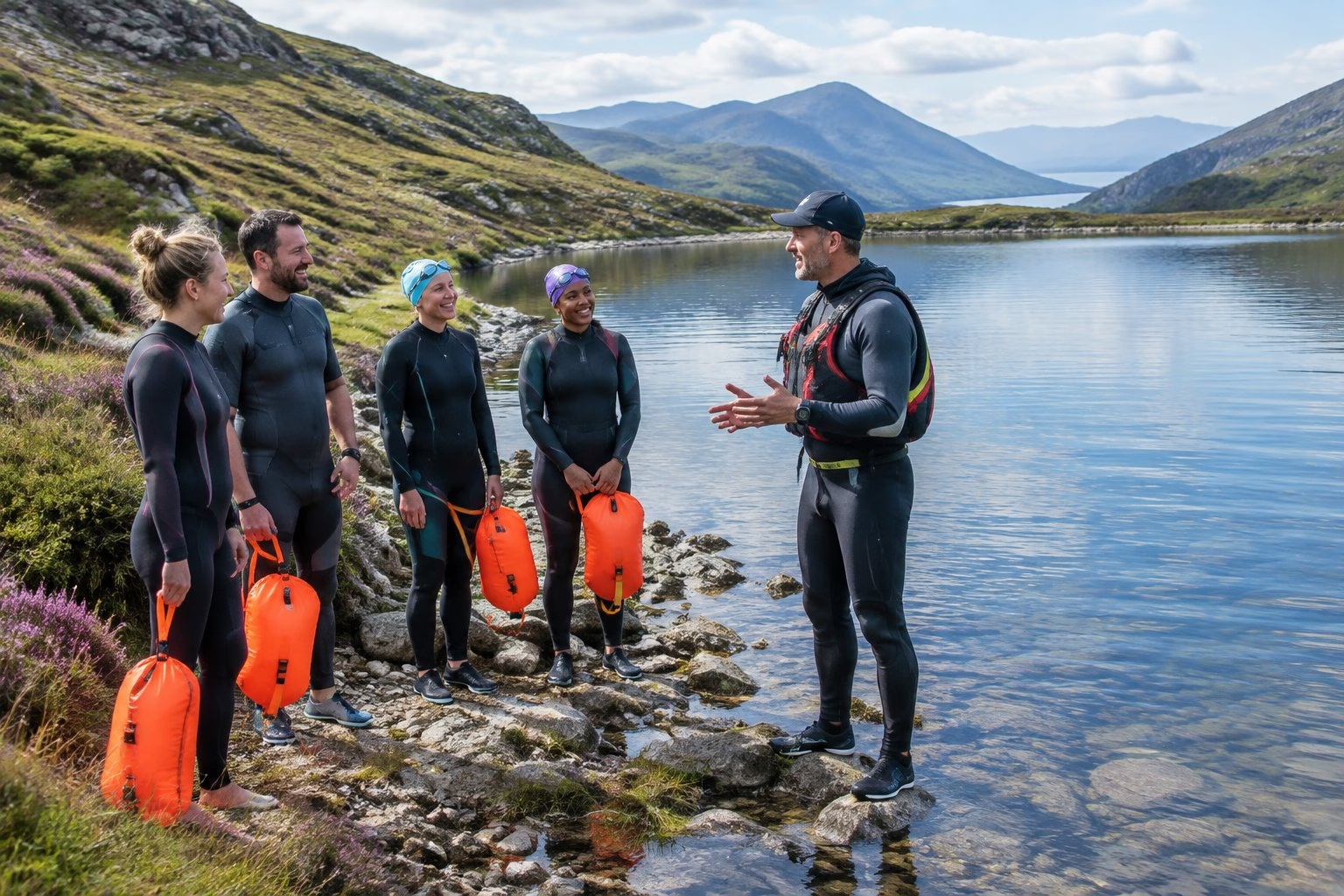
Guided days fall into three broad shapes: still lakes, moving rivers with plunge pools and waterfalls, and open coastal swims. Your guide matches the shape to your group’s confidence, the forecast and how far you want to walk.
Private Wild Swimming Days for Couples, Families and Groups
Private days work well for birthdays, hen and stag groups, family weekends and friends who want the water to themselves. A typical full day covers two or three wild swimming spots, with walking between them and a long stop for food.
Families with teenagers do well on shallow lake edges with gentle shelving. Couples often prefer a quieter valley swim with a longer float and no audience.
Beginner-Friendly Introductions to Open-Water Swimming
Beginner sessions start in water you can stand up in. You learn how to get in slowly, control your breathing, and recognise when your body is telling you to get out.
There is no pressure to swim far. Many people spend their first session chest-deep, breathing steadily, and leave wanting more. If you are building towards regular swimming, the basics of open water swimming safety carry over to every future dip.
Mountain, Waterfall and Coastal Swim Adventures
Longer adventure days trade comfort for scenery. Expect a walk-in to mountain lakes, short scrambles beside rivers, and plunge pools fed by cold upland water.
Coastal days run from sheltered beaches and headlands, with entries chosen around swell and tide. Some operators in North Wales bolt on paddle boarding or Snowdonia watersports to the same day, though a pure swim day usually covers more water.
What Is Included in Your Guided Swim
A guided day normally includes:
- A qualified guide with first aid training and local knowledge
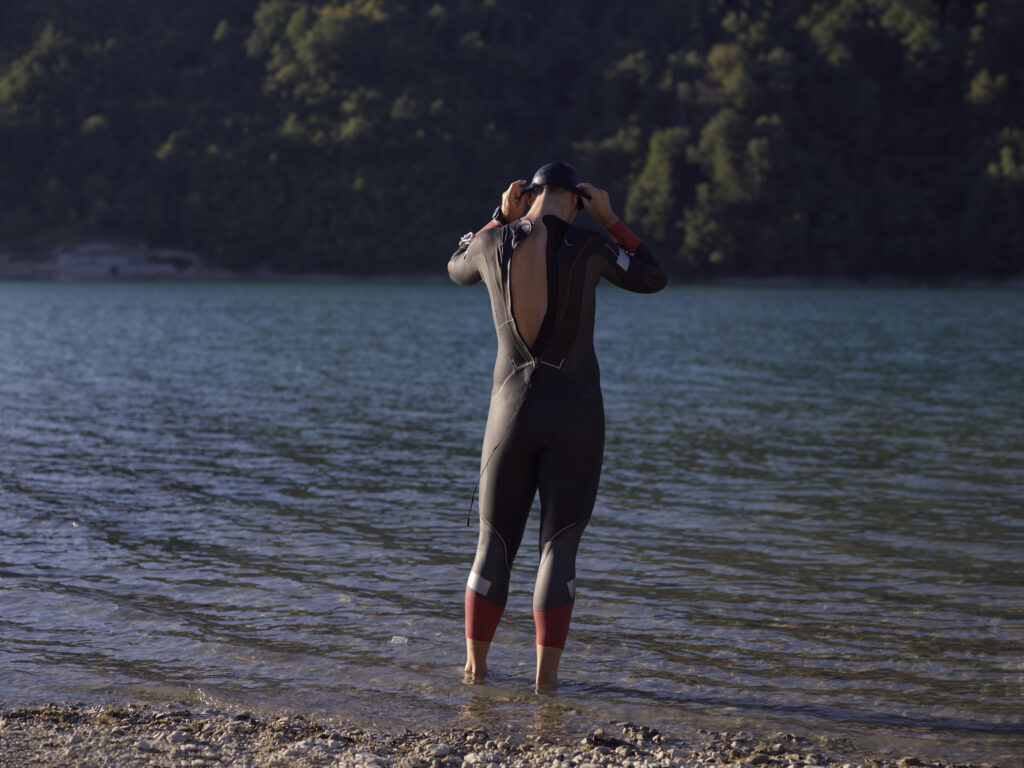
- Wetsuit, neoprene boots and gloves if you want them
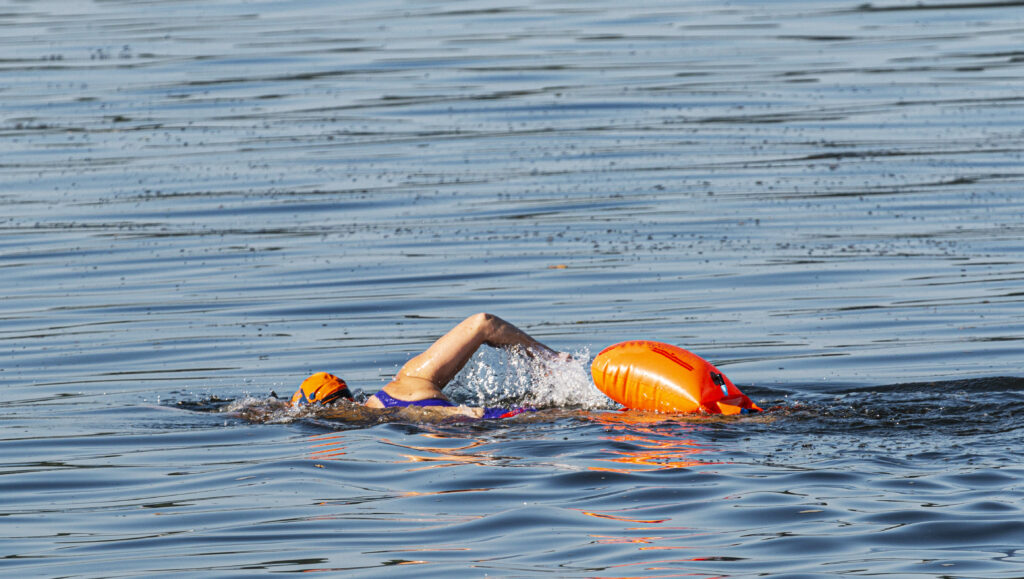
- A tow float per swimmer for visibility and rest
- Safety kit, warm layers and a hot drink on the bank
- Route planning, parking advice and a weather-led plan B
How Much Does a Guided Swim Day Cost?
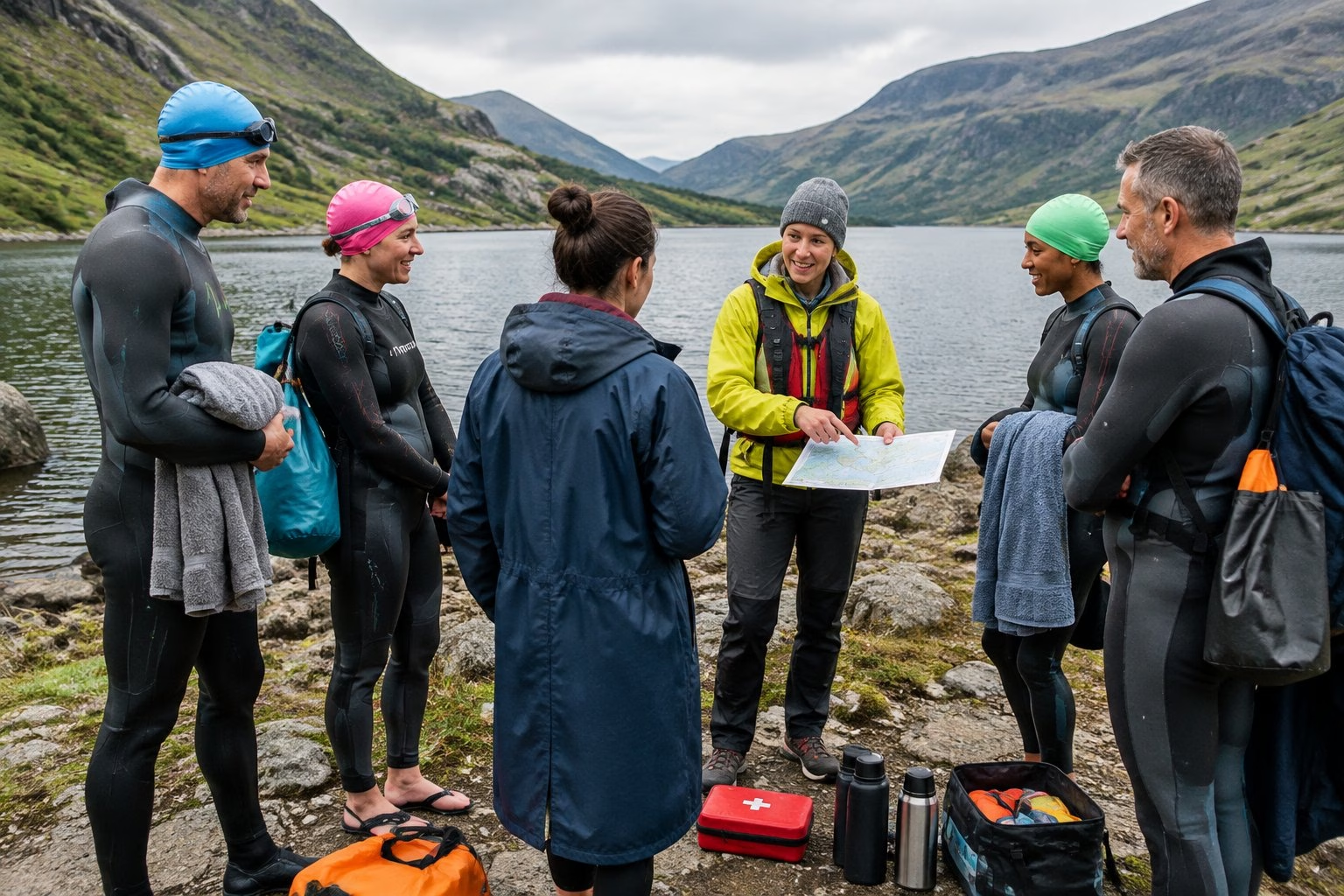
Private full-day guided wild swimming in North Wales is commonly priced per group rather than per head, with published rates such as £260 for up to 8 people for a full day out. Multi-day swim retreats with accommodation and meals sit higher, in the region of £375 for two nights.
| Format | Typical structure | Rough guide |
|---|---|---|
| Private full day | Up to 8 people, 2 to 3 swim spots | Group rate, around £260 |
| Half day / intro session | One location, 2 to 3 hours | Lower group or per-person rate |
| Weekend retreat | 2 nights, meals, several swims | From around £375 per person |
If a private day suits your group, get in touch with a North Wales swim guide well ahead of summer weekends and bank holidays, which book out first.
Private Group Booking Options
Most private days cap at around eight swimmers, which keeps one guide in comfortable sight of everyone. Larger parties are usually split across two guides or two separate days.
School groups, workplace away days and clubs are handled the same way, with a written plan and a health questionnaire sent before you arrive.
What Affects the Cost of Your Swim Adventure
Group size is the main lever, since the day is priced as a whole. Pick-up and drop-off, hired kit, extra guides for bigger numbers, and add-ons such as paddle boarding all push the figure up.
Season plays a part too. Winter dips need more warm kit and shorter water time, while long summer days allow more locations in one outing.
What to Bring and What Can Be Provided
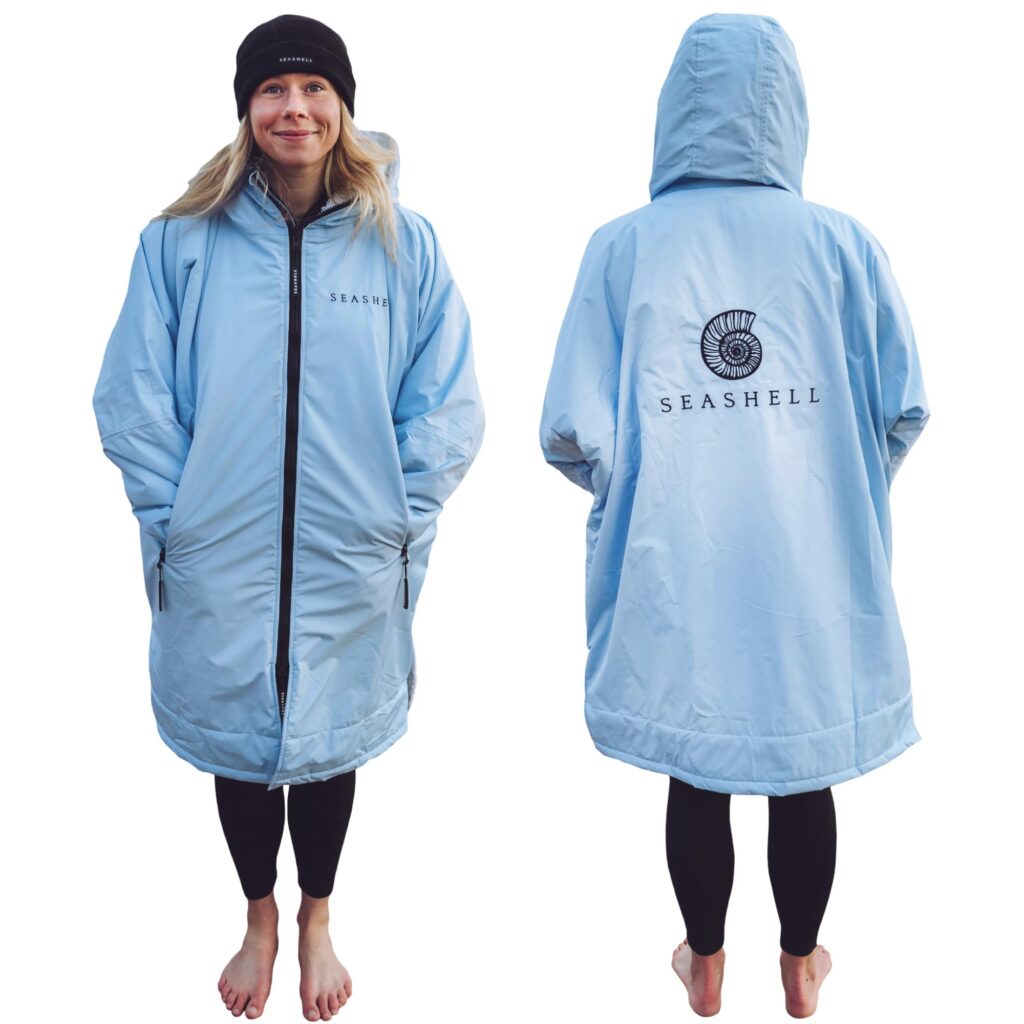
Bring swimwear, an old pair of trainers or water shoes, two towels, a warm hat, a full change of clothes and a flask. Wetsuits, boots, gloves and a tow float can be provided on request.
Leave jewellery and anything you cannot afford to lose in the car. If you have a favourite safety buoy float, bring it, since you will swim more confidently with your own kit.
Choosing the Right Swim Location for Your Group
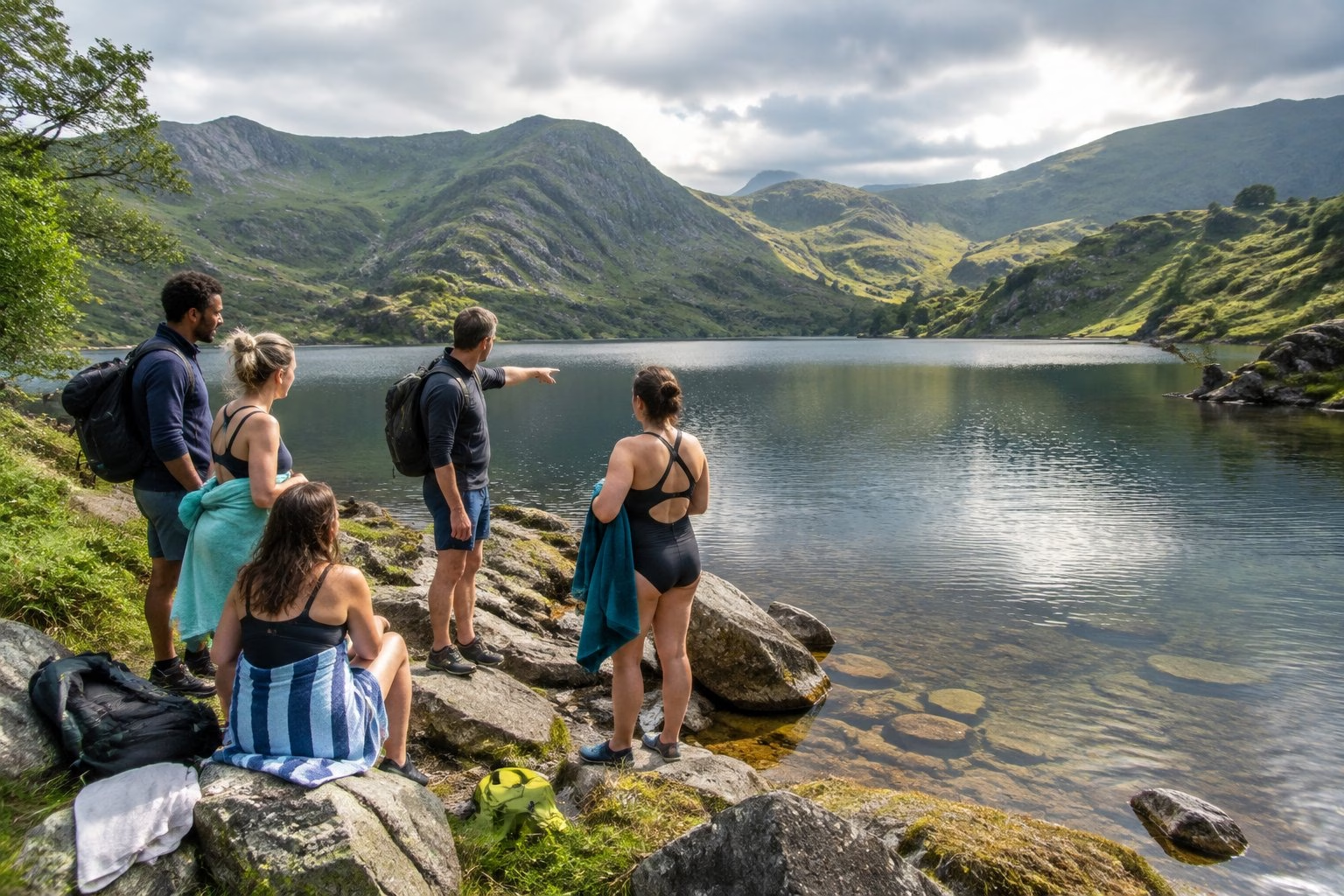
Location choice comes down to four things: how far you can walk, how cold you cope with, whether the water is moving, and what the parking looks like on the day. A guide picks from a shortlist each morning once the forecast is in.
Accessible Lakes for First-Time Wild Swimmers
Llyn Padarn at Llanberis has roadside parking, a shallow shore and a long, sheltered stretch that suits nervous swimmers. Llyn Geirionydd above Trefriw is quieter, with grassy banks and an easy walk from the car park.
Llynnau Mymbyr at Capel Curig gives you the classic Eryri view across the water. All three have gentle entries, which makes them the sensible first choice for river and lake swimming beginners.
Waterfall Pools and Rivers for Confident Dippers
River swims need respect, because levels change fast after rain. Fairy Glen and Conwy Falls near Betws-y-Coed, Fairy Falls at Trefriw, and Rhaeadr Mawddach further south all sit in steep, rocky ground where depth and flow shift week to week.
The Afon Prysor pools near Trawsfynydd and the Aberglaslyn gorge are best swum with someone who knows the safe lines. Never jump into a pool you have not checked on foot first.
Mountain Lake Swims with Eryri Views
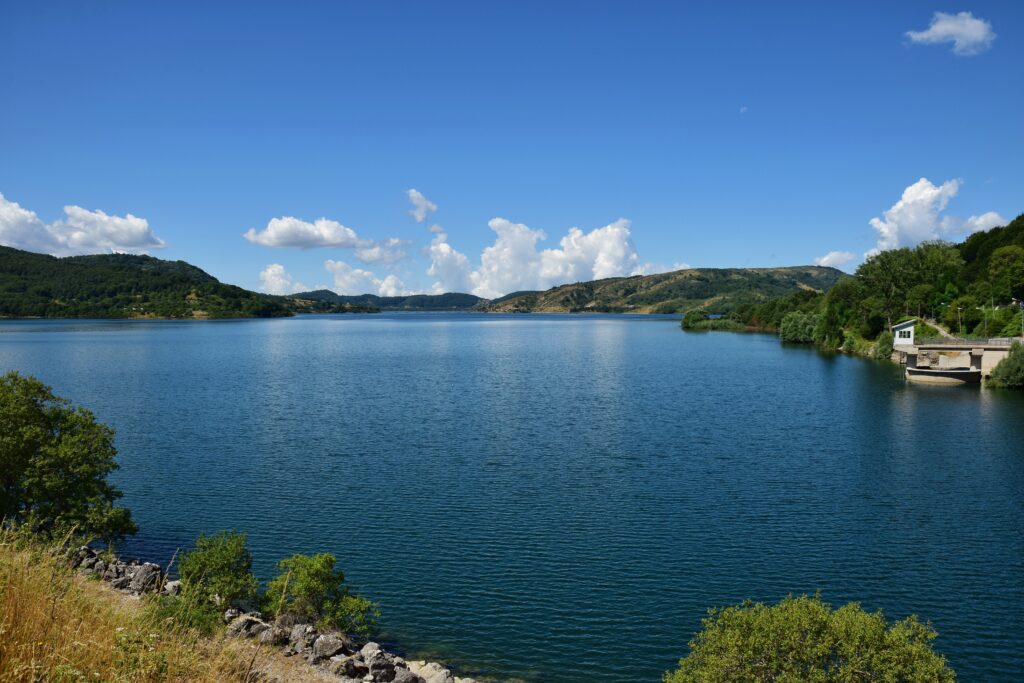
Llyn Gwynant and Llyn Dinas in the Nant Gwynant valley offer big-water swims with a short walk from the road. Both are cold, deep and stunning in low evening light.
Higher up, Llyn Cau under Cadair Idris rewards a steep walk-in with a dark, cliff-backed lake. These are strong-swimmer days and need proper warm kit for the walk out.
Coastal Swims Where Tide Times Matter
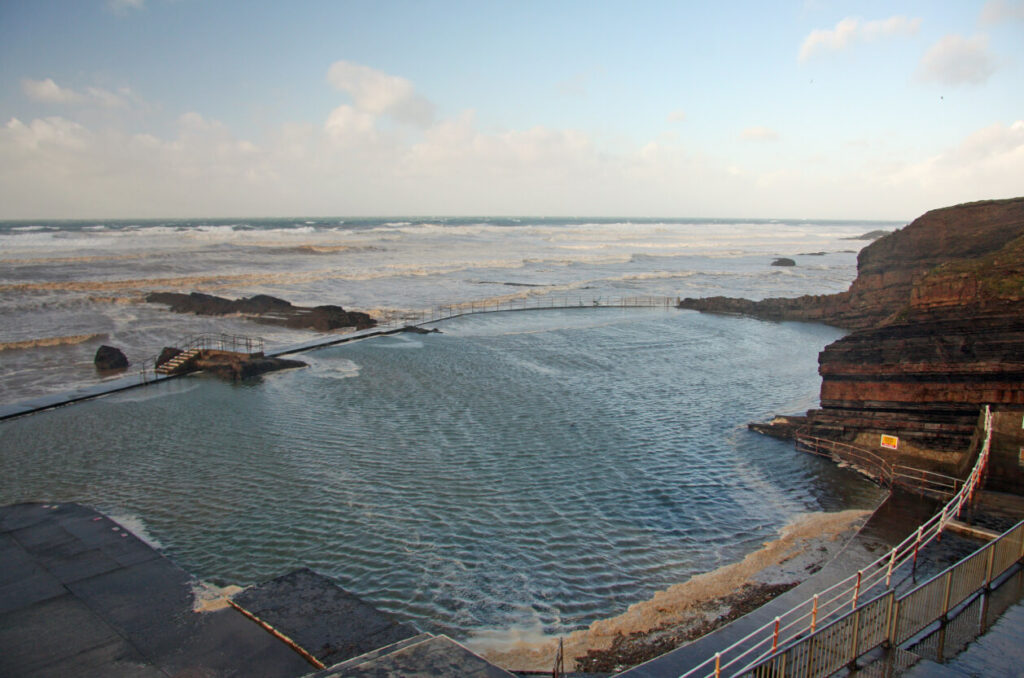
On the Llŷn Peninsula, Porthor (Whistling Sands) and the sheltered bay at Porthdinllaen give clean, calm water on the right state of tide. Llanddwyn Island and Newborough Beach on Anglesey are beautiful, and both demand attention to currents around the headland.
Check tide times before you set off, and plan to swim on the flood or around high slack where possible. Reading up on safe tide timing for sea swims is worth the ten minutes it takes.
Safety, Conditions and Responsible Access
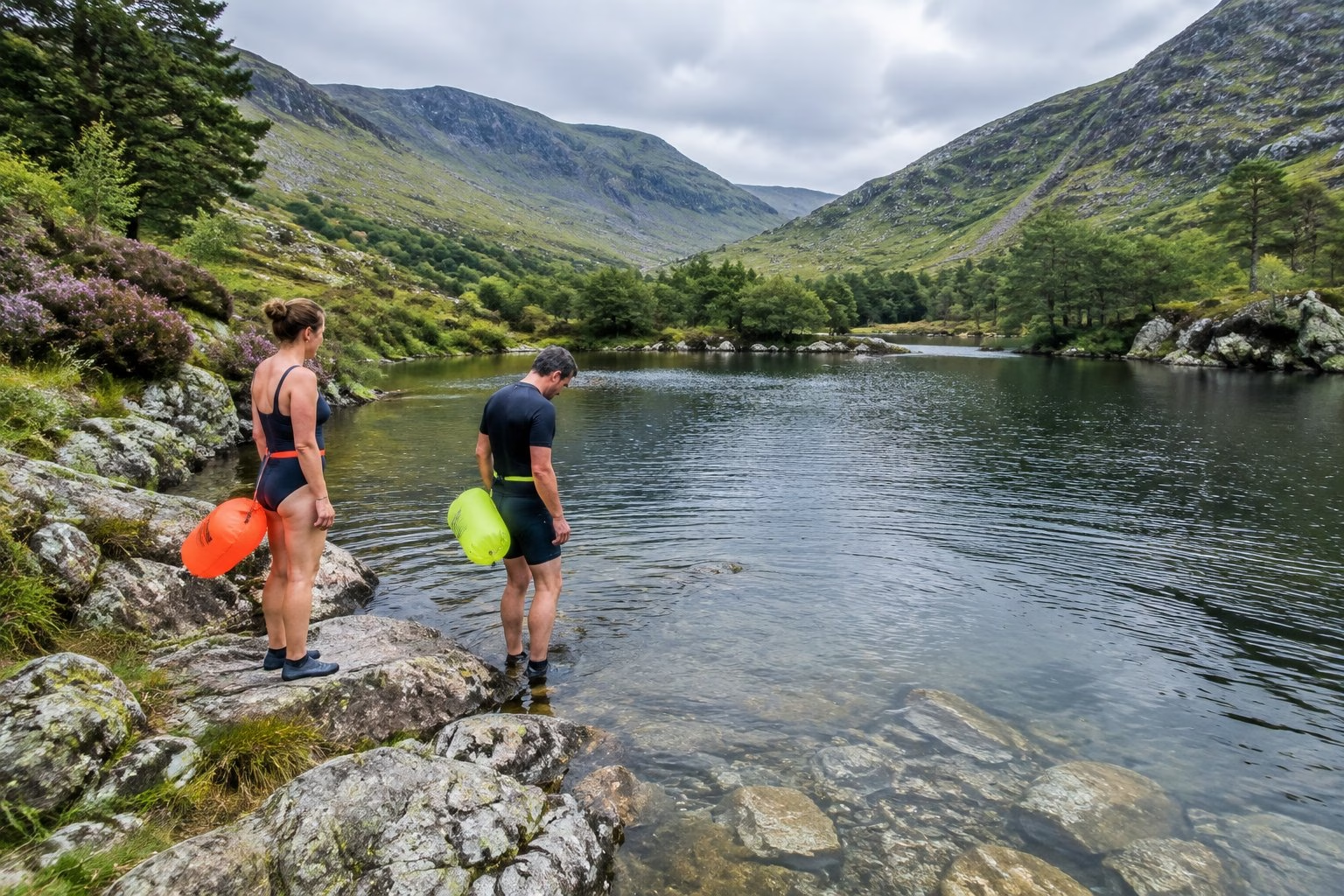
Safety on a guided day starts the evening before, with forecasts, river gauges and a shortlist of alternatives. Natural Resources Wales is clear that you are responsible for your own safety in open water, so a guided session adds a second set of eyes, not a guarantee.
How We Check Weather, River Levels and Water Quality
Rain over the previous 48 hours matters more than rain on the day. High, brown water means river swims come off the list and lakes go on it.
Water quality gets a visual check at the bank. If the water looks or smells bad, or there is any sign of blue-green algae, the swim moves elsewhere.
Avoiding Cold Water Shock and Planning a Safe Entry
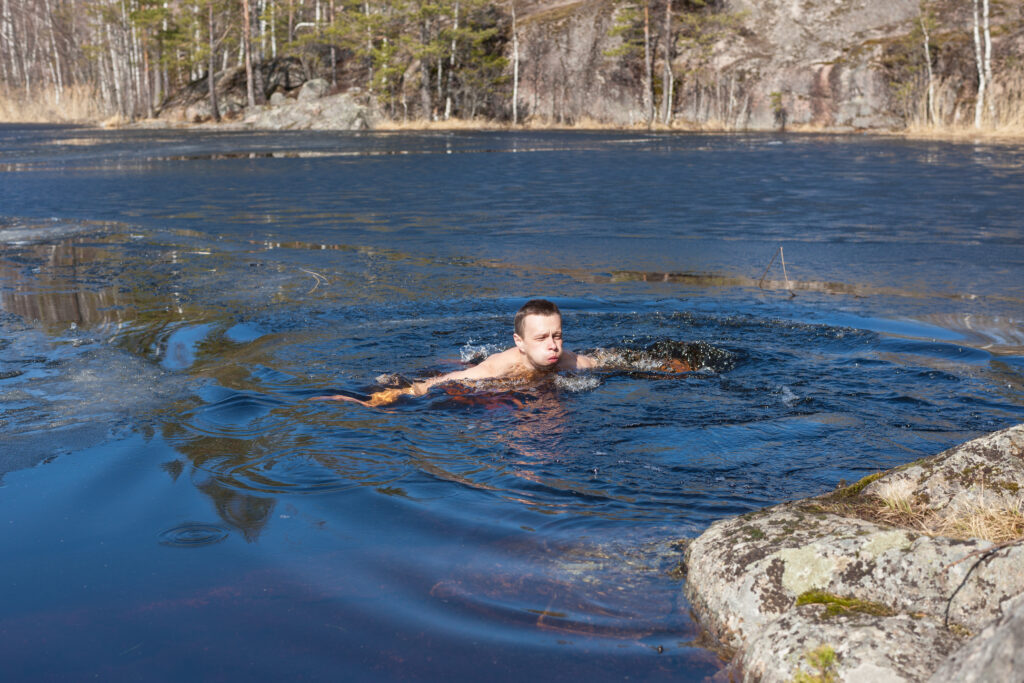
Cold water shock causes sudden gasping and rapid breathing, and it is why you walk in slowly rather than leap. Official guidance warns that the shock of sudden immersion can lead to hyperventilating and even drowning, so entry is always controlled.
Your exit is chosen before your entry. Guides point at the spot you will climb out on, and everyone agrees a maximum time in the water.
Why Quarry Lagoons and Unknown Pools Need Extra Caution
Flooded slate quarries such as the Blue Lagoon at Moel-y-Faen and the Blue Pool at Golwern Quarry look inviting and behave badly. Water is deep, very cold at depth, and often has steep, unstable sides with submerged debris.
The Watkin Pools on the Watkin Path, above Pont Bethania, draw crowds in summer. The rock is slippery, the pools are shallower than they look, and jumping causes regular injuries.
Respecting Landowners, Wildlife and Other Water Users
Outside rights of way, access land and waters with navigation rights, you should not assume access without the landowner’s permission. National Trust and national park land covers many popular spots, but a public path to the shore is not a right to swim everywhere.
Park properly, close gates, and take everything home. Leave no trace applies to banks and shingle, where ground-nesting birds breed in spring and summer.
When We Change the Plan or Cancel a Swim
Plans change often, and that is normal. Thunderstorms, spate rivers, big swell on the coast or an algal bloom all trigger a switch to a sheltered lake such as Llynnau Diffwys or a lower-level valley swim.
Outright cancellation is rare. When it happens, it is for lightning risk, dangerous driving conditions or a guide unable to attend, and you get as much notice as possible.
Local Guides and North Wales Service Areas
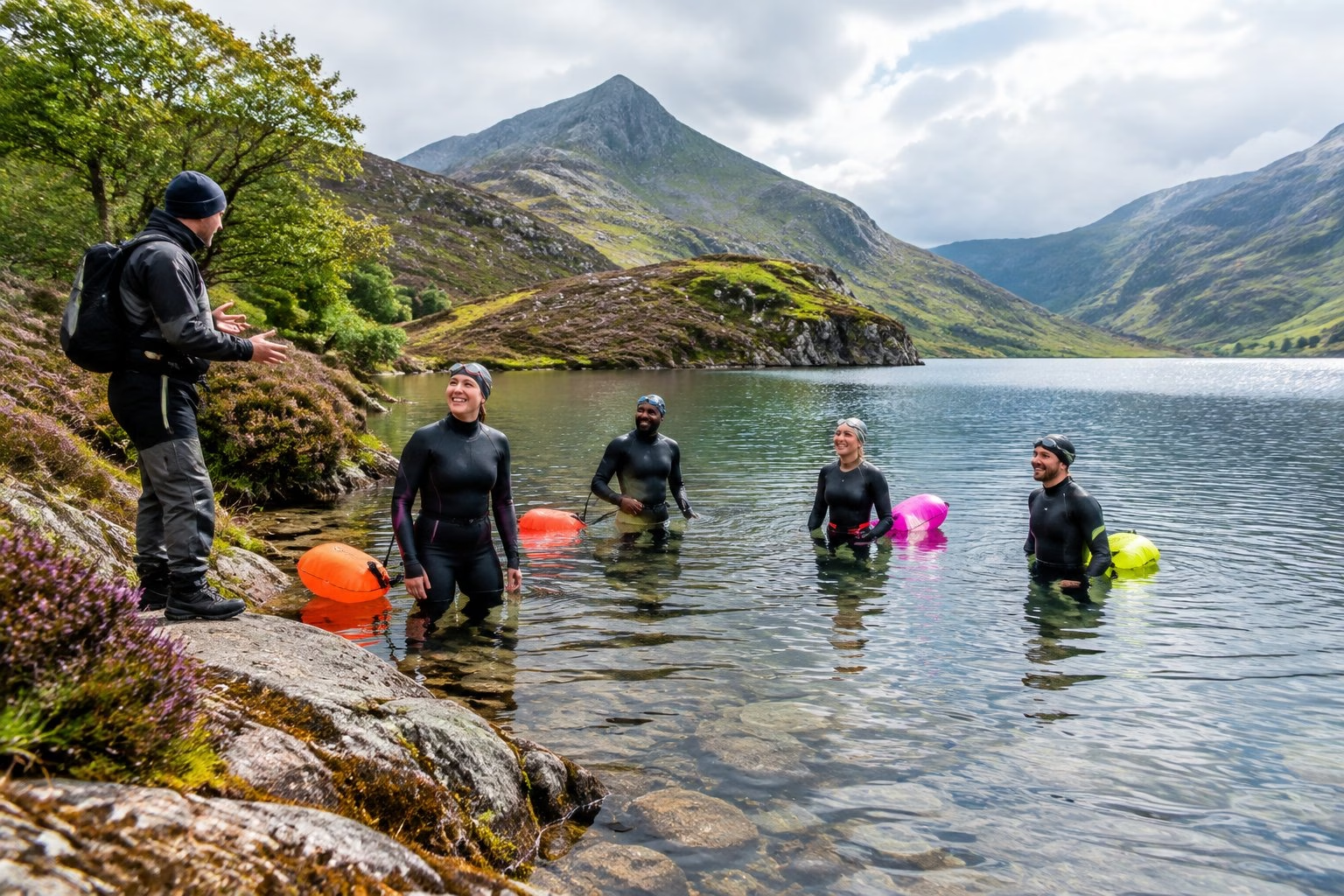
Guided swim days cover Gwynedd, Conwy and Anglesey, with most meeting points within 45 minutes of Betws-y-Coed, Llanberis or Beddgelert. Guides live and work in these valleys year-round, which is how they know which pool is swimmable after a wet week.
Eryri and the Nant Gwynant Valley
Nant Gwynant is the heart of it, with Llyn Gwynant and Llyn Dinas a short drive apart and Yr Wyddfa overhead. Snowdonia National Park land makes access straightforward, and the valley has good roadside pull-ins.
Conwy Valley, Gwydir Forest and Betws-y-Coed
The Conwy Valley suits river and forest-lake days. Gwydir Forest holds quiet pools above Trefriw, and Betws-y-Coed makes a practical base with cafés, parking and public transport.
Gwynedd, Beddgelert and the Moelwyns
Beddgelert works as a meeting point for Aberglaslyn, the Moelwyn lakes and the hills around Croesor. Maentwrog and Ffestiniog open up swims further south, including the Afon Prysor.
Llŷn Peninsula, Anglesey and the North Wales Coast
Coastal days run from the Llŷn beaches and Anglesey’s south-west shore. These are tide-led outings, and a morning swim at Porthdinllaen pairs well with an afternoon on the sand. For more on sea-specific planning, see general saltwater swimming advice.
Further Guided Swim Days Across Wales
Longer trips head towards Bala, Llangollen and the Carneddau, and south into Ceredigion, Carmarthenshire and Pembrokeshire. Swansea, the Gower Peninsula and the Brecon Beacons National Park all feature on multi-day itineraries. To book a day, or to talk through which spot suits your group, contact a local North Wales swim guide with your dates, group size and swimming experience.
Frequently Asked Questions
What are the best places for wild swimming in North Wales?
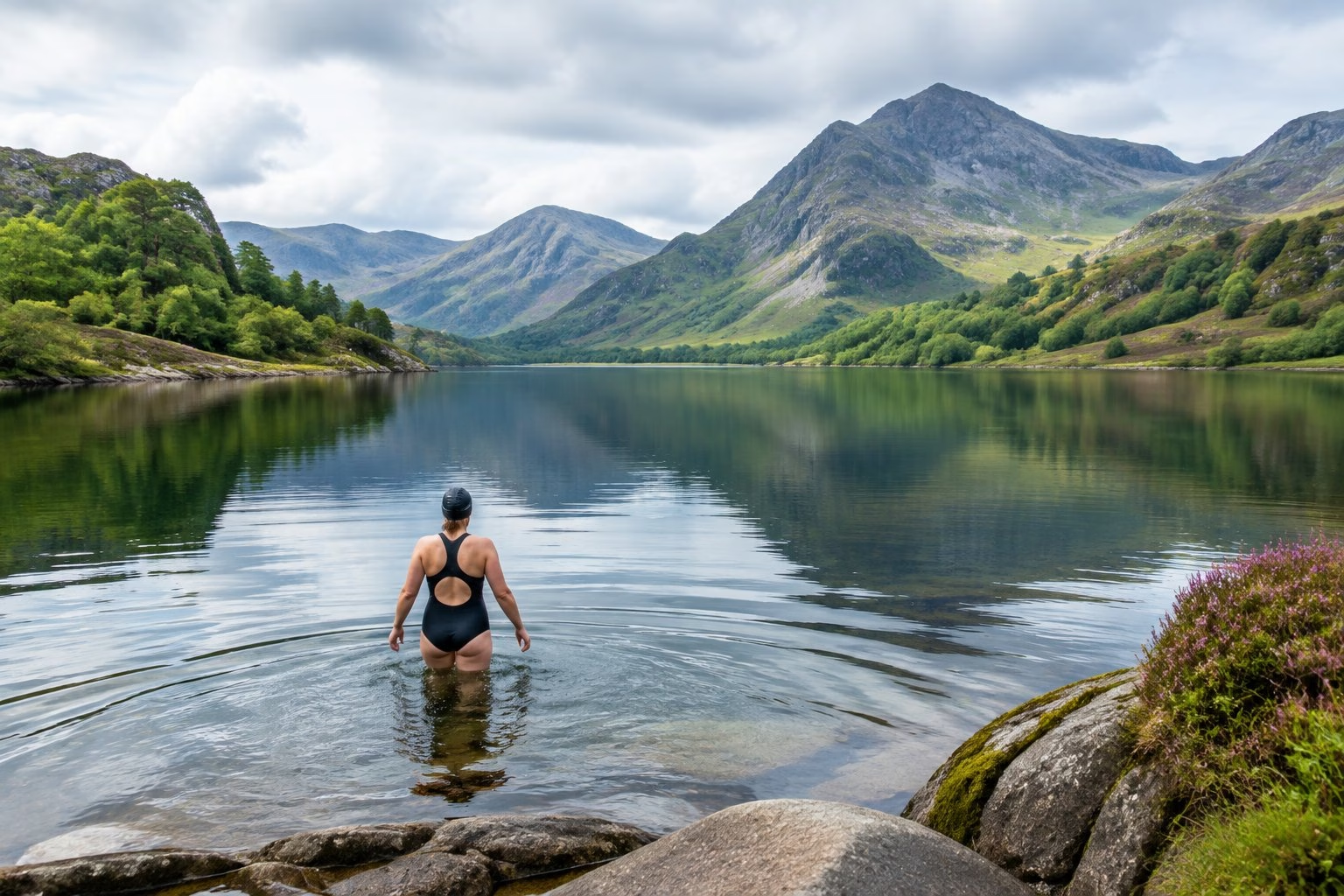
Llyn Padarn, Llyn Geirionydd and Llynnau Mymbyr are the friendliest lakes for beginners, while Llyn Gwynant and Llyn Dinas give the big mountain-lake experience. For rivers and waterfalls, Fairy Glen and the Aberglaslyn gorge are the classics, and the Llŷn beaches cover coastal swims.
Do I need a wetsuit for wild swimming in Eryri?
No, but most people want one outside July and August. Mountain water in Eryri stays cold all year, and a wetsuit buys you extra minutes in the water and a warmer walk back to the car.
Can beginners join a guided wild swimming session?
Yes, and beginner sessions are the most common booking. You start in shallow water, practise slow entry and controlled breathing, and there is no expectation to swim out of your depth.
Can I swim at the Watkin Path waterfalls?
People do swim at the Watkin Pools, but the rocks are slippery, the pools are shallower than they appear and jumping causes regular injuries. Go with someone who knows the safe entries, and never jump into water you have not checked on foot.
How do you check whether conditions are safe to swim?
Guides look at rainfall over the previous two days, river levels, wind, swell and tide times, then confirm with a visual check at the bank. If the water looks or smells bad, or there is any sign of algae, the swim moves to a different spot.
Which North Wales beaches are suitable for an open-water swim?
Porthor (Whistling Sands) and Porthdinllaen on the Llŷn Peninsula, plus Newborough Beach and Llanddwyn Island on Anglesey, all work well in settled conditions. Time your swim around the tide, stay well clear of headland currents, and use a brightly coloured tow float so boats can see you.