
Sweden’s pristine wilderness offers some of the world’s most spectacular wild swimming opportunities, with over 100,000 crystal-clear lakes scattered across its vast landscape. The country’s breathtaking lakes in Sweden provide ideal conditions for wild swimming, from the warm waters of Lake Vänern in the south to the untouched Arctic lakes of Lapland in the north. Thanks to Sweden’s Right of Public Access (Allemansrätten), swimmers can legally access most of these natural swimming spots whilst respecting the environment and local regulations.
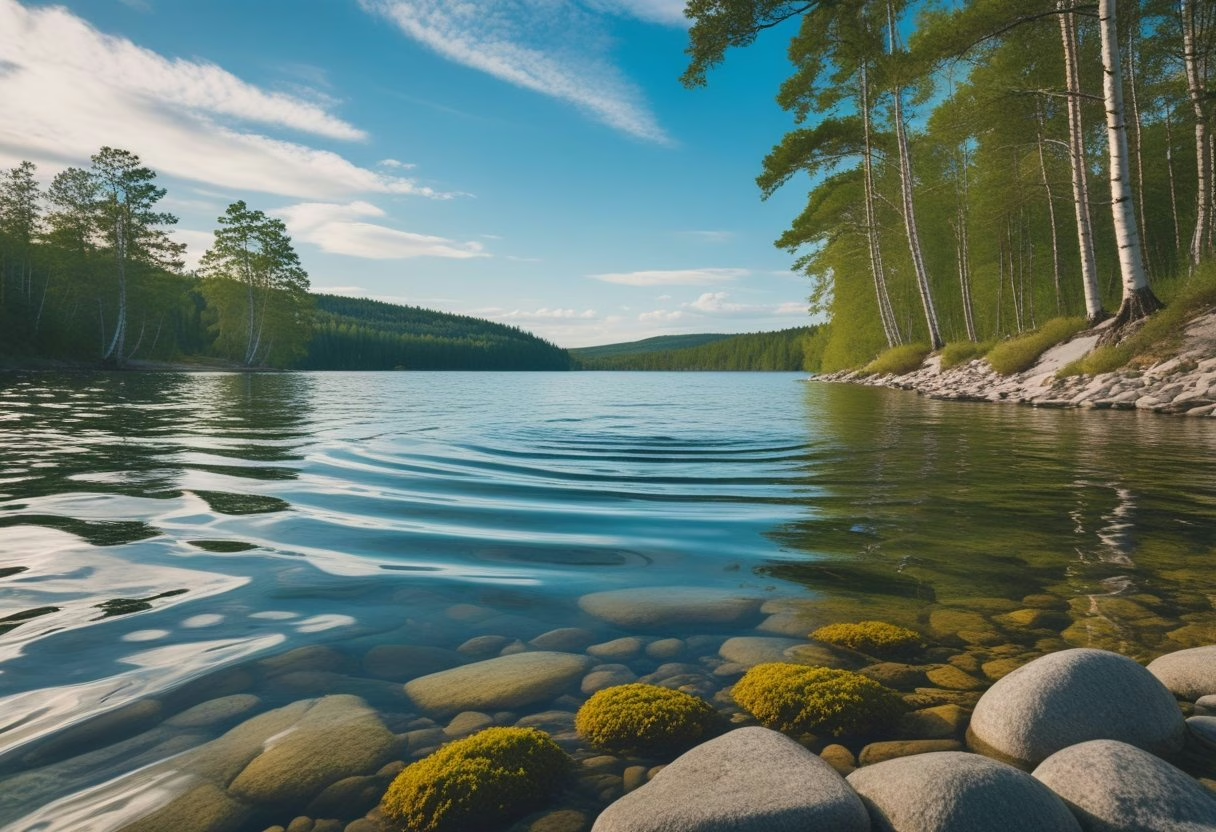
The Swedish lakes range from easily accessible spots near major cities to remote wilderness gems that require hiking to reach. Each offers unique swimming experiences, whether it’s the island-dotted waters of Lake Asnen, the mineral-rich lakes of Dalarna, or the dramatic mountain lakes of Swedish Lapland. These natural swimming holes provide not only refreshing dips but also stunning scenery and wildlife encounters.
From understanding essential safety preparations and local regulations to discovering the most spectacular lakes for wild swimming across different regions, Sweden’s aquatic playground caters to both beginners and experienced wild swimmers. The country’s rivers also offer thrilling open-water swimming adventures, whilst practical tips ensure every swimming excursion remains safe and enjoyable throughout the seasons.
Why Sweden Is Ideal for Wild Swimming
Sweden offers exceptional conditions for wild swimming with over 100,000 pristine lakes, a unique cultural approach to nature access, and distinct seasonal opportunities that create memorable swimming experiences.
Unique Geography and Abundance of Lakes
Sweden contains more than 100,000 lakes scattered across its landscape, making it one of Europe’s premier destinations for wild swimming. These water bodies range from small forest pools to massive lakes like Vänern and Vättern.
The country’s geography creates diverse swimming environments. Northern regions feature crystal-clear mountain lakes surrounded by wilderness. Central Sweden offers warmer waters in extensive lake systems. Southern areas provide gentler conditions ideal for beginners.
Swedish lakes offer excellent water quality with many safe for swimming. The varied depths and temperatures suit different preferences and skill levels.
The archipelago regions add coastal swimming opportunities. Islands like Sydkoster provide calm waters with extended sunshine hours, creating ideal conditions for summer swimming.
Swedish Culture and the Allemansrätten
Sweden’s “Right of Public Access” or Allemansrätten grants everyone free access to natural swimming spots. This ancient tradition allows people to swim in virtually any lake or river, regardless of land ownership.
Wild swimming has been normal practice for generations in Sweden. Many Swedes grew up swimming in lakes and consider it part of their cultural identity.
The concept extends beyond mere access rights. It includes responsibilities to respect nature and private property. Swimmers must follow basic principles: don’t disturb, don’t destroy, don’t litter.
This cultural foundation means Swedish lakes remain pristine and accessible. Infrastructure like changing areas and jetties often exists at popular spots, maintained by local communities who value these swimming traditions.
Best Time of Year for Open Water Swimming
Summer months from June to August provide optimal conditions for wild swimming in Swedish lakes. Water temperatures reach their warmest levels, typically 15-20°C in southern regions.
Peak season benefits include:
- Extended daylight hours (up to 24 hours in northern areas)
- Warmest air and water temperatures
- Accessible remote locations after snow melts
- Active local swimming communities
Spring and autumn offer different experiences. May and September provide cooler but refreshing swimming with fewer crowds. Advanced swimmers appreciate these quieter periods.
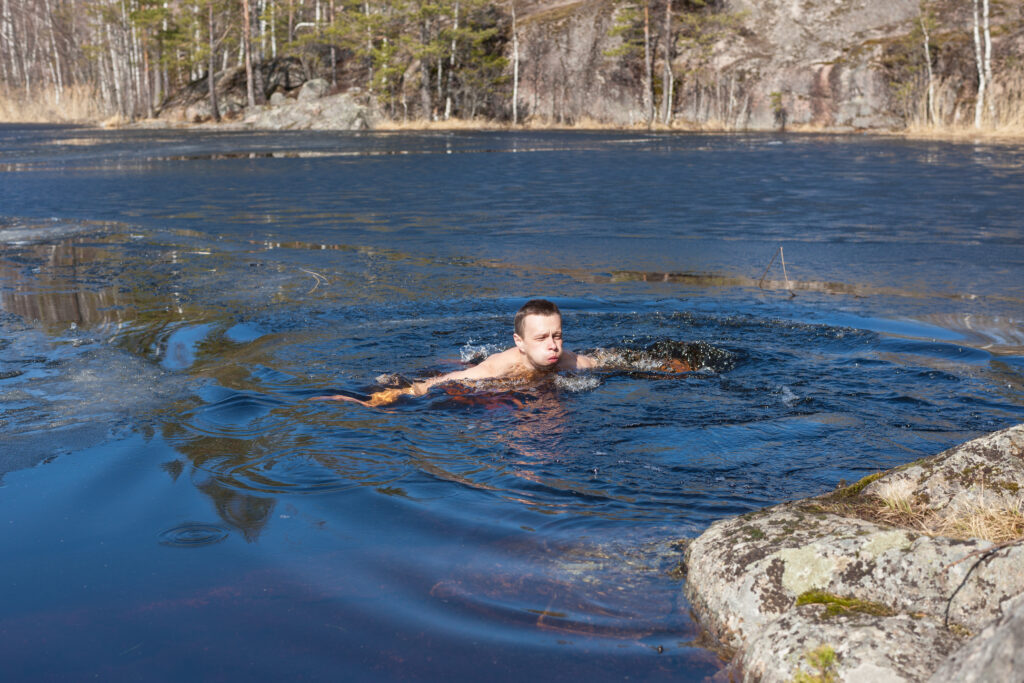
Winter swimming culture thrives in Sweden. Many locations feature heated saunas and facilities for brave winter swimmers. Ice swimming requires proper preparation and local guidance.
Areas like Kinnekulle feature relatively warm lake waters that extend the swimming season into autumn months.
Safety, Preparation and Local Regulations
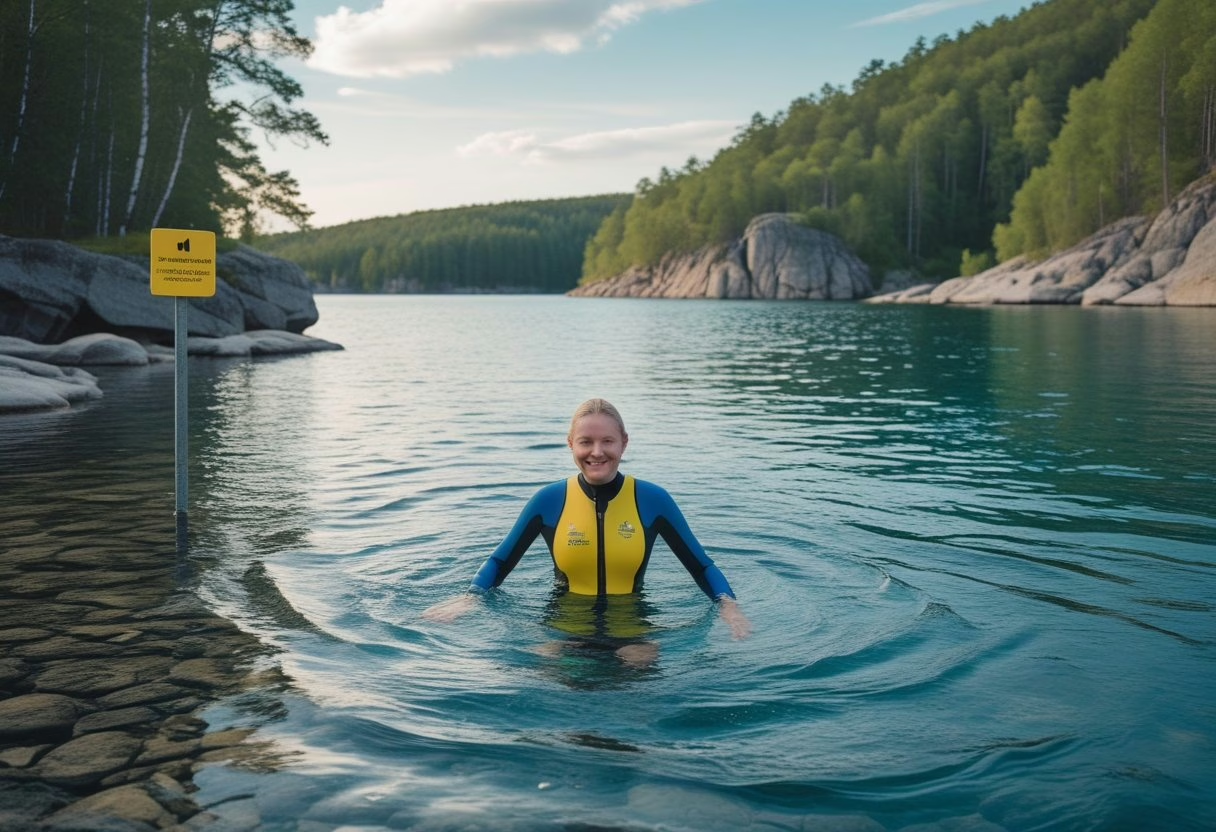
Swedish wild swimming requires proper safety knowledge, understanding of allemansrätten laws, and essential equipment. Water temperatures remain cold year-round, and specific gear helps ensure safe swimming experiences.
Wild Swimming Safety Guidelines
Cold water poses the primary risk in Swedish lakes and rivers. Water temperatures rarely exceed 20°C even in summer months. Swimmers should enter gradually to avoid cold water shock.
Temperature Guidelines:
- Summer (June-August): 15-20°C in most lakes
- Spring/Autumn: 5-15°C
- Winter: Below 5°C (experienced swimmers only)
Wild swimming risks vary significantly depending on water conditions. Still lakes present fewer dangers than moving water with currents.
Never swim alone in Swedish waters. Travel in groups of at least two people. One person should remain on shore whilst others swim.
Check weather conditions before entering water. Strong winds create dangerous waves on large lakes like Vänern. Storms develop quickly in Swedish mountain regions.
Research water quality beforehand. Some lakes near industrial areas may have pollution concerns. Mountain lakes typically offer the cleanest swimming conditions.
Understanding Local Rules and The Right to Roam
Sweden’s allemansrätten (Right to Roam) law permits wild swimming in most natural water bodies. This includes lakes, rivers, and coastal areas throughout the country.
Key Legal Points:
- Swimming allowed in all natural water bodies
- No camping within 70 metres of houses
- Leave no trace principles apply
- Respect private property markers
Some restrictions exist near nature reserves. National parks may have specific swimming guidelines during bird nesting seasons. Check with local authorities before visiting protected areas.
Private lakeside properties often have restricted access. Look for marked boundaries and respect landowner rights. Public access points exist on most major lakes.
Municipal beaches have lifeguards and facilities. Wild swimming locations lack supervision and emergency services. Swimmers assume full responsibility for their safety.
Essential Gear Recommendations
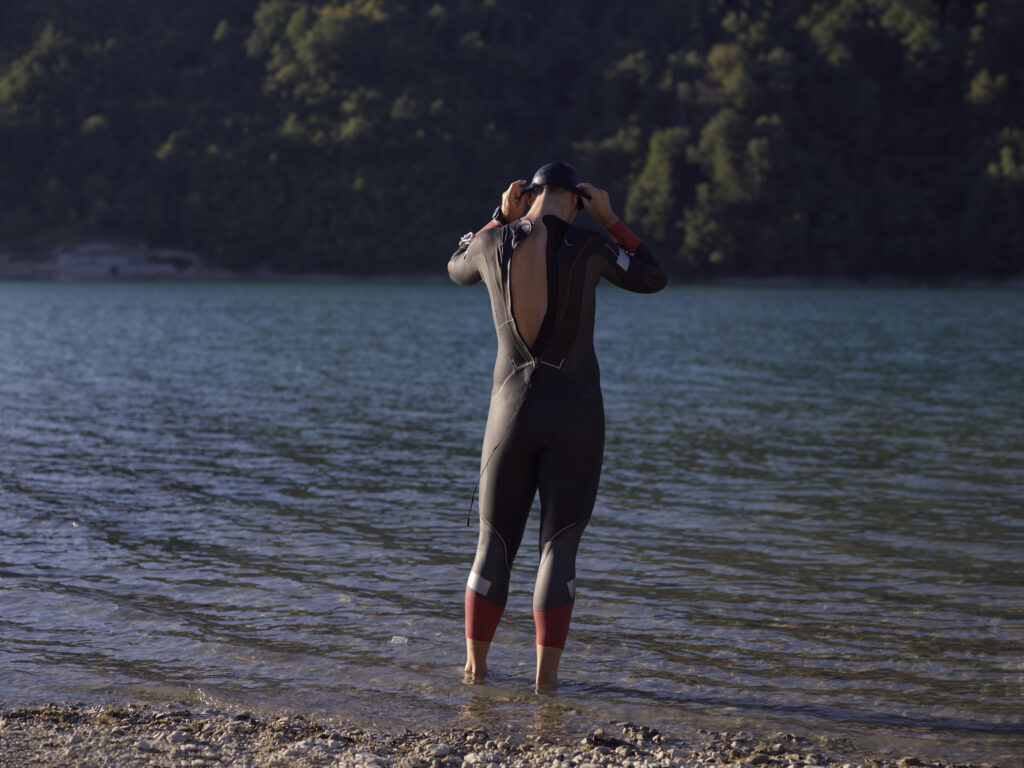
Wetsuit Selection: A 5mm wetsuit suits most Swedish swimming conditions. Thicker 7mm suits work better for spring and autumn swimming. Full-body coverage prevents rapid heat loss.
Safety Equipment:
- Bright swimming cap for visibility
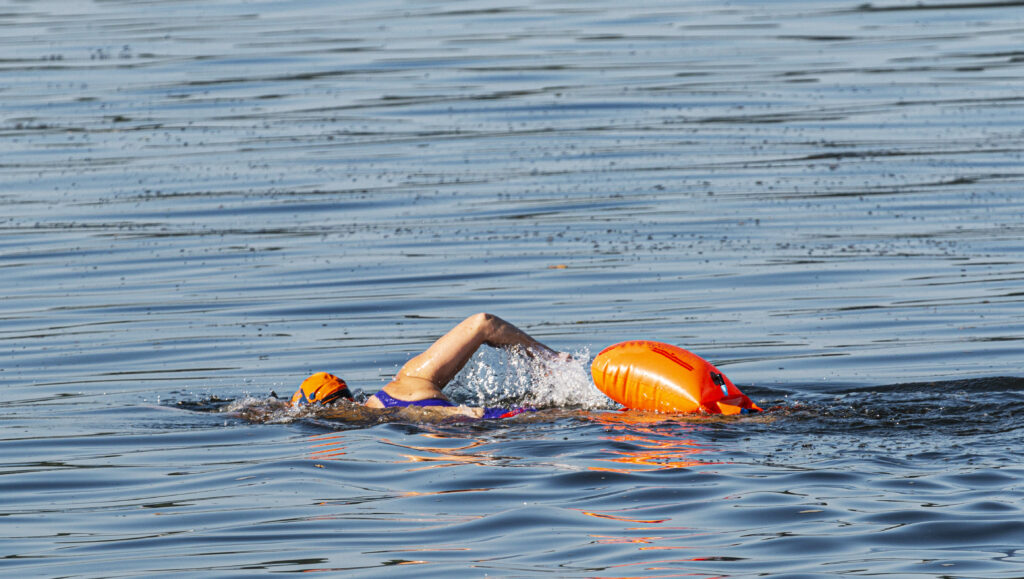
- Tow float for emergency flotation
- Whistle attached to swimming gear
- Waterproof mobile phone case
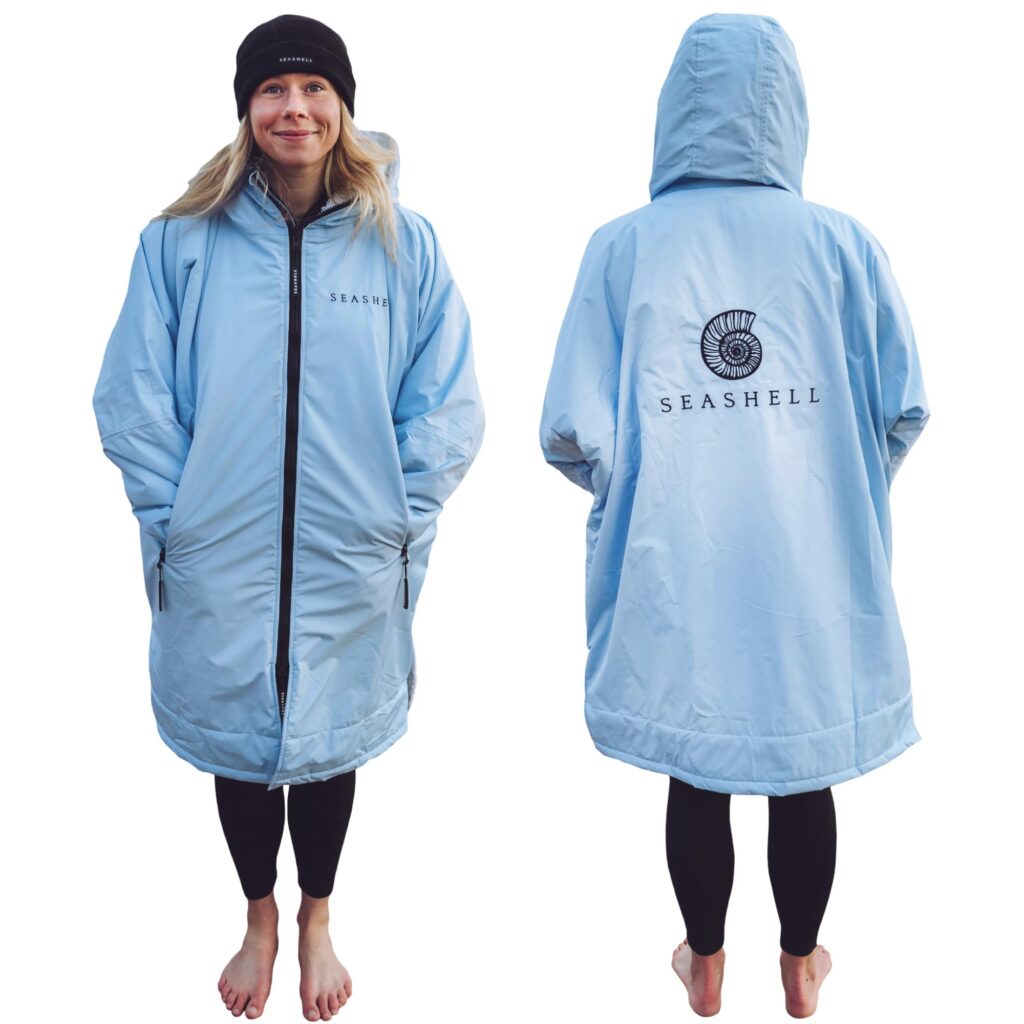
Thermal Protection: Pack dry clothes in waterproof bags. Include warm layers like fleece or down jackets. Bring hot drinks in thermal flasks for post-swim warming.
Change into dry clothes immediately after swimming. Hypothermia develops rapidly in cold conditions. Warm beverages help restore core body temperature.
Consider neoprene boots for rocky lake beds. Many Swedish swimming spots have sharp stones or uneven surfaces. Gloves provide additional warmth during longer swims.
The Best Lakes for Wild Swimming in Sweden
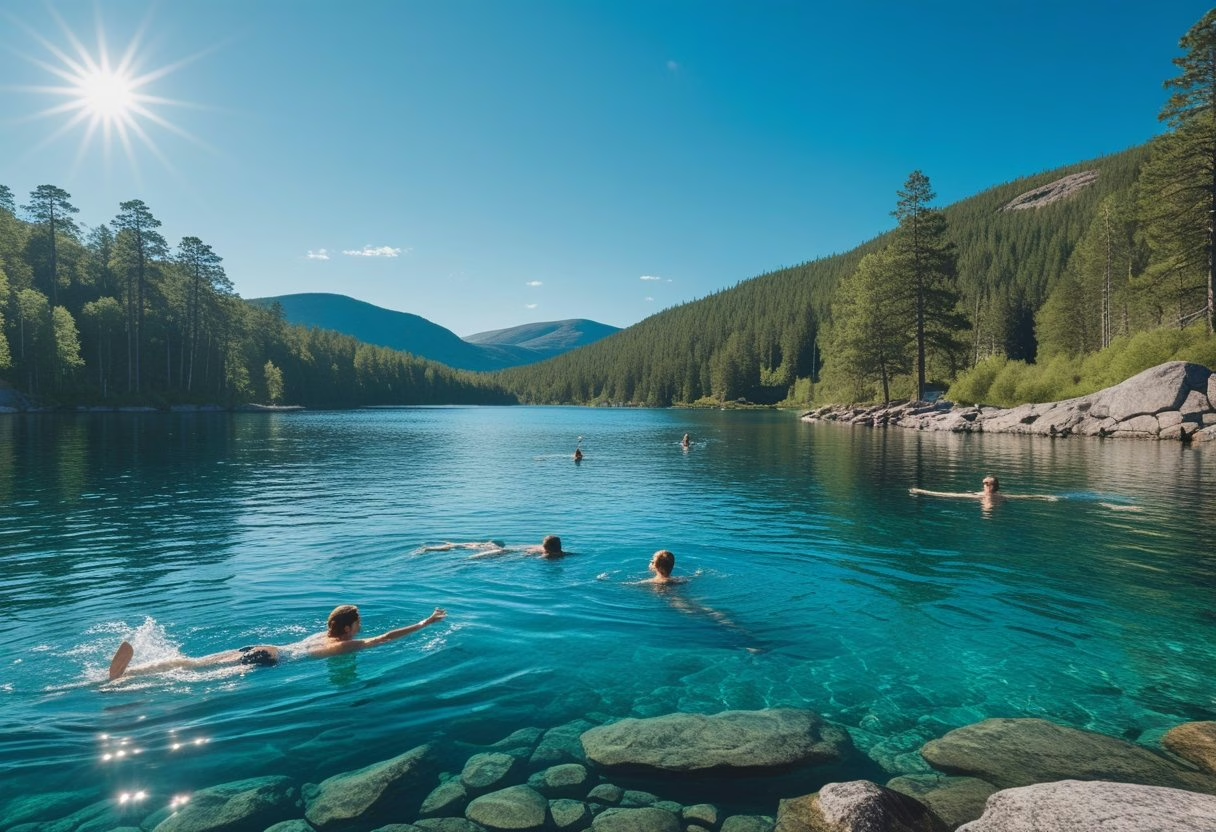
Sweden’s three largest lakes offer exceptional wild swimming opportunities with warm waters, clear visibility, and easy access points. These massive freshwater bodies provide safer swimming conditions than smaller lakes whilst delivering stunning natural scenery.
Lake Vänern: Sweden’s Largest Lake
Lake Vänern stands as Sweden’s largest lake and one of Europe’s most impressive freshwater bodies. The lake spans over 5,600 square kilometres, offering countless swimming spots along its extensive coastline.
Karlstad serves as the main gateway to Vänern’s swimming areas. The city provides excellent access to warm, shallow bays perfect for wild swimming. The lake’s southern shores near Karlstad feature numerous small beaches and rocky outcrops.
The lake connects to the famous Göta Canal, creating unique swimming opportunities near historic waterways. Water temperatures reach comfortable levels during summer months, often warmer than smaller Swedish lakes.
Swimming conditions:
- Water temperature: Up to 20°C in summer
- Visibility: Generally clear with sandy bottoms
- Best access: Karlstad area and southern shores
- Safety: Calm waters with minimal currents
Lake Vättern: Clear Waters and Scenic Shores
Lake Vättern ranks as Sweden’s second largest lake and offers some of the country’s clearest swimming waters. This narrow, elongated lake stretches 135 kilometres through southern Sweden’s scenic landscape.
Jönköping provides the primary access point for wild swimming enthusiasts. The city’s lakefront features well-maintained swimming areas alongside more secluded natural spots. The lake’s exceptional clarity allows swimmers to see several metres underwater.
The lake’s unique geography creates diverse swimming environments. Rocky shorelines offer dramatic entry points, whilst sandy beaches provide gentler access for all swimming abilities.
Key features for swimmers:
- Crystal-clear waters with excellent visibility
- Rocky and sandy shore options
- Consistent depth changes near shores
- Protected bays with calmer conditions
Lake Mälaren: Stockholm’s Favourite Escape
Lake Mälaren extends westward from Stockholm, creating the perfect wild swimming destination for city dwellers. This sprawling lake system covers over 1,100 square kilometres with countless islands and bays.
Stockholm’s residents regularly use Mälaren for recreational swimming. The lake’s proximity to the capital means excellent transport links and facilities. Many swimming spots sit within easy reach of Drottningholm Palace and other historic landmarks.
Mariefred represents one of Mälaren’s most charming swimming destinations. This picturesque town offers access to quieter lake sections away from Stockholm’s busier areas. The surrounding archipelago creates sheltered swimming conditions.
Swimming highlights:
- Easy access from Stockholm’s public transport
- Historic castle and palace backdrops
- Island-hopping swimming opportunities
- Warmer waters due to shallow areas
Noteworthy Wild Swimming Spots: Other Top Swedish Lakes
Beyond the well-known swimming destinations in West Sweden, three remarkable lakes offer exceptional wild swimming experiences: Siljan provides warm waters in Sweden’s cultural heartland, Storsjön combines folklore with pristine conditions, and Hjälmaren delivers accessible recreation near major towns.
Lake Siljan: Heart of Dalarna
Lake Siljan stands as Sweden’s sixth-largest lake and the crown jewel of Dalarna province. The lake formed in an ancient meteorite crater, creating a unique circular shape that spans approximately 354 square kilometres.
Water Quality and Temperature The lake’s relatively shallow depth allows for warmer water temperatures during summer months. Swimming conditions remain excellent from June through August, with water temperatures reaching comfortable levels for extended swimming sessions.
Access Points and Activities Multiple towns surround the lake, including Rättvik, Leksand, and Mora. Each offers designated swimming areas with facilities. The M/S Gustaf Wasa passenger boat provides scenic lake tours for those wanting to explore before choosing their swimming spot.
Cultural Significance Dalarna’s rich cultural heritage adds depth to any swimming visit. Traditional red wooden houses dot the shoreline, whilst local festivals celebrate Swedish traditions throughout the summer swimming season.
Lake Storsjön: Folk Legends and Wild Scenery
Lake Storsjön near Östersund offers wild swimming with a mythical twist. This 456-square-kilometre lake allegedly houses the Storsjöodjuret, Sweden’s version of the Loch Ness Monster.
Swimming Conditions The lake provides excellent water quality and multiple access points around Östersund. Summer temperatures make swimming pleasant, whilst the lake’s size ensures plenty of space for wild swimming enthusiasts.
Nearby Attractions Swimmers can combine their lake visit with cultural experiences at the Jamtli Museum in Östersund. Östersunds Camping provides accommodation options right by the water’s edge.
Natural Setting The surrounding Jämtland landscape offers dramatic mountain views whilst swimming. Dense forests and rolling hills create a pristine backdrop for wild swimming adventures.
Lake Hjälmaren: Calm Waters and Recreation
Lake Hjälmaren ranks as Sweden’s fourth-largest lake, stretching across 484 square kilometres between several provinces. The lake’s proximity to Örebro makes it highly accessible for wild swimming.
Swimming Advantages The lake’s relatively shallow depth and protected bays create calm swimming conditions. Multiple beaches and access points cater to different swimming preferences, from secluded coves to organised swimming areas.
Practical Considerations Well-developed infrastructure around the lake includes car parks, changing facilities, and nearby accommodations. The lake’s location makes it an ideal day trip destination from Stockholm or other major Swedish cities.
Year-Round Appeal Summer brings warm water temperatures perfect for extended swimming. Winter attracts hardy swimmers to designated ice swimming locations, continuing the wild swimming tradition throughout the year.
Wild Swimming in Northern Sweden’s Lakes and Lapland
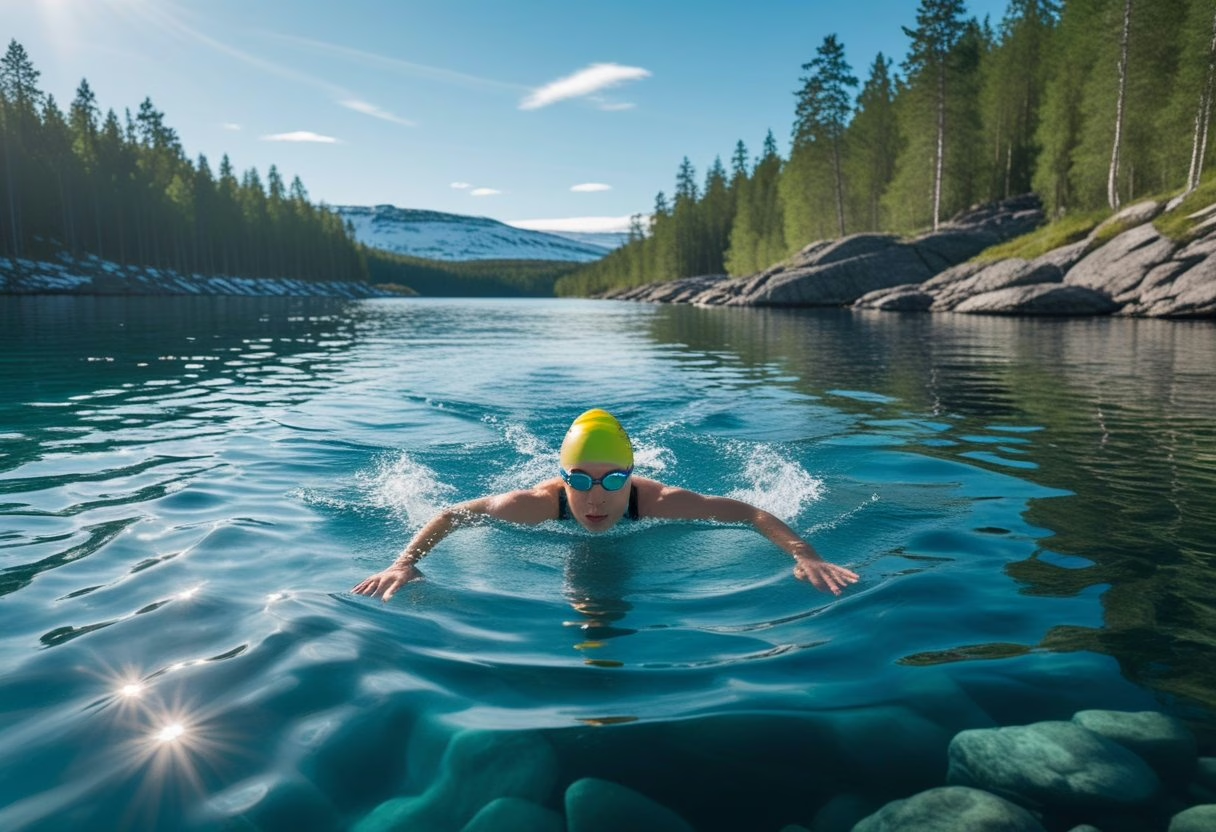
Northern Sweden’s pristine alpine lakes offer some of the country’s most dramatic wild swimming experiences, with crystal-clear waters surrounded by untouched wilderness. These remote locations provide swimmers with breathtaking mountain scenery and the unique opportunity to swim in some of Europe’s most northerly waters.
Lake Hornavan: Sweden’s Deepest
Lake Hornavan stands as Sweden’s deepest natural lake, plunging to depths of 221 metres near the town of Arjeplog. The lake stretches approximately 70 kilometres through the Lapland wilderness, offering multiple access points for wild swimmers seeking pristine mountain waters.
Water temperatures remain cold throughout the year, typically reaching 15-18°C during peak summer months. Swimmers should prepare for chilly conditions even in July and August.
The eastern shores near Arjeplog provide the most accessible swimming spots. Hornavan Hotell serves as an excellent base for visitors, offering comfortable accommodation just metres from the water’s edge.
Wild swimmers can access numerous secluded bays along the lake’s extensive shoreline. The northern sections offer particularly remote swimming experiences, though these areas require hiking to reach suitable entry points.
The lake’s exceptional water clarity allows swimmers to see several metres down, creating an almost otherworldly swimming experience. Ice-cold mountain streams feed the lake, maintaining its pristine condition year-round.
Lake Torneträsk: Arctic Beauty
Lake Torneträsk offers wild swimming in the heart of Swedish Lapland, surrounded by dramatic peaks and pristine Arctic wilderness. This 70-kilometre-long lake sits within easy reach of Abisko National Park, making it accessible for adventurous swimmers.
The lake’s proximity to Abisko Mountain Lodge provides comfortable accommodation options for visitors. Swimmers can easily walk from the lodge to various access points along the southern shore.
Summer temperatures in the lake rarely exceed 12-15°C, making this a destination for experienced cold-water swimmers only. The brief Arctic summer, typically June through August, offers the only viable swimming window.
The northwestern section near the national park boundary provides the most spectacular swimming backdrop. Towering peaks reflect in the calm morning waters, creating unforgettable swimming conditions.
Mount Akka’s impressive silhouette dominates the northern horizon, providing a dramatic backdrop for early morning swims. The area’s midnight sun during summer months allows for unique late-evening swimming sessions.
Lake Akkajaure: Wild Mountain Landscapes
Lake Akkajaure presents wild swimming in one of Sweden’s most remote mountain settings, created by the Suorva Dam along the Stora Lule River. The artificial lake now forms part of the landscape within Stora Sjöfallet National Park’s dramatic terrain.
The lake’s irregular shoreline creates numerous sheltered bays perfect for wild swimming. These protected areas offer slightly warmer water temperatures compared to the main lake body.
Access points require careful planning, as the surrounding terrain can be challenging. The most practical approach involves hiking from established trails within the national park boundaries.
Mount Akka’s towering presence creates a stunning backdrop for swimmers brave enough to tackle the cold mountain waters. The peak’s distinctive profile makes this one of Sweden’s most photographically striking swimming locations.
Water levels fluctuate seasonally due to hydroelectric operations, affecting available swimming spots throughout the year. Summer months typically offer the most stable conditions and highest water levels.
The lake’s pristine condition reflects its protected status within the national park. Swimmers often encounter complete solitude, with only the sound of mountain winds and distant waterfalls breaking the silence.
More Top Lakes and Their Unique Swimming Experiences
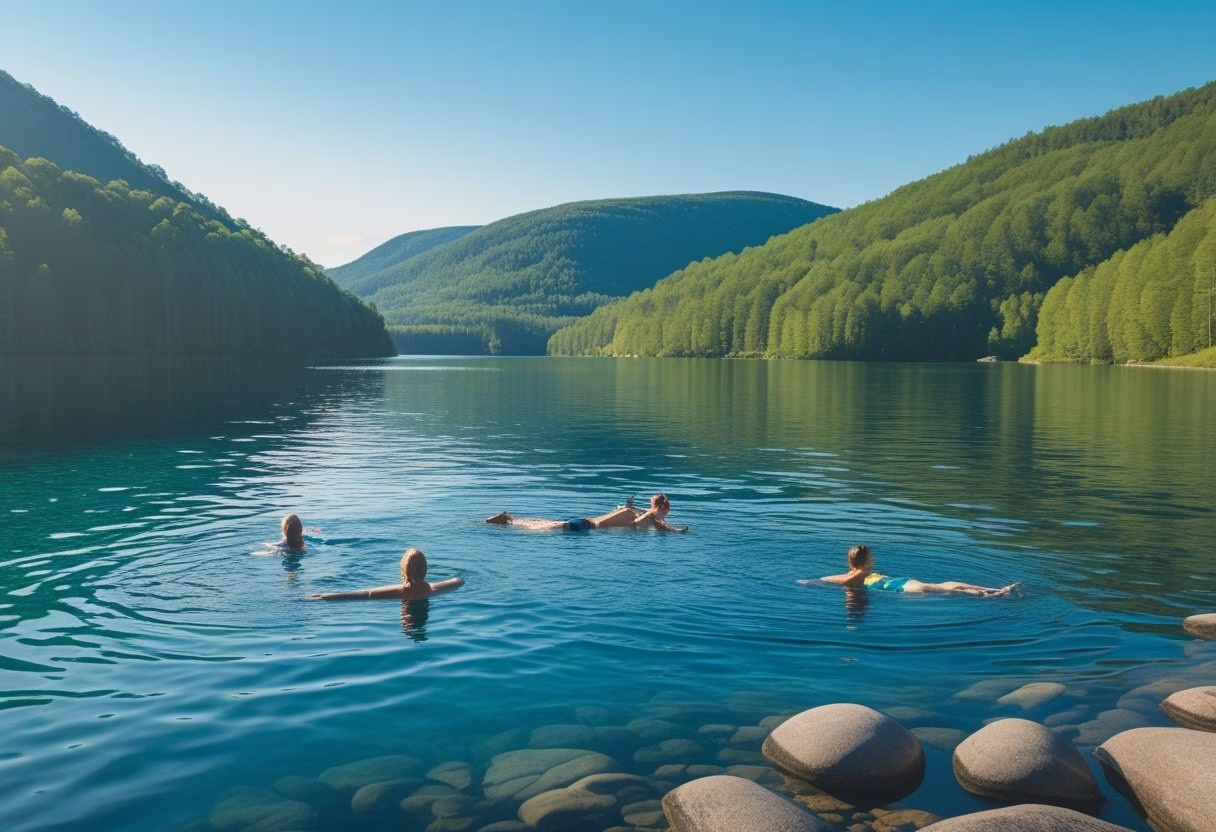
Southern Sweden offers three distinctive lakes that provide exceptional wild swimming opportunities. Each destination combines pristine waters with unique natural features and varying levels of accessibility.
Lake Åsnen: Southern Wild Escapes
Lake Åsnen sits in Småland province and forms part of Sweden’s newest national park. The lake covers 150 square kilometres with crystal-clear waters perfect for swimming.
The lake features over 1,000 small islands scattered across its surface. These islands create sheltered bays and quiet coves ideal for peaceful swims away from crowds.
Water temperatures reach comfortable levels during summer months. The lake’s shallow areas warm quickly whilst deeper sections maintain refreshing coolness.
Swimming Access Points:
- Trollberget nature reserve offers easy water access
- Sirkön island provides secluded swimming spots
- Bjurkärr camping area has designated swimming zones
Ancient oak forests surround much of the shoreline. These woodlands create a dramatic backdrop for swimming adventures.
The lake supports excellent water quality due to minimal industrial activity in the region. Clear visibility extends several metres underwater in most areas.
Lake Bolmen: Secluded Swims and Island Adventures
Lake Bolmen ranks as Sweden’s tenth-largest lake and spans the border between Småland and Halland. The lake stretches 28 kilometres in length with numerous arms and inlets.
Over 365 islands dot the lake’s surface, earning it the nickname “island lake.” Many islands remain uninhabited and accessible only by boat or kayak.
The lake’s unique shape creates diverse swimming environments. Narrow channels between islands offer sheltered waters whilst open areas provide space for longer swims.
Key Swimming Features:
- Multiple secluded beaches on uninhabited islands
- Gradual depth changes suitable for all swimming abilities
- Excellent water clarity in most areas
- Protected status ensuring pristine conditions
Small fishing villages around the shoreline provide accommodation and boat rental services. These settlements maintain traditional Swedish lakeside culture.
Bolmen experiences minimal motorboat traffic compared to other large Swedish lakes. This restriction preserves the peaceful atmosphere essential for wild swimming.
Lake Laisan: Remote and Rugged
Lake Laisan sits in Dalarna province surrounded by dense forest and rocky terrain. This remote location ensures solitude for serious wild swimming enthusiasts.
The lake occupies a glacially carved valley with steep sides plunging directly into deep water. Swimming here requires confidence in open water conditions.
Rocky shorelines dominate most of the lake’s perimeter. These granite formations create natural diving platforms and sun-warmed resting spots.
Access Challenges:
- No vehicle access to most shoreline areas
- Hiking required to reach prime swimming locations
- Limited facilities or services nearby
- Weather conditions change rapidly
Pine and spruce forests extend right to the water’s edge. This creates a true wilderness swimming experience rarely found in more accessible locations.
The lake maintains exceptional water purity due to its remote location. Visibility often extends to the lake bottom even in deeper areas.
Laisan freezes completely during winter months. Ice-free seasons typically run from May through October depending on elevation and weather patterns.
Sweden’s Wild Rivers for Open Water Swimming
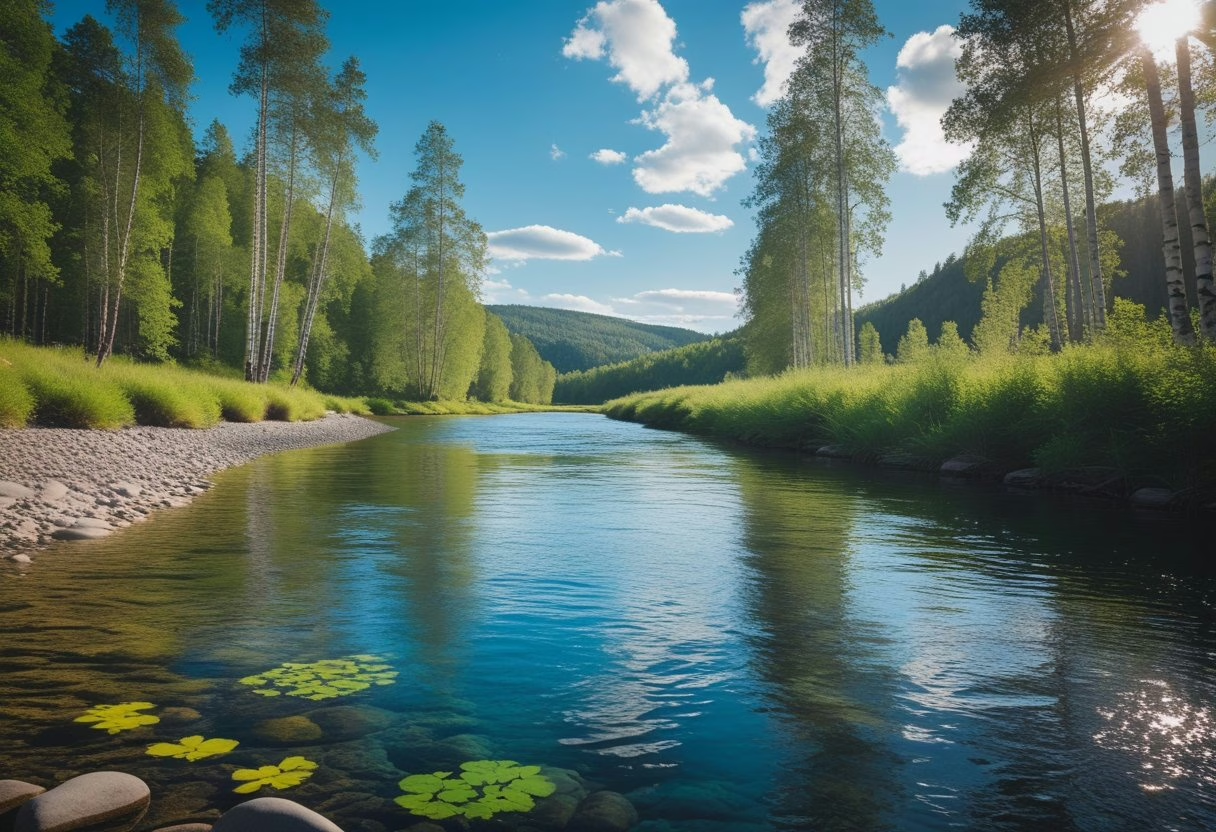
Sweden’s rivers offer diverse swimming experiences from gentle canal systems to powerful flowing waterways. The country’s extensive river network provides cooler temperatures and unique currents compared to lakes.
Iconic Swedish Rivers
The Klarälven stretches 460 kilometres through central Sweden, creating excellent swimming opportunities near Karlstad. Its wide sections offer calm pools perfect for beginners.
The Dalälven flows through Dalarna province with crystal-clear mountain water. Swimming spots near Rättvik provide stunning forest backdrops.
Torneälven marks Sweden’s border with Finland. Its Arctic waters challenge experienced swimmers seeking extreme cold-water experiences.
The Lule älv in Norrbotten offers dramatic rapids and calmer stretches. Summer temperatures reach 15-18°C in protected bays.
Göta älv connects Lake Vänern to the sea through Gothenburg. Urban sections provide accessible swimming with good transport links.
The Göta Canal: A Unique Wild Swim
The Göta Canal spans 190 kilometres across Sweden, connecting Stockholm to Gothenburg. This 19th-century engineering marvel offers sheltered swimming conditions.
Key swimming locations:
- Berg: Seven-lock staircase area with calm waters
- Motala: Wide canal sections near the town centre
- Sjötorp: Western terminus with lake connections
Water temperatures range from 16-20°C during summer months. The canal’s protected nature eliminates strong currents and waves.
Canal swimming provides unique experiences passing through locks, aqueducts, and historic towns. Facilities including cafés and toilets line popular stretches.
River Safety and Conditions
Water temperature varies significantly by season and location. Northern rivers stay cold year-round, whilst southern waterways warm to 18-22°C in summer.
Current assessment proves crucial before entering any river. Fast-flowing sections can sweep swimmers downstream rapidly.
Entry and exit points require careful planning. Steep banks and slippery rocks create hazards, particularly after rainfall.
Water quality generally remains excellent in Sweden’s rivers. However, check for algae blooms during hot weather.
Emergency access can be limited in remote areas. Always inform others of swimming plans and expected return times.
Practical Tips for Wild Swimming in Sweden
Sweden’s Allemansrätten (Right of Public Access) grants swimmers freedom to enjoy most natural waters, whilst proper planning and respectful behaviour ensure safe and memorable experiences. Understanding accommodation options near prime swimming locations and following environmental guidelines protects Sweden’s pristine wilderness for future generations.
Planning Your Swimming Holiday
Temperature considerations vary dramatically by season and location. Summer temperatures in southern lakes like Vänern reach comfortable levels, whilst northern waters remain cold year-round.
Water quality remains excellent in most Swedish lakes and rivers. However, swimmers should avoid areas near industrial zones or heavy boat traffic.
Essential gear includes:
- Wetsuit for extended swimming sessions
- Non-slip water shoes for rocky lake beds
- Dry bags for personal belongings
- Emergency whistle for safety
Check local weather conditions before swimming. Swedish weather changes quickly, particularly in mountainous regions around places like Ramundberget with its mountain lakes.
Consider swimming in small groups for added safety. Solo swimming, whilst permitted, increases risks in remote locations.
Peak season runs from June to August when daylight extends beyond 18 hours in many regions.
Where to Stay on Swedish Lakeshores
Lakeside accommodation ranges from luxury wilderness lodges to simple camping spots. Many Swedish lakes offer designated camping areas under Allemansrätten regulations.
Traditional red wooden cabins provide authentic Swedish experiences. These often include private lake access and basic amenities like wood-fired saunas.
Camping options include:
- Designated campgrounds with facilities
- Wild camping (minimum 150 metres from houses)
- Glamping sites with pre-erected tents
Book accommodation early during summer months. Popular destinations like the Koster islands fill quickly between June and August.
Urban alternatives exist near cities. Stockholm and Gothenburg offer lakeside hotels within easy reach of swimming spots.
Budget-conscious travellers can utilise Sweden’s extensive hostel network. Many hostels provide lake access and equipment rental services.
Respecting Nature and Local Communities
Leave no trace principles apply strictly in Sweden. Pack out all rubbish and avoid disturbing wildlife habitats around swimming areas.
Respect private property boundaries. Allemansrätten allows access to most waterside areas regardless of land ownership, but excludes immediate vicinity of private residences.
Noise levels should remain minimal, particularly early morning or late evening. Sound travels far across Swedish lakes.
Avoid picking plants or disturbing nesting birds during breeding season (April to July). Many lakeshores serve as crucial wildlife corridors.
Parking considerations matter in popular areas. Use designated car parks rather than roadside verges that damage vegetation.
Support local communities by purchasing supplies from village shops rather than bringing everything from major cities. This helps sustain rural economies dependent on responsible tourism.
Frequently Asked Questions
Wild swimming in Sweden involves specific considerations about water quality, accessibility, and safety regulations. Sweden’s unique right of public access laws and extensive lake systems create particular conditions for outdoor swimming enthusiasts.
What are the top-rated lakes in Sweden for wild swimming enthusiasts?
Lake Laxsjön in Dalsland stands out as one of the finest wild swimming destinations. The lake offers cool, clear water and forms part of the Dalsland Canal system.
Lake Vänern at Kinnekulle provides notably warmer waters compared to other Swedish lakes. The area features several small beaches along the western coastline near Hällekis.
Lake Asnen contains over 1,000 islands in its archipelago. The lake sits in Sweden’s south-central region and attracts wildlife photographers and birdwatchers.
Can you list some of the notable rivers in Sweden suitable for wild swimming?
Swedish mountain rivers offer exceptionally clear water that meets drinking standards. The mountain regions provide crystal-clear waterfalls with natural pools for refreshing swimming experiences.
Rivers in Sweden typically connect the country’s extensive lake systems. Many waterways flow through protected wilderness areas, maintaining high water quality standards.
The Dalsland Canal system connects multiple lakes and rivers. This network provides various swimming spots with different depths and current strengths.
How many lakes in Sweden are accessible for public swimming activities?
Sweden contains over 100,000 lakes throughout the country. Most of these water bodies remain accessible to the public under Swedish law.
Allemansrätten, Sweden’s Right of Public Access, allows swimming in most lakes, rivers, and coastal areas. This law grants access regardless of land ownership, provided swimmers respect environmental rules.
Sweden’s shoreline protection law ensures public access to waterside areas. The legislation protects both public rights and natural environments around water bodies.
Which are the safest wild swimming spots in Sweden for family outings?
Sydkoster island offers relatively calm waters suitable for most swimmers. The island receives more sunshine hours than most Swedish locations, making it ideal for summer visits.
Vrångö island in the Gothenburg archipelago features excellent beaches with sandy shores. The island provides sheltered lagoons and inlets perfect for family swimming.
Lake Vänern’s warmer temperatures make it particularly suitable for families. The lake offers numerous small beaches with gentle entry points for children.
What do I need to consider when choosing a wild swimming location in Sweden?
Water temperature, currents, water quality, and accessibility represent the primary safety factors. These elements determine both safety levels and swimming comfort.
Swimming in small groups increases safety for wild swimming activities. Group swimming provides assistance during emergencies and enhances overall security.
Weather conditions significantly affect swimming safety in Swedish waters. Temperature changes can occur rapidly, particularly in mountain lakes and coastal areas.
Are there any guided wild swimming tours available at Swedish lakes or rivers?
Specialised adventure companies offer wild swimming experiences in Sweden’s hidden lakes. These tours typically include hiking to remote locations and wild camping experiences.
Professional tours often combine swimming with traditional Swedish saunas. Wood-fired saunas provide warming opportunities after cold water swimming sessions.
Tour operators in Sweden cater to various traveller preferences and experience levels. Companies like Sunvil operate multiple Swedish tours that include wild swimming activities.