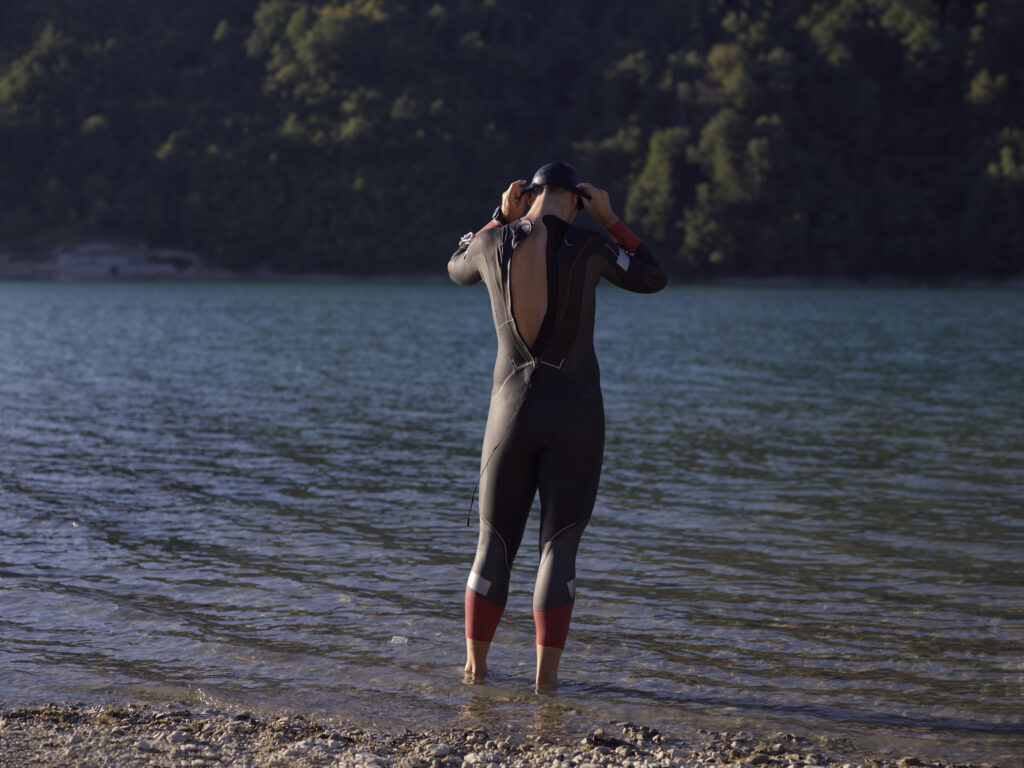

Scotland offers some of the world’s most spectacular natural swimming locations, from crystal-clear Highland lochs to rushing river pools and secluded coastal bays. The country’s diverse landscape provides countless opportunities for wild swimming enthusiasts, whether they seek the tranquil waters of famous lakes or the invigorating experience of mountain streams.
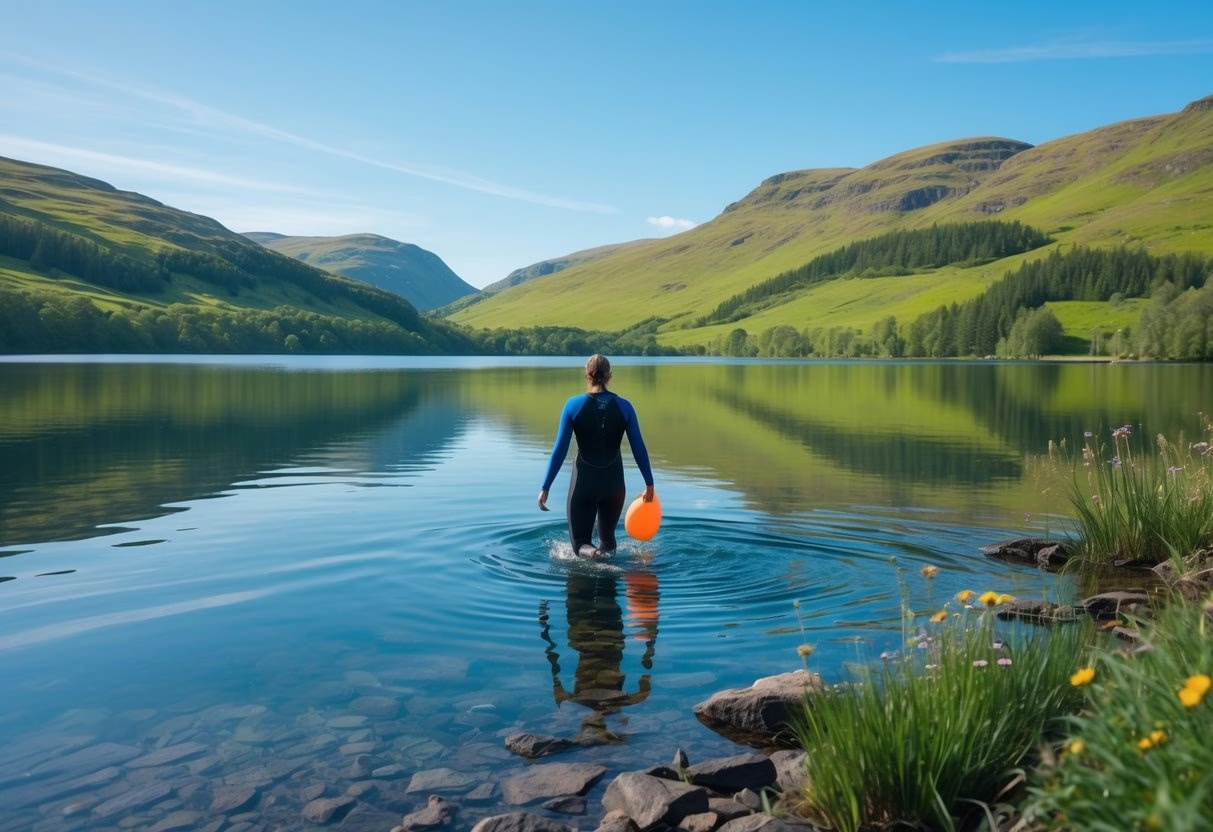
Wild swimming in Scotland encompasses everything from easily accessible spots near major cities like Edinburgh and Glasgow to remote Highland gems that require a proper hike to reach. The practice has grown enormously in popularity, with swimmers discovering the mental and physical benefits of immersing themselves in Scotland’s pristine natural waters throughout the year.
This comprehensive guide covers the essential safety considerations, legal aspects, and best wild swimming locations across Scotland, including hidden spots that offer both adventure and stunning scenery. From planning the perfect swimming expedition to understanding what makes each location special, readers will discover how to safely enjoy Scotland’s remarkable aquatic landscapes whilst respecting the environment and local communities.
Understanding Wild Swimming in Scotland
Wild swimming involves entering natural bodies of water like lochs, rivers, and coastal areas without heated facilities or artificial pools. Scotland’s cold waters and dramatic landscapes create unique challenges and rewards that distinguish this activity from conventional swimming.
What Is Wild Swimming?
Wild swimming refers to swimming in natural outdoor water bodies rather than artificial pools or heated facilities. This includes lochs, rivers, burns, coastal waters, and tarns found throughout Scotland’s diverse landscapes.
The activity emphasises connection with nature and acceptance of natural water conditions. Swimmers enter waters at ambient temperatures without artificial heating or chemical treatment. Wild swimming Scotland encompasses everything from gentle loch paddling to challenging river currents.
Unlike pool swimming, wild swimming requires environmental awareness. Water temperatures rarely exceed 15°C even in summer. Conditions change with weather, seasons, and location.
The practice differs from recreational beach swimming through its focus on immersion in wilder, often remote locations. Swimmers seek pristine waters away from crowds and commercial facilities.
History and Popularity of Wild Swimming
Wild swimming has ancient roots in Scotland, with Highland communities traditionally using lochs and rivers for bathing and cleansing rituals. Victorian era sea bathing popularised cold water immersion for health benefits.
The modern wild swimming revival began in the early 2000s. Books like “Waterlog” by Roger Deakin sparked renewed interest in natural water swimming across Britain.
Staycations during recent years significantly boosted participation. More people discovered local swimming spots rather than travelling abroad. Social media sharing of scenic swimming locations accelerated this trend.
The Outdoor Swimming Society reports membership growth of over 300% since 2010. Scotland’s accessibility and stunning locations make it particularly attractive to wild swimming enthusiasts.
COVID-19 restrictions further increased popularity as people sought safe outdoor activities. Wild swimming offered exercise, mental health benefits, and social distancing compliance.
Benefits of Outdoor Swimming
Outdoor swimming provides significant physical and mental health advantages beyond conventional pool exercise. Cold water immersion triggers the release of endorphins, creating natural mood enhancement and stress reduction.
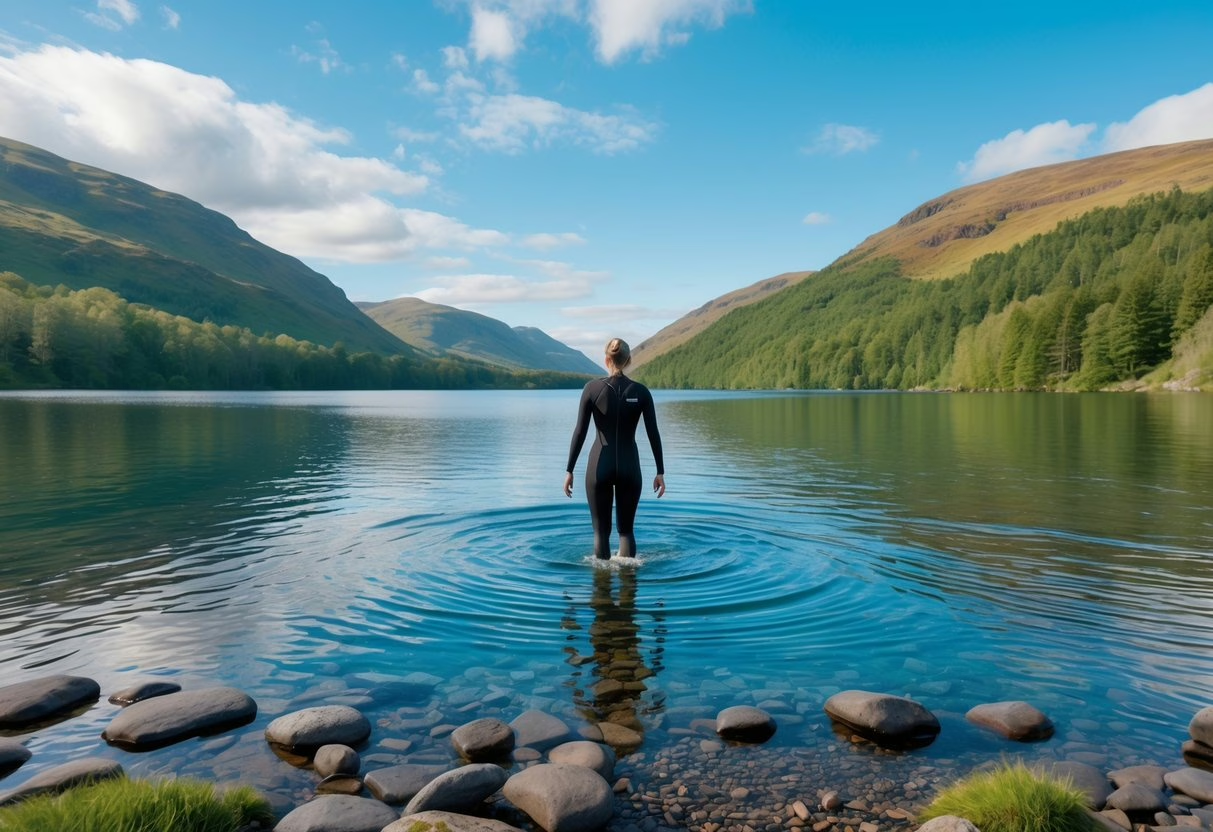
Regular cold water exposure improves circulation and boosts immune system function. The body adapts to temperature variations, increasing resilience to seasonal illnesses.
Mental health benefits include reduced anxiety and depression symptoms. The meditative qualities of natural water environments promote mindfulness and present-moment awareness.
Swimming in natural currents and varying depths builds functional strength and balance. Unlike pool swimming, wild swimming engages stabilising muscles through constant environmental adaptation.
The social aspect creates community connections. Regular wild swimmers often form supportive groups that encourage newcomers and share safety knowledge.
Environmental benefits include increased nature appreciation and conservation awareness. Wild swimmers become advocates for water quality protection and habitat preservation.
Safety Guidelines and Legal Considerations
Wild swimming in Scottish lakes and rivers requires careful attention to safety protocols and understanding your legal rights. Cold water temperatures and unpredictable conditions make proper preparation essential for any swimming adventure.
General Safety Precautions
Never swim alone in Scottish waters. Always bring a swimming partner or inform someone of your planned route and expected return time.
Check water conditions before entering. Fast-flowing rivers can sweep swimmers downstream, whilst shallow water can deepen suddenly without warning.
Essential safety equipment includes:
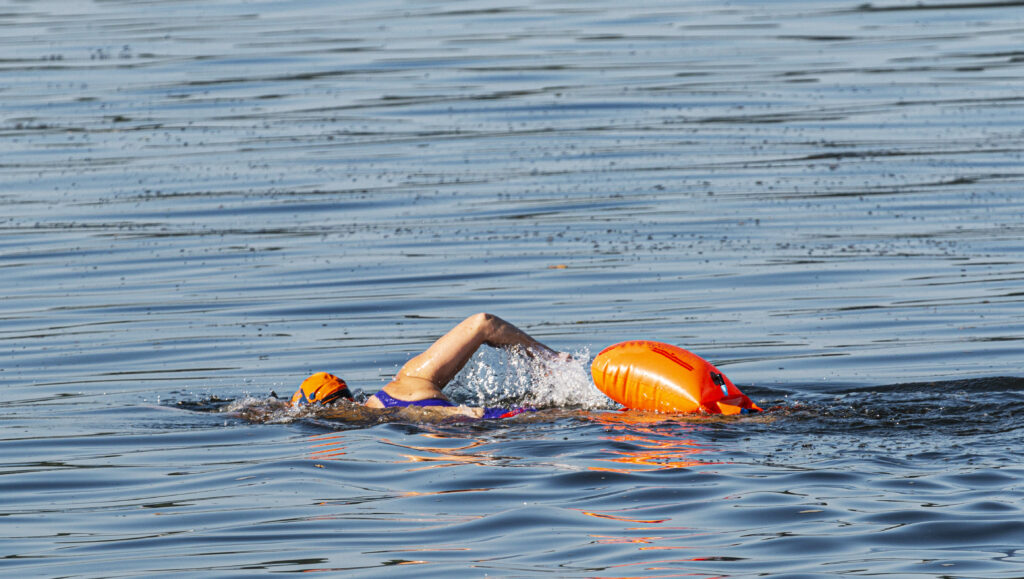
- Bright swimming cap for visibility
- Whistle attached to your wrist
- Waterproof bag for belongings
- Emergency contact details
Cold water reduces swimming ability significantly, with most swimmers managing only one-tenth their normal pool distance. Plan shorter swims than usual.
Avoid jumping or diving into unknown waters. Depths can change seasonally, and hidden rocks or debris may cause serious injury.
Water quality concerns include blue-green algae blooms and Weil’s disease from contaminated urban waterways. Stay away from stagnant pools and rivers near populated areas after heavy rainfall.
Dealing with Cold Water Shock
Cold water shock poses the greatest danger to wild swimmers in Scotland. The involuntary gasp reflex can cause drowning within seconds of entering water below 15°C.
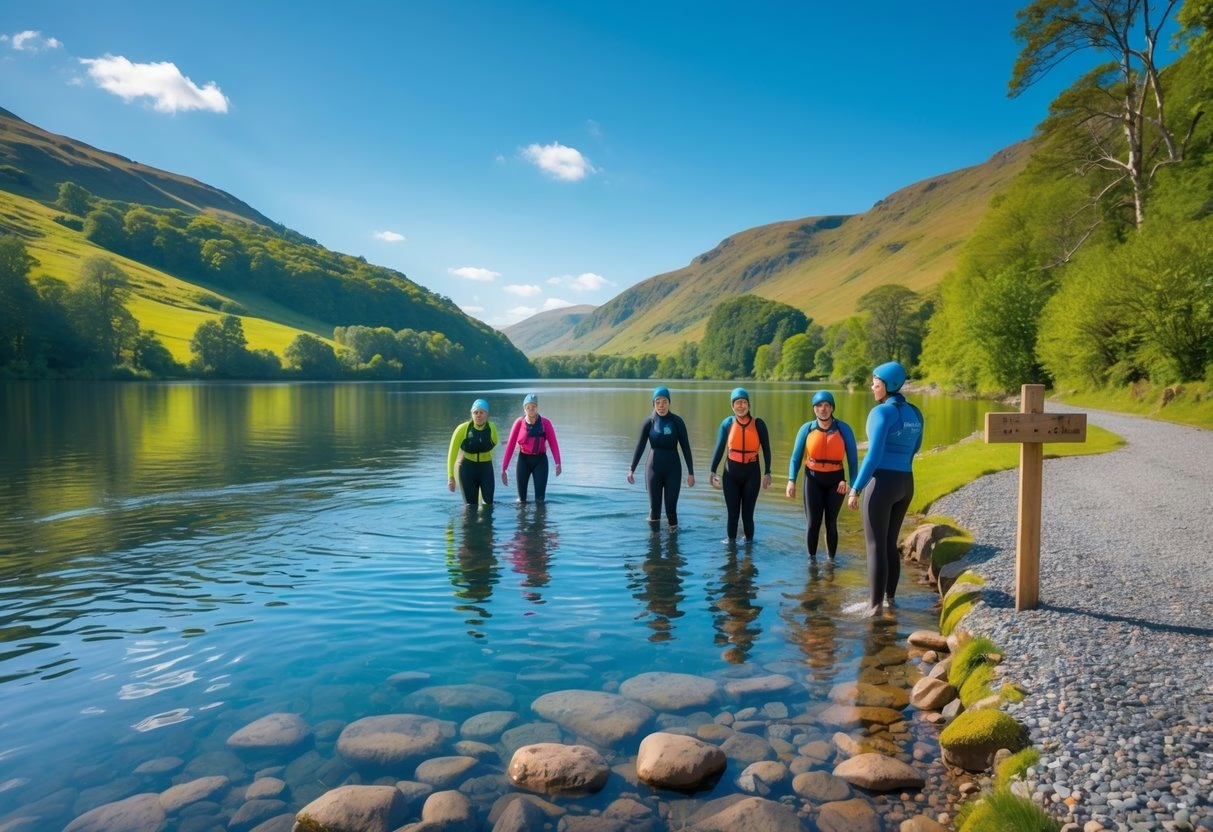
Enter water gradually to allow your body to acclimatise. Wade in slowly rather than jumping, even if you’re an experienced swimmer.
Cold shock triggers an immediate rise in heart rate and breathing difficulties. This reaction is strongest during the first few minutes of exposure.
Warning signs of hypothermia:
- Uncontrollable shivering
- Confusion or slurred speech
- Loss of coordination
- Blue lips or fingertips
Exit the water immediately when shivering begins. Warm up through active movement like press-ups or running, combined with dry clothing.
Consider a wetsuit for extended swimming sessions. Even experienced wild swimmers should limit time in Scottish waters during colder months.
Access Rights and Scottish Outdoor Access Code
Scotland’s Land Reform Act provides extensive wild swimming access rights under the Scottish Outdoor Access Code. You can swim in most rivers, lochs, and coastal waters legally.
Key principles for responsible access:
- Take personal responsibility for your safety
- Respect people’s privacy and property
- Care for the natural environment
- Follow guidance from land managers
Some restrictions apply near private estates during stalking season (August to October). Check local notices and respect temporary access limitations.
Avoid swimming near:
- Water treatment facilities
- Private fishing beats during fishing seasons
- Nature reserves with specific wildlife restrictions
- Areas marked with safety warnings
Clean up after yourself and avoid disturbing wildlife, particularly during nesting seasons. Park considerately and use established paths where possible.
The code emphasises that whilst you have the right to access most waters, riparian owners may have specific concerns about their property that require respectful behaviour from swimmers.
Iconic Lakes for Wild Swimming
Scotland’s most famous lochs offer spectacular wild swimming experiences, from the accessible shores of Loch Lomond to the mountain-backed waters of Loch Morlich and the remote beauty of Loch Maree.
Loch Lomond and Milarrochy Bay
Loch Lomond stands as Scotland’s largest freshwater loch and ranks among the most iconic wild swimming locations in the country. The loch stretches 39 kilometres from north to south, offering numerous entry points for swimmers of all abilities.
Milarrochy Bay provides one of the finest swimming spots on the eastern shore. This sheltered bay features a sandy beach and gradual entry into clear waters.
The bay offers excellent facilities for wild swimmers:
- Car park: Large parking area with toilets
- Beach type: Sandy with pebble sections
- Water depth: Gradual deepening, perfect for beginners
- Facilities: Picnic tables and nearby café
Water temperatures remain cold year-round, typically ranging from 4°C in winter to 16°C in summer. The southern section of the loch tends to be slightly warmer than the northern reaches.
Milarrochy Bay faces west, making it ideal for evening swims with stunning sunset views across the water. The Trossachs National Park setting provides a dramatic backdrop of wooded hills and mountains.
Loch Morlich in the Cairngorms
Loch Morlich offers relatively shallow waters perfect for first-time wild swimmers or those seeking easy access swimming. Located within the Cairngorms National Park, this glacial loch sits at 330 metres above sea level.
The loch spans 1.5 kilometres in length and maintains a maximum depth of just 4 metres. Its shallow nature means water temperatures warm more quickly during summer months.
Key features for swimmers:
- Sandy beaches: Multiple entry points around the shoreline
- Watersports centre: Equipment hire and lessons available
- Café facilities: Hot drinks and food for post-swim warming
- Lifeguard presence: Summer supervision at main beach area
The Glenmore Forest Park surrounds the loch, creating a sheltered environment that reduces wind exposure. Ancient Caledonian pines frame the water, whilst the Cairngorm mountains provide a spectacular backdrop.
Parking costs £3 for four hours at the main car park. The beach area includes changing facilities and shower blocks, making it one of Scotland’s most accessible wild swimming venues.
Water quality remains excellent due to the loch’s protected location within the national park.
Loch Maree in the Highlands
Loch Maree represents wild swimming at its most dramatic, stretching 20 kilometres through the heart of the Scottish Highlands. This pristine loch contains some of Scotland’s cleanest water, fed entirely by mountain streams and rainfall.
Victorian Lodge area provides the most popular swimming access point. Queen Victoria once stayed nearby, giving this section its name.
The loch’s key characteristics include:
- Water temperature: Consistently cold, rarely exceeding 12°C
- Visibility: Exceptional clarity up to 8 metres depth
- Surroundings: Ancient Caledonian forest and Torridon mountains
- Wildlife: Red deer, golden eagles, and otters frequent the area
Safety considerations are crucial at Loch Maree. The water remains extremely cold throughout the year, and the remote location means mobile phone coverage is limited.
Beinn Eighe National Nature Reserve encompasses the southern shore, protecting Britain’s oldest surviving fragment of Caledonian forest. This creates an untouched wilderness atmosphere unmatched by more accessible lochs.
The loch contains several small islands, including Isle Maree, which features ancient burial grounds and Celtic ruins. Strong swimmers can attempt the 200-metre crossing to the nearest island, though this requires significant cold water experience.
Parking is available at several lay-bys along the A832, though facilities remain minimal in keeping with the area’s wild character.
Best Rivers for Wild Swimming Adventures
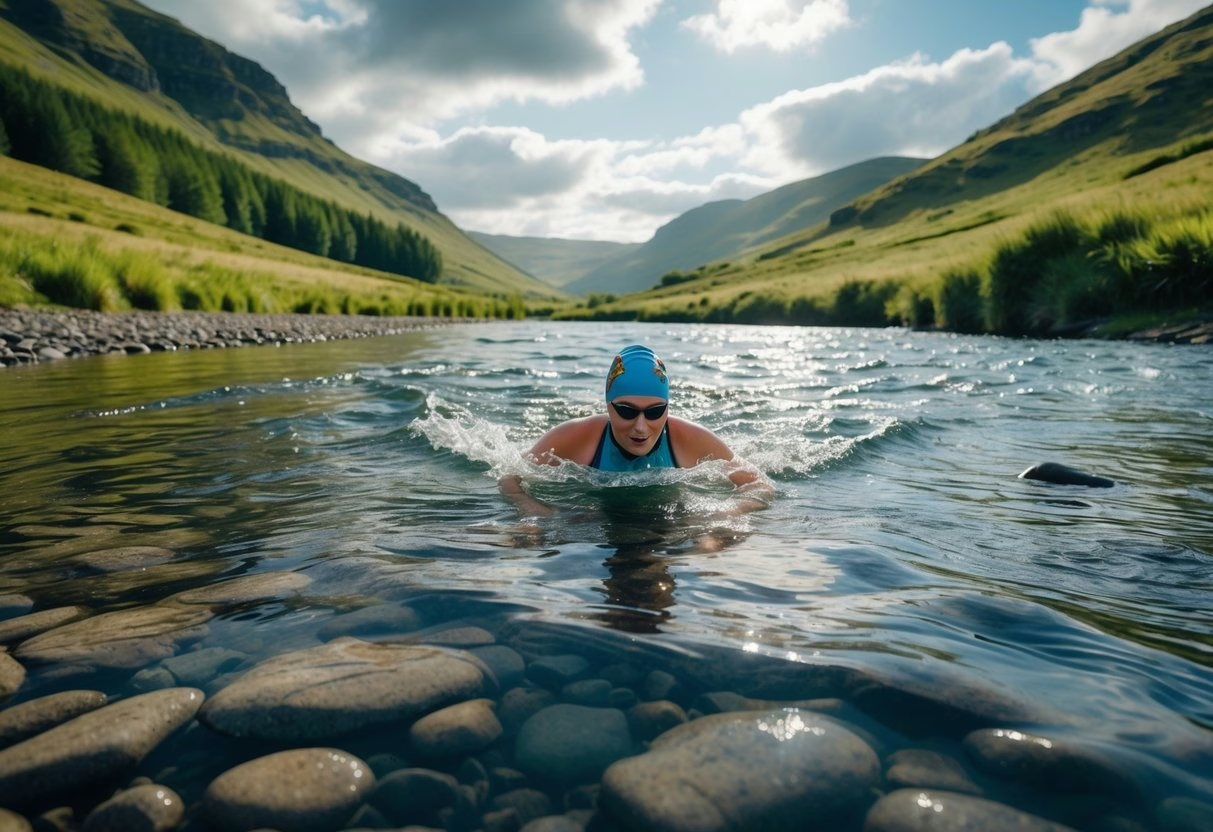
Scotland’s rivers offer some of the most dramatic and refreshing wild swimming experiences in the UK. From crystal-clear Highland waters surrounded by towering peaks to Scotland’s longest river with structured swimming opportunities, these waterways provide unforgettable adventures for swimmers of all abilities.
River Etive in Glencoe
The River Etive in Glencoe flows through one of Scotland’s most spectacular Highland valleys. This river gained fame as part of the James Bond Skyfall filming location, making it a bucket-list destination for cinema enthusiasts.
Access and Location:
- Parking: Small car park near Ballachulish PH49 4JA
- Walk time: 20 minutes (approximately 1 mile)
- Grid reference: NN 19853 51304
The river features numerous natural pools carved into granite bedrock. These deep, clear pools provide excellent swimming spots with stunning mountain backdrops. The water remains cold year-round, so swimmers should prepare for bracing temperatures.
Swimming conditions vary throughout the year. Summer months offer the most comfortable experience, though the water never becomes truly warm. Rapids and currents can be strong during wet periods, so swimmers must assess conditions carefully before entering.
The surrounding landscape includes dramatic peaks and ancient Caledonian forest remnants. Wildlife sightings often include red deer, golden eagles, and various Highland bird species.
River Tay in Perthshire
The River Tay stands as Scotland’s longest river and offers excellent conditions for beginners to wild swimming. River Tay in Perthshire provides both structured learning opportunities and independent swimming experiences.
Willowgate Activity Centre serves as an ideal starting point:
- Location: PH2 7JU
- Parking: Adjacent to centre
- Facilities: Open water swimming sessions and courses
The centre offers guided sessions for newcomers to wild swimming. Experienced instructors teach safety techniques, cold water acclimatisation, and proper entry methods. These structured programmes help build confidence before attempting solo swims.
River conditions along the Tay include:
- Gentle currents in most sections
- Sandy and pebbly bottom areas
- Good visibility in most weather
- Multiple access points along the river
Independent swimmers can explore various spots along the river’s length. Popular locations include areas near Perth, where the river widens and offers calmer conditions. The water quality remains consistently good throughout most sections.
Falls of Falloch and West Highland Way
The Falls of Falloch represents one of the UK’s most scenic wild swimming destinations. This spectacular waterfall and pool combination sits directly beside the famous West Highland Way hiking route.
Practical Information:
- Parking: Falls of Falloch car park off A82, FK20 8RL
- Access: Direct from car park
- Grid reference: NN 33491 20784
The main swimming pool sits beneath a dramatic 30-foot waterfall. Crystal-clear water cascades into a deep, circular pool surrounded by moss-covered rocks and native woodland. The setting provides an almost magical swimming experience.
Water conditions require consideration. The pool maintains very cold temperatures throughout the year due to the constant waterfall flow. Depths vary from shallow edges to approximately 8 feet in the centre. Current strength depends on recent rainfall levels.
The location’s popularity means busy periods during summer weekends. Early morning visits often provide more peaceful experiences. The West Highland Way brings regular foot traffic, but most hikers simply admire the falls without swimming.
Safety considerations include slippery rocks around the pool edges. The waterfall creates strong currents near the cascade entry point. Swimmers should enter from the calmer downstream section and avoid the immediate waterfall area.
Coastal and Beach Wild Swimming Locations
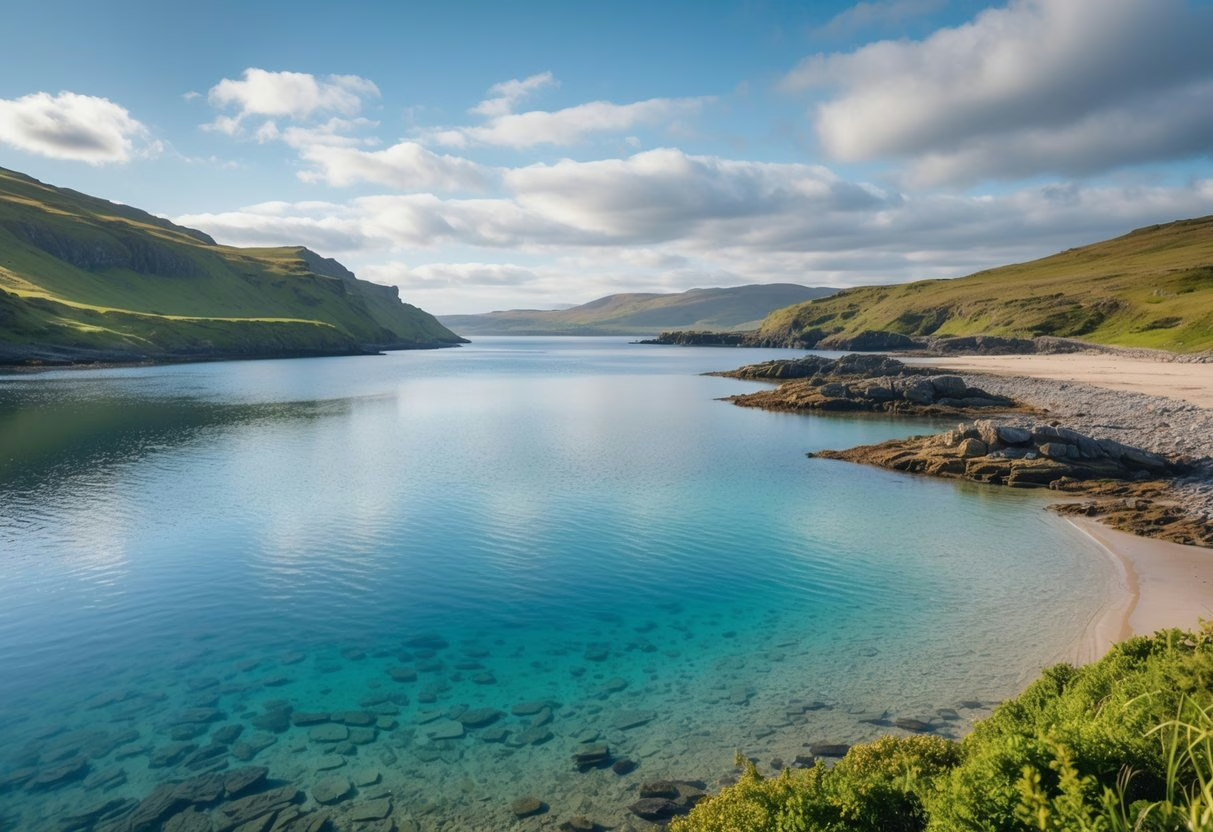
Scotland’s coastline offers swimmers access to invigorating sea waters with sandy beaches and dramatic backdrops. These locations provide easier entry points than rocky shores and often include nearby facilities for post-swim warming.
Portobello Beach, Edinburgh
Portobello Beach sits just three miles from Edinburgh’s city centre, making it Scotland’s most accessible coastal swimming spot. The wide sandy beach provides gentle entry into the Forth’s waters year-round.
Regular cold water swimmers gather near the promenade, creating a welcoming community for newcomers. The beach’s gradual slope allows swimmers to acclimatise slowly to the typically cool temperatures.
Key Features:
- Access: Direct bus routes from Edinburgh city centre
- Facilities: Promenade cafés, public toilets, parking on Bridge Street
- Water conditions: Sheltered bay with predictable waves
The surrounding area offers plenty of warming options after swimming. Local establishments understand wild swimmers’ needs and provide hot drinks and shelter.
Edinburgh’s skyline creates a unique urban wild swimming backdrop. The beach maintains its appeal across all seasons, though summer brings warmer air temperatures for more comfortable changing.
Rosemarkie Beach and Fortrose
These twin beaches on the Black Isle provide excellent coastal swimming in the Moray Firth. Rosemarkie Beach offers a long stretch of golden sand with clear water entry points.
The beaches face south across the firth, receiving maximum sunlight during summer months. This positioning helps warm both the air and shallow water areas compared to more exposed northern beaches.
Swimming Conditions:
- Water clarity: Excellent visibility in calm conditions
- Entry: Gentle sandy slope
- Shelter: Natural protection from prevailing winds
Fortrose Beach connects to Rosemarkie, creating an extended swimming area. Swimmers can explore different sections depending on tide conditions and wind direction.
Both locations provide ample space for post-swim activities. The beaches rarely become overcrowded, ensuring peaceful swimming experiences even during peak tourist seasons.
Luskentyre and Seamill Beach
Luskentyre Beach on the Isle of Harris delivers world-class coastal swimming in turquoise waters. The pristine white sand and crystal-clear Atlantic create an almost tropical appearance despite Scottish temperatures.
Strong tides and currents require careful timing for safe swimming. Check local tide tables and swim during slack water periods for optimal conditions.
Essential Information:
- Best swimming: 2 hours either side of high tide
- Water temperature: 8-14°C year-round
- Facilities: Limited – bring all supplies
Seamill Beach on the Ayrshire coast provides a more accessible alternative with similar scenic appeal. The beach offers reliable swimming conditions and easier logistics for day trips.
Both locations suit experienced swimmers comfortable with cooler temperatures and changing maritime conditions. Their remote beauty makes them perfect for staycations focused on wild swimming adventures.
Hidden Gems and Scenic Spots
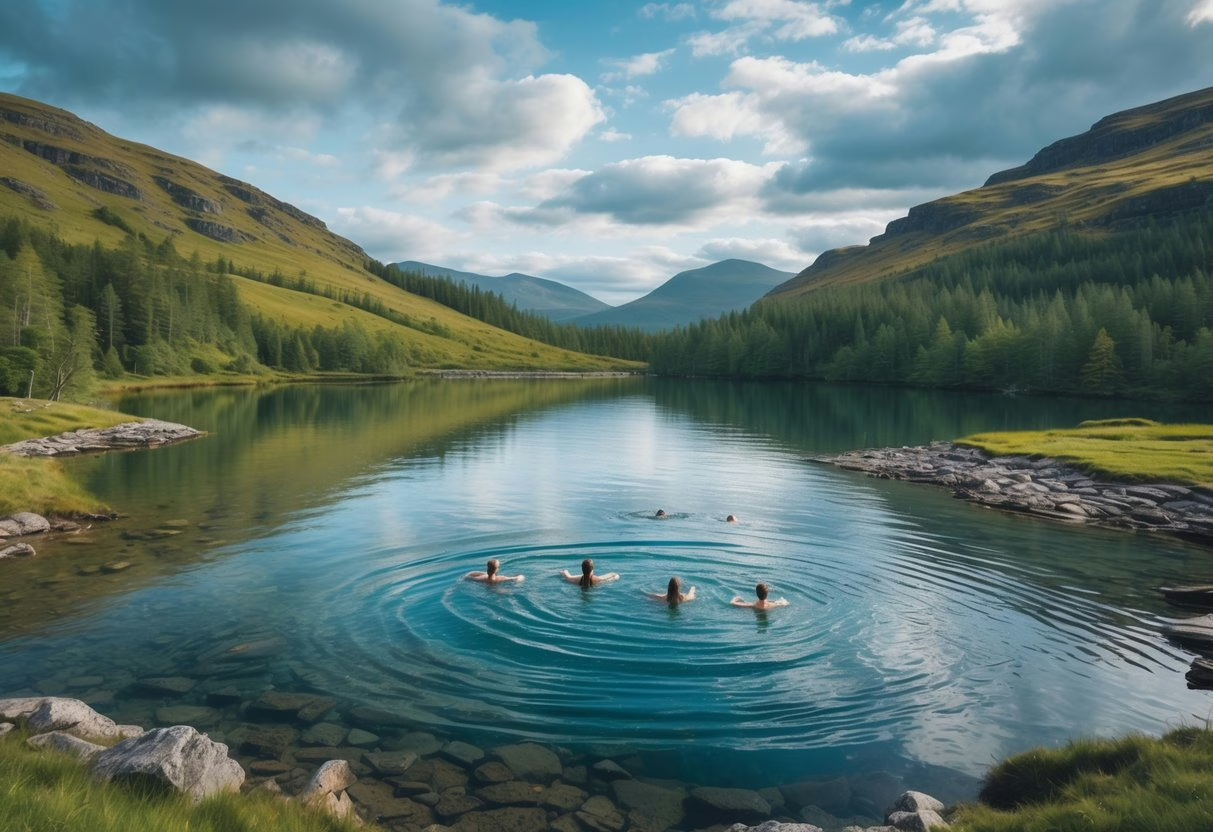
Scotland’s most enchanting wild swimming locations combine crystal-clear waters with dramatic landscapes, from the famous cascading pools on the Isle of Skye to hidden quarries and remote waterfalls. These spots offer swimmers breathtaking natural beauty alongside refreshing Highland waters.
Fairy Pools, Isle of Skye
The Fairy Pools represent Scotland’s most photographed wild swimming destination. These crystal-clear pools sit beneath the Cuillin Mountains on the Isle of Skye.
The pools form naturally along the Brittle River. Each pool connects through small waterfalls and rocky cascades. The water maintains a bright blue-green colour throughout the year.
Key Features:
- Multiple pools of varying depths
- Water temperature: 8-12°C year-round
- 2.4km walk from car park
- Rocky entry points
The largest pool reaches approximately 2 metres deep. Swimmers can move between different pools during one visit. The mountain backdrop creates stunning photo opportunities.
Access requires a moderate walk across moorland terrain. The path can become muddy during wet weather. Car parking fills quickly during summer months.
Best visiting times: Early morning or late afternoon to avoid crowds. Spring offers clearer water visibility than autumn.
Easdale and Quarry Pools
Easdale’s abandoned slate quarries have filled with rainwater over decades. These stunning spots for wild swimming offer unique geological swimming experiences.
The main quarry pool measures roughly 50 metres across. Water depth reaches 10-15 metres in the centre. Slate walls create natural diving platforms at various heights.
Pool characteristics:
- Water type: Fresh rainwater
- Clarity: Excellent visibility
- Temperature: 10-14°C in summer
- Entry: Rocky ledges and steps
The quarry walls shelter swimmers from wind. This creates calmer conditions than open lochs. The slate bottom appears dark blue-black underwater.
Easdale island requires a short ferry crossing from Seil Island. The ferry operates daily but has limited evening services. Several quarries offer different swimming experiences across the small island.
Local facilities include a small café and visitor centre. Wild camping is not permitted on the island.
Eas Chia-aig Waterfall
Eas Chia-aig creates one of Scotland’s most dramatic waterfall swimming spots. The 40-metre cascade plunges into a deep circular pool near Loch Arkaig.
The plunge pool measures approximately 15 metres across. Water depth exceeds 3 metres throughout most of the pool. Rocky ledges provide entry points on the eastern side.
Location details:
- Access: 1.6km forest walk
- Parking: Forestry car park off A82
- Water source: Highland stream
- Surroundings: Ancient Caledonian pine forest
The waterfall creates constant movement in the pool. This prevents stagnation but creates stronger currents near the falls. Swimmers should stay away from the immediate waterfall area.
Forest paths can become slippery when wet. The walk involves some steep sections and uneven terrain. Tree roots and rocks require careful footing.
Safety considerations: The pool’s depth and remote location require strong swimming abilities. Mobile phone reception remains patchy in this Highland glen.
Wild Swimming Near Stirling and Surrounds
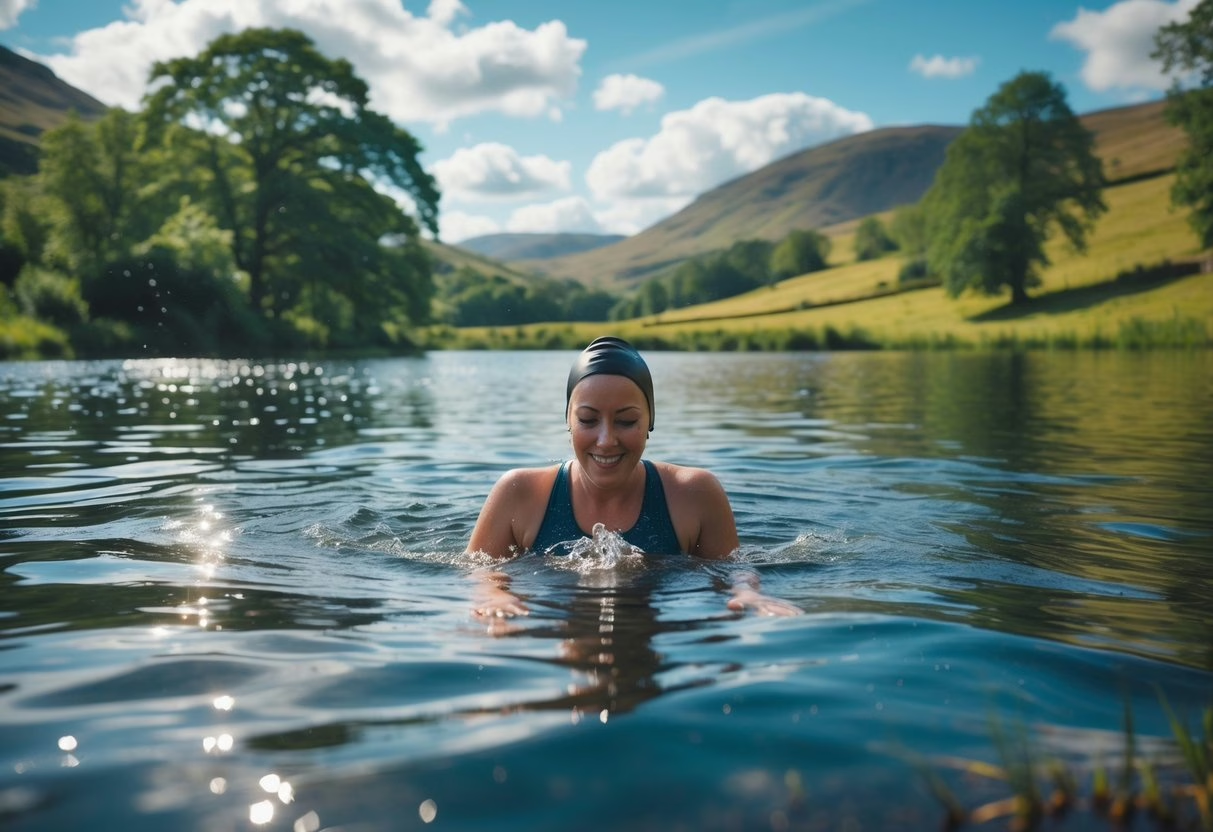
The Stirling area offers some of Scotland’s most accessible wild swimming locations, with pristine lochs set amongst dramatic Highland scenery. These waters provide year-round swimming opportunities within easy reach of central Scotland’s urban areas.
Loch Ard and Aberfoyle
Loch Ard sits at the heart of the Trossachs, just 20 minutes from Aberfoyle village. The loch stretches for 3 miles through ancient woodland and offers multiple entry points along its shoreline.
Best Access Points:
- Car park at the eastern end near Kinlochard
- Forestry Commission paths along the northern shore
- Small beach areas near the Altskeith burn inlet
The water temperature ranges from 4°C in winter to 16°C during summer months. Swimmers should be aware of occasional boat traffic during weekends.
The loch’s southern shore provides the most sheltered swimming conditions. Rocky outcrops create natural changing areas and sun traps for warming up afterwards.
Forest tracks make this location accessible for families. The nearby Aberfoyle village offers cafes and facilities for post-swim refreshments.
Loch Venachar
Loch Venachar forms part of the Trossachs trail between Callander and Brig o’ Turk. This 4-mile long loch provides excellent wild swimming in relatively shallow waters.
Key Features:
- Average depth of 12 metres
- Sandy bottom in most areas
- Good road access via A821
- Car parking at multiple locations
The loch’s western end near Brig o’ Turk offers the most comfortable entry points. Gentle slopes and pebble beaches make it ideal for novice wild swimmers.
Water clarity remains excellent throughout most of the year. The loch sits at 100 metres above sea level, providing stunning mountain views whilst swimming.
Strong winds can create choppy conditions during winter months. Swimmers should check weather forecasts before visiting between November and March.
Wild Swimming Stirling Highlights
Wild swimming near Stirling includes Scotland’s only natural lake, the Lake of Menteith. This unique water body sits south of Callander and provides year-round swimming opportunities.
Popular Stirling Area Locations:
- Lake of Menteith (Scotland’s only lake)
- River Forth near Gargunnock
- Loch Katrine (northern access points)
- Carron Valley Reservoir
The Lake of Menteith offers the warmest water temperatures in the region. Its shallow depth and southern exposure create ideal conditions for extended swimming sessions.
Accessing Stirling’s wild swim spots by public transport has become increasingly popular. Regular bus services connect Stirling city centre to most major swimming locations.
Local wild swimming coaching in Stirling provides guided sessions for beginners. These supervised swims focus on safety and technique development in controlled environments.