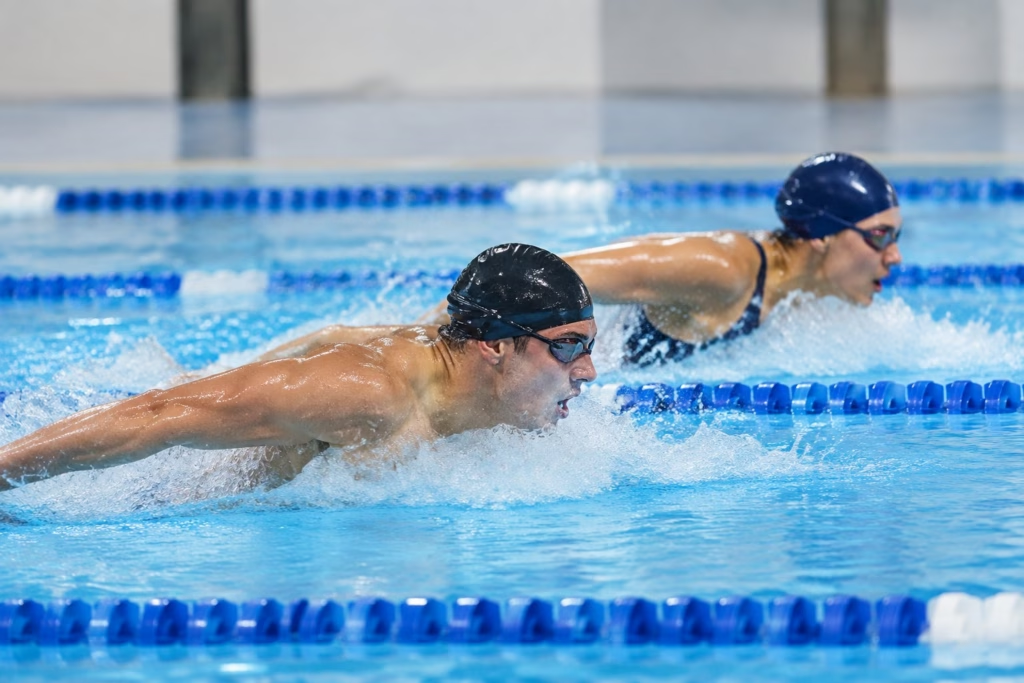
You do not need a particular frame to swim well, and you cannot swim your way into a skeleton you were not born with. A swimmer body is a lean, strong build with broad shoulders, a well-developed back and low-to-moderate body fat, shaped partly by inherited proportions and partly by years of steady training. Training builds the muscle. Genetics decide the bone lengths underneath it.
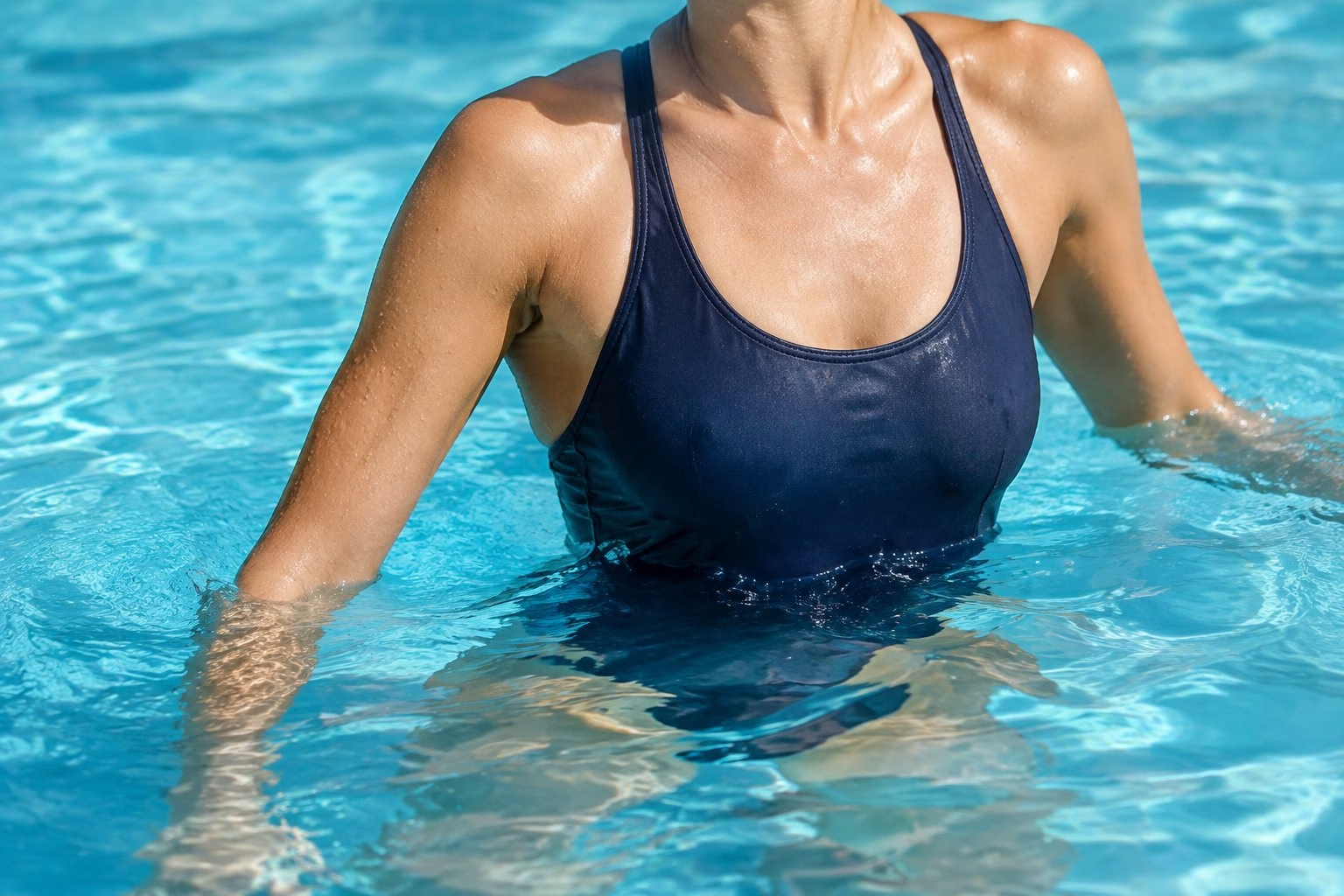
Many people see Olympic finalists on poolside and assume the pool created those long arms and tall frames. That is only half true. Elite squads are full of people who were tall and long-limbed before they trained, and coaches picked them because of it. The shoulders and back they show off came from thousands of hours in the water.
Once you can separate the traits you can change from the ones you cannot, you can set sensible goals and train for strength, speed and health. If you are ready to start, our complete guide to swimming for fitness for beginners is a friendly place to take your first lengths.
What Defines the Classic Swimming Physique?
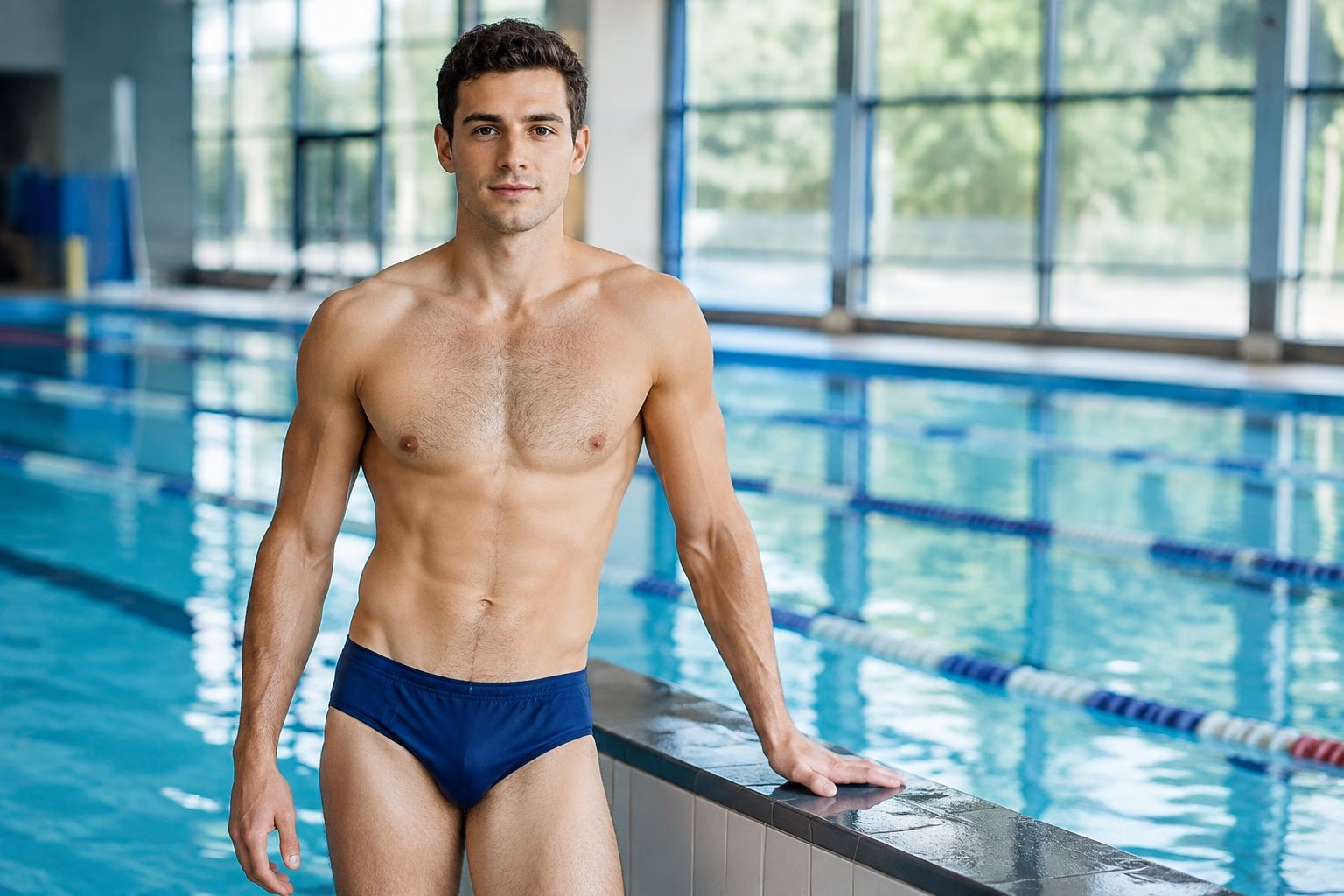
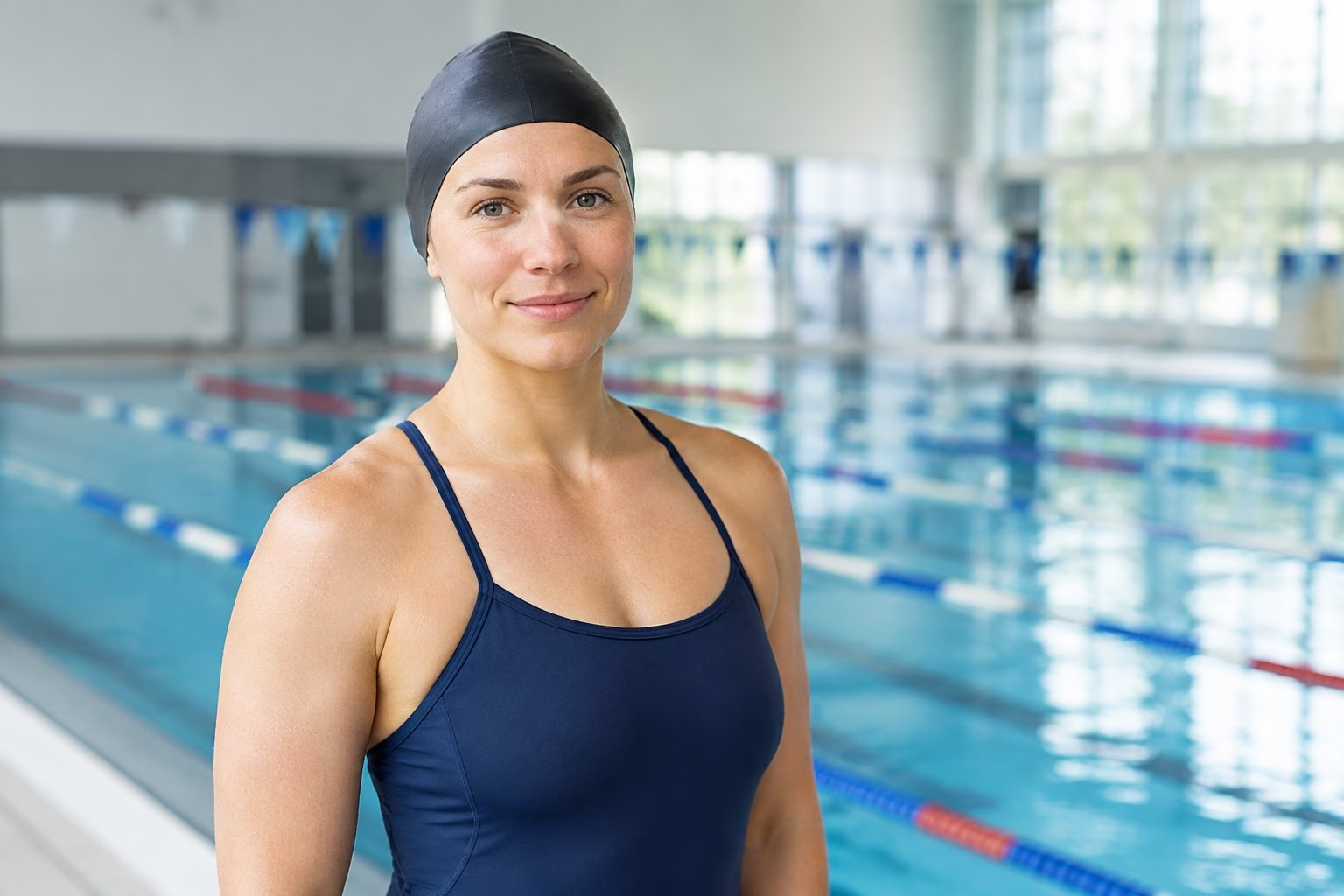
The classic swimmer physique is a V-shape: wide shoulders and large lats tapering to slim hips, with lean muscle and little excess fat. The upper body carries most of the visible development because it produces most of the pull in every stroke, while body fat levels vary more than photos suggest.
Why Are Broad Shoulders and a Strong Back So Common?
Every freestyle, backstroke and butterfly stroke asks your arms to catch the water overhead and pull it back past your hips. You repeat that motion hundreds of times in a single session. Over months, the muscles doing that work grow.
Four muscles do most of the job:
- Latissimus dorsi (lats): the big fan-shaped muscles down the sides of your back. They drive the pull and create the V-taper.
- Deltoids: the rounded caps of your shoulders, which lift and steer the arm.
- Trapezius: the upper back muscle that steadies your shoulder blades.
- Triceps: the back of your upper arm, which finishes each stroke with a push.
A shoulder and elbow specialist quoted by U.S. Masters Swimming points out that the repetitive overhead movements concentrate muscle development in the upper body. In practice, you will notice your shirts fitting tighter across the back before you see changes anywhere else.
Some of that width is bone, though. Swimmers with naturally broad shoulders and a long collarbone start with a wider frame. Training adds muscle to it; it does not widen the skeleton.
What Do Lean Muscle and Body Fat Actually Tell You?
Swimmers carry lean muscles with a long, smooth look. Big, bulky muscle adds drag in the water, so the sport rewards strength without excess size. That is why a male swimmer’s body looks different from a bodybuilder’s, even when both are very strong.
Body fat percentage is where the myth gets shaky. Water supports your weight, and a little fat helps you float and stay warm, so plenty of fast swimmers are not shredded. Distance and open-water swimmers in particular often carry more fat than sprinters.
Visible abs come from low body fat, which depends heavily on food and genetics. Swimming burns calories and trains your core, but if you want the lean look, the kitchen will have as much say as the pool. For a closer look at how muscle builds in water, see can you build lean muscle swimming.
Which Physical Traits Are Inherited, and Do They Determine Speed?
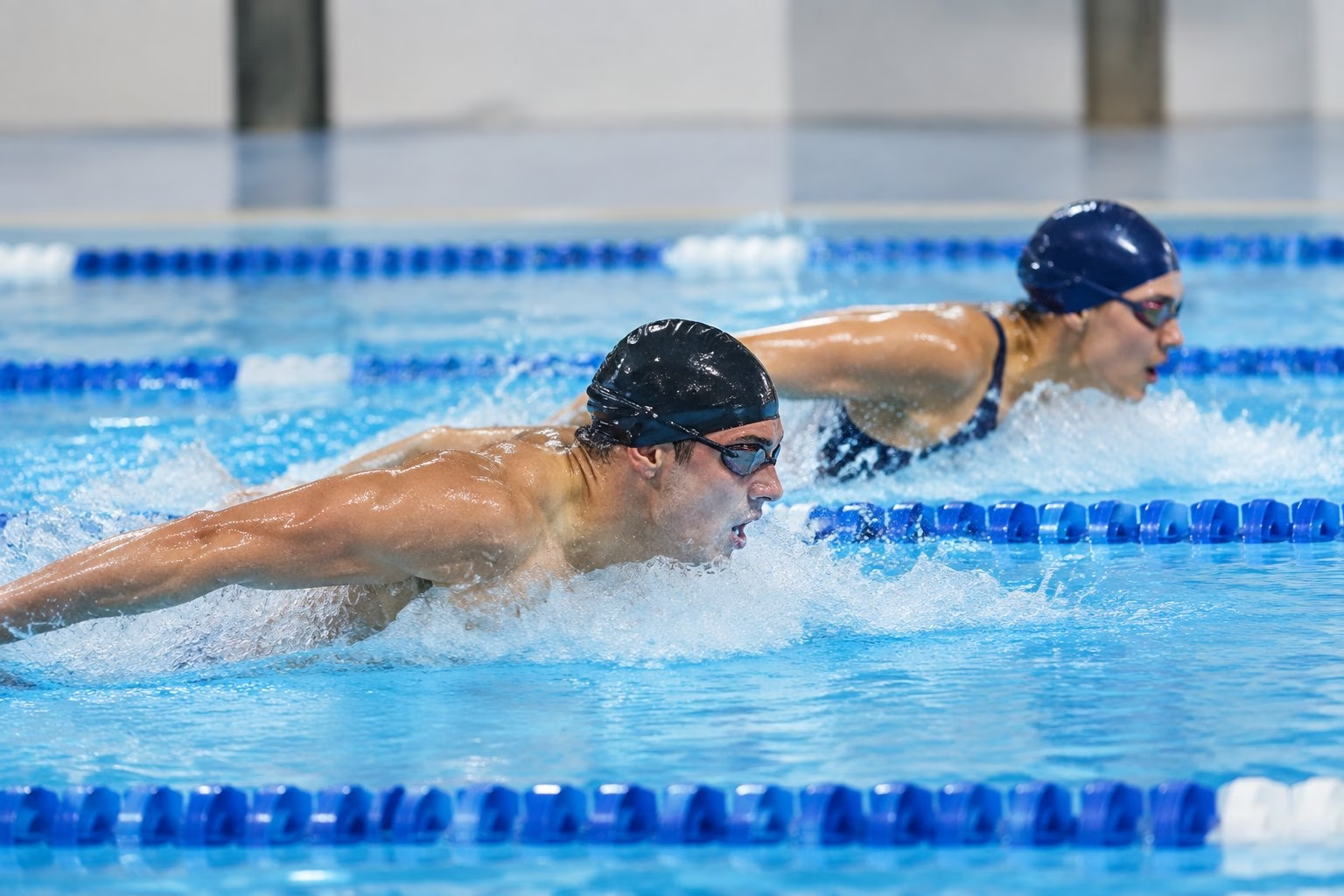
Height, limb length, torso length and natural joint looseness are largely inherited, and they give some swimmers a real head start. Speed still depends on technique, fitness and years of work, and the best build changes from one stroke and distance to the next.
Research on families and twins, summarised by MedlinePlus, suggests genetic factors account for 30 to 80 percent of the differences between people in traits linked to athletic performance. The same summary stresses that coaching, money, access to facilities and family support shape success too.
How Do Torso Length, Wingspan and Balance Affect Movement in Water?
A long torso and arms paired with relatively short legs is the textbook elite shape. Each part helps in its own way.
| Trait | What it does in the water |
|---|---|
| Long torso | Moves your center of mass closer to your lungs, so you float flatter |
| Long wingspan | Lets you reach further and hold more water per stroke |
| Short legs | Kick quickly with less drag trailing behind you |
| Large hands and feet | Act like built-in paddles and fins |
Your lungs are your center of flotation. When your center of mass sits close to them, your hips and legs stay high with little effort. When it sits lower, your legs sink and you have to kick harder to stay level.
Michael Phelps is the famous example. He stands 6ft 4in with a wingspan reported at 6ft 7in and a torso sized like that of a much taller man. Nathan Adrian, at 6ft 6in, shows how common great height is among elite swimmers. Average height among 2016 Olympic finalists was about 1.88m for men and 1.76m for women.
If your legs sink, head position and core control fix a lot of it. Swimming drills focused on body position help you float flatter whatever your proportions.
Does Flexibility Matter More for Some Strokes?
Yes. Ankle flexibility is a big asset in freestyle, backstroke and butterfly. A loose ankle points further, so your foot works more like a flipper and pushes more water backwards.
Breaststroke asks for the opposite movement. You flex your foot upwards into an “L” shape and sweep water with the inside of your feet, so hip and knee mobility matter a lot here. Some strong breaststroke swimmers have quite stiff ankles in the pointed position.
Shoulder range helps every stroke. In backstroke and freestyle, flexible shoulders let you rotate while keeping hold of the water. Natural looseness is inherited, but regular stretching and a proper swimming warm up will improve your range over time.
Why Is There No Perfect Build for Every Swimmer?
A 50m freestyle sprint and a 1,500m race reward different bodies. Sprinters benefit from size and explosive power. Distance swimmers need efficiency and endurance, and many are smaller and lighter.
The “perfect swimmer body” is a useful picture for coaches scouting talent. It is a poor guide for you as a recreational or masters swimmer. Plenty of people outside the classic mould win age-group medals and swim superb technique.
You cannot change your bone lengths. You can change your catch, your kick, your streamline and your fitness, and those carry most swimmers far further than their proportions do.
How Does Swimming Change Your Body?
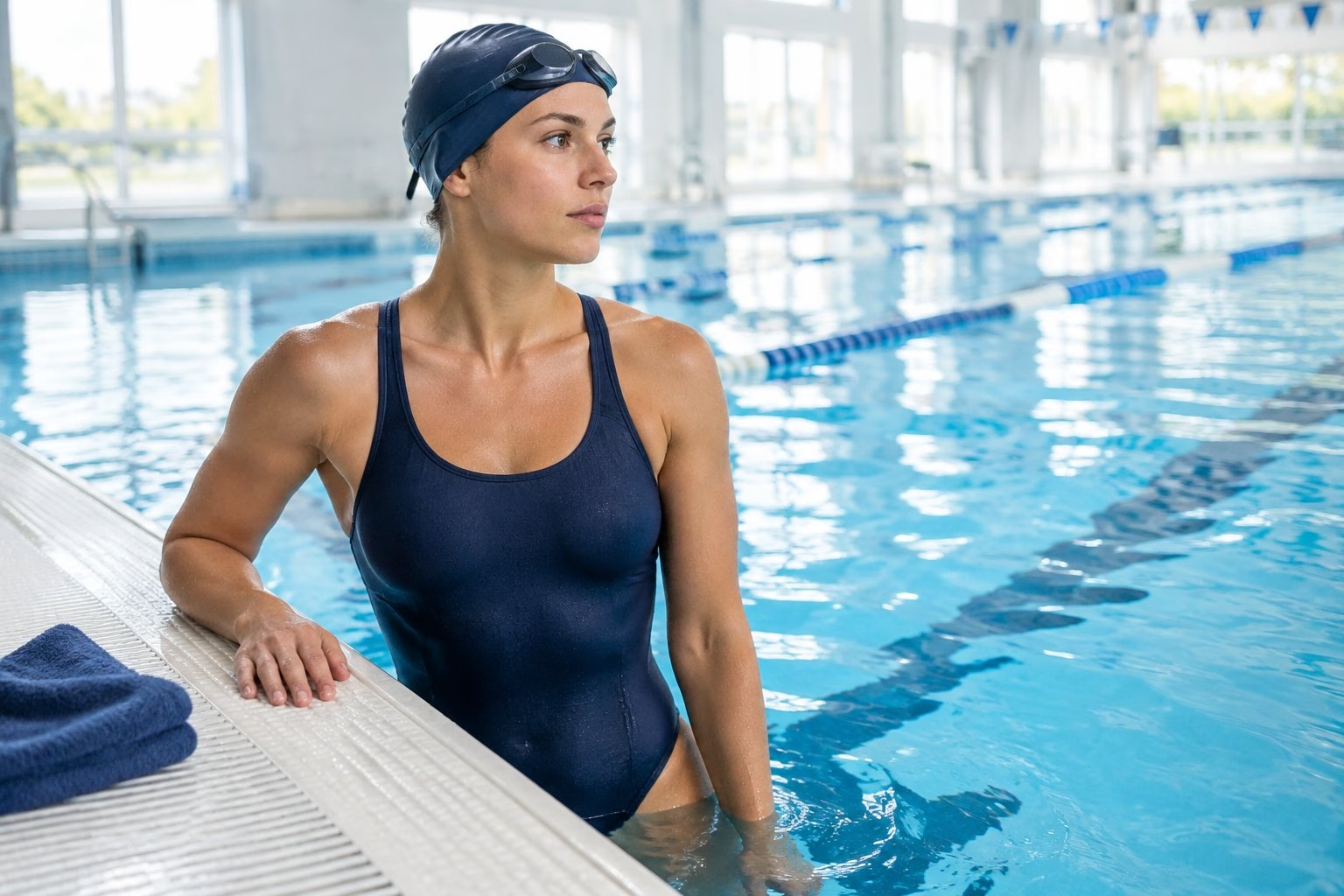
Regular swimming builds upper-body and core muscle, tones your legs, raises your fitness and improves shoulder mobility. The exact look you end up with depends on what you train, how much you train, and the body you started with.
Which Muscles Adapt to Regular Pool Training?
Your back and shoulders change first, since they do most of the pulling. Chest and triceps follow. Your core firms up because it holds your body line and powers rotation in every stroke.
Legs change too, just less dramatically. Pushing off walls and kicking work your glutes, quads, hamstrings and calves, giving them a lean, defined look.
Inside, the changes are bigger. Your heart and lungs grow more efficient, which lets you hold faster paces for longer. You can read more in our guide to how swimming improves your overall health and wellbeing.
How Do Sprinters and Distance Swimmers Differ?
Sprinters rely on fast-twitch muscle fibers, which contract powerfully but tire quickly. They tend to be heavier and more muscular. Caeleb Dressel, known for his explosive starts, is a clear example.
Distance swimmers lean on slow-twitch fibres that resist fatigue. Katie Ledecky dominates longer freestyle events with a leaner, endurance-built frame. Fibre makeup is partly genetically determined, though training shifts how those fibres perform.
Your training shapes you in the same direction. Lots of short, hard efforts with dryland power work add size. Long aerobic sets keep you lean. If distance events appeal to you, browse our long distance articles.
Do Women and Men Develop the Same Look?
Both develop strong backs, shoulders and cores, but women build less muscle mass on average because of hormonal differences. A woman who trains hard ends up athletic and toned, and the fear of “bulking up” from swimming is largely unfounded.
Olympic swimmers like Sarah Sjostrom and Katie Ledecky (both around 1.83m) and Simone Manuel show strong, lean builds. Earlier legends such as Mark Spitz look slimmer than today’s men, which reflects how much modern dryland training has added.
How Can You Build Strength for Swimming?
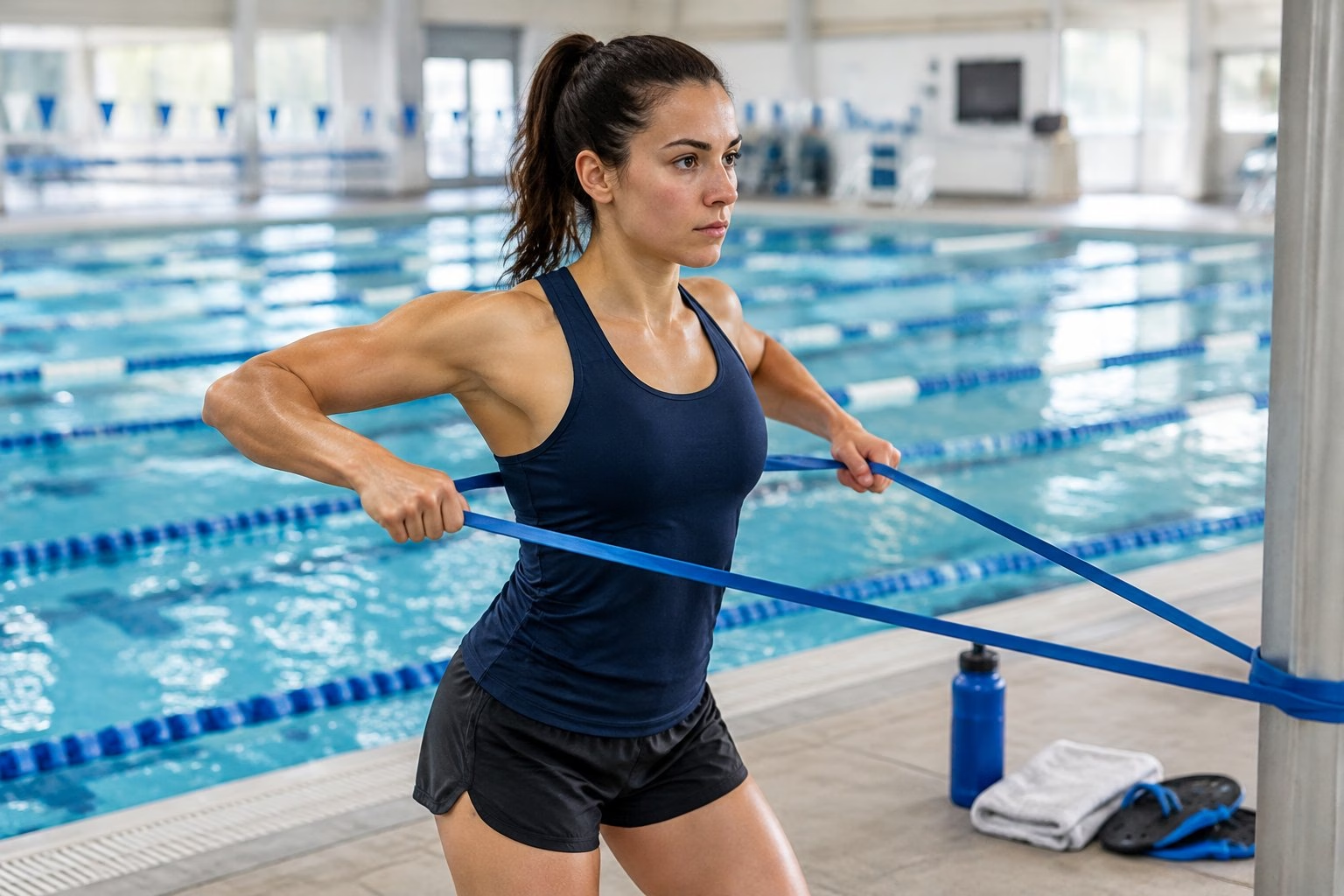
You build strength for swimming through regular, varied pool sessions, two or three short dryland workouts a week, and enough food and sleep to recover. None of these guarantees a particular look, but together they make you faster and more resilient.
What Can Consistent Pool Sessions Achieve?
Frequency beats occasional long sessions. Aim for three or four swims a week. A physiotherapist quoted in the USMS article notes that three or four lengths is nowhere near enough to feel the benefits.
Use the water’s resistance on purpose:
- Pull sets with paddles and a pull buoy load your lats and shoulders.
- Kick sets with a board or fins build leg strength. Our piece on swimming with fins covers how.
- Mixed strokes spread the work across more muscles.
- Hard intervals with short rest raise your fitness quickly.
A useful check: if your shoulders ache before your back tires, your pull is probably relying on the shoulder. Focus on pulling with your lats. For structured sessions, try swim workouts for intermediate swimmers.
Where Does Dryland Training Fit In?
Dryland training builds strength the water alone cannot. Two to three sessions a week works for most masters swimming and club swimmers, placed so they do not leave you exhausted for key pool sets.
Pick compound moves that train several muscles at once:
- Pull-ups or band pull-downs for the lats
- Rows for the upper back
- Push-ups for chest and triceps
- Squats and lunges for push-offs and kicks
- Planks and Russian twists for rotation and core control
Keep reps moderate and form tidy, and warm up first. Our list of essential swim strength training exercises gives you more options. No gym? A full body workout without equipment covers the basics at home.
How Do Food and Recovery Support Progress?
Muscle grows while you rest, not while you train. Eat enough protein across the day, with carbohydrates around sessions to fuel them. Swimmers often feel ravenous after training, so plan a proper meal or snack for when you get out.
Sleep seven to nine hours where you can, and take at least one full rest day a week. Soreness that lingers for days, or a shoulder that niggles in every session, is a signal to back off. For practical fuelling ideas, see our Eat Right Swim Faster review.
A Stronger Swimmer, Not a Prescribed Shape
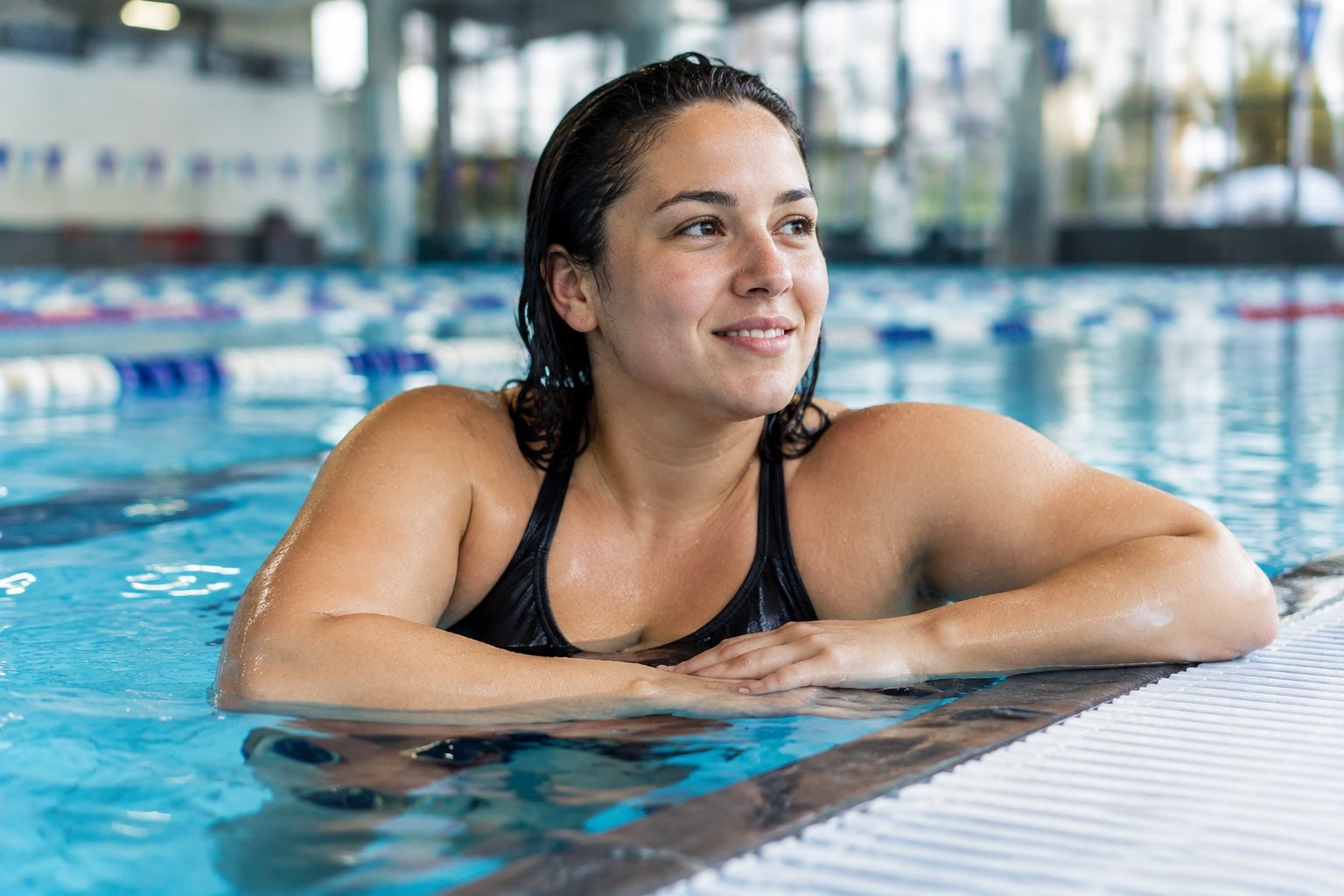
The swimmer’s body you see on television blends inherited proportions with years of hard training. Your height, torso length and wingspan are fixed. Your back strength, shoulder mobility, fitness and technique respond to the work you do.
Set goals you control: more sessions per week, a cleaner catch, a steadier kick, a faster 100m. Add two short dryland sessions, eat enough to recover, and review your progress every six to eight weeks. Your shape will change along the way, in the direction your own frame allows.
Frequently Asked Questions
What is a swimmer’s body type?
It is a lean, V-shaped build with broad shoulders, large lats and a strong core. Elite swimmers often add height, a long torso and long arms, which are mostly inherited.
Does swimming change your body shape?
Yes, regular swimming builds muscle in your back, shoulders and core and tones your legs. How much you change depends on training volume, diet and your starting build.
Can you develop a swimmer’s body without being tall?
You can build the strong back, shoulders and lean muscle at any height. Height and limb length help at elite level, but plenty of shorter swimmers are fast and fit.
How is a swimmer’s body different from a gym-built body?
Swimmers tend to have longer, leaner muscles and a focus on the back and shoulders. Gym-built bodies often carry more size, since bodybuilding rewards bulk that would add drag in the water.
Can you tell whether someone swims by looking at them?
Not reliably. A wide back and broad shoulders hint at swimming, but rowers and climbers share them, and many swimmers look nothing like the stereotype.