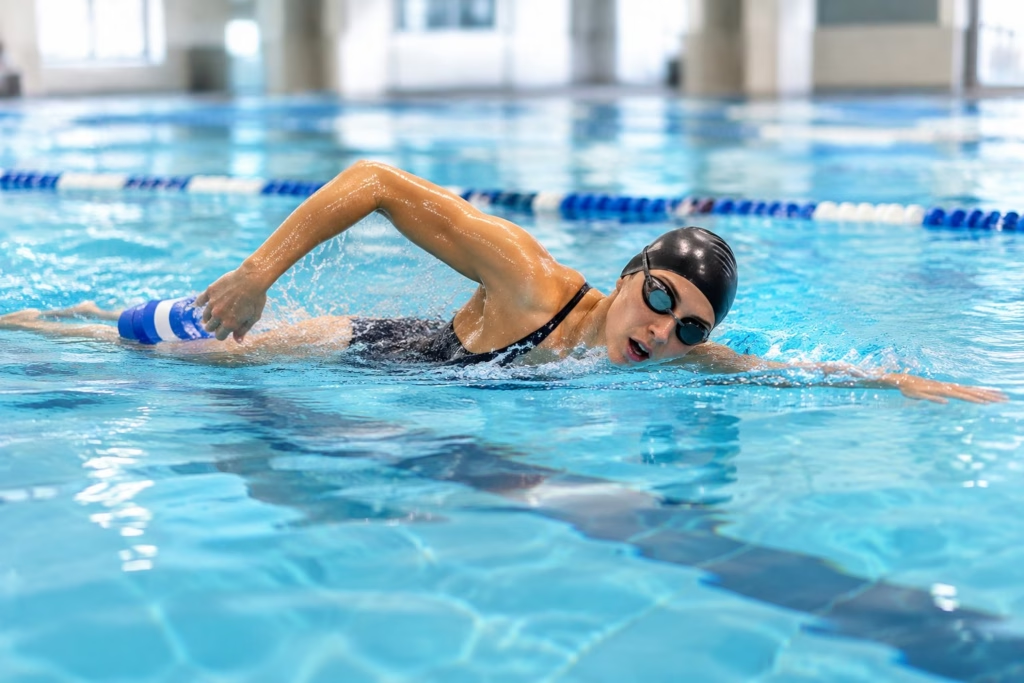
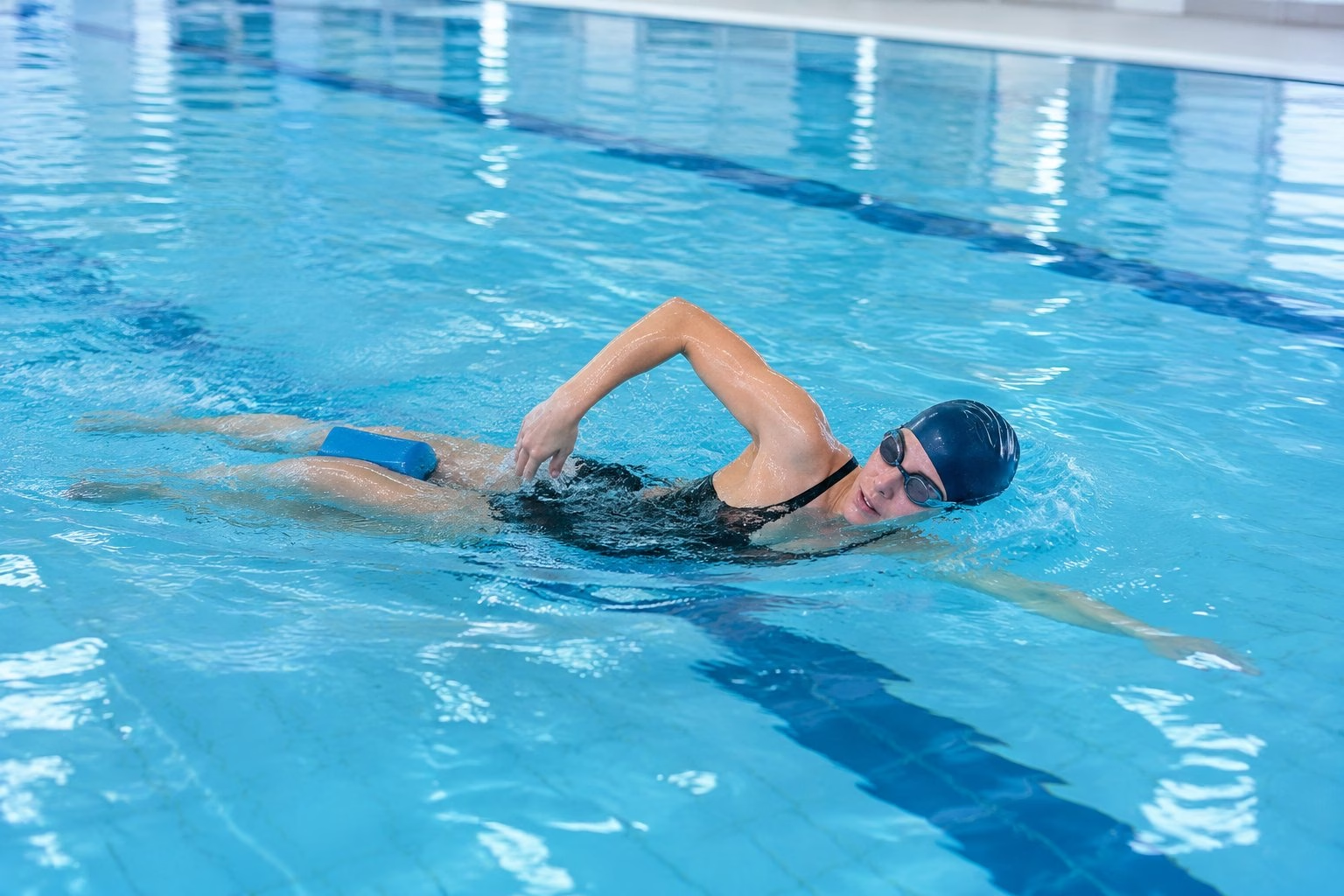
A pull buoy is a figure-of-eight foam float that you grip between your upper thighs so your legs stay up without kicking. That leaves your arms, shoulders and back to do all the work. To use it well, squeeze it high between your thighs, keep your legs still and together, and swim with the same long, rotating stroke you would use without it.
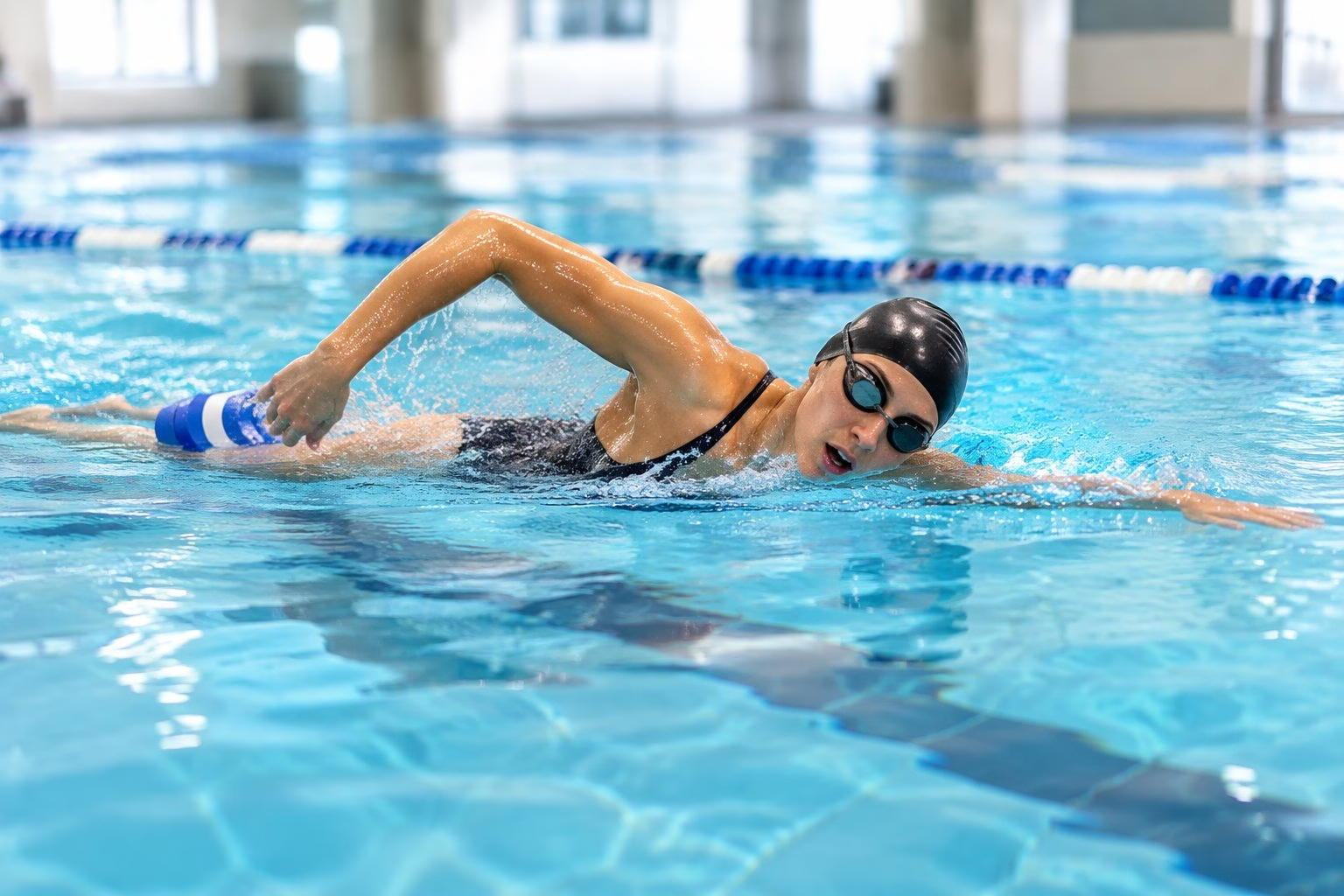
The catch is that the buoy makes swimming easier, and easy lengths can hide bad habits. Used with purpose, pull buoy swimming shows you exactly where your catch slips and where your hips sink. Used lazily, it builds a stroke that falls apart the moment the foam comes out.
You’ll finish knowing how to set it up, what to feel for, which mistakes to avoid and which set to swim next. Pop a buoy in your kit bag before your next pool session and try the short workout further down.
How Do You Use a Pull Buoy Correctly?
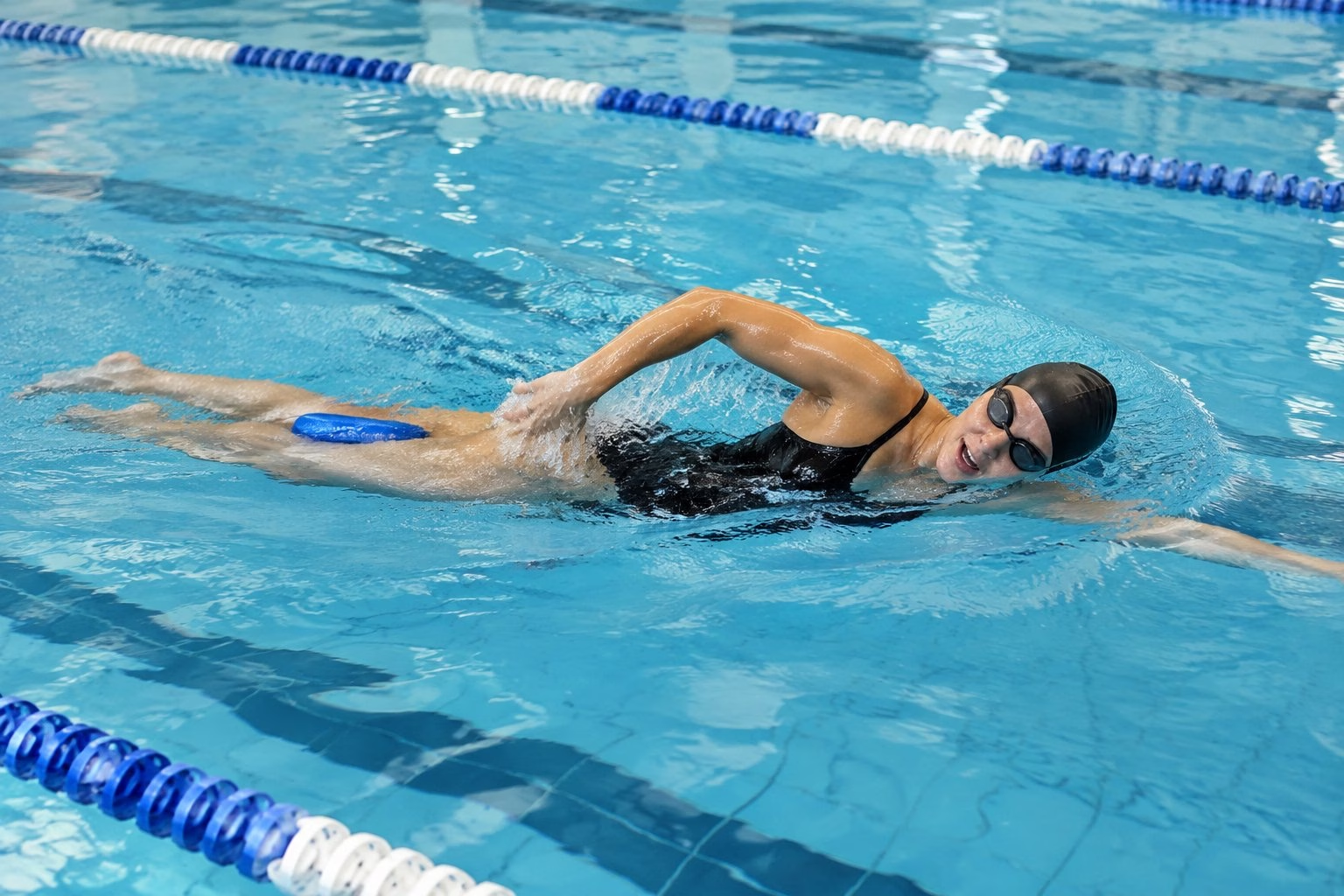
You use a pull buoy correctly by placing it high between your thighs, holding it with a light squeeze and letting your legs trail behind you while your arms drive you forward. Getting the size right and knowing what the float is meant to do make the rest of your pull work pay off.
What Is a Pull Buoy For?
A swimming pull buoy takes your legs out of the stroke. Once the kick is gone, every metre you travel comes from your arms and your body roll.
That isolation has a few clear uses:
- Upper body strength: your lats, chest and shoulders carry the load.
- Stroke focus: with less to think about, you can pay attention to your catch and pull.
- Recovery: your legs rest after a hard kick set, a run or a ride.
- Breathing practice: you can try longer breathing patterns with less strain.
The idea is not new. A Wikipedia entry on the pull buoy describes it as closed-cell foam used between the thighs or ankles so swimmers can train their arms and build endurance and upper body strength.
Where Should You Place It?
Put the buoy as high up your thighs as it will go, close to your groin. Too low, near your knees, and it wobbles, slips out and drags your hips down.
Try this setup routine before your first length:
- Sit on the pool edge or stand in the shallow end.
- Slide the buoy between your upper thighs.
- If one end is bigger, face that end down towards the pool floor for more lift.
- Squeeze just enough to hold it. Gripping hard tires your inner thighs fast.
- Push off in a streamline and start pulling.
If you feel like you are floating too high, flip the buoy so the smaller end sits lower. That small change takes some of the lift away.
How Should Your Body and Legs Feel in the Water?
Your body should feel long and flat, with your hips and heels near the surface. Your legs stay together and relaxed, with toes gently pointed.
A little leg movement is fine. Your legs will sway slightly as you rotate, which helps with balance. What you want to avoid is a hidden flutter kick.
Keep your face looking down at the pool floor. If you lift your head to see ahead, your hips drop even with the buoy in place, and you’ll feel the drag straight away.
Which Size and Shape Should You Choose?
A mid-sized, one-piece foam buoy suits most adult swimmers. Bigger buoys float more, which helps if your legs sink badly. Smaller ones float less and feel closer to real swimming, which is why many club swimmers prefer them.
| Buoy type | Buoyancy | Best for |
|---|---|---|
| Large figure-of-eight | High | Beginners with sinking legs |
| Standard one-piece | Medium | Most lap and club swimmers |
| Slim or low-profile | Lower | Competitive swimmers, advanced pull sets |
| Two cylinders on cords | Adjustable feel | Swimmers who want a custom fit |
Big brands all make solid options. The Speedo Team Pull Buoy is a classic club-lane choice, Arena makes simple foam buoys in a range of sizes, and the FINIS Axis Buoy has a more shaped design. The best pull buoy is the one that stays put at the top of your thighs without you clenching. Test a couple at your pool before you buy, and pack your pick with the rest of your swim essentials.
What Does the Buoy Teach You About Your Stroke?
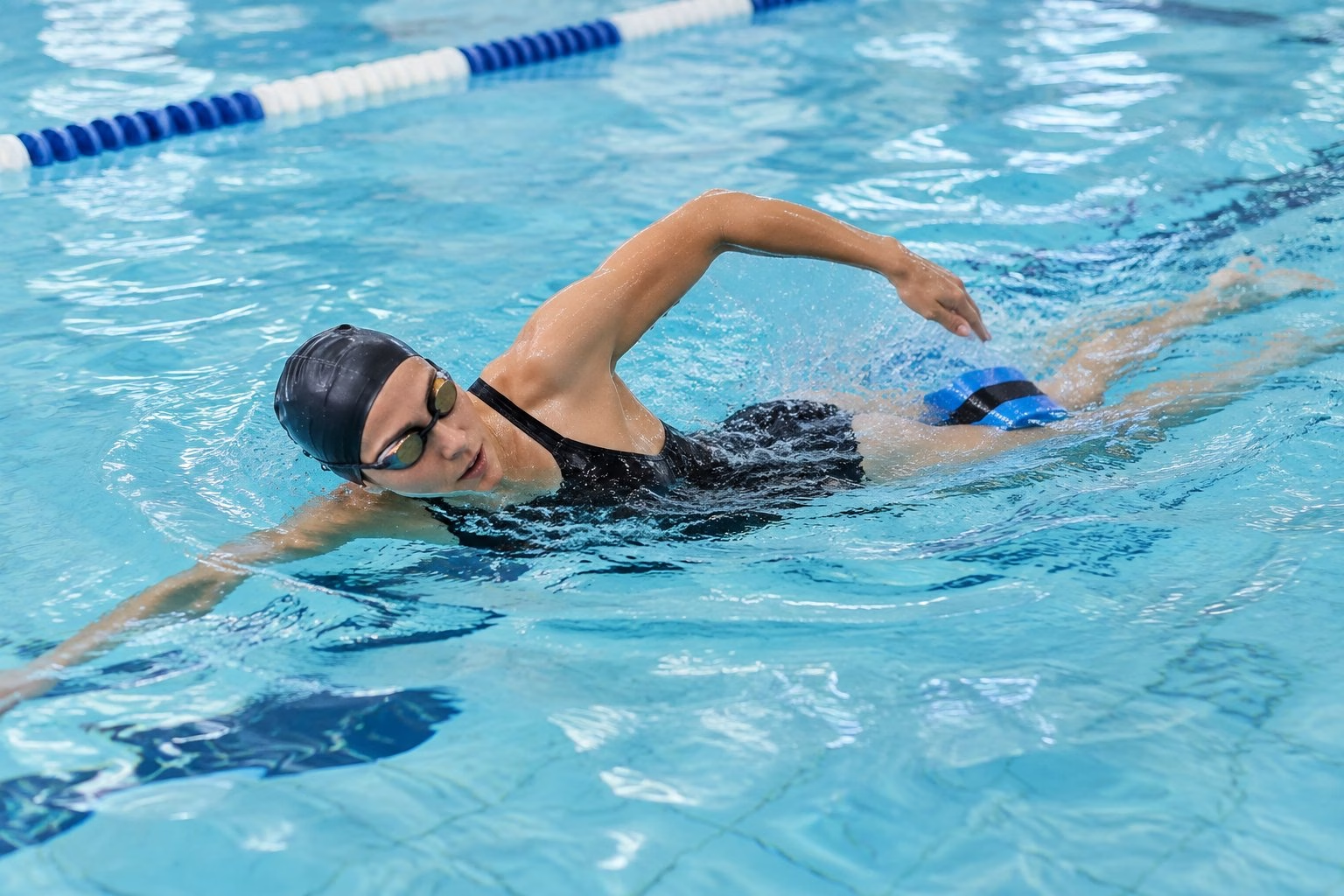
The buoy acts like a mirror for your swimming technique, because without a kick to cover mistakes, any weakness in your alignment, catch or breathing shows up fast. Pay attention to what feels awkward, since those moments point to the parts of your stroke technique worth fixing.
Body Alignment and Hip Rotation
The buoy shows you what a high, flat body position feels like. Notice how little effort it takes to glide when your hips are up. That is the feeling you are chasing in your normal stroke.
The trade-off is that the foam tends to flatten you out. Freestyle and backstroke need your hips and shoulders to roll together around a line through your spine. If you stop rotating, your stroke gets shorter.
Aim to roll to each side on every stroke, as if your hip bone is turning to face the lane rope. Driving that roll from your middle builds core strength that carries straight into your full stroke.
The Catch
With your legs quiet, you can feel the start of each pull clearly. After your hand enters, bend your elbow and tip your hand and forearm so they face backwards. Think of reaching over a barrel.
One coaching guide describes the catch as repositioning your arm to face backwards in place of grabbing at the water. That tip helps on pull sets, because you stop rushing the front of the stroke.
If you feel your hand slipping or your body bobbing, you are likely pressing down on the water. Press back towards your feet.
Pulling Technique and Stroke Rate
Once your forearm faces back, push the water straight towards your feet and speed your hand up as it passes your hip. Good pulling technique moves a big paddle (your hand and forearm) backwards for as long as possible.
Count your strokes per length. With a buoy on, try to hold your count steady or lower it slightly as you go. If your stroke rate climbs while your speed stays the same, you are spinning your arms and losing grip.
Pulling builds upper body strength quickly, so keep an eye on your shoulders. A proper shoulder warm-up with resistance bands before a long pull session takes ten minutes and pays off.
Breathing Without Relying on the Kick
Pull sets are a great place for breath control work. Your legs are not burning oxygen, so you can try breathing every three, five or even seven strokes.
Watch your head as you breathe. If you lift it forward, your hips sag even with the buoy. Turn your head with your body roll and keep one goggle in the water.
Try a length breathing every three, then one breathing every five, and repeat. For more on timing your breath, see these tips on breathing technique in front crawl.
Which Mistakes Undermine Pull Training?
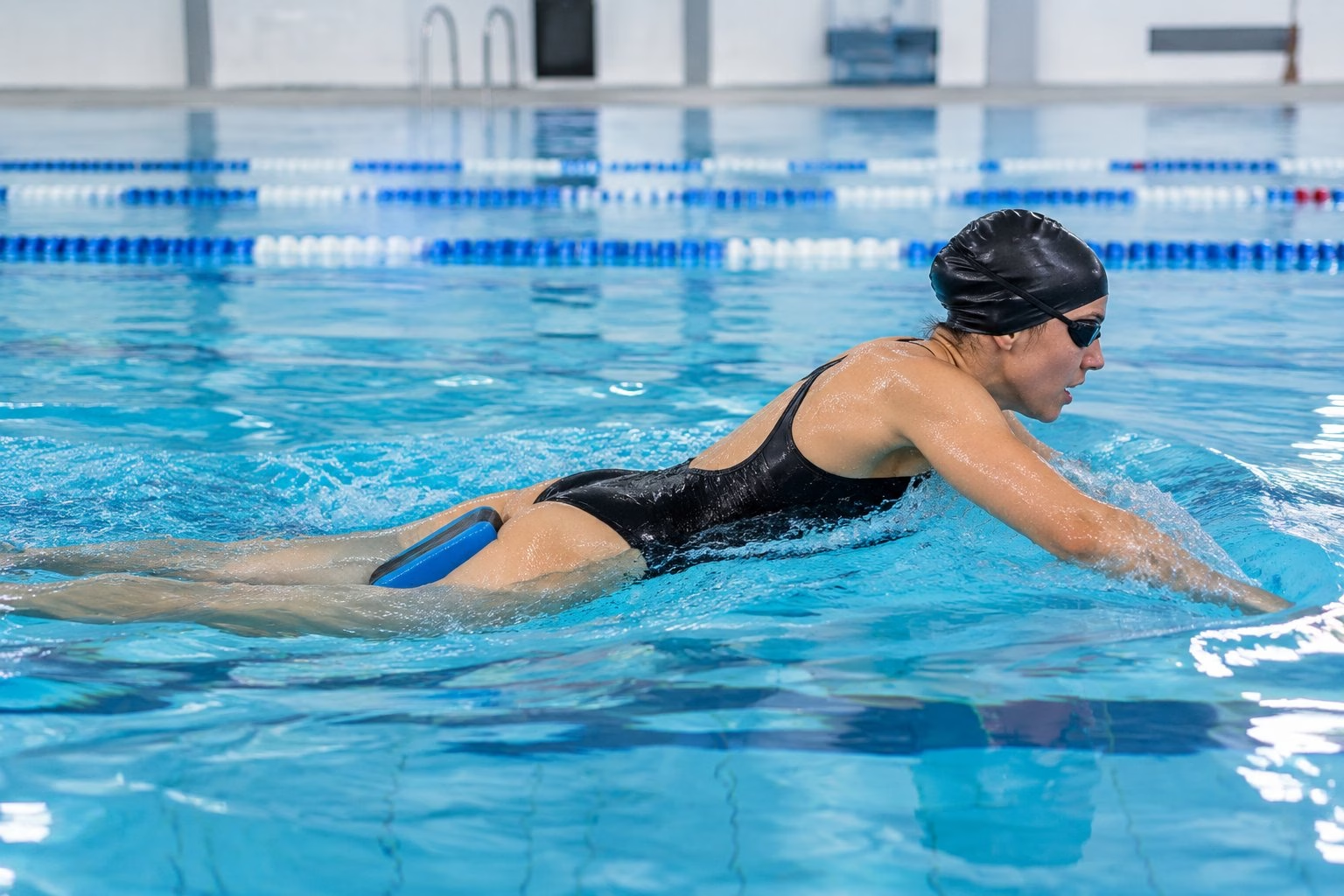
The biggest mistakes in swim training with a buoy come from treating it as a free ride. Hidden kicking, flat hips, sore shoulders and false confidence about speed all creep in when you stop paying attention.
Kicking or Letting the Legs Drift Apart
Many swimmers kick without noticing. The legs flutter a little, the buoy squirms and you get a small push that defeats the point of the set.
The opposite problem is legs drifting apart. The buoy slips down towards your knees, your hips drop and you end up dragging your lower body along.
Fixes that work:
- Point your toes and press your ankles lightly together.
- Cross your ankles if you cannot stop kicking.
- Loop an ankle band around your feet as well as using the buoy.
- Check the buoy position at every wall and push it back up if it has slid.
Losing Rotation or Overloading the Shoulders
When you swim flat with a buoy, your shoulders do work your hips should be sharing. Swim long enough like that and the front of your shoulder starts to ache.
Keep rotating on both sides. A handy cue is to brush your thumb past your thigh at the end of each pull, then let your hip roll the other way.
Watch the volume too. Triathletes who lean on the buoy after a bike or run pile up a lot of arm-only metres. If your shoulders feel tender, cut the pull distance and add more full-stroke swimming. Land work from these swim strength training exercises helps keep the joint stable.
Mistaking Buoy-Assisted Speed for Better Technique
Many swimmers are faster with a buoy than without it. That feels good, but it does not mean your stroke has improved.
Pulling is easier because the foam holds your body up for free. One workout write-up puts it at about 20% easier metabolically than swimming at similar speeds.
If you pull much faster than you swim, look at your kick and head position. Your legs are likely sinking or your kick is creating drag. Use the gap as a clue to what needs work, and always follow pull sets with some normal swimming so the better position sticks.
Which Drills and Pull Sets Should You Try?
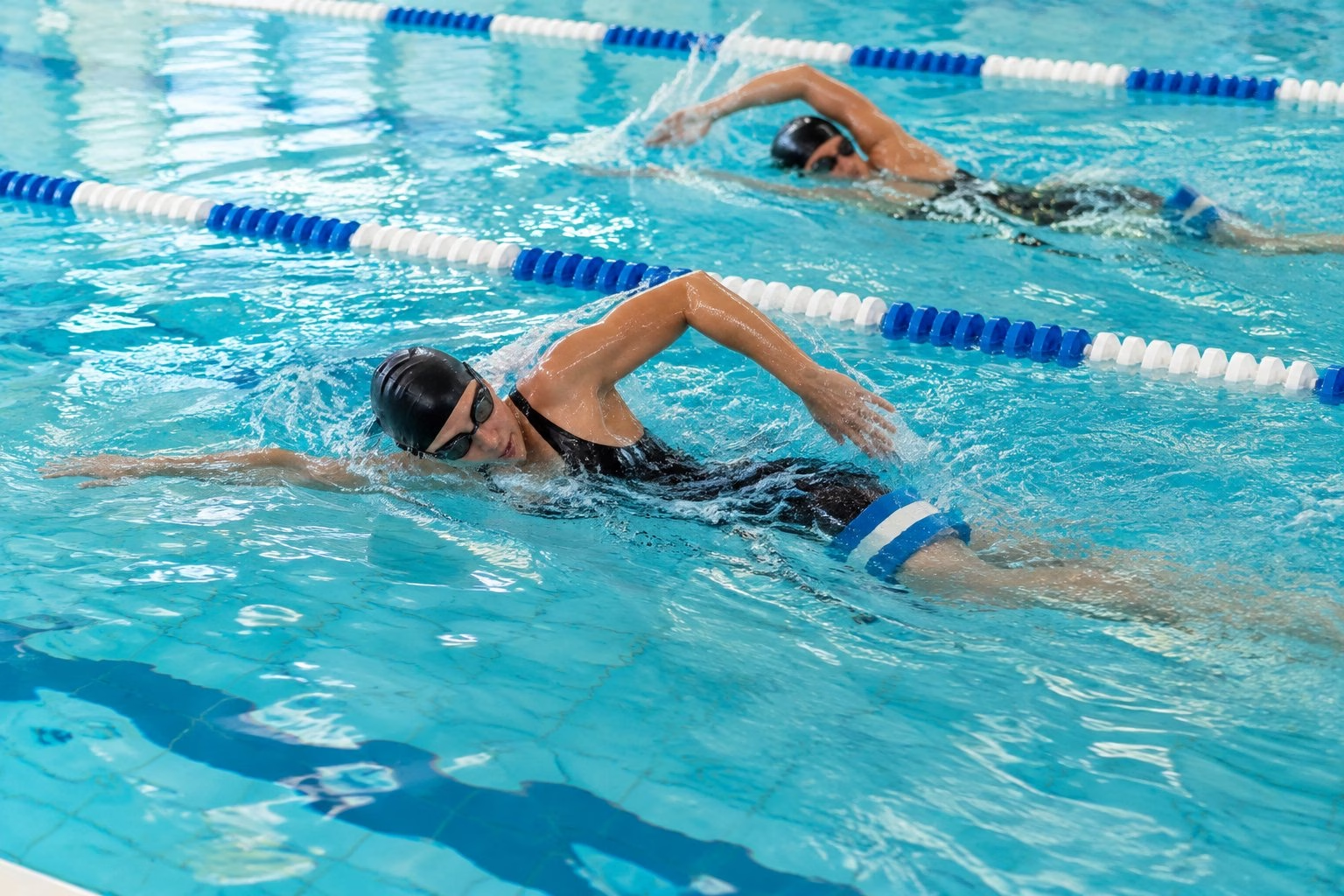
The best pull sets pair a clear technique focus with short blocks of normal swimming, so the feel you build with the buoy transfers to your full stroke. Start with drills for freestyle and backstroke, add kit such as swim paddles only once your form holds, then try the session below.
Freestyle and Backstroke Technique Drills
These drills suit most levels. Swim each one for 2 to 4 lengths with 20 seconds rest.
- Catch-up with buoy: keep one hand out front until the other hand arrives. It slows you down so you can feel each catch. See our guide to the swimming catch-up drill for the full version.
- Fists and open hands: swim six strokes with clenched fists, then six with open hands. The contrast sharpens your feel for the water.
- Build lengths: start each length at half effort and speed up to near full by the wall.
- Backstroke pull: buoy in, focus on snapping your hips from side to side using your core. If you feel flat or sinking, you are rotating with your legs.
- Pull-setup-release: a neat sequence of sculling, doggy paddle and pull that ends with you letting the buoy slip out without breaking your stroke and adding a gentle kick.
For backstroke-specific fixes, these backstroke technique tips pair well with pulling. You’ll find more ideas in our full list of swimming drills.
When to Add Swim Paddles or an Ankle Band
Add paddles only when your pull feels smooth over 100 metres or more without the paddles. Paddles make your hands bigger, so every flaw puts more stress on your shoulders.
Start with small paddles and short reps, such as 4 x 50. If your hand enters crossing the midline or your shoulder pinches, take them off.
An ankle band is the next step up. With the band alone and no buoy, your legs sink unless you keep your head down and catch early. A coach writing for a Masters swimming body suggests trying a band if you kick by accident with a buoy. Keep band swims short, around 25 to 50 metres, and skip them if your shoulders are sore.
A Short Pull-Buoy Workout You Can Swim Today
This session totals 1,800 metres and takes about 40 minutes. Scale it down if you are newer to lane swimming.
Warm-up (400m)
200m easy swim
100m kick
100m easy pull
Pre-set (400m)
4 x 100m pull, 20 seconds rest. Count your strokes on the second length of each.
Main set (800m), repeat twice
200m pull at steady effort, focus on long strokes
4 x 25m pull with fists, 15 seconds rest
4 x 25m swim with no kit, 15 seconds rest, holding the same flat body line
Cool-down (200m)
200m easy mixed strokes
Ease into the pool with a proper swimming warm-up first. If 1,800m is too much, halve the main set and use 50m repeats in the pre-set.
Take the Alignment Beyond the Buoy
The whole point of pulling is to take the long, high body line you feel with the buoy and hold it once the foam is back on the poolside. Set up the buoy high between your thighs, keep your legs still and keep rotating so your stroke stays long.
Use the buoy as feedback. Watch for a slipping catch, a head that lifts to breathe and hips that flatten out. Fix those, and your swimming technique improves with or without kit.
Keep pull sets focused and short, add paddles or a band only when your form holds, and always finish with some normal swimming. Engage your core as if the buoy were still there. Over a few weeks, that habit builds the core strength that holds your hips up for you.
Frequently Asked Questions
Are you supposed to kick with a pull buoy?
No, you keep your legs still and let your arms do the work. A slight sway as you rotate is fine for balance. If you catch yourself kicking, cross your ankles or add an ankle band.
Why is swimming with a pull buoy easier?
It is easier because the foam lifts your hips and legs, which cuts drag. You also skip the kick, and your legs burn a lot of oxygen. That combination lets you swim further with less effort.
Can you use a pull buoy for breaststroke?
Yes, you can pull breaststroke with the buoy to work on the arm part of the stroke. Avoid adding a dolphin kick. If you bob up and down, check that you are pulling back and keeping your head steady.
What is the difference between a pull buoy and a kickboard?
A pull buoy supports your legs so you train your arms, while a kickboard supports your arms so you train your legs. Most swimmers use both across a week. They work opposite halves of your stroke.
Can you use a pull buoy in open water?
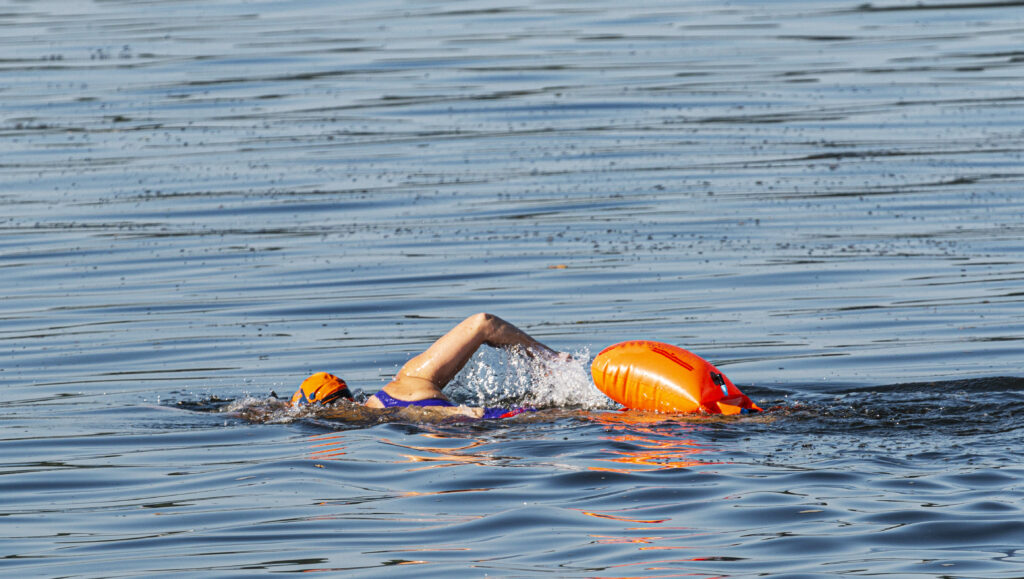
You can, but it is best kept for the pool, where you can stand up and rest at the wall. A pull buoy is a training aid and will not keep you safe. For open water, use a proper safety buoy float that you tow behind you.