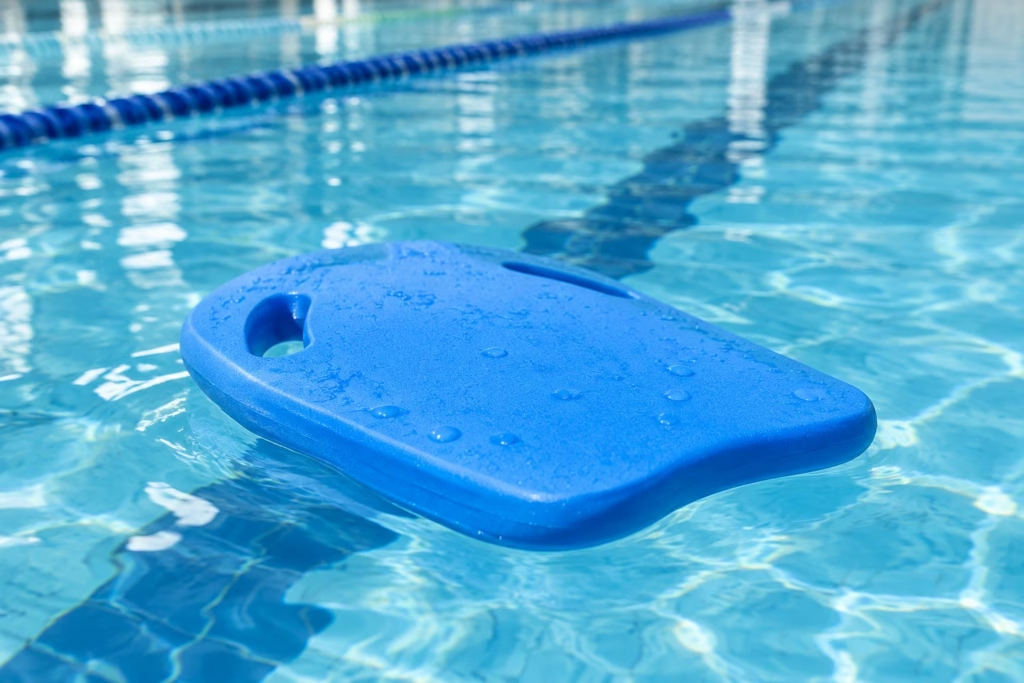
A good kickboard lets you train your legs on their own, so you can feel exactly what your kick is doing. For most swimmers, the Speedo Team Kickboard is the best all-round choice, because its simple tapered foam shape works for beginners, fitness swimmers and club training alike. Juniors and anyone needing extra float have better options, and those are covered below.
The tension with any swimming kickboard is that it helps and hinders at once. It holds your upper body up while you work on your legs. Hold it badly, though, and it lifts your head, drops your hips and strains your neck.
Pick the right size and grip and you get the benefit without the bad habits. If you are building a full training kit, have a look at our guide to swim essentials and get in the pool this week with a board that suits you.
Quick picks:
- Best overall: Speedo Team Kickboard for simple, reliable all-round training.
- Best for technique: FINIS Alignment Kickboard for a flatter body line.
- Best for children: Speedo Junior Kickboard, sized for smaller hands and arms.
- Best two-in-one: Arena Pull Kick doubles as a pull buoy.
1) Speedo Team Kickboard
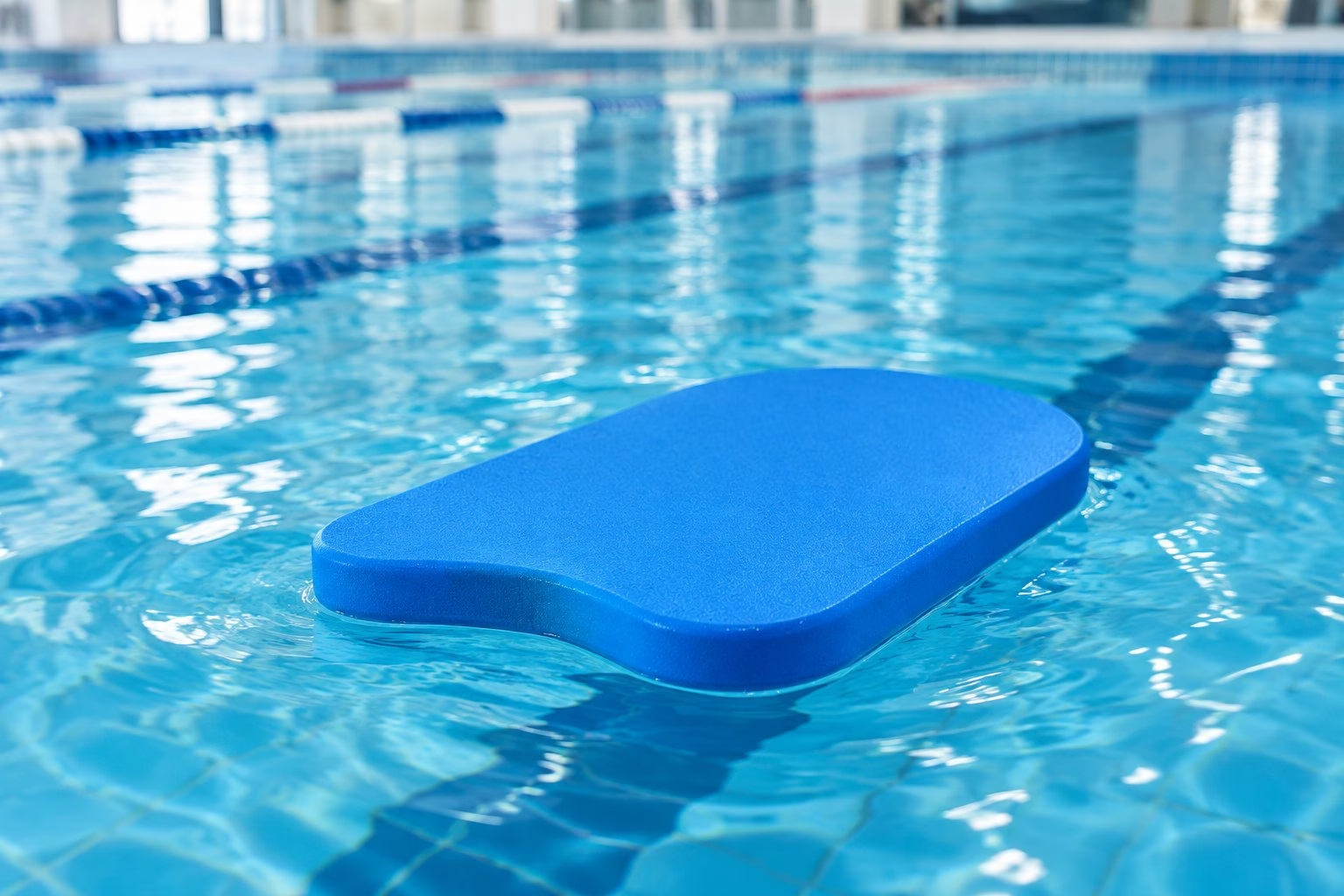
You will see this board stacked at the end of lanes in club pools across the UK. It uses the classic shape: a rounded, tapered front and a squarer back end.
That shape gives you two ways to hold it. You can grip the front edge with arms long for streamlined kick sets. You can also rest your forearms on top for more support when you are tired.
The dense foam holds its shape well over months of use. If you want one board that does most jobs, start here.
2) Arena Kickboard
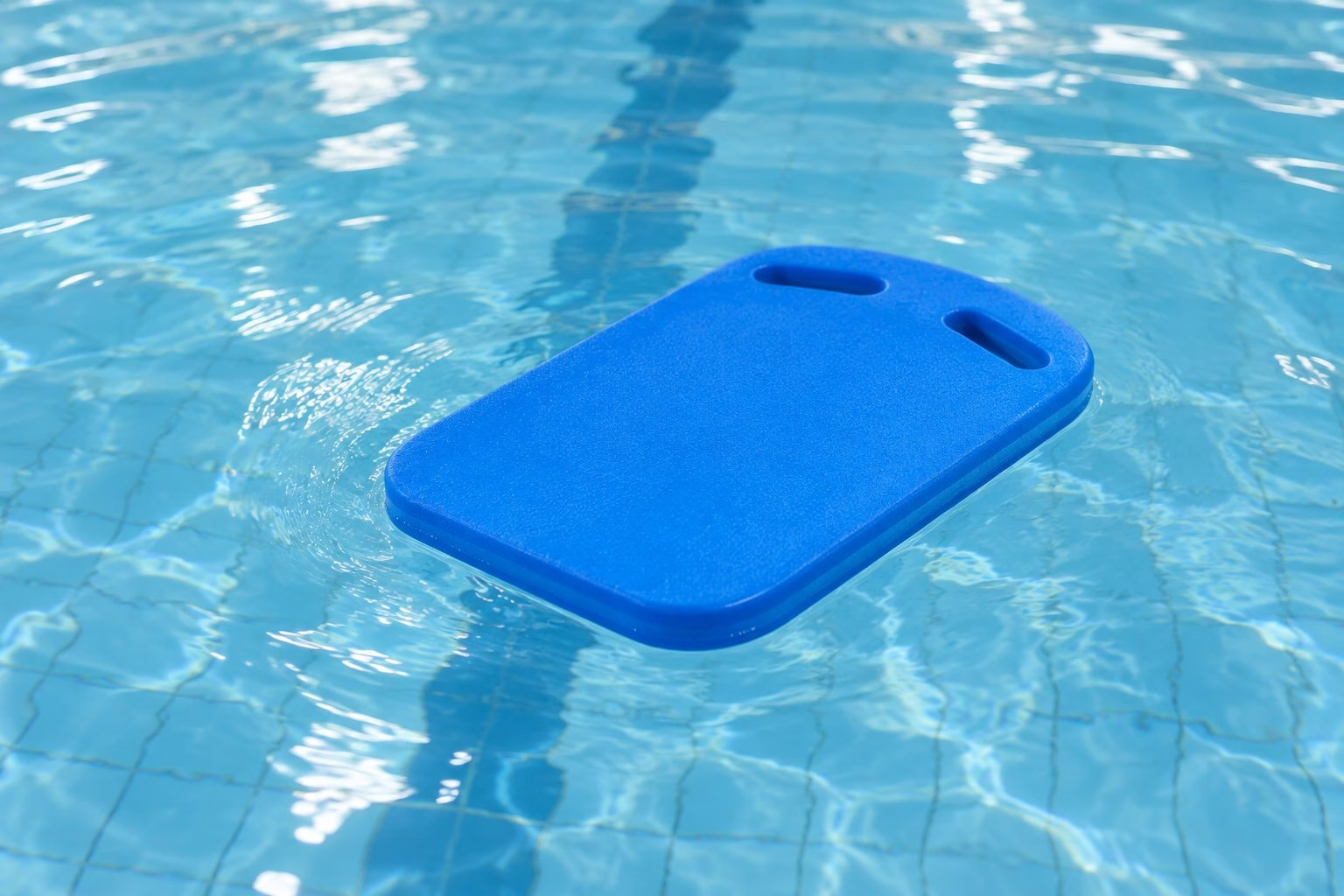
Arena’s board takes a slightly more rounded, hand-friendly approach to the standard design. Moulded grip areas on the sides let your fingers settle into place, which helps if your hands tire on long kick sets.
It sits comfortably in the middle for size and float. That makes it easy to share between adults and older teenagers in the same household.
Club swimmers who already use Arena fins and pull buoys will find it fits neatly into a kit bag of matching gear.
3) Nabaiji Swimming Kickboard 500
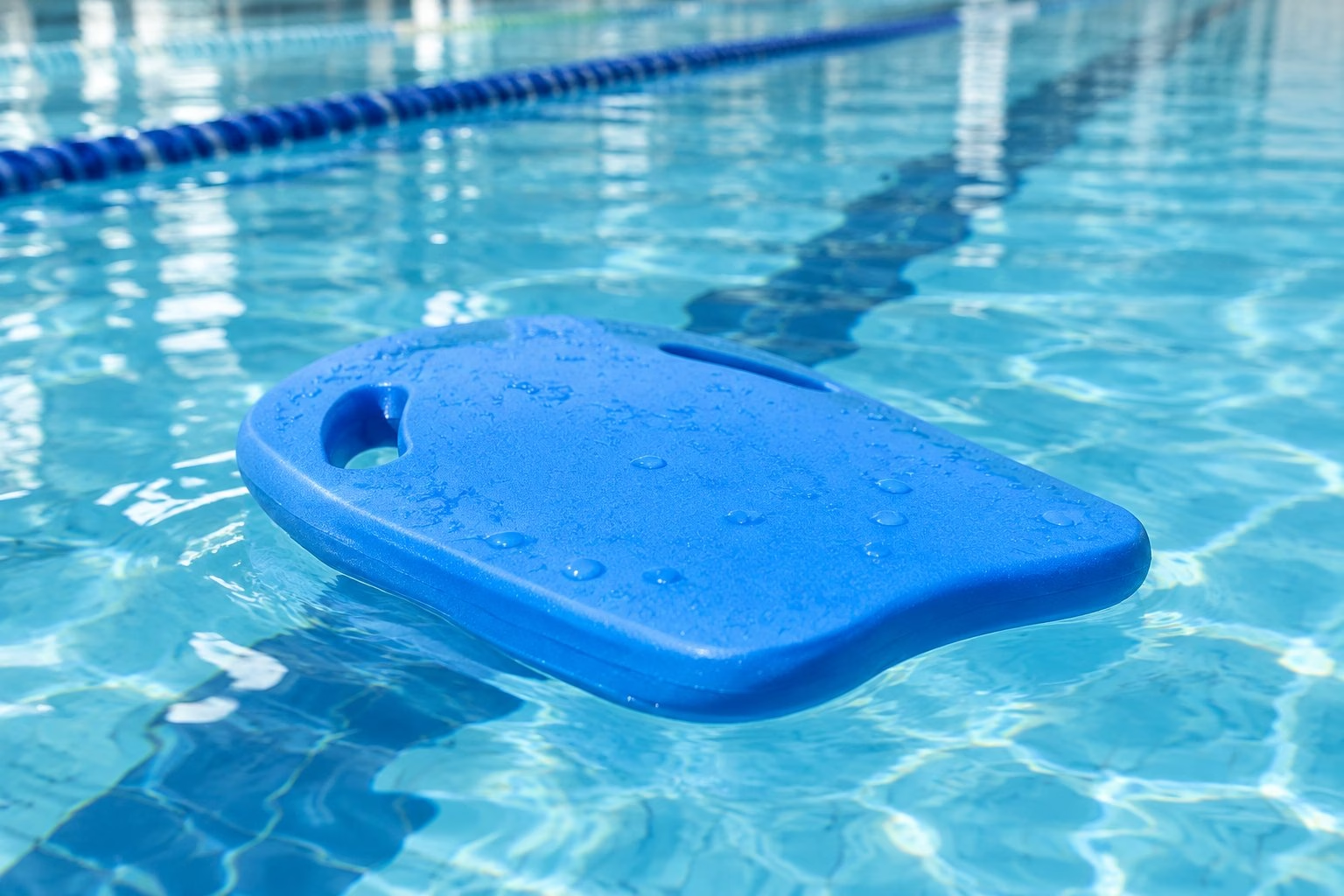
Adult learners who want steady support should look at this larger Decathlon board. Nabaiji builds its foam boards with ergonomic grip cut-outs for steadier control, and the 500 is the more supportive model in the range.
The cut-outs mean you are not squeezing the edges to stay in control. That keeps your shoulders more relaxed, which helps your hips stay higher.
Its generous float suits heavier swimmers and anyone still building confidence in deep water.
4) FINIS Alignment Kickboard
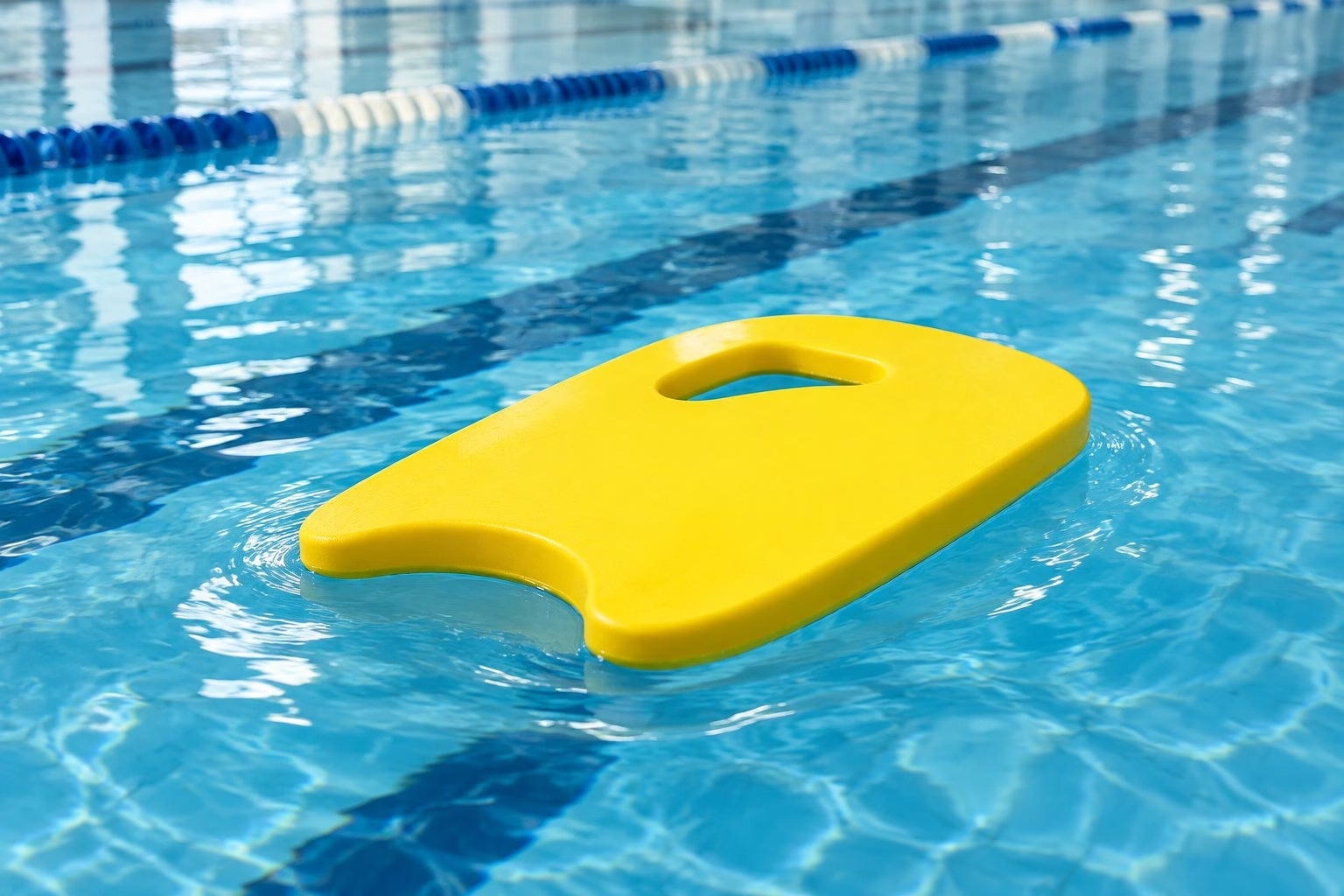
FINIS designed this board around body position first. Its contoured shape is built to keep your head, shoulders and hips closer to a straight line while you kick.
With a standard board, many swimmers push down on the front and end up kicking uphill. The Alignment board aims to cut down that lift, so your kick feels closer to what happens in full stroke.
It suits intermediate and competitive swimmers working on freestyle and backstroke body line. Complete beginners may find it less forgiving than a big flat board.
5) Zoggs Kickboard
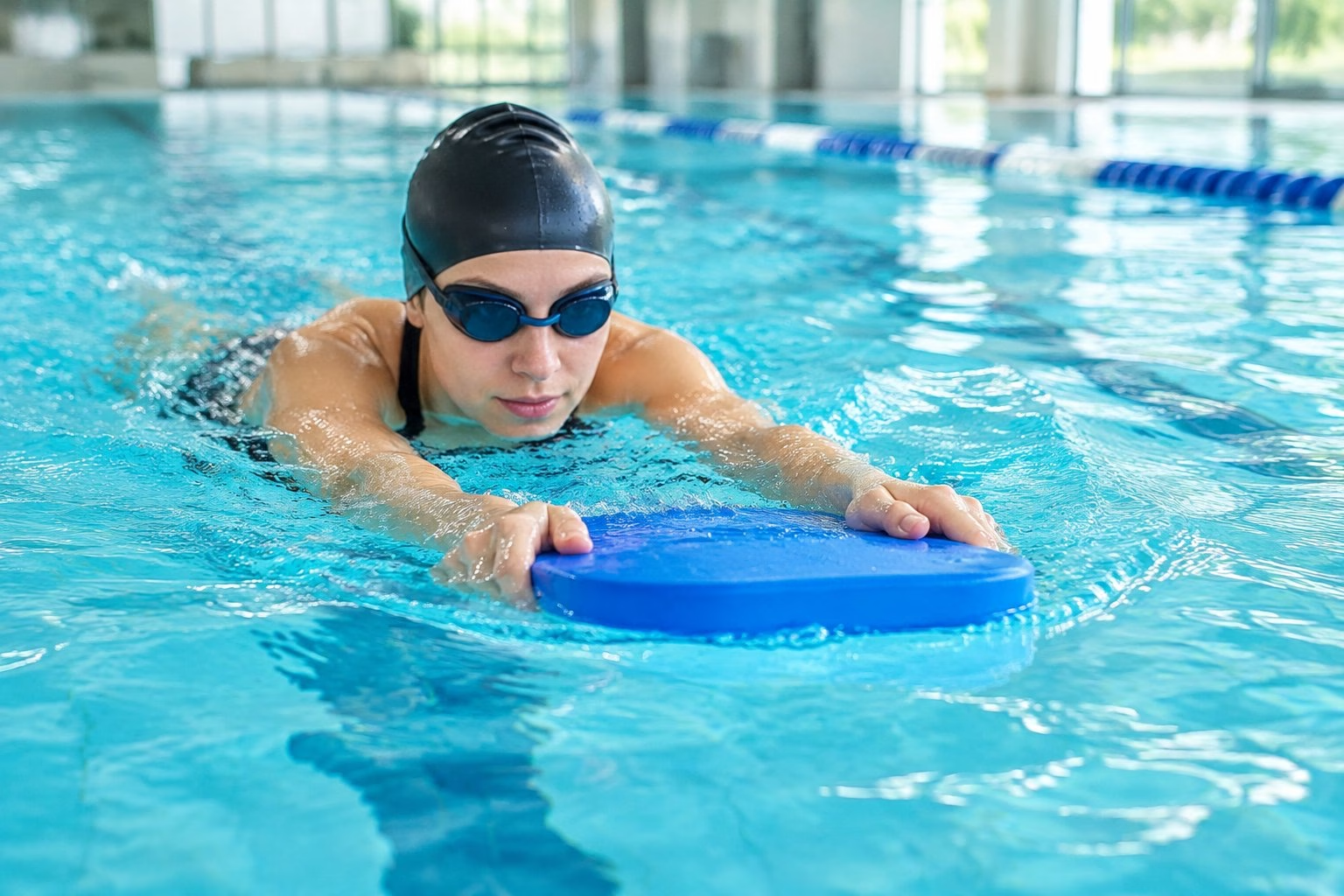
Zoggs is a familiar name in UK leisure pools, and its kickboard is a no-fuss option for casual swimmers. The soft foam feels gentle against the forearms and chest.
That softer feel is kind for lengthy lane sessions at your local pool. It also makes the board easy to pack for holidays.
If you swim two or three times a week for fitness and want a board that just works, this is a sensible buy.
6) Speedo Junior Kickboard
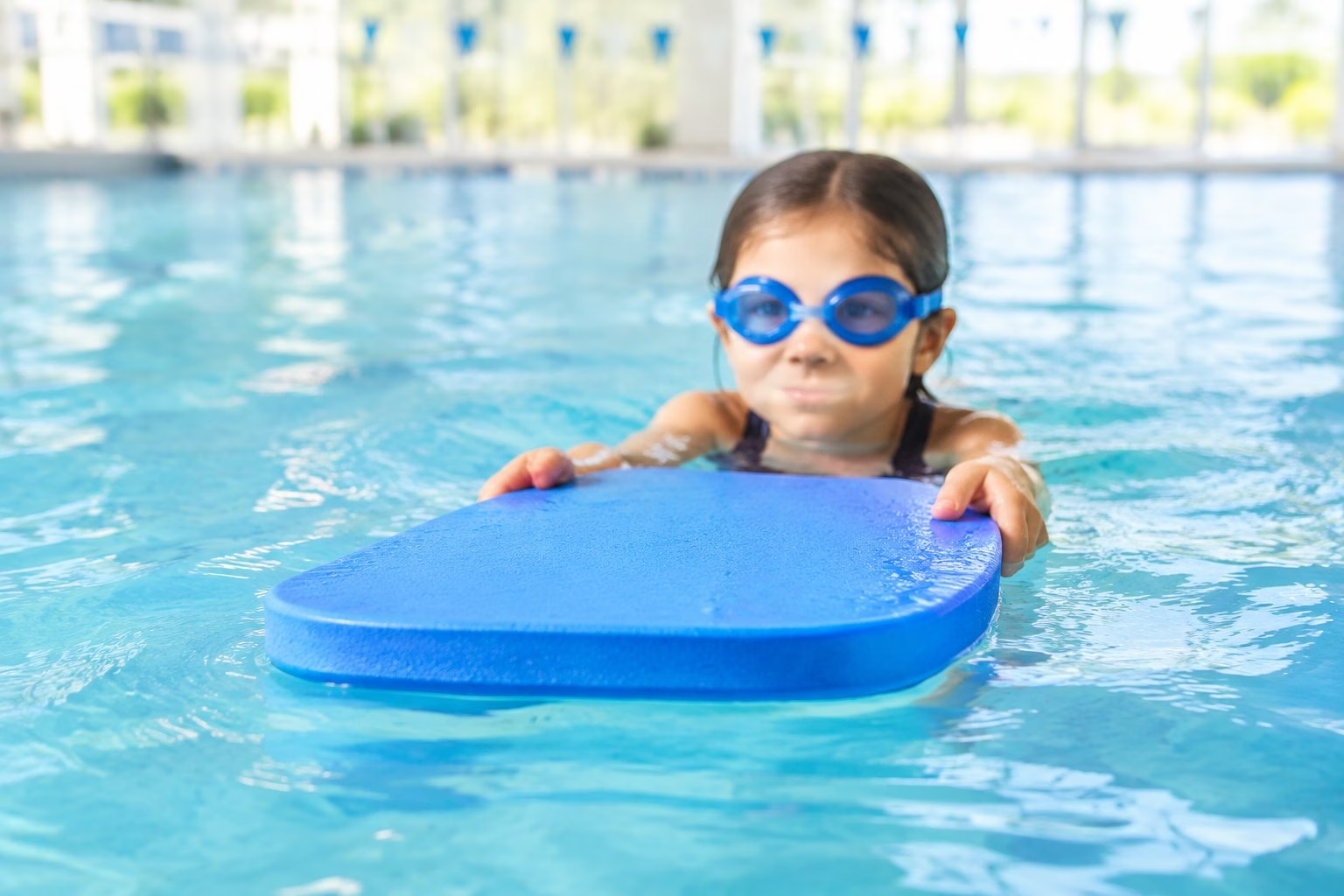
Children struggle with adult boards because the edges sit too wide for small hands. Speedo’s junior version scales the classic shape down, so young swimmers can grip the front with straight arms.
Bright colours and a lighter build help kids enjoy carrying and using it. The reduced size also means less float, which stops the board from pushing a small child’s chest up too high.
It works well for swimming lessons and family pool trips. See our early starters guides for more on young learners.
7) FINIS Foam Kickboard
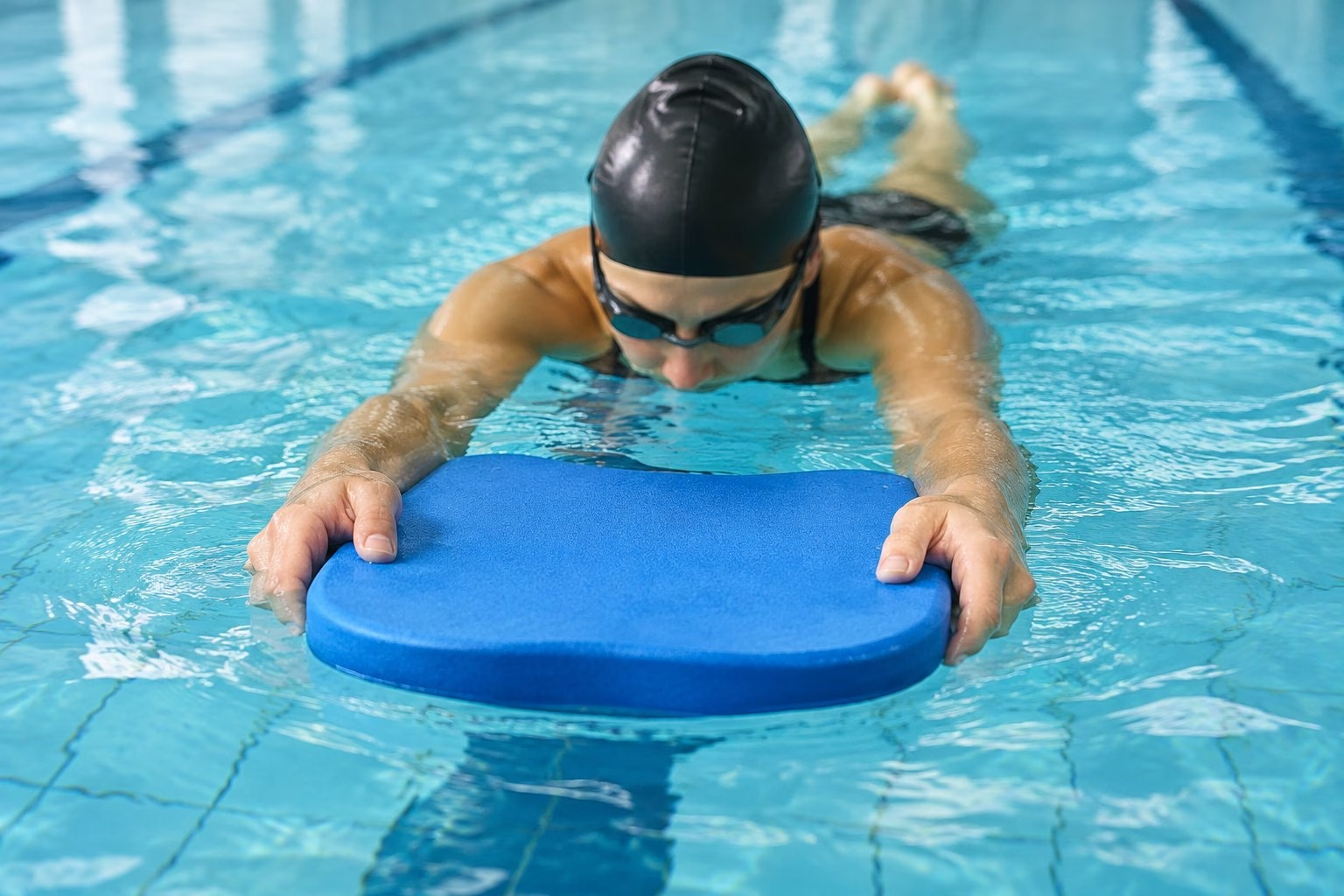
Where the Alignment board chases perfect body line, FINIS’s foam board keeps things traditional. It offers a standard flat shape with plenty of lift.
You can use it for kick sets, one-arm drills or as a float during recovery. The broad surface gives you room to change hand positions as your arms tire.
Coaches like it for group sessions because it is easy for swimmers of mixed ability to use.
8) Arena Pull Kick
This one does two jobs. Hold it flat and it works as a compact kickboard; squeeze it between your thighs and it becomes a pull buoy.
That makes it a smart pick if your kit bag is already full, or if you swim at a pool that doesn’t lend equipment. The smaller size gives less float than a full board, so you will work harder to keep your hips up during kick sets.
To learn how to use it as a leg float, read our guide to pull buoy swimming.
9) TYR Classic Kickboard
TYR’s board sticks close to the design most swimmers learned on. It has a tapered nose, a flat body and firm foam that doesn’t sag in the water.
The firmer build feels stable under your hands, which helps on fast kick sets where you want the board to stay put. It also stands up well to being thrown in and out of a kit bag.
Competitive swimmers who like a simple, sturdy board will get plenty of seasons out of it.
10) Nabaiji Swimming Kickboard 100
Nabaiji’s entry-level board is the budget pick of the list. It keeps the design basic, with a simple shape suited to children and early learners.
It works well as a first board for swimming lessons or a spare that stays in the car. Because it is light and simple, children can manage it without help.
If a child loses interest or outgrows it, you have not spent much. Pair it with floats and noodles using our guide to learning to swim with pool noodles and floats.
How to Choose a Swimming Kickboard
Choose your board by matching its shape and size to the swimmer, then check the foam feels comfortable. The table sums up how each option on this list compares.
| Kickboard | Shape | Best for | Size/float | Grip |
|---|---|---|---|---|
| Speedo Team Kickboard | Classic tapered | All-rounders | Standard | Plain edges |
| Arena Kickboard | Rounded | Adults, teens | Standard | Moulded sides |
| Nabaiji Swimming Kickboard 500 | Large flat | Adult learners | High float | Cut-outs |
| FINIS Alignment Kickboard | Contoured | Technique work | Medium | Shaped |
| Zoggs Kickboard | Classic | Fitness swimmers | Standard | Plain edges |
| Speedo Junior Kickboard | Small tapered | Children | Low float | Plain edges |
| FINIS Foam Kickboard | Flat | Mixed groups | High float | Plain edges |
| Arena Pull Kick | Compact | Two-in-one | Low float | Contoured |
| TYR Classic Kickboard | Classic tapered | Club swimmers | Standard | Plain edges |
| Nabaiji Swimming Kickboard 100 | Basic | Young beginners | Low float | Simple |
Which Shape and Grip Suit Your Swimming Style?
A classic tapered board suits most swimmers. The pointed front cuts through water and gives you a clear spot to grip.
Contoured boards like the FINIS Alignment help if you want a flatter body line for freestyle. Boards with cut-outs or moulded grips are easier on the hands, so they suit learners and anyone with weaker grip.
For breaststroke kick sets, a wider flat board gives you more stability as your legs sweep out. Explore more stroke-specific tips in our breaststroke section.
How Should You Match Board Size and Buoyancy to the Swimmer?
Size and float should rise with the swimmer’s weight and confidence. A heavy adult on a small board will sink at the front and fight to breathe.
A child on a large board has the opposite problem. The board pushes their chest too high and their legs drop.
Use this simple rule:
- Young children: junior or small boards with low float.
- Teens and lighter adults: standard-size boards.
- Heavier adults or nervous learners: large, high-float boards.
- Strong swimmers: smaller boards for a tougher kick workout.
What Should You Look for in Foam, Finish and Comfort?
Most kickboards are made from EVA foam, which is light and resists water soaking in. Firmer foam holds its shape and feels stable at speed, while softer foam is kinder on your forearms.
Check the edges are smooth and rounded, since rough edges rub your hands during long sets. Rinse the board in fresh water after chlorine use and dry it out of direct sunlight, which helps stop the foam cracking and fading.
Kickboard Drills and Technique
The best kickboard drills keep your hips high and your kick coming from your hips. Board work also develops streamline position and lower body technique, so aim for quality over sheer distance.
How Can Beginners Practise a Steady Flutter Kick?
Start in shallow water with the board held at the front edge and arms nearly straight. Rest your face in the water and kick from the hips with loose ankles.
Try this simple progression:
- Kick 10 metres holding the board with your face up, just to get used to it.
- Kick 10 metres with your face in, lifting only to breathe.
- Repeat 4 to 6 times with a rest at the wall.
Keep kicks small and quick. Big knee bends slow you down. For more ideas, try our swimming drills for beginners.
Which Drills Work for Adult Fitness Swimmers?
Adults get the most out of board sets that mix steady and fast efforts. After your swimming warm up, try these:
- Steady kick: 4 x 50 metres at an easy pace, 20 seconds rest.
- Fast finish: 4 x 25 metres, easy for half the length then sprint.
- Side kick: hold the board with one arm and kick on your side to improve balance.
- Board with fins: add short fins to build ankle flexibility and leg strength.
If you want to add fins, see our guide to the best swimming fins 2025.
How Can Junior Swimmers Use a Board Safely?
Children should always use a board sized for them, with an adult or instructor close by. A board is a training aid, and it will not keep a child safe in deep water.
Keep sessions short and playful, with games like kicking races across the width. Teach them to hold the front edge lightly and to let go and stand if they feel tired.
Check that small hands can wrap around the edges without stretching. If they can’t, the board is too big.
When Can a Kickboard Disrupt Body Position or Strain the Neck?
Holding your head up the whole time is the most common mistake. It arches your lower back, drops your hips and loads your neck.
Pushing down on the front of the board causes the same problem. Your body tilts, and you end up kicking uphill.
Fix this by holding the board lightly and keeping your face down between breaths. If your neck still aches, swap some board work for kicking on your back with arms by your sides. Swimmers with neck or shoulder issues, including many senior swimmers, often find back kick more comfortable.
Frequently Asked Questions
What is the best swimming kickboard for beginners?
A large, high-float board with grip cut-outs, such as the Nabaiji Swimming Kickboard 500, suits adult beginners best. The extra support keeps your head and shoulders comfortable while you learn to kick.
Should adults and children use different sizes of kickboard?
Yes, children need smaller boards that match their hand size and body weight. An adult board lifts a child’s chest too high and makes their legs sink.
Is swimming with a kickboard good exercise?
Yes, kick sets work your legs, hips and core hard and raise your heart rate quickly. Mixing them into your sessions builds leg strength that carries over into your full stroke.
Can a kickboard help with weight loss?
A kickboard can support weight loss as part of regular swimming and a balanced diet. Kicking uses the large muscles in your legs, which burns plenty of energy during a session.
What is the difference between a kickboard and a pull buoy?
A kickboard supports your upper body so you train your legs, while a pull buoy supports your legs so you train your arms. Some products, like the Arena Pull Kick, combine both jobs in one piece of foam.