
Greece offers some of the world’s most exceptional beaches for sea swimming, with crystal-clear waters and diverse coastal environments spanning hundreds of islands and thousands of miles of Mediterranean coastline. The best beaches in Greece for sea swimming include Myrtos Beach in Kefalonia, Navagio Beach in Zakynthos, Elafonisi in Crete, and Koukounaries Beach in Skiathos, each offering pristine waters, safe swimming conditions, and stunning natural settings.
Greek beaches provide swimming experiences ranging from the turquoise lagoons of the Ionian Islands to the azure waters of the Aegean Sea. Each region offers distinct advantages for sea swimming enthusiasts, whether seeking sheltered coves with calm waters or expansive sandy shores with excellent facilities and water sports opportunities.
The diversity of beaches in Greece means swimmers can find ideal conditions regardless of their preferences, from family-friendly shallow bays to dramatic coastlines with deeper waters for confident swimmers. Understanding which beaches offer the best combination of water quality, safety, accessibility, and natural beauty helps visitors make the most of Greece’s remarkable coastal treasures.
Criteria for the Best Sea Swimming Beaches in Greece
The ideal swimming beach combines crystal clear water with safe conditions and manageable crowd levels. These factors determine whether swimmers can enjoy comfortable, worry-free experiences in Greece’s coastal waters.
Water Clarity and Colour
Turquoise waters indicate optimal swimming conditions and pristine marine environments. The clearest waters appear in protected bays and areas with minimal boat traffic.
Greece’s clearest water beaches offer visibility extending several metres below the surface. This transparency allows swimmers to spot underwater obstacles and marine life easily.
Crystal clear water results from:
- Rocky or sandy seabeds free from sediment
- Minimal river runoff or industrial pollution
- Strong underwater currents that filter impurities
- Protected locations away from busy harbours
The most striking beaches display brilliant blue and turquoise hues. These colours develop when sunlight penetrates clean water and reflects off white sand or limestone seabeds.
Water temperature affects swimming comfort significantly. Greek waters reach 24-26°C during peak summer months, creating ideal conditions for extended swimming sessions.
Safety and Accessibility
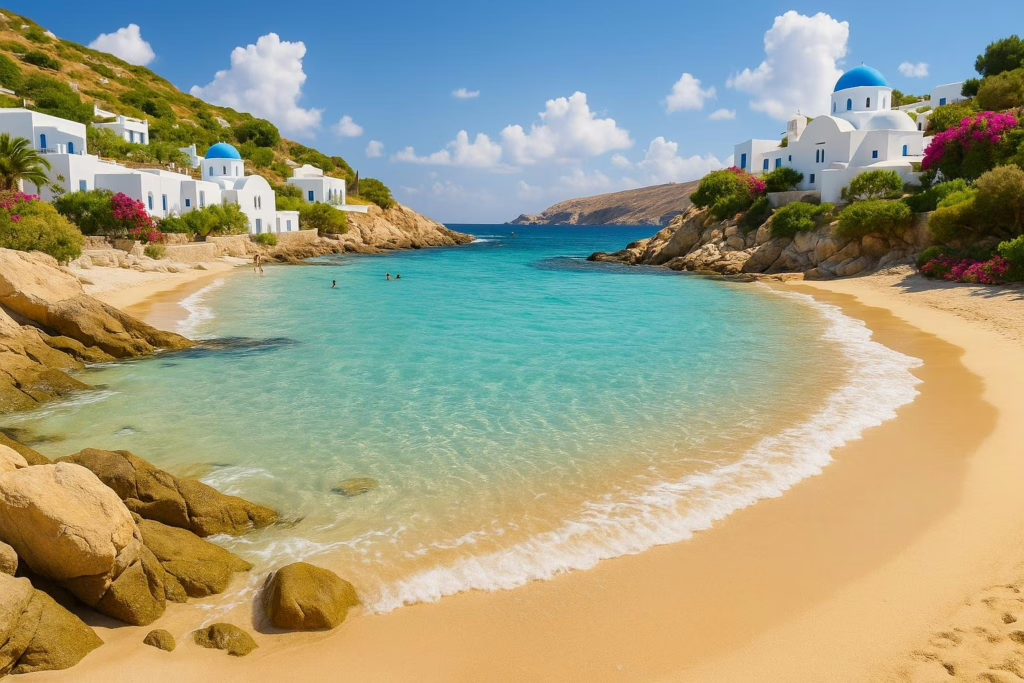
Safe swimming beaches feature gentle entry points and predictable wave patterns. Swimmers should assess water depth changes and current strength before entering.
Protected bays offer the safest conditions with minimal wave action. Exposed coastlines can produce strong currents and unpredictable swells that challenge even experienced swimmers.
Beach accessibility varies considerably across Greek islands. Some beaches require:
- Boat transfers from nearby harbours
- Hiking along coastal paths
- Four-wheel drive vehicles on unpaved roads
Essential safety features include:
- Lifeguard services during peak hours
- Clear depth markers and warning signs
- Easy exit points from the water
- Mobile phone coverage for emergencies
Rocky coastlines demand extra caution despite offering excellent snorkelling opportunities. Swimmers should wear protective footwear and check for sea urchins or sharp surfaces.
Crowd Levels and Atmosphere
Summer crowds peak between July and August when European holidaymakers visit Greek islands. Popular beaches become congested, reducing swimming space and comfort levels.
Early morning and late afternoon periods offer quieter conditions. Most day-trip visitors arrive between 10am and 4pm, creating predictable crowd patterns.
Remote beaches accessible only by boat or hiking maintain peaceful atmospheres throughout the season. These locations suit swimmers seeking solitude and natural surroundings.
Beach facilities influence crowd levels significantly. Locations with:
- Organised sunbed areas attract larger numbers
- Tavernas and bars extend visitor stays
- Water sports centres increase activity levels
- Car parks determine maximum capacity
Weekday visits reduce overcrowding substantially compared to weekend periods. Local Greek families typically visit beaches on Sundays, creating different crowd dynamics than international tourism.
Some beaches maintain exclusive atmospheres through limited access or higher costs, ensuring more comfortable swimming conditions for visitors.
Famous Beaches Renowned for Sea Swimming
These three iconic Greek beaches offer exceptional swimming conditions with crystal-clear waters, protected coves, and stunning natural settings. Each destination provides unique features from dramatic cliffs to pristine white shores that make them world-famous amongst sea swimming enthusiasts.
Navagio Beach (Shipwreck Beach), Zakynthos
Navagio Beach stands as one of Greece’s most photographed swimming destinations. The beach sits in a secluded cove surrounded by towering limestone cliffs that reach heights of 200 metres.
Access and Swimming Conditions:
- Only accessible by boat from Porto Vromi or Zakynthos Town
- Crystal-clear turquoise waters ideal for swimming
- Protected from strong winds by surrounding cliffs
The famous shipwreck of MV Panagiotis creates a unique backdrop for swimmers. This iconic beach on Zakynthos features unspoiled white sands and spectacular blue water that attracts thousands of visitors annually.
The beach offers excellent visibility for swimming, often exceeding 30 metres underwater. Water temperatures remain comfortable from May through October, ranging from 18°C to 25°C.
What Makes It Special:
- Completely sheltered bay perfect for calm water swimming
- Soft white sand bottom ideal for beach entry
- No development or facilities maintain pristine conditions
Myrtos Beach, Kefalonia
Myrtos Beach represents one of Kefalonia’s premier swimming locations with its distinctive white pebbles and stunning turquoise waters. The crescent-shaped coastline stretches for approximately 1 kilometre.
This west-facing beach offers ideal swimming conditions during morning hours. The white pebbles create excellent water clarity, allowing swimmers to see the seabed even at considerable depths.
Swimming Features:
- Gradual depth increase perfect for all swimming abilities
- Turquoise waters maintained by constant natural circulation
- Lifeguard services available during peak season
- Clean facilities including changing rooms and showers
The beach’s remote location along winding mountain roads ensures relatively uncrowded swimming conditions. Water temperatures peak at 24°C during summer months, remaining swimmable until late October.
Strong afternoon winds can create waves, making morning swimming sessions preferable. The dramatic limestone cliffs provide natural windbreaks along sections of the coastline.
Voutoumi Beach, Antipaxos
Voutoumi Beach on Antipaxos delivers exceptional swimming in some of Greece’s clearest waters. This small beach measures just 300 metres but offers world-class swimming conditions in a tropical-like setting.
The beach features brilliant white sand that enhances water clarity. Turquoise waters here rival those found in the Caribbean, with visibility often exceeding 40 metres underwater.
Access and Amenities:
- Reached by boat from Paxos or Corfu
- Two beach tavernas provide refreshments
- Sunbed and umbrella rentals available
- No vehicle access maintains tranquil atmosphere
Swimming conditions remain excellent throughout the season due to the bay’s natural protection. The shallow entry makes it suitable for families whilst deeper areas satisfy experienced swimmers.
Water temperatures stay comfortable from 20°C to 26°C during swimming season. The compact size creates an intimate swimming environment without overcrowding issues common at larger beaches.
Other Top Greek Beaches for Exceptional Swimming
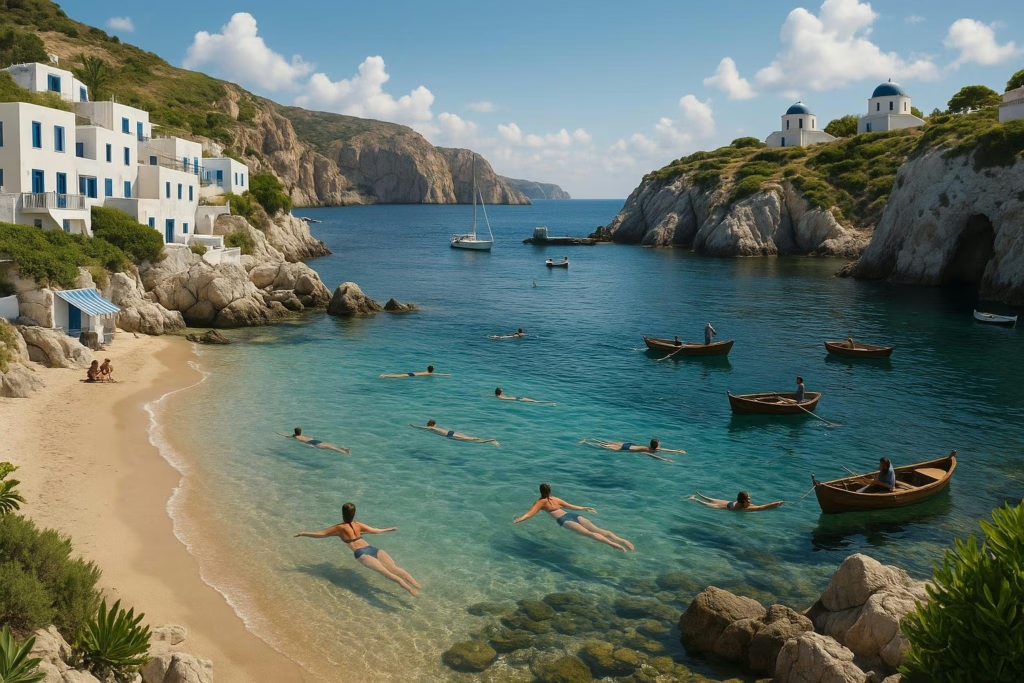
These three beaches combine crystal-clear waters with unique natural features and protected environments. Each offers distinct characteristics from dramatic cliff settings to rare pink sand formations and perfect semicircular bays.
Porto Katsiki, Lefkada
Porto Katsiki ranks among Lefkada’s most dramatic beaches with its towering white cliffs and pristine waters. Swimmers must descend approximately 100 steps down the cliff-side to reach this spectacular beach.
The white sand stretches longer than most visitors expect. The protected cove creates calm swimming conditions ideal for all skill levels.
The Ionian Sea here displays remarkable clarity and brilliant blue colours. The cliff walls provide natural windbreaks, keeping the water relatively calm even on breezy days.
Swimming conditions:
- Deep, clear water close to shore
- Minimal currents due to protected location
- Excellent visibility for underwater exploration
The beach offers basic facilities including sunbeds and umbrellas during peak season. The dramatic cliff backdrop makes this one of Greece’s most photographed swimming spots.
Access requires good mobility due to the steep descent. The climb back up can be challenging in hot weather, so visitors should plan accordingly.
Elafonisi Beach, Crete
Elafonisi Beach features distinctive pink sand created by crushed coral and shells mixed with white sand. This Natura 2000-protected peninsula in southwestern Crete offers exceptional swimming in shallow, warm waters.
The lagoon-like setting creates perfect conditions for families and less confident swimmers. Water depth remains shallow for considerable distances from shore.
Unique features for swimmers:
- Pink-tinted sand beaches
- Exceptionally warm, shallow water
- Multiple swimming coves to explore
- Crystal-clear visibility
The protected nature reserve status ensures pristine water quality and minimal development. Swimmers can explore numerous small coves and inlets around the peninsula.
During low tide, visitors can walk across to the small island. The varied depths accommodate both casual paddling and more serious swimming.
Snorkelling equipment reveals underwater treasures in the clear waters. The protected status means marine life thrives in these undisturbed waters.
Voidokilia Beach, Peloponnese
Voidokilia Beach forms a perfect semicircle of fine white sand in the Peloponnese. This Instagram-famous beach combines stunning aesthetics with excellent swimming conditions in calm, blue-green waters.
The semicircular bay creates naturally protected swimming areas. The gentle slope into the water makes entry easy and safe for all ages.
Swimming highlights:
- Perfectly calm waters due to bay shape
- Soft sand entry with gradual depth increase
- Consistently warm temperatures
- Exceptional water clarity
Behind the beach lies a Natura 2000-protected lagoon supporting diverse wildlife. The protected nature reserve status maintains water purity and natural beauty.
The beach lacks commercial development, so visitors should bring refreshments and sun protection. This pristine environment offers unspoilt swimming in one of Greece’s most geometrically perfect bays.
Swimming conditions remain excellent throughout the season due to the sheltered location and south-facing orientation.
Outstanding Beaches By Region for Sea Swimmers
Greece’s diverse regions offer distinct swimming experiences, from Corfu’s sheltered coves in the Ionian Sea to the volcanic landscapes of Milos in the Aegean Sea. The Halkidiki Peninsula provides some of the mainland’s finest swimming conditions with its three distinctive peninsulas.
Corfu and Paleokastritsa Beach
Corfu sits in the northern Ionian Sea and offers some of Greece’s most protected swimming waters. The island’s western coastline faces calmer seas compared to the more exposed Aegean islands.
Paleokastritsa beach looks like a postcard for Greece with its collection of small coves and inlets. The main beach, Agios Spyridon, provides the largest swimming area with gentle waters ideal for families.
The multiple inlets create naturally sheltered swimming spots. Each cove offers different water depths and entry points. Swimmers can explore underwater caves along the coastline.
Swimming Conditions:
- Water temperature: 18-25°C (May to October)
- Wave conditions: Generally calm due to protected coves
- Visibility: Excellent for snorkelling
The tavernas and cafes along the beach provide convenient facilities for day-long swimming sessions. Boat rentals allow access to more secluded swimming spots along the coast.
Halkidiki Peninsula
Halkidiki extends into the northern Aegean Sea through three finger-like peninsulas: Kassandra, Sithonia, and Mount Athos. Each peninsula offers distinct swimming environments with consistently clear waters.
Kassandra Peninsula provides the most developed beaches with excellent facilities. The eastern shores face calmer morning waters, whilst western beaches offer afternoon swimming with warmer temperatures.
Sithonia Peninsula features more secluded beaches with pristine swimming conditions. The coastline includes both sandy beaches and rocky coves. Porto Koufo provides one of Greece’s most sheltered natural harbours.
Key Swimming Areas:
- Kassandra: Kallithea, Pefkochori
- Sithonia: Vourvourou, Kavourotripes
- Eastern shores: Calmer morning conditions
The peninsula’s geography creates microclimates that affect swimming conditions. Northern beaches tend to be cooler but less crowded. Southern shores offer warmer waters and longer swimming seasons.
Milos and Sarakiniko Beach
Milos sits in the southwestern Aegean Sea and offers unique volcanic swimming environments. The island’s coastline features dramatic rock formations and exceptionally clear waters.
Sarakiniko beach is the most photographed spot in Milos but isn’t a traditional sandy beach. Instead, it’s a channel bordered by smooth, white volcanic cliffs that create a natural swimming pool.
The volcanic rock formations provide natural diving platforms. Water depth increases quickly from the shore, making it suitable for confident swimmers. The white cliffs reflect sunlight, creating brilliant blue water colours.
Swimming Features:
- Unique volcanic rock formations
- Deep, clear waters
- Natural diving opportunities
- Sheltered from strong winds
The narrow channel protects swimmers from larger waves whilst maintaining connection to the open sea. This underrated spot is hardly ever crowded, even during peak season, providing a peaceful swimming environment.
Unique Swimming Experiences on the Greek Islands
Some Greek beaches offer extraordinary swimming conditions that set them apart from typical coastal destinations. These locations feature distinctive geological formations, pristine waters, and remarkable natural settings that create memorable aquatic experiences.
Simos Beach, Elafonisos
Simos Beach transforms the small island of Elafonisos into a tropical paradise with its pristine white sand and shallow turquoise lagoons. The beach stretches across two connected bays, creating protected swimming areas ideal for families and snorkelling enthusiasts.
The water remains remarkably warm and clear throughout the swimming season. Depths increase gradually from the shoreline, allowing swimmers to wade far into the Aegean before needing to swim properly.
Key features include:
- Fine white sand resembling Caribbean beaches
- Crystal-clear shallow waters perfect for children
- Protected lagoons with minimal wave action
- Excellent visibility for underwater exploration
Cedar trees provide natural shade along the dunes. The beach faces south, ensuring maximum sun exposure and comfortable water temperatures from May through October.
Strong winds occasionally create ideal conditions for windsurfing and kitesurfing. During calmer periods, the lagoons become mirror-like, reflecting the surrounding landscape perfectly.
Apella Beach, Karpathos
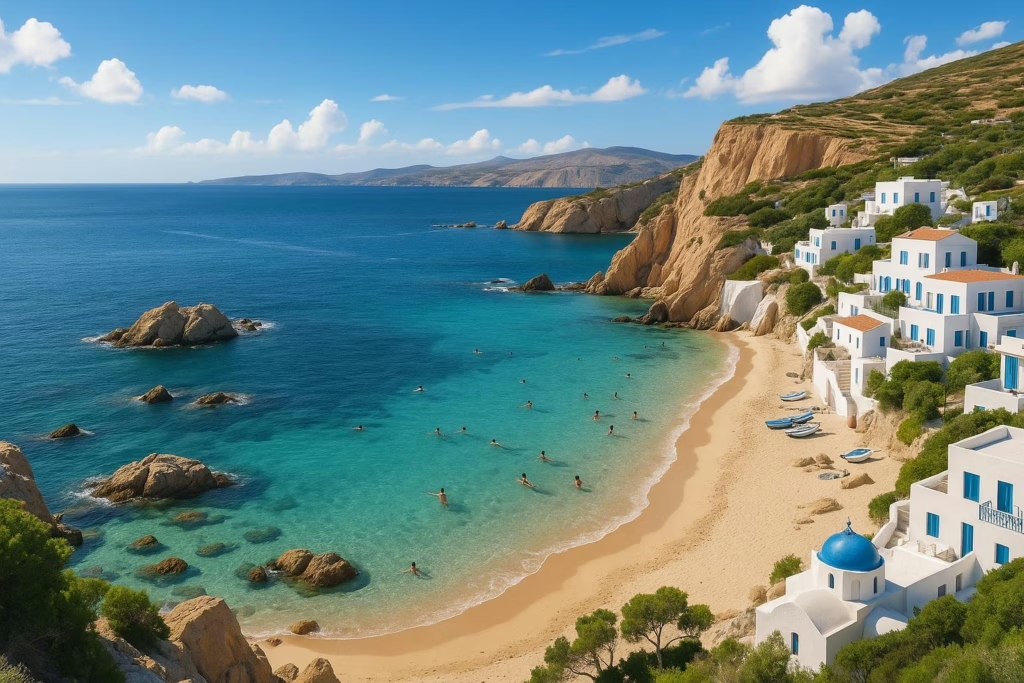
Apella Beach on Karpathos delivers one of the most dramatic swimming settings in the Dodecanese islands. Steep cliffs frame this crescent-shaped bay, creating a natural amphitheatre around crystalline waters that shift from emerald to deep blue.
The beach combines smooth pebbles with patches of coarse sand. Pine trees cascade down the mountainside, releasing their fragrance across the shoreline and providing welcome shade during midday hours.
Swimming conditions remain excellent due to the bay’s protected position. The seabed drops gradually, making it suitable for confident swimmers whilst remaining accessible for others.
Notable characteristics:
- Dramatic cliff backdrop rising 200 metres
- Colour-changing waters throughout the day
- Natural pine forest shade
- Consistent swimming conditions
Access requires a winding mountain road, but this isolation preserves the beach’s pristine character. Few facilities exist, so visitors should bring necessary supplies for extended stays.
Lalaria Beach, Skiathos
Lalaria Beach offers a unique swimming experience amongst smooth white pebbles and towering limestone cliffs. This northern Skiathos beach remains accessible only by boat, preserving its wild character and pristine swimming conditions.
The distinctive round pebbles create a natural massage effect underfoot. Three natural rock arches frame the eastern end of the beach, forming spectacular swimming spots and snorkelling areas.
Waters here display exceptional clarity due to the rocky seabed and lack of sand disturbance. Swimming becomes more challenging during windy conditions, as the beach faces the open Aegean without natural windbreaks.
Distinctive features:
- Smooth white pebbles instead of sand
- Natural limestone arches for exploration
- Exceptionally clear waters
- Boat-only access maintaining pristine conditions
The beach stretches approximately 1 kilometre, offering ample space even during peak season. Early morning visits provide the calmest swimming conditions before afternoon winds develop.
Hidden Gems and Speciality Beaches for Enthusiasts
These lesser-known beaches offer exceptional swimming conditions with unique volcanic sands, dramatic cliff formations, and pristine waters away from crowded tourist areas. Each destination provides distinctive features like black volcanic shores, secluded coves, and excellent facilities for serious swimmers.
Plaka Beach, Naxos
Plaka Beach stretches for over four kilometres along Naxos’s western coast. The beach offers some of the finest golden sand in the Cyclades.
The shallow, crystal-clear waters make it perfect for extended swimming sessions. Cedar trees provide natural shade along sections of the coastline.
Swimming Conditions:
- Water depth increases gradually
- Minimal waves due to protected location
- Average water temperature reaches 24°C in summer
The beach remains relatively quiet despite its beauty. Several hidden beach destinations in Greece offer similar tranquil experiences.
Beach bars operate seasonally at the southern end. They serve fresh seafood and local wines without overwhelming the natural atmosphere.
Red Beach, Santorini
Red Beach sits beneath towering red volcanic cliffs near Akrotiri. The distinctive crimson and black pebbles create a striking contrast against the deep blue Aegean Sea.
Access requires a ten-minute walk along a rocky path. The effort rewards visitors with one of Greece’s most photographically stunning swimming spots.
Key Features:
- Unique geology: Volcanic red rock formations
- Water clarity: Exceptional visibility for snorkelling
- Protection: Sheltered from northern winds
The beach remains small and can become crowded during peak hours. Early morning visits offer the best swimming conditions and fewer people.
Swimming requires careful entry due to the pebbled shore. The water deepens quickly, making it suitable for confident swimmers.
Possidi Cape, Halkidiki
Possidi Cape features a narrow sandy peninsula extending into the Aegean Sea. Swimmers can choose between two distinct coastlines with different characteristics.
The eastern side offers calmer waters protected from prevailing winds. The western shore provides more adventurous swimming with moderate waves.
Distinctive Qualities:
- Dual beach experience on one peninsula
- Fine golden sand throughout
- Lighthouse landmark for navigation
Pine forests border the beach area. They provide excellent shade and camping opportunities for extended visits.
The cape’s unique geography creates different water temperatures on each side. The sheltered eastern waters warm faster during spring months.
Beach bars operate during summer season. They maintain a relaxed atmosphere whilst providing essential refreshments and facilities.
Seychelles Beach, Ikaria
Seychelles Beach earned its exotic name from remarkably clear turquoise waters. The beach lies hidden in a protected cove on Ikaria’s southern coast.
Large smooth rocks frame the small sandy shore. These natural formations create excellent diving platforms and snorkelling opportunities.
Access involves a steep downhill walk through Mediterranean scrubland. The challenging approach helps maintain the beach’s secluded character.
Swimming Highlights:
- Exceptionally clear water visibility
- Natural rock pools for exploration
- Protected from strong currents
The beach lacks commercial facilities entirely. Visitors must bring water, food, and shade equipment.
Swimming conditions remain excellent throughout the season. The cove’s orientation provides protection from most weather conditions.
Potami Beach, Samos
Potami Beach combines a beautiful pebbled shore with a freshwater river mouth. The Potami River creates a unique swimming environment where fresh and salt water meet.
Ancient plane trees line the riverbank. They create natural pools perfect for cooling off between sea swimming sessions.
The beach extends for several hundred metres along Samos’s northern coast. Multiple entry points accommodate different swimming preferences and abilities.
Notable Features:
- River and sea swimming options
- Natural shade from mature trees
- Varied depth zones for all swimmers
Small tavernas operate near the parking area. They serve traditional Greek dishes and provide changing facilities.
The combination of river and sea creates slightly cooler water temperatures. This makes Potami ideal for swimming during the hottest summer months.
Frequently Asked Questions
Greek islands like Crete and Kefalonia provide excellent swimming conditions with their clear waters and varied beach types. Swimming seasons typically run from May through October, though some locations offer suitable conditions year-round.
Which Greek islands offer the best beaches for avid sea swimmers?
Crete stands out as the top choice for swimmers, featuring Elafonissi Beach with its shallow pink sands and Balos Beach with crystal-clear waters. The island offers diverse swimming conditions from protected coves to open sea areas.
Kefalonia provides excellent swimming at Myrtos Beach, known for its turquoise waters and white pebble coastline. The island’s western beaches offer deeper waters ideal for strong swimmers.
Naxos features Plaka Beach, one of Greece’s longest beaches, providing ample space for swimming with consistent water conditions. The southwestern shore offers gentle waves suitable for extended swimming sessions.
Mykonos caters to swimmers seeking convenience with Platys Gialos offering family-friendly waters and excellent facilities. The island’s southern beaches provide calmer conditions compared to the windier northern shores.
What are the most suitable beaches in Greece for year-round sea swimming?
Southern Crete offers the longest swimming season, with beaches like Elafonissi maintaining swimmable temperatures from April through November. The island’s southern exposure provides protection from northern winds.
Rhodes and Kos in the Dodecanese enjoy mild winters and extended swimming seasons. Water temperatures remain comfortable through October and become suitable again by early May.
The Peloponnese mainland beaches, particularly around Messinia, offer year-round swimming potential. Voidokilia Beach’s horseshoe shape creates a protected environment with consistently calm waters.
Can you recommend any lesser-known beaches in Greece that are ideal for swimming?
Simos Beach on Elafonisos requires a ferry journey but rewards swimmers with translucent waters and golden sand. The beach remains relatively uncrowded even during peak season.
Sarakiniko Beach on Milos offers unique swimming in a lunar-like landscape with smooth grey rocks and deep blue waters. The protected channel provides calm conditions ideal for swimming.
Thassos’s Golden Beach combines mountain scenery with excellent swimming conditions. The northern location means fewer crowds whilst maintaining excellent water quality and safety standards.
What safety considerations should one keep in mind when swimming in Greek beach waters?
Check for lifeguard presence, as many remote beaches operate without supervision. Popular beaches like Myrtos on Kefalonia provide lifeguard services during summer months.
Be aware of local wind conditions, particularly the Meltemi winds that affect the Aegean Sea from July through September. These can create rough seas and strong currents.
Monitor weather forecasts and sea conditions before swimming. Greek beaches can experience sudden weather changes, especially on exposed western coastlines.
Respect local marine life and avoid swimming near fishing areas or boat channels. Many Greek beaches have designated swimming zones marked by buoys.
Are there any beaches in Greece that offer calm waters suitable for swimming laps?
Voidokilia Beach’s protected bay formation creates consistently calm conditions ideal for lap swimming. The shallow, clear waters allow swimmers to maintain steady routines.
Koukounaries Beach on Skiathos provides excellent calm water swimming within its crescent-shaped protected bay. The fine sand and clear water make it suitable for regular swimming exercise.
Plaka Beach on Naxos offers long stretches of calm water perfect for distance swimming. The beach’s length provides ample space for extended swimming sessions without crowding.
Protected coves on larger islands often provide the calmest conditions. Look for beaches facing east or southeast, which typically experience less wind and wave action.
What facilities can one expect at the top-rated Greek beaches for swimmers?
Popular beaches like Elafonissi provide comprehensive facilities including changing cabins, showers, and safety equipment. Umbrella and lounger rentals are typically available during peak season.
Organised beaches such as Platys Gialos on Mykonos offer extensive amenities including restaurants, water sports facilities, and boat services. These beaches cater specifically to tourists seeking convenience.
Remote beaches often have limited facilities, requiring visitors to bring their own supplies. Beaches like Balos on Crete have minimal infrastructure despite their popularity.
Island beaches generally provide better facilities than mainland alternatives. Tourist-focused islands invest more heavily in beach infrastructure and safety measures.