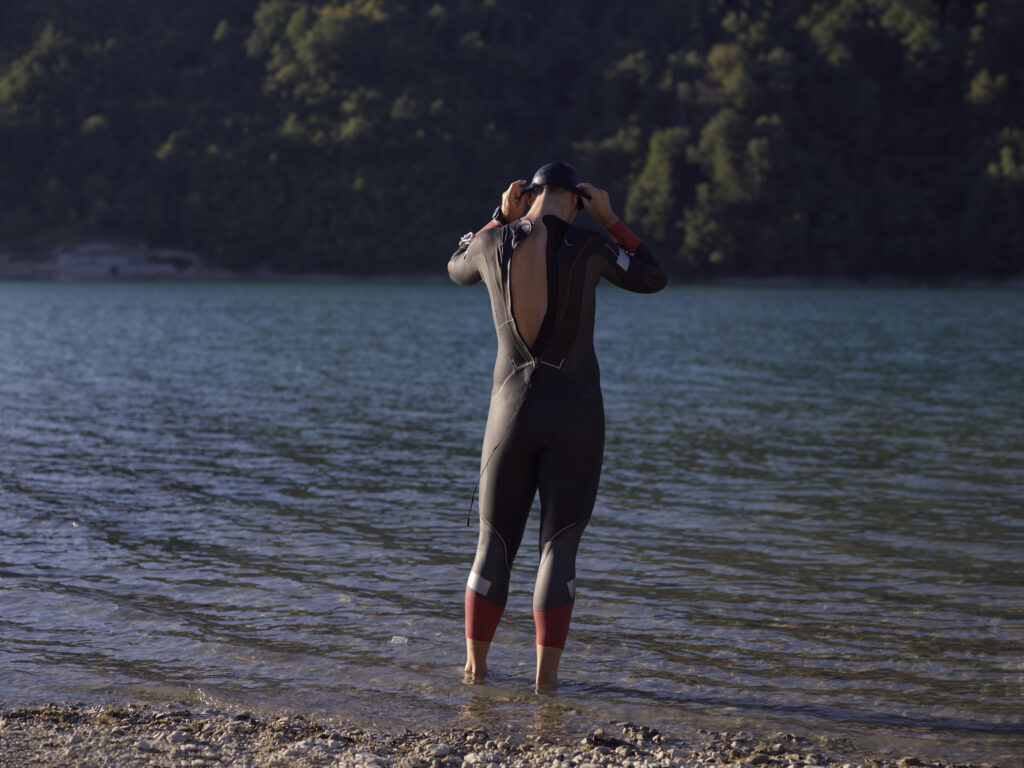
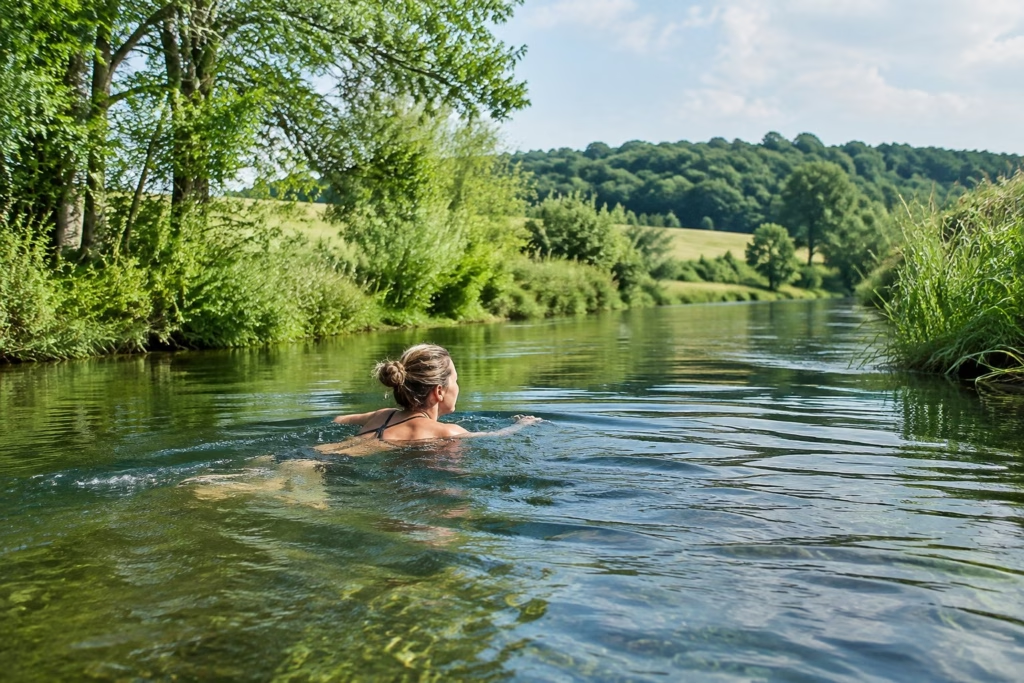
Wild swimming in Hampshire gives you chalk streams, sheltered coastline and managed lakes within a short drive of almost anywhere in the county. Guided outdoor swimming sessions across Hampshire are the safest way to start, because a trained swim guide handles entry points, water conditions and exit planning while you focus on breathing and staying calm. Sessions run in the River Hamble, lakes near Southampton and Eastleigh, and along the Solent shoreline.
Open water swimming here suits nervous first-timers as much as it suits triathletes. Some people want twenty minutes of cold water and a hot flask afterwards. Others want stroke coaching and a 150m buoy loop.
Hampshire, UK has an unusual mix of swimming spots for one county. Tidal creeks feed into Southampton Water, the River Test and River Itchen run clear over chalk, and the New Forest coast opens onto shingle beaches with wide, shallow entries.
By the end of this page you will know which waters suit your ability, how to check conditions before you travel, and what a guided session costs.
Guided Outdoor Swimming Experiences for Every Confidence Level
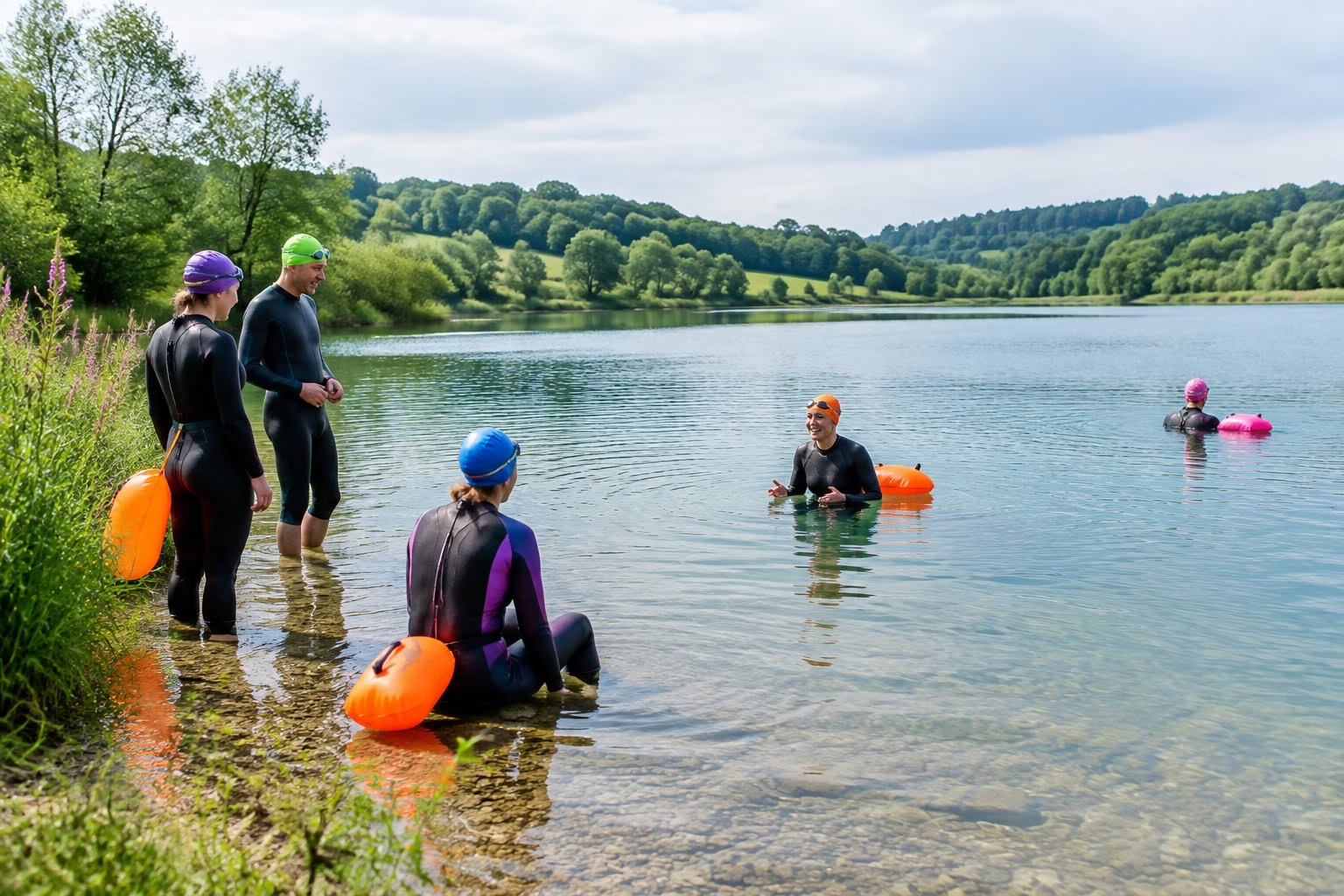
Guided sessions in Hampshire run at three broad levels: a first supported dip, a small private swim, and technique coaching for open-water swimmers with a race or distance goal. Every session starts with a safety briefing and a slow, controlled entry.
First-Time Sea and Freshwater Dips
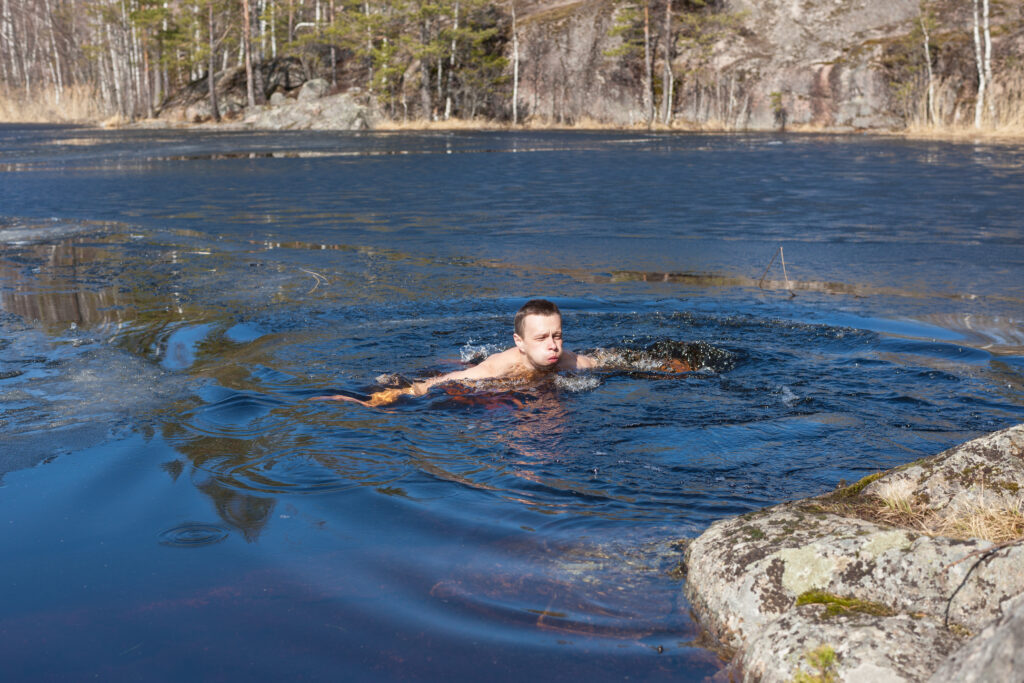
Your first wild swim should be short, shallow and close to the bank. A guide walks you in slowly, keeps you chest-deep while your breathing settles, and watches your face and lips for the signs that it is time to get out.
Cold water shock is the real risk, and it hits below 15°C. Splashing your face and the back of your neck before you submerge takes the edge off the gasp reflex. Most first dips last five to ten minutes, and that is plenty.
Wild sea swimming feels different again. Salt water lifts you higher, waves break your rhythm, and the shingle underfoot moves. Groups like the Shack Sharks have built the same habit across the south coast: short swims, warm clothes waiting, someone counting heads.
Private Guided Swims and Small Groups
One-to-one and two-to-one swims suit anyone who feels self-conscious in a group or has a specific worry, like putting their face in or swimming out of their depth. A private session lets the guide set the pace entirely around you.
Small groups of friends work well too. You get the safety cover of a guided swim with people you already trust, which makes a nervous first entry much easier.
Technique Coaching for Open-Water Swimmers
Pool swimmers often struggle outdoors because they cannot see a black line or a wall. Coaching sessions focus on sighting every few strokes, breathing bilaterally when chop comes from one side, and holding a straight line without lane ropes.
Thirty-minute stroke sessions attached to a lake evening are a practical way to fix this. Bring a wetsuit if you are training for distance, since the buoyancy changes your body position and you need to practise in the kit you will race in. Our swimming for fitness guide for beginners covers the dryland side of building that endurance.
How Much Do Guided Swim Sessions Cost?
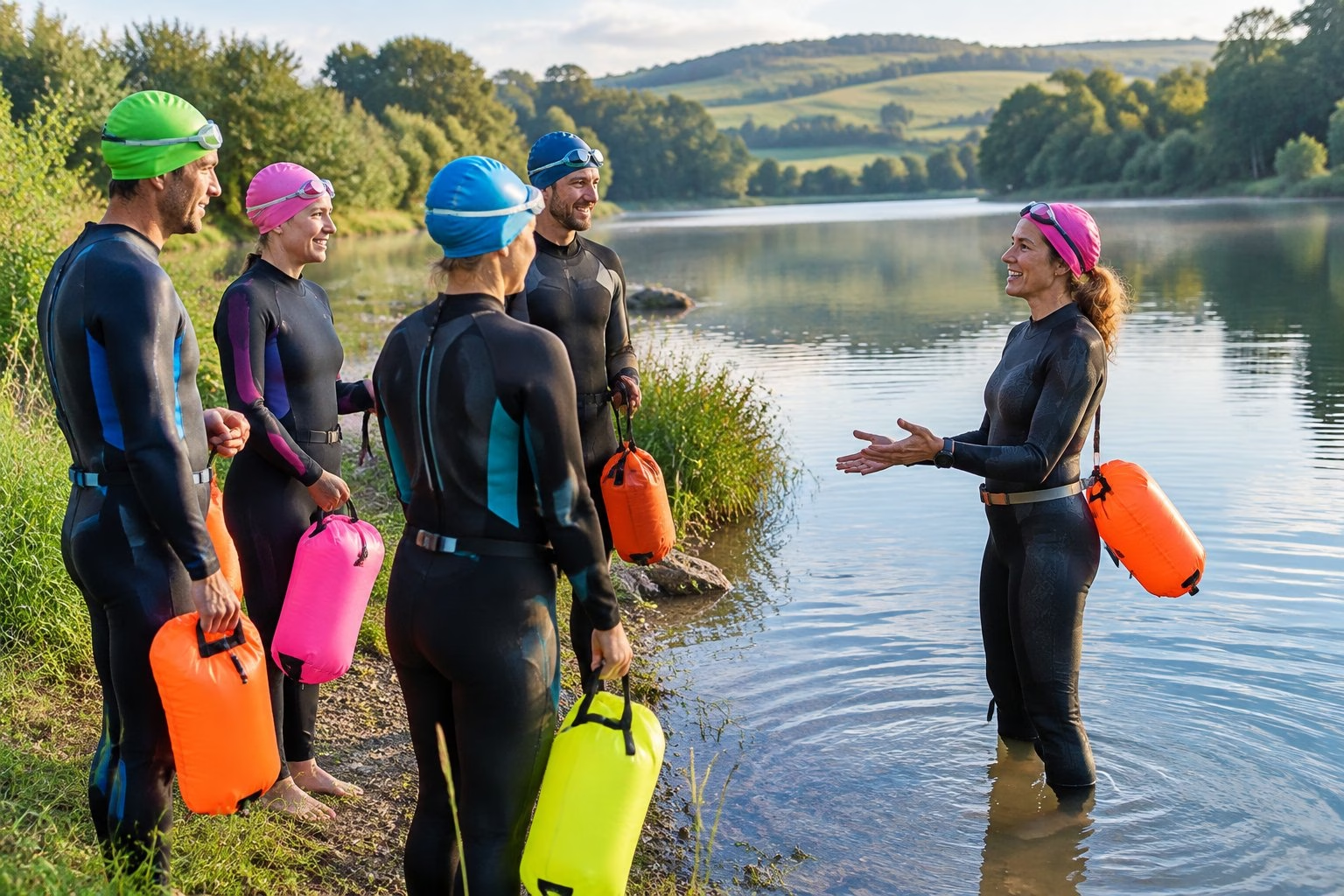
Expect to pay around £12 per person for a short guided group swim in Hampshire, and roughly £60 for a private one-to-one hour. Small group coaching sits between the two.
| Session type | Typical price | What it covers |
|---|---|---|
| Guided group swim (river) | £12 per person plus parking | Briefing, short guided swim, head count |
| Small group confidence session | From £35 per person | Entry skills, safety, supported swim |
| Private 1-to-1 session | £60 per hour | Technique, water confidence, first entry |
| Lake evening session | Venue entry fee | Buoy loop or dip, optional stroke coaching |
The £12 figure comes from a guided Swimble on the River Hamble run through the country park, which includes a ten-minute woodland walk to the entry point and around 250 metres of swimming. Private and small group rates of £60 and £35 are published by an independent open water coach.
To book a guided swim, contact your chosen provider directly and confirm the meeting point, tide-dependent start time and cancellation policy before you travel. Sessions on tidal water shift by an hour or more week to week.
What Is Included in Your Booking?
A booking covers guiding, a safety briefing and supervision in the water. It does not include kit, parking, or insurance for your own belongings.
Guides usually carry a tow float, a whistle and a phone in a dry bag. Ask whether a lifeguard qualification is held, and how many swimmers one guide supervises.
Group, Private and Coaching Session Options
Group swims are sociable and cheap, and they are the right choice if you want regular cold water without a fixed training plan. Private sessions make sense when you have a specific fear or a race date.
Coaching blocks suit anyone moving from 250m to a mile. Book several sessions close together so the changes stick.
When a Wetsuit or Extra Equipment May Be Needed
A wetsuit is worth wearing below about 15°C, and for any swim over twenty minutes outside high summer. UK water sits at roughly 14 to 18°C even in warm months.
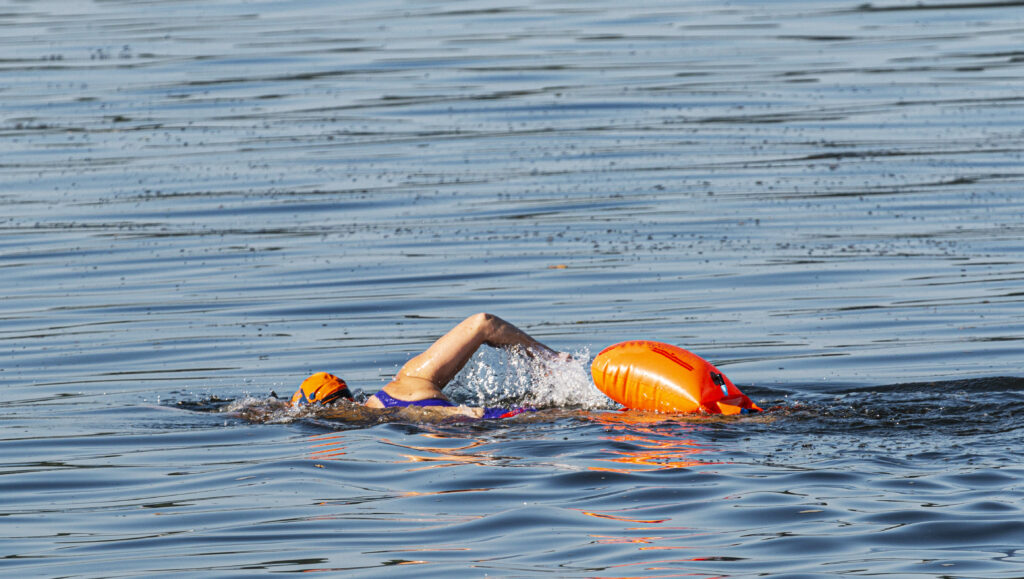
Neoprene gloves and socks do more for comfort than a thicker suit, since hands and feet lose heat fastest. Try a wetsuit on before buying, or hire one first. A bright tow float and a brightly coloured hat matter more than the suit, and our piece on safety buoy floats for open water swimming explains why.
Choosing the Right Hampshire Water for Your Swim
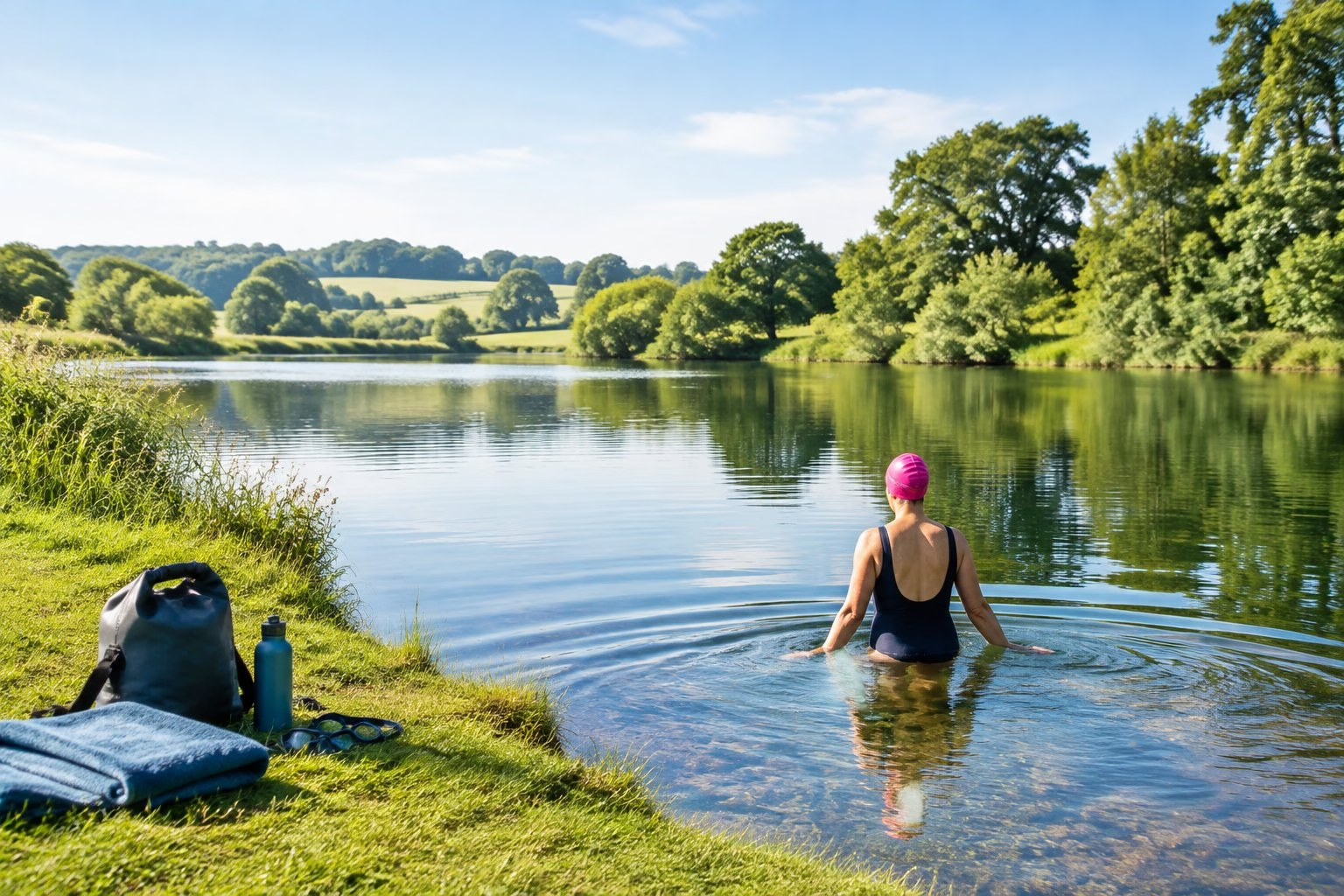
Match the water to your ability, not to the photo you saw. Sheltered Solent beaches suit beginners, chalk streams suit short shallow dips, and managed lakes suit anyone building distance.
Sheltered Coastal Swims Along the Solent
The Solent shoreline gives you the calmest sea swimming in the county because the Isle of Wight blocks the swell. Calshot Beach, at the mouth of Southampton Water, has shingle entries and views across the shipping lane.
Lepe Country Park, Tanners Lane near Lymington, and Hordle Cliff beach near Milford-on-Sea all offer wide shallow entries at mid-tide. Around Hurst Castle and the spit towards Highcliffe, tidal streams run hard, so treat that stretch as advanced water only. Crabbing Bridge near Lymington is popular but sits on a fast tidal creek.
Southampton Water itself carries heavy commercial traffic. Stay well inshore of the channel.
Chalk-Stream Dips Near Winchester and Test Valley
The River Itchen at St Cross near Winchester and the River Test through Stockbridge, Houghton, Twyford and Compton Lock give you clear, shallow chalk water. Depths are often waist to chest high, so these are dipping and floating spots more than swimming lengths.
Most of the Test and Itchen is private fishing water. Check access before you go, and avoid the fishing season entirely on managed beats.
Managed Lake Sessions for Structured Training
Managed venues remove the access question and add safety cover. Andark Lake near Fareham, Ellingham Lake at the Ellingham Water Ski & Wakeboard Club near Ringwood, Lakeside Country Park in Eastleigh, sessions run by HOWL Multisports, and Mistletoe Lake with its Fallen Willow Sauna all operate structured swim slots.
Lakes let you swim buoy loops, practise sighting and get out easily. If you are weighing venues, our roundup of the best lakes for open swimming in the UK gives useful comparison points.
New Forest Beaches and River Paddling
New Forest wild swimming mostly means the coast, not the Forest’s own ponds and streams. The River Lymington near Balmer Lawn and Brockenhurst is shallow enough for paddling and cooling off, and the Forest’s inland waters are protected habitat.
Head to Lepe, Tanners Lane or Milford-on-Sea for a proper swim. The shingle beaches shelve steeply in places, so walk in and test the drop.
Safety, Permissions and Conditions Before You Enter the Water
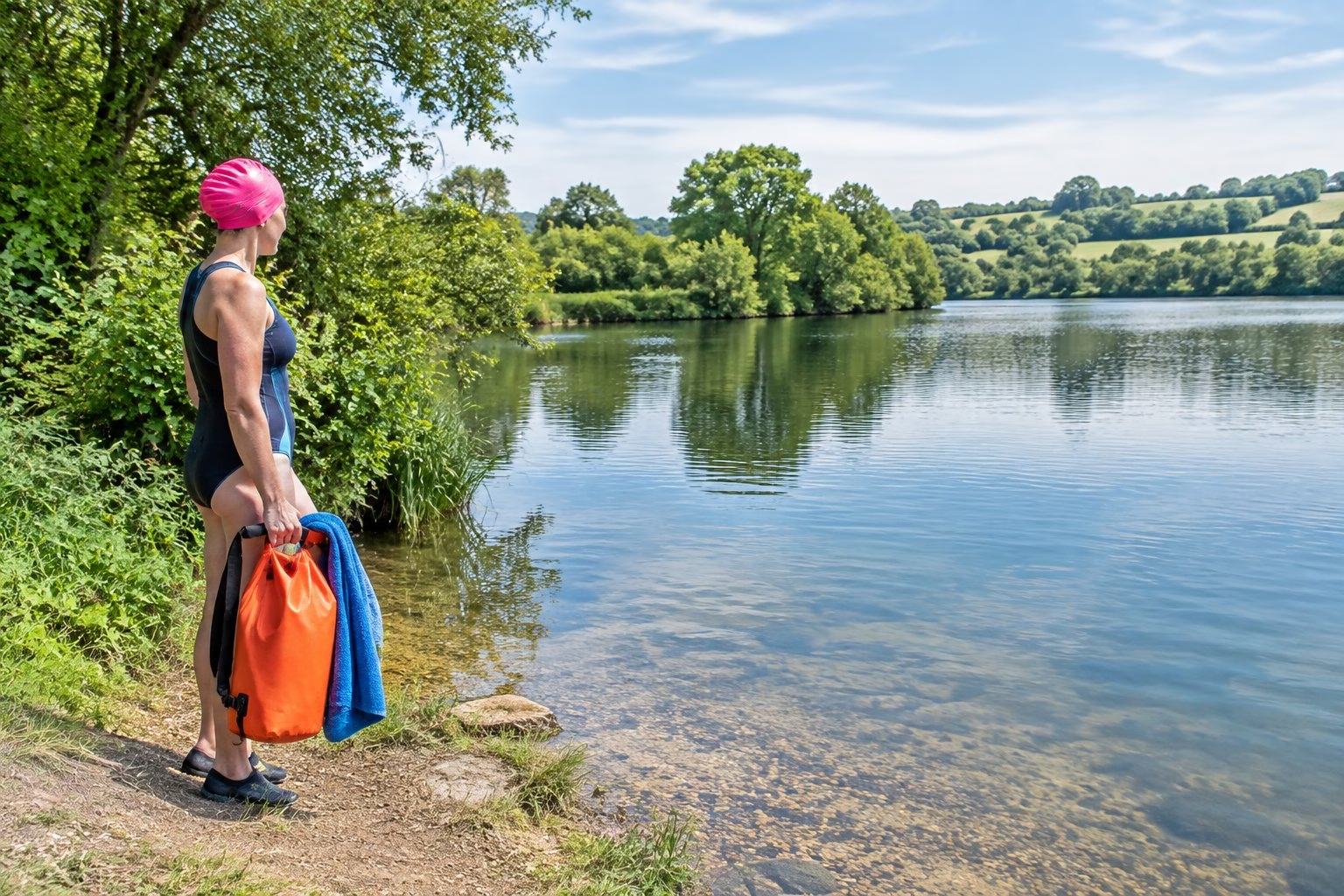
Check three things before every swim: water quality, tide or river flow, and whether you have the right to be there. Drowning statistics make the case plainly, with 193 accidental drowning deaths recorded across UK inland and coastal locations in 2024.
How to Check Water Quality
England has 451 designated bathing waters monitored by the Environment Agency, graded Excellent, Good, Sufficient or Poor, and you can look up any site’s classification before travelling. Testing runs through the bathing season from May to September.
Avoid swimming for 48 hours after heavy rain, when road runoff and storm overflows spike bacteria levels. Surfers Against Sewage recorded 584,001 raw sewage discharges into UK waterways in 2023, so live pollution alerts are worth checking on the day.
Blue-green algae is the other freshwater risk. If the water looks like green paint or has foam scum on the surface, do not get in.
Why Tide Times and Strong Currents Matter on the Coast
Tides move fast in the Solent and Southampton Water, and the River Hamble runs hard on the ebb. Swim on slack water, the hour either side of high or low tide, and never swim against an outgoing tide.
Around Hurst Castle the tidal stream is genuinely dangerous to swimmers. Rip currents form near river mouths, estuaries, piers and groynes, showing as a channel of choppy, churning water. Our explainer on the safest time to sea swim around high and low tide goes deeper on timing.
If you are caught out, float to live: tilt your head back with ears submerged, relax, and let your breathing settle before you try to swim.
Access Rights, Landowner Permission and Respecting Wildlife
There is no general right to swim in English rivers and lakes. Most Hampshire chalk stream frontage belongs to fishing syndicates or estates, and swimming without permission is trespass.
Share the water sensibly with fishing, sailing and windsurfing users. Keep clear of moorings and slipways, stay out of channel marks, and avoid nesting birds on the saltmarsh between March and August.
Your Essential Cold-Water Swim Checklist
- Never swim alone, and tell someone your entry point and expected finish time
- Bright swim hat and tow float so boats and other swimmers can see you
- Towel, changing robe and a warm hat for straight after
- Flask of something hot and a snack
- Enter slowly, splash face and neck, wait for your breathing to steady
- Get out while you still feel good, before shivering starts
- Dry off, layer up, and skip the very hot shower
Our guide to essential safety gear for wild swimming beginners covers kit choices in more detail.
Local Hampshire Knowledge and Areas We Cover
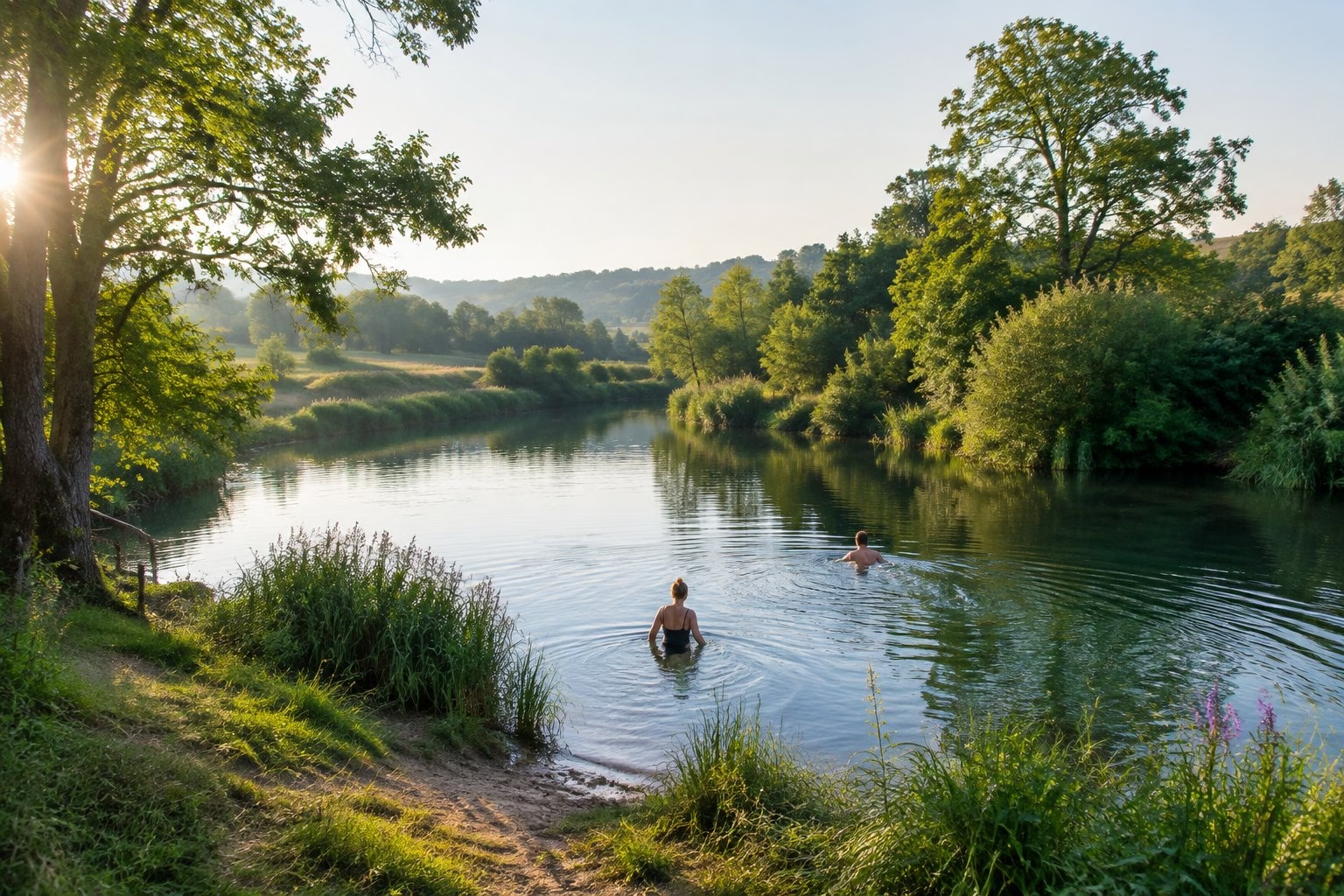
Guided swims run across the whole county, from the Hamble Valley out to the New Forest coast and east towards Portsmouth Harbour. Each area has its own tide pattern and its own best window in the day.
Southampton, Eastleigh and the Hamble Valley
The River Hamble is the county’s most accessible guided swim water, with woodland walk-ins and a downstream swim to the beach on the right tide. Lakeside Country Park in Eastleigh gives Southampton swimmers a still-water option for buoy loops.
Hamble swims are tide dependent, so start times shift week to week.
The New Forest, Lymington and Ringwood
Around Lymington, Tanners Lane and the Milford-on-Sea shore give sheltered sea swims on a rising tide. Ringwood swimmers have managed lake sessions nearby, with sauna facilities at some venues.
Keep to the coast and managed water here. The Forest’s inland ponds are protected.
Winchester, Test Valley and North Hampshire
Winchester sits on the Itchen, with shallow chalk water at St Cross best suited to dipping. Test Valley offers similar water at Stockbridge and Houghton, again subject to landowner permission.
Further north, the Basingstoke Canal and Odiham Ford near Hook draw paddlers and dippers. Canal water quality varies, so check before you commit.
Portsmouth, Gosport and the East Coast
Stokes Bay at Gosport and Lee-on-the-Solent give you long shingle beaches with steady swimming and clear sightlines. Hayling Island and West Beach are exposed to more swell, which makes them better for confident sea swimmers.
Across the water, Ryde, Seaview and Sandown on the Isle of Wight are a short ferry away, and Blackgang naturist beach draws a small regular group. Fareham sits between the two coasts, close to lake venues and harbour water alike.
To arrange a guided swim in any of these areas, contact a local provider with your preferred date and location, and confirm the tide-adjusted meeting time the day before. Sessions run year round, with the quietest, clearest water usually early on weekday mornings.
Frequently Asked Questions
Where are the best places for wild swimming in Hampshire?
Calshot Beach, Lepe Country Park, Tanners Lane and the Milford-on-Sea shore are the strongest coastal options, while managed lakes near Eastleigh, Fareham and Ringwood suit structured swimming. For wild swimming Southampton residents can reach easily, the River Hamble country park entry point is the usual starting place. Use a wild swimming Hampshire map alongside Environment Agency bathing water data before you travel.
Can beginners join a guided outdoor swim in Hampshire?
Yes, and beginners make up a large share of guided sessions. Group Swimbles cover around 250 metres on a supported route, and private one-to-one sessions can start with nothing more than standing chest-deep. You need basic swimming ability and no medical reason to avoid cold water immersion.
How do I check whether water quality is suitable for swimming?
Check the Environment Agency classification for designated bathing waters, then check live sewage alerts on the day through the Surfers Against Sewage app. Avoid swimming for two days after heavy rain, and never enter water with green paint-like scum on the surface. Undesignated rivers and lakes are not routinely tested, so judge them on rainfall, smell and clarity.
Is it safe to swim at Hampshire beaches when the tide is changing?
Swim in the hour either side of high or low tide, when the flow is weakest. Mid-tide in the Solent and Southampton Water brings strong currents, and the water around Hurst Castle runs too fast for safe swimming on a spring ebb. Always check tide times for your specific beach rather than a general Solent table.
Do I need a wetsuit for open-water swimming in Hampshire?
A wetsuit is sensible below roughly 15°C and for swims longer than twenty minutes outside high summer. Many regular dippers swim in ordinary swimwear year round, building tolerance gradually over months. Neoprene gloves, socks and a warm hat add more comfort per pound than a thicker suit.
Can I swim in Hampshire’s rivers and lakes without permission?
No general right to swim exists in English rivers and lakes, so most inland wild swimming locations need landowner permission. Much of the River Test and River Itchen is privately owned fishing water, and New Forest wild swimming in the Forest’s own ponds is off-limits. Managed venues like Mistletoe Lake and wild swimming Basingstoke options along the canal remove the doubt by granting access directly.